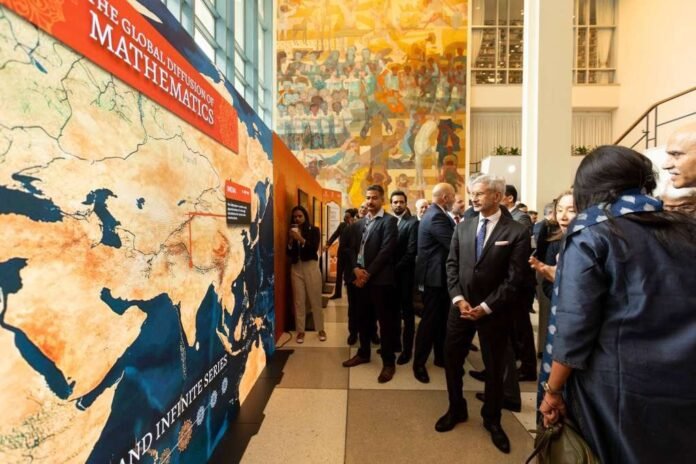
India’s ancient mathematical wisdom took centre stage at the United Nations headquarters in New York as External Affairs Minister S. Jaishankar inaugurated a special exhibition titled “From Shunya to Ananta (Zero to Infinity): The Indian Civilisation’s Contribution to Mathematics.” The exhibition, organised by the Permanent Mission of India to the UN, highlights India’s historic and foundational role in shaping the world of mathematics and scientific thought.
#WATCH || At the inauguration of the ‘Shunya to Ananta’ exhibition, EAM @DrSJaishankar says, 'We, who are gathered here, are not merely looking at the numbers on the wall, we are observing a civilisation that originated in the intellectual soil of India. This is an inheritance,… pic.twitter.com/e5Vou9I5g6
— All India Radio News (@airnewsalerts) May 12, 2026
Held at the UN headquarters from May 11 to May 15, the exhibition traces over two millennia of mathematical developments originating in India — from the invention of shunya (zero) and the decimal place value system to algebra, geometry, combinatorics, binary enumeration and astronomical calculations.
Speaking at the inauguration, Jaishankar said that the history of scientific progress has often been viewed through a “narrow lens” that overlooked contributions from many civilisations, including India. He stressed the need for a more balanced understanding of global scientific heritage. According to him, the exhibition reflects not only India’s intellectual traditions but also the interconnected nature of human knowledge across cultures and centuries.
The exhibition also showcases the work of legendary Indian mathematicians and scholars such as Aryabhata, Brahmagupta and Bhaskara II, along with contributions of the Kerala School of astronomy and mathematics. Their pioneering work laid the foundation for several concepts that later influenced mathematics in the Arab world and Europe.
One of the central themes of the exhibition is how ideas born in ancient India continue to shape the modern world. Digital panels demonstrate how early Indian mathematical concepts, including binary logic and numerical systems, form the basis of today’s computing technologies, algorithms, GPS systems and artificial intelligence. Jaishankar remarked that the very code powering the modern technological age was conceptualised in India centuries ago.
India’s Permanent Representative to the UN, Parvathaneni Harish, described mathematics as a universal language that unites humanity rather than divides it. He noted that India historically treated knowledge as a shared global resource, comparing the country’s ancient knowledge traditions to the modern idea of “open source.”
The exhibition has been organised under the India International Centre’s SAMHiTA initiative in collaboration with the Indian Council for Cultural Relations (ICCR). It is part of India’s broader cultural diplomacy efforts to present its civilisational heritage and scientific achievements on international platforms. In recent years, India has increasingly highlighted its contributions in fields such as yoga, Ayurveda, philosophy and traditional knowledge systems at global forums.
More than just a display of historical achievements, “From Shunya to Ananta” serves as a reminder that scientific progress has always been the result of shared human endeavour. By bringing India’s mathematical legacy to the United Nations, the exhibition seeks to encourage a more inclusive understanding of world history — one that recognises the diverse civilisations that helped shape modern science and technology.
India has achieved a significant milestone in its journey toward defence self-reliance with the rollout of the first “Made in India” Airbus C295 military transport aircraft from the Tata Advanced Systems facility in Vadodara, Gujarat. The development marks a historic moment for India’s aerospace and defence manufacturing sector and highlights the growing success of the country’s “Make in India” and “Atmanirbhar Bharat” initiatives.
Watch | A video shows the first C-295 Aircraft from Vadodara Facility (FAL-Final assembly line) of Tata Advanced System in advance stage. As per the official position, the first "Made in India" C-295 tactical transport aircraft is scheduled to be rolled out in September this… pic.twitter.com/HvllFFWvpR
The C295 aircraft is being manufactured through a partnership between Airbus and Tata Advanced Systems Limited (TASL). The Vadodara facility is India’s first private-sector Final Assembly Line (FAL) for military aircraft, a landmark achievement for the country’s private aerospace industry.
The C295 programme is part of a ₹21,935 crore deal signed between India and Airbus in 2021 for the procurement of 56 transport aircraft for the Indian Air Force. Under the agreement, 16 aircraft are being delivered in fly-away condition from Spain, while the remaining 40 aircraft will be manufactured and assembled in India at the Vadodara facility.
The aircraft is intended to replace the ageing Avro transport fleet of the Indian Air Force and is capable of tactical airlift operations, troop transport, medical evacuation, disaster response, and cargo missions. Known for its ability to operate from short and unprepared runways, the C295 is expected to significantly strengthen India’s military transport capabilities.
The rollout of the first indigenous C295 also reflects the rapid growth of India’s domestic aerospace ecosystem. According to Airbus and Tata, the programme involves manufacturing over 13,000 aircraft parts in India with participation from dozens of Indian suppliers, including several MSMEs. More than 85% of the aircraft’s structural assembly work for the India-made units will take place domestically.
The Vadodara assembly line was inaugurated in October 2024 by Prime Minister Narendra Modi and Spanish Prime Minister Pedro Sánchez. At the inauguration, the project was described as a symbol of India’s growing manufacturing strength and its emergence as a trusted global aerospace hub.
The first Made-in-India C295 is expected to be formally delivered to the Indian Air Force in the coming months, with full-scale production planned through 2031. Defence experts believe the project could become a turning point for India’s private defence manufacturing sector, much like how the Maruti-Suzuki partnership transformed India’s automobile industry decades ago.
The rollout is therefore not just the launch of a military aircraft, but a statement of India’s growing technological capability, industrial confidence, and ambition to become a global leader in aerospace and defence manufacturing.
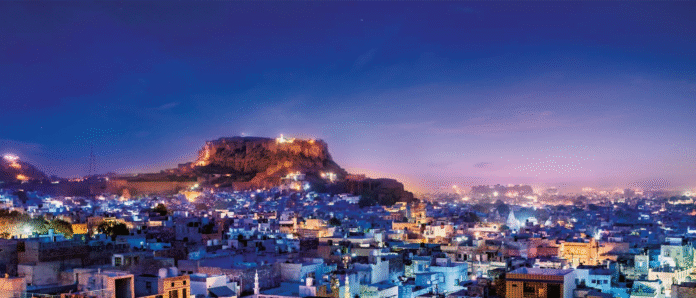
Upon the golden dunes of Rajasthan rises a city where every sunrise kisses the mighty walls of Mehrangarh Fort, and every sunset turns narrow lanes into a dream painted in blue. This is Jodhpur, the “Crown of Marwar,” a city where history breathes through sandstone palaces, ancient legends echo through desert winds, and every street tells a story older than time itself.
Today, Jodhpur celebrates its Foundation Day. On May 12, 1459, Rao Jodha laid the foundation of this magnificent city, never imagining that centuries later it would become one of the world’s most celebrated heritage destinations. Yet behind its royal charm lies a treasure chest of mysteries, sacrifices, and fascinating tales.
The Mystery of the Blue City
The world calls Jodhpur the “Blue City,” but the color is more than just beauty, it is history mixed with science and tradition. Long ago, Brahmin families painted their homes with lime mixed with copper sulfate to protect walls from termites and keep interiors cool during the scorching desert summers. Over time, the city transformed into a mesmerizing ocean of blue, giving Jodhpur its magical identity that enchants travelers from across the globe.
Mehrangarh: A Fort Built by Angels
Towering 410 feet above the city, Mehrangarh Fort stands like a guardian of eternity. When celebrated writer Rudyard Kipling first saw the fort, he famously declared, “It was built by angels, fairies, and giants rather than by men.”
Massive cannon marks still scar its walls, whispering stories of battles fought centuries ago. From its ramparts, the blue city below appears like a painted canvas stretching endlessly into the desert horizon.
The Sacrifice That Strengthened a Kingdom
Every great kingdom is built upon sacrifice, and Jodhpur’s story is no different. Legend says that during the construction of Mehrangarh Fort, a man named Raja Ram Meghwal voluntarily chose to be buried alive within the foundation to ensure prosperity and protection for the kingdom.
Even today, a memorial inside the fort honors his sacrifice, a solemn reminder that the glory of Marwar was built not only by kings, but also by ordinary people with extraordinary courage.
Umaid Bhawan Palace: A Living Royal Dream
Jodhpur is also home to one of the world’s largest private residences, the magnificent Umaid Bhawan Palace. Part palace, part luxury hotel, and part museum, it remains a living symbol of royal grandeur.
What makes it even more extraordinary is that the palace was constructed without cement. Instead, massive stones were joined together using an ingenious interlocking system, making it an architectural marvel of its time.
The City of Eternal Sunshine
Jodhpur is lovingly called the “Sun City” because sunlight blesses it almost every day of the year. Even in winter, the warm golden sun draws travelers into its streets, courtyards, and bustling bazaars.
Here, mornings smell of fresh spices and desert air, while evenings glow with music, lanterns, and stories whispered beneath ancient havelis.
The Bishnoi Legacy: Guardians of Nature
Near Jodhpur lies the village of Khejarli, sacred in the history of environmental conservation. It was here that 363 villagers sacrificed their lives to protect trees from being cut down — centuries before the modern environmental movement began.
The Bishnoi community of this region treats wildlife like family. Blackbucks and chinkaras roam freely across the desert lands, protected with deep love and devotion.
A City Flavored with Fire and Sweetness
No journey to Jodhpur is complete without tasting its legendary Mirchi Vada — a fiery snack bursting with spice and flavor. And then comes the famous Mawa Kachori, a rich sweet delicacy so indulgent that it feels like royalty wrapped in sugar and saffron.
The flavors of Jodhpur travel far beyond India, carrying the taste of Marwar across oceans and continents.
Osian: The Khajuraho of Rajasthan
Hidden within Jodhpur district lies Osian, a town of stunning ancient temples adorned with breathtaking carvings. Often called the “Khajuraho of Rajasthan,” Osian was once a thriving center on the ancient Silk Route, where traders, pilgrims, and travelers crossed paths under the desert sky.
Fashion Born in Royalty
Jodhpur gifted the world the iconic Jodhpuri suit and riding breeches. The vibrant safa — the traditional turban of Marwar — remains a symbol of pride, honor, and celebration.
From Bollywood red carpets to international fashion runways, the elegance of Jodhpur continues to inspire timeless style.
The Swagger of Marwari Horses
And then there are the legendary Marwari horses — proud, graceful, and fiercely loyal. Recognized by their beautifully curved ears, these royal horses once thundered across battlefields beside Rajput warriors.
Even today, they embody the spirit of Rajasthan: fearless, majestic, and unforgettable.
Jodhpur is not merely a city. It is a living legend carved in sandstone, painted in blue, and wrapped in the golden dust of the Thar Desert. Every fort, every alley, every melody of folk music carries the soul of Marwar — eternal, proud, and breathtakingly beautiful.
Every year on May 12, the world observes International Nurses Day to recognise the dedication, compassion, and invaluable contributions of nurses to society. The day is celebrated on the birth anniversary of Florence Nightingale, who is widely regarded as the founder of modern nursing. It serves as a reminder of the crucial role nurses play in protecting public health, caring for patients, and strengthening healthcare systems across the world.
Nurses are often described as the backbone of healthcare. From hospitals and clinics to rural health centres and emergency wards, nurses work tirelessly to provide medical care, emotional support, and comfort to patients. They are usually the first point of contact for patients and spend the most time with them during treatment and recovery. Their work goes far beyond administering medicines or assisting doctors; nurses provide compassion, reassurance, and human connection during some of the most difficult moments in people’s lives.
The history of International Nurses Day is closely linked to Florence Nightingale, whose work during the Crimean War in the 1850s transformed the nursing profession. She introduced better hygiene practices, improved patient care, and demonstrated the importance of trained nursing staff in hospitals. Her efforts significantly reduced mortality rates and laid the foundation for modern nursing education and healthcare practices.
The day was officially established by the International Council of Nurses in 1974 and has since been observed globally every year. Each year, the celebration revolves around a special theme highlighting important healthcare challenges and the role of nurses in addressing them.
International Nurses Day gained even greater significance after the COVID-19 pandemic, when nurses across the world worked on the frontlines under extremely challenging conditions. They risked their own health and safety to care for patients, often working long hours with limited resources. The pandemic reminded the world that healthcare systems cannot function without skilled and dedicated nurses.
In India as well, nurses play a vital role in strengthening the healthcare system, especially in rural and underserved areas. They contribute to maternal and child healthcare, vaccination drives, emergency care, public health awareness, and disease prevention programmes. Despite their immense contribution, nurses often face challenges such as staff shortages, heavy workloads, emotional stress, and inadequate recognition.
International Nurses Day is therefore not only a celebration but also a call to improve working conditions, invest in nursing education, and ensure respect and dignity for the profession. It encourages governments and healthcare institutions to recognise nurses as essential pillars of society.
The day ultimately honours the selfless spirit, resilience, and humanity of nurses who dedicate their lives to caring for others. Their service continues to inspire millions and remains indispensable for a healthier and stronger world.
Independence Story: Close your eyes for a moment. You are in Bombay. August 1942. The city is unnaturally quiet, the kind of quiet that presses against your ears and makes your heartbeat feel too loud. Gandhi has been arrested overnight. The entire Congress leadership taken in a single, ruthless sweep before dawn. There is a particular kind of silence a city makes when it is afraid, and Bombay is making that silence tonight. On your desk sits a radio receiver. You should not have it. But someone slipped you a crumpled paper with a frequency scrawled on it, 43.34 metres, and told you to listen after nine. Outside a British patrol goes past. Heavy boots on cold stone. Then silence again. You wait. Then through the static, a woman’s voice cuts through. Clear, calm, unhurried. Completely fearless. “This is the Congress Radio, calling on 43.34 metres, from somewhere in India.” For weeks you have been told the movement is broken, crushed, finished. But here, at nine o clock on a sweltering August night, a lone woman is sitting behind an illegal transmitter and telling you otherwise. The British are desperately hunting this signal right now and they cannot find her. Something shifts deep in your chest. Something that feels dangerously like hope. This actually happened. In 1942, a young Indian woman named Usha Mehta sat behind an illegal radio transmitter in Bombay and refused to go quiet. She was twenty two years old, had no army and no weapons, and she terrified the most powerful empire in the world anyway.
"You can chain my hands, you can shackle my feet, you can even throw my body into prison; but you shall not enslave my mind."
— Usha Mehta, Gandhian activist and voice of the Secret Congress Radio
A film has also been made on her life, bringing her extraordinary story to a new generation of Indians who never knew her name.
Why this matters to the youth of India today
Ask any young Indian to name five freedom fighters and you will hear the same five familiar names without a moment’s hesitation. Ask them to name a woman freedom fighter and the room often goes uncomfortably quiet. India’s independence was not won only by the people on our currency notes. It was won in smoky radio dens and dark jungle canopies, in roaring market squares and cold prison cells, by women who gave their bodies, their families, and their entire lives to the burning idea of a free India. These women were shot at, imprisoned, and tortured with breathtaking cruelty. Most of them were then simply forgotten, buried quietly under the weight of a history written mostly by others. That is not a small gap. It is a gaping wound in our national memory. To be genuinely proud of this country, we first need to honestly know who bled for it.
Usha Mehta
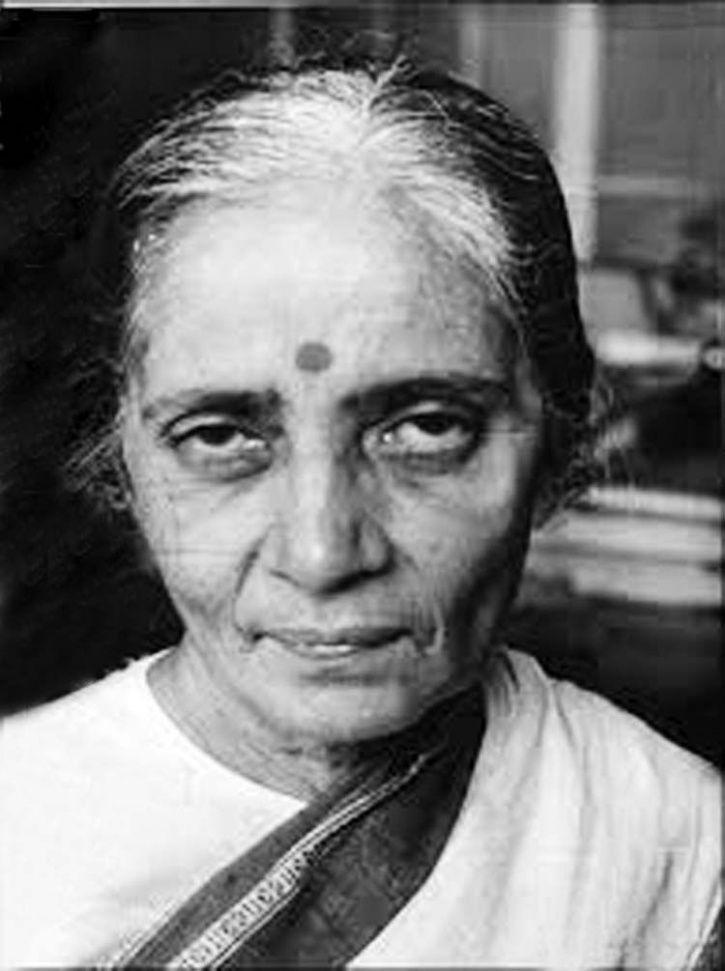
She was just five years old when she marched up to her father and announced she wanted to join Gandhi’s satyagraha. It was an adorable declaration from a tiny child. Nobody laughed for long. By the time she was twenty two, she was running an illegal radio station out of shifting, secret locations across Bombay, broadcasting the defiant voice of the independence movement to a nation the British Empire was desperately trying to silence. When the entire Congress leadership was arrested overnight in August 1942, Usha and a small, brave group of colleagues assembled radio equipment and began transmitting into the dark. They moved the station constantly, staying one breathless step ahead of the intelligence officers hunting them. Every single night she went on air, reading out Gandhi’s messages, reporting on the resistance, and keeping the flickering spirit of the movement alive at a time when the British had shut down every other channel of communication available to Indians. The British spent months trying to track her down. When they finally caught her in November 1942, she was sentenced to four years of rigorous imprisonment. She served every single day of it without breaking, without begging, without giving them a single name. After independence she earned her doctorate, taught at the University of Bombay, and spent her remaining years writing quietly about Gandhian thought. In 1998, at seventy eight years old, she received the Padma Vibhushan. It was fifty years overdue.
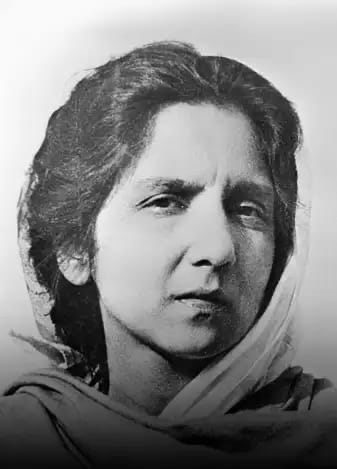
Aruna Asaf Ali
On the charged, electric morning of 9 August 1942, as British police moved through Gowalia Tank Maidan in Bombay arresting Congress leaders one after another in front of a stunned crowd, a slim, composed woman walked calmly to the flagpole and raised the tricolour right in front of the armed police. Her name was Aruna Asaf Ali. The British, humiliated and furious, immediately placed her on their most wanted list and seized everything she owned. She melted into the shadows and stayed there for years, continuing to organise from the underground, writing sharp, incendiary literature and moving from city to city under different names like smoke through a cracked window. When the British offered to wipe her slate clean if she simply gave herself up, she did not even consider it. She remained underground until the morning of independence itself. After 1947 she became the first Mayor of Delhi, a city she had helped liberate. She received the Bharat Ratna in 1997, weeks before she quietly died.
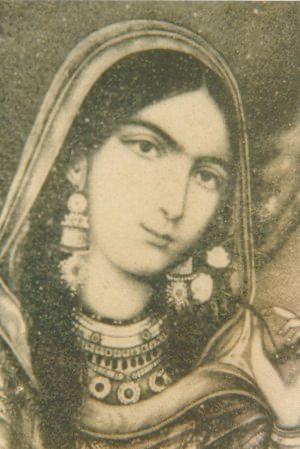
Begum Hazrat Mahal
When the British East India Company annexed the jewelled kingdom of Awadh in 1856 and packed her husband off into gilded exile, Begum Hazrat Mahal did not retreat into grief. She picked up the fight herself. During the great uprising of 1857 she took fierce command of the resistance in Lucknow, rallied soldiers, citizens, and the deeply wounded pride of a dispossessed people, and drove British forces out of the city. She issued bold, stinging proclamations that directly tore apart Queen Victoria’s honeyed promises of fairness and equality, exposing with razor clarity the enormous gap between what the British said in their proclamations and what they actually did on Indian soil. When the uprising was finally crushed she refused, with characteristic stubbornness, to surrender and escaped to Nepal, where she spent the rest of her long life in dignified exile. She never came home. The country she had bled for quietly forgot her name.
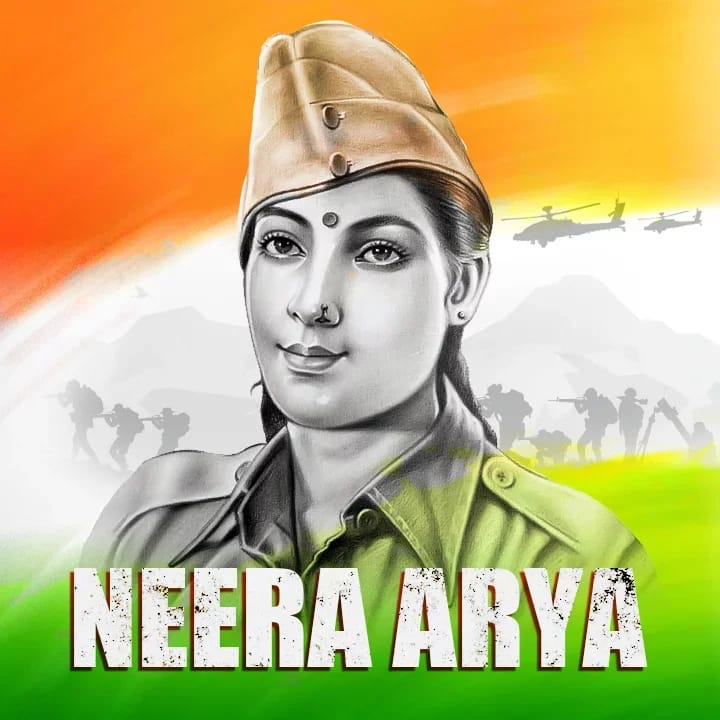
Neera Arya
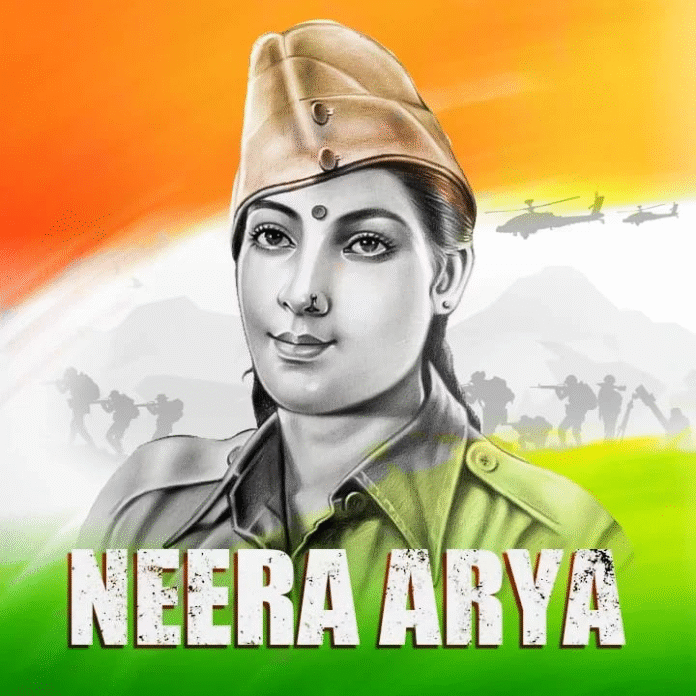
Neera Arya was a sharp, trusted intelligence operative for Netaji Subhas Chandra Bose’s Indian National Army, operating in the shadows of one of history’s most daring liberation movements. When she was captured by British forces who were convinced she knew Netaji’s precise location, they decided that ordinary interrogation would not be enough. They tortured her with savage, deliberate brutality. Her hands were chopped off. She said nothing. Not a location. Not a name. Not a single word that could endanger the man she served or the movement she believed in. She survived, somehow, and lived into her nineties. She died in 1998 with no national award, no state funeral, no statue in any city in the country that owed her everything. Her extraordinary silence protected a revolution. The very least we can do, the absolute minimum, is to remember her name.
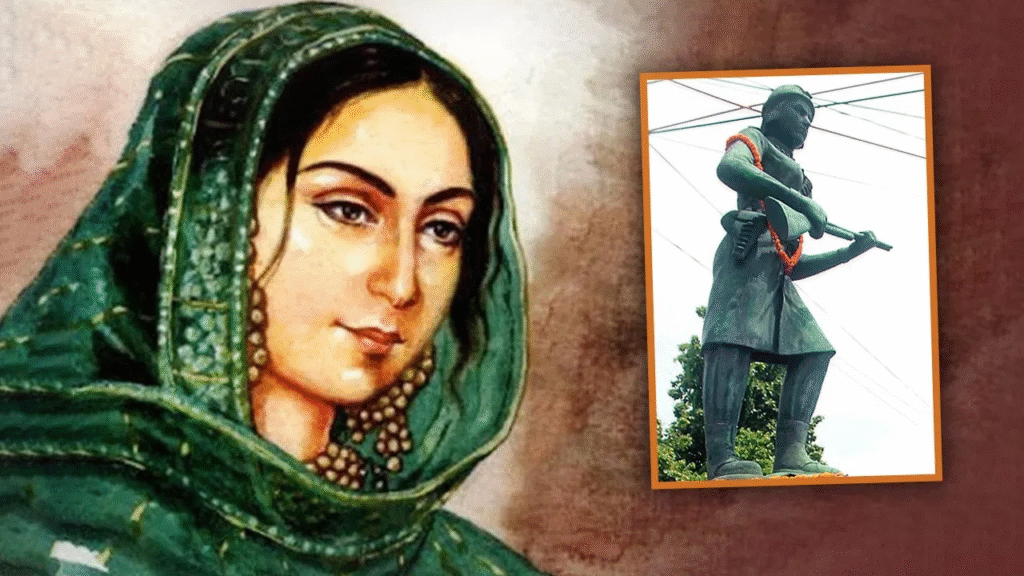
Uda Devi
On 16 November 1857, as confident British forces advanced through the walled garden of Sikandar Bagh in Lucknow, soldiers began dropping to precise, punishing sniper fire coming from somewhere high above them in the branches of a dense peepal tree. Confusion spread through the ranks. When they finally located the shooter and brought them down from the tree, they made a discovery that stopped them cold. It was a woman. Her name was Uda Devi. She had climbed that tree alone before the battle began, settled silently into the branches like a bird of terrible patience, and held her position with iron nerve as an entire British regiment moved through the garden below her. By the time they found her, she had killed thirty two soldiers by herself. The British commander reportedly removed his hat in quiet, reluctant acknowledgement of her staggering bravery. The country she gave her life for took another hundred and fifty years to put up a single statue in her honour.
Matangini Hazra
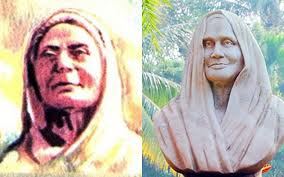
She was seventy three years old. On 29 September 1942, Matangini Hazra led a procession of six thousand people through the dusty streets of Tamluk in Bengal as part of the Quit India Movement. When British police opened fire on the crowd, people scattered in every direction, running for their lives. Matangini did not run. She did not flinch. She was shot in the hand. She kept walking, the Indian flag held steady above her white head. She was shot again. She kept walking. She was shot a third time, and this time the wound was fatal. As her old body fell to the ground she was still holding the flag as high as her failing arms could manage. Witnesses say she was still calling out Vande Mataram when she took her last breath. The people of Tamluk called her Gandhi Buri — Old Lady Gandhi. She had been widowed very young, had no children, and owned almost nothing her entire life. She had given whatever small years remained to her entirely to the freedom movement, walking from village to village in the scorching Bengal heat, organising people, going to jail without a word of complaint. On the day she died she was the oldest person in that procession of six thousand, and she was the very last one still standing.
Women in a free India
The fierce, extraordinary women above did not sacrifice everything so that the women who came after them would merely be permitted to exist. They sacrificed everything so that those women could lead, command, and excel without apology.
And lead they have, magnificently. India today has women flying combat jets in the Indian Air Force. Squadron Leader Avani Chaturvedi became one of the first women to fly a MiG-21 solo, hurtling through the sky in the same nation where women were once told the sky was not their place. Women officers now serve with full authority across the Army, Navy, and Air Force in roles that were firmly closed to them for decades. The Supreme Court has thrown those doors open permanently.
In civil life the story burns just as bright. Women are running India’s largest corporations, governing states, sitting on the highest judicial benches, and representing this country with quiet brilliance in diplomacy, science, and sport. Indian women are winning Olympic medals, leading space missions at ISRO, arguing before international courts, and building companies that the world watches with respect.
None of this landed in their laps. It happened because generation after generation of Indian women refused, at great personal cost, to accept that their place was smaller than their ability. Usha Mehta refused it from inside a cold prison cell. Matangini Hazra refused it while walking steadily into bullets. Neera Arya refused it while being tortured beyond what most human beings could survive. Every Indian woman who leads today, who commands today, who builds and creates and governs today, stands on the shoulders of those women. The very least we owe them is to finally, honestly, know their names.
(The writer of the story is Lakshya Govani, a class X student of Army Public School in Jaipur)
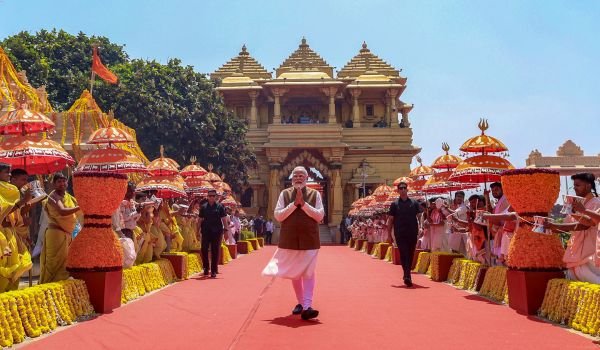
The historic Somnath Temple once again became the centre of national attention as Prime Minister Narendra Modi visited Gujarat to participate in the Somnath Amrut Mahotsav celebrations marking 75 years of the temple’s post-Independence reconstruction. The occasion commemorates not only the rebuilding of one of India’s holiest temples, but also what many describe as a symbol of India’s cultural resurgence and civilisational resilience.
75 Years of Somnath’s Sacred Glory
Marking 75 years of the temple’s re-consecration, PM @narendramodi visited the sacred temple and performed pooja during the grand celebrations. The Kumbhabhishekam ceremony saw holy water from 11 sacred pilgrimage sites offered over the… pic.twitter.com/5m2Atiqljr
Located on the western coast of Gujarat at Prabhas Patan, Somnath is revered as the first among the twelve Jyotirlingas of Lord Shiva. Over centuries, the temple became a symbol of repeated destruction and reconstruction. It was attacked and rebuilt multiple times through history, most famously after the invasion by Mahmud of Ghazni in 1026 CE. Yet despite repeated devastation, the temple continued to rise again, becoming deeply associated with India’s enduring spiritual and cultural identity.
After Independence, the reconstruction of Somnath became one of the earliest cultural restoration efforts of newly free India. The initiative was led by Sardar Vallabhbhai Patel and strongly supported by writer and statesman K. M. Munshi. The rebuilt temple was inaugurated in 1951 by India’s first President, Rajendra Prasad.
Jai Somnath! Feeling blessed to be here, when we are marking 75 years since the rebuilt Temple opened its doors for devotees. pic.twitter.com/gFumT80Qva
During the recent celebrations, Prime Minister Modi described Somnath as a “timeless symbol of Bharat’s resilience, unity and civilisational strength.” He shared articles highlighting how the temple’s reconstruction represented “one of the earliest expressions of national self-confidence” in independent India. According to the Prime Minister, despite opposition from sections of the political establishment at the time, the reconstruction sowed the seeds of India’s cultural renaissance and renewed civilisational pride.
Speaking at the Somnath Amrut Mahotsav. The Somnath Temple stands as a beacon of unwavering faith, divinity and a sacred symbol of India’s eternal soul. https://t.co/otO2YOCCUL
Addressing devotees and visitors during the event, the Prime Minister said Somnath was not merely a temple but a symbol of the spirit of India that could never be erased despite repeated attacks across centuries. He noted that the temple’s journey reflected the ability of Indian civilisation to survive adversity while preserving faith and heritage.
The Amrut Mahotsav celebrations included spiritual ceremonies, cultural programmes and events honouring the temple’s thousand-year history. The occasion also highlighted the broader significance of preserving India’s cultural and spiritual heritage in modern times.
Today, Somnath stands not only as a major pilgrimage centre but also as a powerful reminder of historical continuity and national identity. Its story — of destruction, rebuilding and revival — continues to resonate across generations as a symbol of faith, endurance and cultural self-confidence in modern India.
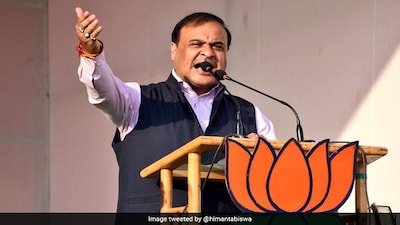
Senior BJP leader Himanta Biswa Sarma is set to take oath as the Chief Minister of Assam once again after leading the BJP-led NDA to a massive victory in the 2026 Assembly elections. The swearing-in ceremony is scheduled for May 12 and is expected to be attended by Prime Minister Narendra Modi, Union ministers and several BJP chief ministers.
Known for his sharp political instincts, aggressive campaigning style and strong organisational skills, Himanta Biswa Sarma has emerged as one of the Bharatiya Janata Party’s most influential leaders in Northeast India. Over the past decade, he has played a major role not only in Assam politics but also in expanding the BJP’s footprint across the entire northeastern region.
Born on February 1, 1969, in Jorhat, Assam, Sarma studied at Cotton College and later earned degrees in political science and law before entering public life. Before becoming a full-time politician, he practised law at the Gauhati High Court.
Sarma began his political journey with the Indian National Congress in the 1990s. He first rose to prominence as a close aide of former Assam Chief Minister Tarun Gogoi and became one of the Congress party’s most powerful leaders in the state. Over the years, he handled several important portfolios including health, finance, education and planning, gaining a reputation as an efficient administrator and political strategist.
However, differences with the Congress leadership — especially over succession and internal party dynamics in Assam — eventually led to his exit from the party in 2015. In one of the most significant political shifts in the Northeast, Sarma joined the BJP and quickly became central to the party’s regional expansion strategy. His move is widely considered a turning point in Assam politics and in the BJP’s rise in the Northeast.
As convenor of the North-East Democratic Alliance (NEDA), Sarma played a key role in helping the BJP and its allies form governments across several northeastern states. His political influence steadily grew, and in 2021 he became Assam’s Chief Minister after the BJP retained power in the state.
During his tenure, the Assam government focused heavily on infrastructure development, road connectivity, welfare schemes, healthcare expansion and investment promotion. Sarma has also positioned himself as a strong advocate of Assamese identity, border security and strict action against illegal immigration — issues that remain politically significant in the state.
At the same time, his tenure has also attracted criticism and controversy. Opposition parties and civil rights groups have often accused him of divisive rhetoric, particularly regarding Bengali-speaking Muslims and immigration-related issues. Sarma, however, has defended his stance as necessary for protecting indigenous identity and maintaining law and order in Assam.
The BJP-led NDA secured a commanding victory in the 2026 Assembly elections, winning 102 seats in the 126-member Assam Assembly. Following the victory, Sarma was unanimously elected leader of both the BJP Legislature Party and the NDA Legislature Party, paving the way for his second consecutive term as Chief Minister.
From being a Congress troubleshooter to becoming the BJP’s most prominent face in the Northeast, Himanta Biswa Sarma’s political journey reflects one of the most dramatic transformations in contemporary Indian politics. As he prepares to take oath again, he enters his new term carrying both strong political authority and high expectations for Assam’s future development and governance.
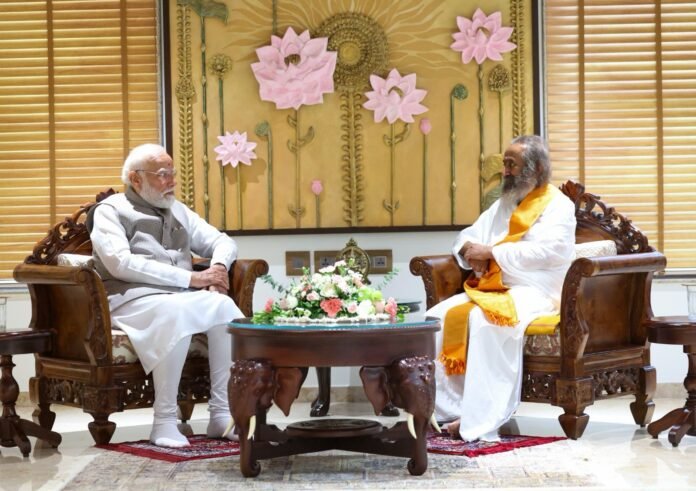
The Art of Living Foundation celebrated its 45th foundation anniversary on May 10, 2026, marking over four decades of spiritual outreach, wellness initiatives and humanitarian service under the guidance of spiritual leader Gurudev Sri Sri Ravi Shankar. The grand celebrations were held at the Art of Living International Center in Bengaluru and attended by thousands of followers, volunteers and dignitaries, including Prime Minister Narendra Modi.
भारत के होलिस्टिक डेवलपमेंट के लिए कई स्तरों पर सामूहिक प्रयास की आवश्यकता है। Art of Living जैसे संगठन और ज्यादा शक्ति से इस परिवर्तन के प्रहरी बन सकते हैं। pic.twitter.com/Csf8aBH3FR
Founded in 1981 by Sri Sri Ravi Shankar, the Art of Living began as a spiritual and wellness movement focused on reducing stress and promoting inner peace through breathing techniques, meditation and yoga. Over the years, it has evolved into one of the world’s largest volunteer-driven humanitarian organisations, operating in 182 countries with thousands of centres and millions of followers worldwide. The movement is particularly known for its signature breathing practice, Sudarshan Kriya, which is promoted as a tool for mental well-being and emotional balance.
The anniversary celebrations carried the theme “From Breath to Belonging,” reflecting the organisation’s journey from individual wellness practices to broader social and community service initiatives. Cultural performances, meditation sessions and spiritual gatherings formed a major part of the event, highlighting the movement’s blend of spirituality, service and global outreach.
Prime Minister Narendra Modi, who attended the celebrations in Bengaluru, inaugurated the newly built “Dhyan Mandir” at the Ashram. In his address, he praised the Art of Living’s contribution towards creating a stress-free and violence-free society. He said the organisation had helped spread India’s spiritual traditions and wellness practices globally while also contributing significantly to social development and humanitarian work.
The Prime Minister also highlighted how yoga, meditation and mindfulness have become increasingly important in today’s fast-paced and stressful world. He described Sri Sri Ravi Shankar as a spiritual guide who had connected people across nations through the values of peace, compassion and service. Modi further noted that the organisation’s efforts in education, rural development, river rejuvenation, natural farming and disaster relief had positively impacted millions of lives.
During the event, nine new social initiatives were launched, focusing on areas such as healthcare, education, environmental sustainability and rural empowerment. These projects reflect the organisation’s continued emphasis on combining spirituality with social transformation.
Over 45 years, the Art of Living has built a global identity not only as a spiritual movement but also as a humanitarian platform working in conflict resolution, prisoner rehabilitation, youth empowerment and mental wellness programmes. Its volunteers have participated in relief work during natural disasters and community-building projects in several countries.
As the organisation enters its 46th year, the anniversary celebrations served both as a reflection on its journey and a reaffirmation of its vision of creating what it describes as a “one world family” rooted in peace, well-being and service to humanity.
India has achieved a major milestone in its clean energy journey by becoming the world’s third-largest country in installed renewable energy capacity, overtaking Brazil. The announcement was made by Union Minister for New and Renewable Energy Pralhad Joshi, citing the Renewable Energy Statistics 2026 released by the International Renewable Energy Agency (IRENA). India now trails only China and the United States in global renewable energy capacity rankings.
India Ranks third globally in Renewable Energy Installed Capacity
According to the Renewable Energy Statistics 2026 released by the International Renewable Energy Agency (IRENA), India now ranks third globally in Renewable Energy Installed Capacity, as announced by Union… pic.twitter.com/ukMmwQcrcI
The achievement reflects India’s rapid transition toward sustainable energy and its growing global role in climate action. As of March 31, 2026, India’s total non-fossil fuel-based installed capacity reached 283.46 gigawatts (GW), of which renewable energy alone accounts for 274.68 GW.
A major driver of this growth has been solar energy. India’s solar power capacity has expanded dramatically over the past decade, rising from just 2.82 GW in 2014 to over 150 GW in 2026. Wind energy has also witnessed strong growth, crossing 56 GW. The country additionally generates renewable energy through bioenergy, hydropower and emerging green technologies.
The government says India added a record 55.3 GW of non-fossil fuel capacity during the financial year 2025–26 — the highest annual increase so far. Another significant milestone was achieved in June 2025 when India crossed 50% cumulative installed power capacity from non-fossil fuel sources, five years ahead of its Paris Agreement target for 2030.
Renewable energy is also contributing increasingly to India’s electricity needs. In July 2025, clean energy sources met a record 51.5% of the country’s electricity demand, indicating the growing reliability and integration of renewables into the national power grid.
India’s renewable energy push is being driven by multiple factors. Rising energy demand, concerns over climate change, dependence on imported fossil fuels and the need for long-term energy security have all accelerated investment in green energy. Government schemes such as the National Solar Mission, PM Surya Ghar Yojana and incentives for domestic solar manufacturing have further boosted the sector.
Experts say the shift toward renewable energy is crucial not only environmentally but also economically. Expanding solar and wind energy can reduce pollution, lower fuel import bills, create jobs and improve energy access in rural areas. At the same time, India still faces major challenges including energy storage, transmission infrastructure and balancing renewable power with rising electricity demand.
India has set an ambitious target of achieving 500 GW of non-fossil fuel capacity by 2030. With rapid expansion in solar parks, rooftop solar projects, green hydrogen initiatives and wind energy corridors, the country is positioning itself as one of the leading players in the global clean energy transition.
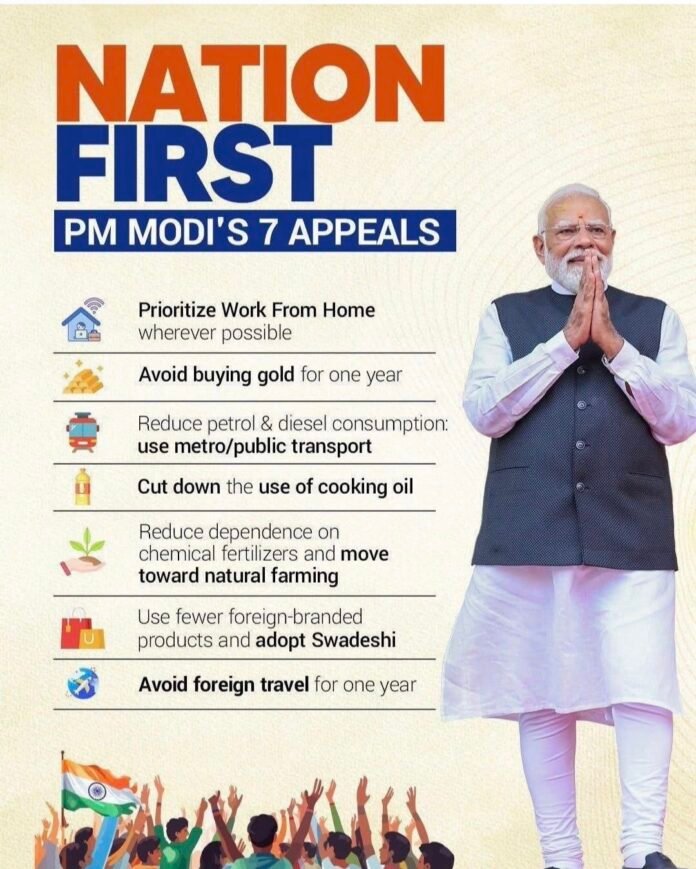
Prime Minister Narendra Modi has urged citizens to adopt a series of lifestyle and economic measures aimed at protecting India from the impact of the ongoing global crisis, particularly rising fuel prices and supply-chain disruptions linked to tensions in West Asia. Speaking at a public gathering in Hyderabad during his visit to Telangana, the Prime Minister said that in difficult global circumstances, “nation first” must take priority over personal convenience.
Nation First Duty Above Comfort!
PM @narendramodi gave 7 important appeals to strengthen India during challenging global times prioritize work from home wherever possible, reduce fuel consumption, avoid foreign travel for a year, adopt Swadeshi products, cut down cooking oil… pic.twitter.com/jhDGYTarH6
The appeal comes at a time when global crude oil prices have surged because of the prolonged conflict involving Iran and the United States. India, which imports a major portion of its crude oil and gold, faces pressure on fuel prices, foreign exchange reserves and import bills during such international crises.
During his address, PM Modi outlined seven major appeals to citizens. One of the most discussed among them was his suggestion to revive Covid-era work habits such as work-from-home, virtual meetings and video conferencing wherever possible. According to the Prime Minister, reducing unnecessary commuting can significantly lower fuel consumption and help conserve foreign exchange reserves.
He also appealed to people to reduce the use of petrol and diesel and prefer public transport systems like metro rail services. He encouraged carpooling and greater adoption of electric vehicles, saying collective small efforts could reduce India’s dependence on imported fuel. Businesses were also advised to shift cargo movement towards railway networks wherever feasible.
Another major appeal was to avoid purchasing gold for one year unless absolutely necessary. India is among the world’s largest gold importers, and high gold imports increase pressure on foreign currency reserves during periods of economic stress. PM Modi said reducing non-essential gold purchases would help the country conserve valuable foreign exchange.
The Prime Minister also urged citizens to postpone non-essential foreign travel, overseas vacations and destination weddings for at least a year. Instead, he encouraged people to support domestic tourism and prioritise spending within the country.
Beyond fuel and imports, PM Modi also spoke about reducing cooking oil consumption for health and economic reasons and encouraged farmers to reduce dependence on chemical fertilisers by moving towards natural farming methods. He further appealed to people to choose more Indian-made products and strengthen the “Swadeshi” spirit to boost self-reliance.
The Prime Minister’s remarks have sparked political debate, with opposition leaders criticising the appeals as a sign of economic strain, while supporters described them as preventive and patriotic measures aimed at protecting the economy during uncertain times.
Whether viewed as economic caution or a call for national discipline, the message reflects growing concern over how global geopolitical conflicts can directly affect everyday life in India. Through these appeals, the government appears to be encouraging citizens to participate collectively in reducing economic pressure and strengthening the country’s resilience during a volatile global period.