Home Blog

Mother Dairy Launches India’s First Naturally Degradable Milk Pouch in a Major Push Against Plastic Waste

0

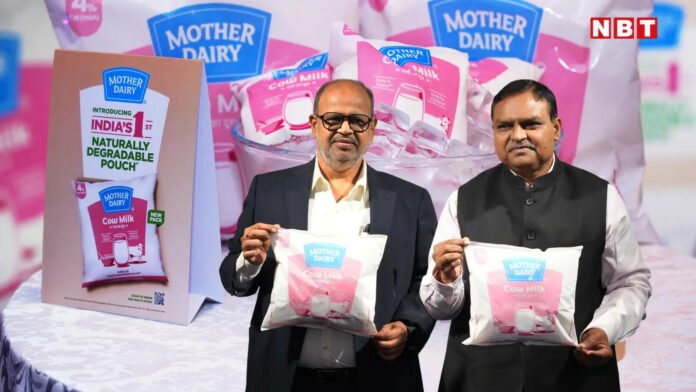
In a significant step towards sustainable packaging, Mother Dairy, in collaboration with the National Dairy Development Board (NDDB), has launched India’s first milk pouch designed to naturally degrade in soil without leaving behind harmful microplastics. The initiative marks a major milestone in the country’s efforts to reduce plastic pollution while maintaining the convenience of flexible food packaging.

Milk pouches are among the most widely used forms of plastic packaging in India. Every day, millions of households purchase milk in plastic sachets, creating a substantial amount of packaging waste. While traditional milk pouches can be recycled, a large proportion often ends up in landfills or the environment, where it may take decades to break down.

The newly introduced packaging aims to address this challenge. According to Mother Dairy and NDDB, the pouch has been developed using a special biodegradable material that can naturally decompose in soil under appropriate conditions. Unlike conventional plastic, which can fragment into microplastics, the new material is designed to break down into natural elements over time, reducing its environmental impact.

The launch represents years of research and development focused on finding practical alternatives to conventional plastic packaging. Importantly, the new pouch has been designed to retain the strength, durability, and food-safety standards required for storing and transporting milk, ensuring that consumers do not experience any compromise in product quality.

India generates millions of tonnes of plastic waste annually, and single-use packaging remains one of the biggest contributors. The dairy sector, given its extensive use of plastic pouches, has often been highlighted as an area where innovation could make a meaningful difference. Industry experts believe that if biodegradable packaging solutions can be successfully scaled, they could significantly reduce the environmental footprint of everyday consumer products.

The initiative also aligns with broader national and global efforts to promote sustainable consumption and responsible waste management. As consumers become increasingly conscious of environmental issues, companies are facing growing pressure to adopt greener packaging alternatives.

However, experts note that biodegradable packaging is not a complete solution on its own. Effective waste management systems, public awareness, proper disposal practices, and continued innovation will remain essential for tackling the plastic waste crisis. The success of such initiatives will ultimately depend on large-scale adoption and the development of supporting infrastructure.

For Mother Dairy, the launch is more than just a packaging innovation. It signals a shift towards a more sustainable future for the dairy industry and demonstrates how traditional consumer products can be reimagined to reduce their environmental impact.

As India searches for practical solutions to its growing waste challenge, the country’s first naturally degradable milk pouch could become an important example of how innovation and sustainability can work hand in hand.

From Grassroots Leader to Karnataka Chief Minister: The Political Journey of D.K. Shivakumar

0

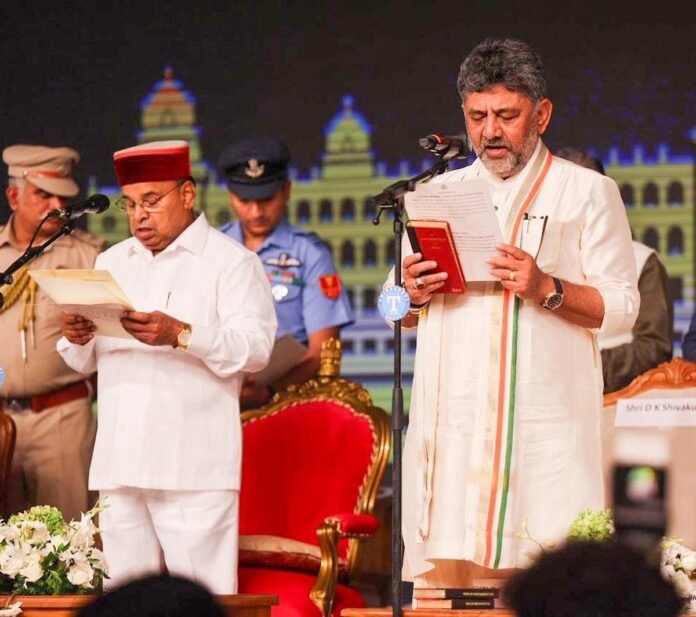
Veteran Congress leader Doddalahalli Kempegowda (D.K.) Shivakumar was sworn in as the new Chief Minister of Karnataka on June 3, 2026, marking the culmination of a political journey spanning nearly four decades. The oath-taking ceremony was held at Lok Bhavan in Bengaluru and attended by senior Congress leaders, party workers, and dignitaries from across the country.

Popularly known as “DKShi,” the 64-year-old leader is one of Karnataka’s most influential politicians and has long been regarded as a key strategist within the Indian National Congress. Born on May 15, 1962, in Kanakapura near Bengaluru, Shivakumar belongs to the Vokkaliga community and entered politics at a young age.

His electoral career began in 1989 when he was elected to the Karnataka Legislative Assembly from the Sathanur constituency. Over the years, he established himself as a strong grassroots leader and later represented Kanakapura, a constituency he has held since 2008. An eight-time MLA, Shivakumar has built a reputation for his organisational skills and ability to mobilise support during crucial political battles.

Within the Congress party, Shivakumar steadily rose through the ranks. He served in various ministerial positions, handling key portfolios such as Energy, Medical Education, and Water Resources. In 2020, he was appointed President of the Karnataka Pradesh Congress Committee (KPCC), a role in which he played a major part in strengthening the party’s organisation across the state. Following the Congress victory in the 2023 Karnataka Assembly elections, he became Deputy Chief Minister under Chief Minister Siddaramaiah.

Shivakumar is often credited with helping the Congress navigate some of its most challenging political moments. His role in managing party legislators during periods of political instability earned him national attention and reinforced his image as one of the Congress party’s most dependable leaders.

His elevation to the state’s top post follows the Congress Legislature Party’s decision to elect him as its leader after Siddaramaiah stepped down as Chief Minister. The transition was presented as a smooth transfer of leadership within the party, with both leaders appearing together during the swearing-in ceremony.

During Wednesday’s ceremony, Shivakumar took the oath of office and secrecy as Karnataka’s Chief Minister, while senior Congress leader G. Parameshwara was sworn in as Deputy Chief Minister. Several cabinet ministers also took oath alongside him, marking the beginning of a new administration in the southern state.

Notably, Shivakumar is also among India’s wealthiest politicians. Recent disclosures place his declared assets at over ₹1,400 crore, making him one of the richest Chief Ministers in the country. Despite his wealth and political stature, his rise is often portrayed as the story of a grassroots politician who steadily climbed the ranks through organisational work, electoral success, and decades of loyalty to the Congress party.

As Karnataka’s new Chief Minister, D.K. Shivakumar now faces the challenge of translating his political influence and organisational skills into governance, while steering one of India’s most economically significant states through its next phase of development.

International Day of Innocent Children Victims of Aggression 2026: A Call to Protect the World’s Most Vulnerable

0

Every year on June 4, the world observes the International Day of Innocent Children Victims of Aggression, a United Nations observance dedicated to acknowledging the suffering of children affected by violence, war, abuse, and conflict. The day serves as a reminder that children are often the most vulnerable victims of circumstances beyond their control.

The observance was established by the United Nations General Assembly in 1982. Originally created in response to the suffering of Palestinian and Lebanese children during the conflict in Lebanon, its focus has since expanded to recognize the pain endured by children worldwide who are victims of physical, mental, and emotional violence.

Despite international efforts to protect children, millions continue to face the devastating consequences of armed conflict and violence. Children in war zones are often exposed to grave violations, including killing and maiming, abduction, recruitment into armed groups, sexual violence, attacks on schools and hospitals, and the denial of humanitarian assistance. These experiences can leave lasting physical and psychological scars that affect their entire lives.

According to the United Nations, thousands of children around the world continue to be directly impacted by conflict every year. Beyond war, many children also suffer from abuse, neglect, exploitation, trafficking, and other forms of violence within their communities and homes. The observance therefore highlights not only the impact of armed conflict but also the broader need to safeguard children’s rights and well-being everywhere.

The day reaffirms the global commitment to the principles of the Convention on the Rights of the Child, the most widely ratified international human rights treaty in history. It emphasizes that every child has the right to safety, education, healthcare, protection, and the opportunity to grow up in a peaceful environment free from fear and violence.

Governments, international organizations, educators, child rights advocates, and civil society groups mark the occasion through awareness campaigns, discussions, educational programmes, and initiatives aimed at strengthening child protection systems. The day also encourages communities and individuals to play an active role in preventing violence against children and supporting those who have been affected.

As the world observes the International Day of Innocent Children Victims of Aggression in 2026, the message remains both urgent and universal: every child deserves a safe childhood. Protecting children from violence, conflict, and exploitation is not only a humanitarian responsibility but a moral obligation shared by all societies. A more peaceful and just future begins with ensuring that the rights, dignity, and well-being of every child are protected.

JK Lakshmipat University Honoured for Strengthening Academia-Industry Collaboration at Rajasthan Leadership Awards 2026

0

University, Faculty and Leadership Receive Multiple Honours for Excellence in Higher Education

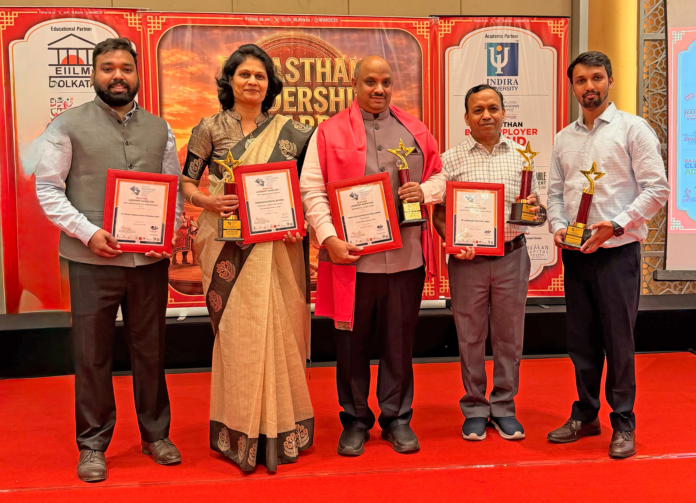
JK Lakshmipat University (JKLU) has been recognised for its excellence in higher education and industry engagement, receiving the prestigious ‘Innovation in Building Academic & Industry Interface’ award at the Rajasthan Leadership Awards 2026, organised by the World Education Congress in Jaipur.

The award acknowledges JKLU’s sustained efforts in fostering meaningful collaborations between academia and industry while promoting experiential learning, interdisciplinary education, industry engagement, and future-ready skills among students.

Adding to the university’s accolades, the Hari Shankar Singhania School of Business (HSB), which offers India’s pioneering MBA in Product Management, received the Best Innovation in Teaching Pedagogy Award. The award was accepted by Dr. Archana Shukla, Director of HSB, in recognition of the school’s innovative and industry-aligned teaching practices.

JKLU Vice Chancellor Dr. Vijaysekhar Chellaboina was honoured with the Inspirational Leader Award for his visionary leadership and significant contributions to the higher education sector.

Further strengthening the university’s achievement, Prof. Sheetal Mundra, Acting Head of the Institute of Management, received the Outstanding Faculty Award for her excellence in teaching, mentorship, research, and academic leadership.

The Rajasthan Leadership Awards brought together leading academicians, institutional heads, educationists, and researchers from across the country to celebrate innovation, excellence, and transformative leadership in education.

Expressing his gratitude, Dr. Vijaysekhar Chellaboina, Vice Chancellor, JK Lakshmipat University, said, “This recognition at the Rajasthan Leadership Awards 2026 is a proud moment for the entire JKLU community. It reflects our unwavering commitment to creating a future-focused institution where academic excellence seamlessly integrates with industry relevance. We remain dedicated to fostering innovation, leadership, and transformative learning experiences that empower our students and faculty to create meaningful impact in society.”

Established in 2011, JK Lakshmipat University carries forward the JK Group’s 140-year legacy of excellence and nation-building. Through its Institute of Design, Institute of Engineering and Technology, Institute of Management, and Hari Shankar Singhania School of Business, the university offers a diverse portfolio of undergraduate, postgraduate, and doctoral programmes, including BDes, MDes, BTech, MTech, BBA, MBA, and PhD programmes.

The Rajasthan Leadership Awards, hosted by the World Education Congress, continue to serve as a distinguished platform recognising institutions and individuals driving innovation, leadership, and excellence in the education ecosystem.

World Bicycle Day 2026: Significance, Benefits, Theme and Poster Ideas

0

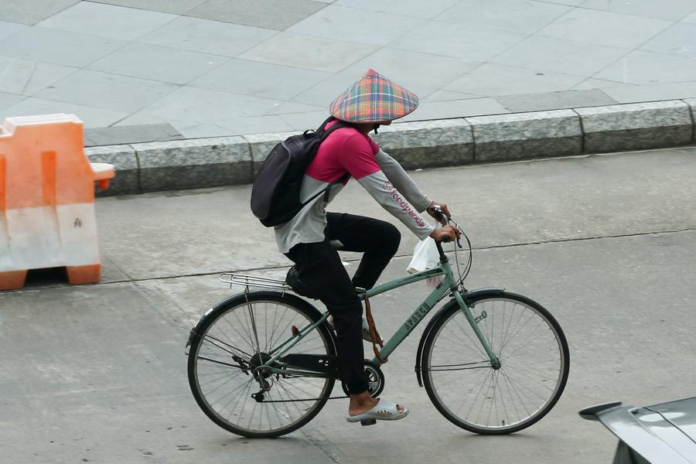
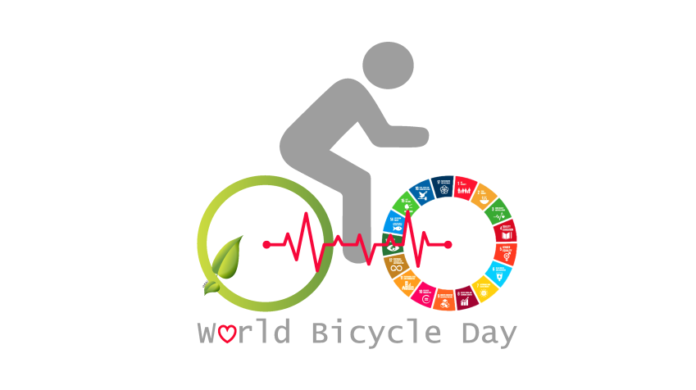
World Bicycle Day 2026 will be observed on Wednesday, June 3, 2026, celebrating the bicycle as a simple, affordable, healthy, and eco-friendly mode of transport. Marked annually on June 3, the day encourages people to embrace cycling for fitness, daily commuting, pollution reduction, and sustainable living.

The World Bicycle Day 2026 theme is:

The theme highlights how cycling can reduce pollution, promote healthier lifestyles, support sustainable cities, and contribute to a cleaner and greener planet for future generations.

World Bicycle Day 2026 Highlights

  • Date: June 3, 2026 (Wednesday)
  • Theme: Cycling for a Greener Future
  • Purpose: Promote cycling as a healthy, affordable, and sustainable mode of transport
  • Declared By: United Nations General Assembly
  • First Observed: 2018

What is World Bicycle Day?

World Bicycle Day is a global observance established by the United Nations to recognise the bicycle as a reliable, affordable, clean, and sustainable means of transportation.

The day celebrates the bicycle’s contribution to:

  • Improving physical and mental health
  • Reducing air pollution and carbon emissions
  • Supporting sustainable mobility
  • Encouraging social inclusion and accessibility
  • Connecting communities through affordable transport

Simple in design yet powerful in impact, bicycles offer an effective solution for short-distance travel without fuel consumption. They provide daily exercise and remain an accessible transport option for people of all age groups and economic backgrounds.

World Bicycle Day 2026 Theme

The World Bicycle Day 2026 theme, “Cycling for a Greener Future”, reflects growing global concerns about pollution, traffic congestion, climate change, and lifestyle-related health problems.

The theme focuses on:

  • Promoting cycling as a clean transport alternative
  • Reducing dependence on fuel-powered vehicles
  • Encouraging healthier daily movement
  • Creating safer cycling infrastructure
  • Supporting sustainable urban development
  • Inspiring environmentally responsible travel habits

The message is simple yet powerful, every bicycle ride contributes to both personal well-being and environmental protection.

History of World Bicycle Day

The idea of World Bicycle Day was championed by Professor Leszek Sibilski, a sociology professor and cycling advocate, who launched a grassroots campaign with his students to encourage the United Nations to recognise the bicycle’s global importance.

Beginning in 2015, his academic work highlighting bicycles as tools for development and social progress helped generate international momentum. The campaign soon gained support from mobility advocates and several UN member states.

Recognising the bicycle’s role in sustainable development, health, and transportation, the United Nations General Assembly officially declared June 3 as World Bicycle Day on April 12, 2018.

The resolution was adopted unanimously by all 193 UN member states, marking global recognition of cycling as a practical and sustainable solution for modern societies.

Why World Bicycle Day Matters

As cities grapple with rising pollution and traffic congestion, cycling offers a practical and low-cost alternative. Beyond transportation, bicycles represent freedom, independence, and a healthier way of life.

World Bicycle Day serves as a reminder that small choices, such as choosing a bicycle over a car for short trips—can make a meaningful difference in creating cleaner, healthier, and more sustainable communities.

Singapore Hosts ‘Sina Ba Sina’ Dialogue: Sufi Musafir Haji Syed Salman Chishty Inspires Heart-to-Heart Gathering at The Vagabond Club

0

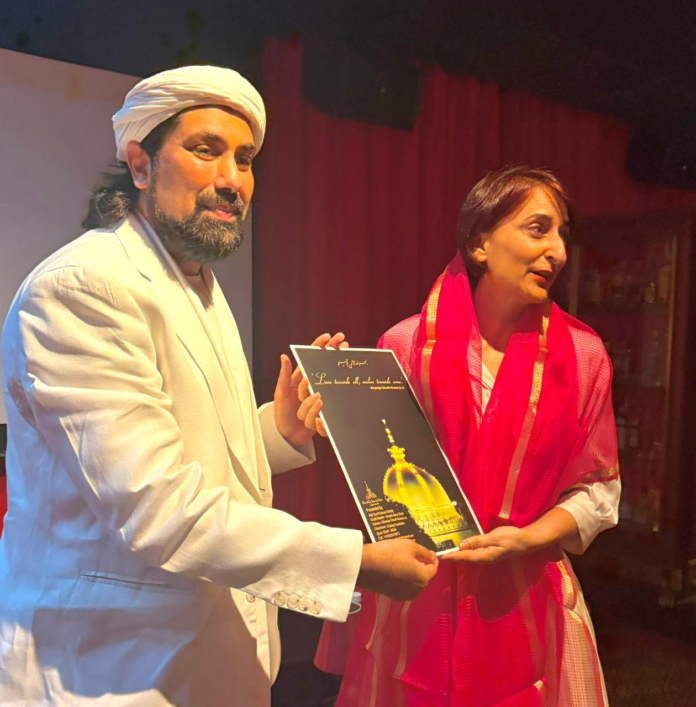
On the evening of 1 June 2026, The Vagabond Club Singapore, a Tribute Portfolio Hotel on Syed Alwi Road, became the setting for a deeply reflective and spiritually resonant gathering. Business leaders, diplomats, philanthropists, wellness practitioners, and seekers came together for Sina Ba Sina: Heart to Heart, an intimate dialogue led by Sufi Musafir Haji Syed Salman Chishty, 26th Generation Gaddi Nashin of Dargah Ajmer Sharif and Chairman of Chishty Foundation, India.

Carrying an uninterrupted spiritual lineage spanning over eight centuries, Haji Syed Salman Chishty arrived not merely as a distinguished guest but as a bearer of the Chishty message—that love is not merely an emotion, but a discipline, a path, and a transformative force.

The evening was moderated with warmth and intellectual depth by Harpreet Bedi Garcha, Chief Executive Officer of Garcha Group. The gathering drew diplomats, corporate leaders, wellness experts, and philanthropists, reflecting Singapore’s role as a crossroads of cultures and ideas. Ajay Singh, First Secretary at the Indian High Commission in Singapore, lent diplomatic distinction to the occasion.

The Vagabond Club, renowned for championing arts, culture, and creative exchange, provided a fitting setting for an evening dedicated to dialogue, reflection, and spiritual connection.

“The world is not broken because of a lack of information; it is fractured because of a lack of presence. When one heart truly meets another—without agenda, without armour—that is the Sufi path for seeking hearts. That is the teaching of Khwaja Gharib Nawaz (r). Come not to learn about love; come to become it.”
Sufi Musafir Haji Syed Salman Chishty

Reflecting on the gathering, Harpreet Bedi Garcha said:

“When I first heard the phrase Sina Ba Sina—heart to heart—I thought I understood it. Tonight, sitting in this room, I felt it. That is the difference Haji Syed Salman Chishty carries with him. He does not lecture; he transmits. Singapore is a city that has built bridges across civilizations, and tonight that bridge turned inward.”

She added:

“The Vagabond Club has always brought together people from all walks of life through creativity, culture, and conversation. Over the years, we have welcomed artists, musicians, writers, travellers, and thinkers from around the world, creating space for meaningful exchange and connection. It was a privilege to host Haji Syed Salman Chishty and this remarkable gathering. The spirit of Sina Ba Sina felt particularly at home here, where genuine human connection remains at the heart of memorable experiences.”

Throughout the evening, Haji Chishty shared reflections on spiritual seeking, lineage, and the challenges of contemporary life.

On the spiritual journey, he observed:

“A Musafir never arrives—that is the beauty of the path. Wherever seeking hearts gather, the noble fragrance is already there. We simply follow that fragrance.”

On lineage and responsibility:

“It is a sacred trust—like a glowing sun, a flowing river, a welcoming earth. The lineage does not belong to us. We are a hollow reed, as Rumi says. The music belongs to the Beloved.”

Addressing a divided world, he offered a message rooted in compassion:

“Love Towards All, Malice Towards None. Apply it honestly to one difficult relationship and the walls dissolve—not because the other person changes, but because you do.”

On navigating modern life:

“Learn the language of silence. Begin your day with gratitude and end it with patience. Sufism does not ask you to leave the world; it asks you to be fully present within it.”

Drawing from diverse spiritual traditions, Haji Chishty highlighted shared truths that unite humanity—from the Quranic Al-Khalqu Ayalullah (all creation is the family of God), to the Indic Vasudhaiva Kutumbakam (the world is one family), the Sufi Wahdat al-Wujud (Unity of Being), Advaita Vedanta’s non-duality, and the Sikh principle of Ek Noor, Ek Onkar—One Light, One God, One Creation.

“These are not different roads,” he said. “They are different languages describing the same river flowing toward one ocean—Love.”

The evening concluded with Rumi’s timeless invitation:

“Come, come, whoever you are, come.
Even if you have broken your vows a thousand times.
Our doors are not the door of despair;
Our doors are the door of hope—hope and hope.”

The meet-and-greet that followed extended well beyond its scheduled time, with many attendees visibly moved by the experience.

ABOUT HAJI SYED SALMAN CHISHTY

  • 26th Generation Gaddi Nashin, Dargah Ajmer Sharif
  • Chairman, Chishty Foundation – Ajmer Sharif
  • Representative of the Chishti tradition across 75 countries
  • Widely known as Sufi Musafir — The Spiritual Traveller
  • Guiding principle: Love Towards All, Malice Towards None

ABOUT THE VAGABOND CLUB

The Vagabond Club Singapore, a Tribute Portfolio Hotel, is among Singapore’s most celebrated independent hotels and a longstanding patron of arts, culture, and creative expression. Part of the Garcha Group, the hotel serves as a gathering place for artists, musicians, writers, and thinkers from around the world.

From IPL Sensation to Management Case Study: IIM Indore Seeks to Decode the ‘Vaibhav Suryavanshi’ Model

0

At 15, most teenagers are still figuring out school schedules and career dreams. Vaibhav Suryavanshi is giving management experts a new subject to study.

The teenage cricket sensation, who stunned the cricketing world with a record-shattering IPL season, is now set to enter classrooms—not as a student, but as a case study.

The Indian Institute of Management (IIM) Indore is preparing what it describes as India’s first multidisciplinary study centred on the “Vaibhav Model”—an attempt to decode the making of extraordinary success at an unusually young age. Experts from sports, psychology and management will jointly examine the factors behind Suryavanshi’s meteoric rise.

The timing is hardly surprising.

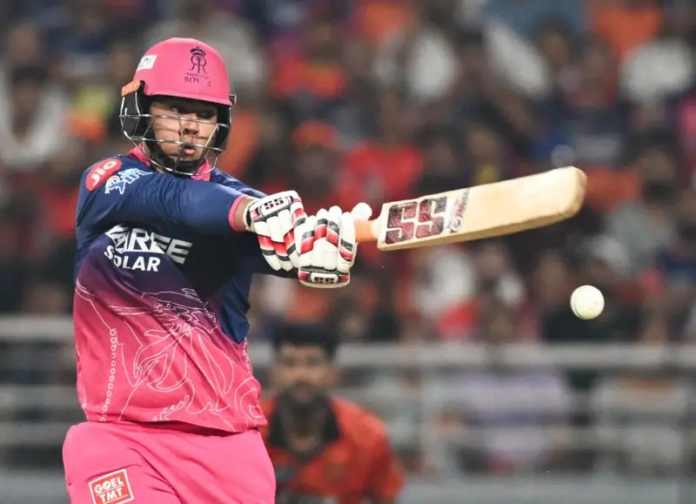
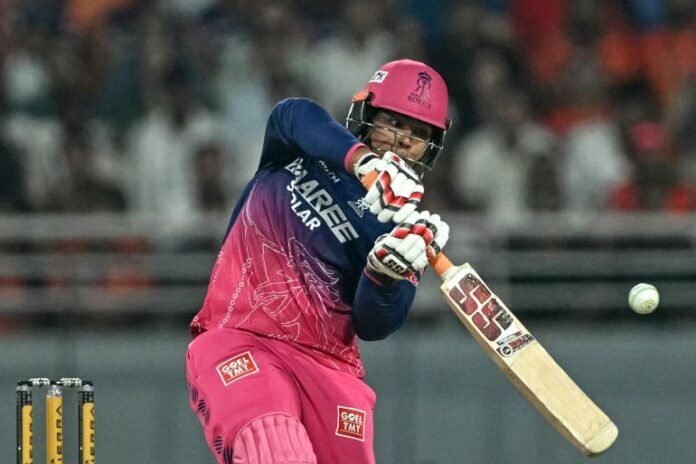
In IPL 2026, Vaibhav did not merely announce himself—he redefined expectations. At just 15, he smashed 72 sixes in a single season, breaking Chris Gayle’s long-standing record of 59, while amassing 776 runs at a breathtaking strike rate of over 237. He finished as the tournament’s highest run-scorer, winning the Orange Cap and sweeping multiple individual honours.

But IIM Indore believes the real story lies beyond the scorecard.

Director Himanshu Rai says the institute intends to examine not just Vaibhav’s cricketing achievements but the ecosystem that shaped them.

“This study will explore the social, psychological, familial and institutional factors that create young talent capable of delivering extraordinary performances at an early age,” Rai said. According to him, talent may be innate, but sustained excellence is built through values, mental strength, family sacrifice, mentorship and disciplined leadership.

That journey, IIM believes, is what makes Vaibhav extraordinary.

Standing 5 feet 7 inches tall and weighing barely 55 kilograms, Suryavanshi does not fit the traditional image of a power hitter. Yet bowlers across the IPL learned quickly that his bat speed and timing compensate for every physical limitation.

Behind those towering sixes lies years of training.

Vaibhav’s cricketing foundation was laid by childhood coach Manish Ojha before Rajasthan Royals’ development expert Zubin Bharucha refined his technique and bat speed. Rajasthan Royals coach Vikram Rathour has repeatedly praised the youngster’s balance and composure.

His greatest weapon, however, may be his mind.

Cricket analysts estimate that Vaibhav often makes batting decisions in nearly 0.3 seconds—leaving bowlers almost no time to dictate terms. His fearless approach has already become part of IPL folklore. When advised by Rahul Dravid to bat cautiously, Vaibhav reportedly replied: “Sir, let the bowler worry about me.”

That confidence fascinates management experts as much as cricket fans.

Dr. Aarti Chopra, a management faculty member associated with the initiative, believes the study could become valuable for future managers and policymakers seeking to understand how high-performing individuals are nurtured and sustained.

Yet the institute also plans to examine the darker side of early stardom.

Massive contracts, instant fame and relentless social media attention often become burdens rather than rewards. Many gifted youngsters fade under the pressure of expectations and mental exhaustion. Rai believes understanding these vulnerabilities is just as important as celebrating success.

The goal, he says, is not merely to celebrate a cricket prodigy but to design a blueprint for nurturing talent responsibly.

For corporate India, the implications may be equally significant. IIM researchers believe the “Vaibhav Model” could evolve into a fresh framework for talent management—one that explains how exceptional performers emerge, how they sustain excellence and how institutions can help them thrive.

For now, though, the image remains striking.

A 15-year-old who smashed 72 sixes, won five awards and captivated the cricketing world is about to face a different challenge—not bowlers, but professors determined to understand the science behind his genius.

India Seeks Protection from US Section 301 Tariffs During Bilateral Trade Agreement Talks

0

India has sought protection from potential United States Section 301 tariffs as both countries resumed high-level trade negotiations in New Delhi. The issue has emerged as a key point in the ongoing discussions aimed at finalizing the first phase of the proposed India-US Bilateral Trade Agreement (BTA).

India Pushes for Relief from Future US Tariffs

India is seeking safeguards against future tariff actions that could arise from ongoing Section 301 investigations launched by the United States Trade Representative (USTR). The move is intended to provide greater certainty for Indian exporters and protect trade interests amid evolving US trade policies.

The demand comes as Washington reviews trade practices of several countries, including India, under Section 301 of the US Trade Act.

What is Section 301 of the US Trade Act?

Section 301 is a provision under the United States Trade Act of 1974 that empowers the USTR to investigate and respond to foreign trade practices considered unfair or discriminatory. The provision allows the US government to impose tariffs, trade restrictions, or other retaliatory measures against countries found to be violating trade norms.

In March 2026, the USTR initiated fresh Section 301 investigations against 16 trading partners, including India. The investigations focus on concerns related to structural excess manufacturing capacity and the use of forced labour within global supply chains.

Progress in India-US Trade Agreement Negotiations

Union Commerce and Industry Minister Piyush Goyal stated on June 1 that nearly 99 percent of discussions related to the first phase of the India-US Bilateral Trade Agreement had been completed.

The US delegation is being led by chief negotiator Brendan Lynch, while the Indian side is headed by Darpan Jain, Additional Secretary in the Department of Commerce. The latest round of talks in New Delhi is expected to continue for three to four days.

Reports suggest that US Trade Representative Jamieson Greer may visit India in July 2026 after the broad framework of the agreement is finalized.

Tariff Concerns Ahead of July 24 Deadline

A new US tariff framework under Section 301 is scheduled to take effect on July 24, 2026. The development follows a February 2026 ruling by the US Supreme Court, which declared former President Donald Trump’s reciprocal tariff measures unlawful.

India is seeking preferential tariff treatment and relief from the blanket 10 percent tariff currently imposed by Washington. New Delhi is also pushing for a tariff structure that ensures Indian exports remain competitive with regional rivals such as Bangladesh, Pakistan, and Sri Lanka.

Key Facts

  • Section 301 is a provision of the United States Trade Act of 1974.
  • The United States Trade Representative (USTR) conducts Section 301 investigations.
  • India and the US have completed around 99% of discussions for the first phase of the Bilateral Trade Agreement.
  • Fresh Section 301 investigations were launched against 16 trading partners, including India, in March 2026.
  • A new US tariff regime under Section 301 is expected to come into force on July 24, 2026.

Why This Matters

The outcome of the India-US trade negotiations could significantly influence bilateral trade, market access, tariff structures, and export competitiveness. Securing protection from future Section 301 tariffs remains a critical objective for India as it seeks to strengthen economic ties with its largest trading partner while ensuring long-term stability for Indian businesses and exporters.

World Bicycle Day 2026: Celebrating the Two-Wheeled Vehicle That Changed the World

0

Every year on June 3, people around the globe celebrate World Bicycle Day, a day dedicated to recognising the bicycle as a simple, affordable, reliable, and environmentally friendly means of transportation. The day highlights the important role bicycles play in promoting health, sustainable development, social inclusion, and environmental conservation.

World Bicycle Day was officially declared by the United Nations General Assembly in 2018 following a campaign led by social scientist Professor Leszek Sibilski and supported by cycling enthusiasts worldwide. The observance acknowledges the bicycle’s uniqueness and versatility, as it has remained one of the most practical and accessible modes of transport for more than two centuries.

The bicycle’s significance extends far beyond mobility. It is a powerful tool for improving public health. Regular cycling helps strengthen the heart, improve fitness, reduce stress, and lower the risk of various lifestyle diseases. As cities around the world grapple with rising pollution levels and increasing traffic congestion, bicycles offer a clean and sustainable alternative to motor vehicles.

In India, the bicycle has long been an integral part of everyday life. For decades, it has served as a dependable means of transport for students, workers, farmers, and small business owners. While bicycles were once seen primarily as a necessity, they are now increasingly embraced as a fitness and recreational activity. Cycling clubs, weekend rides, and bicycle-sharing initiatives have gained popularity across several Indian cities.

The relevance of bicycles is particularly evident in rural areas, where they often provide a vital link to schools, healthcare centres, markets, and workplaces. For many families, a bicycle can significantly improve access to education and economic opportunities while reducing travel costs.

This year’s World Bicycle Day celebrations saw communities around the world organising cycling rallies, awareness campaigns, and fitness events. In Ladakh, a Tiranga Yatra cycle rally was held to mark the occasion, bringing together cyclists to promote fitness, patriotism, and environmental awareness. Such events reflect the growing recognition of cycling as a practical solution to some of today’s most pressing urban and environmental challenges.

Globally, governments are increasingly investing in cycling infrastructure, including dedicated bicycle lanes, safer roads, and public bike-sharing systems. These initiatives aim to encourage more people to choose bicycles for short-distance travel, thereby reducing carbon emissions and promoting healthier lifestyles.

As the world faces challenges such as climate change, air pollution, and sedentary living, the bicycle continues to stand out as a remarkably effective solution. Affordable, accessible, and sustainable, it remains a symbol of freedom, resilience, and progress.

On World Bicycle Day 2026, the celebration is not merely about a mode of transport—it is about recognising a simple invention that continues to improve lives, connect communities, and contribute to a healthier and greener future.

The Vaibhav Sooryavanshi Phenomenon: What Makes a 15-Year-Old Cricketing Sensation?

0

When 15-year-old Vaibhav Sooryavanshi finished IPL 2026 as the tournament’s leading run-scorer and smashed a record 72 sixes in a single season, cricket fans were left wondering: how does a teenager achieve what seasoned international stars struggle to accomplish?

The answer may soon become the subject of academic research.

The Indian Institute of Management (IIM) Indore has announced plans to conduct a detailed case study on the young Rajasthan Royals star. The study aims to understand not only his cricketing success but also the psychological, social, and environmental factors that enabled him to excel at such a young age.

Vaibhav’s rise has been nothing short of extraordinary. During IPL 2026, he rewrote record books by winning five major individual awards, including the Orange Cap, Most Valuable Player (MVP), Emerging Player of the Season, Super Striker, and Super Sixes awards. His fearless batting style, exceptional hand-eye coordination, and ability to dominate world-class bowlers have made him one of the most talked-about young athletes in the world.

However, IIM Indore’s proposed study goes beyond statistics. Researchers are expected to examine how talent develops under pressure, what role family support and coaching play in shaping elite performers, and how young athletes cope with expectations, fame, and intense competition. Experts believe that understanding such journeys can provide valuable insights not only for sports management but also for education, leadership development, and talent nurturing.

Vaibhav’s story is particularly fascinating because it challenges conventional ideas about age and achievement. In a sport where experience is often considered invaluable, he has demonstrated that preparation, confidence, and the right support system can sometimes outweigh years of professional exposure.

His journey also highlights the importance of a strong ecosystem. Behind every young prodigy are coaches, mentors, family members, and institutions that help transform potential into performance. Sports psychologists often point out that sustained success depends as much on mental resilience and emotional stability as it does on technical skill.

The findings of the study could have implications far beyond cricket. Businesses, educational institutions, and leadership programmes are increasingly interested in understanding how exceptional performers think, learn, and respond to challenges. Vaibhav’s development could offer lessons in discipline, adaptability, decision-making, and high-performance management.

For now, the teenager remains focused on cricket. But as researchers prepare to analyse the factors behind his remarkable success, Vaibhav Sooryavanshi is becoming more than just a cricketing sensation. He is emerging as a case study in excellence, an example of how talent, hard work, mentorship, and opportunity can combine to create something truly extraordinary.

At just 15, Vaibhav has already rewritten IPL history. The next chapter of his story may help redefine how India understands and develops young talent.