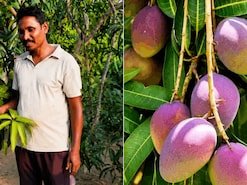
A farmer from Odisha’s Malkangiri district has found himself in the spotlight after successfully growing the rare and highly prized Miyazaki mango, a fruit often regarded as one of the most expensive mango varieties in the world.
Deba Padhiami, a farmer from Tamasa village, recently harvested the first fruits from a Miyazaki mango tree that he had nurtured for nearly four years. While the achievement has brought him widespread attention, it has also created an unexpected challenge, he is unsure how to market and sell the valuable fruit.
According to reports, Padhiami received the sapling from a social worker several years ago. Since then, he has carefully looked after the plant, protecting it from harsh weather conditions and ensuring its healthy growth. His patience finally paid off when the tree began bearing fruit this season.
However, the arrival of the rare mangoes has also become a source of concern. Fearing theft, Padhiami has reportedly been spending nights near the tree to guard it. The unusual situation highlights both the excitement and the challenges that can accompany the cultivation of high-value crops.
The Miyazaki mango, originally grown in Japan’s Miyazaki Prefecture, is renowned for its striking deep-red skin, exceptional sweetness, and rich flavour. Unlike the yellow or green mangoes commonly found in India, the Miyazaki variety develops a distinctive ruby-red colour when fully ripe. Its premium quality and limited availability have made it one of the most sought-after fruits in luxury markets around the world.
Media reports often cite instances where top-grade Miyazaki mangoes have fetched extraordinarily high prices at specialty auctions and premium fruit markets. However, such prices are generally associated with select, exhibition-quality fruits sold under unique market conditions rather than typical commercial sales.
For Padhiami, the challenge now lies in finding the right buyers. Unlike conventional mango varieties, Miyazaki mangoes require careful handling, specialised packaging, and efficient transportation to maintain their quality. Potential customers could include luxury fruit retailers, exporters, premium hotels, and high-end restaurants.
Recognising the opportunity, the farmer has reportedly sought guidance from government agencies and agricultural experts on marketing the fruit and securing fair returns for his efforts.
His success demonstrates the growing willingness of Indian farmers to experiment with exotic and high-value crops. At the same time, it underscores the need for better market linkages and support systems that can help cultivators transform agricultural innovation into sustainable income.
For now, Padhiami continues to watch over his prized tree, hoping that the rare mangoes he spent years cultivating will eventually bring the rewards they promise.
Nature lovers, trekkers, and photography enthusiasts have a reason to celebrate as the world-famous Valley of Flowers National Park in Uttarakhand has officially reopened to visitors for the 2026 season. Nestled in the high-altitude reaches of the Chamoli district, the UNESCO World Heritage Site opened its gates on June 1 and will remain accessible until October 31, subject to weather conditions.
UNESCO Flower Valley Reopens To Tourists
The UNESCO World Heritage-listed Valley of Flowers in Uttarakhand's Chamoli district has reopened to tourists, marking the start of its vibrant bloom season. Home to more than 300 species of flowers and several rare varieties of flora,… pic.twitter.com/0aJ5y2sqHL
Part of the Nanda Devi Biosphere Reserve, the Valley of Flowers is one of India’s most spectacular natural attractions. Spread across approximately 87 square kilometres in the Western Himalayas, the valley is renowned for its breathtaking alpine meadows, rich biodiversity, and stunning mountain landscapes. Every year, as the snow melts and the monsoon arrives, the valley transforms into a vibrant carpet of wildflowers, attracting visitors from across the globe.
The park is home to hundreds of species of flowering plants, including orchids, primulas, marigolds, daisies, Himalayan blue poppies, and the revered Brahma Kamal, the state flower of Uttarakhand. The region also supports a variety of wildlife, including rare and endangered species such as the snow leopard, musk deer, Himalayan black bear, and blue sheep.
While the valley opens in early June, experts consider mid-July to mid-August the best time to witness the flowers in full bloom. During this period, the meadows burst into colour, creating a stunning spectacle against the backdrop of mist-covered mountains and flowing streams.
— Namaste India Trip Pvt Ltd (@NmasteIndiaTrip) June 2, 2026
Reaching the Valley of Flowers requires a moderate trek. Visitors typically travel to Govindghat, from where they proceed to Ghangaria, the base camp for both the Valley of Flowers and Hemkund Sahib. The final stretch to the valley involves a scenic trek through forests, waterfalls, and mountain trails.
With the reopening, forest authorities have urged tourists to follow eco-friendly practices and help preserve the valley’s fragile ecosystem. Visitors are encouraged to avoid littering, stay on designated trails, and respect the region’s unique biodiversity.
For those seeking an unforgettable Himalayan experience, the Valley of Flowers offers a rare opportunity to witness nature at its most vibrant. Open for only a few months each year, this natural wonder continues to captivate travellers with its extraordinary beauty, ecological significance, and serene mountain charm.
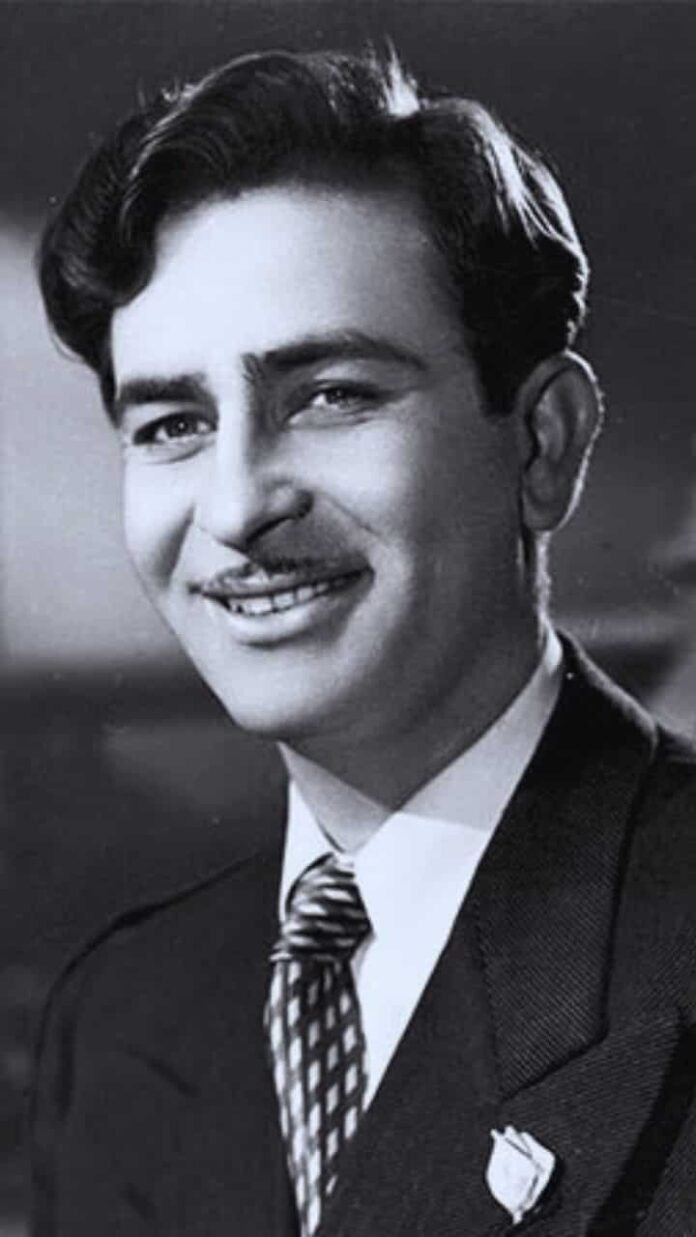
June 2 marks the death anniversary of legendary actor, filmmaker, and producer Raj Kapoor, one of the most influential figures in the history of Indian cinema. Fondly known as the “Greatest Showman of Indian Cinema,” Raj Kapoor passed away on June 2, 1988, but his contribution to Bollywood continues to inspire generations of filmmakers and movie lovers.
— Ministry of Information and Broadcasting (@MIB_India) June 2, 2026
Born as Ranbir Raj Kapoor on December 14, 1924, he was the eldest son of veteran actor Prithviraj Kapoor and went on to become one of the pioneers of modern Indian cinema. As an actor, director, and producer, Raj Kapoor created films that combined entertainment with powerful social messages, making him a household name across the country.
His cinematic brilliance was evident in classics such as Awaara, Shree 420, Sangam, Mera Naam Joker, and Bobby. Through these films, he portrayed the hopes, struggles, and dreams of ordinary people, creating stories that resonated with audiences across generations. His iconic on-screen character, often compared to Charlie Chaplin’s famous “Tramp,” became one of the most recognizable images in Indian cinema.
In 1948, Raj Kapoor established R.K. Films, which went on to become one of the most successful production houses in the country. Under its banner, he produced and directed several landmark films that set new standards for storytelling, music, and filmmaking.
Raj Kapoor’s influence extended far beyond India’s borders. Films like Awaara and Shree 420 became immensely popular in the Soviet Union, China, and several other countries, making him one of the first Indian film stars to achieve international recognition. His work helped introduce Indian cinema to global audiences long before the era of globalization and streaming platforms.
His legacy continues through the Kapoor family, one of Bollywood’s most celebrated film dynasties. His sons Randhir Kapoor, Rishi Kapoor, and Rajiv Kapoor carried forward the family’s cinematic tradition, while grandchildren Karisma Kapoor, Kareena Kapoor Khan, and Ranbir Kapoor remain among the industry’s biggest stars.
More than three decades after his passing, Raj Kapoor’s films continue to captivate audiences with their timeless themes, memorable music, and emotional depth. On his death anniversary, fans and members of the film fraternity remember not only a legendary actor and filmmaker but also a visionary who transformed Indian cinema.
As Bollywood continues to evolve, Raj Kapoor’s contribution remains unmatched. His artistry, innovation, and passion for storytelling ensure that he will forever be remembered as the true showman of Indian cinema.
For decades, India wrote the world’s code quietly and efficiently from technology hubs in Bengaluru, Hyderabad, Pune and Gurugram. Indian engineers maintained global software systems, solved problems for multinational corporations and powered the digital backbone of businesses across continents.
Today, however, something fundamental has changed.
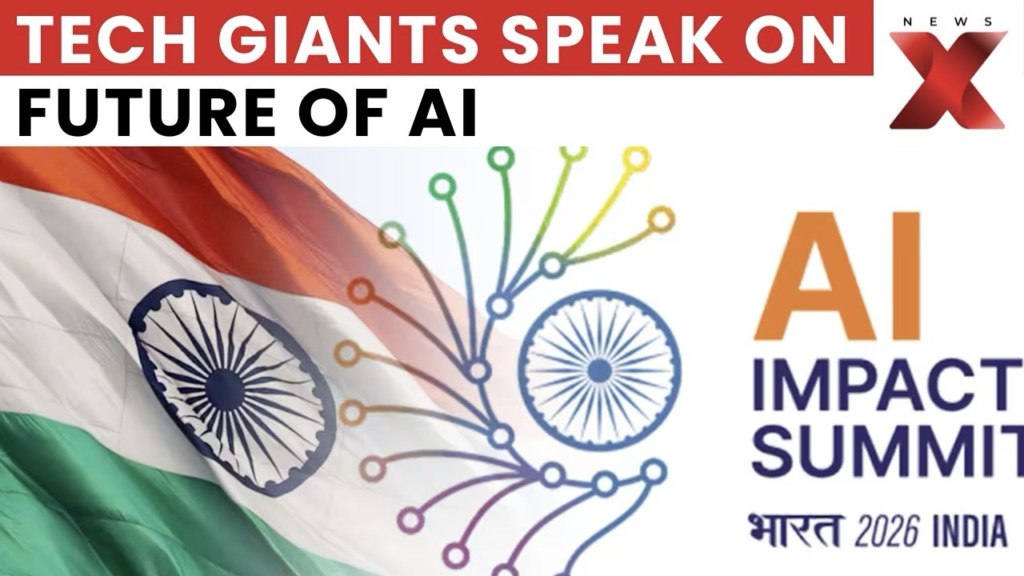
India is no longer merely supporting the global technology ecosystem; it is becoming an active participant in shaping the future of artificial intelligence (AI). From startups building AI-powered products to developers contributing to open-source models and communities, India is steadily carving out a place for itself in the world’s most transformative technological revolution.
The shift is visible everywhere. AI is no longer confined to research labs or technology companies. It is finding its way into classrooms, households, small businesses and government offices, changing how millions of Indians work, learn and solve everyday problems.
AI Comes to Everyday India
The story of AI in India is not just about billion-dollar investments or sophisticated algorithms. It is about ordinary people finding extraordinary uses for technology.
A homemaker in Jaipur uses an AI chatbot to plan meals, manage household expenses and compare grocery prices. A schoolteacher in Patna generates personalised lesson plans in Hindi within minutes. A college student in Indore uses AI tools to prepare for competitive examinations, while a small business owner in Surat relies on AI-generated marketing content to reach customers online.
These examples illustrate how AI is rapidly becoming a part of daily life.
Industry estimates suggest India’s AI market could grow to nearly $8 billion in the coming years, making it one of the fastest-growing AI ecosystems in the world. Yet the more compelling story lies beyond the numbers. Unlike many previous technological revolutions, AI adoption in India is not limited to urban professionals. Students, teachers, homemakers, entrepreneurs, freelancers and even street vendors are beginning to use AI-powered tools in their everyday activities.
Building an AI Nation
India’s growing AI ecosystem is being driven by a vibrant community of developers, startups and technology enthusiasts.
Across cities such as Bengaluru, Mumbai, Delhi, Chennai and Pune, developers are creating applications, experimenting with open-source models and building communities around APIs, machine learning and generative AI. Developer networks and API communities have become crucial spaces where innovators collaborate, exchange ideas and learn from global best practices.
The API Community:
It is one the biggest Api (Application Programming interface) communities in India. Their goal is to Empower developers to build, scale, and innovate with modern API architecture, realworld patterns, and a collaborative global network.
These communities are helping democratise technology by giving young developers access to tools and knowledge that were once available only to large corporations.
The result is a new generation of Indian innovators who are not simply consuming technology but creating it.
The Productivity Revolution
Perhaps the most significant impact of AI on everyday life is its ability to improve efficiency.
Tasks that once required hours can now be completed in minutes. Students can quickly access research material and explanations. Teachers can automate routine administrative work. Entrepreneurs can generate business plans, social media campaigns and customer communication without hiring large teams.
AI is reducing barriers to knowledge and productivity, making expertise more accessible than ever before. For a country as large and diverse as India, this has enormous implications for education, employment and economic growth.
The Risks of Overdependence
Yet every technological breakthrough comes with challenges.
The growing reliance on AI raises important questions about critical thinking, creativity and human judgment. When students submit assignments generated entirely by AI, they risk losing the opportunity to develop analytical skills. When professionals become overly dependent on prompts to write, think or create, technology can begin to replace rather than enhance human capability.
The danger lies not in AI itself but in how it is used.
AI can be a powerful assistant, but it should not become a substitute for independent thought. The balance between augmentation and dependency will be one of the defining challenges of the AI era.
India’s AI Moment
India today stands at a critical inflection point.
Government-backed initiatives aimed at developing AI models capable of understanding multiple Indian languages signal a broader ambition: to build AI systems tailored to India’s unique social, cultural and linguistic realities.
The country’s vast digital infrastructure, young population and thriving startup ecosystem provide a strong foundation for AI-driven growth. More importantly, AI offers India an opportunity not only to participate in the next technological revolution but to help shape it.
The question for India is no longer whether it will embrace artificial intelligence. That transition is already underway.
The real question is how the country chooses to use it.
If harnessed responsibly, AI can become a catalyst for innovation, productivity and inclusive growth. Used wisely, it can serve as a ladder that helps millions of Indians reach new opportunities. Used carelessly, it risks becoming a shortcut that weakens the very skills it promises to enhance.
As India plugs into the age of artificial intelligence, the challenge is not simply to adopt the technology, but to ensure that human creativity, judgment and ambition remain at its centre.
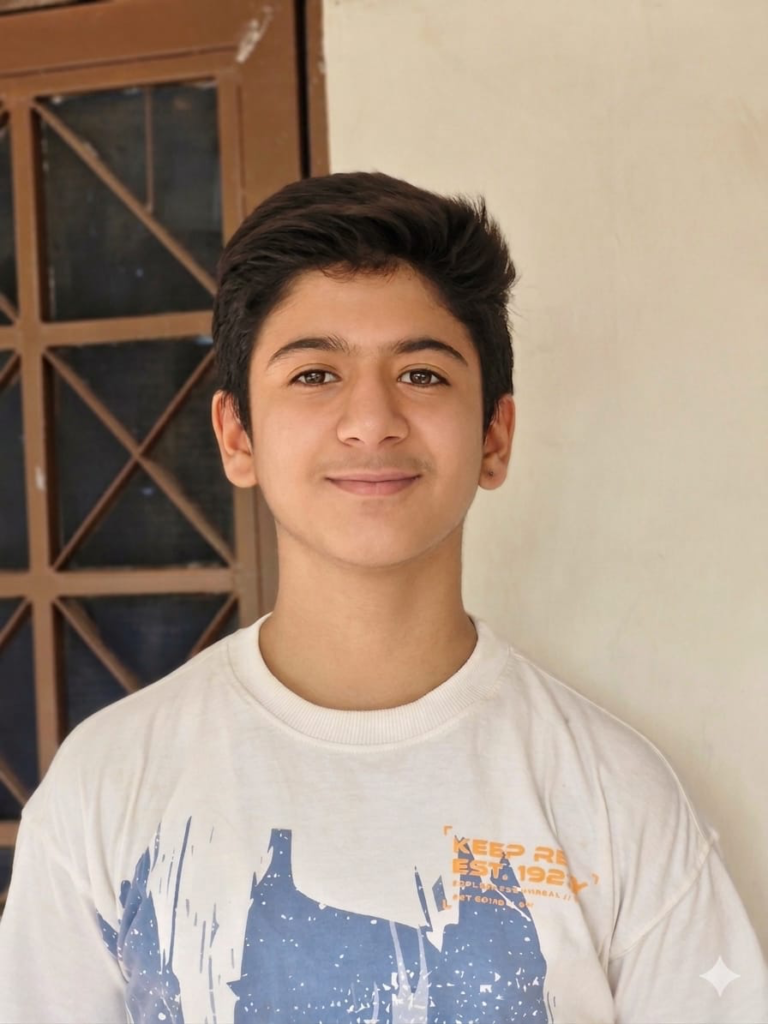
(The writer of this article is Akhilesh Saproo, class X student of APS, Jaipur)
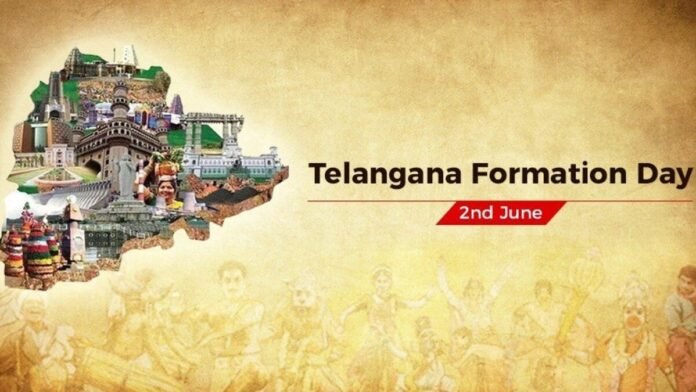
Every year on June 2, the state of Telangana celebrates Telangana Formation Day, marking the creation of India’s 29th state in 2014. The occasion commemorates the successful culmination of a decades-long movement for separate statehood and serves as a tribute to the people who contributed to the struggle for Telangana’s identity, development, and self-governance.
Telangana was officially formed on June 2, 2014, after being carved out of the erstwhile state of Andhra Pradesh under the Andhra Pradesh Reorganisation Act, 2014. The demand for a separate Telangana state had existed for several decades, rooted in concerns related to regional development, employment opportunities, resource allocation, and cultural identity. The movement gained momentum over the years through public campaigns, student participation, political mobilization, and widespread support from various sections of society.
Since its formation, Telangana has emerged as one of India’s fastest-growing states, with Hyderabad serving as its capital and a major centre for information technology, innovation, education, and commerce. The state is also known for its rich cultural heritage, distinctive dialects, historical monuments, traditional arts, and vibrant festivals.
Telangana Formation Day is observed as an official state holiday. Celebrations take place across all 33 districts, with government offices, educational institutions, and local bodies organizing special events to mark the occasion. The day typically begins with the hoisting of the National Flag by the Chief Minister at an official state ceremony in Hyderabad, followed by tributes to those who sacrificed and worked for the statehood movement.
Various cultural programmes are organised throughout the state, showcasing Telangana’s folk traditions, music, dance forms, handicrafts, and cuisine. Exhibitions, public gatherings, and awareness programmes highlight the state’s history and achievements since its formation. Government awards are also presented to individuals who have made notable contributions in fields such as public service, education, science, arts, sports, and social welfare.
The day is not only a celebration of Telangana’s political journey but also an opportunity to reflect on its progress and aspirations. Over the past decade, the state has focused on infrastructure development, agricultural initiatives, welfare programmes, industrial growth, and digital innovation while preserving its unique cultural identity.
As Telangana marks another year of statehood, Formation Day remains a symbol of the democratic aspirations of its people and their enduring commitment to development, inclusivity, and regional pride. The occasion reminds citizens of the sacrifices that led to the state’s creation and inspires continued efforts toward building a prosperous and progressive Telangana.
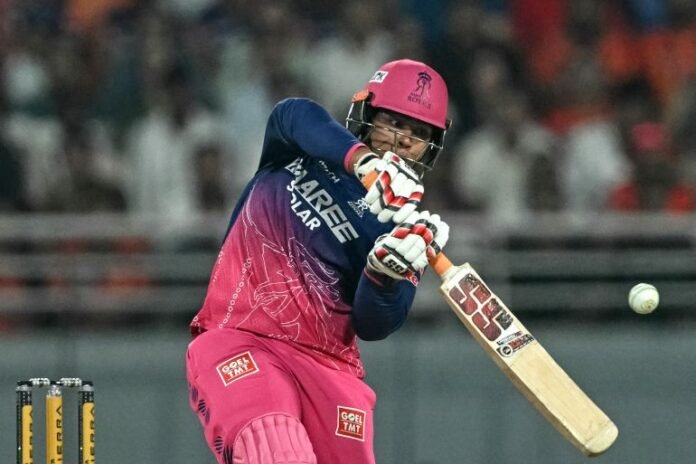
The Indian Premier League has witnessed many extraordinary talents over the years, but IPL 2026 belonged to one name above all others—Vaibhav Sooryavanshi. At just 15 years of age, the Rajasthan Royals opener produced a season for the ages, shattering records, winning multiple awards, and establishing himself as one of the brightest young stars world cricket has ever seen.
Sooryavanshi’s remarkable campaign ended with him becoming the first player in IPL history to win five major individual awards in a single season. His performances were so dominant that he not only captured the imagination of cricket fans across the globe but also drew comparisons with some of the greatest T20 batters the game has produced.
Leading from the front, the teenage sensation finished IPL 2026 as the tournament’s highest run-scorer, claiming the prestigious Orange Cap with 776 runs in just 16 innings. What made his achievement even more extraordinary was the manner in which those runs were scored. Batting with fearless intent, he maintained a staggering strike rate of 237.30, making him one of the most destructive players in the competition.
His power-hitting was equally breathtaking. Sooryavanshi smashed 72 sixes during the season, surpassing the previous IPL record of 59 held by legendary West Indian batter Chris Gayle. Bowlers across teams struggled to contain him as he consistently attacked from the very first ball. In the powerplay alone, he accumulated 521 runs, becoming the first player in T20 franchise cricket to cross the 500-run mark in the first six overs of a single season.
His brilliance earned him the Most Valuable Player (MVP) award, the Emerging Player of the Season honour, as well as the Super Striker and Super Sixes awards. The historic five-award haul underlined just how dominant he was throughout the tournament. Among his many achievements, one of the most remarkable was becoming the fastest batter in IPL history to reach 1,000 career runs. He achieved the milestone in just 440 deliveries, highlighting both his consistency and explosive scoring ability.
Beyond the statistics, however, Sooryavanshi’s story represents the arrival of a new generation of Indian cricket talent. At an age when most teenagers are balancing schoolwork and sports, he was taking on some of the world’s best bowlers and winning. His confidence, maturity, and fearless approach have earned widespread admiration from cricket experts and former players alike.
His sensational season was also rewarded financially, with the youngster receiving ₹55 lakh in prize money along with a brand-new car for his outstanding performances.
While Rajasthan Royals narrowly missed out on lifting the IPL trophy, the emergence of Vaibhav Sooryavanshi was undoubtedly one of the defining stories of the season. Cricket has always celebrated prodigies, but seasons like this are rare. At just 15, Sooryavanshi has already achieved what many players can only dream of. If IPL 2026 was any indication, Indian cricket may have found its next superstar.
The results of JEE Advanced 2026 were declared today by IIT Roorkee, bringing relief, celebration, and heartbreak to lakhs of students across the country. This year, Shubham Kumar secured All India Rank (AIR) 1 with an impressive score of 330 out of 360 marks, while Arohi Deshpande emerged as the highest-ranked female candidate. Out of nearly 1.8 lakh students who appeared for both papers, around 56,880 candidates qualified for admission into the prestigious Indian Institutes of Technology (IITs).
As the topper lists and success stories dominate headlines, another familiar pattern has once again emerged—many of the highest-ranking students prepared in coaching hubs such as Kota in Rajasthan and Sikar, which continue to produce a large share of IIT aspirants every year. In fact, several top rankers this year were associated with coaching ecosystems that have become synonymous with IIT preparation.
But why have Kota and Sikar become such powerful centres of competitive exam preparation?
The answer lies in a combination of experience, infrastructure, faculty networks, test-series systems, and a highly competitive environment. Over the years, these cities have built an industry worth thousands of crores around engineering and medical entrance examinations. Students travel from every corner of India, often leaving their families behind, to spend two or more years preparing for a single examination. However, the success stories tell only one side of the picture.
Behind giant billboards displaying AIR 1 holders and perfect scores lies a far more complex reality. Coaching institutes aggressively market toppers as proof of their success, even though many rank-holders often receive guidance from multiple platforms, personal mentors, online resources, and schools simultaneously. The race to claim toppers has become a marketing battle in itself.
Many students also find themselves trapped in a cycle of pressure. The dream of securing an IIT seat is often presented as the ultimate definition of success. Families invest significant savings, students relocate at a young age, and their lives become centred around ranks, mock tests, and performance charts. For some, the environment becomes motivating. For others, it creates immense stress, anxiety, and a constant fear of failure.
The bigger question is whether India has unintentionally created an education system where coaching centres have become more influential than classrooms. The rise of Kota and Sikar reflects not only their strengths but also the gaps in mainstream schooling and career guidance systems.
JEE Advanced remains one of the toughest examinations in the world, and every successful candidate deserves recognition for their hard work. Yet the results should also encourage a broader conversation. An AIR rank can open doors, but it does not define a person’s intelligence, potential, or future.
As another batch of students celebrates its success today, India must also reflect on the growing coaching culture that shapes millions of young lives. The real challenge is not just producing toppers—it is ensuring that ambition does not come at the cost of well-being, balance, and the true purpose of education.
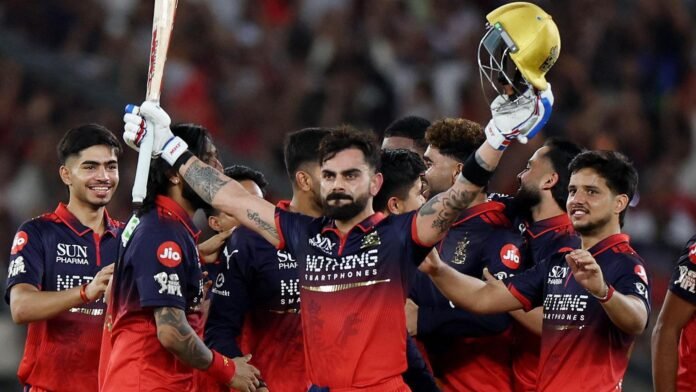
When Royal Challengers Bengaluru lifted the IPL trophy for the second consecutive year in 2026, the celebrations belonged to the entire team, but at the centre of it all stood one man—Virat Kohli. For nearly two decades, Kohli has been the face of RCB, a player whose loyalty, passion, and relentless pursuit of excellence have defined the franchise’s identity.
In the IPL 2026 final against Gujarat Titans, Kohli once again proved why he is regarded as one of the greatest batters in the history of the game. Chasing a target of 156, the veteran opener produced a masterclass under pressure, remaining unbeaten on 75 off just 42 deliveries. His innings, which included the fastest IPL half-century of his career, guided RCB to a comfortable five-wicket victory and secured the franchise’s second successive title.
For Kohli, the achievement was particularly significant. Having spent his entire IPL career with RCB, he experienced years of heartbreak, near misses, and criticism before finally tasting championship success. Today, those struggles make the victories even sweeter.
Born in Delhi on November 5, 1988, Virat Kohli’s cricket journey began at a young age. His determination was evident early on, most famously when he played a crucial innings for Delhi shortly after the death of his father. That resilience became a defining characteristic of his career. In 2008, he captained India to victory in the ICC Under-19 Cricket World Cup, announcing himself as a future star.
What followed was one of the most remarkable careers in modern cricket. Kohli became the backbone of India’s batting line-up across formats, broke numerous records, captained the national team, and earned admiration worldwide for his consistency and intensity. His commitment to fitness also transformed the standards of Indian cricket and inspired a new generation of athletes.
Yet despite his international success, RCB remained closest to his heart. Season after season, Kohli carried the hopes of millions of fans. His emotional connection with the franchise turned him into more than just a player—he became a symbol of loyalty and perseverance.
The 2026 IPL title triumph further strengthened that legacy. While younger stars continue to emerge, Kohli remains the driving force behind RCB’s success. His performances, leadership qualities, and unwavering commitment have helped shape what many fans now call the golden era of the franchise.
As RCB celebrates another championship and its growing dominance in the IPL, Virat Kohli’s story serves as a reminder that greatness is not defined only by records and trophies. It is also measured by dedication, resilience, and the ability to inspire millions. And in that regard, Kohli’s legacy extends far beyond the cricket field.
In an era dominated by fast fashion, mass production, and ever-changing trends, India’s centuries-old craft traditions are witnessing a remarkable revival. From intricate embroideries and handloom weaves to block prints and artisanal textiles, handmade fashion is once again finding favour among consumers in India and across the world.
But what is driving this renewed appreciation for craftsmanship? Are there enough artisans to meet the growing demand? Can handmade products remain accessible while ensuring fair compensation for the people behind them? And what role does this sector play in India’s economy and global identity?
In this conversation, Richa Jain, Head of Design, Home Linen at Swadesh, Reliance Retail, shares her insights on the resurgence of handmade fashion, the challenges facing India’s artisan communities, and why she believes Indian craftsmanship has the potential to redefine luxury and sustainability for the future.
Q. Why is India’s handmade fashion making such a strong comeback in an age of fast fashion?
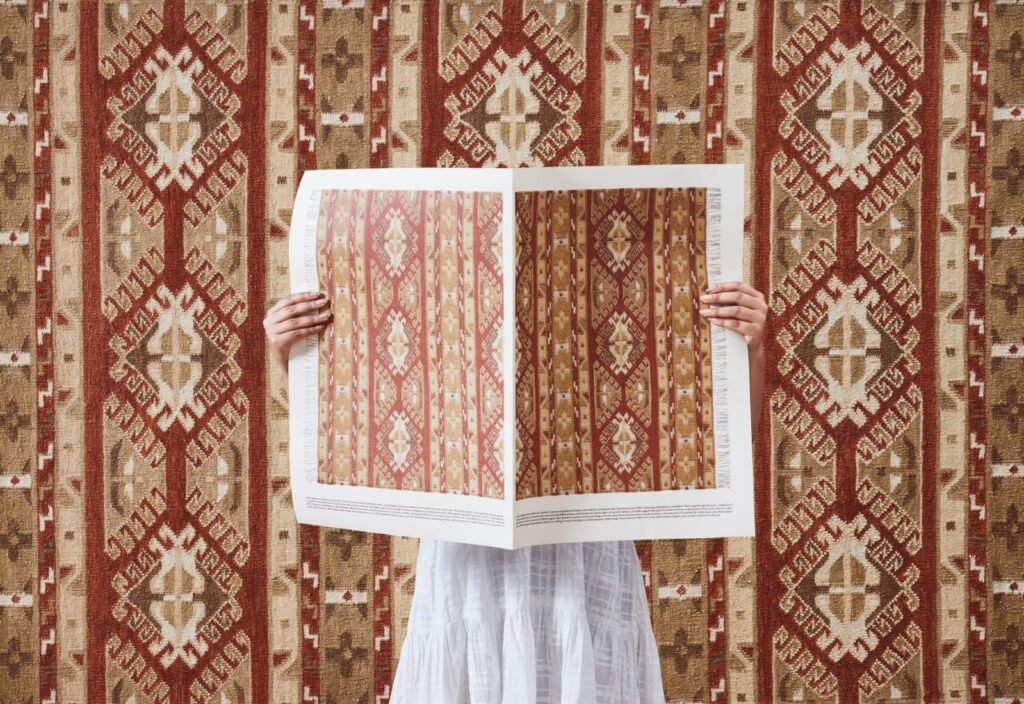
Richa Jain: I think the comeback is actually a correction. For decades, we collectively chased speed and scale, and somewhere in that pursuit, we lost texture, both literally and emotionally. What’s happening now is that consumers, especially post-pandemic, are craving meaning. They want to know where something came from, whose hands touched it, and what tradition it carries. Handmade fashion answers all of that in a single object. At Swadesh, we see this intimately in home linen. The moment a customer understands that a border was hand-block-printed in Sanganer or a weave came off a loom in Banaras, the product transforms for them. It stops being a bedsheet and becomes a relationship with a place and a person. Fast fashion simply cannot compete with that emotional register.
Q. Are today’s consumers valuing story, craftsmanship, and heritage more than before?
Richa Jain: Absolutely, and I’d say they’re also becoming more discerning about authenticity. It’s no longer enough to use the word “handmade” as a label—consumers are asking follow-up questions. Which region? Which community? Is this a dying craft or a living one? That level of curiosity is genuinely new and genuinely exciting. What I find particularly encouraging is the younger buyer—the 25 to 35-year-old—who is consciously choosing a hand-embroidered cushion or a jamdani quilt not just for aesthetics but as a values statement. Heritage has become a form of identity expression, and that is a powerful shift for the industry.
Q. What has changed that is making Indian handwork a major luxury and mainstream trend again?
Richa Jain: Several things converged at once. Global luxury houses such as Dior, Valentino, and Chanel have been sourcing Indian embroidery for years, which gave our crafts a certain aspirational revalidation in the domestic market. Then came a generation of Indian designers who stopped apologising for their roots and started leading with them. Add to that the rise of conscious consumption globally, and suddenly Indian handwork sits precisely at the intersection of luxury, sustainability, and cultural pride. What’s different now versus earlier revivals is that it isn’t charity-driven or nostalgia-driven—it’s commercially confident. Brands like Swadesh are built on the premise that craft can be contemporary, scalable, and profitable without being diluted.
Q. Are enough artisans still practising crafts like chikankari, zardozi, handloom weaving, and embroidery to meet growing demand?
Richa Jain: Honestly, supply is under serious pressure. The artisan base is there, but it is ageing and geographically concentrated. Chikankari clusters in Lucknow, kantha and jamdani in Bengal, brocades and hand-knotted carpets in Uttar Pradesh—these are functioning ecosystems, but fragile ones. When demand spikes suddenly, as it has in the past few years, the supply chain strains badly. Turnaround times stretch, quality becomes inconsistent and artisans get fatigued. What we need is not just more artisans but better infrastructure around them—design support, fair pricing, working capital and market access. The craft exists; the ecosystem around it needs urgent strengthening.
Q. Is India facing an artisan shortage, and do we urgently need to train a new generation?
Richa Jain: Yes, and I would say the urgency is not theoretical—it is already here. In my own sourcing work, I regularly encounter situations where a particular technique exists in perhaps one or two villages with a handful of practitioners, most of them in their fifties or sixties. Their children have moved to cities for more predictable incomes. Can you blame them? We never made craft economically aspirational for young people. That has to change. Training alone isn’t sufficient—we need to make being a skilled artisan a dignified, well-compensated and respected profession. Government schemes like NIFT’s craft documentation initiatives and the Office of the Development Commissioner (Handicrafts) programmes are a start, but industry has to step up and create sustained demand that makes it worthwhile for someone to spend years learning a craft.
Q. What actually goes into creating a handcrafted piece that people may not fully understand?
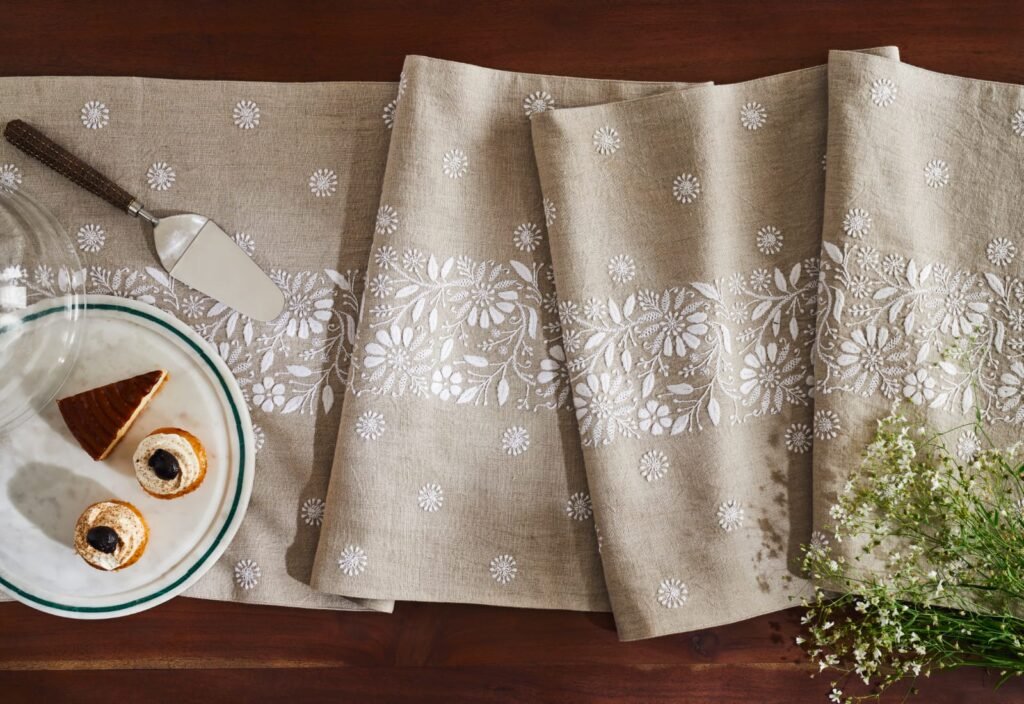
Richa Jain: Almost everything that is invisible. Take a hand-embroidered linen cushion cover. Before a single stitch is placed, there is the sourcing of the base fabric, the preparation and sizing of the ground, the transfer of the design, the dyeing or printing of threads, and then the actual embroidery work, which can take a skilled artisan anywhere from two days to two weeks depending on density. Each of those steps has its own supply chain, its own craft knowledge and its own quality variables. When you price a handcrafted piece, you are pricing all of that invisible labour plus the years of skill embodied in the person doing it. What people see is a beautiful object. What they’re actually holding is compressed human time, and that framing changes everything.
Q. Is handcrafted Indian fashion becoming accessible to the middle-class consumer, or is it still largely a luxury market?
Richa Jain: It’s a spectrum and I think the market is genuinely opening up at multiple price points. The super-premium—heavily worked zardozi or custom handloom silks—will always be luxury by nature of input costs. But block-printed cottons, simple kantha work and handwoven khadi are accessible, and the middle class is absolutely engaging with them. What Swadesh is trying to do and I’m proud of this, is create a credible, well-designed craft product that a middle-income household can buy for their home without it being either unaffordable or dumbed down. The challenge is educating consumers on why a hand-block-printed duvet cover costs more than a digitally printed one while keeping that gap reasonable. That’s a design and communication challenge as much as a pricing one.
Q. How can designers balance authenticity and craftsmanship while making handmade fashion commercially sustainable?
Richa Jain: This is the central creative tension of my work every single day. My belief is that you protect the technique, but you don’t freeze the aesthetic. A Sanganeri block print doesn’t have to look like it did in 1970 to be authentic. Authenticity lives in the process, the materiality, and the human hand—not in a static visual vocabulary. When I develop a collection, I work closely with artisan clusters, understand what their hands can do best and then let contemporary design sensibility guide the colour, scale, and application. That collaboration—where the artisan’s expertise and the designer’s market awareness meet—produces something that is both genuinely crafted and commercially relevant. Sustainability comes when artisans are paid fairly and orders are consistent, not seasonal bursts. That requires discipline on the brand side.
Q. How important is the handmade fashion industry to India’s economy, employment, and rural livelihoods?
Richa Jain: It is the second-largest employer in India after agriculture. That statistic alone should anchor every policy conversation about this sector. We are talking about millions of livelihoods, the majority of them women working from home in semi-rural and rural contexts, earning incomes that are woven directly into household economics. When a craft cluster thrives, it sustains not just the artisan but schools, local markets and community structures around it. When it collapses—as many have—it triggers migration, social disruption and the permanent loss of intangible cultural heritage. This isn’t romantic; it’s economic and developmental reality. The handmade industry is India’s most scalable rural employment programme, and we are chronically underinvesting in it relative to its potential.
Q. Do Indian artisans finally get the recognition they deserve as Indian textiles are celebrated on global runways?
Richa Jain: Not yet, and I feel strongly about this. There is a fundamental asymmetry that hasn’t been corrected: the global fashion house gets the headline, while the Indian artisan gets a footnote in the press release, if they’re lucky. I’ve seen collections where karigar communities from Uttar Pradesh or Rajasthan did months of intricate work and received zero credit in any public communication. Recognition means attribution—naming the cluster, the region, the technique, and the community. It means fair compensation, not just fair wages but royalty-type arrangements for techniques that are the intellectual property of communities. The global runway loves Indian craft. The question is whether that love translates into equity. That conversation is only just beginning.
Q. Has social media and celebrity fashion helped revive interest, or has it also led to over-commercialisation?
Richa Jain: Both, and I think we have to acknowledge that honestly. Social media has been transformative for awareness. A weaver in Kutch now has a direct window to a global audience and that is genuinely revolutionary. Celebrities wearing handloom saris or chikankari ensembles have normalised and glamourised craft in a way that no government campaign could. But the flip side is the commodification of aesthetics without respect for origin. Trends move so quickly that crafts get consumed as visual motifs—block print becomes a “pattern”, ikat becomes a “look”—stripped of context and replicated in factories within weeks. That’s deeply damaging. The answer isn’t to resist social media but to use it more intentionally—to tell complete stories, credit artisans and build literacy alongside aspiration.
Q. What does the future of Indian handmade fashion look like—revival, reinvention, or complete global takeover?
Richa Jain: All three, sequenced. We are in the revival phase right now—reclaiming pride, rebuilding supply chains and rediscovering techniques. Reinvention is already happening in parallel, as younger designers and brands recontextualise craft for global sensibilities without apology. The global takeover? I genuinely believe it’s coming, but only if we solve the infrastructure problem.
India sits on an unparalleled depth of craft knowledge, a density and diversity of textile traditions that no other country on earth can match. If we pair that indigenous genius with better design education, technology-enabled supply chains, fair trade frameworks and a new generation of artisans who choose craft as a career of choice rather than compulsion, Indian handmade will not just be a trend on a global runway. It will set the terms of what luxury, sustainability, and beauty mean for the next century. That’s not a romantic notion, that’s just following the logic ofwhat we already have.
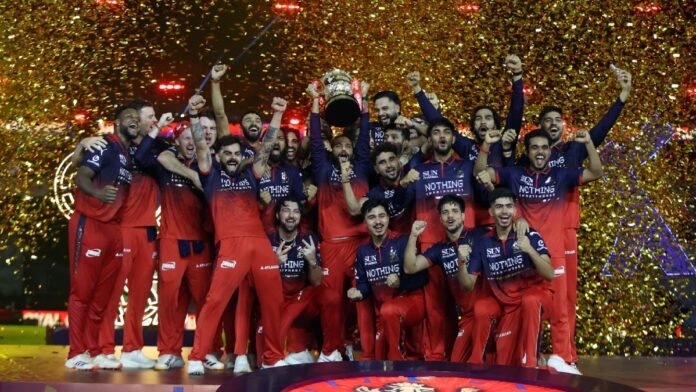
Royal Challengers Bengaluru (RCB) continued their dominance in the Indian Premier League by winning the IPL 2026 title, defeating Gujarat Titans by five wickets in the final at the Narendra Modi Stadium in Ahmedabad. The victory marked RCB’s second consecutive IPL championship, further cementing their place among the league’s elite teams.
After being asked to chase a target of 156, RCB produced a composed batting performance, reaching 161/5 in just 18 overs. The chase was led by veteran batter Virat Kohli, who delivered yet another memorable knock under pressure. Kohli remained unbeaten on 75 runs off 42 deliveries and recorded the fastest half-century of his IPL career, reaching the milestone in just 25 balls. His innings combined aggression with control and ensured that Bengaluru stayed firmly on course throughout the chase.
Earlier in the evening, Gujarat Titans struggled to build momentum against a disciplined RCB bowling attack and finished with 155/8 in their allotted 20 overs. Rasikh Salam emerged as the standout performer with the ball, claiming three crucial wickets. He was well supported by experienced pacers Bhuvneshwar Kumar and Josh Hazlewood, who picked up two wickets each and kept the Titans’ batting line-up under constant pressure.
RCB’s triumph was the culmination of another remarkable season in which every department contributed consistently. The team displayed resilience, tactical discipline, and depth throughout the tournament, qualities that ultimately helped them retain the coveted trophy.
For Virat Kohli, the final was another chapter in his long and illustrious association with the franchise. His match-winning innings not only guided RCB to victory but also highlighted his enduring ability to perform on the biggest stage when it matters most.
The title win sparked celebrations among RCB supporters across the country, although reports indicated that Bengaluru would not host a grand victory parade this year. Nevertheless, the achievement remains a landmark moment for the franchise and its passionate fan base.
With two successive IPL titles now in their cabinet, Royal Challengers Bengaluru have firmly established themselves as one of the most formidable teams in the competition. Their successful title defence in 2026 will be remembered as a season where experience, teamwork, and championship mentality came together to produce another historic triumph.