

Independence Story: Close your eyes for a moment. You are in Bombay. August 1942. The city is unnaturally quiet, the kind of quiet that presses against your ears and makes your heartbeat feel too loud. Gandhi has been arrested overnight. The entire Congress leadership taken in a single, ruthless sweep before dawn. There is a particular kind of silence a city makes when it is afraid, and Bombay is making that silence tonight.
On your desk sits a radio receiver. You should not have it. But someone slipped you a crumpled paper with a frequency scrawled on it, 43.34 metres, and told you to listen after nine. Outside a British patrol goes past. Heavy boots on cold stone. Then silence again.
You wait.
Then through the static, a woman’s voice cuts through. Clear, calm, unhurried. Completely fearless.
“This is the Congress Radio, calling on 43.34 metres, from somewhere in India.”
For weeks you have been told the movement is broken, crushed, finished. But here, at nine o clock on a sweltering August night, a lone woman is sitting behind an illegal transmitter and telling you otherwise. The British are desperately hunting this signal right now and they cannot find her.
Something shifts deep in your chest. Something that feels dangerously like hope.
This actually happened. In 1942, a young Indian woman named Usha Mehta sat behind an illegal radio transmitter in Bombay and refused to go quiet. She was twenty two years old, had no army and no weapons, and she terrified the most powerful empire in the world anyway.
"You can chain my hands, you can shackle my feet, you can even throw my body into prison; but you shall not enslave my mind."
— Usha Mehta, Gandhian activist and voice of the Secret Congress Radio
A film has also been made on her life, bringing her extraordinary story to a new generation of Indians who never knew her name.
Why this matters to the youth of India today
Ask any young Indian to name five freedom fighters and you will hear the same five familiar names without a moment’s hesitation. Ask them to name a woman freedom fighter and the room often goes uncomfortably quiet.
India’s independence was not won only by the people on our currency notes. It was won in smoky radio dens and dark jungle canopies, in roaring market squares and cold prison cells, by women who gave their bodies, their families, and their entire lives to the burning idea of a free India. These women were shot at, imprisoned, and tortured with breathtaking cruelty. Most of them were then simply forgotten, buried quietly under the weight of a history written mostly by others.
That is not a small gap. It is a gaping wound in our national memory. To be genuinely proud of this country, we first need to honestly know who bled for it.
Usha Mehta
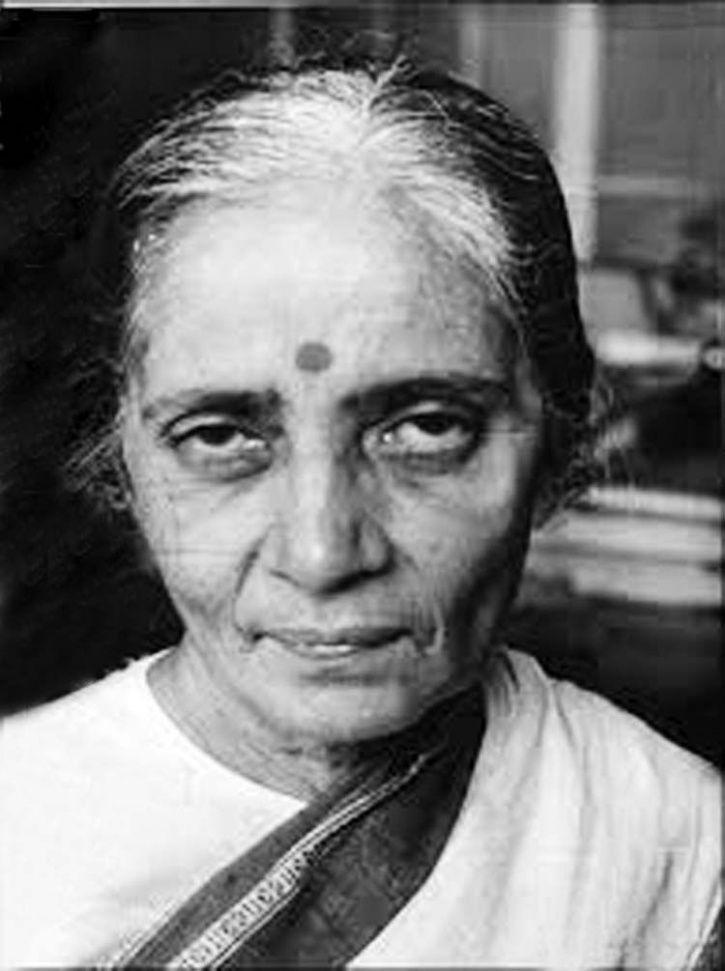
She was just five years old when she marched up to her father and announced she wanted to join Gandhi’s satyagraha. It was an adorable declaration from a tiny child. Nobody laughed for long. By the time she was twenty two, she was running an illegal radio station out of shifting, secret locations across Bombay, broadcasting the defiant voice of the independence movement to a nation the British Empire was desperately trying to silence.
When the entire Congress leadership was arrested overnight in August 1942, Usha and a small, brave group of colleagues assembled radio equipment and began transmitting into the dark. They moved the station constantly, staying one breathless step ahead of the intelligence officers hunting them. Every single night she went on air, reading out Gandhi’s messages, reporting on the resistance, and keeping the flickering spirit of the movement alive at a time when the British had shut down every other channel of communication available to Indians.
The British spent months trying to track her down. When they finally caught her in November 1942, she was sentenced to four years of rigorous imprisonment. She served every single day of it without breaking, without begging, without giving them a single name. After independence she earned her doctorate, taught at the University of Bombay, and spent her remaining years writing quietly about Gandhian thought. In 1998, at seventy eight years old, she received the Padma Vibhushan. It was fifty years overdue.
Aruna Asaf Ali
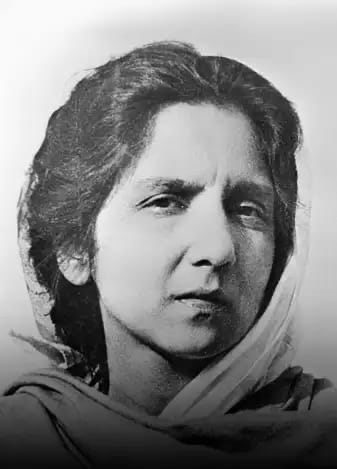
On the charged, electric morning of 9 August 1942, as British police moved through Gowalia Tank Maidan in Bombay arresting Congress leaders one after another in front of a stunned crowd, a slim, composed woman walked calmly to the flagpole and raised the tricolour right in front of the armed police.
Her name was Aruna Asaf Ali. The British, humiliated and furious, immediately placed her on their most wanted list and seized everything she owned. She melted into the shadows and stayed there for years, continuing to organise from the underground, writing sharp, incendiary literature and moving from city to city under different names like smoke through a cracked window. When the British offered to wipe her slate clean if she simply gave herself up, she did not even consider it.
She remained underground until the morning of independence itself. After 1947 she became the first Mayor of Delhi, a city she had helped liberate. She received the Bharat Ratna in 1997, weeks before she quietly died.
Begum Hazrat Mahal
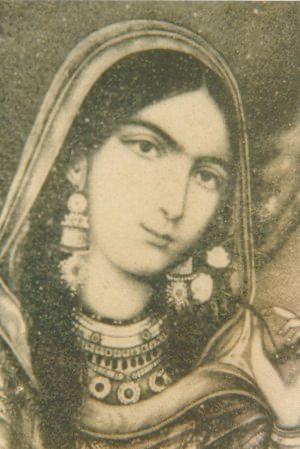
When the British East India Company annexed the jewelled kingdom of Awadh in 1856 and packed her husband off into gilded exile, Begum Hazrat Mahal did not retreat into grief. She picked up the fight herself. During the great uprising of 1857 she took fierce command of the resistance in Lucknow, rallied soldiers, citizens, and the deeply wounded pride of a dispossessed people, and drove British forces out of the city.
She issued bold, stinging proclamations that directly tore apart Queen Victoria’s honeyed promises of fairness and equality, exposing with razor clarity the enormous gap between what the British said in their proclamations and what they actually did on Indian soil. When the uprising was finally crushed she refused, with characteristic stubbornness, to surrender and escaped to Nepal, where she spent the rest of her long life in dignified exile. She never came home. The country she had bled for quietly forgot her name.
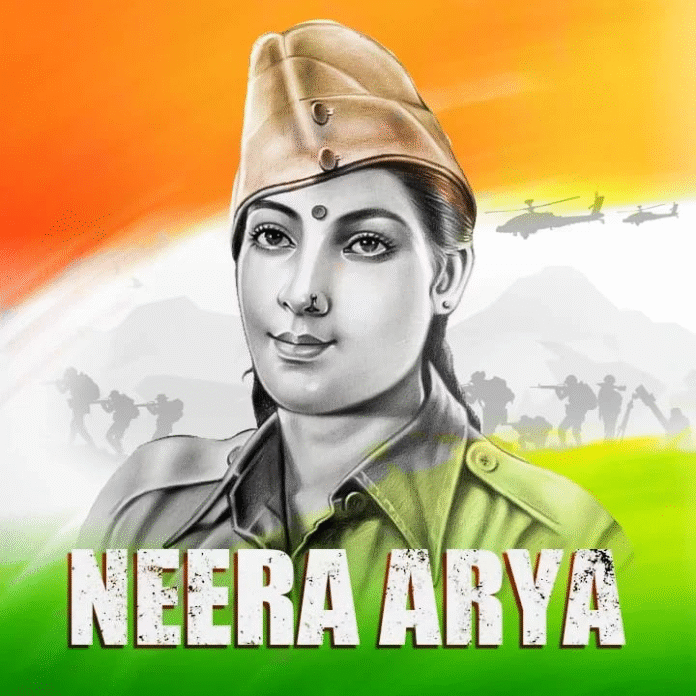
Neera Arya
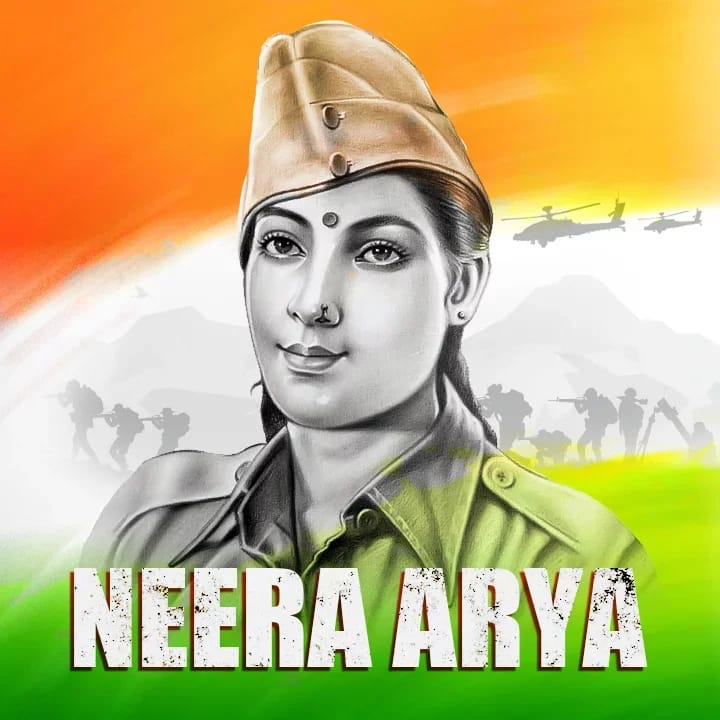
Neera Arya was a sharp, trusted intelligence operative for Netaji Subhas Chandra Bose’s Indian National Army, operating in the shadows of one of history’s most daring liberation movements. When she was captured by British forces who were convinced she knew Netaji’s precise location, they decided that ordinary interrogation would not be enough. They tortured her with savage, deliberate brutality. Her hands were chopped off.
She said nothing.
Not a location. Not a name. Not a single word that could endanger the man she served or the movement she believed in. She survived, somehow, and lived into her nineties. She died in 1998 with no national award, no state funeral, no statue in any city in the country that owed her everything. Her extraordinary silence protected a revolution. The very least we can do, the absolute minimum, is to remember her name.
Uda Devi
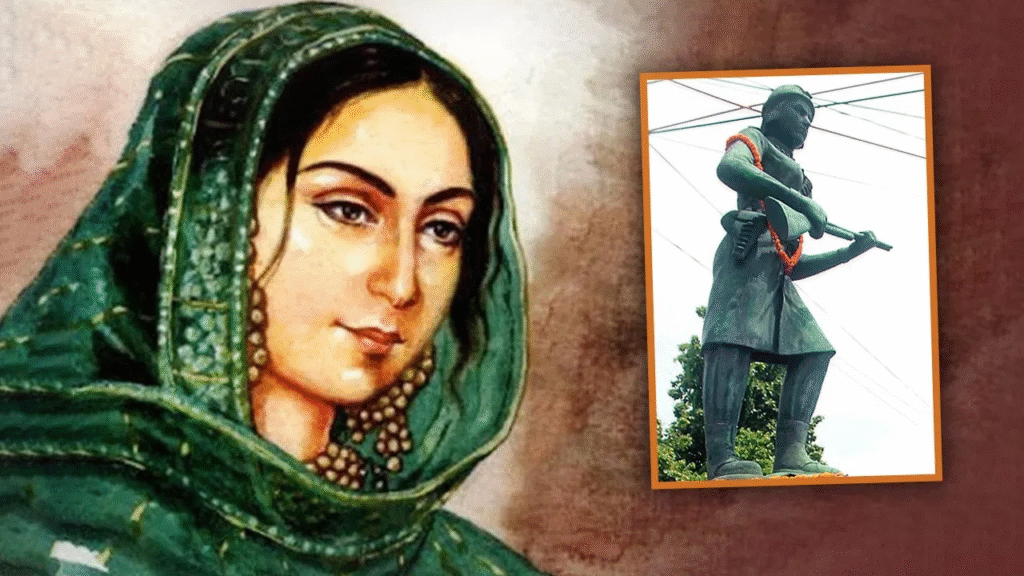
On 16 November 1857, as confident British forces advanced through the walled garden of Sikandar Bagh in Lucknow, soldiers began dropping to precise, punishing sniper fire coming from somewhere high above them in the branches of a dense peepal tree. Confusion spread through the ranks. When they finally located the shooter and brought them down from the tree, they made a discovery that stopped them cold.
It was a woman.
Her name was Uda Devi. She had climbed that tree alone before the battle began, settled silently into the branches like a bird of terrible patience, and held her position with iron nerve as an entire British regiment moved through the garden below her. By the time they found her, she had killed thirty two soldiers by herself.
The British commander reportedly removed his hat in quiet, reluctant acknowledgement of her staggering bravery. The country she gave her life for took another hundred and fifty years to put up a single statue in her honour.
Matangini Hazra
She was seventy three years old.
On 29 September 1942, Matangini Hazra led a procession of six thousand people through the dusty streets of Tamluk in Bengal as part of the Quit India Movement. When British police opened fire on the crowd, people scattered in every direction, running for their lives. Matangini did not run. She did not flinch.
She was shot in the hand. She kept walking, the Indian flag held steady above her white head. She was shot again. She kept walking. She was shot a third time, and this time the wound was fatal. As her old body fell to the ground she was still holding the flag as high as her failing arms could manage. Witnesses say she was still calling out Vande Mataram when she took her last breath.
The people of Tamluk called her Gandhi Buri — Old Lady Gandhi. She had been widowed very young, had no children, and owned almost nothing her entire life. She had given whatever small years remained to her entirely to the freedom movement, walking from village to village in the scorching Bengal heat, organising people, going to jail without a word of complaint. On the day she died she was the oldest person in that procession of six thousand, and she was the very last one still standing.
Women in a free India
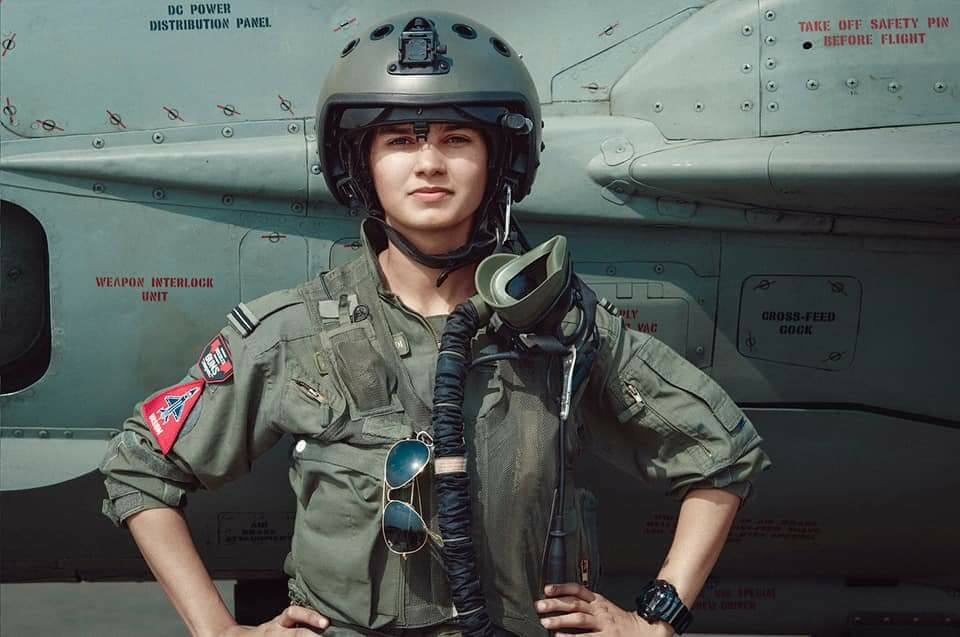
The fierce, extraordinary women above did not sacrifice everything so that the women who came after them would merely be permitted to exist. They sacrificed everything so that those women could lead, command, and excel without apology.
And lead they have, magnificently. India today has women flying combat jets in the Indian Air Force. Squadron Leader Avani Chaturvedi became one of the first women to fly a MiG-21 solo, hurtling through the sky in the same nation where women were once told the sky was not their place. Women officers now serve with full authority across the Army, Navy, and Air Force in roles that were firmly closed to them for decades. The Supreme Court has thrown those doors open permanently.
In civil life the story burns just as bright. Women are running India’s largest corporations, governing states, sitting on the highest judicial benches, and representing this country with quiet brilliance in diplomacy, science, and sport. Indian women are winning Olympic medals, leading space missions at ISRO, arguing before international courts, and building companies that the world watches with respect.
None of this landed in their laps. It happened because generation after generation of Indian women refused, at great personal cost, to accept that their place was smaller than their ability. Usha Mehta refused it from inside a cold prison cell. Matangini Hazra refused it while walking steadily into bullets. Neera Arya refused it while being tortured beyond what most human beings could survive.
Every Indian woman who leads today, who commands today, who builds and creates and governs today, stands on the shoulders of those women. The very least we owe them is to finally, honestly, know their names.
(The writer of the story is Lakshya Govani, a class X student of Army Public School in Jaipur)