Home Blog Page 15

Cannes Film Festival 2026: Global Cinema, Glamour and Powerful Storytelling Take Centre Stage

0

The 79th edition of the Cannes Film Festival has officially begun in Cannes, France, turning the French Riviera once again into the world’s biggest celebration of cinema. Running from May 12 to May 23, the prestigious festival is already generating global buzz for its strong international film lineup, star-studded jury and renewed focus on auteur-driven storytelling.

This year’s Cannes is being chaired by acclaimed South Korean filmmaker Park Chan-wook, making him the first Korean jury president in the festival’s history. Joining him on the jury are major international names including Demi Moore, Chloé Zhao, Ruth Negga and Stellan Skarsgård. Together, they will decide the winner of the coveted Palme d’Or from 22 competing films.

One of the biggest talking points this year is Cannes’ visible shift away from Hollywood blockbusters toward international and independent cinema. Renowned filmmakers such as Pedro Almodóvar, Hirokazu Kore-eda and Asghar Farhadi are presenting highly anticipated films, reinforcing Cannes’ reputation as a platform for artistic and thought-provoking storytelling.

The festival opened with Pierre Salvadori’s film The Electric Kiss, while the red carpet has continued to draw attention worldwide for its elegance and fashion statements. Organisers have reportedly introduced stricter dress-code guidelines this year to maintain a more classic and sophisticated atmosphere on the iconic Cannes staircase.

India has also marked its presence at Cannes 2026. A restored 4K version of John Abraham’s Malayalam classic Amma Ariyan has been selected for the Cannes Classics section, continuing India’s growing recognition in film restoration and preservation.

Beyond awards and glamour, Cannes continues to shape the future of global cinema. Films premiered here often go on to dominate international film discussions and awards season. In 2026, the festival appears to be celebrating not just celebrity culture, but the enduring power of meaningful cinema and diverse voices from around the world.

India to Host First International Big Cat Alliance Summit in 2026

0

In a landmark move for global wildlife conservation, India is set to host the first-ever International Big Cat Alliance (IBCA) Summit in New Delhi on June 1–2, 2026. The summit marks a significant step in bringing nations together for the protection of the world’s most iconic big cat species and their habitats.

The International Big Cat Alliance, launched by India in 2023 during the 50th anniversary celebrations of Project Tiger, is a treaty-based global initiative dedicated to conserving seven major big cats — tiger, lion, leopard, snow leopard, cheetah, jaguar, and puma.

India, which is home to five of these seven species, has emerged as a leading voice in global wildlife conservation. The upcoming summit is expected to witness participation from heads of state, ministers, conservation experts, scientists, policymakers, and wildlife organisations from across the world. According to reports, more than 400 delegates and representatives from numerous member and observer countries are likely to attend the event.

The summit will be organised under the theme “Save Big Cats, Save Humanity, Save Ecosystem,” highlighting the crucial role big cats play in maintaining ecological balance and biodiversity. Apex predators such as tigers and lions are considered indicators of healthy ecosystems. Their conservation also protects forests, grasslands, water systems, and thousands of other species that share their habitats.

Union Environment Minister Bhupender Yadav recently launched the official summit website and logo, while also urging big cat range countries that are not yet members of the alliance to join the initiative. India has stressed that international cooperation is essential to tackle challenges such as habitat destruction, poaching, illegal wildlife trade, climate change, and increasing human-wildlife conflict.

One of the major highlights of the summit is expected to be the adoption of the proposed “Delhi Declaration,” a consensus document aimed at strengthening global commitments toward big cat conservation. The declaration is likely to focus on transboundary cooperation, scientific research, technological collaboration, wildlife monitoring, habitat restoration, and sustainable financing for conservation efforts.

The International Big Cat Alliance also seeks to promote South-South cooperation, allowing countries from Asia, Africa, and Latin America to share conservation strategies, expertise, and technological innovations. Advanced tools such as satellite monitoring, AI-based tracking, camera traps, and drone surveillance are expected to become central themes in future conservation planning.

The summit reflects India’s growing leadership in environmental diplomacy and wildlife conservation. Over the decades, initiatives such as Project Tiger have helped India revive its tiger population and establish itself as one of the world’s most successful conservation models. The IBCA now aims to replicate such collaborative success stories globally.

At a time when several big cat species face threats of extinction and shrinking habitats, the upcoming summit is being viewed as a historic effort to create a united international platform for conservation. By bringing nations together under a common mission, the IBCA Summit 2026 hopes to ensure that these magnificent animals continue to thrive in the wild for generations to come.

Remembering R. K. Narayan on His Death Anniversary: The Storyteller Who Gave India ‘Malgudi’

0

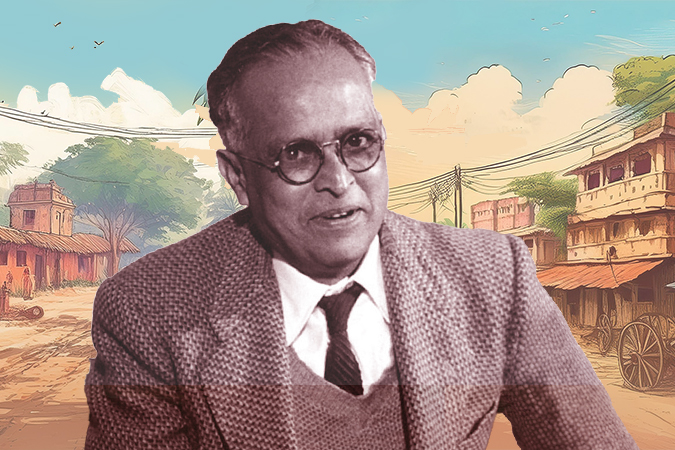
May 13 marks the death anniversary of R. K. Narayan, one of the most celebrated figures in Indian English literature. Even decades after his passing in 2001, Narayan continues to be remembered for his simple yet deeply insightful storytelling that captured the everyday life, emotions and social realities of ordinary Indians with warmth, humour and humanity.

Born as Rasipuram Krishnaswami Iyer Narayanaswami in 1906 in Madras (now Chennai), R.K. Narayan emerged as one of the pioneers of Indian writing in English alongside writers like Mulk Raj Anand and Raja Rao. At a time when Indian English literature was still finding its identity, Narayan’s works stood out for their simplicity, relatability and distinctly Indian setting.

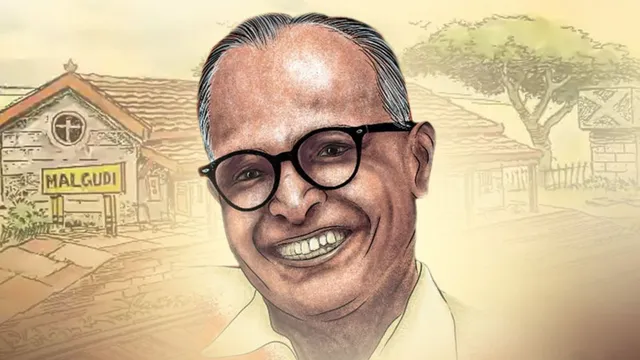
Narayan is best remembered as the creator of Malgudi, the fictional South Indian town that became the backdrop for many of his novels and short stories. Introduced in his first novel, Swami and Friends, Malgudi evolved into one of the most iconic fictional settings in Indian literature. Through its streets, schools, markets and railway station, Narayan portrayed India in transition — balancing tradition, colonial influence, modernity and changing social values.

Among his most famous works are Malgudi Days, The Guide, The English Teacher, The Financial Expert and The Man-Eater of Malgudi. His novel The Guide received the Sahitya Akademi Award in 1960 and was later adapted into a critically acclaimed Hindi film starring Dev Anand.

What made R.K. Narayan unique was his ability to find extraordinary depth in ordinary life. His stories did not rely on dramatic events or grand heroes; instead, they focused on schoolboys, teachers, shopkeepers, astrologers and middle-class families navigating daily struggles and aspirations. Literary critics often praised his subtle humour, irony and compassionate understanding of human nature.

Narayan also played a major role in bringing Indian literature to international readers. British writer Graham Greene, who became Narayan’s mentor and friend, helped him find publishers in the West. Over time, his books gained recognition worldwide for authentically portraying Indian society without exoticism or stereotypes.

One of the biggest reasons Narayan remains relevant even today is the timeless appeal of his storytelling. The television adaptation of Malgudi Days in the 1980s introduced his stories to an entirely new generation and became a cherished part of Indian popular culture. Even today, many readers associate Narayan’s works with nostalgia, simplicity and childhood memories. Recent online discussions continue to reflect the emotional connection readers feel with characters like Swami and the world of Malgudi.

During his long literary career spanning more than six decades, Narayan received numerous honours including the Padma Bhushan, Padma Vibhushan and the Sahitya Akademi Fellowship. He was also nominated to the Rajya Sabha for his contributions to literature.

On his death anniversary, readers, writers and literature lovers continue to pay tribute to R.K. Narayan not just as a novelist, but as a storyteller who gave Indian literature a voice rooted in everyday life. Through Malgudi and its unforgettable characters, he created a literary universe that remains timeless, relatable and deeply human.

Who is Sri Sri Ravi Shankar? Celebrating the Spiritual Leader’s Birthday Today

0

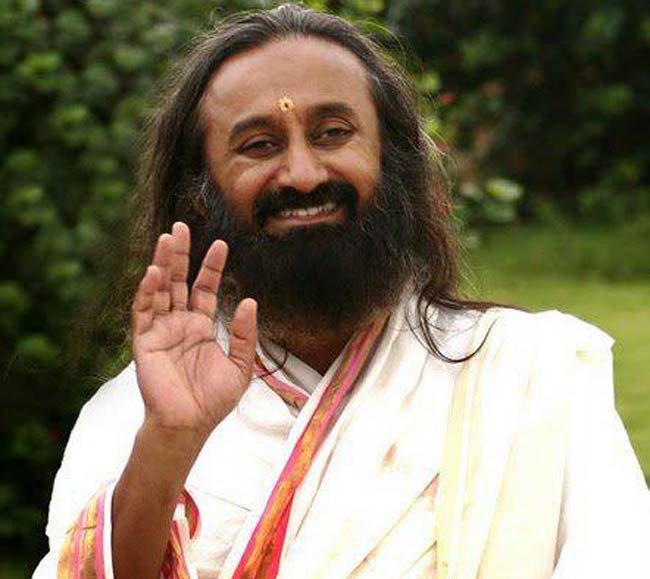
Today marks the birthday of Sri Sri Ravi Shankar, one of India’s most globally recognised spiritual and humanitarian leaders. Revered by millions of followers across the world, he is known for promoting meditation, peace, emotional well-being and human values through his teachings and the global movement he founded, the Art of Living Foundation.

Born on May 13, 1956, in Tamil Nadu, Sri Sri Ravi Shankar showed an early interest in spirituality and meditation. Over the years, he emerged as a spiritual teacher whose message centred around reducing stress, cultivating inner peace and building harmony among people. His followers often describe him as someone who simplified ancient Indian spiritual wisdom for modern life, making meditation and mindfulness accessible to people of all ages and backgrounds.

In 1981, he established the Art of Living Foundation, which has since grown into one of the world’s largest volunteer-based organisations operating in more than 180 countries. The foundation conducts programmes on yoga, breathing techniques, meditation and mental wellness, reaching students, professionals, rural communities and even prison inmates.

One of the organisation’s most recognised practices is the “Sudarshan Kriya,” a rhythmic breathing technique developed by Sri Sri Ravi Shankar. Supporters believe it helps reduce stress, anxiety and mental fatigue while improving emotional balance and clarity of mind. Over the years, the foundation’s wellness programmes have gained popularity globally, particularly in a fast-paced modern world increasingly focused on mental health and holistic living.

However, the Art of Living is not limited to spirituality alone. The organisation is also involved in humanitarian and social initiatives including rural development, education, environmental campaigns, disaster relief and youth empowerment projects. Volunteers from the foundation have participated in relief efforts during floods, earthquakes and health emergencies in India and abroad.

Sri Sri Ravi Shankar is also known internationally for his peace-building efforts. He has participated in dialogue and reconciliation initiatives in conflict-affected regions and has spoken at major global forums including the United Nations and the World Economic Forum. His teachings often emphasise compassion, non-violence and the idea that inner peace can contribute to peace in society.

Over the years, he has received numerous honours from governments and institutions worldwide. In 2016, he was awarded the Padma Vibhushan, India’s second-highest civilian award, for his contributions to spirituality and social service.

What makes Sri Sri Ravi Shankar especially revered among his followers is not only his spiritual teachings, but also the sense of community and service associated with his movement. For many, the Art of Living represents a blend of ancient Indian traditions and modern wellness practices aimed at improving both personal and social well-being.

As his birthday is celebrated today through meditation sessions, cultural programmes and service activities around the world, the occasion serves as a reminder of the global influence he continues to hold as a spiritual guide, humanitarian and advocate of peace.

RK Narayan Death Anniversary: Remembering the Creator of Malgudi 21 Years After His Passing

0

RK Narayan, born Rasipuram Krishnaswami Iyer Narayanaswami, remains one of India’s most beloved literary figures. Along with his contemporaries Mulk Raj Anand and Raja Rao, he played a defining role in shaping Indian English literature in the post-Independence era.

Best remembered as the creator of the fictional town of Malgudi, RK Narayan brought ordinary Indian life to the forefront through stories filled with simplicity, humour and quiet wisdom. His most celebrated works include Swami and Friends, Malgudi Days, The Man-Eater of Malgudi and The Guide, among many others.

Narayan was also among the first Indian writers after Independence to capture the attention of Western readers with his subtle storytelling and deeply human characters. On his death anniversary, observed on May 13, the nation remembers the legendary author who created a fictional universe that continues to charm readers across generations.

On the 21st death anniversary of R. K. Narayan, it feels only fitting to revisit a few delightful facts about the gentle storyteller who gave us Malgudi — a town more real to readers than many places on the map.

  1. Before the world knew him as RK Narayan, he was little “Kunjappa” at home — a nickname lovingly given by his grandmother, who raised him through much of his childhood.
  2. The celebrated British writer W. Somerset Maugham once travelled to India hoping to meet Narayan. Though the meeting never happened, Maugham left behind a letter full of admiration for the Indian novelist.
  3. Narayan’s name was considered for the Nobel Prize in Literature several times, though the honour ultimately eluded him.
  4. His quiet brilliance travelled far beyond Malgudi, earning him honorary membership in the American Academy of Arts and Letters.
  5. He was also awarded the prestigious AC Benson Medal by the Royal Society of Literature.
  6. It was the English novelist Graham Greene who first recognised the charm of Malgudi Days and recommended the manuscript to publisher Hamish Hamilton.
  7. Narayan received his first honorary doctorate from the University of Leeds.
  8. The Rockefeller Foundation invited him to the United States on a fellowship, during which he delivered lectures at renowned institutions including the University of California, Berkeley.
  9. India honoured him with both the Padma Bhushan and the Padma Vibhushan for his immense contribution to literature.
  10. His unforgettable novel, The Guide, won the Sahitya Akademi Award and remains one of the finest works in Indian English literature.

Even today, somewhere between Swami’s schoolboy adventures and the quiet wisdom of Malgudi’s streets, RK Narayan continues to live on.

Cannes 2026 Begins: Watch Out Alia Bhatt’s First Look…

0


Cannes
2026: The world’s most prestigious film festival, Cannes Film Festival, begins on the French Riviera from May 12–23, bringing together cinema, fashion and global stars under one spotlight.

Bollywood actress Alia Bhatt has already arrived in France for the festival, and her first look from outside the iconic Hotel Martinez has gone viral on social media.

Alia was spotted wearing a corset-style printed ball gown featuring soft watercolor-inspired shades of pastel green, blue, lavender, and pale yellow. The gown’s artistic floral aesthetic gave the impression of a hand-painted garden canvas.

Keeping her styling elegant and minimal, Alia opted for a classy and understated appearance. The designer behind the look has not yet been officially revealed.

This year, Alia Bhatt is attending Cannes 2026 as the Global Ambassador for L’Oréal Paris.


The world’s most prestigious film festival, the Cannes Film Festival, officially began today on the French Riviera and will continue from May 12 to May 23.

Indian Celebrities at Cannes 2026

Several Indian celebrities are expected to walk the Cannes red carpet this year.

Among the major Indian stars attending are:

  • Aishwarya Rai Bachchan
  • Mouni Roy
  • Aditi Rao Hydari
  • Ahsaas Channa
  • Tara Sutaria

Tara Sutaria is set to make her Cannes red carpet debut this year.

Meanwhile, social media speculation has intensified over whether Alia Bhatt has effectively replaced Aishwarya Rai as L’Oréal Paris’ leading face at Cannes, although no official confirmation has been made.

PM Narendra Modi’s Appeal Impacts Cannes Visit

Prime Minister Narendra Modi’s recent appeal to citizens to reduce unnecessary travel and fuel usage has also impacted India’s participation at Cannes this year.

Following the Prime Minister’s statement, Maharashtra’s Cultural Affairs Department decided not to participate in the festival.

Maharashtra Cultural Affairs Minister Ashish Shelar stated that the department’s delegation would skip the Cannes Film Festival in line with the PM’s appeal. He added that vehicle use would be reduced and essential meetings would be conducted virtually.

Indian and Regional Films at Cannes 2026

Indian regional cinema is also set to make a strong mark at Cannes this year.

The Indo-American film Bombay Stories will be screened during the festival. Based on a novel by Saadat Hasan Manto, the film explores the lives of sex workers in 1930s Bombay.

Directed by Rahat Shah Kazmi, the screening will also be attended by actress Mouni Roy.

Another major highlight is the screening of the 40-year-old Malayalam classic Amma Ariyan in the prestigious Classics section of Cannes 2026.

Cannes Film Festival: Why It Matters Globally

Held annually on the French Riviera, the Cannes Film Festival is regarded as one of the world’s biggest cinematic and cultural events. The festival brings together filmmakers, actors, producers, fashion icons, and global media from across the world.

Over the years, Indian cinema has built a strong presence at Cannes through red carpet appearances, film screenings, and jury representation, making it one of the most followed international events for Bollywood and regional cinema fans alike.

Supreme Court Pushes for Rajasthani in Schools: A Landmark Step for Language and Cultural Identity

0

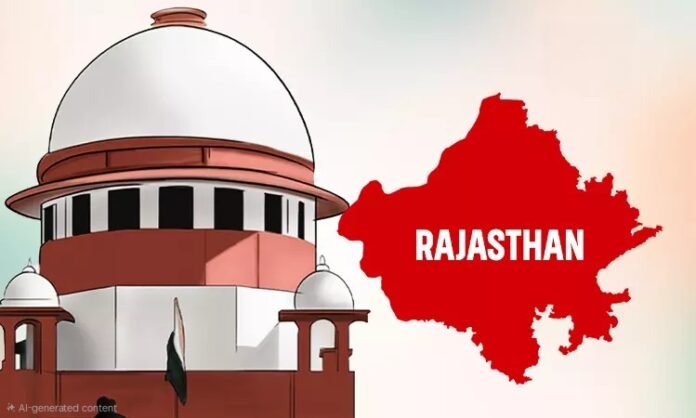
In a significant judgment for linguistic and cultural preservation, the Supreme Court has directed the Rajasthan government to recognise and gradually introduce Rajasthani as a medium and subject of instruction in schools across the state. The move is being seen as a major boost for regional languages and mother-tongue-based education in India.

A Bench comprising Justice Vikram Nath and Justice Sandeep Mehta asked the state government to frame a comprehensive policy aligned with the National Education Policy (NEP) 2020 and constitutional principles promoting education in the mother tongue. The Court emphasised that early education in one’s native language improves cognitive development, learning outcomes and cultural connection.

The case originated from a petition challenging the exclusion of Rajasthani from the Rajasthan Eligibility Examination for Teachers (REET) syllabus and from mainstream school education. Petitioners argued that despite being spoken by over four crore people in Rajasthan, the language had not received adequate educational recognition. They also pointed out that other regional languages such as Punjabi, Gujarati, Sindhi and Urdu were included in educational frameworks while Rajasthani remained sidelined.

The Supreme Court observed that Rajasthan’s continued delay in formally integrating the language into school education reflected a “pedantic approach,” especially when Rajasthani is already taught in universities such as Jai Narain Vyas University, the University of Rajasthan and Maharaja Ganga Singh University. The Court rejected the state’s argument that only languages listed in the Eighth Schedule of the Constitution could be promoted in schools.

Importantly, the Court did not direct the Centre to include Rajasthani in the Eighth Schedule — something the Supreme Court had earlier said was a policy matter for the Union government. Instead, the latest judgment focuses specifically on educational recognition within Rajasthan.

The judgment is significant not just legally, but culturally. Rajasthan is home to a rich tapestry of linguistic traditions including Marwari, Mewari, Shekhawati, Hadoti, Dhundhari, Bagri and Mewati. For decades, scholars and cultural activists have argued that the gradual decline of these languages in formal spaces threatens Rajasthan’s literary and folk heritage.

Supporters of the verdict see it as an overdue effort to reconnect younger generations with their linguistic roots. Many have pointed to how local languages carry oral histories, folk songs, poetry and traditional knowledge that cannot be fully translated into standard Hindi or English. The decision also aligns with the broader NEP 2020 vision that encourages primary education in regional and mother tongues.

At the same time, the verdict has sparked debate over what exactly constitutes “Rajasthani.” Public discussions online reveal confusion and disagreement over whether a standardised Rajasthani language exists or whether the state should instead promote region-specific dialects separately. Some users welcomed the decision as cultural preservation, while others questioned how implementation would work in linguistically diverse districts.

The challenge now lies in execution. The Rajasthan government will need to design curricula, prepare textbooks, train teachers and decide how regional variations of the language will be represented in classrooms. The Court has reportedly sought compliance updates from the state government in the coming months.

Beyond policy, however, the judgment reflects a larger national conversation about identity, language and education in modern India. In an era increasingly dominated by English and standardised communication, the Supreme Court’s directive serves as a reminder that regional languages are not merely tools of communication — they are carriers of history, memory and cultural identity.

For Rajasthan, the decision could mark the beginning of a renewed effort to preserve and institutionalise one of India’s richest linguistic traditions.

Jodhpur Foundation Day 2026: Celebrating 568 Years of Rajasthan’s Majestic Blue City

0

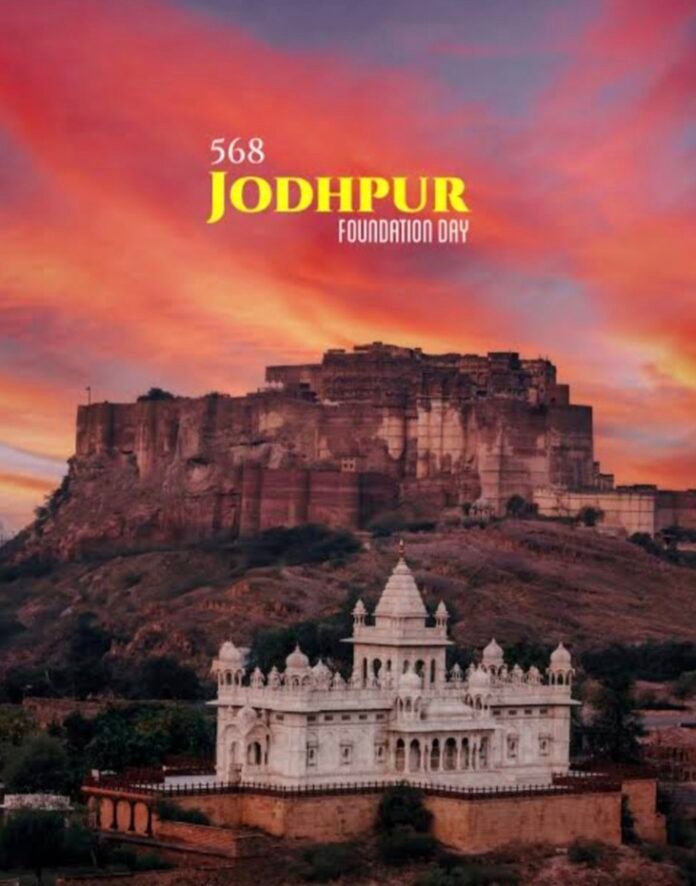
Known for its towering forts, blue-painted houses, royal heritage and vibrant desert culture, Jodhpur celebrated its Foundation Day on May 12, marking 568 years since the city was established by the Rajput ruler Rao Jodha in 1459. Often called the “Blue City” and the “Sun City,” Jodhpur remains one of India’s most culturally rich and historically significant destinations.

The city was founded by Rao Jodha, the chief of the Rathore clan, who shifted his capital from Mandore to a more secure location atop a rocky hill in the Thar Desert. The decision was strategic as the new location offered stronger natural defence and greater control over trade routes connecting Delhi and Gujarat. To protect the new capital, Rao Jodha began the construction of the magnificent Mehrangarh Fort in 1459, which today stands as one of the largest and most impressive forts in India.

Over the centuries, Jodhpur grew into the heart of the Marwar kingdom and became an important centre for trade, culture and administration. Its strategic location on ancient trade routes helped the city prosper through the exchange of silk, spices, copper, sandalwood and opium. The prosperity of the Rathore rulers can still be seen in the city’s grand palaces, temples, stepwells and havelis.

One of Jodhpur’s most recognisable identities is its sea of blue houses spread across the old city beneath Mehrangarh Fort. The blue colour is believed to have originally been used by Brahmin families, though over time it became a defining architectural identity of the city. Besides adding aesthetic charm, the colour is also believed to help keep homes cool during the harsh desert summers.

Today, Jodhpur stands among Rajasthan’s most visited tourist destinations and plays a major role in India’s heritage tourism landscape. The city attracts visitors from across the world with landmarks such as Mehrangarh Fort, Umaid Bhawan Palace, Jaswant Thada and the bustling Sardar Market near the iconic Clock Tower. The city is also famous for its handicrafts, bandhani textiles, leather goods, spices and traditional Marwari cuisine.

Jodhpur’s cultural richness extends beyond architecture. Folk traditions of the region — including performances by Manganiyar and Langa musicians, Kalbelia dancers and local artisans — continue to preserve the artistic spirit of Marwar. Every year, Foundation Day celebrations organised by the district administration and tourism department feature folk music, heritage walks, cultural events and performances at major monuments across the city. Activities such as the “Blue City Walk” and “Run for Jodhpur” have become popular among both tourists and residents.

The city has also evolved into an important urban and economic centre in western Rajasthan. Alongside tourism, sectors such as handicrafts, education, defence establishments and hospitality contribute significantly to its growth. Yet despite rapid modernisation, Jodhpur has retained much of its old-world charm, where centuries-old lanes, sandstone architecture and royal traditions coexist with modern development.

More than just a historical city, Jodhpur represents the spirit of Rajasthan itself — resilient, colourful, artistic and deeply rooted in tradition. As the Blue City marks another foundation anniversary, it continues to stand as a living symbol of Rajput heritage and one of India’s most treasured cultural destinations.

NEET-UG 2026 Cancelled: A National Crisis of Trust in India’s Examination System

0

In a major and unprecedented development, the National Testing Agency (NTA) has cancelled the NEET-UG 2026 examination conducted on May 3, following allegations of a large-scale paper leak and examination malpractice. The decision has impacted nearly 22.79 lakh medical aspirants across India and abroad, throwing the country’s already high-pressure medical admission process into uncertainty once again.

The NTA announced on May 12 that the examination would be reconducted, with fresh dates and revised admit cards to be issued separately through official channels. While the agency has not yet released a detailed timeline, the cancellation marks one of the most significant setbacks in the history of India’s largest medical entrance examination.

According to multiple reports, the controversy began when a so-called “guess paper” circulating in coaching hubs, particularly in Rajasthan, allegedly matched a large number of questions in the actual NEET paper. Investigators reportedly found overlaps in more than 100 questions, especially in Chemistry and Biology sections, raising suspicions of an organised leak network. The Rajasthan Special Operations Group (SOG) launched raids and detained several suspects, while the probe later expanded to multiple states.

The cancellation has reignited serious concerns about the credibility of India’s competitive examination system. NEET is not merely an entrance exam; for millions of students, it represents years of preparation, financial investment and emotional pressure. For many aspirants from middle-class and rural families, it is viewed as the primary pathway to social mobility and professional stability.

This is also not the first time NEET has faced controversy. The 2024 examination witnessed allegations regarding grace marks, irregular score patterns and paper leaks, which eventually reached the Supreme Court. Although the Court did not order a nationwide re-test at the time, the controversy had already weakened public confidence in the examination process.

What makes the 2026 cancellation more significant is the scale of institutional response. Unlike previous instances where authorities resisted demands for a re-exam, the NTA moved relatively quickly this time, suggesting that investigators may have found stronger evidence pointing towards compromised exam integrity. Reports also indicate that the case may involve organised “paper mafia” networks operating across states, exposing deep vulnerabilities in the conduct of national-level examinations.

The human cost of the cancellation, however, remains enormous. Students who had already begun evaluating expected scores and counselling possibilities now face renewed uncertainty. Many aspirants fear that reproducing the same performance in a second examination may not be possible due to stress, burnout and psychological exhaustion. Several students speaking to media outlets described feelings of frustration and helplessness after years of preparation.

The episode has also intensified political criticism of the NTA, which was established in 2017 to streamline and professionalise entrance examinations in India. Over the past few years, however, multiple national-level exams — including recruitment and university entrance tests — have faced technical glitches, postponements or allegations of malpractice. Critics argue that the repeated controversies indicate systemic failures rather than isolated incidents.

For now, students await clarity on revised examination dates, counselling schedules and academic timelines. But beyond the immediate logistical challenges, the NEET-UG 2026 controversy has raised a larger and more troubling question: can India’s examination system guarantee fairness and transparency for the millions of young people whose futures depend on it?
Until that trust is rebuilt, every major exam controversy risks becoming not just an administrative failure, but a national crisis of confidence.

Jaishankar Inaugurates ‘From Shunya to Ananta’ Exhibition at UN Headquarters

0

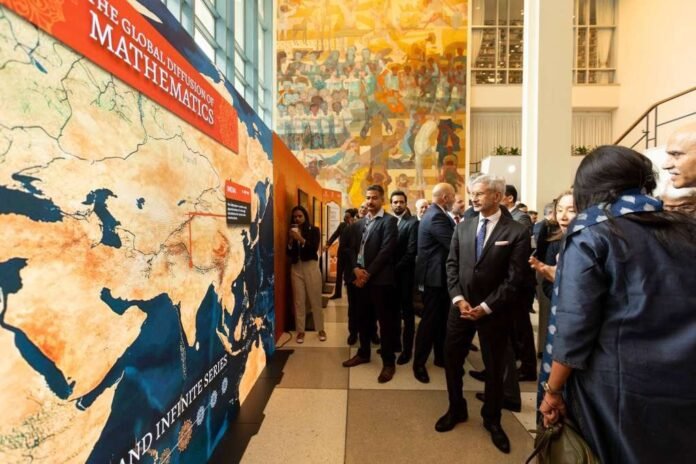
India’s ancient mathematical wisdom took centre stage at the United Nations headquarters in New York as External Affairs Minister S. Jaishankar inaugurated a special exhibition titled “From Shunya to Ananta (Zero to Infinity): The Indian Civilisation’s Contribution to Mathematics.” The exhibition, organised by the Permanent Mission of India to the UN, highlights India’s historic and foundational role in shaping the world of mathematics and scientific thought.

Held at the UN headquarters from May 11 to May 15, the exhibition traces over two millennia of mathematical developments originating in India — from the invention of shunya (zero) and the decimal place value system to algebra, geometry, combinatorics, binary enumeration and astronomical calculations.

Speaking at the inauguration, Jaishankar said that the history of scientific progress has often been viewed through a “narrow lens” that overlooked contributions from many civilisations, including India. He stressed the need for a more balanced understanding of global scientific heritage. According to him, the exhibition reflects not only India’s intellectual traditions but also the interconnected nature of human knowledge across cultures and centuries.

The exhibition also showcases the work of legendary Indian mathematicians and scholars such as Aryabhata, Brahmagupta and Bhaskara II, along with contributions of the Kerala School of astronomy and mathematics. Their pioneering work laid the foundation for several concepts that later influenced mathematics in the Arab world and Europe.

One of the central themes of the exhibition is how ideas born in ancient India continue to shape the modern world. Digital panels demonstrate how early Indian mathematical concepts, including binary logic and numerical systems, form the basis of today’s computing technologies, algorithms, GPS systems and artificial intelligence. Jaishankar remarked that the very code powering the modern technological age was conceptualised in India centuries ago.

India’s Permanent Representative to the UN, Parvathaneni Harish, described mathematics as a universal language that unites humanity rather than divides it. He noted that India historically treated knowledge as a shared global resource, comparing the country’s ancient knowledge traditions to the modern idea of “open source.”

The exhibition has been organised under the India International Centre’s SAMHiTA initiative in collaboration with the Indian Council for Cultural Relations (ICCR). It is part of India’s broader cultural diplomacy efforts to present its civilisational heritage and scientific achievements on international platforms. In recent years, India has increasingly highlighted its contributions in fields such as yoga, Ayurveda, philosophy and traditional knowledge systems at global forums.

More than just a display of historical achievements, “From Shunya to Ananta” serves as a reminder that scientific progress has always been the result of shared human endeavour. By bringing India’s mathematical legacy to the United Nations, the exhibition seeks to encourage a more inclusive understanding of world history — one that recognises the diverse civilisations that helped shape modern science and technology.