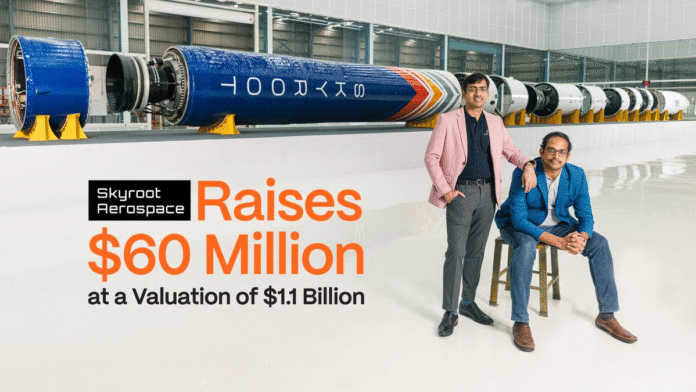
Skyroot Aerospace became India’s first space-tech unicorn on 7 May 2026 after raising about 60 million at a valuation of 1.1 billion. The company is based in Hyderabad and works in the private space-launch sector in India.
Funding Round and Investors
The funding round was co-led by Sherpalo Ventures, the venture capital firm founded by Ram Shriram, and GIC, the sovereign wealth fund of Singapore. Other participants included the founders of Greenko Group, Arkam Ventures, funds managed by BlackRock, Playbook Partners, and the Shanghvi Family Office.
Vikram-1 Orbital Launch Vehicle
Vikram-1 is Skyroot Aerospace’s orbital launch vehicle under development for satellite launches into Earth orbit. The company planned to use the fresh capital for Vikram-1 launches, manufacturing expansion, team growth, and technology development. As of 29 April 2026, Vikram-1 was in the final stages of integration and testing, with a launch from Sriharikota planned in the coming weeks. The Integrated Electrical Test Campaign, Phase 3, was completed on 24 April 2026, and it combined the vehicle, ground software, and electrical interfaces into one system.
Private Spaceflight in India
Skyroot Aerospace aims to make Vikram-1 India’s first privately developed orbital rocket. In 2022, the company launched Vikram-S, which became India’s first privately built rocket to reach space.
Important Facts
A unicorn is a privately held startup valued at $1 billion or more.
GIC is Singapore’s sovereign wealth fund.
Sriharikota is India’s spaceport on the east coast of Andhra Pradesh.
Vikram-S was launched in 2022 and reached space as India’s first privately built rocket.
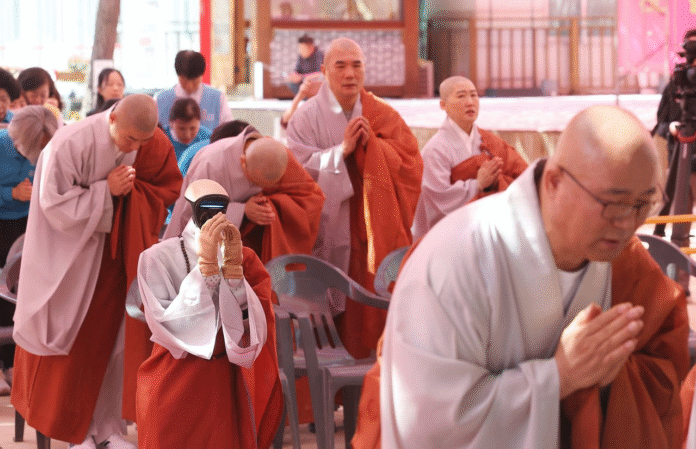
South Korea introduced its first humanoid robot monk, Gabi, at a Buddhist ceremony at Jogyesa Temple in Seoul on 6 May, 2026. The robot was presented by the Jogye Order of Korean Buddhism ahead of Buddha’s Birthday on 24 May 2026.
Humanoid Robots in Religious Settings
A humanoid robot is a machine designed with a human-like body structure, including a head, torso, arms, and legs. Gabi stands 130 centimetres tall and was dressed in grey-and-brown Buddhist robes during the ceremony.
Buddhist Rituals and Monastic Terms
During the precept ceremony, Gabi bowed to senior monks, pledged devotion to Buddhism, and received the Dharma name Gabi. The name combines Siddhartha, the birth name of the Buddha, and jabi, the Korean word for mercy. The Jogye Order created five modified Buddhist precepts for Gabi. These precepts included respecting life, not damaging other robots or objects, obeying humans, refraining from deceptive speech, and saving energy by not overcharging.
Ritual Objects and Festival Context
Gabi received a 108-bead rosary and a Lotus Lantern Festival sticker on its arm. The traditional yeonbi practice involves receiving incense burns, which was replaced in this ceremony. The Lotus Lantern Festival is a major Buddhist festival in South Korea and is linked with Buddha’s Birthday celebrations. Buddha’s Birthday is observed on the eighth day of the fourth month of the lunar calendar in many East Asian Buddhist traditions.
Important Facts
The Jogye Order is the largest Buddhist order in South Korea.
Jogyesa Temple is a major temple of Korean Buddhism in central Seoul.
Unitree Robotics is a Chinese robotics company that developed the Unitree G1 platform.
Gabi is expected to join lantern parades with other Buddhist robots named Seokja, Mohee, and Nisa.
Robotics and Artificial Intelligence
The Unitree G1 platform is a humanoid robot platform developed by Unitree Robotics. Humanoid robots are used in research, service tasks, and public demonstrations in several countries.
Every year, sports enthusiasts across the globe come together to celebrate World Athletics Day, observed in early May to promote fitness, sportsmanship, and the timeless appeal of track and field events. In 2026, the day falls on May 7, serving as a reminder of the vital role athletics plays in shaping both physical health and character.
Origins and Purpose
World Athletics Day was initiated by the global governing body for athletics, World Athletics (earlier known as the International Association of Athletics Federations). The primary aim was to encourage young people to participate in athletics and to popularize sports as a healthy lifestyle choice.
Athletics, often considered the foundation of all sports, includes running, jumping, and throwing events. From sprints and marathons to long jump and javelin, these disciplines test the limits of human endurance and determination.
Significance in Today’s World
In an age dominated by digital screens and sedentary habits, World Athletics Day carries renewed importance. It encourages individuals—especially youth—to step outdoors, embrace physical activity, and build resilience. Athletics not only enhances physical fitness but also fosters discipline, teamwork, and mental strength.
Countries like India have witnessed a surge in interest in athletics in recent years, thanks to inspiring performances by global icons such as Neeraj Chopra, whose achievements have motivated millions to take up sports seriously.
Celebrations and Activities
Schools, colleges, and sports organizations mark the day by organizing track and field competitions, marathons, fitness camps, and awareness drives. These events aim to identify young talent and nurture future champions.
Across communities, people participate in fun runs, relay races, and training sessions, turning the day into a celebration of unity and healthy competition. Social media campaigns and workshops also highlight the benefits of regular exercise and the importance of staying active.
Athletics Beyond Competition
While elite competitions like the Olympics showcase the pinnacle of athletic excellence, the true spirit of athletics lies in participation. Whether it’s a morning jog, a sprint on the track, or a friendly race among friends, athletics is accessible to everyone.
The message of World Athletics Day is simple yet powerful: movement is essential to life. It reminds us that greatness begins with a single step, a single run, or a single leap.
Conclusion World Athletics Day 2026 is not just about celebrating champions but about inspiring individuals of all ages to embrace an active lifestyle. In a rapidly changing world, athletics remains a constant—a universal language of strength, perseverance, and human potential.
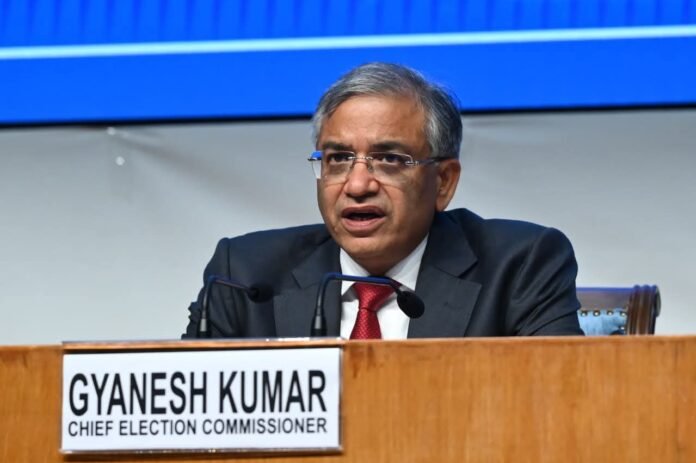
Gyanesh Kumar currently serves as the 26th Chief Election Commissioner (CEC) of India, having assumed office on 19 February 2025. A seasoned bureaucrat and former Indian Administrative Service (IAS) officer, his journey reflects decades of experience in governance, policy-making, and institutional leadership.
Early Life and Education
Born on 27 January 1964 in Agra, Uttar Pradesh, Gyanesh Kumar has a strong academic foundation. He completed his B.Tech from IIT Kanpur, followed by studies in Business Finance from ICFAI, and further specialized in Environmental Economics at Harvard University.
This combination of technical, financial, and policy education helped shape his analytical approach to governance and administration.
Civil Services Career and Administrative Journey
Gyanesh Kumar is a 1988-batch IAS officer of the Kerala cadre, with a distinguished career spanning both state and central governments.
Over the years, he held several key positions, including: ●Joint Secretary in the Ministry of Defence (2007–2012) ●Secretary, Ministry of Parliamentary Affairs (2021–2022) ●Secretary, Ministry of Cooperation (2022–2024)
He was also associated with important national-level policy initiatives, including involvement in the Jammu and Kashmir Reorganisation Act and administrative processes linked to the Shri Ram Janmabhoomi Teerth Kshetra Trust.
His administrative style has often been described as detail-oriented and policy-driven, shaped by years of handling complex governance issues.
Journey in the Election Commission
Gyanesh Kumar entered the Election Commission of India as an Election Commissioner on 14 March 2024. Within less than a year, he rose to the top post, becoming the Chief Election Commissioner in February 2025.
Notably, he is the first CEC appointed under the Chief Election Commissioner and Other Election Commissioners Act, 2023, marking a new phase in the appointment process of India’s top election body.
Upon assuming office, he emphasized the importance of voter participation, stating that “voting is the first step in nation-building.”
Role in Conducting Elections and Electoral Reforms
As Chief Election Commissioner, Gyanesh Kumar oversees one of the world’s largest democratic exercises—the conduct of elections in India. His tenure has focused on: ●Strengthening electoral rolls: Through initiatives like the Special Intensive Revision (SIR), aimed at eliminating duplicate or ineligible voters and ensuring accuracy. ●Enhancing transparency: Measures such as webcasting at polling stations and improved monitoring systems have been highlighted. ●Ensuring smooth elections: Electoral exercises under his leadership, including state elections, have been conducted with emphasis on efficiency and minimal disputes, with reports of zero repolls in some cases.
These steps underline the Election Commission’s efforts to maintain credibility, inclusiveness, and fairness in the electoral process.
Leadership Style and Challenges
Gyanesh Kumar’s tenure has not been without challenges. His appointment and certain electoral processes have sparked political debates and scrutiny. However, such challenges are not uncommon for the office, given its critical role in safeguarding democracy.
Despite this, his focus has remained on institutional integrity, voter participation, and technological improvements in election management.
Conclusion
Gyanesh Kumar’s journey—from an IIT graduate to a senior IAS officer and now the Chief Election Commissioner—reflects a career built on administrative depth and national service. As he leads the Election Commission of India, his role is pivotal in ensuring that the democratic process remains transparent, inclusive, and robust.
In a country as vast and diverse as India, the responsibility of conducting free and fair elections is enormous—and under his stewardship, the Election Commission continues to uphold the foundations of the world’s largest democracy.
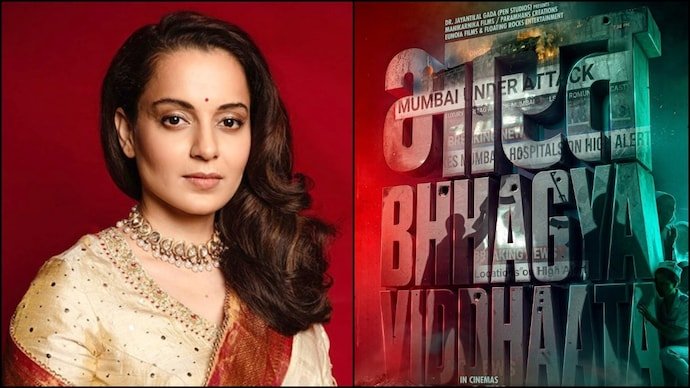
Bollywood is set to witness a powerful and emotional story with the upcoming film Bharat Bhhagya Viddhaata, headlined by Kangana Ranaut. The film has already generated buzz with the release of its first poster on May 6, 2026, along with the official announcement of its theatrical release date.
Brace yourself…..Kangana Ranaut returns with a powerful story of courage. Her next thriller Bharat Bhagya Vidhata brings to life the extraordinary bravery of hospital workers who saved 400 lives during a terror attack.
The makers unveiled the first poster today, offering a glimpse into the intense and patriotic tone of the film. Alongside the poster launch, it was confirmed that Bharat Bhhagya Viddhaata will hit theatres on June 12, 2026.
The poster hints at a gripping narrative rooted in real-life events, immediately capturing audience attention and curiosity.
Story and Theme
The film is inspired by the tragic 2008 Mumbai terror attacks (26/11), but instead of focusing on the attackers or security forces, it tells a lesser-known story of courage. It highlights the bravery of hospital staff—particularly at Cama Hospital—who risked their lives to save hundreds of patients during the attack.
By focusing on these unsung heroes, the film aims to present a deeply human perspective of resilience, sacrifice, and duty in the face of terror. Kangana Ranaut is expected to portray a pivotal role, reportedly that of a medical professional, bringing emotional depth to the narrative.
Cast, Director, and Production
According to available details: ●Director: Manoj Tapadia ●Production: Backed by banners including Eunoia Films and Floating Rocks Entertainment ●Lead Cast: Kangana Ranaut (Lead), Girija Oak, Smita Tambe, Rasika Agashe, Priya Arun Berde, Asha Shelar, Esha Dey, Babita Adsule, Suhita Thatte, Amrutha Namdev, Aditya Mishra, Zahid Khan
The ensemble cast and experienced direction suggest a film that blends realism with cinematic intensity.
Production Journey
The film marks Kangana Ranaut’s return to acting after focusing on her political career, making it a significant project in her filmography. Shooting began earlier in 2026, with the actor expressing excitement about being back on set.
Why the Film Matters
Bharat Bhhagya Viddhaata stands out for shifting the narrative lens—from conventional depictions of terror incidents to the silent bravery of civilians. It seeks to honour those who often remain unrecognised despite their extraordinary courage.
With its real-life inspiration, strong performances, and emotional core, the film is poised to be both a tribute and a reminder of humanity in times of crisis.
Conclusion
As anticipation builds, Bharat Bhhagya Viddhaata promises to deliver a compelling story rooted in reality and patriotism. With a June 2026 release and a powerful theme centred on unsung heroes, the film could emerge as one of the most impactful Bollywood releases of the year.
In a significant boost to India’s transport infrastructure, the Union Cabinet has approved three major railway multi-tracking projects worth ₹23,437 crore. The decision, taken by the Cabinet Committee on Economic Affairs (CCEA) chaired by Prime Minister Narendra Modi, aims to enhance capacity, reduce congestion, and strengthen connectivity across key regions of the country.
#Cabinet approve three projects of Ministry of Railways with total cost of Rs. 23,437 crore (approx.)
🔸Nagda – Mathura 3rd and 4th Line 🔸 Guntakal – Wadi 3rd and 4th Line 🔸 Burhwal – Sitapur 3rd and 4th Line
The approved projects span six states—Madhya Pradesh, Rajasthan, Uttar Pradesh, Karnataka, Andhra Pradesh, and Telangana—covering 19 districts. Together, they will expand the Indian Railways network by approximately 901 kilometres, making a substantial addition to the existing infrastructure.
The three major corridors included in the approval are: ●Nagda–Mathura (3rd & 4th lines) ●Guntakal–Wadi (3rd & 4th lines) ●Burhwal–Sitapur (3rd & 4th lines)
These projects focus on adding additional railway lines (multi-tracking) along heavily used routes, which currently face congestion due to high passenger and freight traffic.
Objectives and Importance
The primary goal of these projects is to decongest busy rail corridors and improve operational efficiency. Multi-tracking allows more trains to run simultaneously, reducing delays and enhancing service reliability.
The initiative is aligned with the government’s PM Gati Shakti National Master Plan, which aims to create integrated, seamless, and efficient infrastructure across sectors.
The Cabinet’s approval for railways projects covering 19 Districts across Madhya Pradesh, Rajasthan, Uttar Pradesh, Karnataka, Andhra Pradesh and Telangana will enhance connectivity and improve operational efficiency.…
The impact of these projects is expected to be wide-ranging: ●Improved Connectivity: Around 4,161 villages, with a population of nearly 83 lakh people, will benefit from better rail access. ●Boost to Freight Movement: Enhanced capacity will facilitate faster and more efficient transportation of goods, lowering logistics costs. ●Regional Development: Improved rail links will support economic growth, tourism, and access to markets and services. ●Access to Key Destinations: The corridors connect important cultural and tourist hubs such as Mathura, Vrindavan, and major national parks.
Timeline and Implementation
The projects are slated for completion by 2030–31, indicating a long-term infrastructure development strategy aimed at meeting future transport demands.
Strategic Significance
Indian Railways is one of the largest rail networks in the world, and increasing capacity is essential to keep pace with growing passenger demand and freight requirements. These projects will not only enhance efficiency but also contribute to environmental sustainability by encouraging rail-based transport over roadways.
Conclusion
The approval of ₹23,437 crore railway projects marks another major step in modernising India’s rail infrastructure. By focusing on multi-tracking and connectivity, the government aims to build a faster, more efficient, and future-ready railway network—one that supports economic growth while improving everyday travel for millions of citizens.
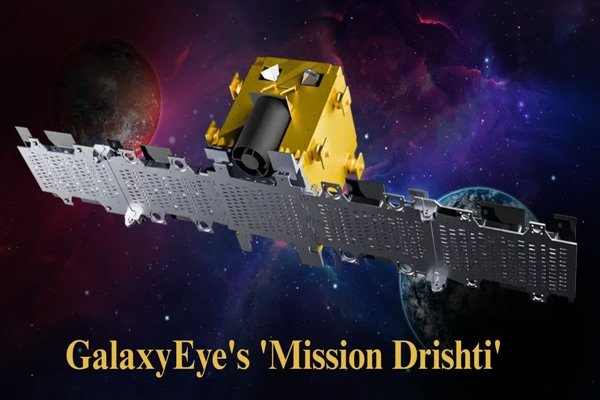
In May 2026, India marked a major milestone in its space journey with the launch of Mission Drishti, a groundbreaking Earth observation satellite developed by Bengaluru-based startup GalaxEye. Launched aboard a SpaceX Falcon 9 rocket from California, the mission represents a leap forward not only for India’s private space sector but also for global satellite imaging technology.
Congratulations to GalaxEye on the successful launch of Mission Drishti! A significant milestone in India’s space journey, with world’s first OptoSAR satellite and India's largest privately built satellite, advancing all-weather Earth observation capabilities.
Mission Drishti is the world’s first “OptoSAR” satellite—a unique Earth observation system that combines optical imaging and Synthetic Aperture Radar (SAR) on a single platform.
Traditionally, satellites use either optical cameras (which need daylight and clear skies) or radar systems (which work in all weather but offer different types of data). Drishti merges both technologies, enabling it to capture high-resolution images of the same location simultaneously, regardless of weather or time of day.
Key Features and Technology
●OptoSAR Payload: Integrates a high-resolution SAR sensor with a multi-spectral optical imager on one satellite. ●All-weather, 24/7 Imaging: Unlike traditional satellites, it can “see” through clouds, rain, and darkness. ●High Resolution (~1.8 m): Provides detailed, analysis-ready data for multiple applications. ●AI-enabled Processing: Data processing is enhanced with onboard artificial intelligence for faster insights.
Weighing around 190 kg, Drishti is also India’s largest privately built Earth observation satellite to date.
Why is it Important?
Mission Drishti addresses a long-standing limitation in satellite imaging—reliance on weather and daylight. By combining optical clarity with radar reliability, it creates a continuous, dependable stream of Earth data.
Its applications are vast and impactful: ●Disaster management: Monitoring floods, cyclones, and earthquakes in real time ●Agriculture: Crop health analysis and yield prediction ●Urban planning: Mapping infrastructure and land use ●Defence & surveillance: Strategic monitoring and national security ●Environmental monitoring: Tracking deforestation, climate change, and pollution
A Boost for India’s Private Space Sector
Mission Drishti is more than just a satellite—it symbolizes the rise of private players in India’s space ecosystem. Supported by institutions like IN-SPACe, startups like GalaxEye are now contributing cutting-edge innovations alongside traditional agencies.
Prime Minister Narendra Modi hailed the mission as a “major achievement” and a testament to India’s growing technological prowess and youth-driven innovation.
Mission Drishti by GalaxEye marks a major achievement in our space journey. The successful launch of the world’s first OptoSAR satellite and the largest privately-built satellite in India is a testament to our youth’s passion for innovation and nation-building.
Mission Drishti sets a new benchmark in Earth observation by introducing a powerful, hybrid imaging system that works anytime, anywhere. As the world increasingly depends on accurate geospatial intelligence, this pioneering OptoSAR satellite places India at the forefront of next-generation space technology—signaling a future where private innovation plays a central role in exploring and understanding our planet.
The Met Gala 2026 was nothing short of a visual spectacle, transforming the iconic steps of the Metropolitan Museum of Art into a gallery of living, breathing art. With the theme “Costume Art” and dress code “Fashion is Art,” this year’s event pushed creativity to new extremes—blurring the lines between couture, sculpture, and storytelling.
A Theme That Redefined Fashion
Unlike previous years, Met Gala 2026 demanded more than glamour—it required imagination. Guests were encouraged to interpret fashion as an artistic medium, drawing inspiration from paintings, sculptures, and the human form itself.
The result? A red carpet filled with dramatic silhouettes, conceptual outfits, and deeply symbolic designs. From body-centric couture to avant-garde installations worn as clothing, the evening celebrated fashion as a true art form.
Star Power and Iconic Appearances
The night was led by an impressive group of co-chairs including Beyoncé, Nicole Kidman, Venus Williams, and Anna Wintour.
One of the most talked-about moments was Beyoncé’s grand return after a decade, wearing a striking ensemble featuring a silver skeleton motif, combining theatrical design with high fashion.
Meanwhile, Rihanna once again commanded attention in Maison Margiela Artisanal, while Kylie Jenner dazzled in Schiaparelli Haute Couture.
Best-Dressed and Artistic Highlights
Several celebrities stood out for embracing the theme in bold and imaginative ways:
●Kendall Jenner wore a gown inspired by the Winged Victory of Samothrace, merging classical sculpture with modern design. ●Hailey Bieber stunned in a Saint Laurent look featuring a sculptural gold breastplate—turning the body itself into art. ●Sabrina Carpenter paid homage to old Hollywood with a Dior look inspired by Audrey Hepburn. ●Madonna channeled surrealist art influences, while others recreated famous paintings and sculptures on the red carpet.
Some attendees took the theme even further—using prosthetics, exaggerated silhouettes, and performance-like presentations to transform themselves into walking exhibits.
Trends That Defined the Night
A few key trends dominated the 2026 Met Gala:
●Sculptural Fashion: Outfits mimicked statues, body casts, and architectural forms. ●Art-Inspired Couture: Designs referenced iconic artworks and historical aesthetics. ●Minimalist Beauty: Surprisingly, “naked” manicures and subtle makeup balanced the dramatic outfits. ●Statement Footwear: From embellished heels to barefoot styling, shoes became part of the storytelling.
Beyond Fashion: A Cultural Moment
The Met Gala has always been more than a fashion event—it’s a cultural statement. In 2026, it highlighted the deep relationship between the human body, identity, and artistic expression. The exhibition itself explored themes like the “naked body” and “aging body,” adding intellectual depth to the spectacle.
At the same time, the red carpet sparked conversations across social media—debating the best, the boldest, and even the most controversial looks of the night.
The Final Verdict
Met Gala 2026 will be remembered as one of the most creative editions in recent years. It wasn’t just about who wore what—it was about what fashion could mean.
From sculptural gowns to living art pieces, from global icons to emerging voices, the night proved that fashion is no longer confined to fabric—it is expression, identity, and imagination brought to life.
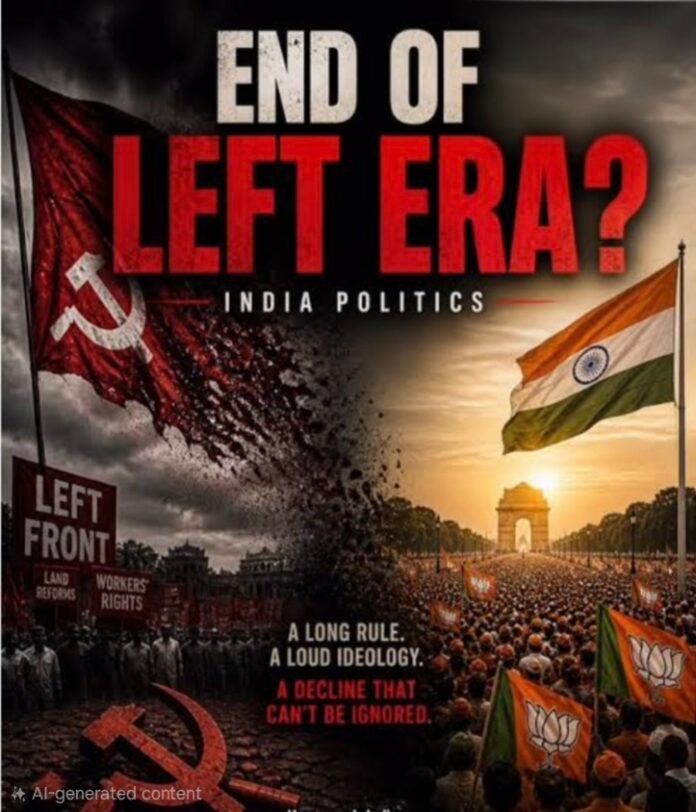
For decades, Left or communist politics occupied a distinct and influential space in India’s democratic landscape. Rooted in the principles of social equality, workers’ rights, land reforms, and state-led welfare, Left politics sought to challenge economic inequality and represent the marginalized. But recent electoral outcomes, especially the loss of its last major stronghold, have triggered a critical question: is this the end of Left politics in India, or merely a phase of transformation?
What is Left Politics in India?
Left politics in India is largely associated with Marxist and socialist ideologies. It emphasizes redistribution of wealth, protection of labor rights, secularism, and opposition to unchecked capitalism. The movement gained momentum in the early decades after independence, particularly among workers, farmers, and intellectuals.
The most prominent parties representing this ideology have been the Communist Party of India Marxist (CPI-M), Communist Party of India(CPI), and their allies under the Left Front umbrella. Leaders like E. M. S. Namboodiripad, Jyoti Basu, and Harkishan Singh Surjeet played pivotal roles in shaping the movement.
Strongholds and Legacy
The Left’s most enduring political success came in states like West Bengal, where it ruled continuously for 34 years (1977–2011), and Kerala, where it alternated in power for decades.Tripura was another key bastion, governed by the Left for over two decades until 2018.
These governments were known for land reforms, decentralization (like Kerala’s local governance model), and high human development indicators. However, over time, cracks began to appear.
What Has Changed?
Recent assembly election results—particularly the loss of the Left in Kerala, long considered its last stronghold—symbolize a dramatic shift. The erosion has been gradual but consistent: ●Declining grassroots connect: The Left struggled to adapt to aspirations of a younger, more urban, and economically ambitious population. ●Rise of alternative forces: Regional parties like All India Trinamool Congress in West Bengal and national players like Bharatiya Janata Party have filled the vacuum. ●Ideological rigidity: Critics argue that the Left failed to modernize its messaging in an era dominated by globalization and digital transformation. ●Organizational fatigue: Long years in power led to complacency, factionalism, and weakening cadre strength. Is This the End?
Calling it the absolute “end” may be premature. Political ideologies rarely disappear; they evolve. The concerns that the Left historically championed—economic inequality, unemployment, workers’ rights—remain deeply relevant in India today.
However, the current phase does indicate a significant decline in electoral relevance. The Left’s parliamentary presence has shrunk, and its influence on national policy is limited compared to previous decades.
What Lies Ahead?
For the Left to regain relevance, it may need a strategic reinvention: ●Reconnecting with youth and urban voters ●Addressing contemporary issues like gig economy workers, climate change, and digital inequality ●Building broader coalitions without losing ideological core
In a rapidly changing India, political survival depends not just on legacy but adaptability. The Left’s future will depend on whether it can transform itself from a relic of the past into a voice for the emerging challenges of the present.
The story, then, is not simply of an end—but of a crossroads.
The Met Gala 2026, fashion’s most iconic night, turned into a proud moment for India as a diverse group of personalities brought the country’s rich cultural identity to the global stage. From couture rooted in tradition to bold artistic interpretations, Indian attendees didn’t just follow the theme—they elevated it with stories woven in heritage, craftsmanship, and innovation.
A Powerful Indian Line-Up
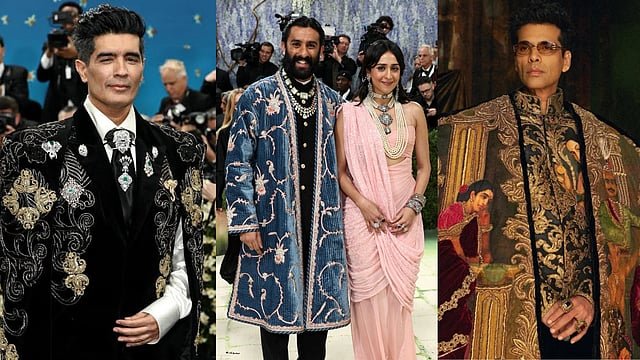
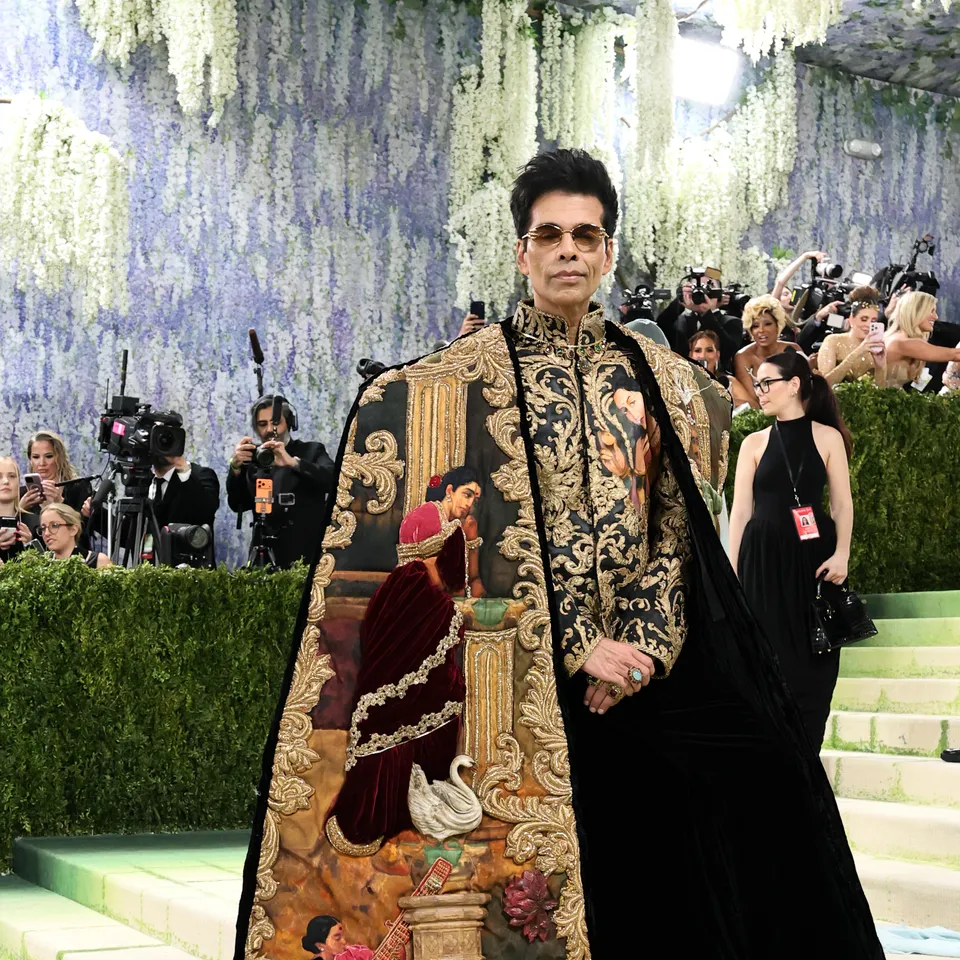
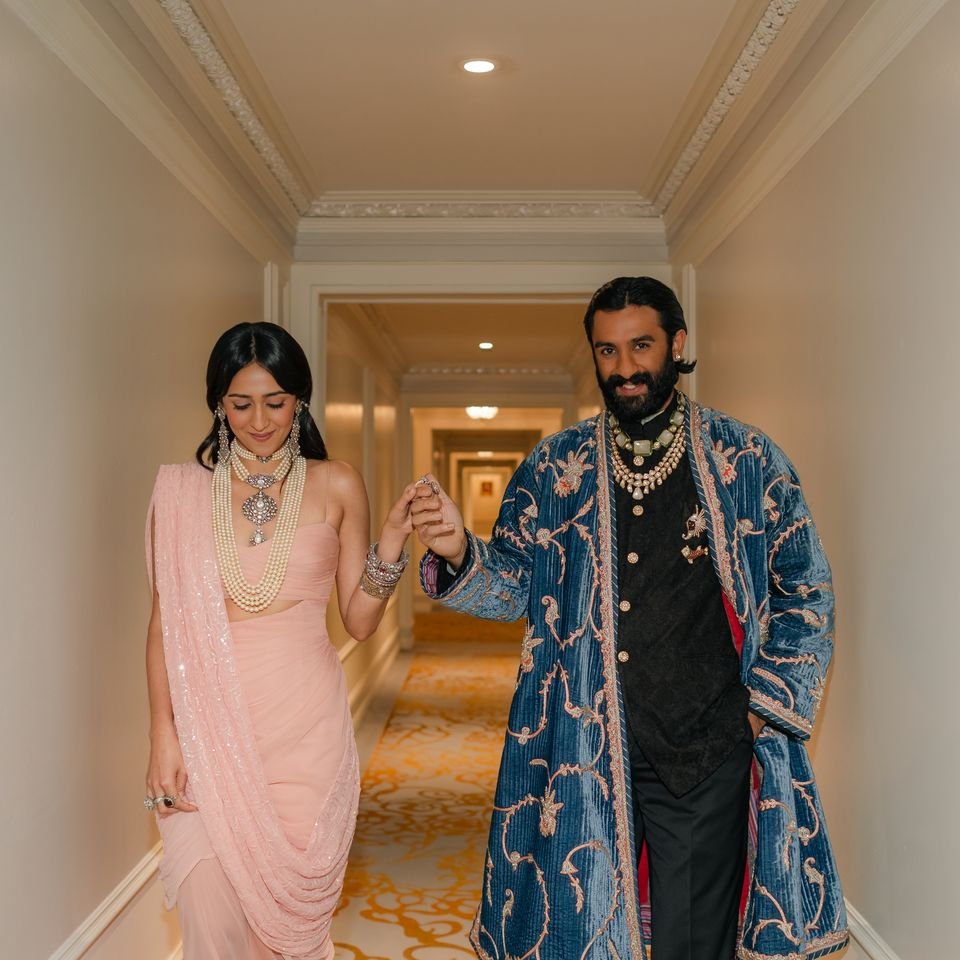
This year saw an impressive Indian presence, including Isha Ambani, Karan Johar, Princess Gauravi Kumari, Sawai Padmanabh Singh, and Ananya Birla, among others. Together, they represented different facets of modern India—business, cinema, royalty, and entrepreneurship—united through fashion.
Couture Meets Culture
Leading the spotlight was Isha Ambani, who stunned in a sculptural saree by Gaurav Gupta. Woven with gold threads and inspired by Indian art traditions, her look featured a dramatic jewellery-embedded blouse adorned with diamonds and emeralds. A standout accessory—a mango-shaped piece inspired by Indian cultural symbolism—added an artistic and deeply rooted touch.
Karan Johar made a grand debut in an elaborate ensemble by Manish Malhotra, reportedly inspired by the works of Raja Ravi Varma. His outfit blended regal silhouettes with intricate embroidery, reflecting India’s classical art heritage while maintaining a contemporary edge.
Royalty with a Story
Jaipur’s royal siblings brought elegance steeped in legacy. Princess Gauravi Kumari wore a reimagined vintage saree once belonging to Maharani Gayatri Devi, transformed into a flowing gown that paid homage to timeless royal style. Her jewellery, rooted in Jaipur’s gemstone heritage, added quiet sophistication.
Meanwhile, Sawai Padmanabh Singh showcased Rajasthan’s craftsmanship through a richly embroidered “Phulghar coat,” highlighting traditional techniques like zardozi and aari work. His ensemble stood as a tribute to Indian artisans, bringing centuries-old craftsmanship into the global spotlight.
New-Age India Steps Forward
Ananya Birla represented a younger, global India with a look that fused contemporary styling with subtle Indian influences. Her presence signified how Indian identity today is both rooted and evolving, confidently taking space on international platforms.
Jewellery, Craftsmanship and Symbolism
Across the board, one element stood out—attention to detail. From heirloom diamonds and emeralds to handcrafted textiles, Indian attendees embraced slow fashion and artisanal excellence. Techniques like hand embroidery, weaving, and traditional dyeing were not just design choices but statements of cultural pride.
Accessories played a key role too—whether it was statement jewellery rooted in royal collections or symbolic pieces inspired by Indian everyday life and art. Each look carried layers of meaning beyond aesthetics.
India’s Growing Met Gala Legacy
India’s presence at the Met Gala has grown steadily over the years, with icons like Priyanka Chopra and Alia Bhatt previously making memorable appearances. In 2026, however, the representation felt more cohesive and intentional—less about individual glamour and more about collective storytelling.
A Night of Cultural Assertion
What set Indians apart this year was their ability to stay authentic while embracing a global theme. Instead of leaning entirely into Western interpretations, they brought Indian textiles, art forms, and narratives to the forefront.
Met Gala 2026 wasn’t just a red carpet moment for India—it was a cultural showcase. From royal legacies to modern couture, from fine art inspirations to symbolic accessories, India presented itself not just as a participant, but as a storyteller.
And in doing so, it reminded the world: Indian fashion is not just about beauty—it is about history, identity, and soul.