

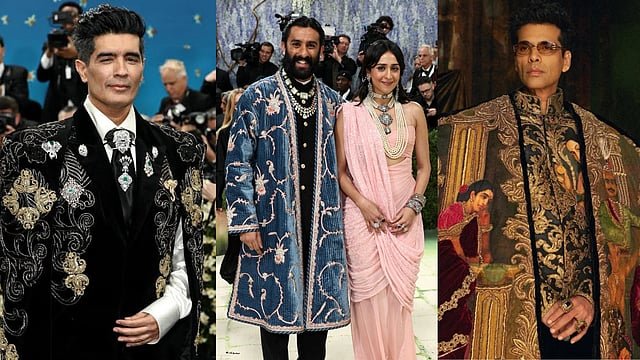
The Met Gala 2026, fashion’s most iconic night, turned into a proud moment for India as a diverse group of personalities brought the country’s rich cultural identity to the global stage. From couture rooted in tradition to bold artistic interpretations, Indian attendees didn’t just follow the theme—they elevated it with stories woven in heritage, craftsmanship, and innovation.
A Powerful Indian Line-Up
This year saw an impressive Indian presence, including Isha Ambani, Karan Johar, Princess Gauravi Kumari, Sawai Padmanabh Singh, and Ananya Birla, among others. Together, they represented different facets of modern India—business, cinema, royalty, and entrepreneurship—united through fashion.
Couture Meets Culture
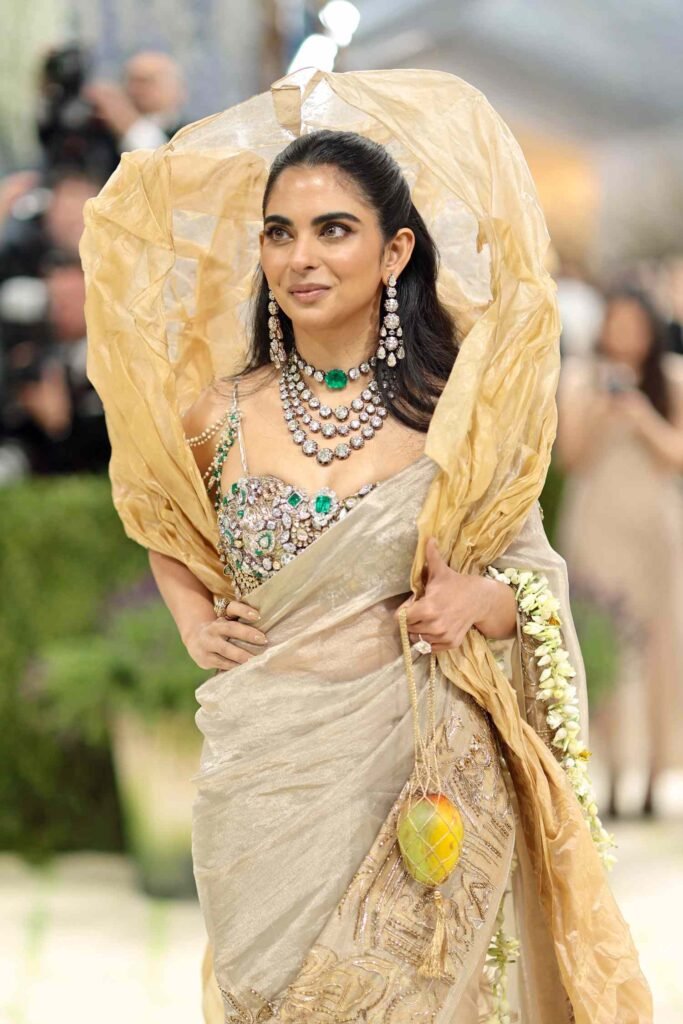
Leading the spotlight was Isha Ambani, who stunned in a sculptural saree by Gaurav Gupta. Woven with gold threads and inspired by Indian art traditions, her look featured a dramatic jewellery-embedded blouse adorned with diamonds and emeralds. A standout accessory—a mango-shaped piece inspired by Indian cultural symbolism—added an artistic and deeply rooted touch.
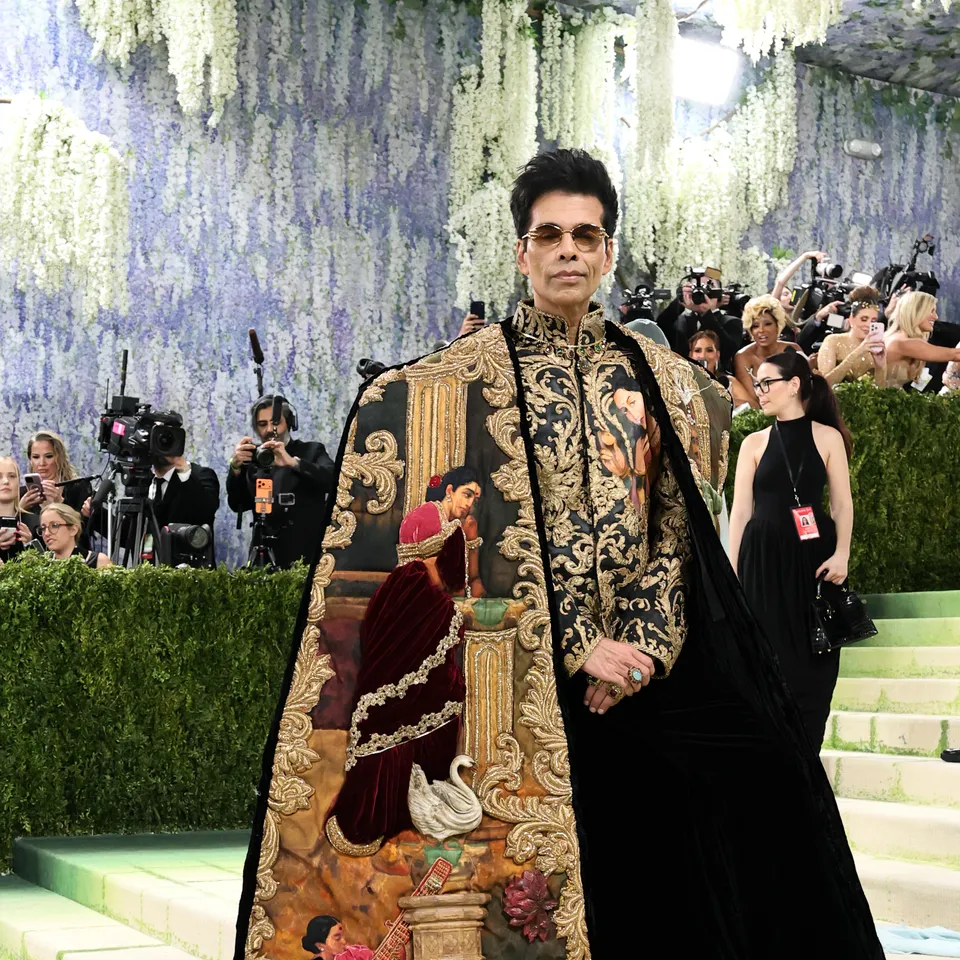
Karan Johar made a grand debut in an elaborate ensemble by Manish Malhotra, reportedly inspired by the works of Raja Ravi Varma. His outfit blended regal silhouettes with intricate embroidery, reflecting India’s classical art heritage while maintaining a contemporary edge.
Royalty with a Story
Jaipur’s royal siblings brought elegance steeped in legacy. Princess Gauravi Kumari wore a reimagined vintage saree once belonging to Maharani Gayatri Devi, transformed into a flowing gown that paid homage to timeless royal style. Her jewellery, rooted in Jaipur’s gemstone heritage, added quiet sophistication.
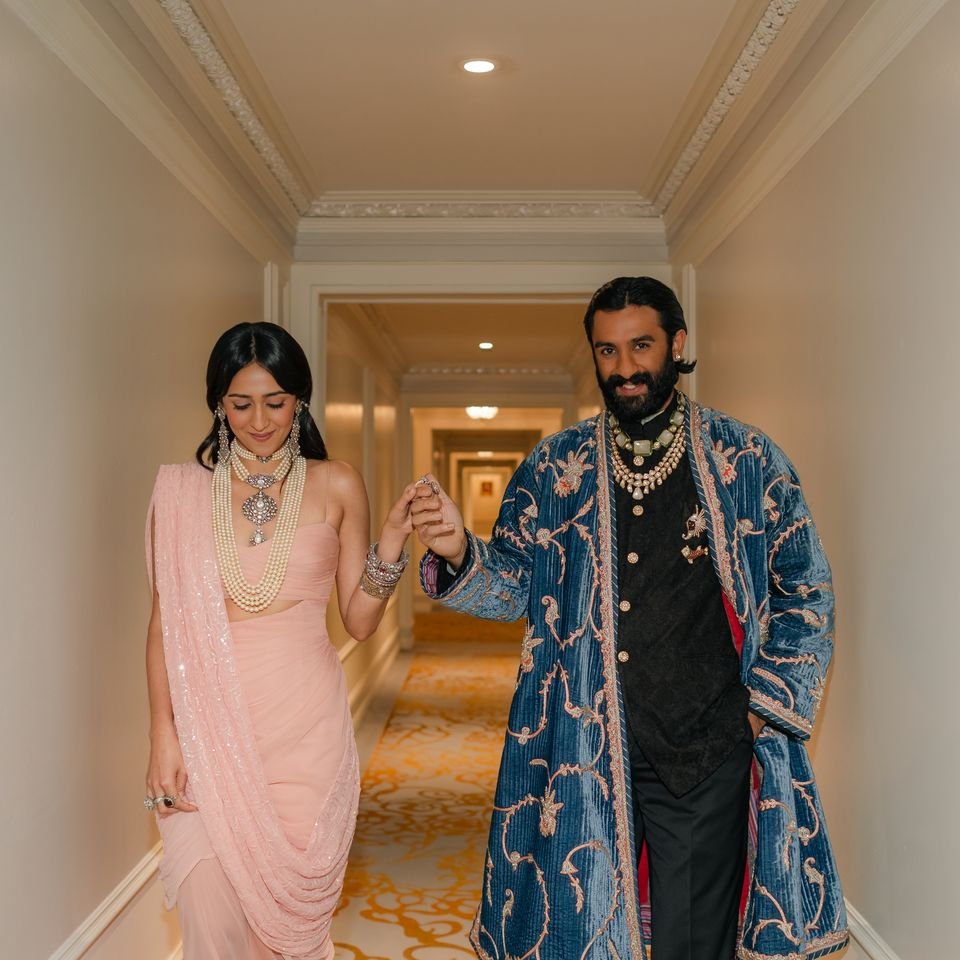
Meanwhile, Sawai Padmanabh Singh showcased Rajasthan’s craftsmanship through a richly embroidered “Phulghar coat,” highlighting traditional techniques like zardozi and aari work. His ensemble stood as a tribute to Indian artisans, bringing centuries-old craftsmanship into the global spotlight.
New-Age India Steps Forward
Ananya Birla represented a younger, global India with a look that fused contemporary styling with subtle Indian influences. Her presence signified how Indian identity today is both rooted and evolving, confidently taking space on international platforms.
Jewellery, Craftsmanship and Symbolism
Across the board, one element stood out—attention to detail. From heirloom diamonds and emeralds to handcrafted textiles, Indian attendees embraced slow fashion and artisanal excellence. Techniques like hand embroidery, weaving, and traditional dyeing were not just design choices but statements of cultural pride.
Accessories played a key role too—whether it was statement jewellery rooted in royal collections or symbolic pieces inspired by Indian everyday life and art. Each look carried layers of meaning beyond aesthetics.
India’s Growing Met Gala Legacy
India’s presence at the Met Gala has grown steadily over the years, with icons like Priyanka Chopra and Alia Bhatt previously making memorable appearances. In 2026, however, the representation felt more cohesive and intentional—less about individual glamour and more about collective storytelling.
A Night of Cultural Assertion
What set Indians apart this year was their ability to stay authentic while embracing a global theme. Instead of leaning entirely into Western interpretations, they brought Indian textiles, art forms, and narratives to the forefront.
Met Gala 2026 wasn’t just a red carpet moment for India—it was a cultural showcase. From royal legacies to modern couture, from fine art inspirations to symbolic accessories, India presented itself not just as a participant, but as a storyteller.
And in doing so, it reminded the world: Indian fashion is not just about beauty—it is about history, identity, and soul.