Home Blog Page 14

From UAE to Europe: PM Modi’s Five-Nation Tour Signals India’s Expanding Global Influence

0

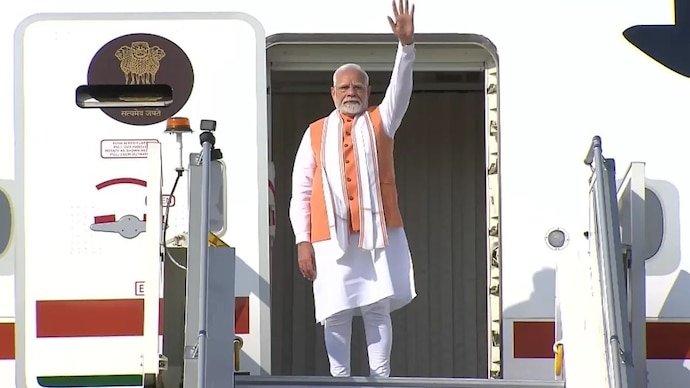
Prime Minister Narendra Modi’s six-day, five-nation diplomatic tour, which began on May 15 with a successful visit to the United Arab Emirates (UAE), is being viewed as one of India’s most significant strategic outreach missions in recent years. Covering the UAE, the Netherlands, Sweden, Norway and Italy, the visit aims to deepen India’s partnerships in energy, technology, trade, defence and green innovation while reinforcing India’s growing role in global geopolitics.

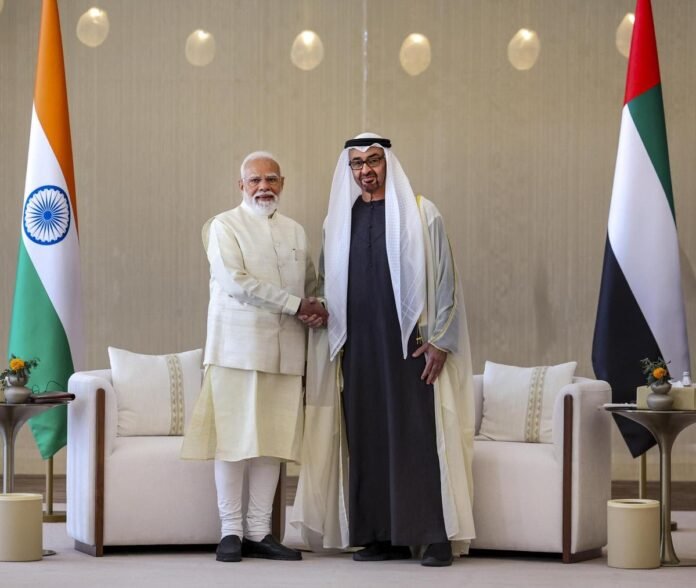
The UAE leg of the visit already delivered major outcomes for India. PM Modi held extensive talks with UAE President Sheikh Mohamed bin Zayed Al Nahyan, resulting in several key agreements, including a Strategic Defence Partnership framework, long-term LPG supply arrangements and cooperation on strategic petroleum reserves. The UAE also announced multi-billion-dollar investments in Indian infrastructure and financial sectors, underlining the rapidly strengthening India-UAE Comprehensive Strategic Partnership.

Following the UAE visit, PM Modi has now headed to Europe, where the focus shifts toward advanced technology, clean energy, semiconductors, maritime cooperation and economic partnerships.

Netherlands: Defence, Water Technology and Green Hydrogen

In the Netherlands, PM Modi is scheduled to meet King Willem-Alexander and Dutch Prime Minister Rob Jetten. Discussions are expected to centre around defence cooperation, semiconductor manufacturing, green hydrogen, sustainable agriculture and water management technologies — an area where the Netherlands is globally recognised.

India is likely to seek greater Dutch investments in high-tech manufacturing and logistics under the “Make in India” initiative. Cooperation in port development and maritime connectivity may also feature prominently, given the strategic importance of Rotterdam as one of Europe’s largest ports. Analysts believe new agreements on renewable energy and advanced chip technologies could significantly support India’s technological ambitions.

Sweden and Norway: Innovation and the India-Nordic Summit

The next phase of the tour will take PM Modi to Sweden and Norway, where innovation, digital transformation and sustainable development will dominate discussions. A major highlight will be the 3rd India-Nordic Summit in Norway on May 19, bringing together leaders from Denmark, Finland, Iceland, Norway and Sweden.

The Nordic countries are global leaders in clean energy, artificial intelligence, smart infrastructure and climate technologies. India is expected to push for deeper collaboration in green growth, electric mobility, Arctic research, fintech and digital governance. Several Memorandums of Understanding (MoUs) related to technology partnerships, startups, renewable energy and academic cooperation are likely to emerge from these meetings.

The summit also carries strategic importance because Nordic nations are increasingly viewing India as a reliable economic and geopolitical partner amid changing global supply chains and tensions in Europe and Asia.

Italy: Strengthening Strategic and Economic Cooperation

The final leg of the visit will take PM Modi to Italy, where he will hold talks with Italian Prime Minister Giorgia Meloni. The discussions are expected to build upon the India-Italy Joint Strategic Action Plan 2025–2029 signed earlier.

Defence manufacturing, aerospace cooperation, artificial intelligence, energy transition and industrial partnerships are expected to be key areas of discussion. Italy has shown growing interest in expanding investments in India’s manufacturing and infrastructure sectors, while India sees Italy as an important gateway to deeper European economic engagement.

A Strategic Tour for India’s Global Vision

Overall, the tour reflects India’s broader diplomatic strategy of balancing strong ties with both the Gulf and Europe while pursuing strategic autonomy. The visit comes at a time when global supply chains, energy security and technological partnerships are becoming increasingly critical.

Experts believe the agreements, investments and strategic understandings likely to emerge from this tour could significantly benefit India’s economic growth, energy security and technological advancement. The visit also aligns closely with the government’s long-term vision of “Viksit Bharat 2047,” positioning India as a leading global economic and strategic power in the decades ahead.

PM Modi’s UAE Visit Strengthens Defence, Energy and Strategic Ties Between India and Abu Dhabi

0

Prime Minister Narendra Modi on Friday visited the United Arab Emirates (UAE) as the first stop of his six-day, five-nation diplomatic tour, holding extensive talks with UAE President Sheikh Mohamed bin Zayed Al Nahyan in Abu Dhabi. The visit resulted in a series of major agreements focused on defence cooperation, energy security, infrastructure and investment, underlining the growing strategic partnership between the two nations.

PM Modi received a ceremonial welcome upon arrival in Abu Dhabi, including a Guard of Honour. In a symbolic gesture reflecting strong bilateral ties, UAE F-16 fighter jets escorted the Prime Minister’s aircraft as it entered Emirati airspace.

During delegation-level talks, India and the UAE signed several significant agreements. These included a Framework Agreement for Strategic Defence Partnership, an MoU on Strategic Petroleum Reserves, and a pact ensuring long-term Liquefied Petroleum Gas (LPG) supplies to India. The two sides also agreed to establish a ship repair cluster at Vadinar in Gujarat, aimed at boosting maritime and logistics cooperation.

A major highlight of the visit was the UAE’s announcement of nearly $5 billion in investments in Indian infrastructure projects, along with investments in RBL Bank and Samman Capital. The agreements are expected to deepen economic engagement and enhance India’s energy security at a time of global uncertainty and tensions in West Asia.

Addressing the current geopolitical situation in West Asia, PM Modi strongly condemned recent attacks on the UAE and reaffirmed India’s solidarity with the Gulf nation. He stated that “India stands shoulder-to-shoulder with UAE in every situation” and stressed that dialogue and diplomacy remain the best path toward restoring peace and stability in the region. He also emphasized the importance of keeping the Strait of Hormuz “free and open” for global trade and energy supplies.

The Prime Minister thanked the UAE leadership for its support toward the Indian diaspora and appreciated Sheikh Mohamed bin Zayed Al Nahyan for strengthening the India-UAE Comprehensive Strategic Partnership. Modi noted that bilateral cooperation between the two countries had gained even greater importance in the present global environment.

Following the UAE visit, PM Modi departed for the Netherlands as part of his broader diplomatic outreach covering Sweden, Norway and Italy.

What Questions Should You Ask Before Finalising a Caregiver?

0

Most families don’t begin with questions. They begin with a decision.

Someone at home needs support, and the immediate priority becomes finding help quickly. The process moves faster than expected. Calls are made, options are considered, and within days, a caregiver is finalised.

Only later do the questions begin.

In growing urban centres such as Mumbai, Pune, Ahmedabad, Bengaluru, and other cities, families are becoming more aware of this pattern. Instead of rushing through the process, many are beginning to pause and think more carefully about what it truly means to bring a caretaker into their home.

Because the difference between a smooth arrangement and a difficult one often depends on what was understood at the beginning.

The Question Behind the Role

At first, the requirement seems simple: someone is needed to help at home.

But “help” can mean very different things.

For one family, it may involve basic day-to-day assistance. For another, it could mean managing medications, supporting mobility, or monitoring routines. Expectations are often assumed rather than clearly discussed — and that is where confusion usually begins.

Many families realise later that defining the role properly at the start would have made the decision much easier.

What Does a Normal Day Look Like?

This is one of the most important questions, yet it is rarely asked directly.

Instead of focusing only on experience, it helps to understand how a caregiver approaches a typical day. When do they step in? How do they manage routines? What do they prioritise?

These details reveal far more than a list of previous assignments.

Because caregiving is not simply about completing tasks. It is about how those tasks fit naturally into everyday life.

What Happens When Things Don’t Go as Planned?

No two days are exactly alike.

There are moments that fall outside routine — a sudden change in health, unexpected discomfort, or situations that simply feel different from normal.

In such moments, response matters more than instruction.

Families often discover that the way a caregiver handles uncertainty tells them more than anything discussed during the selection process.

How Naturally Do They Fit In?

This question is rarely asked openly, but it often becomes the deciding factor.

Every home has its own rhythm — the way people communicate, the timing of daily activities, even the small habits that go unnoticed until someone new enters the space.

A caregiver who adapts to that rhythm tends to feel like a natural presence. One who doesn’t can make even a well-planned arrangement feel difficult.

Can the Arrangement Evolve Over Time?

Caregiving is never static.

What works today may need to change a few months later. Needs evolve, routines shift, and expectations adjust with time.

Understanding whether a caregiver is comfortable adapting to those changes becomes important in the long run. The goal is not to get everything perfect immediately, but to build an arrangement that can improve and settle naturally over time.

Conclusion

Hiring a caregiver often feels urgent.

But caregiving itself is long-term.

The most important questions are not always the obvious ones. They are the questions that help families understand how care will feel every day — not just how it will function.

And when that clarity exists from the beginning, the entire experience becomes far easier to manage.

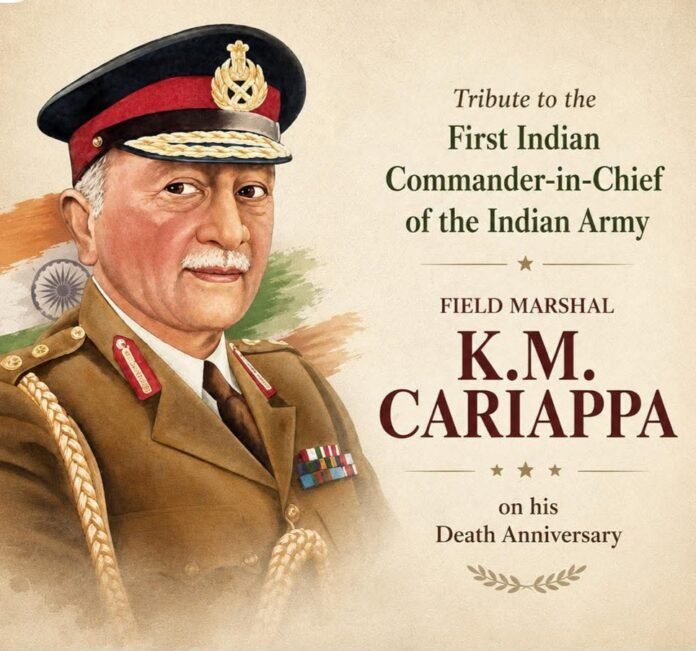
Remembering Field Marshal K.M. Cariappa: The Architect of Modern Indian Army

0

India remembers Field Marshal Kodandera Madappa Cariappa with immense respect and gratitude on his death anniversary. Revered as one of the founding pillars of the modern Indian Army, Field Marshal Cariappa’s life was marked by discipline, patriotism, courage, and an unwavering commitment to the nation. His contributions not only shaped India’s military structure after Independence but also established enduring traditions of professionalism and national service within the armed forces.

Born on January 28, 1899, in Kodagu (Coorg) in present-day Karnataka, Cariappa came from a humble Kodava family known for its martial traditions. He pursued his education in Madikeri and later in Madras before joining the military during British rule. In 1919, he became one of the first Indians to be selected for officer training, a remarkable achievement at a time when senior positions in the army were largely dominated by the British.

Cariappa was commissioned into the British Indian Army in 1920 and steadily rose through the ranks through sheer dedication and exceptional leadership abilities. During his early military career, he served in Mesopotamia, Iraq, and various parts of the Indian subcontinent. His professionalism earned him widespread respect among both Indian and British officers.

Following India’s Independence in 1947, Cariappa played a crucial role during one of the most sensitive phases in the country’s history — the division of the armed forces between India and Pakistan. He handled the complex transition with remarkable efficiency and helped ensure stability within the newly formed Indian Army.

His greatest milestone came on January 15, 1949, when he became the first Indian Commander-in-Chief of the Indian Army, taking over from British General Sir Roy Bucher. The day is now celebrated annually as Army Day in India. Cariappa’s appointment symbolised the true Indianisation of the armed forces and the emergence of an independent military identity for the nation.

Field Marshal Cariappa also played an important role during the first Indo-Pak war of 1947–48 in Jammu and Kashmir. Under his leadership, Indian forces successfully defended key territories against invading forces. He strongly believed that the army must remain apolitical and always loyal to the Constitution and the nation above all else — principles that continue to guide the Indian Armed Forces today.

Known for his strict discipline and integrity, Cariappa was admired by soldiers across ranks. He treated officers and jawans alike with fairness and emphasised unity beyond caste, religion, or regional identity. His famous belief that every soldier’s religion should simply be “India” reflected his deep patriotism and inclusive outlook.

In recognition of his extraordinary service to the nation, the Government of India conferred upon him the rank of Field Marshal in 1986, making him only the second Indian officer after Sam Manekshaw to receive the honour.

Field Marshal Cariappa passed away on May 15, 1993, but his legacy continues to inspire generations of Indians and members of the armed forces. He is remembered not merely as a military leader, but as a visionary who laid the foundation of a strong, disciplined, and professional Indian Army.

On his death anniversary, the nation pays tribute to a soldier whose life was dedicated entirely to service, sacrifice, and the honour of India.

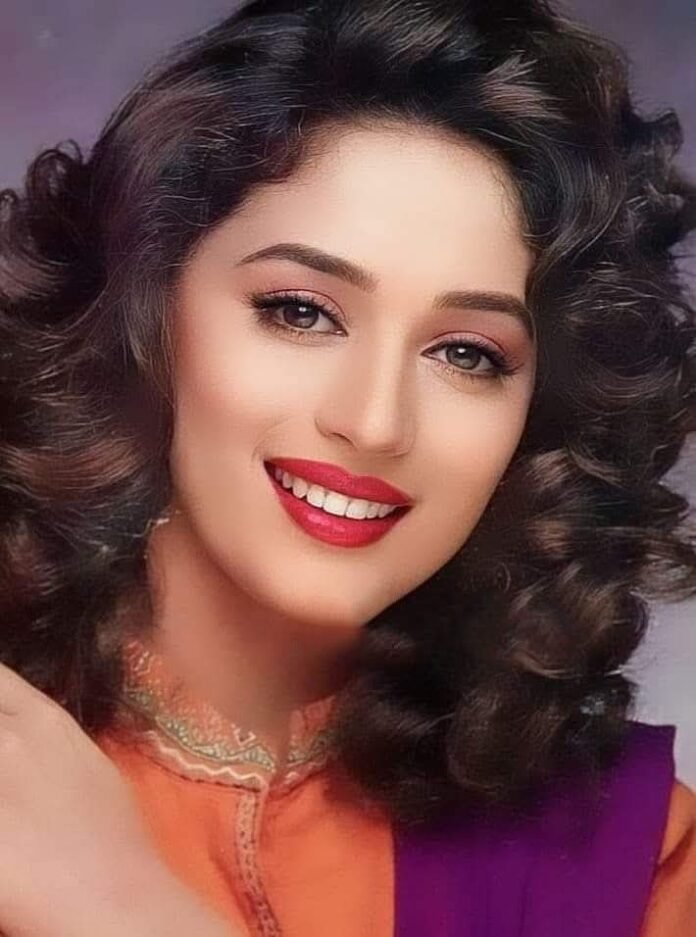
Madhuri Dixit B’Day: See How Wishes Pour In For The Timeless Queen of Bollywood

0

Few stars in Indian cinema have enjoyed the kind of admiration, longevity, and cultural impact that Madhuri Dixit has achieved over the decades. As fans across the country celebrate her birthday, it is an occasion to look back at the remarkable journey of one of Bollywood’s most beloved and iconic actresses.

Born on May 15, 1967, in Mumbai, Madhuri Dixit began her acting career in the 1980s, but it was the 1988 film Tezaab that transformed her into a household name. Her electrifying performance in the song “Ek Do Teen” became a nationwide sensation and established her as a superstar almost overnight. Over the years, she became known not only for her acting talent but also for her extraordinary dancing skills, graceful screen presence, and expressive performances.

Madhuri Dixit ruled Bollywood throughout the late 1980s and 1990s, starring in some of Hindi cinema’s most memorable films. Her famous movies include Hum Aapke Hain Koun..!, Dil To Pagal Hai, Devdas, Beta, Saajan, Khalnayak, and Mrityudand. Whether performing emotional roles, romantic characters, or intense dramatic performances, she consistently won audiences and critics alike.

One of the reasons Madhuri Dixit is so widely celebrated is her versatility. She seamlessly balanced commercial success with critically acclaimed performances. Her dance numbers such as “Dhak Dhak Karne Laga,” “Dola Re Dola,” and “Choli Ke Peeche” became iconic and are still remembered as some of Bollywood’s greatest performances.

Throughout her career, Madhuri has received numerous awards and honours. She has won several Filmfare Awards and was honoured with the prestigious Padma Shri, India’s fourth-highest civilian award, in 2008 for her contribution to Indian cinema. Beyond films, she has also gained popularity as a television personality and judge on dance reality shows, inspiring younger generations of performers.

Despite changing trends in cinema, Madhuri Dixit’s popularity has remained timeless. Her elegance, humility, and dedication to her craft continue to make her one of India’s most respected celebrities. Fans admire not only her cinematic achievements but also her ability to reinvent herself while maintaining a strong connection with audiences across generations.

On her birthday, social media platforms are flooded with tributes, nostalgic clips, and heartfelt wishes from fans and fellow actors. For millions, Madhuri Dixit is not just a film star but a symbol of grace, talent, and the golden era of Bollywood. Her legacy continues to shine brightly, proving why she remains the “Dhak Dhak Girl” of Indian cinema even today.

Endangered Species Day: Protecting Earth’s Precious Wildlife

0

Endangered Species Day is observed every year on the third Friday of May to raise awareness about the thousands of plant and animal species that are at risk of extinction. The day serves as a reminder that biodiversity is essential for maintaining ecological balance and that every species, no matter how small, plays a crucial role in sustaining life on Earth.

The term “endangered species” refers to animals or plants whose population has declined so drastically that they face the danger of disappearing forever. According to conservation organisations, habitat destruction, climate change, pollution, poaching, deforestation, and illegal wildlife trade are among the biggest threats to wildlife across the globe. Species such as tigers, rhinos, snow leopards, elephants, sea turtles, and orangutans continue to face severe survival challenges due to human activities.

India, known for its rich biodiversity, is home to several endangered species including the Bengal tiger, Asiatic lion, Great Indian Bustard, red panda, and Gangetic dolphin. Over the years, conservation initiatives like Project Tiger, wildlife sanctuaries, national parks, and anti-poaching laws have helped protect many species. However, environmentalists warn that much more needs to be done as many ecosystems remain under pressure from urbanisation and climate change.

Endangered Species Day highlights the importance of conservation efforts at both global and local levels. Governments, wildlife organisations, schools, and environmental groups organise awareness campaigns, nature walks, educational programs, exhibitions, and social media drives to encourage people to participate in protecting wildlife. The day also promotes sustainable living practices and responsible environmental behaviour.

The extinction of one species can affect entire ecosystems. For example, big cats help control herbivore populations, while pollinators such as bees and butterflies are essential for food production. Protecting endangered species therefore also means protecting forests, rivers, oceans, and ultimately human life itself.

There have been several inspiring conservation success stories around the world. Species such as the giant panda and Indian tiger have shown population recovery due to dedicated conservation policies and public awareness. These achievements prove that collective action and strong environmental policies can make a significant difference.

Endangered Species Day is not just about saving animals; it is about preserving the natural heritage of the planet for future generations. It reminds humanity that nature and human survival are deeply interconnected. By reducing pollution, conserving habitats, supporting wildlife protection programs, and spreading awareness, every individual can contribute towards safeguarding Earth’s incredible biodiversity.

How to Protect Yourself from Heatstroke: Understanding the Risks and Staying Safe in Extreme Heat

0
Heat stroke symptoms; high body temperature, sweat, perspire, headache, red skin, dehydration.

With rising global temperatures and frequent heatwaves, heatstroke has become a serious health concern during summer months. While many people underestimate the dangers of extreme heat, heatstroke can quickly turn into a life-threatening medical emergency if not recognised and treated in time. Understanding its causes, symptoms and preventive measures can help save lives.

What is Heatstroke?

Heatstroke is the most severe form of heat-related illness. It occurs when the body’s temperature rises dangerously high — usually above 40°C (104°F) — and the body can no longer cool itself effectively through sweating. Prolonged exposure to high temperatures, dehydration and excessive physical activity in hot weather are common triggers.

If untreated, heatstroke can damage the brain, heart, kidneys and muscles, and may even become fatal.

Understanding the Causes

Heatstroke is often caused by spending too much time in extreme heat or humidity. Outdoor labourers, athletes, travellers and people without proper cooling facilities are particularly vulnerable. Dehydration worsens the condition because the body lacks enough fluids to regulate temperature through sweating.

Climate change and rising urban temperatures have also increased the frequency and intensity of heatwaves in many regions, making awareness even more important today.

Common Symptoms of Heatstroke

Recognising the warning signs early is crucial. Symptoms may include:
●High body temperature
●Dizziness or fainting
●Severe headache
●Nausea or vomiting
●Rapid heartbeat
●Muscle cramps
●Extreme weakness or confusion
●Hot, dry skin or excessive sweating

In severe cases, a person may lose consciousness or become disoriented. Immediate medical attention is necessary in such situations.

How to Protect Yourself

The best way to prevent heatstroke is to stay cool and hydrated. Drink plenty of water throughout the day, even if you do not feel thirsty. Coconut water, lemon water and electrolyte-rich drinks can help replace lost salts and minerals.

Avoid direct sunlight during the hottest hours, usually between noon and 4 pm. If you must go outside, wear loose, light-coloured cotton clothes along with caps, hats or sunglasses. Carrying an umbrella can also reduce heat exposure.

Try to remain indoors in cool, ventilated spaces. Use fans, cool showers or wet towels to lower body temperature. Avoid strenuous exercise during peak heat hours.

Foods That Help During Heatwaves

Light and water-rich foods such as watermelon, cucumber, oranges, curd and leafy vegetables help keep the body hydrated and cool. Avoid excessive caffeine, alcohol and oily foods, as they can increase dehydration.

A Growing Public Health Concern

Children, elderly people, pregnant women and individuals with existing health conditions face greater risks during heatwaves. As summers become harsher across the world, heat safety is no longer optional — it is essential. A few simple precautions, timely hydration and awareness can go a long way in protecting ourselves and our communities from the dangers of heatstroke.

Kailash Mansarovar: The Sacred Himalayan Journey Where Faith Meets Eternity

0

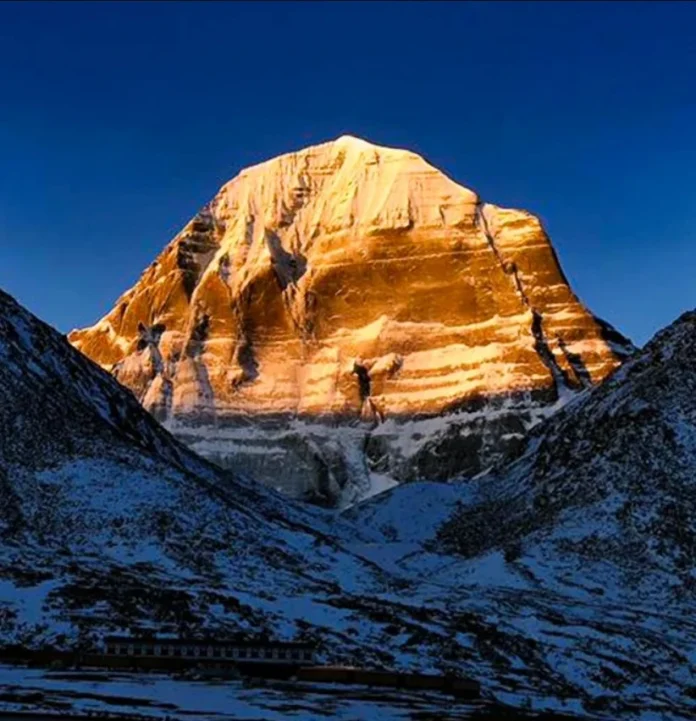
Amid the silent, snow-covered expanses of the Tibetan Himalayas stands Mount Kailash~ mysterious, majestic and deeply sacred. Rising beside the crystal-clear waters of Lake Mansarovar, this remote spiritual landscape has drawn saints, pilgrims and seekers for thousands of years. Revered not by one religion alone but by Hindus, Buddhists, Jains and followers of the ancient Bon faith, Kailash Mansarovar is considered one of the holiest places on Earth, a destination where spirituality, mythology and nature merge into something timeless.

For Hindus, Mount Kailash is believed to be the divine abode of Lord Shiva and Goddess Parvati. Ancient scriptures describe it as the cosmic axis of the universe, the place where Shiva meditates in eternal stillness, beyond worldly attachment. The mountain’s striking pyramid-like form and untouched summit have only deepened its spiritual aura across centuries. Unlike most great peaks of the world, Mount Kailash has never been climbed. Out of reverence, mountaineering on Kailash is prohibited, and devotees believe the sacred mountain is not meant to be conquered by human ambition.

The spiritual significance of Kailash extends beyond Hinduism. Buddhists associate the mountain with Demchok, representing supreme bliss and enlightenment, while Jains believe their first Tirthankara, Rishabhdev, attained liberation near Kailash. Followers of the Bon tradition regard it as the centre of spiritual power and the seat of their sky goddess. Few places in the world hold such profound religious importance for multiple faiths simultaneously.

Equally sacred is Lake Mansarovar, one of the world’s highest freshwater lakes. According to Hindu belief, the lake was first created in the mind of Lord Brahma before manifesting on Earth. Pilgrims consider its waters spiritually purifying, and many undertake ritual baths despite the freezing temperatures, believing the sacred lake washes away sins and brings inner peace.

Kailash Mansarovar: The Sacred Himalayan Journey Where Faith Meets Eternity

At the heart of the pilgrimage lies the arduous “Kora” or “Parikrama”, a 52-kilometre circumambulation around Mount Kailash. Performed on foot across rugged terrain and high altitudes, the journey is physically demanding yet spiritually transformative. Many pilgrims describe it not as a trek, but as a deeply emotional experience of surrender, silence and self-discovery.

Mystery also surrounds Kailash. Stories of unusual energy fields, unexplained phenomena and spiritual experiences have long fascinated travellers and devotees alike. Though many such tales remain unverified, they contribute to the mountain’s enduring mystique and reverence.

Kailash Mansarovar: The Sacred Himalayan Journey Where Faith Meets Eternity

The Kailash Mansarovar Yatra 2026 is expected to be conducted between June and August through the Lipulekh Pass route in Uttarakhand and the Nathu La route in Sikkim under the supervision of India’s Ministry of External Affairs. The best time to visit is generally from May to September, when weather conditions are comparatively favourable and the mountain is visible in its full grandeur.

Yet, beyond religion and ritual, Kailash Mansarovar represents something deeper, humanity’s eternal search for meaning, peace and connection with the divine. In the silence of the Himalayas, surrounded by towering mountains and sacred waters, pilgrims often say they do not merely visit Kailash; they experience it within themselves.

Alia Bhatt Brings Desi Glamour and Global Elegance to Cannes 2026

0

Actor Alia Bhatt has emerged as one of the biggest fashion highlights of the Cannes Film Festival 2026, captivating global audiences with a series of elegant and distinctly Indian-inspired looks on the red carpet. Representing L’Oréal Paris, Alia’s appearance at the prestigious festival has sparked conversations not only around fashion, but also around India’s growing influence in global pop culture and luxury style.

Alia began her Cannes journey with a sophisticated airport look from Carolina Herrera’s Spring 2026 collection. The black tailored ensemble reflected the understated “quiet luxury” trend and immediately set the tone for her Cannes wardrobe. Fashion critics praised the polished look for balancing international sophistication with Alia’s signature minimal style.

Her red carpet appearances, however, truly stole the spotlight. One of her most talked-about looks was a custom ivory corset saree inspired by traditional Indian draping and designed with a modern couture twist. Featuring structured detailing and regal styling, the ensemble beautifully blended Indian craftsmanship with contemporary fashion aesthetics. Social media users described the look as “Maharani-core,” celebrating how Alia brought Indian elegance to one of fashion’s biggest global stages.

Another standout appearance came in a dramatic coral-toned couture gown by designer Tamara Ralph, where sculpted corsetry and flowing silhouettes created an old-Hollywood glamour effect. Vogue India noted that Alia’s jewellery choices — including a striking rare pink coral neckpiece — elevated the look even further.

She later embraced a softer fantasy-inspired aesthetic in an icy blue Daniel Frankel gown during the screening of La Vie D’Une Femme. The ethereal look drew comparisons to fairytale royalty online, with fans praising her evolving style confidence and international fashion appeal.

Beyond fashion, Alia also made headlines for her wellness and skincare discussions during the festival. In interviews, she shared that simple traditional Indian food combinations — including snacks made with ghee, jaggery, peanuts and coconut — contribute to her healthy skin and natural glow. The comments resonated widely online, especially among audiences appreciating her emphasis on balanced and rooted wellness practices.

Her Cannes 2026 appearances have reinforced her growing global image — one that combines Bollywood stardom, Indian heritage and modern international fashion. At a festival known for cinematic glamour and cultural influence, Alia Bhatt has managed to stand out not just as a celebrity, but as a confident ambassador of contemporary Indian style.

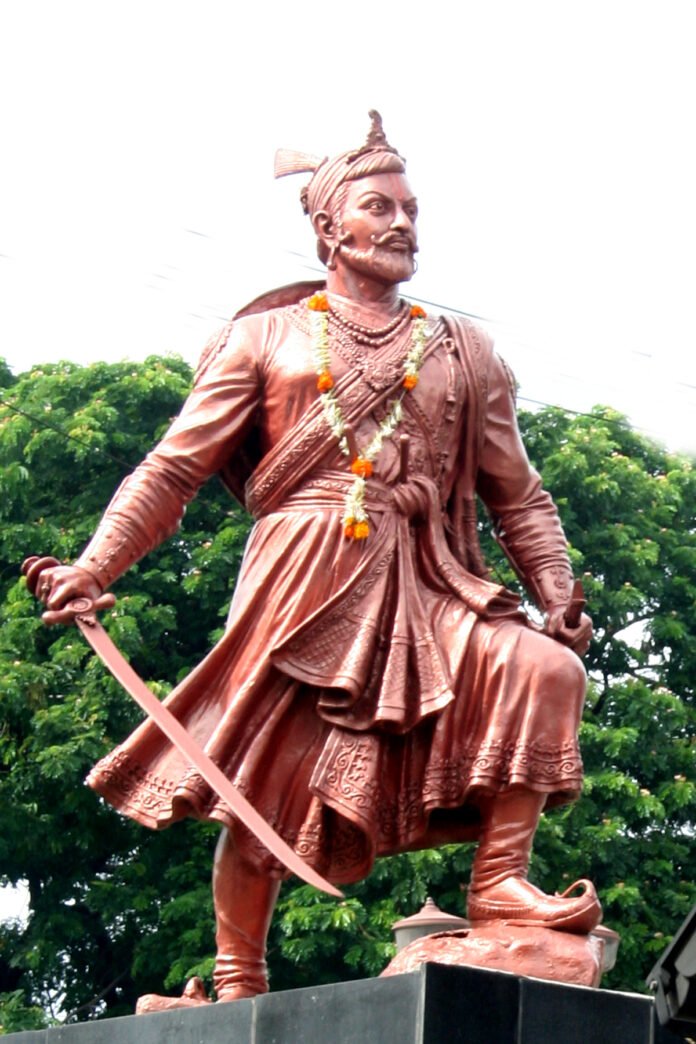
Chhatrapati Sambhaji Maharaj Jayanti: Remembering the Fearless Guardian of Swarajya

0

Chhatrapati Sambhaji Maharaj Jayanti is celebrated with great pride and reverence across Maharashtra and many parts of India to honour the birth anniversary of Chhatrapati Sambhaji Maharaj, the valiant son of Chhatrapati Shivaji Maharaj. Known for his unmatched courage, intellect, and unwavering dedication to Swarajya, Sambhaji Maharaj remains one of the most inspiring figures in Indian history.

Born on May 14, 1657, at Purandar Fort, Sambhaji Maharaj was the eldest son of Shivaji Maharaj and Maharani Saibai. From a young age, he displayed extraordinary leadership qualities, military skills, and deep knowledge of languages and literature. Historians often highlight that he was not only a fearless warrior but also a scholar who was proficient in Sanskrit, Marathi, Persian, and several other languages.

After the death of Shivaji Maharaj in 1680, Sambhaji Maharaj ascended the throne of the Maratha Empire during one of the most challenging phases in Indian history. The Mughal emperor Aurangzeb launched massive military campaigns to crush the Marathas, but Sambhaji Maharaj resisted fiercely. Despite limited resources and continuous attacks, he defended the Maratha kingdom with exceptional bravery for nearly nine years. Historical accounts note that during his reign, the Mughals could not achieve complete control over the Maratha strongholds.

Sambhaji Maharaj is especially remembered for his sacrifice and unwavering spirit in the face of adversity. Captured by the Mughals in 1689, he was subjected to brutal torture for refusing to surrender his principles and faith. His martyrdom became a symbol of resistance, courage, and devotion to Swarajya. Even today, he is revered as “Dharmaveer” for protecting the ideals and dignity of the Maratha Empire.

Chhatrapati Sambhaji Maharaj Jayanti is observed through processions, cultural programs, lectures, and tributes across Maharashtra. People gather to remember his heroic deeds, while schools and organisations conduct events highlighting his contribution to Indian history and the Maratha legacy. Social media and public celebrations also echo slogans of “Jai Bhavani, Jai Shivaji” and “Jai Shambhuraje,” reflecting the deep emotional connection people continue to share with him.

The life of Sambhaji Maharaj continues to inspire generations with lessons of bravery, sacrifice, patriotism, and resilience. His legacy stands as a reminder that true leadership is built on courage and an unbreakable commitment to one’s people and ideals.