Home Blog Page 15

From Traditions to Trends: The Changing Face of Indian Weddings

0

In Conversation with Wedding Planner Vidushi Kothari

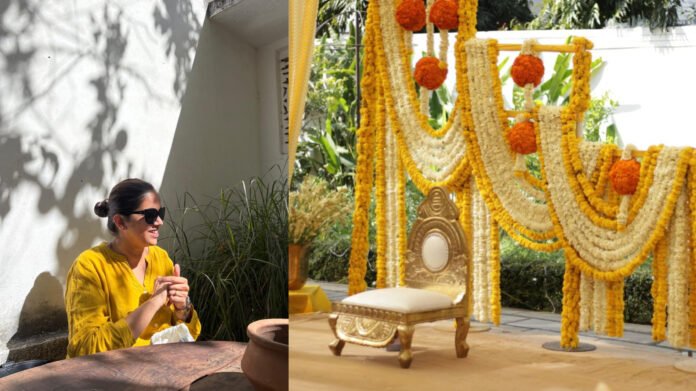
Indian weddings have always been more than celebrations. They are emotion, ritual, theatre, memory, family, and identity woven into days of colour and chaos. Yet over the last decade, the landscape of Indian weddings has transformed dramatically. Marigold-draped mandaps now stand beside pastel floral tunnels inspired by Pinterest boards. Sacred rituals coexist with drone shots and cinematic reels. Couples today are balancing heritage with individuality, tradition with global aesthetics, and emotion with performance.

To understand this fascinating evolution, we spoke with wedding planner Vidushi Kothari, who has spent years navigating the beautiful contradictions of modern Indian weddings. From conversations about social media pressure and destination wedding culture to the enduring magic of Rajnigandha and marigolds, she reflects on how weddings are changing, and what still remains timeless.

“Pastels feel curated, but traditional colours carried meaning.”

One of the most visible shifts in Indian weddings today is the move from vibrant reds, yellows, and oranges towards muted pastel palettes and minimalist décor. According to Vidushi, this transformation is deeply tied to global exposure.

“Couples today are consuming global content constantly,” she explains. “They’re looking at European weddings, Bali aesthetics, editorial shoots, and naturally those visuals influence their taste.”

Yet she believes something meaningful is sometimes lost in this transition. Traditional Indian wedding colours were never merely decorative, they carried symbolism and spiritual significance. Marigold orange, turmeric yellow, and bridal red were deeply connected to celebration, prosperity, fertility, and devotion.

“Pastels are beautiful,” she says, “but often they’re chosen for how they’ll look in photographs rather than what they represent.”

Still, she doesn’t see the shift entirely negatively. Some of the most striking weddings, she notes, are the ones that successfully blend contemporary aesthetics with traditional elements rather than replacing one with the other.

Are weddings becoming more about Instagram than emotion?

Social media has undeniably changed the way weddings are imagined and experienced. Pinterest boards, Instagram saves, cinematic reels, and celebrity weddings have become reference points for couples planning their big day.

Vidushi admits that for many weddings today, visuals play a dominant role.

“I’ve had couples discussing camera angles during pheras,” she says with a laugh. “Sometimes the reel becomes more important than the ritual.”

However, she is careful not to dismiss modern couples entirely. Many are deeply emotional and intentional about preserving traditions. Some want family recipes included in ceremonies, ancestral jewellery incorporated into bridal looks, or rituals explained in depth before the wedding begins.

“The weddings I cherish most,” she says, “are the ones where couples tell me, make it beautiful for us, not for the grid.”

Ironically, she observes, those emotionally authentic weddings often produce the most memorable photographs as well.

Pinterest inspiration versus practical reality

According to Vidushi, almost every client meeting today begins with a Pinterest board or saved Instagram folder.

“These platforms have expanded people’s imagination,” she says. “Couples arrive with a visual vocabulary they didn’t have earlier.”

But the challenge lies in the gap between aspiration and practicality. Pinterest rarely reveals budgets, logistics, or scale. Couples often fall in love with extravagant floral installations or celebrity-style décor without realising the enormous cost behind them.

“A floral ceiling from a luxury destination wedding may cost as much as an entire middle-class wedding,” she explains.

This is where her role extends beyond décor planning.

“I become part designer, part translator, part dream editor,” she says. “The goal is to recreate the feeling, not necessarily the exact image.”

Are Indian weddings becoming westernised?

The growing popularity of cocktail parties, white floral aesthetics, candlelit receptions, and sit-down dinners often raises concerns about Indian weddings becoming increasingly westernised. But Vidushi believes the reality is more nuanced.

“Yes and no,” she says thoughtfully.

While international aesthetics certainly influence presentation, she sees a simultaneous revival of pride in Indian heritage. Many couples today actively seek regional crafts, temple-inspired décor, handloom textiles, and community-specific rituals.

“What’s really happening,” she explains, “is not westernisation but globalisation of production values.”

Couples want the sophistication and seamless execution associated with international events, while still preserving the emotional and cultural soul of Indian ceremonies.

And when that balance works, she believes the results are extraordinary.

The fading significance of traditional elements

Marigolds, Rajnigandha, Madhubani art, Warli motifs, and classic mandaps continue appearing in weddings, but often in transformed forms.

Vidushi believes traditional Indian elements have not disappeared, but have frequently been reduced to aesthetics detached from their deeper meaning.

“Marigolds become trendy because a celebrity wedding used them,” she says, “not because people understand their sacred significance.”

Similarly, regional art is often printed as decorative backdrops rather than commissioned from artisans who have preserved these traditions for generations.
She finds this bittersweet.

“These elements are surviving,” she says, “but sometimes without context.”

Her approach, therefore, is to educate clients about the stories and symbolism behind traditions. Once people understand their meaning, she observes, they usually become far more invested in preserving them authentically.

The biggest wedding battle: parents, trends, or budgets?

Wedding planning, she admits, is rarely just about flowers and venues. Behind every décor decision lies a complex web of family expectations, finances, and generational differences.

“If I had to choose one central conflict,” she says, “it’s parents versus the couple, and budget becomes the battlefield.”

Tradition versus trend is often only the visible layer. Beneath it lies a deeper question of control and ownership. Parents funding the wedding naturally carry expectations shaped by social perception and community norms, while couples want the wedding to reflect their own personalities and priorities.

“I often feel more like a diplomat than a decorator,” she jokes.

Her advice is practical: divide decision-making early, and give parents meaningful ownership of certain functions or rituals to maintain harmony throughout the process.

The pressure of celebrity weddings and destination culture

Lavish celebrity weddings and destination celebrations have fundamentally altered expectations across social classes. Families now compare themselves not only to relatives, but to highly curated internet fantasies backed by enormous budgets.

“The pressure is real,” Vidushi says.

Destination weddings, especially, have created a new hierarchy of status and extravagance. Families often feel compelled to match impossible standards, sometimes stretching themselves financially in unhealthy ways.

“I’ve seen people take loans for weddings that burden them for years,” she says.

For her, one truth remains important: “A beautiful wedding does not require beautiful debt.”

Personalisation over perfection

Despite the overwhelming influence of social media aesthetics, Vidushi believes couples eventually realise they crave meaning more than perfection.

“Most couples start by wanting the Pinterest wedding,” she says. “Then somewhere during planning, they discover they actually want something personal.”
That transformation, she believes, creates the most memorable weddings.

A grandmother’s jewellery, a handwritten letter, a meaningful song, a regional dish, or a reimagined family ritual often leaves a stronger emotional impact than extravagant centrepieces or elaborate sets.

“Guests never remember the centrepieces,” she says. “They remember the moment that felt true.”

Weddings designed for cameras or guests?

The rise of wedding photography and cinematic videography has undeniably altered event planning. Vidushi estimates that modern wedding design is now often “60% camera readiness and 40% guest experience.”

She recalls weddings where floral installations blocked entrances, buffet layouts were designed for drone shots rather than comfort, and dim lighting created stunning photographs but made navigation difficult for elderly guests.

For her, good wedding design must first prioritise human experience.

“If guests leave saying they felt looked after,” she says, “that matters far more than views online.”

The timeless beauty of marigold and Rajnigandha

When asked about one Indian wedding aesthetic that should never disappear, Vidushi answers instantly: marigold and Rajnigandha.

Not as fleeting trends, she insists, but in their truest ceremonial form.

“The marigold is humble and magnificent at once,” she says. “And Rajnigandha has a fragrance that stays in your memory forever.”

For her, these flowers represent continuity, generations of love, prayer, and celebration woven into Indian weddings over centuries.

“They smell like every Indian wedding that has ever happened,” she says softly.

The post-pandemic shift towards intimate luxury

The pandemic years changed the wedding industry profoundly. Forced restrictions on guest lists unexpectedly introduced people to a different idea of luxury~ intimacy.

“People rediscovered the beauty of smaller weddings,” Vidushi says.

Without hundreds of obligatory guests, couples found themselves spending more quality time with loved ones and investing more thoughtfully in food, music, hospitality, and detail.

Luxury shifted from scale to experience.

“A wedding where the bride knows every person in the room,” she says, “feels deeply special.”

So where are Indian weddings headed?

Vidushi believes the future lies not in choosing between tradition and modernity, but in embracing both confidently.

Many couples who married during the pandemic now say they would not change a thing.

The future of Indian weddings

Today’s couples are globally exposed yet increasingly curious about their own roots. They are researching rituals, rediscovering regional crafts, and appreciating traditional art forms while simultaneously embracing international aesthetics and contemporary design.

“The future Indian wedding,” she says, “will be deeply rooted and fearlessly modern.”

A Carnatic musician at the mehendi. A jazz quartet at the reception. Indigenous craftsmanship paired with cutting-edge lighting. Temple-inspired architecture alongside contemporary styling.

“That,” she believes, “is sophistication.”

And perhaps that is what modern Indian weddings truly are today, not a rejection of tradition, but an ongoing conversation between centuries and scrolls, rituals and reels, memory and modernity. Chaotic, extravagant, emotional, performative, sacred, and still, somehow, unmistakably full of love.


Why Indoor Plants Make Every Home Better

0

Walk into any home filled with greenery, and you immediately feel the difference. The air feels fresher. The space feels calmer. Even the lighting seems softer. That is the quiet power of plants.

Understanding the benefits of indoor plants goes beyond aesthetics. Indoor greenery transforms living spaces emotionally, physically and visually. Whether you live in a compact apartment or a spacious home, adding the right indoor plants for home can improve indoor air quality naturally.

From Decor to Wellness: Why Every Home Needs Indoor Plants?

Indoor plants for home decor can instantly uplift any space, bringing freshness, beauty, and a sense of calm to everyday living. Yet many people hesitate to bring greenery home because they worry their plants might not survive or that caring for them will take too much effort.

But what if enjoying the aesthetic and wellness benefits of indoor plants could be simple and stress-free? With solutions like Plantify’s LeafLux hero plant and Plantify Plant Sticks, even beginners can keep their plants thriving with minimal effort. Below are listed some houseplant advantages:

1. Improve Indoor Air Naturally

Among the most discussed benefits of houseplants, one is that they naturally improve indoor air quality. Although plants cannot substitute air purifiers, they help to make the environment healthier.

Carbon dioxide is taken up by plants, and oxygen is given out. Certain types of plants may also be used to minimise airborne toxins and raise the humidity, which is particularly helpful in air-conditioned rooms.

Why This Matters

Modern homes are usually closed spaces with poor ventilation. Planting homes with indoor plants makes the environment more balanced. A room can be fresher and more breathable even with a few well-placed plants.

2. Indoor Plants Support Better Mental Health

The relationship between plants and mental health is not merely a poetic one, but one supported by experience and increasing research. The psychological impact of being in greenery is relaxing.

Plant care brings about routine and mindfulness. The unfolding of new leaves or the blooming of flowers is accompanied by a silent feeling of success. And with Plantify products? The planting process becomes much easier.

How plants support wellbeing

  • Reduce stress levels
  • Promote relaxation
  • Promote conscious everyday practices
  • Bring companionship to your room

Even the basic process of watering or pruning may be calming. This relationship with nature is even more useful in hectic city life.

The LeafLux Hero Plant is one of the premium options that can be considered a statement piece, which has both aesthetic and positive emotional influence. Its green presence is a source of vibrancy and strengthens the strong connection between mental health and plants.

3. Home Decor Plants Add Instant Warmth

Greenery is your best friend in case you want to give your interiors a refresh without having to do a major renovation. One of the simplest and least expensive styling upgrades is the use of plants as home decor.

Plants blur the hard architectural lines, add texture and depth to neutral colour palettes to furniture.

How to Style Indoor Plants

  • Empty corners should have tall plants to create height
  • Trailing plants on shelves provide dimension
  • Place plants on coffee tables or desks
  • Combine decorative pots with your theme

Plants used indoors as home decor are living design elements when carefully designed. They add warmth which cannot be matched by artificial decor.

Plantify Garden provides customised selections that are both aesthetically pleasing and healthy, so it is not difficult to mix the decor with the practical benefits of indoor plants.

4. The Benefits of Houseplants Go Beyond Beauty

Many people initially buy plants for aesthetic reasons, but soon discover the deeper houseplant advantages.

Plants form micro ecosystems within your house. They can assist in controlling humidity, lowering the background noise a bit, and generating a sense of natural balance.

Additional Benefits of Indoor Plants

  • Increase productivity in workspaces
  • Encourage better focus
  • Reduce visual fatigue from screens
  • Make small spaces feel more alive

For those working from home, placing a vibrant plant near your desk can significantly improve your environment. The subtle presence of greenery makes even long hours feel less draining.

Indoor plants in the house can be long-term lifestyle companions when carefully selected and not temporary decorations.

Choosing the Right Indoor Plants for Home

Not all plants require expert-level care. Start with varieties that suit your lifestyle and lighting conditions.

Ask yourself:

  • How much natural light does your home receive?
  • How often can you realistically water your plants?
  • Do you want bold statement pieces or subtle accents?

Plantify Garden makes it simple to select plants that align with your needs, helping you maximise the benefits of indoor plants without feeling overwhelmed.

Final Thoughts

The real magic is that plants transform a house into a home and improve indoor air naturally. They blur spaces, relax minds and uplift design without any struggle. The numerous benefits of houseplants demonstrate that plants are not mere decorations, but they are lifestyle additions. In case you are seeking to change your environment, one of the easiest but effective things to do is to invest in carefully selected indoor plants to decorate your home.

5 Long Gold Necklace Designs Serving as a Radiant Tribute to Your Roots 

0

Every piece of jewellery carries a quiet story, shaped by memory, tradition, and personal meaning. Long necklaces feel like heirlooms in motion, connecting the past with the present through graceful form and enduring artistry. Their length draws the eye gently, allowing each detail to unfold with balance and ease. 

Thoughtfully crafted long gold necklace designs reflect this sense of continuity, blending heritage with refined simplicity. These pieces add depth to everyday dressing while maintaining a composed, elegant presence. They feel expressive without excess, offering a sense of individuality through subtle detailing. 

In this blog, we explore how these designs honour cultural roots while adapting effortlessly to modern style, creating a timeless connection between tradition and contemporary expression.

The Cultural Significance of Long Gold Necklaces

The story of gold in India dates back thousands of years, with early civilisations shaping its artistic and cultural value. Skilled artisans transformed gold into intricate forms, creating pieces that carried both beauty and meaning. Over time, these creations became symbols of prosperity, purity, and spiritual connection. This legacy continues to influence long gold necklace designs, where every detail reflects a sense of continuity and heritage.

Gold has always held a deeper significance beyond ornamentation. It has been associated with tradition, celebration, and identity across generations. Long necklaces, in particular, carry a graceful presence that feels both expressive and rooted in culture. Their forms often echo motifs inspired by nature, ritual, and artistry, creating a visual language that feels timeless.

In many traditions, gold remains closely tied to important life moments and celebrations. Its presence is seen as auspicious, symbolising well-being and abundance. These values continue to shape long gold necklace designs, allowing them to retain cultural depth while evolving in form. The result is jewellery that feels meaningful, refined, and quietly enduring.

5 Traditional Motifs Reimagined for Modern Wear

Traditional elements continue to inspire modern jewellery, evolving through refined forms and thoughtful detailing. These interpretations bring heritage motifs into a contemporary context while preserving their original essence.

  1. Floral Cluster Long Gold Necklace Designs with Layered Detailing

Intricate floral clusters create a rich, layered composition across the necklace. These long gold necklace designs reflect nature through repeated, finely sculpted elements. The arrangement feels full yet balanced, allowing each detail to stand out softly. The design conveys depth while maintaining visual harmony.

  1. Scalloped Lace-inspired Long Gold Necklace Designs with Fluid Patterns

Delicate, lace-like patterns introduce softness through curved and flowing forms. These long gold necklace designs create a rhythmic structure that feels light and graceful. The scalloped edges add movement, giving the piece a refined yet expressive character.

  1. Temple Collar Long Gold Necklace Designs with Structured Grandeur

Structured collar forms bring a bold yet composed presence to the design. These long gold necklace designs draw from temple-inspired artistry, expressed through layered textures and central detailing. The symmetry creates a strong visual balance while maintaining elegance.

  1. Circular Medallion Long Gold Necklace Designs with Statement Focus

Central medallion elements anchor the design with a defined focal point. These long gold necklace designs use repetition and symmetry to guide the eye naturally. The surrounding patterns enhance the centre without overwhelming it, creating a composed and striking effect.

  1. Fine Beaded Long Gold Necklace Designs with Subtle Movement

Small, closely arranged elements form a continuous and delicate pattern. These long gold necklace designs feel light and fluid, with a gentle sense of movement. The detailing remains subtle, allowing the overall form to appear refined and effortless.

How to Style Long Necklaces with Contemporary Outfits?

Long necklaces can effortlessly elevate contemporary outfits when styled with attention to proportion, layering, and fabric choices. 

  1. Create Balance with Long Necklace Styling

Styling long necklaces is rooted in balance, where proportion and simplicity guide the overall look. Long gold necklace designs create a natural vertical line, making them ideal for clean, structured silhouettes. Straight-cut kurtas, tailored co-ords, and fluid dresses keep the design the visual focus without distraction.

  1. Add Depth Through Thoughtful Layering

Layering can introduce depth when done thoughtfully. Pairing a long necklace with shorter, minimal chains in similar tones creates a soft, cohesive effect. The contrast in lengths adds dimension while maintaining a refined appearance.

  1. Enhance Elegance with Fabric and Colour Choices

Fabric and colour also influence the final look. Soft materials like silk or chiffon enhance movement, allowing the necklace to catch light gently. Neutral shades and monochrome outfits provide a calm backdrop, helping the gold stand out with quiet elegance. A considered approach ensures the styling feels polished, modern, and effortlessly composed.

A Refined Expression of Personal Style

A long necklace often becomes part of one’s personal narrative, carrying meaning through moments, memories, and evolving style. Carefully chosen long gold necklace designs reflect this quiet journey, offering a sense of continuity that feels both personal and timeless. 

Their presence adds depth without excess, allowing expression through form and detail. As preferences shift, these pieces remain relevant, adapting with ease while retaining their essence. They hold a balance between heritage and individuality, making them lasting additions to any collection. 

Many jewellery brands, such as Indriya, honour this perspective through designs that bring together craftsmanship, elegance, and thoughtful detailing, creating pieces that feel enduring, meaningful, and quietly refined.

India Returns to Venice Biennale After Seven Years, Bringing Stories of Memory, Home and Belonging

0

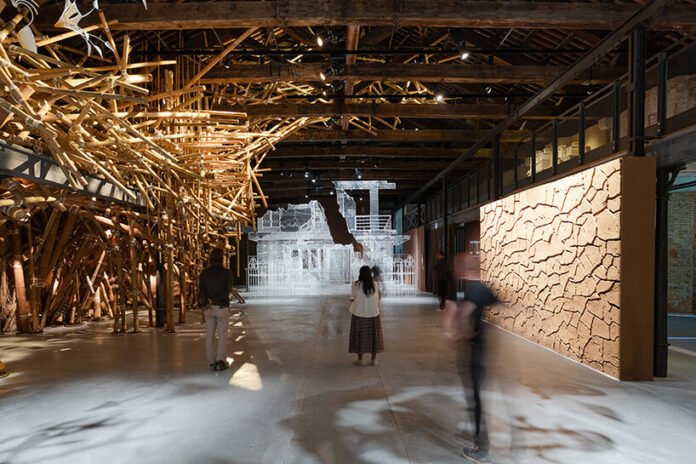
After a gap of seven years, India has returned to the prestigious Venice Biennale 2026 with a powerful and deeply emotional pavilion that explores the meaning of “home” through memory, migration and cultural identity. Titled Geographies of Distance: Remembering Home, the Indian Pavilion has emerged as one of the most talked-about presentations at the 61st International Art Exhibition in Venice, Italy.

Curated by renowned art historian Dr. Amin Jaffer, the pavilion features works by five contemporary Indian artists — Alwar Balasubramaniam, Sumakshi Singh, Ranjani Shettar, Asim Waqif and Skarma Sonam Tashi. Through sculpture, thread installations, organic materials and immersive spaces, the artists reflect on displacement, belonging and the emotional idea of home in a rapidly changing world.

One of the most visually striking works in the pavilion is by Delhi-based artist Sumakshi Singh, who has created a haunting architectural installation using delicate threads. The translucent structure resembles fragments of old Indian homes and ruins, evoking memories of migration and separation. The artwork has drawn widespread attention for its fragile beauty and emotional depth, with many viewers interpreting it as a metaphor for memories that survive even when physical spaces disappear.

The India Pavilion is located in Venice’s historic Arsenale area and marks India’s first participation at the Biennale since 2019. Officials have described the return as a statement of India’s growing cultural confidence and global artistic presence. The exhibition has been presented by the Ministry of Culture in collaboration with the Nita Mukesh Ambani Cultural Centre (NMACC) and the Serendipity Arts Foundation.

Unlike grand spectacle-driven exhibitions, India’s presentation this year focuses on quiet storytelling and material traditions. Natural fibres, earth, bamboo, clay and handcrafted techniques are central to the artworks, reflecting India’s long artistic heritage while addressing contemporary themes such as migration, identity and ecological change.

The pavilion also aligns closely with the Venice Biennale 2026 theme, In Minor Keys, envisioned by late curator Koyo Kouoh. Across the Biennale, artists are engaging with themes of memory, conflict, migration and human connection — and India’s contribution stands out for its poetic and deeply personal interpretation of these ideas.

India’s return to Venice is not just an artistic event but also a cultural milestone. It reflects how Indian contemporary art is increasingly gaining international recognition while remaining rooted in local traditions, histories and lived experiences. Through quiet yet powerful works, the India Pavilion reminds the world that home is not merely a place — it is memory, emotion and identity carried within us.

India’s Solar Revolution: Nation Adds Record 44 GW Capacity, Crosses Historic 150 GW Milestone

0

India has achieved a major milestone in its clean energy journey by crossing 150 gigawatts (GW) of installed solar power capacity after adding a record 44 GW in a single year. The achievement marks one of the fastest expansions of solar energy anywhere in the world and strengthens India’s position as a global renewable energy leader.

According to data released by the Ministry of New and Renewable Energy (MNRE), India’s total installed solar capacity reached around 150.2 GW by March 2026. The massive yearly addition of nearly 44.6 GW represents an increase of over 87% compared to the previous year, highlighting the rapid acceleration of the country’s green energy ambitions.

The growth has been driven by a combination of large-scale solar parks, rooftop solar installations and government-backed schemes. Programmes such as PM Surya Ghar, PM-KUSUM and the Production Linked Incentive (PLI) scheme for solar manufacturing have played a key role in boosting both solar adoption and domestic manufacturing capacity.

India is now the world’s third-largest producer of solar power, behind only China and the United States. Experts believe the latest achievement is significant not just for energy production, but also for climate action, energy security and economic growth. Solar energy reduces dependence on imported fossil fuels while helping India move closer to its target of achieving net-zero emissions by 2070.

A major contributor to this growth has been utility-scale ground-mounted solar projects. Rajasthan and Gujarat continue to lead the country in solar installations, with mega renewable energy parks transforming vast desert landscapes into power-generation hubs. Rajasthan’s Bhadla Solar Park remains one of the largest solar parks in the world.

At the same time, rooftop solar installations are expanding rapidly in urban and semi-urban India. The PM Surya Ghar scheme, launched to encourage households to install rooftop solar panels, has increased public participation in renewable energy generation. Farmers, too, are increasingly benefiting from solar-powered irrigation pumps under the PM-KUSUM scheme.

Despite the progress, challenges remain. Experts point to issues such as land acquisition, transmission infrastructure and dependence on imported solar components. However, the government’s push for domestic manufacturing through the PLI scheme is expected to reduce import dependence and strengthen India’s clean energy ecosystem.

India’s renewable energy expansion is increasingly being seen as both an environmental necessity and an economic opportunity. As global demand for clean energy technologies rises, the country is positioning itself not only as a major renewable energy consumer, but also as a future manufacturing and innovation hub in the green energy sector.

Cannes Film Festival 2026: Global Cinema, Glamour and Powerful Storytelling Take Centre Stage

0

The 79th edition of the Cannes Film Festival has officially begun in Cannes, France, turning the French Riviera once again into the world’s biggest celebration of cinema. Running from May 12 to May 23, the prestigious festival is already generating global buzz for its strong international film lineup, star-studded jury and renewed focus on auteur-driven storytelling.

This year’s Cannes is being chaired by acclaimed South Korean filmmaker Park Chan-wook, making him the first Korean jury president in the festival’s history. Joining him on the jury are major international names including Demi Moore, Chloé Zhao, Ruth Negga and Stellan Skarsgård. Together, they will decide the winner of the coveted Palme d’Or from 22 competing films.

One of the biggest talking points this year is Cannes’ visible shift away from Hollywood blockbusters toward international and independent cinema. Renowned filmmakers such as Pedro Almodóvar, Hirokazu Kore-eda and Asghar Farhadi are presenting highly anticipated films, reinforcing Cannes’ reputation as a platform for artistic and thought-provoking storytelling.

The festival opened with Pierre Salvadori’s film The Electric Kiss, while the red carpet has continued to draw attention worldwide for its elegance and fashion statements. Organisers have reportedly introduced stricter dress-code guidelines this year to maintain a more classic and sophisticated atmosphere on the iconic Cannes staircase.

India has also marked its presence at Cannes 2026. A restored 4K version of John Abraham’s Malayalam classic Amma Ariyan has been selected for the Cannes Classics section, continuing India’s growing recognition in film restoration and preservation.

Beyond awards and glamour, Cannes continues to shape the future of global cinema. Films premiered here often go on to dominate international film discussions and awards season. In 2026, the festival appears to be celebrating not just celebrity culture, but the enduring power of meaningful cinema and diverse voices from around the world.

India to Host First International Big Cat Alliance Summit in 2026

0

In a landmark move for global wildlife conservation, India is set to host the first-ever International Big Cat Alliance (IBCA) Summit in New Delhi on June 1–2, 2026. The summit marks a significant step in bringing nations together for the protection of the world’s most iconic big cat species and their habitats.

The International Big Cat Alliance, launched by India in 2023 during the 50th anniversary celebrations of Project Tiger, is a treaty-based global initiative dedicated to conserving seven major big cats — tiger, lion, leopard, snow leopard, cheetah, jaguar, and puma.

India, which is home to five of these seven species, has emerged as a leading voice in global wildlife conservation. The upcoming summit is expected to witness participation from heads of state, ministers, conservation experts, scientists, policymakers, and wildlife organisations from across the world. According to reports, more than 400 delegates and representatives from numerous member and observer countries are likely to attend the event.

The summit will be organised under the theme “Save Big Cats, Save Humanity, Save Ecosystem,” highlighting the crucial role big cats play in maintaining ecological balance and biodiversity. Apex predators such as tigers and lions are considered indicators of healthy ecosystems. Their conservation also protects forests, grasslands, water systems, and thousands of other species that share their habitats.

Union Environment Minister Bhupender Yadav recently launched the official summit website and logo, while also urging big cat range countries that are not yet members of the alliance to join the initiative. India has stressed that international cooperation is essential to tackle challenges such as habitat destruction, poaching, illegal wildlife trade, climate change, and increasing human-wildlife conflict.

One of the major highlights of the summit is expected to be the adoption of the proposed “Delhi Declaration,” a consensus document aimed at strengthening global commitments toward big cat conservation. The declaration is likely to focus on transboundary cooperation, scientific research, technological collaboration, wildlife monitoring, habitat restoration, and sustainable financing for conservation efforts.

The International Big Cat Alliance also seeks to promote South-South cooperation, allowing countries from Asia, Africa, and Latin America to share conservation strategies, expertise, and technological innovations. Advanced tools such as satellite monitoring, AI-based tracking, camera traps, and drone surveillance are expected to become central themes in future conservation planning.

The summit reflects India’s growing leadership in environmental diplomacy and wildlife conservation. Over the decades, initiatives such as Project Tiger have helped India revive its tiger population and establish itself as one of the world’s most successful conservation models. The IBCA now aims to replicate such collaborative success stories globally.

At a time when several big cat species face threats of extinction and shrinking habitats, the upcoming summit is being viewed as a historic effort to create a united international platform for conservation. By bringing nations together under a common mission, the IBCA Summit 2026 hopes to ensure that these magnificent animals continue to thrive in the wild for generations to come.

Remembering R. K. Narayan on His Death Anniversary: The Storyteller Who Gave India ‘Malgudi’

0

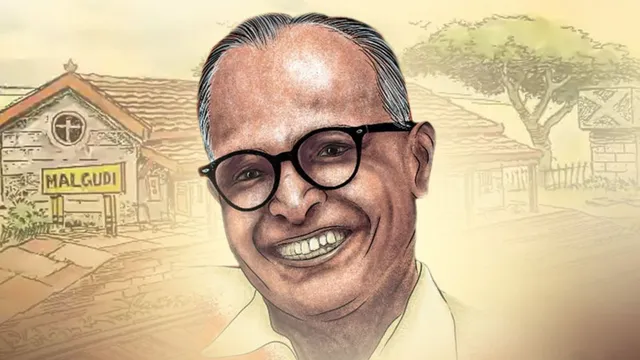
May 13 marks the death anniversary of R. K. Narayan, one of the most celebrated figures in Indian English literature. Even decades after his passing in 2001, Narayan continues to be remembered for his simple yet deeply insightful storytelling that captured the everyday life, emotions and social realities of ordinary Indians with warmth, humour and humanity.

Born as Rasipuram Krishnaswami Iyer Narayanaswami in 1906 in Madras (now Chennai), R.K. Narayan emerged as one of the pioneers of Indian writing in English alongside writers like Mulk Raj Anand and Raja Rao. At a time when Indian English literature was still finding its identity, Narayan’s works stood out for their simplicity, relatability and distinctly Indian setting.

Narayan is best remembered as the creator of Malgudi, the fictional South Indian town that became the backdrop for many of his novels and short stories. Introduced in his first novel, Swami and Friends, Malgudi evolved into one of the most iconic fictional settings in Indian literature. Through its streets, schools, markets and railway station, Narayan portrayed India in transition — balancing tradition, colonial influence, modernity and changing social values.

Among his most famous works are Malgudi Days, The Guide, The English Teacher, The Financial Expert and The Man-Eater of Malgudi. His novel The Guide received the Sahitya Akademi Award in 1960 and was later adapted into a critically acclaimed Hindi film starring Dev Anand.

What made R.K. Narayan unique was his ability to find extraordinary depth in ordinary life. His stories did not rely on dramatic events or grand heroes; instead, they focused on schoolboys, teachers, shopkeepers, astrologers and middle-class families navigating daily struggles and aspirations. Literary critics often praised his subtle humour, irony and compassionate understanding of human nature.

Narayan also played a major role in bringing Indian literature to international readers. British writer Graham Greene, who became Narayan’s mentor and friend, helped him find publishers in the West. Over time, his books gained recognition worldwide for authentically portraying Indian society without exoticism or stereotypes.

One of the biggest reasons Narayan remains relevant even today is the timeless appeal of his storytelling. The television adaptation of Malgudi Days in the 1980s introduced his stories to an entirely new generation and became a cherished part of Indian popular culture. Even today, many readers associate Narayan’s works with nostalgia, simplicity and childhood memories. Recent online discussions continue to reflect the emotional connection readers feel with characters like Swami and the world of Malgudi.

During his long literary career spanning more than six decades, Narayan received numerous honours including the Padma Bhushan, Padma Vibhushan and the Sahitya Akademi Fellowship. He was also nominated to the Rajya Sabha for his contributions to literature.

On his death anniversary, readers, writers and literature lovers continue to pay tribute to R.K. Narayan not just as a novelist, but as a storyteller who gave Indian literature a voice rooted in everyday life. Through Malgudi and its unforgettable characters, he created a literary universe that remains timeless, relatable and deeply human.

Who is Sri Sri Ravi Shankar? Celebrating the Spiritual Leader’s Birthday Today

0

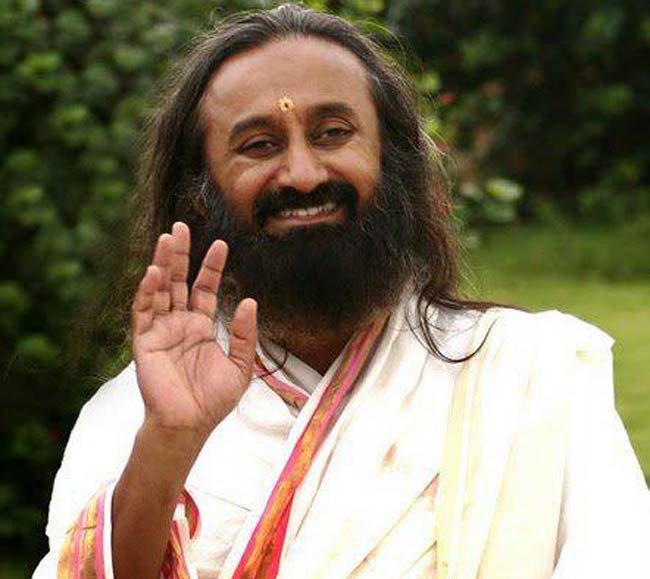
Today marks the birthday of Sri Sri Ravi Shankar, one of India’s most globally recognised spiritual and humanitarian leaders. Revered by millions of followers across the world, he is known for promoting meditation, peace, emotional well-being and human values through his teachings and the global movement he founded, the Art of Living Foundation.

Born on May 13, 1956, in Tamil Nadu, Sri Sri Ravi Shankar showed an early interest in spirituality and meditation. Over the years, he emerged as a spiritual teacher whose message centred around reducing stress, cultivating inner peace and building harmony among people. His followers often describe him as someone who simplified ancient Indian spiritual wisdom for modern life, making meditation and mindfulness accessible to people of all ages and backgrounds.

In 1981, he established the Art of Living Foundation, which has since grown into one of the world’s largest volunteer-based organisations operating in more than 180 countries. The foundation conducts programmes on yoga, breathing techniques, meditation and mental wellness, reaching students, professionals, rural communities and even prison inmates.

One of the organisation’s most recognised practices is the “Sudarshan Kriya,” a rhythmic breathing technique developed by Sri Sri Ravi Shankar. Supporters believe it helps reduce stress, anxiety and mental fatigue while improving emotional balance and clarity of mind. Over the years, the foundation’s wellness programmes have gained popularity globally, particularly in a fast-paced modern world increasingly focused on mental health and holistic living.

However, the Art of Living is not limited to spirituality alone. The organisation is also involved in humanitarian and social initiatives including rural development, education, environmental campaigns, disaster relief and youth empowerment projects. Volunteers from the foundation have participated in relief efforts during floods, earthquakes and health emergencies in India and abroad.

Sri Sri Ravi Shankar is also known internationally for his peace-building efforts. He has participated in dialogue and reconciliation initiatives in conflict-affected regions and has spoken at major global forums including the United Nations and the World Economic Forum. His teachings often emphasise compassion, non-violence and the idea that inner peace can contribute to peace in society.

Over the years, he has received numerous honours from governments and institutions worldwide. In 2016, he was awarded the Padma Vibhushan, India’s second-highest civilian award, for his contributions to spirituality and social service.

What makes Sri Sri Ravi Shankar especially revered among his followers is not only his spiritual teachings, but also the sense of community and service associated with his movement. For many, the Art of Living represents a blend of ancient Indian traditions and modern wellness practices aimed at improving both personal and social well-being.

As his birthday is celebrated today through meditation sessions, cultural programmes and service activities around the world, the occasion serves as a reminder of the global influence he continues to hold as a spiritual guide, humanitarian and advocate of peace.

RK Narayan Death Anniversary: Remembering the Creator of Malgudi 21 Years After His Passing

0

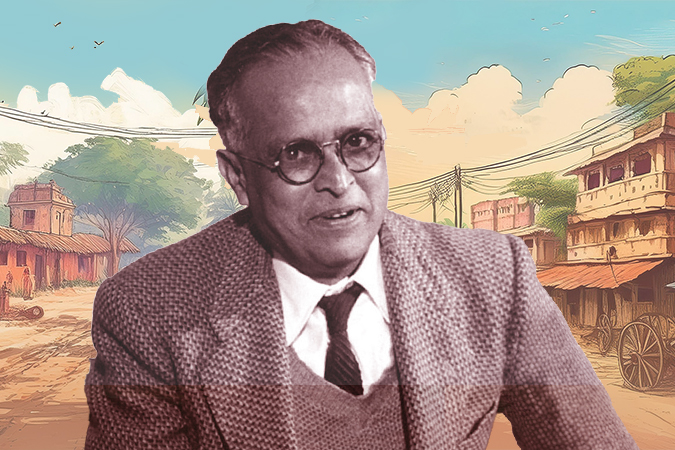
RK Narayan, born Rasipuram Krishnaswami Iyer Narayanaswami, remains one of India’s most beloved literary figures. Along with his contemporaries Mulk Raj Anand and Raja Rao, he played a defining role in shaping Indian English literature in the post-Independence era.

Best remembered as the creator of the fictional town of Malgudi, RK Narayan brought ordinary Indian life to the forefront through stories filled with simplicity, humour and quiet wisdom. His most celebrated works include Swami and Friends, Malgudi Days, The Man-Eater of Malgudi and The Guide, among many others.

Narayan was also among the first Indian writers after Independence to capture the attention of Western readers with his subtle storytelling and deeply human characters. On his death anniversary, observed on May 13, the nation remembers the legendary author who created a fictional universe that continues to charm readers across generations.

On the 21st death anniversary of R. K. Narayan, it feels only fitting to revisit a few delightful facts about the gentle storyteller who gave us Malgudi — a town more real to readers than many places on the map.

  1. Before the world knew him as RK Narayan, he was little “Kunjappa” at home — a nickname lovingly given by his grandmother, who raised him through much of his childhood.
  2. The celebrated British writer W. Somerset Maugham once travelled to India hoping to meet Narayan. Though the meeting never happened, Maugham left behind a letter full of admiration for the Indian novelist.
  3. Narayan’s name was considered for the Nobel Prize in Literature several times, though the honour ultimately eluded him.
  4. His quiet brilliance travelled far beyond Malgudi, earning him honorary membership in the American Academy of Arts and Letters.
  5. He was also awarded the prestigious AC Benson Medal by the Royal Society of Literature.
  6. It was the English novelist Graham Greene who first recognised the charm of Malgudi Days and recommended the manuscript to publisher Hamish Hamilton.
  7. Narayan received his first honorary doctorate from the University of Leeds.
  8. The Rockefeller Foundation invited him to the United States on a fellowship, during which he delivered lectures at renowned institutions including the University of California, Berkeley.
  9. India honoured him with both the Padma Bhushan and the Padma Vibhushan for his immense contribution to literature.
  10. His unforgettable novel, The Guide, won the Sahitya Akademi Award and remains one of the finest works in Indian English literature.

Even today, somewhere between Swami’s schoolboy adventures and the quiet wisdom of Malgudi’s streets, RK Narayan continues to live on.