Scientists working in Antarctica have identified the oldest directly dated ice and air sample on Earth from the Allan Hills region of East Antarctica. The sample contains tiny air bubbles in 6-million-year-old ice and was dated through argon isotope analysis of trapped air.
Allan Hills Ice and Air Sample
The Allan Hills site lies in East Antarctica, a region known for ancient blue ice exposures. The sample from this area provides directly dated air, which is different from older climate records inferred from other proxies. The ice sample is 6 million years old and contains trapped air bubbles that preserve ancient atmospheric composition. The dating work found evidence of about 12 degrees Celsius of long-term cooling in Antarctica over the last 6 million years.
Scientific Institutions and Publication
The discovery was made by a team affiliated with the National Science Foundation-funded Center for Oldest Ice Exploration, also known as COLDEX. The study was led by Sarah Shackleton of Woods Hole Oceanographic Institution and John Higgins of Princeton University. The findings were published in the Proceedings of the National Academy of Sciences in late October 2025. The research used isotope measurements from argon in the trapped air bubbles to establish the age of the ice.
Beyond EPICA and Antarctic Ice Cores
The European Beyond EPICA–Oldest Ice project completed its final Antarctic campaign in May 2026. The project recovered a 1.7-mile, or 2.8-kilometre, ice core from Little Dome C in East Antarctica. This core dates back 1.2 million years and contains trapped air bubbles with greenhouse gases such as carbon dioxide and methane. The project involves 14 laboratories across 10 European countries and studies the Mid-Pleistocene Transition, when the rhythm of Earth’s ice ages changed.
Important Facts
Antarctica is the coldest continent and contains the largest reserve of fresh water on Earth in the form of ice.
Ice cores are cylindrical samples drilled from glaciers or ice sheets and are used to study past climate and atmospheric composition.
Argon isotopes are used in geochronology because noble gases can remain trapped in ancient air bubbles.
The Mid-Pleistocene Transition occurred roughly between 1.2 million and 0.7 million years ago and altered glacial cycles.
Directly Dated Air and Continuous Ice Records
The Allan Hills sample is the oldest directly dated air known from ice. The Beyond EPICA core is the longest continuous ice record recovered from Antarctica and serves a different scientific purpose.
The Netherlands has officially returned the famous Anaimangalam copper plates, also known as the Leiden Plates, to India. But this was more than the return of centuries-old inscriptions. For historians, archaeologists, and heritage lovers, it marked the homecoming of a lost piece of India’s past, a silent witness to the glory of the Chola Empire that had spent generations far from the land where its story began.
The story of the plates begins during the reign of the great Chola emperor Rajaraja Chola I, who ruled South India from 985 CE to 1014 CE. His empire was powerful, wealthy, and deeply connected to trade routes across Asia. Rajaraja Chola I is remembered not only as a conqueror but also as a visionary ruler who built the magnificent Brihadisvara Temple, now recognised as a UNESCO World Heritage Site.
During his reign, the Anaimangalam copper plates were created to record royal grants and tax arrangements for the Chudamani Vihara, a Buddhist monastery located at Nagapattinam in present-day Tamil Nadu. In ancient India, copper-plate inscriptions were the official documents of kings. They preserved important announcements such as land donations, tax exemptions, and royal orders. Unlike paper, copper could survive centuries.
A joyous moment for every Indian!
Chola Copper Plates dating back to the 11th Century will be repatriated to India from the Netherlands. Took part in the ceremony for the same in the presence of Prime Minister Rob Jetten.
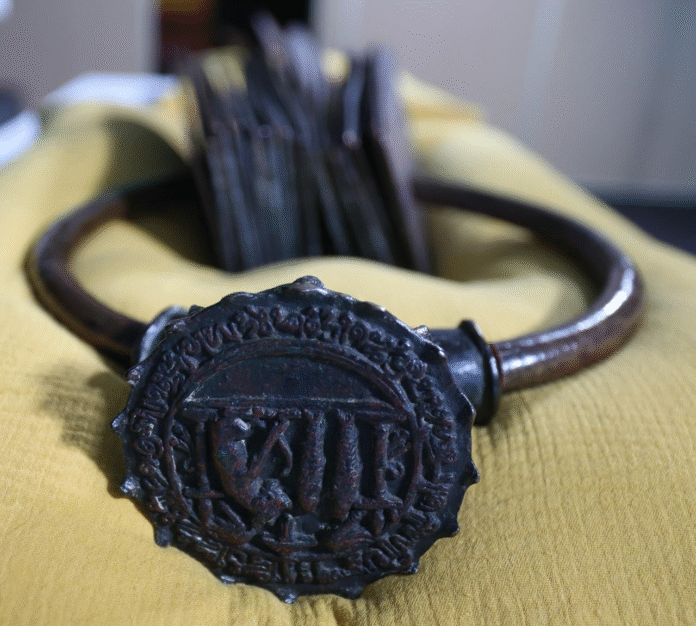
The plates themselves are remarkable. The collection contains 21 large plates and three smaller ones, weighing nearly 30 kilograms altogether. They are held together by a thick copper ring stamped with the royal seal of the Cholas — a symbol of authority and power from an empire that once ruled much of South India between the 9th and 13th centuries.
But over time, the plates drifted far from home.
In the 18th century, Dutch official Florentius Camper acquired them on the Coromandel Coast, then part of the Dutch colonial sphere in India. Eventually, the artefacts were taken to Leiden University in the Netherlands, where they remained for generations. Scholars studied them, historians translated them, and museums preserved them — yet the plates stayed separated from the land whose story they told.
The return of the Leiden Plates did not happen overnight. It followed years of diplomatic discussions between India, the Dutch government, and Leiden University. In 2022, the Netherlands introduced a restitution policy for colonial-era artefacts, opening the path for the return of cultural treasures taken during colonial times.
When the copper plates finally returned to India in 2026, the moment carried deep symbolic meaning. It reflected a growing global effort to restore cultural property to its rightful home. More than ancient objects, these plates are witnesses to India’s rich past — to the administrative brilliance of the Cholas, the spread of Buddhism in South India, and the enduring power of written history.
After centuries abroad, the voice engraved on copper had come home again.
The Internet is powered by data created by billions of people — and AI has already consumed most of it. So what happens next?
The true power of AI lies in data. While many people assume that code is the core of artificial intelligence, in reality, code is only a small part of the equation. AI learns patterns, decision-making, and contextual understanding from massive amounts of data. Without data, AI loses its ability to learn, make predictions, and function intelligently.
But why does AI need a constant flow of data? The answer lies in how these systems operate. The reason we can receive real-time global updates from large language models (LLMs) is because AI models require periodic retraining as the world changes. They need fresh information to remain relevant and accurate. Unlike traditional software, AI systems cannot simply run indefinitely on static programming — they evolve through continuous learning. Without updated data, their performance gradually degrades as they face constantly changing environments.
This brings us to the rise of synthetic data.
Think of surgeons practicing on lifelike dummies before performing real operations. They use simulations because mistakes in actual surgeries are too costly. Synthetic data functions in a similar way. It is artificially generated information designed to mimic real-world data, allowing AI systems to train without depending entirely on real human-generated datasets.
Synthetic data offers several advantages. It is cost-effective, easier to scale, and can help reduce bias because researchers can manipulate and balance datasets more efficiently. It also addresses growing concerns around privacy and copyright. In industries like finance and healthcare, real-world data often contains highly sensitive information that can lead to privacy breaches or legal complications. Synthetic datasets provide a safer alternative.
One of the primary methods used to generate synthetic data is through advanced machine learning systems such as Generative Adversarial Networks (GANs). These models create highly realistic images, videos, audio, and other forms of data that closely resemble real-world variations. Many people today encounter AI-generated images or videos so realistic that they fail to recognize they are artificial. Given the pace of AI development over the past three years, distinguishing between real and synthetic content is only expected to become more difficult.
Its realism is both fascinating and unsettling.
This raises an important question: can synthetic data eventually replace a significant portion of real-world data due to its limitless availability?
Major organizations across finance, healthcare, and technology are already embracing synthetic data to overcome data scarcity and regulatory barriers. Technology giants such as NVIDIA, Meta, Google, and Microsoft are using it to simulate 3D environments, improve computer vision systems, advance spatial computing, and train voice assistants and natural language processing models. Financial institutions including Wells Fargo and JPMorgan Chase are using synthetic datasets to train fraud detection systems and conduct regulatory stress testing for financial AI models.
However, synthetic data is far from perfect.
While it offers solutions related to privacy, scale, and accessibility, it also introduces significant risks. One of the biggest concerns is “model collapse,” where AI systems gradually lose their connection to real-world human behavior. In this recursive cycle, models begin learning from AI-generated data rather than authentic human-created information, resulting in performance decay and distorted outputs over time.
Bias is another major issue. Although synthetic data can help reduce discrimination, it can also amplify existing biases if the original seed data used to generate it is flawed. In such cases, AI systems may unknowingly normalize and reproduce discriminatory patterns at a much larger scale. Synthetic datasets may also fail to accurately represent cultural, regional, or demographic diversity, potentially harming underrepresented communities.
Another danger is the development of false confidence within AI systems. If synthetic and real-world data are mixed without proper monitoring and validation, models may appear accurate while drifting further away from reality.
The internet was built by humans, for humans. But the data powering tomorrow’s AI systems may not come from the real world at all.
The defining question for the future is no longer whether synthetic data will shape AI — it already is. The real question is how far it will take AI away from its human origins.
(The writer of this article is Snigdha, a B.Tech student from BITS Dubai)
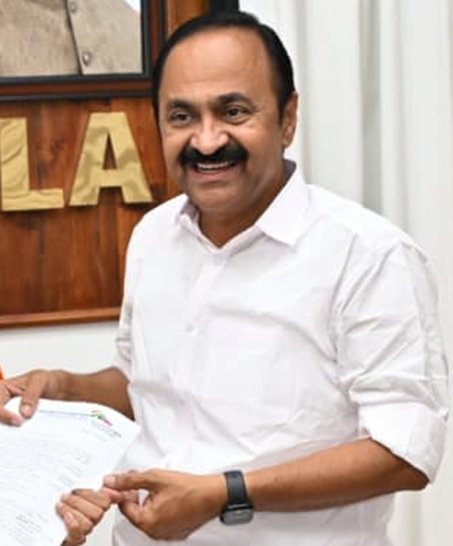
V. D. Satheesan has emerged as one of the most prominent faces in Kerala politics after being chosen as the new Chief Minister of Kerala following the Congress-led United Democratic Front’s sweeping victory in the 2026 Assembly elections. Known for his sharp debating skills, grassroots political connect, and consistent organisational work within the Congress party, Satheesan’s rise marks a significant political transition in the state after a decade of Left Democratic Front rule.
Born on May 31, 1964, in Nettoor near Kochi in Ernakulam district, Vadassery Damodaran Satheesan comes from a middle-class family. He pursued his education in Kerala and later completed postgraduate studies in Social Work along with degrees in law. Before entering full-time politics, Satheesan practised as an advocate in the Kerala High Court for nearly a decade, which helped shape his reputation as a strong legal and policy-oriented thinker.
His political journey began through student politics. During his college years, he was actively associated with the National Students’ Union of India (NSUI) and later rose through the ranks of the Indian National Congress organisation in Kerala. He served as chairman of the Mahatma Gandhi University Union and gradually established himself as a dedicated party worker with strong organisational abilities.
Satheesan first contested the Kerala Assembly elections in 1996 from the Paravur constituency but lost in what was then considered a Communist stronghold. However, he made a successful comeback in 2001 by winning the seat and has retained it continuously ever since. Over the years, he built a reputation as a consistent performer and articulate legislator inside the Kerala Assembly.
Within the Congress party, Satheesan was often viewed as a leader who steadily rose despite factional politics and internal challenges. Though several top organisational positions reportedly eluded him in earlier years, he remained active and loyal to the party structure. His persistence eventually paid off when he was appointed Leader of the Opposition in the Kerala Legislative Assembly in 2021 after the Congress defeat in that year’s Assembly elections.
As Opposition leader, Satheesan became one of the strongest critics of the Left government led by Pinarayi Vijayan. He actively raised issues related to corruption allegations, governance, unemployment, and welfare delivery. His aggressive campaigning and leadership during the 2026 elections are widely credited for helping the UDF secure a massive mandate of over 100 seats in the 140-member Assembly.
Political observers often describe Satheesan as a leader who combines traditional Congress ideology with a modern communication style. He is known for his secular political positioning, organisational discipline, and ability to connect with both youth and grassroots workers. During the election campaign, he strongly projected themes of welfare, governance reforms, women’s empowerment, and employment opportunities.
Now, as Chief Minister, V.D. Satheesan faces the challenge of fulfilling the promises made during the election campaign while steering Kerala through economic and developmental challenges. For many Congress supporters, his appointment represents the rise of a leader who spent decades patiently building his political career through perseverance, public engagement, and steady leadership.
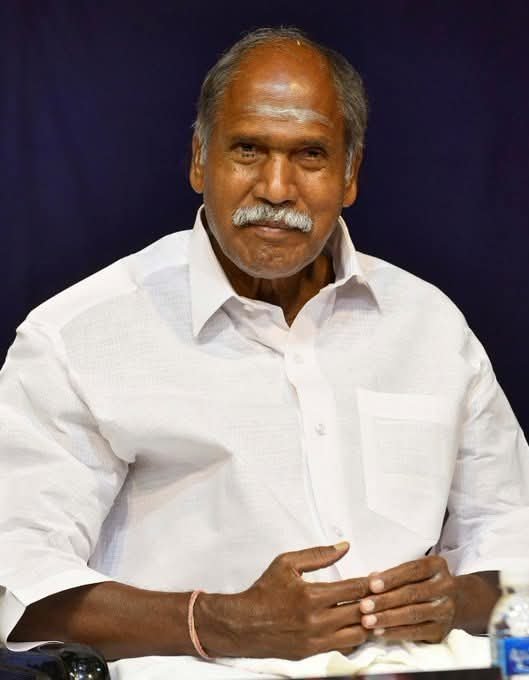
N. Rangasamy is one of the most influential and widely recognised political leaders in Puducherry. Known for his simple lifestyle, welfare-oriented governance, and strong grassroots connection, Rangasamy has played a major role in shaping Puducherry’s political landscape for more than two decades. In 2026, he created history by becoming the Chief Minister of Puducherry for the fifth time, further cementing his position as one of the Union Territory’s most enduring political figures.
Born on August 4, 1950, in Puducherry, N. Rangasamy’s full name is Natesan Krishnasamy Gounder Rangasamy. He completed his Bachelor of Commerce degree from Tagore Arts College and later earned a law degree from Dr. Ambedkar Government Law College in Puducherry. Before entering active politics, he developed a reputation as a calm and approachable public figure.
Rangasamy began his political journey with the K. Kamaraj-inspired Congress tradition in southern India. He entered the Puducherry Legislative Assembly in 1990 as a Congress candidate from the Thattanchavady constituency. Over the years, he served in various ministerial positions and gradually emerged as one of the most popular leaders in the Union Territory.
He first became Chief Minister of Puducherry in 2001 as a Congress leader and quickly gained popularity for his welfare schemes and development initiatives. During his tenure, he introduced several public welfare programs related to education, housing, healthcare, and social welfare. Schemes such as subsidised housing, educational assistance for students, free textbooks, and welfare pensions earned him strong support among ordinary citizens.
Due to his simplicity and accessible leadership style, Rangasamy earned the nickname “Junior Kamaraj,” referring to the legendary Tamil Nadu leader K. Kamaraj. Unlike many politicians, he became known for travelling with minimal security and maintaining close contact with the public. His supporters often refer to him as “Makkal Mudhalvar,” meaning “People’s Chief Minister.”
However, political differences with the Congress leadership led him to resign as Chief Minister in 2008. In 2011, he broke away from the Congress and founded his own regional party, the All India N.R. Congress (AINRC). The move proved highly successful, as the party won the 2011 Assembly elections and brought Rangasamy back to power.
Since then, Rangasamy has remained a dominant force in Puducherry politics. Under his leadership, the AINRC formed alliances with the BJP-led NDA and retained power in subsequent elections. In 2026, he once again took oath as Chief Minister for a historic fifth term, highlighting his continued popularity and influence in the region.
Rangasamy is also known for advocating greater autonomy and even statehood for Puducherry, often arguing that the Union Territory requires stronger administrative powers for faster development.
Over the years, N. Rangasamy has built an image of a grounded, welfare-driven leader who combines regional politics with practical governance. Whether admired for his simplicity, political resilience, or development initiatives, he remains one of the defining faces of Puducherry’s modern political history.
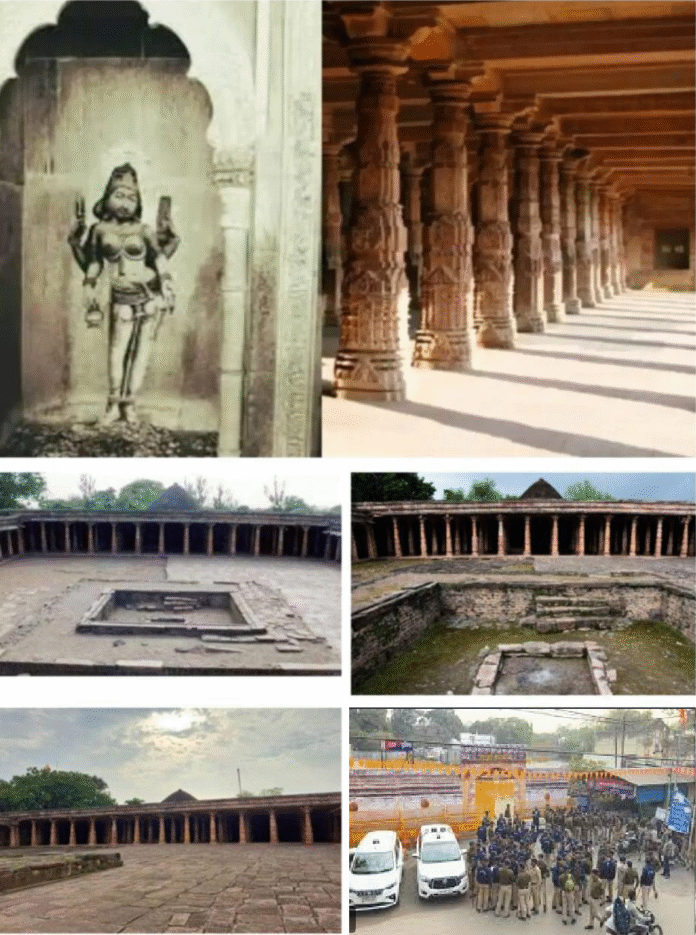
In a landmark judgment that has reignited national discussion around historical religious sites in India, the Madhya Pradesh High Court has declared the disputed Bhojshala complex in Dhar as a temple dedicated to Goddess Saraswati, also known as Vagdevi. The court quashed the Archaeological Survey of India’s 2003 arrangement that had allowed Muslims to offer Friday namaz at the site while restricting Hindu worship to specific days and timings.
The verdict is being viewed by many Hindu groups as a historic moment and a major legal recognition of the site’s original religious character. Celebrations were reported in several parts of Madhya Pradesh after devotees gathered to offer prayers at the complex following the judgment.
#WATCH | Dhar, Madhya Pradesh | On Dhar-Bhojshala case, advocate Vishnu Shankar Jain says, "The Indore High Court has delivered a historic verdict, partially setting aside the ASI's order dated April 7, 2003. Furthermore, the Court has granted the Hindu side the right to worship… pic.twitter.com/gilTokeGJy
Bhojshala is an ancient monument located in Dhar district of Madhya Pradesh and has long been at the centre of a religious and historical dispute. Hindus regard the site as a temple of Goddess Saraswati and a renowned Sanskrit learning centre established during the reign of the Paramara king Raja Bhoj in the 11th century. Muslims, on the other hand, have referred to the site as the Kamal Maula Mosque, associated with Sufi saint Kamaluddin Chishti.
According to historical accounts, Raja Bhoj established Bhojshala around 1034 AD as a centre for education, literature, and worship dedicated to Goddess Saraswati. Over the centuries, invasions and political changes altered the structure, and Islamic additions including domes and tombs were introduced during the medieval period.
For decades, the site remained under ASI protection, with a controversial arrangement permitting Hindus to worship on Tuesdays and Muslims to offer namaz on Fridays. Tensions frequently arose, especially when Hindu festivals coincided with Friday prayers.
What Did the Court Say?
The Indore bench of the Madhya Pradesh High Court ruled that the religious character of the disputed complex is that of Bhojshala and a temple of Goddess Vagdevi (Saraswati). The court stated that historical records, inscriptions, and archaeological findings strongly establish the site’s Hindu origin and continuity of Hindu worship.
The High Court also set aside the 2003 ASI order that had allowed namaz within the premises. However, the court noted that the Muslim community may seek alternate land for the construction of a mosque elsewhere in Dhar.
Importantly, the court observed that the structure was originally a Sanskrit learning centre and Saraswati temple established during Raja Bhoj’s reign and that later modifications did not erase its original religious identity.
VIDEO | Dhar, Madhya Pradesh: Inside visuals from Bhojshala as people offer puja, a day after Madhya Pradesh High Court's verdict which stated that the complex is a temple dedicated to Goddess Saraswati.#Bhojshala#Dhar
One of the strongest aspects of the case was the extensive archaeological evidence presented before the court. Following a High Court order in 2024, the ASI conducted a detailed scientific survey of the complex over nearly 100 days and submitted a report exceeding 2,000 pages.
According to the ASI findings cited in court: ●More than 90 sculptures and over 150 Sanskrit inscriptions were discovered. ●Architectural remains and carvings associated with Hindu temple construction were found across the site. ●Pillars, motifs, and structural elements indicated reuse of temple material in later Islamic construction. ●Historical and literary references linked the site directly to Raja Bhoj and Saraswati worship.
The court also referred to principles used in the Ayodhya judgment, where archaeological and historical evidence played a major role in determining the original religious character of disputed land.
Response from the Other Side
Muslim organisations and groups opposing the verdict expressed disappointment and concern. Some organisations argued that the judgment reflected growing fears among the Muslim community after the Ayodhya verdict and raised concerns about the interpretation of the Places of Worship Act.
They maintained that the site had also functioned as a mosque for centuries and questioned aspects of the interpretation of historical evidence. Legal and community discussions around the verdict are expected to continue.
Why the Verdict is Significant
For many Hindus, the judgment represents the restoration of a sacred site linked to India’s civilisational and educational heritage. The recognition of Bhojshala as a Saraswati temple is being viewed as an acknowledgment of historical evidence and continuity of worship traditions that had existed for centuries.
Alauddin Khilji captured Bhojshala, but even centuries of invasion couldn't erase Sanatan.
— Saffron Chargers (@SaffronChargers) May 15, 2026
The verdict has also strengthened discussions around the preservation of ancient Indian heritage sites and the importance of archaeological evidence in resolving historical disputes. Supporters of the decision argue that the judgment honours India’s cultural history while providing legal clarity on a dispute that lasted decades.
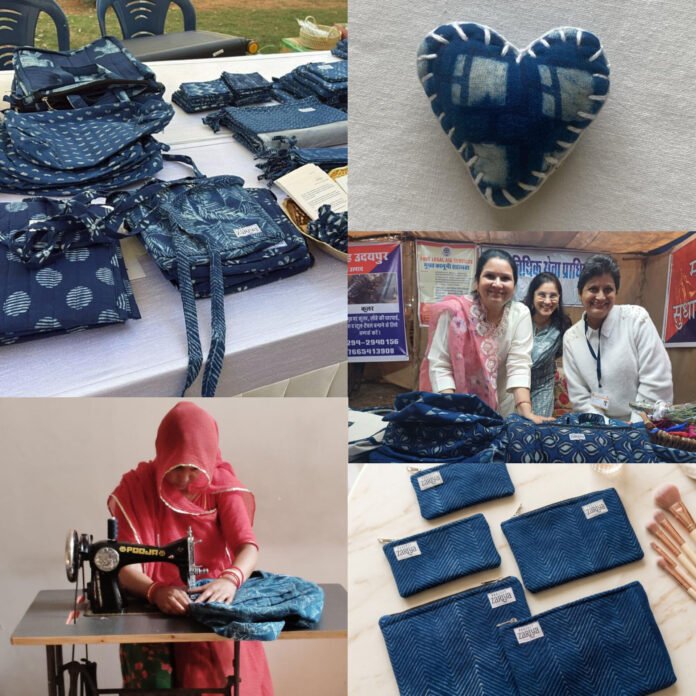
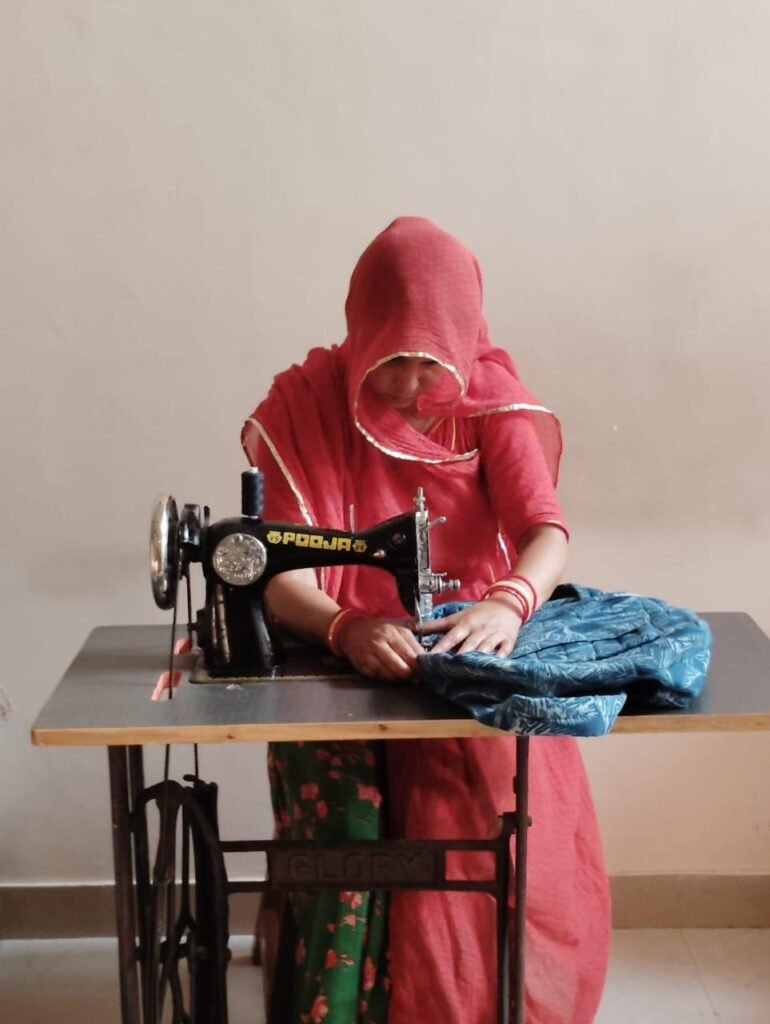
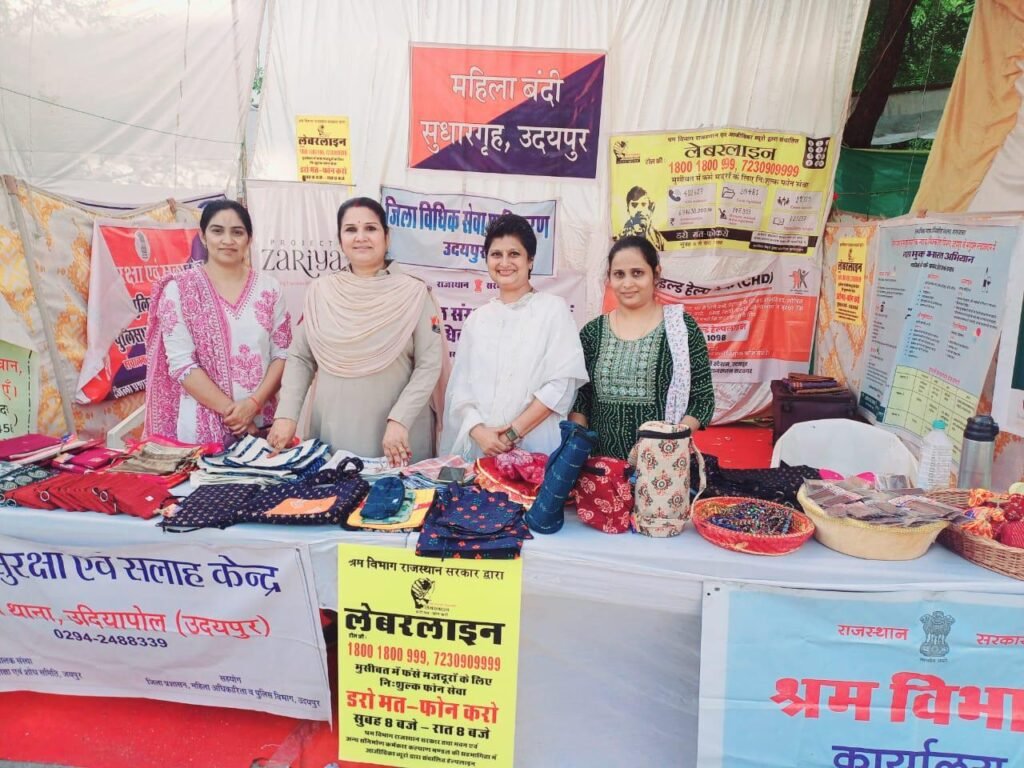
In a society where people are often defined forever by their mistakes, Project Zariya is attempting to rewrite that narrative through compassion, livelihood and rehabilitation. Co-founded by Radhika Somani and Haseena Chakkiwala, Project Zariya works closely with incarcerated and formerly incarcerated individuals, especially women, helping them rebuild confidence, learn skills and create sustainable livelihoods through handmade products rooted in craftsmanship and storytelling.
What began with a small Diwali initiative making diyas has today evolved into a social enterprise focused on dignity, second chances and long-term rehabilitation. Through workshops, skill-building and sustainable handcrafted products, Zariya is not just creating items, it is creating pathways back into society.
The EBNW Story, in conversation with co-founder Radhika Somani, spoke about the journey behind Zariya, the emotional realities of working with prison communities, resilience, entrepreneurship, and the larger social change she hopes to create through second chances, dignity and rehabilitation.
1. What was the turning point or personal experience that inspired you to start Zariya?
Radhika Somani: “The Art of Living program sparked the idea. In our first year we made around 500 diyas; over time we produced about 4,000. That’s how Project Zariya began, to make Diwali special. After Diwali ended, we asked ourselves what next. At that time plastic bans were coming in, so we thought of making reusable bags and teaching sewing. We collected cloth from people and got sewing machines. We mostly trained women who didn’t know any skills: we taught them to run the machines and make simple grocery bags. As they learned, many showed enthusiasm. Some enjoyed painting, so we gave them drawing materials; others liked beadwork and made friendship bands. Everyone in the group worked together. We ran many workshops and kept at it, and gradually we reached the level we’re at today.”
2. The name Zariya itself feels meaningful and symbolic — how did it come to you, and what does it represent?
Radhika Somani: “The name Zariya came from the idea of being a means, a way to give people a second chance. For those inside jails, society is very harsh; it’s difficult for them. We wanted to give them another chance and restore their confidence.”
3. For someone discovering Zariya for the first time, how would you describe what the organisation truly does?
Radhika Somani: “We focus on upliftment and helping people. Zariya is about giving back to society. When we recognize our own privilege and stability, we want to uplift those who don’t have the same opportunities. That impulse led to this work.”
4. Why did you choose to work in the space of rehabilitation and second chances, an area many people hesitate to engage with?
Radhika Somani: “As an Art of Living teacher, I was involved in sessions that include meditation and finding inner peace. Those programs are often run inside prisons to help inmates confront their mistakes and start the process of reform. We realized people are not always born criminals; many end up in desperate situations that push them to make wrong choices. Especially for women, difficult circumstances can lead to severe consequences. So we wanted to give them a second chance to rebuild and stand in society.”
5. Your work blends social impact with craftsmanship and entrepreneurship. How do Zariya’s products carry stories beyond their design?
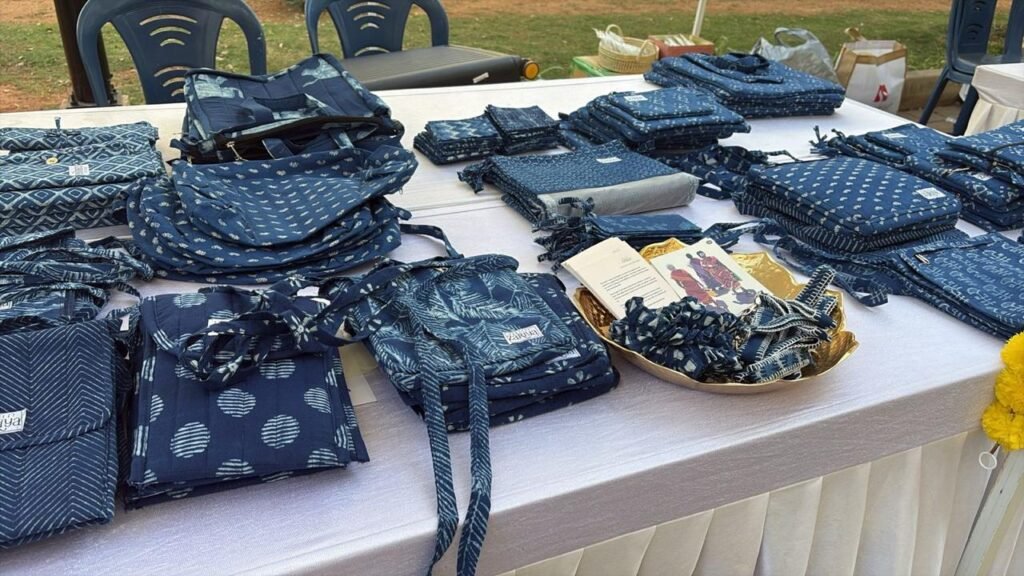
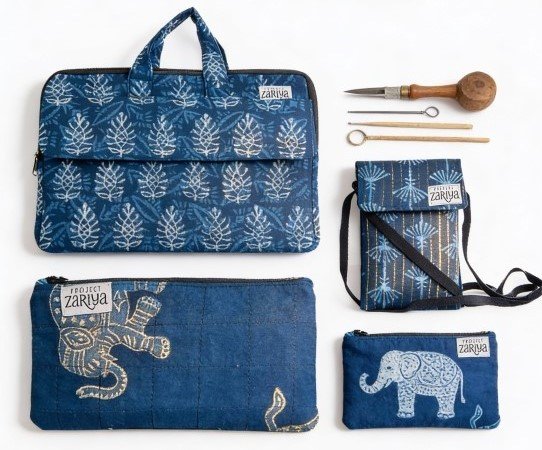
Radhika Somani: “A friend from my neighborhood, Rishita Soni, encouraged me to work with a specific cloth. We used indigo waste material from a factory and improvised with it. The waste indigo became our selling point because it was sustainable and attractive. We built products around what these women from villages already knew or were passionate about. Over five years we incorporated their ideas into our products, so each item carries the makers’ stories and skills.”
6. Was it difficult in the beginning to make people trust or support products made by incarcerated or formerly incarcerated individuals?
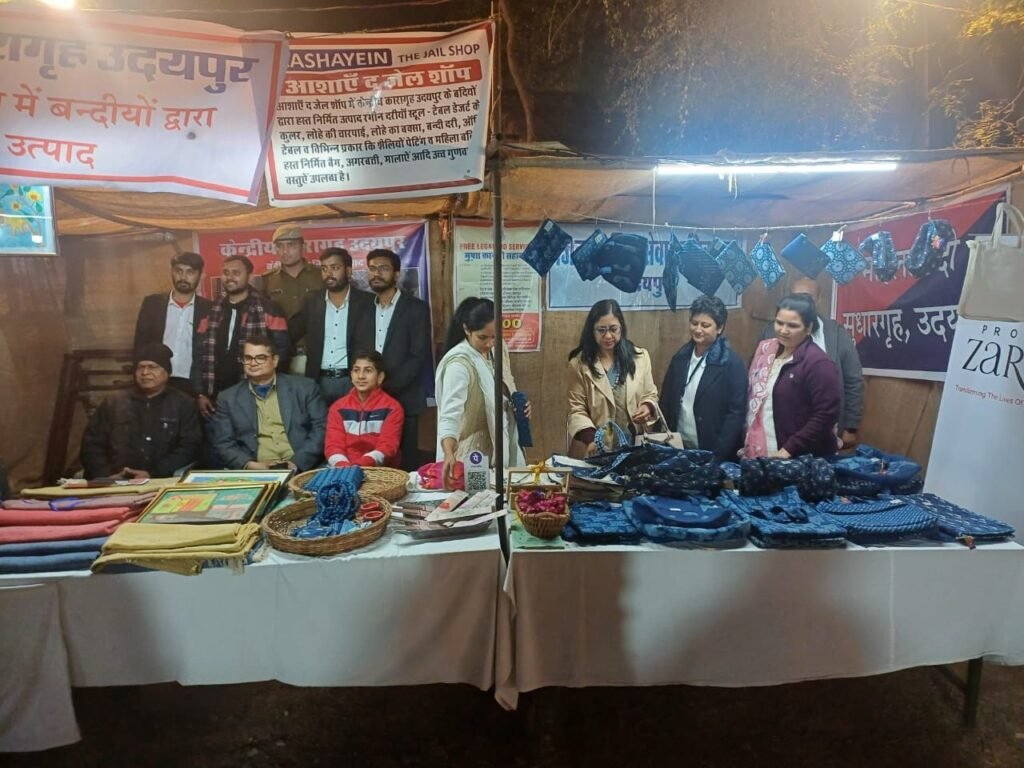
Radhika Somani: “Yes, it was very difficult at first. We addressed it through regular information and awareness, explaining the energy and social cause behind the products and showing we support the inmates’ families. We started with government fairs, then got into Shilpgram, which gave us more visibility. Because police and jail authorities backed the project, customers gained trust; seeing trusted institutions support us helped a lot.”
7. In a society that is quick to judge, how challenging is it to rebuild dignity and confidence for the people you work with?
Radhika Somani: “We rebuilt dignity by continuously giving them work and steady orders. That consistent engagement diverted their minds from imprisonment and shifted their mindset toward entrepreneurship. Even small payments made them feel they could do something for themselves. That growing confidence restored much of their dignity. We teach them skills and provide machines so they can rebuild their lives after release.”
8. Is there one individual story or interaction through Zariya that deeply stayed with you or changed your perspective?
Radhika Somani: “Yes. There was a woman who, while deeply depressed, had committed murder. Through Art of Living workshops and meditation she recovered from depression, and now she teaches other inmates and spreads education among them. She transformed from being in despair to helping others, that story stayed with me.”
9. As a woman founder building a social enterprise, what were some struggles or biases you personally faced?
Radhika Somani: “The main struggles were around paperwork and documentation but family support helped me manage those. There was also bias, people questioned why I worked with inmates instead of other groups. But I began this work through the Art of Living, and I see it as seva (service) given to me by my guru, so I persisted despite criticism.”
10. Many NGOs focus on immediate help, but Zariya focuses on livelihood and reintegration. Why is long-term rehabilitation so important to you?
Radhika Somani: “Commitment and handholding are crucial. Inside prison they need structure and activity to avoid depression and lethargy. Outside, many don’t believe there’s anything for them. When an organization provides ongoing support and a willingness to help, they’re more willing to leave the jail environment and try rebuilding their lives. Long-term support builds confidence and allows reintegration.”
11. How do you balance emotional sensitivity with the practical challenges of running and sustaining an organisation?
Radhika Somani: “As an Art of Living faculty, I’ve learned skills and values that help me run the organization. Those practices guide my emotional resilience and practical decision-making.”
12. Do you think consumers today are becoming more conscious about ethical, handmade and impact-driven products?
Radhika Somani: “Yes. With so many products on the market and e-commerce selling questionable goods, people are looking for sustainable options. Our work is sustainable and we maintain quality while updating designs to match fashion. Handmade items have unique qualities that machine-made products lack, and that uniqueness, combined with a story and impact, appeals to buyers. So our products are fashion-driven, handmade, unique, and impact-driven, and we keep quality high.”
13. Looking back at the vision you started with, how far do you think Zariya has come in creating real impact?
Radhika Somani: “We have helped many people become socially and economically settled. We support their families and give them respect and a path in life. They now have goals and a way forward. Even though we’re a small operation, we go out of our way to help them find direction and stability.”
14. What has this journey taught you about people, resilience and second chances?
Radhika Somani: “The surface reality is different from people’s real stories; you have to go on the journey to uncover those stories. We work with people both inside jail and after release, maintaining long-term contact. This work has taught me about resilience and the power of second chances. Over six years we’ve faced many ups and downs and policy changes, but we’ve persisted and remained resilient.”
15. Beyond expansion or numbers, what is the larger social change you hope Zariya contributes to in the future?
Radhika Somani: “We want to change mindsets. I hope to create an industry or ashram-like home where these people can live and work with us. They should have a place to stay and a place to earn , a department or facility that provides both shelter and livelihood.”
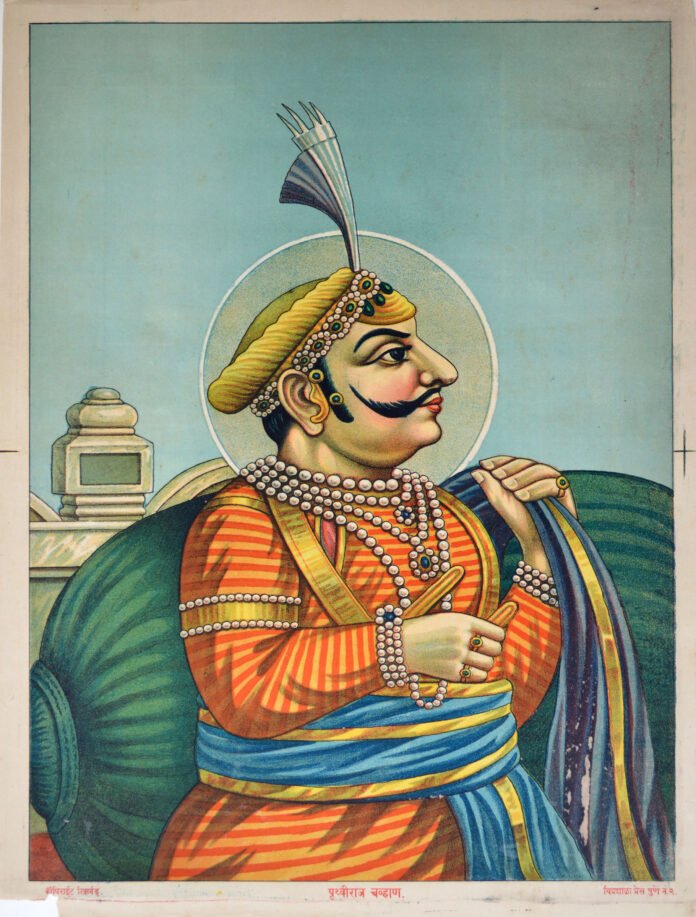
Prithviraj Chauhan Jayanti is celebrated every year on May 16 to honour the birth anniversary of Prithviraj Chauhan, one of the most celebrated warrior kings in Indian history. Revered for his bravery, leadership, and resistance against foreign invasions, Prithviraj Chauhan continues to hold a significant place in India’s historical and cultural memory, especially in states like Rajasthan, Haryana, and Uttar Pradesh.
Born in 1166 CE to King Someshvara and Queen Karpuradevi of the Chauhan dynasty, Prithviraj Chauhan ascended the throne of Ajmer at a very young age after the death of his father. Despite becoming king at just around 11 years old, he soon established himself as a capable ruler and fearless warrior. Under his leadership, the Chauhan kingdom expanded across large parts of present-day Rajasthan, Delhi, Haryana, Punjab, and Uttar Pradesh.
Prithviraj Chauhan is widely remembered for his military strength, political leadership, and exceptional skills in warfare. Historical accounts and folklore describe him as a master archer and a multilingual ruler proficient in several languages. His courage and determination earned him immense respect among his contemporaries.
One of the most defining chapters of his life was his resistance against the invading forces of Muhammad Ghori. In the famous First Battle of Tarain in 1191 CE, Prithviraj Chauhan successfully defeated Ghori, marking a significant victory for the Rajput forces. However, in the Second Battle of Tarain in 1192 CE, Ghori returned with a stronger army and defeated Prithviraj, leading to a major turning point in medieval Indian history.
Beyond his military achievements, Prithviraj Chauhan also became a legendary cultural figure through stories, poems, and folklore. His romantic tale with Princess Sanyogita remains one of the most famous legends in Indian history. Their story, along with his heroic deeds, is immortalised in the epic poem Prithviraj Raso, composed by his court poet and close companion Chand Bardai.
Prithviraj Chauhan Jayanti is celebrated with great enthusiasm in many parts of northern India. Cultural programs, processions, flag-hoisting ceremonies, martial art demonstrations, and historical reenactments are organised to honour his legacy. In Ajmer, where much of his history is associated, people visit memorials and historical sites linked to the king, including the famous Prithviraj Chauhan Memorial and Taragarh Fort.
The occasion also serves as a reminder of the values Prithviraj Chauhan symbolised — courage, patriotism, honour, and sacrifice. For many, he represents the spirit of resistance and the pride of Rajput heritage.
Even centuries after his reign, Prithviraj Chauhan remains a symbol of bravery and heroism in Indian history. His life continues to inspire literature, cinema, folk traditions, and public memory, making his Jayanti not only a celebration of a king but also a tribute to India’s rich historical legacy.
National Dengue Day is observed every year in India on May 16 to raise awareness about dengue fever, its prevention, and the importance of timely medical care. Organised by the Ministry of Health and Family Welfare, the day aims to educate people about the dangers of dengue and encourage collective efforts to control the spread of the disease, especially before the monsoon season when mosquito breeding increases significantly.
𝐍𝐚𝐭𝐢𝐨𝐧𝐚𝐥 𝐃𝐞𝐧𝐠𝐮𝐞 𝐃𝐚𝐲 |𝟏𝟔 𝐌𝐚𝐲
▪️National Dengue Day is being observed today in the country.
▪️The day aims to raise awareness and strengthen preventive pre-monsoon measures against the disease.
— All India Radio News (@airnewsalerts) May 16, 2026
Dengue is a mosquito-borne viral infection caused by the dengue virus and spread primarily through the bite of the female Aedes aegypti mosquito. Unlike ordinary mosquitoes, Aedes mosquitoes usually bite during the daytime, particularly in the early morning and evening hours. The disease is common in tropical and subtropical regions, including many parts of India.
The symptoms of dengue typically include high fever, severe headache, body pain, joint and muscle pain, nausea, vomiting, skin rashes, and fatigue. In severe cases, dengue can lead to dengue hemorrhagic fever or dengue shock syndrome, which may become life-threatening if not treated on time. Health experts advise people to seek immediate medical attention if symptoms persist or worsen.
One of the key messages of National Dengue Day is that prevention is the most effective way to fight dengue. Since there is no specific cure for the disease, controlling mosquito breeding and protecting oneself from mosquito bites are extremely important. Clean surroundings, proper waste disposal, and avoiding stagnant water are essential preventive measures because mosquitoes breed in water collected in coolers, flower pots, tyres, containers, and open drains.
People are encouraged to wear full-sleeved clothes, use mosquito repellents, install window screens, and sleep under mosquito nets whenever necessary. Community participation also plays a major role in dengue prevention, as maintaining hygiene in neighbourhoods and public spaces helps reduce mosquito populations.
Every year, government departments, hospitals, schools, and local authorities conduct awareness campaigns, health camps, rallies, and educational programs on National Dengue Day. These initiatives focus on informing citizens about symptoms, prevention strategies, and the importance of early diagnosis.
With climate change, rapid urbanisation, and changing environmental conditions contributing to the spread of mosquito-borne diseases, dengue has become a major public health concern worldwide. National Dengue Day serves as a reminder that awareness, cleanliness, and timely action can save lives.
The fight against dengue is not just the responsibility of healthcare workers or governments alone; it requires active public participation. By staying informed and taking preventive measures seriously, communities can work together to reduce the spread of dengue and create a healthier environment for everyone.
After years of speculation and anticipation, the search for the next actor to portray iconic British spy James Bond has officially begun. With Daniel Craig’s departure from the franchise after No Time To Die, fans worldwide have been eagerly waiting to see who will step into the role of 007 in the next chapter of the legendary series.
Amazon MGM Studios confirmed on Thursday that the casting process for the new James Bond is now underway.
“The search for the next James Bond is under way,” the studio said in a statement.
According to Hollywood outlet Variety, auditions for the coveted role have been taking place in recent weeks, signaling that the long wait for Bond fans may finally be nearing its end.
“While we don’t plan to comment on specific details during the casting process, we’re excited to share more news with 007 fans as soon as the time is right,” Amazon added.
Among the names heavily linked to the role is actor Callum Turner, who has emerged as a strong contender to become the next 007.
It has been five years since the release of No Time to Die, which marked Daniel Craig’s final appearance as the iconic spy.
The Bond franchise entered a new era after Amazon MGM Studios assumed creative control 15 months ago. The studio has already announced that acclaimed filmmaker Denis Villeneuve, known for Dune, will direct the next Bond film, while Steven Knight, creator of Peaky Blinders, has been tapped to write the screenplay.