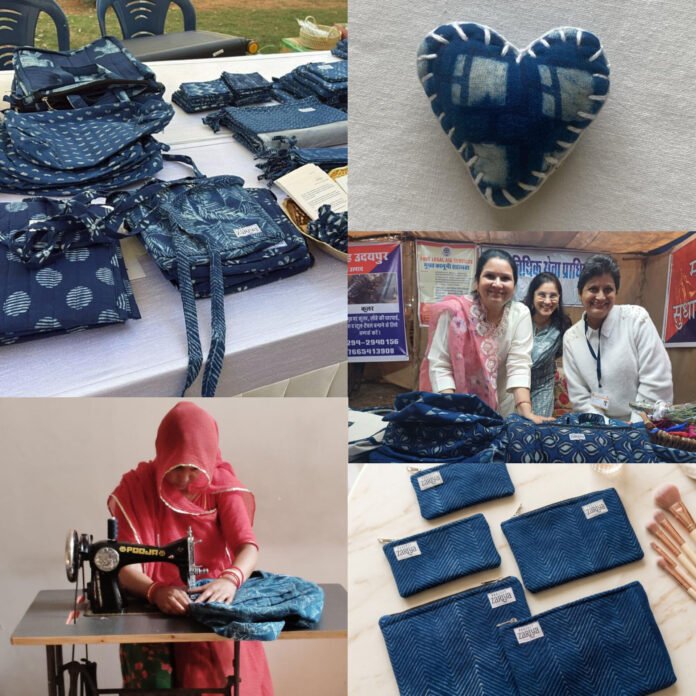
In a society where people are often defined forever by their mistakes, Project Zariya is attempting to rewrite that narrative through compassion, livelihood and rehabilitation. Co-founded by Radhika Somani and Haseena Chakkiwala, Project Zariya works closely with incarcerated and formerly incarcerated individuals, especially women, helping them rebuild confidence, learn skills and create sustainable livelihoods through handmade products rooted in craftsmanship and storytelling.
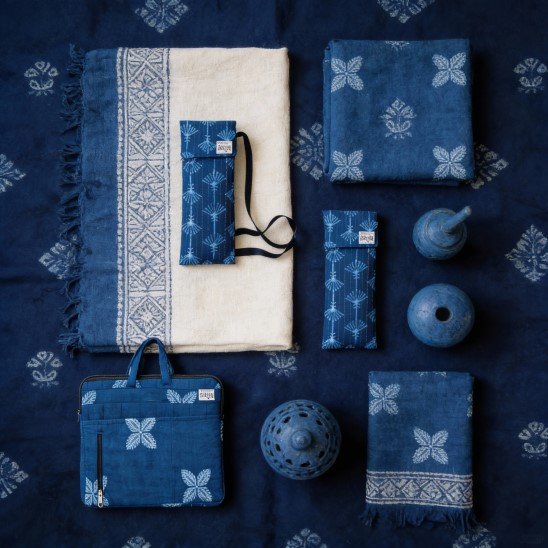
What began with a small Diwali initiative making diyas has today evolved into a social enterprise focused on dignity, second chances and long-term rehabilitation. Through workshops, skill-building and sustainable handcrafted products, Zariya is not just creating items, it is creating pathways back into society.
The EBNW Story, in conversation with co-founder Radhika Somani, spoke about the journey behind Zariya, the emotional realities of working with prison communities, resilience, entrepreneurship, and the larger social change she hopes to create through second chances, dignity and rehabilitation.
1. What was the turning point or personal experience that inspired you to start Zariya?
Radhika Somani:
“The Art of Living program sparked the idea. In our first year we made around 500 diyas; over time we produced about 4,000. That’s how Project Zariya began, to make Diwali special. After Diwali ended, we asked ourselves what next. At that time plastic bans were coming in, so we thought of making reusable bags and teaching sewing.
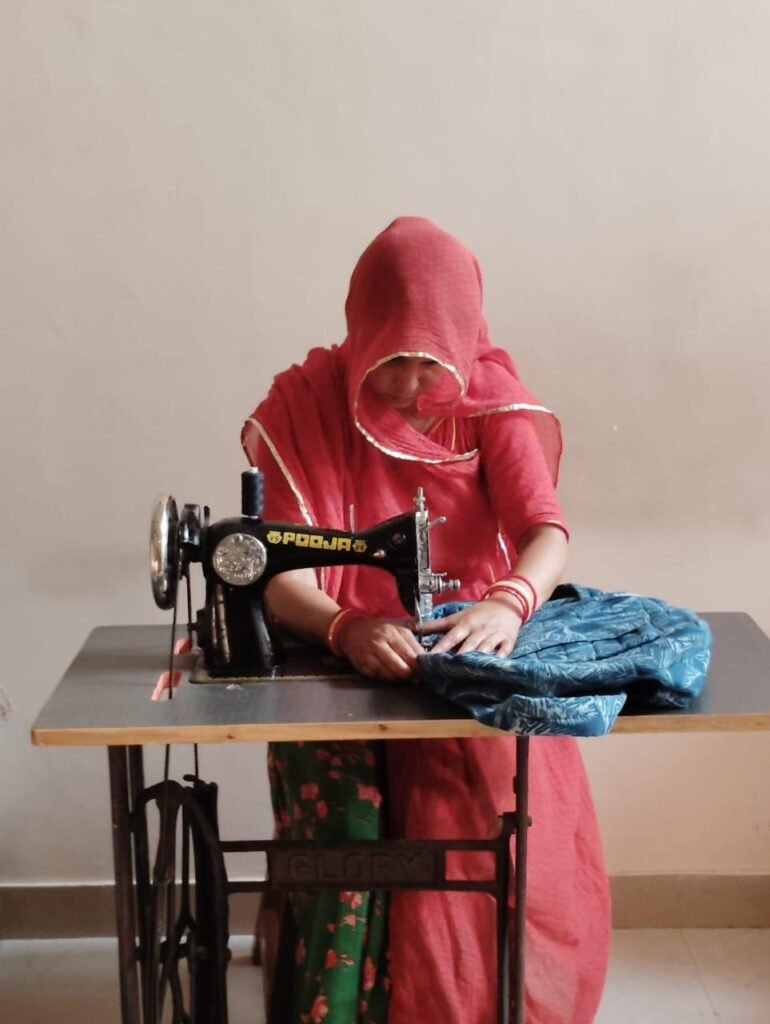
We collected cloth from people and got sewing machines. We mostly trained women who didn’t know any skills: we taught them to run the machines and make simple grocery bags. As they learned, many showed enthusiasm. Some enjoyed painting, so we gave them drawing materials; others liked beadwork and made friendship bands. Everyone in the group worked together. We ran many workshops and kept at it, and gradually we reached the level we’re at today.”
2. The name Zariya itself feels meaningful and symbolic — how did it come to you, and what does it represent?
Radhika Somani:
“The name Zariya came from the idea of being a means, a way to give people a second chance. For those inside jails, society is very harsh; it’s difficult for them. We wanted to give them another chance and restore their confidence.”
3. For someone discovering Zariya for the first time, how would you describe what the organisation truly does?
Radhika Somani:
“We focus on upliftment and helping people. Zariya is about giving back to society. When we recognize our own privilege and stability, we want to uplift those who don’t have the same opportunities. That impulse led to this work.”
4. Why did you choose to work in the space of rehabilitation and second chances, an area many people hesitate to engage with?
Radhika Somani:
“As an Art of Living teacher, I was involved in sessions that include meditation and finding inner peace. Those programs are often run inside prisons to help inmates confront their mistakes and start the process of reform.
We realized people are not always born criminals; many end up in desperate situations that push them to make wrong choices. Especially for women, difficult circumstances can lead to severe consequences. So we wanted to give them a second chance to rebuild and stand in society.”
5. Your work blends social impact with craftsmanship and entrepreneurship. How do Zariya’s products carry stories beyond their design?
Radhika Somani:
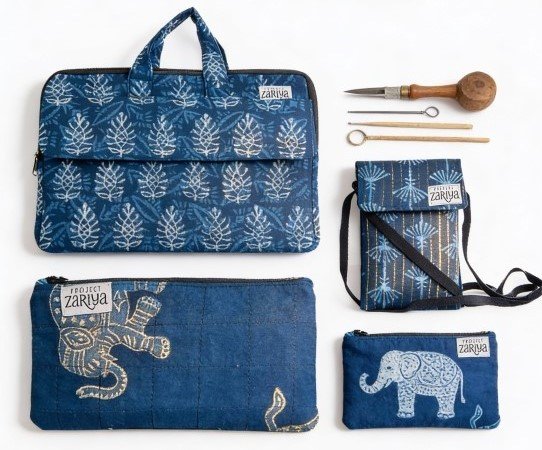
“A friend from my neighborhood, Rishita Soni, encouraged me to work with a specific cloth. We used indigo waste material from a factory and improvised with it. The waste indigo became our selling point because it was sustainable and attractive.
We built products around what these women from villages already knew or were passionate about. Over five years we incorporated their ideas into our products, so each item carries the makers’ stories and skills.”
6. Was it difficult in the beginning to make people trust or support products made by incarcerated or formerly incarcerated individuals?
Radhika Somani:
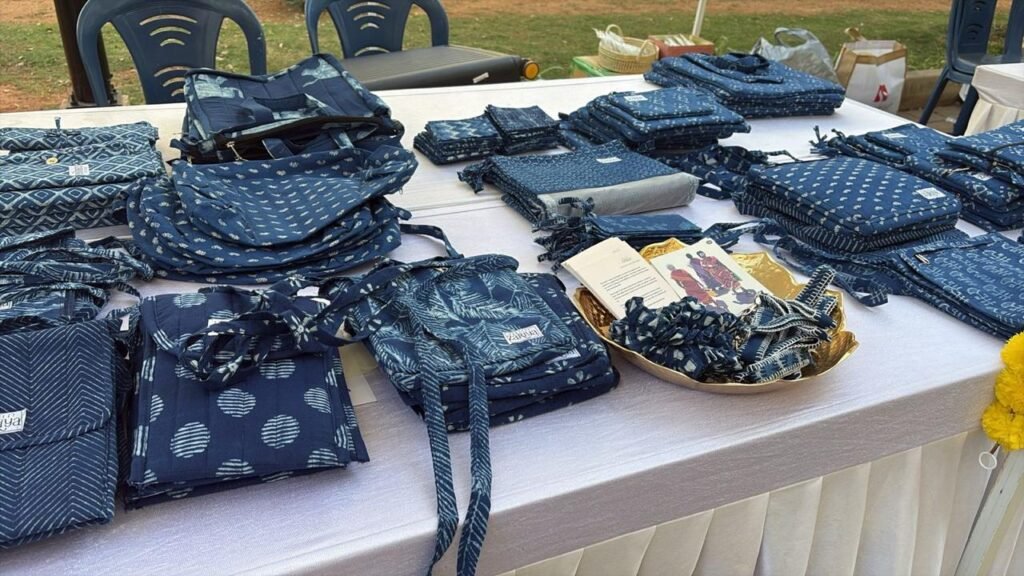
“Yes, it was very difficult at first. We addressed it through regular information and awareness, explaining the energy and social cause behind the products and showing we support the inmates’ families.
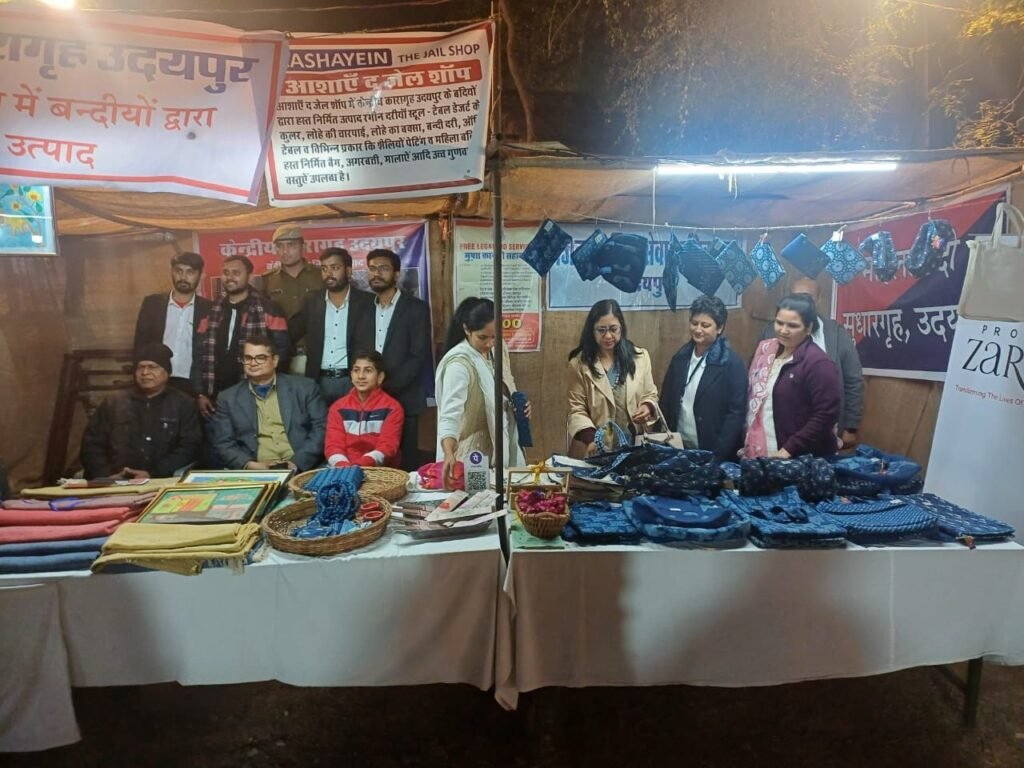
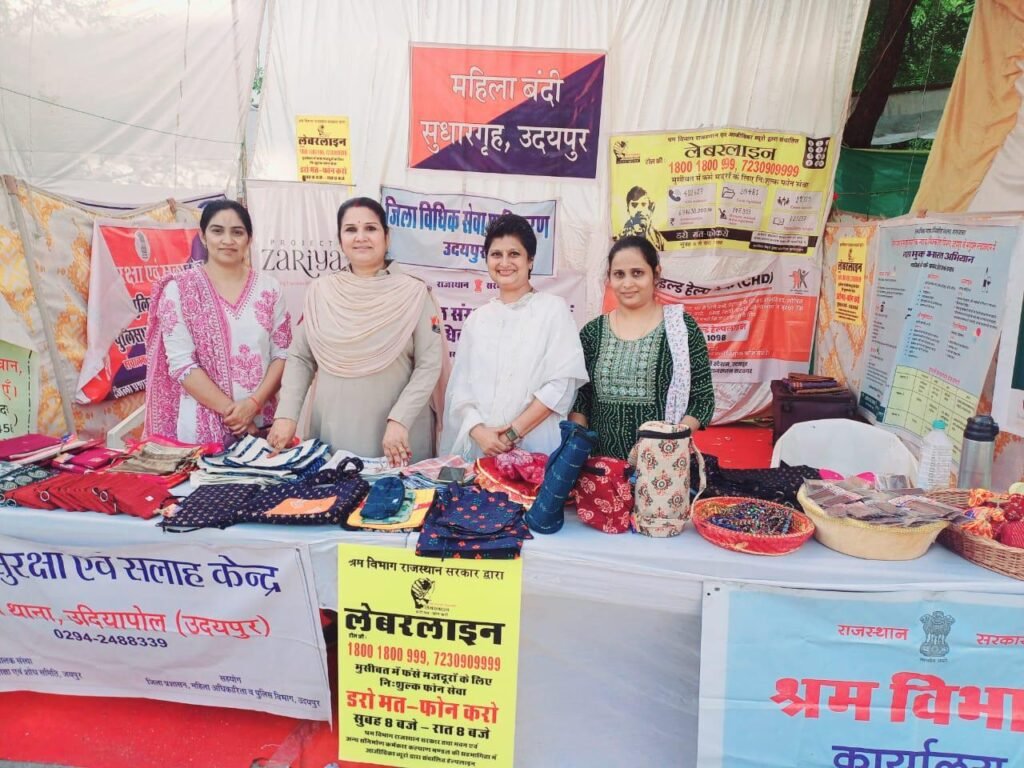
We started with government fairs, then got into Shilpgram, which gave us more visibility. Because police and jail authorities backed the project, customers gained trust; seeing trusted institutions support us helped a lot.”
7. In a society that is quick to judge, how challenging is it to rebuild dignity and confidence for the people you work with?
Radhika Somani:
“We rebuilt dignity by continuously giving them work and steady orders. That consistent engagement diverted their minds from imprisonment and shifted their mindset toward entrepreneurship.
Even small payments made them feel they could do something for themselves. That growing confidence restored much of their dignity. We teach them skills and provide machines so they can rebuild their lives after release.”
8. Is there one individual story or interaction through Zariya that deeply stayed with you or changed your perspective?
Radhika Somani:
“Yes. There was a woman who, while deeply depressed, had committed murder. Through Art of Living workshops and meditation she recovered from depression, and now she teaches other inmates and spreads education among them. She transformed from being in despair to helping others, that story stayed with me.”
9. As a woman founder building a social enterprise, what were some struggles or biases you personally faced?
Radhika Somani:
“The main struggles were around paperwork and documentation but family support helped me manage those.
There was also bias, people questioned why I worked with inmates instead of other groups. But I began this work through the Art of Living, and I see it as seva (service) given to me by my guru, so I persisted despite criticism.”
10. Many NGOs focus on immediate help, but Zariya focuses on livelihood and reintegration. Why is long-term rehabilitation so important to you?
Radhika Somani:
“Commitment and handholding are crucial. Inside prison they need structure and activity to avoid depression and lethargy. Outside, many don’t believe there’s anything for them.
When an organization provides ongoing support and a willingness to help, they’re more willing to leave the jail environment and try rebuilding their lives. Long-term support builds confidence and allows reintegration.”
11. How do you balance emotional sensitivity with the practical challenges of running and sustaining an organisation?
Radhika Somani:
“As an Art of Living faculty, I’ve learned skills and values that help me run the organization. Those practices guide my emotional resilience and practical decision-making.”
12. Do you think consumers today are becoming more conscious about ethical, handmade and impact-driven products?
Radhika Somani:
“Yes. With so many products on the market and e-commerce selling questionable goods, people are looking for sustainable options. Our work is sustainable and we maintain quality while updating designs to match fashion.
Handmade items have unique qualities that machine-made products lack, and that uniqueness, combined with a story and impact, appeals to buyers. So our products are fashion-driven, handmade, unique, and impact-driven, and we keep quality high.”
13. Looking back at the vision you started with, how far do you think Zariya has come in creating real impact?
Radhika Somani:
“We have helped many people become socially and economically settled. We support their families and give them respect and a path in life. They now have goals and a way forward.
Even though we’re a small operation, we go out of our way to help them find direction and stability.”
14. What has this journey taught you about people, resilience and second chances?
Radhika Somani:
“The surface reality is different from people’s real stories; you have to go on the journey to uncover those stories. We work with people both inside jail and after release, maintaining long-term contact.
This work has taught me about resilience and the power of second chances. Over six years we’ve faced many ups and downs and policy changes, but we’ve persisted and remained resilient.”
15. Beyond expansion or numbers, what is the larger social change you hope Zariya contributes to in the future?
Radhika Somani:
“We want to change mindsets. I hope to create an industry or ashram-like home where these people can live and work with us. They should have a place to stay and a place to earn , a department or facility that provides both shelter and livelihood.”