

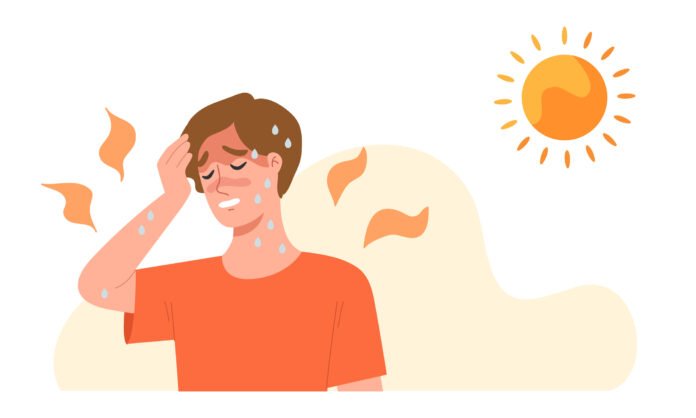
With rising global temperatures and frequent heatwaves, heatstroke has become a serious health concern during summer months. While many people underestimate the dangers of extreme heat, heatstroke can quickly turn into a life-threatening medical emergency if not recognised and treated in time. Understanding its causes, symptoms and preventive measures can help save lives.
What is Heatstroke?
Heatstroke is the most severe form of heat-related illness. It occurs when the body’s temperature rises dangerously high — usually above 40°C (104°F) — and the body can no longer cool itself effectively through sweating. Prolonged exposure to high temperatures, dehydration and excessive physical activity in hot weather are common triggers.
If untreated, heatstroke can damage the brain, heart, kidneys and muscles, and may even become fatal.
Understanding the Causes
Heatstroke is often caused by spending too much time in extreme heat or humidity. Outdoor labourers, athletes, travellers and people without proper cooling facilities are particularly vulnerable. Dehydration worsens the condition because the body lacks enough fluids to regulate temperature through sweating.
Climate change and rising urban temperatures have also increased the frequency and intensity of heatwaves in many regions, making awareness even more important today.
Common Symptoms of Heatstroke
Recognising the warning signs early is crucial. Symptoms may include:
●High body temperature
●Dizziness or fainting
●Severe headache
●Nausea or vomiting
●Rapid heartbeat
●Muscle cramps
●Extreme weakness or confusion
●Hot, dry skin or excessive sweating
In severe cases, a person may lose consciousness or become disoriented. Immediate medical attention is necessary in such situations.
How to Protect Yourself
The best way to prevent heatstroke is to stay cool and hydrated. Drink plenty of water throughout the day, even if you do not feel thirsty. Coconut water, lemon water and electrolyte-rich drinks can help replace lost salts and minerals.
Avoid direct sunlight during the hottest hours, usually between noon and 4 pm. If you must go outside, wear loose, light-coloured cotton clothes along with caps, hats or sunglasses. Carrying an umbrella can also reduce heat exposure.
Try to remain indoors in cool, ventilated spaces. Use fans, cool showers or wet towels to lower body temperature. Avoid strenuous exercise during peak heat hours.
Foods That Help During Heatwaves
Light and water-rich foods such as watermelon, cucumber, oranges, curd and leafy vegetables help keep the body hydrated and cool. Avoid excessive caffeine, alcohol and oily foods, as they can increase dehydration.
A Growing Public Health Concern
Children, elderly people, pregnant women and individuals with existing health conditions face greater risks during heatwaves. As summers become harsher across the world, heat safety is no longer optional — it is essential. A few simple precautions, timely hydration and awareness can go a long way in protecting ourselves and our communities from the dangers of heatstroke.