Home Blog Page 75

Heteroflexibility Explained Why This Is Being Called The Fastest-Growing Sexuality Of The Year

0

A growing number of people around the world are identifying with a sexual identity known as heteroflexibility, which has recently been described as the fastest-growing sexuality according to data from a popular dating app’s annual report. This trend reflects shifting attitudes toward how people understand attraction and challenge traditional labels.

What does heteroflexible mean ?

At its core, heteroflexibility refers to individuals who identify as predominantly heterosexual but open to occasional same-sex experiences, attraction or curiosity. It differs from bisexuality, where a person consistently experiences attraction to more than one gender. Heteroflexible people tend to see themselves as “mostly straight” while acknowledging flexibility in how they connect with others.

A trend growing faster than other identities

Data from the 2025 “Feeld Raw” report, published by the dating platform Feeld, shows that the number of users identifying as heteroflexible rose by around 193 percent over the past year. This surge makes heteroflexibility the fastest-growing sexual identity on the platform for 2025. Analysts suggest that this growth is less about a strict category and more about people seeking labels that reflect their personal experiences with sexuality.

Millennials and geography

The report also found that millennials make up the largest proportion of people identifying as heteroflexible, with Generation Z and older generations following behind. Cities such as Berlin were highlighted as having especially high levels of identification with the term.

Fluidity and personal identity

Experts note that heteroflexibility captures a wider range of experiences, from people who are mostly attracted to the opposite sex but have occasionally felt same-sex attraction, to those who describe themselves as curious or open to experiences outside traditional categories. Some people use the term as a way to articulate attraction without fully adopting broader labels like bisexual or pansexual.

Conversation and complexity

While the rise of heteroflexibility has been welcomed by many as an example of evolving understanding of human sexuality, it has also sparked discussion. Some critics argue that it can overlap with established identities, raising questions about visibility and representation. Others see the trend as reflecting a broader cultural shift toward acknowledging sexual fluidity and personal nuance in how people identify themselves.

What it tells us about today’s attitudes

The growing use of the heteroflexible label suggests that more people are willing to explore and articulate their sexual experiences outside rigid binaries. It highlights a generational trend toward openness, curiosity and personalised identity and underscores how contemporary understandings of sexuality continue to evolve in response to lived experience.

Deepika Padukone Launches Major New Initiative For Emerging Film Talent

0

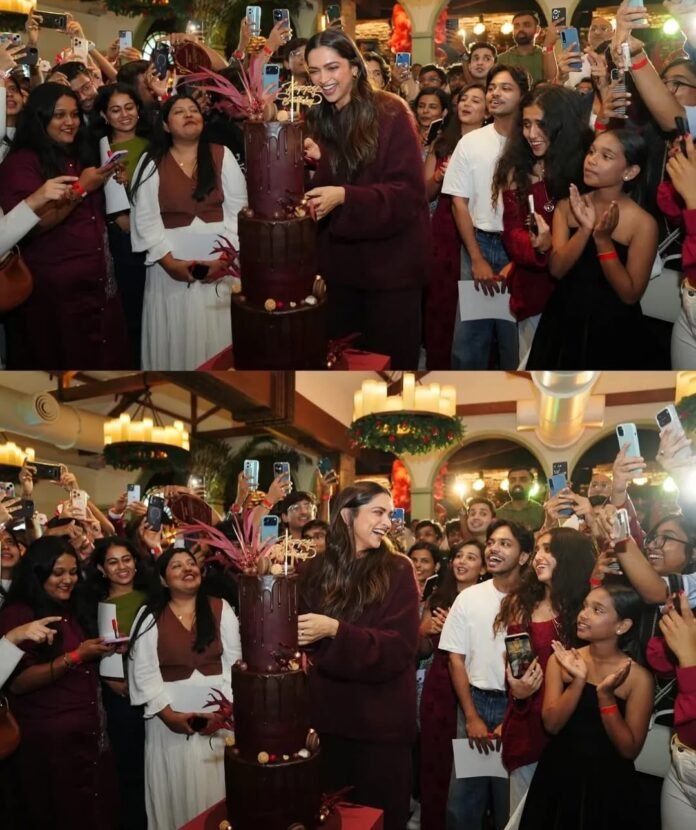
Bollywood star Deepika Padukone marked her 40th birthday on January 5, 2026, with a significant announcement aimed at nurturing the next generation of creative professionals in India’s entertainment industry. The actor-producer unveiled The OnSet Program, a new initiative designed to provide structured opportunities, training and industry exposure for aspiring talent across film, television and advertising.

Nurturing talent behind the camera

The OnSet Program is part of Deepika’s broader Create With Me platform, which focuses on empowering fresh voices and helping them build meaningful careers in creative fields. Rather than concentrating only on acting or celebrity endorsements, the initiative highlights the importance of the often-overlooked technical and creative departments that bring stories to life on screen.

Deepika Padukone Launches Major New Initiative For Emerging Film Talent

How The OnSet Program works

In its first phase, The OnSet Program will support aspiring professionals across multiple key areas, including writing and direction, cinematography (camera and lighting), editing and sound design, art and costume design, hair and make-up artistry, and production management. Participants will have the chance to gain hands-on, on-set experience, bridging the gap between training and professional work.

Deepika shared her vision for the initiative in a video posted on social media, saying that over the past year she felt strongly about “identifying incredible creative talent from across the country and beyond and giving them a platform to be seen, heard and experienced.” She added that she was thrilled to introduce the next generation of creative talent to the world.

Deepika Padukone Launches Major New Initiative For Emerging Film Talent

A platform for new voices and real opportunity

Unlike many celebrity-backed talent hunts that focus on brief competitions or spotlights, The OnSet Program is structured both as a learning programme and a launch pad. Talented individuals who already have foundational skills will be able to use the programme as a springboard to work on real projects, take on larger responsibilities and collaborate with industry professionals.

Applications are open through the initiative’s official portal, where aspiring creators can submit their work and personal stories for consideration. Selected participants will gain exposure to real industry environments, helping them transition from training to professional execution.

Larger implications for Indian entertainment

Deepika Padukone’s initiative comes at a time when the Indian film industry is rapidly evolving, with new creative roles and storytelling formats emerging across digital, television, and advertising platforms. By emphasizing technical and creative crafts, The OnSet Program recognises that strong storytelling needs both visible and behind-the-scenes talent.

With The OnSet Program, Deepika aims to ensure that new voices are not only discovered but also given the resources and space to thrive a move that could reshape how creative professionals enter and grow within the industry.

India Crowned World’s Largest Rice Producer, Overtaking China In A Landmark Agricultural Achievement

0
India Crowned World’s Largest Rice Producer, Overtaking China In A Landmark Agricultural Achievement

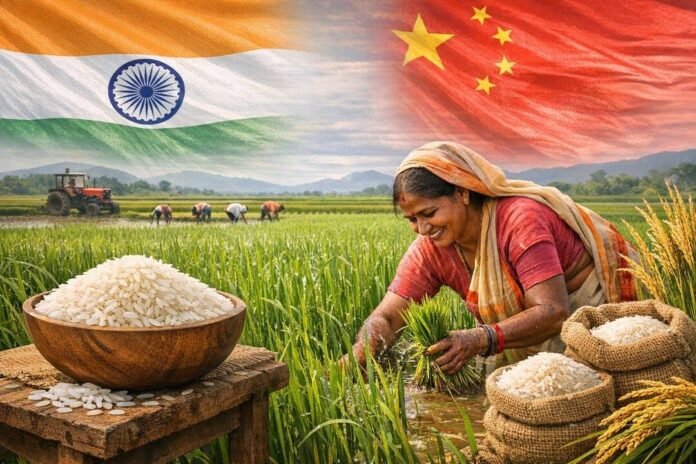
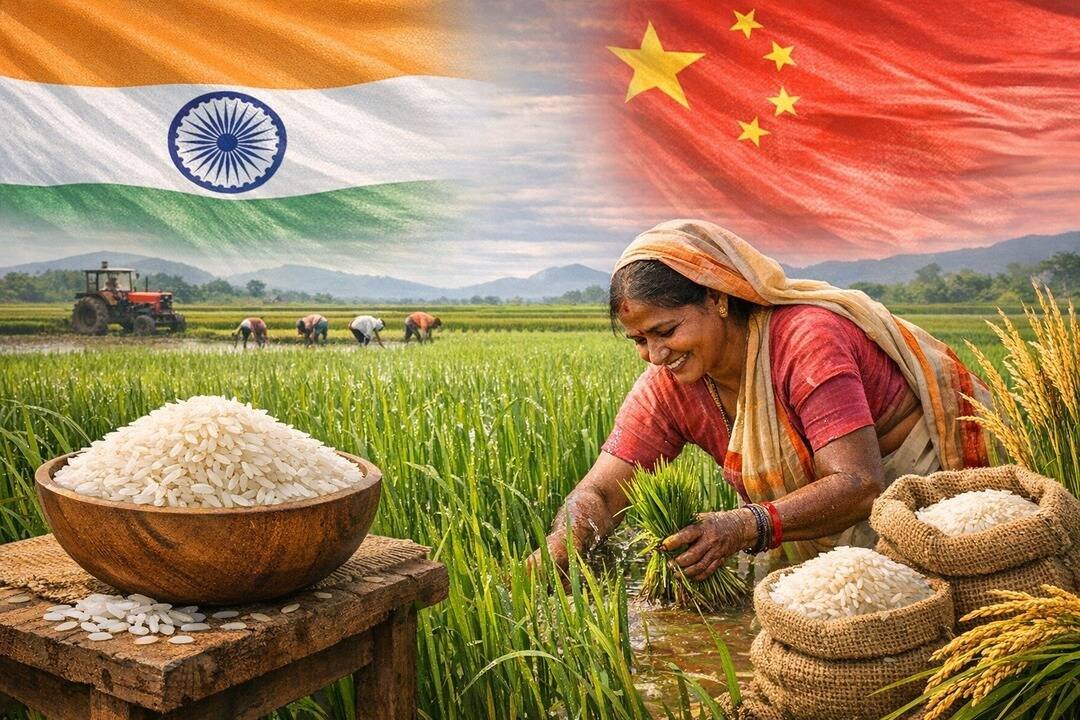
In a major milestone for Indian agriculture, India has officially become the world’s largest rice producer, surpassing China with a record output of 150.18 million tonnes in the 2024-25 crop cycle. Union Agriculture Minister Shivraj Singh Chouhan announced the achievement on January 5, framing it as a historic moment that reflects years of policy focus, scientific innovation and farmers’ hard work.

India overtakes china in rice production

Speaking at an event in New Delhi, Chouhan revealed that India’s rice output now exceeds China’s estimated production of 145.28 million tonnes. The minister described this shift not only as a numeric milestone but as evidence of India’s evolution from a nation once concerned about food shortages to a leading global food supplier. He noted that abundant foodgrain stocks and rising productivity have strengthened India’s food security and export capabilities.

New seed varieties to boost productivity

The announcement coincided with the release of 184 new high-yielding and climate-resilient crop varieties developed by the Indian Council of Agricultural Research (ICAR). These include improved seeds across 25 crops, such as cereals, oilseeds, pulses, fodder and cotton. Chouhan emphasised that these advanced varieties will help farmers achieve higher yields, better quality produce and increased income, while also reinforcing resilience against environmental stresses like drought and soil salinity.

Driving factors behind the milestone

Experts and officials attribute India’s rice production surge to a combination of scientific support, expanded seed technology and sustained policy efforts. Over 3,236 high-yielding varieties have been approved under the current government, outpacing earlier periods, and collaboration between research institutions, state universities and private seed firms has helped bring innovations directly to farmers’ fields.

Impact on farmers and markets

With India now leading in rice output, the country’s role in global food markets is further solidified. Increased production supports India’s bid to expand rice exports, offering opportunities in international markets. At the same time, officials emphasised the need for continued focus on other crops such as pulses and oilseeds to ensure balanced agricultural growth and improved rural livelihoods.

Significance of the achievement

This new ranking ahead of China highlights India’s agricultural transformation and growing influence in global food systems. It reflects not only impressive production figures but also the broader success of targeted agricultural reforms, scientific investment and farmers’ adaptation to innovative practices. As India celebrates this achievement, the focus now includes ensuring sustainability, enhancing farmer support and maintaining momentum across crop sectors.

Power Banks Barred From Flights As Aviation Authorities Tighten Safety Rules

0
Power Banks Barred From Flights As Aviation Authorities Tighten Safety Rules

Passengers carrying power banks may soon need to rethink their travel essentials as new aviation safety rules restrict the use of power banks on flights. The updated guidelines, issued in the interest of passenger safety, focus on the growing concern around lithium-ion batteries and their potential fire risks at high altitudes.

Why power banks are under scrutiny

Power banks operate on lithium-ion batteries, which are known to overheat, short-circuit or catch fire if damaged or poorly manufactured. Over the years, several in-flight incidents across the world involving smoking or burning power banks have raised red flags for aviation regulators. With aircraft cabins being confined spaces, even a minor battery malfunction can pose serious safety threats.

What the new rules say.

Under the revised aviation safety norms, passengers are no longer allowed to use power banks during flights. While carrying power banks in hand baggage may still be permitted under specific capacity limits, their usage for charging phones, tablets or other devices onboard has been restricted. Power banks continue to remain strictly prohibited in checked-in luggage.Capacity limits passengers should knowAviation authorities have reiterated that only power banks within prescribed watt-hour limits are allowed in cabin baggage. Typically, power banks up to 100 Wh are permitted without special approval, while those between 100 Wh and 160 Wh may require airline permission. Devices exceeding this limit are not allowed on board under any circumstances.

What travellers should do before flying

Passengers are advised to check airline-specific guidelines before heading to the airport, as rules may vary slightly between carriers. Charging devices fully before travel, using in-seat charging ports where available, and carrying manufacturer-certified power banks can help avoid inconvenience at security checks.

Why safety comes first

The move reflects a broader push by aviation regulators to minimise onboard fire hazards. Lithium battery fires are difficult to extinguish and can spread rapidly, making prevention critical. By restricting power bank usage mid-air, authorities aim to reduce risks without significantly disrupting passenger convenience.

What this means for frequent flyers

For frequent travellers, the change signals a shift towards stricter enforcement rather than a complete ban. Power banks remain useful for airport use and layovers, but once onboard, passengers will need to rely on aircraft power outlets or conserve battery usage.As air travel continues to grow, safety regulations are evolving alongside technology. The latest rules serve as a reminder that even everyday gadgets must meet strict standards when thousands of feet above the ground.

Makar Sankranti 2026: From Gujarat to Prayagraj, 5 Most Colorful Places to Celebrate the Festival

0

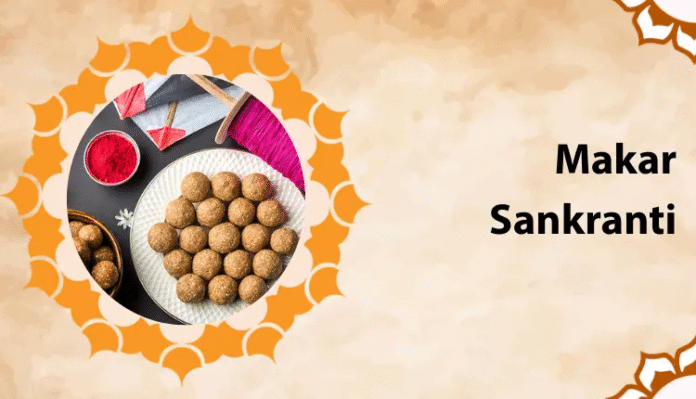
Makar Sankranti 2026 Places to Visit: Makar Sankranti is not celebrated in the same way across India. Every region observes this festival with its own name, traditions, and style of celebration.

Makar Sankranti 2026 Places to Visit:
As soon as the Sun begins its northward journey (Uttarayan), the festive season in India begins, starting with the sacred festival of Makar Sankranti, which will be celebrated on January 14 or 15, 2026. While the festival is observed across the country, it is known by different names and celebrated in diverse ways.

Makar Sankranti symbolizes the transition from darkness to light and from cold to renewed energy. On this day, the Sun enters the zodiac sign Capricorn (Makara), marking the shift from Dakshinayan to Uttarayan, which is considered highly auspicious in Indian tradition.

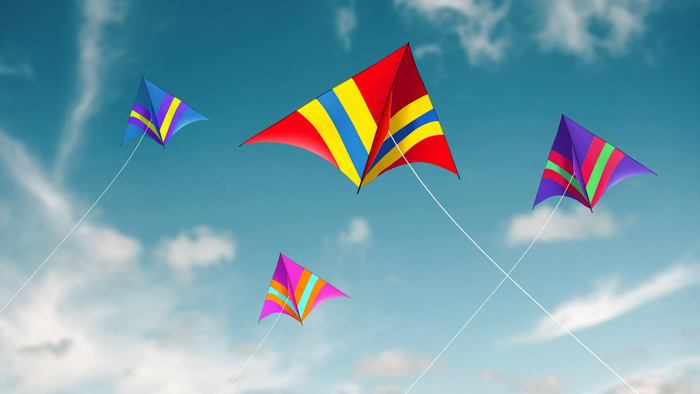
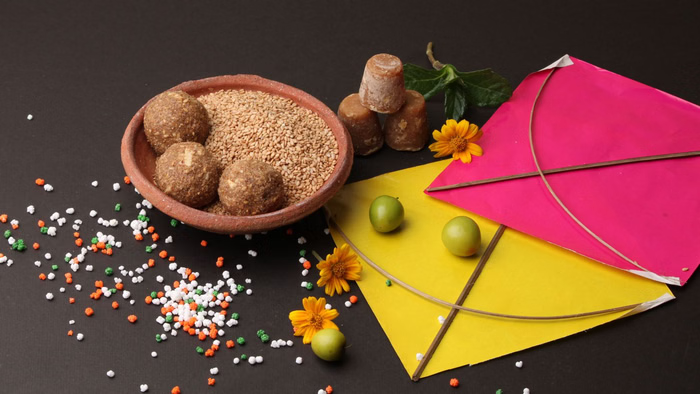
The joy of a new harvest in the fields, the sweetness of sesame and jaggery in homes, and colorful kites filling the sky—Makar Sankranti brings happiness in every form.

However, the festival is not celebrated uniformly across India. Each region embraces it with its own colors, names, and customs. Let us explore the places where the celebrations are especially spectacular.

Gujarat

Makar Sankranti 2026: From Gujarat to Prayagraj, 5 Most Colorful Places to Celebrate the Festival

(Photo: iStock)

In Gujarat, Makar Sankranti is not just a festival but a grand public celebration. Cities like Ahmedabad, Surat, and Vadodara host the International Kite Festival. People fly kites from rooftops, shouting “Kai Po Che.” Traditional dishes like undhiyu, jalebi, and chikki define the celebration. At night, illuminated tukkal (lantern kites) make the sky look magical.

Prayagraj, Uttar Pradesh

Makar Sankranti 2026: From Gujarat to Prayagraj, 5 Most Colorful Places to Celebrate the Festival

In Prayagraj, Makar Sankranti is celebrated with a holy dip at the Sangam. In Uttar Pradesh, the festival is synonymous with sacred bathing. Millions of devotees take a dip at the confluence of the Ganga, Yamuna, and the mythical Saraswati rivers. Charity, donations of food, clothes, sesame seeds, and khichdi hold special significance. The day symbolizes spiritual purification.

Tamil Nadu

(Photo: Amar Ujala)

In Tamil Nadu, Makar Sankranti is celebrated as Pongal, a four-day festival comprising Bhogi, Thai Pongal, Mattu Pongal, and Kaanum Pongal. Sweet Pongal made from the new harvest, worship of cows and bulls, and colorful rangoli designs at home entrances reflect gratitude toward farmers and nature.

Rajasthan

Makar Sankranti 2026: From Gujarat to Prayagraj, 5 Most Colorful Places to Celebrate the Festival

(Photo: Adobe Stock)

In Rajasthan, the festival is a blend of kite flying and folk culture. Jaipur and other cities host kite-flying competitions, folk songs, and traditional cuisine. Women dress in traditional attire and offer prayers to the Sun God, making the celebrations vibrant and culturally rich.

Somnath Swabhimaan Parv Speaks Story of 1,000 Years of Unbroken Faith (1026–2026)

0

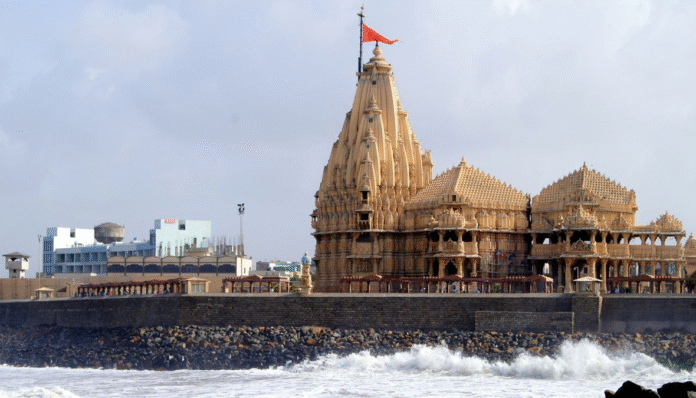
The very name Somnath fills the mind and heart with pride and devotion. Situated at Prabhas Patan on the western coast of Gujarat, Somnath stands as an eternal expression of the soul of India. The Dwadasa Jyotirlinga Stotram mentions the twelve Jyotirlingas of India, and it begins with the line “Saurashtrae Somnatham cha…”—placing Somnath first among all Jyotirlingas. This itself reflects the profound civilizational and spiritual significance of this sacred shrine.

The scriptures proclaim:
“Somalingam naro drishtva sarva-paapaih pramuchyate;
Labhate phalam manovanchhitam mritah swargam samashrayet.”

Meaning, by beholding the Somnath Shivling, a person is freed from all sins, attains fulfillment of virtuous desires, and after death, the soul finds its place in heaven.

Tragically, this very Somnath—once the focal point of faith and prayer for millions—became a target of foreign invaders driven by destruction. The year 2026 holds special significance, as it marks 1,000 years since the first attack on the Somnath Temple. In January 1026, Mahmud of Ghazni launched a brutal assault on the shrine, demolishing it in an attempt to destroy a great symbol of faith and civilization.

The attack on Somnath stands among the greatest tragedies in human history. Yet, even after a thousand years, the temple stands today in all its glory. After 1026, repeated efforts were made across generations to rebuild the temple in its full splendor. The present structure took shape in 1951, making 2026 also the 75th anniversary of Somnath’s reconstruction. On 11 May 1951, the temple was ceremonially reopened in the presence of India’s first President, Dr. Rajendra Prasad, marking a historic moment.

Historical records vividly describe the cruelty and devastation inflicted during the first invasion—accounts that still send shivers down the spine. One can only imagine the profound impact it must have had on the morale of the people and the nation. Somnath was not only spiritually significant but also a center of prosperity and inspiration. Its grandeur was carried far and wide by India’s seafaring traders and merchants.

Despite repeated attacks and a long period of subjugation, the story of Somnath is not one of destruction, but of self-respect, resilience, and unbroken faith. For the last thousand years, it has symbolized the indomitable spirit of millions of Indians. Each time the temple was attacked, brave men and women stood in its defense, offering supreme sacrifices. Time and again, generations rose from the ruins to rebuild and revive it.

Mahmud of Ghazni looted and left, but he could not take away India’s faith in Somnath. On the contrary, that faith only grew stronger. Even in 2026, a thousand years later, Somnath sends a powerful message to the world: those driven by the urge to destroy eventually fade away, while faith endures and shines brighter.

India is fortunate to have given birth to great souls like Devi Ahilyabai Holkar, who ensured that worship at Somnath could continue. In the 1890s, Swami Vivekananda also visited Somnath, an experience that deeply moved him. In a lecture delivered in Chennai in 1897, he said:

“Ancient temples of South India and temples like Somnath in Gujarat will teach you more lessons of wisdom than any number of books.
They bear the marks of hundreds of attacks and hundreds of revivals. Destroyed again and again, they rose from their own ruins—strong and alive as ever. This is the national spirit, the national life force. To follow it fills one with pride; to abandon it is death.”

After Independence, the sacred responsibility of rebuilding Somnath came into the capable hands of Sardar Vallabhbhai Patel. During his visit to Somnath on Diwali in 1947, he resolved that the temple would be rebuilt there itself. Though he did not live to witness its completion, his dream was realized when the temple doors were opened in 1951.

Despite reservations from then Prime Minister Pandit Jawaharlal Nehru, President Dr. Rajendra Prasad stood firm and participated in the ceremony—an act that created history.

Any mention of Somnath remains incomplete without acknowledging K.M. Munshi, whose unwavering support and literary contribution, especially his book “Somnath: The Shrine Eternal,” remains deeply influential.

As Munshi’s title suggests, Indian civilization believes in the immortality of the soul and ideas—“Naineṁ chindanti shastrani, naineṁ dahati pavakah.” The physical structure of Somnath may have been destroyed, but its consciousness remained eternal.

These very values have enabled India to rise stronger through every era. Today, the world looks to India with hope and trust—investing in its youth, embracing its culture, art, music, yoga, and Ayurveda. For solutions to global challenges, the world increasingly turns toward India.

For centuries, Somnath has united people across traditions. Jain scholar Acharya Hemchandracharya once prayed here, expressing reverence to the supreme element free from worldly bonds. Even today, a visit to Somnath brings a deep sense of calm—an indescribable, spiritual experience.

As in 1026, even in 2026 the waves of the Arabian Sea roar with the same intensity, narrating Somnath’s timeless saga. The invaders have turned to dust, remembered only as symbols of destruction, while Somnath continues to shine as a beacon of hope.

Somnath teaches us that hatred and fanaticism may possess destructive power, but faith holds the power of creation. For millions, Somnath remains an eternal call of hope—an inspiration to rise again after every fall.

If a temple shattered a thousand years ago can stand today in full glory, then India too can reclaim the prosperity of its civilizational past. Let us move forward with this inspiration—towards building a Viksit Bharat, guided by timeless wisdom for the welfare of the world.


Delta Force Explained The Elite US Special Forces Unit Behind Maduro’s Capture

0
Delta Force Explained The Elite US Special Forces Unit Behind Maduro’s Capture

In the early hours of January 3, US forces carried out a dramatic operation in Venezuela that resulted in the capture of President Nicolás Maduro and his wife, Cilia Flores, according to statements from American officials and confirmed by multiple reports. The mission, described as precise, rapid and highly coordinated, was led by one of the most secretive and capable units in the United States military Delta Force.


What is Delta Force


Delta Force is the common name for the 1st Special Forces Operational Detachment-Delta (1st SFOD-D), an elite special operations unit of the United States Army headquartered at Fort Bragg in North Carolina. It is one of the most highly trained and clandestine military teams in the world, often described as Tier One because of its assignment to the most dangerous, sensitive and high-impact missions directed by the U.S. government.


Delta Force was created in the late 1970s after U.S. military leaders recognised the need for a highly specialised force capable of counterterrorism and hostage rescue missions that regular units could not reliably execute. The unit’s formation was influenced by the British Special Air Service (SAS), and it has operated under various names including Combat Applications Group and Army Compartmented Elements.


Delta Force: What makes it unique


Unlike conventional military units, Delta Force recruits from the top performers of other elite forces such as the Army Rangers and Green Berets. Selection is famously demanding, with rigorous physical, mental and tactical evaluations designed to weed out all but the most capable soldiers. Those who pass are trained in close-quarters combat, sniping, explosives, covert infiltration, hostage rescue and unconventional warfare.


Because of its secretive nature, most of Delta Force’s operations are never publicly acknowledged. Only a few missions have become widely known, such as the 2019 raid in Syria that led to the death of Islamic State leader Abu Bakr al-Baghdadi.


The Maduro operation and global reaction


According to U.S. officials, Delta Force operators conducted the raid in coordination with broader military strikes in Caracas, neutralising Venezuelan military responses and securing Maduro with precision. President Donald Trump described the operation as successful and indicated plans for Maduro to face charges in the United States.


The operation has already sparked strong reactions worldwide, with some countries condemning the mission as a violation of sovereignty while others hailed it as a decisive action against alleged criminal activity.


Delta Force remains an enigmatic yet pivotal instrument in U.S. national security, used only when missions require speed, precision and high-risk decision-making in hostile environments.

Tesla Faces Stiff Competition From China As The Global Battery Race Heats Up

0
Tesla Faces Stiff Competition From China As The Global Battery Race Heats Up

Tesla’s long-standing dominance in the electric vehicle space is being challenged as Chinese manufacturers surge ahead in global sales. While the American EV giant has lost its top position in annual battery-electric vehicle numbers, the broader battle over battery technology, scale, and innovation is far from settled.


Tesla slips from the global EV sales lead


In 2025, Tesla’s vehicle deliveries declined for the second year in a row, with sales falling to around 1.64 million units. During the same period, China’s BYD surpassed Tesla by selling more than two million battery-electric vehicles worldwide. This marked the first time a Chinese automaker claimed the top spot, signalling a major shift in the global EV market.


Why Tesla’s momentum slowed


Multiple factors contributed to Tesla’s slowdown. The expiry of key electric vehicle tax incentives in the United States reduced buyer enthusiasm, particularly in price-sensitive segments. Growing competition in Europe and Asia also affected demand, as Chinese brands offered a wider range of models at competitive prices. Additionally, regulatory hurdles and evolving consumer expectations have put pressure on Tesla’s once unchallenged appeal.


China’s rise reshapes the EV landscape


China has emerged as the world’s largest electric vehicle market, supported by strong domestic demand, government backing, and large-scale manufacturing capacity. Companies like BYD benefit from integrated supply chains and aggressive international expansion strategies. Their focus on affordability, rapid innovation, and battery efficiency has helped them gain market share not just in China, but globally.


Why the battery race still matters


Despite losing ground in vehicle sales, Tesla remains a major force in battery and energy technology. The company continues to expand its energy storage business and invest in next-generation battery solutions. Its ambitions extend beyond cars, with long-term plans involving autonomous driving, grid storage, and artificial intelligence-powered mobility.


A competitive future for electric mobility

The global EV market is entering a more competitive phase where leadership will depend on battery performance, cost control, and adaptability. China’s rise has altered the balance, but innovation remains the deciding factor. As manufacturers across regions push technological boundaries, the ongoing battery race promises rapid change and better choices for consumers worldwide.

Maharashtra’s Trailblazing Police Chief Rashmi Shukla Retires After Historic Career

0
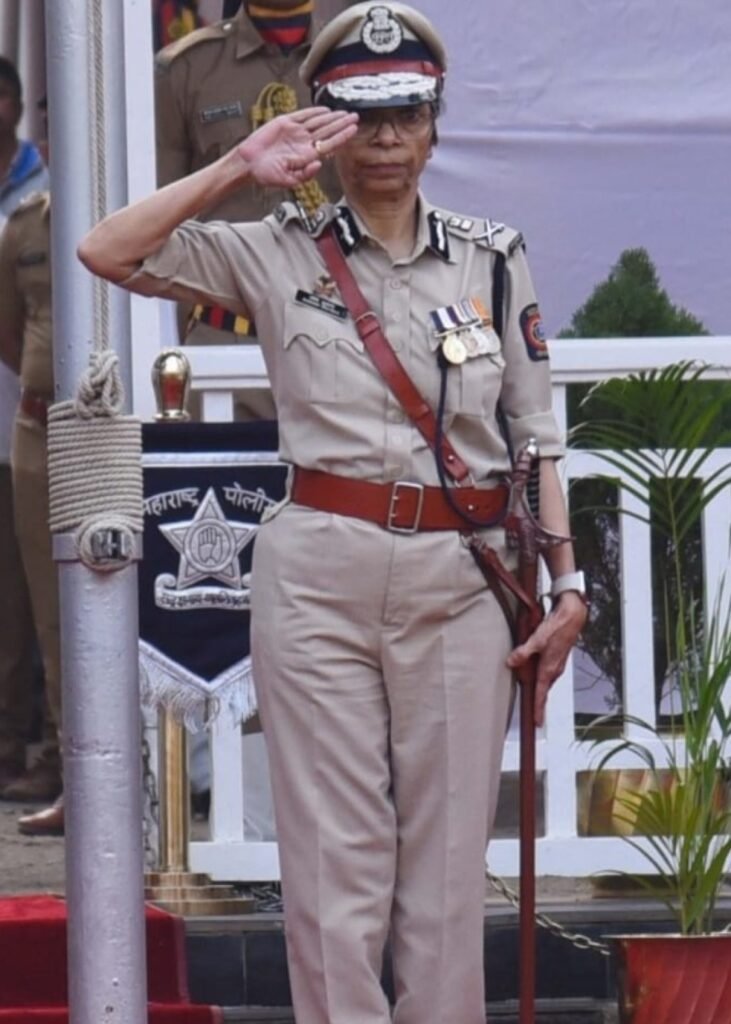
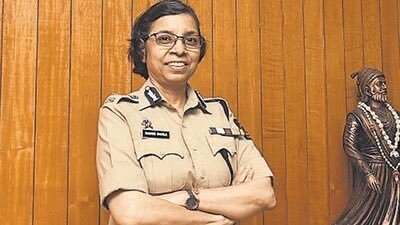
Maharashtra’s Trailblazing Police Chief Rashmi Shukla Retires After Historic Career

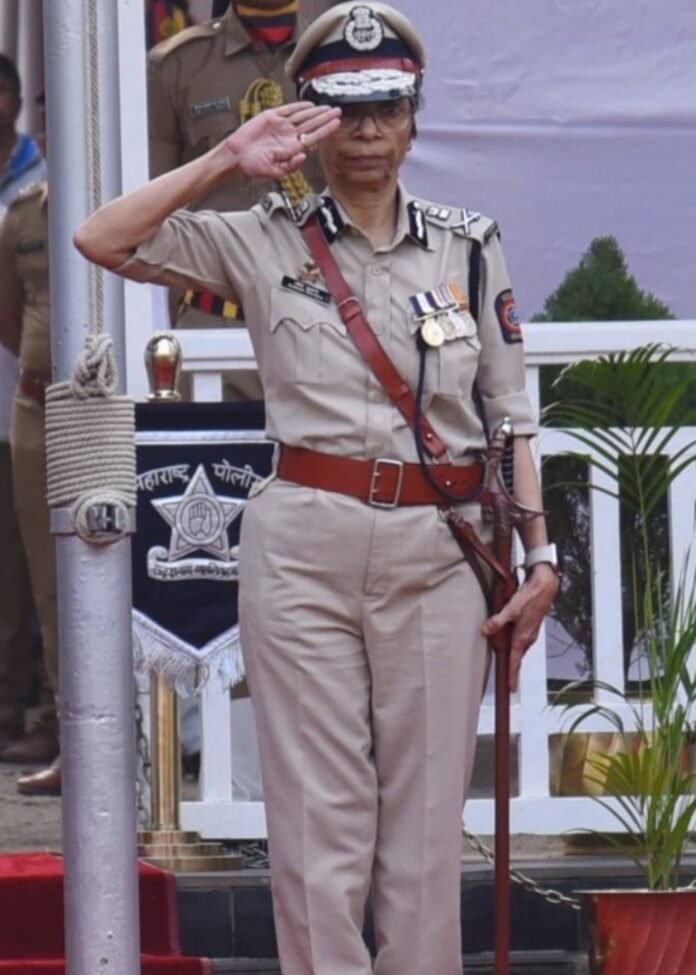
Rashmi Shukla, the first woman to head the Maharashtra Police as Director General of Police, retired on 3 January 2026 after a distinguished 37-and-a-half-year career in the Indian Police Service. Her retirement marks the end of a remarkable journey that broke gender barriers and set new standards for leadership in one of India’s most complex law-enforcement environments.


Rashmi Shukla’s pioneering journey in Indian policing


Rashmi Shukla was born on 30 June 1964 and joined the Indian Police Service in 1988. Over nearly four decades, she held a series of key roles at both state and national levels, demonstrating operational depth, administrative skill and strategic vision. Before becoming Maharashtra’s police chief in January 2024, she led the Sashastra Seema Bal, a paramilitary force responsible for guarding India’s borders with Nepal and Bhutan. She also served as Additional Director-General in the Central Reserve Police Force, and as Commissioner of Police in Pune roles that strengthened her reputation as a seasoned and adaptable officer.


Leading with resilience and experience


Shukla’s tenure reflected both professional achievement and personal resilience. Colleagues described her as a decisive leader who understood the challenges of law and order in the state. Her leadership extended to areas like internal security and community policing, and she was widely admired for her disciplined approach and clear communication with personnel.


Breaking barriers and setting new standards


When she took charge as Director General of Police, Shukla became the first woman to lead the Maharashtra Police a force that serves millions in one of India’s largest and most dynamic states. Her appointment was seen as a milestone for gender representation in Indian law enforcement. Shukla herself would later reflect that the role of DGP was “gender-neutral,” emphasising that the work remained the same regardless of who held the office.

Maharashtra’s Trailblazing Police Chief Rashmi Shukla Retires After Historic Career


Rashmi’s farewell and reflections on service


At her farewell ceremony at the Naigaon Police Ground in Bhoiwada, senior officials paid tribute to her long service with a Guard of Honour. In her farewell address, Shukla spoke of her satisfaction with her career and thanked the Maharashtra Police for the support she received over the years. She expressed pride in the teamwork that helped elevate the force and wished good health and success to her colleagues.


Passing the baton to IPS Sadanand


Following her retirement, senior IPS officer Sadanand Date known for his work as a head of the National Investigation Agency was appointed the new Director General of Police for Maharashtra. Date’s appointment signals a continuation of experienced leadership at the helm of the state’s police force.


Rashmi Shukla’s career is a testimony to her resilience, leadership and commitment to public service, and her journey will remain an inspiration for aspiring officers, especially women, in policing across India.

Ikkis Review A Quiet War Story That Opens 2026 With Reflection, Not Noise

0
Ikkis Review A Quiet War Story That Opens 2026 With Reflection, Not Noise

As the first notable Hindi release of 2026, Ikkis arrives without spectacle-driven expectations. Starring Agastya Nanda and Dharmendra, the film chooses restraint over grandiosity, making it clear early on that this is not a conventional war drama. Instead of focusing on victory or bravado, Ikkis places human emotion and moral reflection at the centre of its narrative.


Ikkis: A war film rooted in humanity


Inspired by the life of Param Vir Chakra awardee Second Lieutenant Arun Khetarpal, Ikkis revisits the 1971 Indo-Pak war through a deeply personal lens. The film avoids turning the battlefield into a stage for hero worship. War here is not glorified but questioned. Loss, fear, duty and sacrifice take precedence over action-heavy sequences, giving the story an emotional weight that lingers beyond the screen.


Agastya Nanda shows promise in a restrained role


Agastya Nanda delivers a controlled and sincere performance, portraying a young soldier shaped by responsibility rather than aggression. His portrayal reflects innocence meeting harsh reality, making his character arc believable and grounded. It marks a steady and confident step forward for the young actor, who resists dramatics and lets silence do much of the work.


Dharmendra’s final role adds emotional depth


Dharmendra’s presence gives the film its emotional anchor. Playing the father of the fallen soldier, he brings dignity, grief and warmth without ever appearing overbearing. Knowing this is his final on-screen appearance adds a layer of poignancy, but even without that context, his performance stands out for its simplicity and honesty.


An anti-war message that feels relevant


What sets Ikkis apart is its clear anti-war sentiment. Patriotism is portrayed through empathy and remembrance rather than aggression. The film reflects on what remains after wars end, unanswered grief, families left behind, and the emotional cost that medals cannot erase. This approach feels especially relevant in a time when war narratives often lean towards excess.


A deliberate pace that may divide opinions


The storytelling unfolds slowly, prioritising character over momentum. While some viewers may find the pacing uneven, others will appreciate its intention. The film asks for patience and rewards it with moments of quiet impact rather than dramatic highs.


Ikkis, a thoughtful beginning to the year


Ikkis may not appeal to audiences seeking high-energy action, but it succeeds in offering meaningful cinema. With strong performances and a reflective tone, it sets a thoughtful note for Hindi cinema in 2026, reminding viewers that sometimes the most powerful war stories are the ones that question war itself.