Home Blog Page 61

The Untold Story of Neera Arya, India’s First Woman Spy of the INA

0

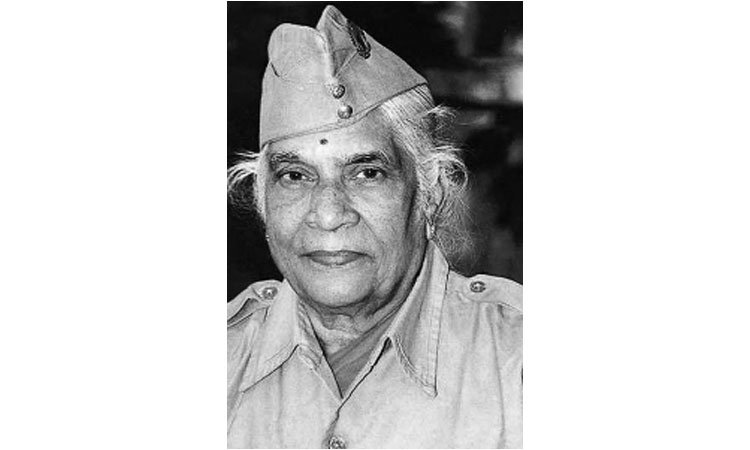
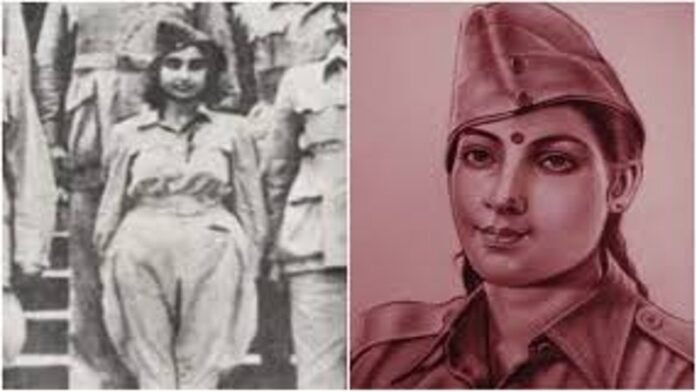
In the pages of India’s freedom struggle, many names shine brightly—but some remain hidden in the shadows despite extraordinary courage. One such name is Neera Arya—the fearless woman who became the first female spy of the Azad Hind Fauj, and whose life was defined by sacrifice, loyalty, and unwavering patriotism.

A Beginning Rooted in Patriotism

Born on March 5, 1902, in Khekra (present-day Uttar Pradesh), Neera Arya grew up in a well-off family but was deeply influenced by the spirit of nationalism from an early age. Educated in Kolkata, she developed a strong sense of duty towards the country, which eventually led her to join the freedom movement.

Her path took a decisive turn when she joined the Indian National Army under Subhas Chandra Bose, becoming part of the historic Rani Jhansi Regiment—a symbol of women’s active participation in the struggle for independence.

The Spy Who Defied Fear

Recognising her courage and sharp intellect, Netaji entrusted Neera Arya with one of the most dangerous roles—espionage. She became the first woman spy of the INA, gathering intelligence and supporting revolutionary operations.

Her life, however, was marked by an intense personal conflict. Married to a British loyalist police officer, she found herself on opposing sides of loyalty. Yet, when faced with the ultimate test, she chose the nation above all else—a decision that would define her legacy.

Imprisonment, Torture, and Silence

Neera Arya’s bravery came at a heavy cost. She was arrested by British authorities and subjected to brutal imprisonment, including incarceration in the Cellular Jail in the Andaman and Nicobar Islands.

Despite severe torture and repeated attempts to extract information—especially about Netaji—she refused to betray her comrades. Her silence under unimaginable suffering became a symbol of unyielding patriotism.

A Forgotten Life After Freedom

Ironically, after India gained independence, Neera Arya’s life faded into obscurity. She spent her later years in hardship, reportedly selling flowers on the streets of Hyderabad, far removed from the recognition she deserved.

She passed away on July 26, 1998, leaving behind a legacy that was largely forgotten by mainstream history.

Legacy of an Unsung Hero

Today, Neera Arya is remembered as a symbol of courage, sacrifice, and silent resistance. Her story is slowly finding its place again—through research, public discourse, and even an upcoming biopic that aims to bring her life to a wider audience.

Conclusion

Neera Arya’s life is not just a story of rebellion—it is a story of conviction. In choosing the nation over personal ties, enduring torture without breaking, and living a life of anonymity without regret, she embodied the true spirit of freedom.

In remembering her, we are reminded that India’s independence was not just won on battlefields—but also in the quiet, unbreakable resolve of heroes like her.
Jagannath Temple Audit: After Four Decades, Puri’s Sacred Treasury to Open

0

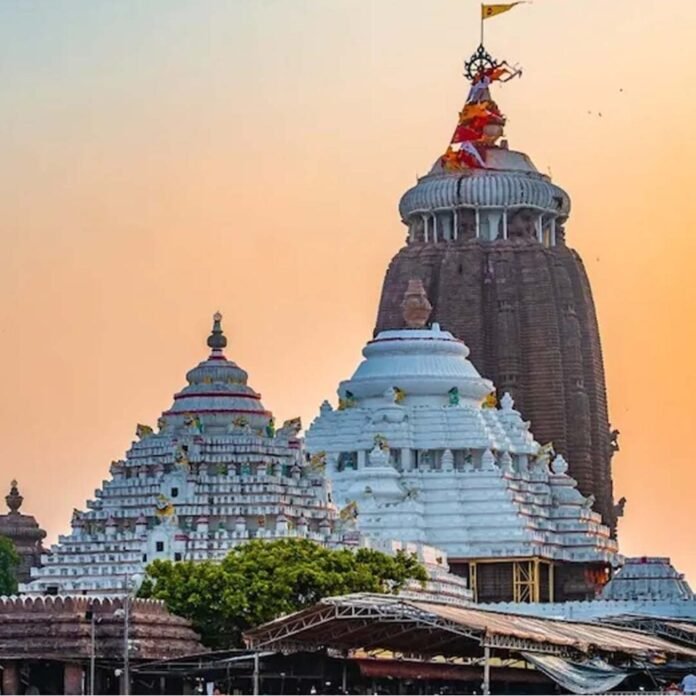
In a rare and deeply significant development, the sacred treasury of the Jagannath Temple—known as the Ratna Bhandar—is set to undergo a detailed audit beginning March 25, 2026. For the first time in over four decades, a comprehensive inventory of the temple’s priceless ornaments will be carried out, drawing national attention to one of India’s most revered and mysterious repositories of wealth.

An Auspicious Beginning to a Historic Exercise

The treasury will be opened during an auspicious time window between 12:09 pm and 1:25 pm, following strict religious protocols.

This court-mandated audit, ordered under the supervision of the Orissa High Court, is expected to be completed within three months and will involve multiple expert teams, including goldsmiths, temple servitors, administrators, and technical specialists.

What Lies Inside the Ratna Bhandar

The Ratna Bhandar is the temple’s treasure chamber, holding centuries’ worth of offerings made to Lord Jagannath, Lord Balabhadra, and Goddess Subhadra.

These include:
●Gold crowns, necklaces, and armlets
●Diamond and gemstone-studded ornaments
●Ritual jewellery used in daily adornment and festivals

The treasury is divided into two sections:

●Chalanti Ratna Bhandar (outer chamber): Holds ornaments used regularly
●Bhitara Ratna Bhandar (inner chamber): Contains the most ancient and valuable items, many of which have rarely been accessed

Why This Audit Is So Important

The last detailed inventory was conducted in 1978, over a 70-day period. At the time, records showed:

●454 gold items weighing about 128 kg
●292 silver items weighing over 221 kg
●Several items that could not even be weighed or fully documented

Notably, the inner chamber was not fully examined then, making the current exercise even more crucial.

This audit will:
•Cross-check every ornament with decades-old records
•Identify what remains, what is missing, and what has been added
•Bring long-awaited transparency to the management of temple wealth

Modern Technology Meets Ancient Tradition

Unlike the 1978 exercise, this audit will use advanced documentation methods:
•Each item will be assigned a unique serial number
•Details like material, weight, and design will be recorded
•3D digital mapping and imaging will create a permanent visual record

All work will be carried out under tight security, with the treasury being opened and sealed daily in the presence of officials and magistrates.

A Moment Beyond Administration

While the audit is administrative in nature, its significance is far deeper. The Ratna Bhandar represents centuries of faith, devotion, and cultural continuity. Every ornament is not just a valuable object, but a sacred offering tied to ritual and belief.

Conclusion

As the doors of the Ratna Bhandar open after decades, the exercise marks a rare intersection of faith, history, and modern governance. It is not merely about counting treasures, but about preserving a living legacy with transparency and care.

In documenting these sacred ornaments, India is safeguarding not just wealth—but a spiritual heritage that continues to inspire millions.

Bharat Mandapam: Know USP, Cost and Lavish Infra of The India’s Grand Stage for Global Dialogue and Culture

0

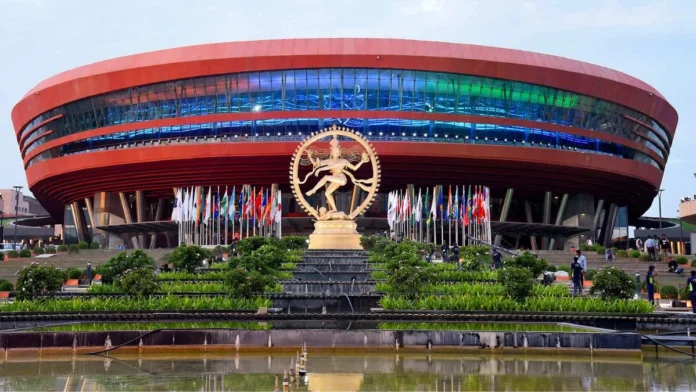
At the heart of New Delhi stands Bharat Mandapam, a landmark that symbolises India’s growing global presence. More than just a convention centre, it is a world-class hub for diplomacy, business, and cultural exchange, designed to host some of the most important international events.

What Exactly Is Bharat Mandapam?

Bharat Mandapam is an International Exhibition-cum-Convention Centre (IECC) developed within the historic Pragati Maidan complex. It serves as India’s premier venue for global summits, exhibitions, trade fairs, and conferences.

It gained international prominence as the main venue for the G20 Summit 2023, showcasing India’s capability to host world leaders on a grand scale.

Vision, Construction and Cost

The project was conceptualised to replace outdated infrastructure at Pragati Maidan and create a modern global-standard venue. Construction began in 2017 and the complex was inaugurated on July 26, 2023.

●Cost: Around ₹2,700 crore
●Developed by: India Trade Promotion Organisation
●Campus Area: Approximately 123 acres

It is now considered India’s largest MICE (Meetings, Incentives, Conferences, Exhibitions) destination, placing it among the top convention complexes globally.

Inside Bharat Mandapam: A City Within a Venue

Bharat Mandapam is designed as a complete ecosystem capable of hosting multiple large-scale events simultaneously.

●A grand Convention Centre with seating for around 7,000 people
●Multiple auditoriums, meeting rooms, and VIP lounges
●Large exhibition halls for trade fairs and expos
●An amphitheatre for cultural performances
●Business centres, dining spaces, and support facilities

Its scale and design allow it to function almost like a self-contained city for global events.

What Makes It Unique

What truly distinguishes Bharat Mandapam is its fusion of Indian heritage with modern technology.

●The design draws inspiration from the Shankha (conch shell), a symbol in Indian tradition
●Inspired by the ancient “Anubhava Mantapa”, often seen as an early democratic assembly space
●Features cutting-edge infrastructure like high-speed connectivity and multilingual interpretation systems
●Houses cultural installations, including a massive Nataraja statue, symbolising India’s artistic heritage

This blend of tradition and innovation makes it not just functional, but symbolically powerful.

More Than Infrastructure

Bharat Mandapam is not merely a venue—it is a statement. It reflects India’s ambition to become a global hub for dialogue, trade, and cultural exchange. From hosting world leaders to showcasing Indian art and innovation, it represents a modern India that is confident, connected, and culturally rooted.

In many ways, Bharat Mandapam is a bridge—between past and future, culture and commerce, India and the world. As global events increasingly turn to India, this grand structure stands ready—not just as a venue, but as a symbol of a nation stepping onto the world stage with confidence and vision.

Earth’s Rotation Is Slowing at an Unprecedented Rate Due to Human-Driven Climate Change

0

PC(Bhaskar English, Facebook)

New scientific research has revealed that human activity is now altering one of the most fundamental properties of our planet: the speed at which Earth rotates on its axis. According to a study published in March 2026 by researchers from the University of Vienna and ETH Zurich, the length of a day has been increasing at a pace that is unmatched over at least the past 3.6 million years. Between 2000 and 2020, the average length of a day grew by approximately 1.33 milliseconds per century – a direct consequence of massive polar ice melt and glacier retreat caused by global warming. This tiny but measurable change is already influencing precision timekeeping systems around the world.

The “Figure Skater Effect” in Action

The mechanism behind this slowdown is straightforward and elegant. As vast quantities of ice from Greenland, Antarctica, and mountain glaciers melt, the resulting water flows from the poles toward lower latitudes and spreads out more evenly around the equator. This redistribution of mass increases Earth’s moment of inertia – the rotational equivalent of mass being farther from the axis of rotation. Just as a figure skater spins more slowly when they extend their arms outward (moving mass farther from the center of their body), Earth spins more slowly when more of its mass is shifted toward the equator. Lead researcher Mostafa Kiani Shahvandi from the University of Vienna explained “In our earlier work, we showed that the accelerated melting of polar ice sheets and mountain glaciers in the 21st century is raising sea levels, which slows Earth’s rotation and therefore lengthens the day similar to a figure skater who spins more slowly once they stretch their arms.”

Earth's Rotation Is Slowing at an Unprecedented Rate Due to Human-Driven Climate Change

A Historic Shift: Humans Overtaking the Moon

For billions of years, the dominant force gradually slowing Earth’s rotation has been tidal friction caused by the gravitational interaction between Earth and the Moon. This process has been lengthening days by roughly 2.4 milliseconds per century over geological timescales. However, the modern climate-driven acceleration is so rapid that scientists now project climate change could become the primary driver of Earth’s rotational slowdown by the end of the 21st century. If current emission trends continue, projections indicate that climate impacts alone could contribute an additional 2.62 milliseconds of day-length increase by 2100 – surpassing the Moon’s long-term influence.

Reconstructing Millions of Years of Rotation History

To determine whether anything like this has happened before, the team analyzed chemical signatures preserved in the fossilized shells of tiny marine organisms called benthic foraminifera. These microscopic creatures record ancient sea-level changes in their shell chemistry, allowing scientists to reconstruct corresponding variations in Earth’s rotation rate.
The record shows that while day length has fluctuated over millions of years – particularly during ice-age cycles of the Quaternary period the sharp acceleration observed since the year 2000 stands out as exceptional in at least the past 3.6 million years, reaching back into the late Pliocene epoch.

Professor Benedikt Soja of ETH Zurich stated

“This rapid increase in day length implies that the rate of modern climate change has been unprecedented at least since the late Pliocene, 3.6 million years ago. The current rapid rise in day length can thus be attributed primarily to human influences.” Real-World Consequences: From Leap Seconds to GPS although an extra 1.33 milliseconds per century is imperceptible in daily life, it creates significant challenges for technologies that depend on ultra-precise synchronization with Earth’s rotation.

Systems affected include

GPS satellites and other space navigation platforms deep-space missions high-frequency financial trading networks telecommunications infrastructure.The cumulative effect has already forced adjustments to global time standards. The previously anticipated introduction of a negative leap second (subtracting one second from clocks to keep them aligned with Earth’s slowing rotation) has been delayed – from an expected date around 2026 to at least 2029 – largely because of this climate-induced additional slowdown. Looking Ahea While the changes remain far too small to influence human sleep cycles, circadian rhythms, or everyday experience, they serve as another stark indicator of how profoundly human greenhouse gas emissions are reshaping the physical Earth system. As melting continues and sea levels rise, the planet’s spin will slow further – quietly but relentlessly reminding us that even the length of our days is no longer entirely governed by celestial mechanics alone. The era in which natural astronomical forces were the sole architects of Earth’s rotation may be coming to an end.

Hidden Gem of the Himalayas: New Wild Kiwi Species

0

PC(EastMojo, Northeast Today)

In a thrilling boost to India’s botanical treasures, scientists have discovered a brand-new species of wild kiwi thriving in the misty forests of Arunachal Pradesh. Named Actinidia indica, this elusive climbing shrub adds fresh excitement to the Actinidia genus-the very family that gives us the beloved fuzzy kiwi fruit.

The breakthrough comes courtesy of researchers from the Botanical Survey of India (BSI): Dr. S.S. Dash, Dr. Umeshkumar L. Tiwari, and Mr. Rohan Maity from the Central National Herbarium in Howrah. Their discovery, born from meticulous field surveys and in-depth taxonomic analysis (with fieldwork dating back to 2022), spotlights the untapped biodiversity hidden in the Eastern Himalayas.

A Unique Climber in a Biodiversity Hotspot

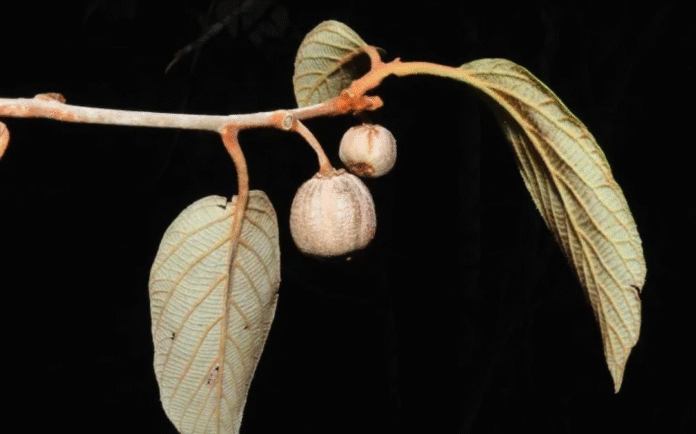
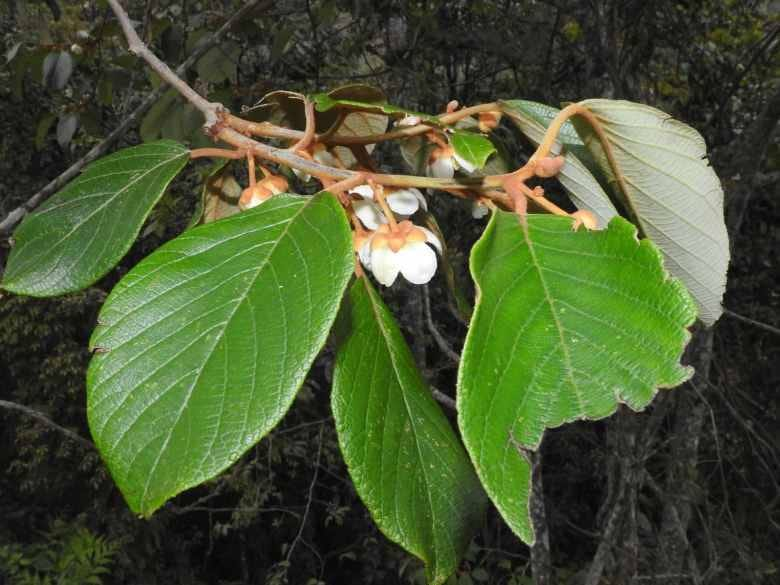
Actinidia indica is a perennial climbing shrub that stretches 2-4 meters tall, with densely hairy young branches that give it a distinctive fuzzy look. It boasts large, ovate leaves and eye-catching white to creamy flowers spanning 4-6 cm across-large and showy for a wild kiwi relative. But the real standout feature is its fruit: small, olive-green, globose orbs measuring 2.5-4 cm, covered in a unique reticulate (net-like) pattern of linear, spindle-shaped lenticels. This intricate surface design, along with the fruit’s rounded and slightly hairy texture, sets it clearly apart from close cousins like Actinidia fulvic Oma. The plant was found at around 1,725 meters elevation in the Lower Subansiri district, near the scenic Ziro Valley. It clings to forest edges in a rich transition zone blending subtropical and temperate forests, surrounded by companions like figs, magnolias, and chestnuts that provide the perfect shaded, structured canopy for this climber.

Hidden Gem of the Himalayas: New Wild Kiwi Species

Boosting Global and Indian Kiwi Diversity

With this find, the worldwide tally of Actinidia species climbs to 56, yet India hosts only a handful. Arunachal Pradesh already shines as the country’s top kiwi producer (contributing about 50% of national output from cultivated varieties), making this wild discovery even more meaningful. It opens doors to potential genetic resources that could enhance commercial kiwi breeding for better resilience, flavor, or disease resistance.

Conservation Concerns and the Call for Action despite the celebration, caution prevails. Actinidia indica is known only from a narrow stretch near Ziro Valley so far, raising red flags about its vulnerability. Currently listed as “Data Deficient” by researchers due to limited population information, it lacks a full extinction risk assessment. The team urges wider field explorations across Arunachal Pradesh to map its true range and inform conservation strategies. In a region facing habitat pressures, such calls underscore the urgent need to protect these biodiversity hotspots before more secrets vanish.

Why It Matters

This isn’t just another plant name on a list—it’s proof that the Eastern Himalayas still harbor surprises waiting to be revealed. As Maity, Tiwari, and Dash emphasize, Arunachal’s forests continue to yield new species, reminding us of their irreplaceable ecological value and the vital role of taxonomy, fieldwork, and conservation in preserving India’s natural heritage. In a world racing toward biodiversity loss, discoveries like Actinidia indica inspire hope-and action-to safeguard these green wonders for generations to come.

Meet Reble: The Meghalaya Rapper Who Stole the Spotlight in Dhurandhar

0

The voice that has recently captured national attention through the Dhurandhar soundtrack—especially in tracks like “Run Down The City – Monica” and “Naal Nachna”—belongs to Daiaphi Lamare, better known as Reble. With her raw, high-energy delivery and unmistakable presence, she has quickly emerged as one of the most exciting new voices in Indian hip-hop.

Hailing from Meghalaya, Reble represents a powerful shift in India’s music landscape—bringing Northeast India into the mainstream spotlight. Her rise is not just about music, but about representation and identity. Her rap style blends hip-hop with elements of trap, alternative, and R&B, often infused with personal experiences and bold storytelling.

Interestingly, her journey into music wasn’t conventional. A BTech graduate who once considered a corporate career, Reble chose to pursue music instead—an unconventional decision that has now defined her identity.

Her breakthrough moment came with Dhurandhar, where she became one of the standout voices on the soundtrack. Her performances in tracks like “Run Down The City – Monica”, “Naal Nachna”, and later “Aari Aari” in Dhurandhar: The Revenge showcased her fearless energy, sharp flow, and unfiltered expression, earning her widespread recognition.

But her journey began much earlier. Starting out under the name “Daya,” she began writing and rapping at a young age, eventually releasing independent tracks and her debut EP Entropy. Songs like “Talk of the Town” and “New Riot” helped establish her in India’s underground hip-hop scene before her Bollywood breakthrough.

What truly sets Reble apart is her authenticity. She often speaks about facing racism and underrepresentation, experiences that shape her music and give it emotional depth. Her work doesn’t just entertain—it challenges narratives and amplifies voices from the margins.

Today, Reble is more than just a rising artist—she is part of a larger cultural shift. In bringing Northeast India’s voice to the forefront, she is helping redefine what Indian hip-hop sounds like and who it represents.
In every verse she delivers, there is a sense of defiance, identity, and truth—making Daiaphi Lamare not just a name to watch, but a voice that is here to stay.

India’s Finest Stays Go Global: Three Unique Retreats that made to TIME’s 2026 List

0

India’s hospitality landscape has earned a coveted place on the global map, with three exceptional properties featured in TIME World’s Greatest Places 2026. What makes this recognition remarkable is not just luxury, but the distinct identity each stay offers—heritage, sustainability, and wellness—reflecting a deeper, more experiential form of travel.

A Palace Reimagined: The Oberoi Rajgarh Palace

India’s Finest Stays Go Global: Three Unique Retreats that made to TIME’s 2026 List

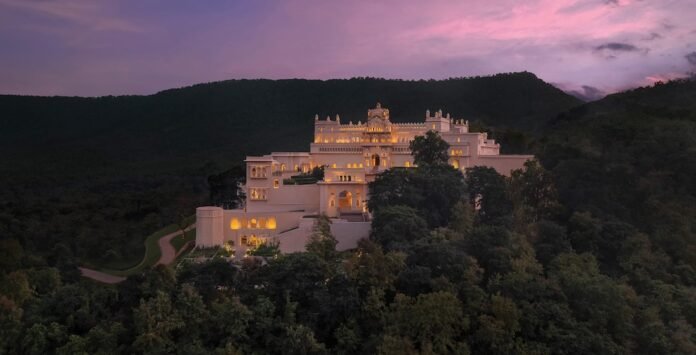
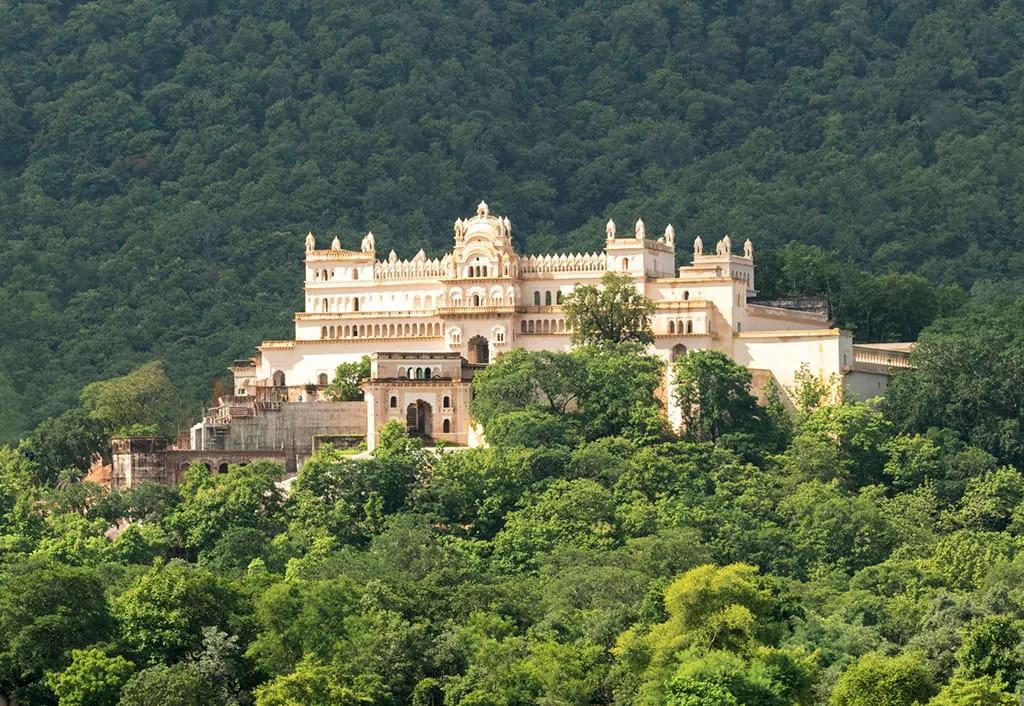
Set atop a hill overlooking forests and a serene lake near Khajuraho, this newly opened resort (November 2025) is a meticulously restored 350-year-old palace. The property features around 65 rooms with frescoed interiors, private pools, gardens, and terraces, blending regal charm with contemporary luxury.

What truly distinguishes it is not just its grandeur, but its setting and experience. Overlooking the wilderness near Panna National Park, it offers a rare combination of royal living and nature immersion. Guests don’t simply stay here—they inhabit a space where history, architecture, and landscape converge seamlessly.

Luxury in Simplicity: Mharo Khet

India’s Finest Stays Go Global: Three Unique Retreats that made to TIME’s 2026 List

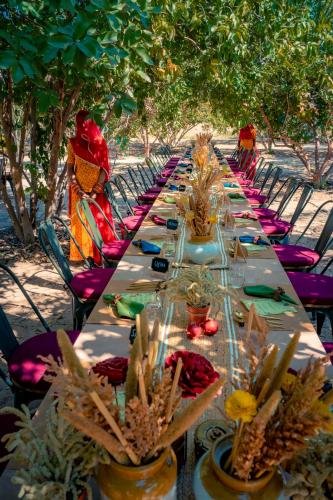
Among the three, Mharo Khet represents a completely different philosophy—one rooted in slow living and sustainability. Recognised by TIME for its fresh approach to travel, this boutique farmstay invites guests to step away from excess and embrace earthy, mindful luxury.

Here, the experience revolves around organic farming, local cuisine, and a deep connection to the land. Instead of opulence, it offers authenticity—where the rhythm of rural life, open skies, and community engagement become the defining elements of the stay. It reflects a global shift where travellers increasingly seek purpose-driven and eco-conscious experiences.

Wellness in the Wilderness: Shakti Himalaya Prana Lodge

India’s Finest Stays Go Global: Three Unique Retreats that made to TIME’s 2026 List

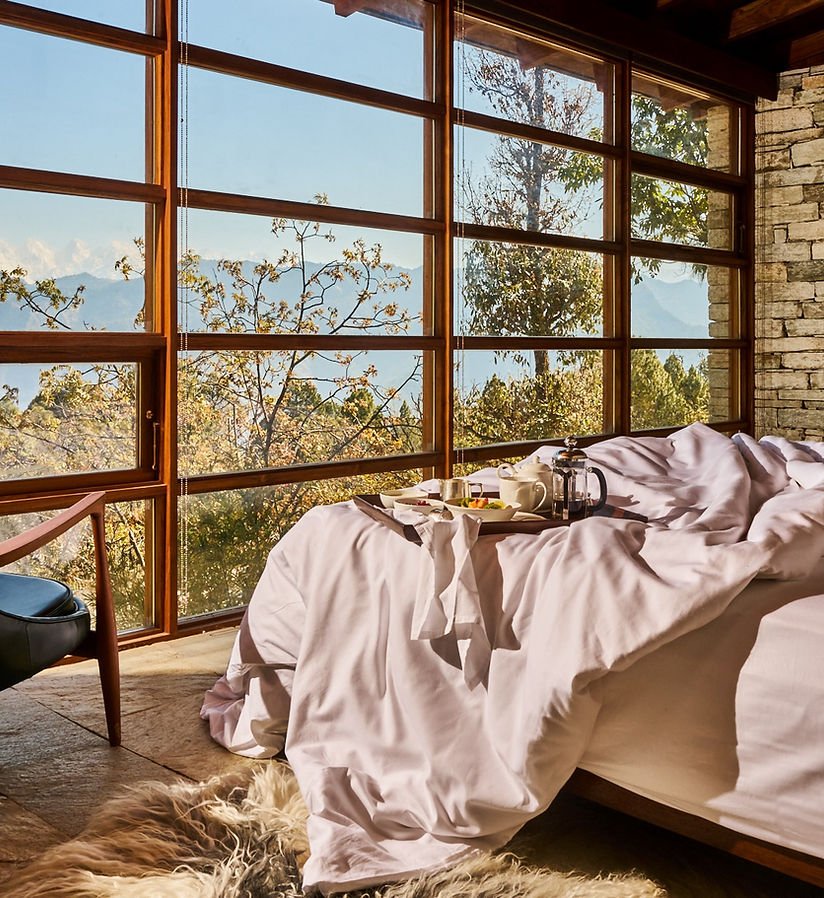
Opened in October 2025, this seven-suite Himalayan retreat is the crown jewel of the Shakti Himalaya experience. Designed as an exclusive, intimate escape, it combines luxury trekking, remote wilderness, and holistic wellness.

What makes Prana Lodge unique is its concept of “inner journeys, outdoors.” Guests often arrive after guided village walks through Kumaon, making the stay not just a destination but the culmination of a deeper travel experience. With panoramic mountain views, personalised service, and a focus on well-being, it offers a rare form of luxury defined by silence, space, and self-discovery.

A New Language of Luxury

Together, these three destinations highlight a powerful shift in global travel. Luxury is no longer defined by extravagance alone, but by experience, authenticity, and connection:
●A restored palace that brings history alive
●A farmstay that celebrates sustainability
●A mountain retreat that prioritises wellness

Conclusion

From the regal landscapes of Madhya Pradesh to the rustic charm of Jodhpur and the serene Himalayas, these properties showcase India’s extraordinary diversity. Their inclusion in a global list is not just recognition—it is a reflection of how India is redefining luxury for the modern traveller.

In the end, these stays offer more than comfort—they offer stories, stillness, and a sense of place that lingers long after the journey ends.

Silver Stories: The Tribal Jewellery Traditions of Rajasthan

0

Bold Ornaments that Reflect Identity, Heritage and Everyday Life

Beyond the opulence of royal courts and the famed splendour of Rajasthani kundan and meenakari lies another equally compelling world—the jewellery traditions of Rajasthan’s tribal communities. Spread across regions such as Mewar, Marwar, Dungarpur, Banswara and Udaipur, tribes like the Bhil, Meena, Garasia, and Rabari have, for centuries, crafted and worn distinctive ornaments that are as expressive as they are enduring.

Jewellery Beyond Ornamentation

In Rajasthan, jewellery has never been merely decorative—it is deeply interwoven with social structure, economy, and identity. While royal jewellery often reflected power, wealth and patronage, tribal jewellery evolved from lived realities—mobility, environment, and community traditions.

Silver, rather than gold, became the dominant metal among tribal groups. Its affordability, durability and accessibility made it ideal for everyday use. But beyond practicality, silver holds cultural and even medicinal value in Indian traditions. It is widely believed to have cooling properties and protective qualities, especially in the harsh desert climate of Rajasthan.

Jewellery in Everyday Life

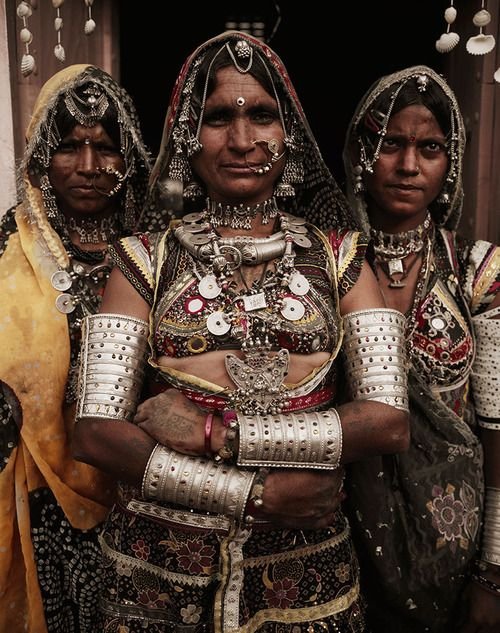
Unlike the ornate pieces reserved for festivals or ceremonies in urban or royal settings, tribal jewellery is an integral part of daily attire. Women—and in some communities, even men—wear multiple pieces as a constant expression of identity.

Common ornaments include:
●Hansli (rigid neckpieces)
●Aad or Timaniya (pendant necklaces)
●Kada and Bangadi (thick bangles)
●Payal and Kada (heavy anklets)
●Borla and Rakdi (head ornaments)
●Large, often stretched earrings and nose rings

These ornaments are not lightweight. Many are intentionally heavy, symbolising strength, endurance, and prosperity. In some communities, jewellery also functions as a form of financial security—portable wealth that can be sold or exchanged in times of need.

Symbols of Identity and Social Codes

Jewellery in tribal Rajasthan acts as a visual language. The design, weight, and type of ornament can indicate a person’s marital status, age, clan affiliation, and even economic standing.

For instance:
●Married women often wear specific bangles or necklaces that signify their status.
●Certain ornaments are exclusive to particular tribes or regions, making identity instantly recognisable.
●The quantity and craftsmanship of jewellery can reflect familial wealth or social prestige.

Historian Dr. Uttama Singh Rao elaborates on this cultural depth:

Silver Stories: The Tribal Jewellery Traditions of Rajasthan


“Across Rajasthan, jewellery has historically functioned as a marker of identity as much as adornment. Among tribal communities, each piece carries meaning—whether it is protection, status, or belonging. The diversity in forms and styles reflects the varied lifestyles, geographies and histories of these communities. In many ways, jewellery becomes a living document of Rajasthan’s social fabric.”

Craftsmanship and Regional Diversity

The craftsmanship of tribal jewellery is rooted in traditional techniques passed down through generations. Unlike the precision-polished finish of court jewellery, tribal pieces often retain a raw, handmade aesthetic—marked by bold forms, textured surfaces and symbolic motifs.

Different regions bring their own distinct styles:
●In southern Rajasthan, Bhil and Garasia ornaments are often massive and sculptural.
●In eastern regions, Meena jewellery reflects a blend of tribal and agrarian influences.
●In desert areas, designs tend to be more geometric and minimal, suited to mobility and harsh conditions.

Motifs frequently draw from nature—flowers, animals, celestial forms—reflecting a close relationship between tribal life and the natural world.

Cultural Heritage Worth Preserving

Today, Rajasthan’s tribal jewellery is gaining renewed recognition—not only within India but globally. Designers, anthropologists and collectors are increasingly drawn to its authenticity, sustainability and deep cultural narratives.

However, this growing interest also raises important questions about preservation and ethical representation. As modern influences reshape lifestyles, traditional jewellery practices face the risk of decline.

Historian Divyansh Saxena notes:

Silver Stories: The Tribal Jewellery Traditions of Rajasthan


“Tribal jewellery is not just an art form—it is a living heritage. It offers insight into communities that have preserved their identity through generations, often without written records. Protecting these traditions means recognising their value beyond aesthetics.”

A Living Legacy

From the deserts of Marwar to the forested belts of southern Rajasthan, tribal jewellery continues to tell stories—of resilience, identity, and continuity. These silver ornaments, worn not just on special occasions but in everyday life, stand as enduring symbols of a culture that values tradition as much as it embraces change.

In their weight lies history, and in their shine, the spirit of Rajasthan’s diverse communities.

Invisible Warriors: The Untold Stories of India’s Greatest Spies

0

In the silent corridors of history—far from the glory of battlefields—live the stories of India’s most extraordinary yet largely unrecognised heroes. These are the spies who operated in the shadows, assuming false identities, leaving behind families, and embracing lives of uncertainty, all in the service of the nation.

Their victories were never celebrated publicly, their sacrifices rarely acknowledged—but their impact on India’s security has been profound and lasting.

Ravindra Kaushik – The Legendary ‘Black Tiger’

Invisible Warriors: The Untold Stories of India’s Greatest Spies

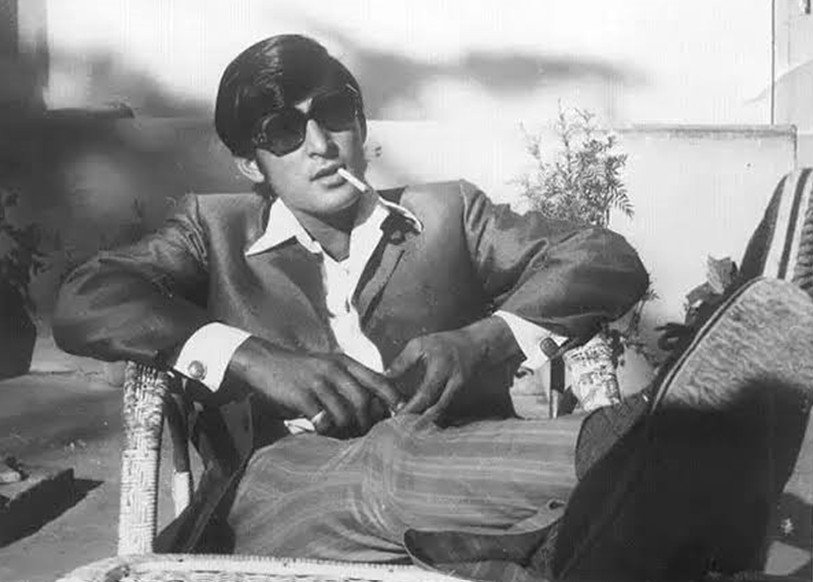
Among India’s most celebrated spies, Ravindra Kaushik’s story reads like a gripping thriller, yet it is entirely real. Recruited by RAW in his early twenties, he was sent to Pakistan under the identity Nabi Ahmed Shakir.

Immersing himself completely, he studied law at the University of Karachi and eventually joined the Pakistani Army, rising through its ranks. For years, he provided India with crucial intelligence that helped anticipate military strategies and strengthen national security.

His cover was eventually blown in 1983, leading to his arrest. Despite enduring years of harsh imprisonment and torture, he never compromised sensitive information. He died in captivity in 2001—his sacrifice unmatched, his recognition long overdue.

Mohanlal Bhaskar – The Man Who Lived Another Life

Invisible Warriors: The Untold Stories of India’s Greatest Spies

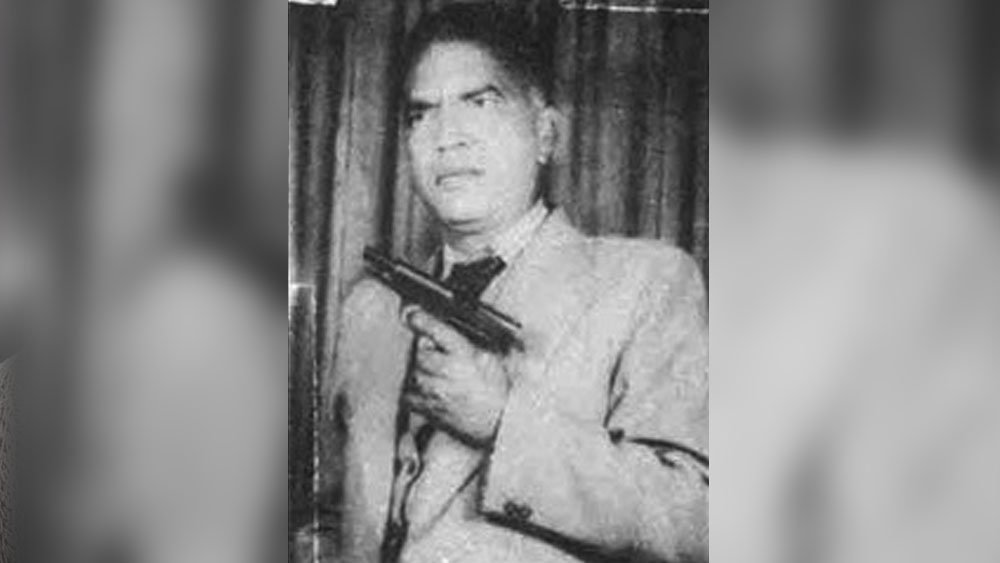
Mohanlal Bhaskar’s transformation into a covert operative required him to completely abandon his identity and live as Mohammad Aslam in Pakistan. His mission involved gathering sensitive intelligence at a time when India needed deep insight into its neighbour’s strategic developments.

Operating under constant threat, his work demanded not just courage but a complete psychological reinvention. Eventually, he was betrayed and captured, spending over a decade in prison.

Unlike many spies who remain forever in the shadows, Bhaskar later documented his experiences in his book “An Indian Spy in Pakistan”, offering a rare glimpse into the perilous world of espionage.

Saraswathi Rajamani – The Teenage Spy Who Defied an Empire

Invisible Warriors: The Untold Stories of India’s Greatest Spies

One of the most remarkable yet lesser-known figures of India’s freedom struggle, Saraswathi Rajamani served as a spy for the Indian National Army.

At just 16, she disguised herself as a boy to infiltrate British camps and gather intelligence. In a daring rescue mission, she posed as a dancer, drugged British officers, and freed a captured fellow operative. During the escape, she was shot but still managed to complete the mission.

Her story is not just one of espionage, but of extraordinary bravery at an age when most are far removed from the realities of war.

Sehmat Khan – The Woman Who Changed the Course of War

Invisible Warriors: The Untold Stories of India’s Greatest Spies

Operating during the 1971 Indo-Pak war, Sehmat Khan undertook one of the most emotionally complex missions in Indian intelligence history. She married into a Pakistani military family to gain access to critical information.

Her intelligence inputs proved decisive—most notably, she alerted Indian authorities to a planned attack on an Indian naval asset, helping avert a major disaster.
After completing her mission, she quietly stepped away from espionage and returned to civilian life, carrying with her the weight of a life lived between identities.

Her story later inspired the book Calling Sehmat and the film Raazi, bringing long-overdue recognition to her courage.

Ajit Doval – The Master Strategist

Invisible Warriors: The Untold Stories of India’s Greatest Spies

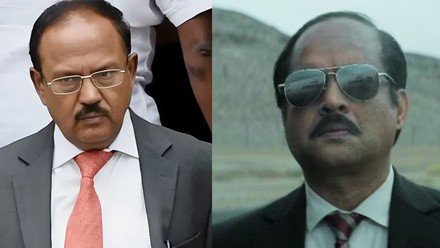
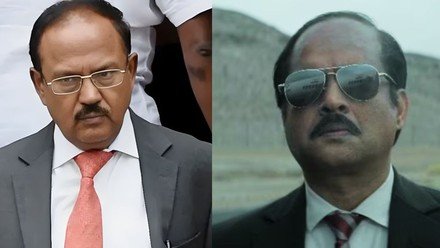
Ajit Doval represents a rare journey from covert operations to national leadership. As an intelligence operative, he undertook deep undercover missions, including extended periods in Pakistan, gathering crucial intelligence.

He also played key roles in counter-insurgency and counter-terrorism operations within India.

What sets him apart is not just his fieldwork, but his transition into shaping India’s security strategy at the highest level. Today, as India’s National Security Advisor, he continues to influence critical decisions—bridging the world of covert intelligence with national policy.

Nehchal Sandhu and Syed Asif Ibrahim – The Guardians Within

Invisible Warriors: The Untold Stories of India’s Greatest Spies

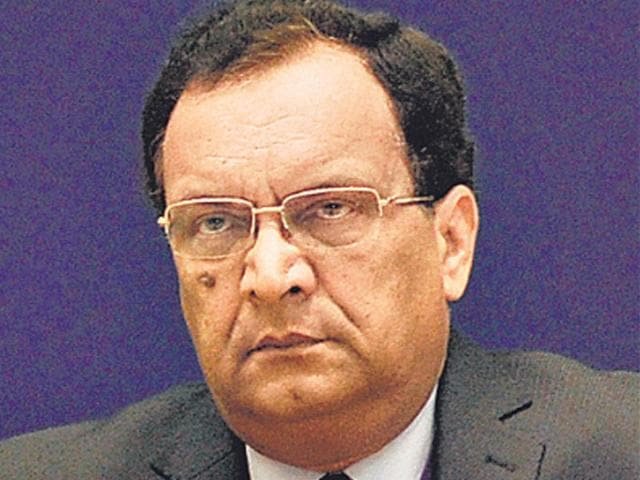
Not all intelligence battles are fought across borders. Officers like Nehchal Sandhu and Syed Asif Ibrahim played pivotal roles in strengthening India’s internal security framework.

Their work in counter-terrorism, intelligence coordination, and national security helped prevent threats before they could materialise. Rising to head the Intelligence Bureau, both exemplify the quiet efficiency and strategic depth that define India’s internal intelligence machinery.

Silent Service, Timeless Legacy

The world of espionage is one of anonymity. There are no medals worn in public, no victory parades, and often no acknowledgment at all. Many spies live and die without their stories ever being told.

Yet, their contributions shape the course of history in ways the world may never fully understand. They prevent wars before they begin, protect lives without being seen, and serve the nation without expectation of recognition.

India’s spies are not just operatives—they are silent sentinels, whose courage, sacrifice, and unwavering patriotism continue to safeguard the nation from the shadows.

Shaheed Diwas 2026: Remembering Bhagat Singh, Rajguru and Sukhdev

0

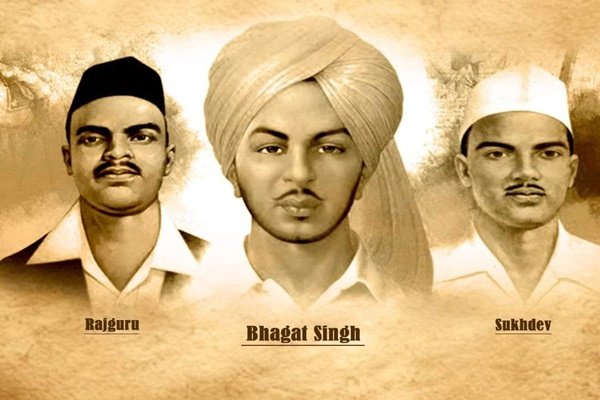
On March 23, India bows its head in solemn pride, remembering three extraordinary revolutionaries—Bhagat Singh, Shivaram Rajguru, and Sukhdev Thapar—who embraced martyrdom for the dream of a free nation. The 95th anniversary of their execution, observed as Shaheed Diwas, is not just a day of remembrance, but a powerful reaffirmation of courage, sacrifice, and unwavering patriotism.

The Story of Defiance and Sacrifice

The lives of these three revolutionaries were defined by an unyielding resistance to British colonial rule. As members of the Hindustan Socialist Republican Association, they believed that freedom was worth every sacrifice.

In 1928, seeking justice for the death of Lala Lajpat Rai, they carried out the assassination of British officer John Saunders in Lahore. Bhagat Singh later courted arrest by throwing non-lethal bombs in the Central Legislative Assembly, using the trial as a platform to awaken the nation.

Their actions were not driven by hatred, but by a fierce love for their motherland and a desire to shake a nation out of submission.

On March 23, 1931, the British executed all three in Lahore Central Jail. They walked to the gallows with fearless resolve, reportedly raising slogans of revolution—turning their final moments into an enduring symbol of resistance.

Courage Beyond Years

What makes their story even more remarkable is their youth. Bhagat Singh was just 23, Sukhdev 23, and Rajguru only 22 when they were executed. Yet, their clarity of thought, intellectual depth, and fearless action surpassed generations.

Bhagat Singh’s writings and ideas reflected a revolutionary mind that went beyond political freedom—he envisioned a just, equal, and awakened society. Rajguru’s courage and precision, and Sukhdev’s dedication and organizational strength, made them a formidable force in the freedom movement.
They did not merely fight the British Empire—they challenged fear itself.

A Legacy That Still Inspires India

Nearly a century later, their legacy continues to live in the heartbeat of India. Their sacrifice intensified the freedom struggle and awakened a sense of unity and urgency among Indians. Over time, Bhagat Singh became a symbol of youthful rebellion and national pride, inspiring generations across ideological lines.

From textbooks to public discourse, from slogans to silent tributes, their names evoke deep respect and emotion. The memorial at Hussainiwala in Punjab stands as a reminder of where their mortal remains were laid to rest, but their spirit transcends geography and time.

Prime Minister’s Tribute: Honouring the Spirit of Sacrifice

Marking the occasion, Prime Minister Narendra Modi paid heartfelt tribute to the martyrs, remembering their unparalleled bravery and commitment to India’s freedom.

In his message, he described them as “brave sons of Bharat Mata,” emphasizing that their sacrifice remains etched in the nation’s collective memory. He highlighted how, at such a young age, they displayed extraordinary courage and chose the path of sacrifice without hesitation, placing the nation above their own lives. Their ideals of justice, patriotism, and fearless resistance, he noted, continue to ignite the spirit of countless Indians even today.


More Than Martyrs—Eternal Ideals

Shaheed Diwas is not just about remembering history—it is about renewing a pledge. The lives of Bhagat Singh, Rajguru, and Sukhdev remind us that true patriotism lies in courage, conviction, and the willingness to stand up for what is right.

Their martyrdom was not an end, but a beginning—a spark that ignited a nation’s journey to independence.
As India marks 95 years since their sacrifice, their message still echoes powerfully:
freedom must be cherished, protected, and constantly redefined through justice, equality, and fearless thought.

The nation does not mourn them—it salutes them.