


In the silent corridors of history—far from the glory of battlefields—live the stories of India’s most extraordinary yet largely unrecognised heroes. These are the spies who operated in the shadows, assuming false identities, leaving behind families, and embracing lives of uncertainty, all in the service of the nation.
Their victories were never celebrated publicly, their sacrifices rarely acknowledged—but their impact on India’s security has been profound and lasting.
Ravindra Kaushik – The Legendary ‘Black Tiger’
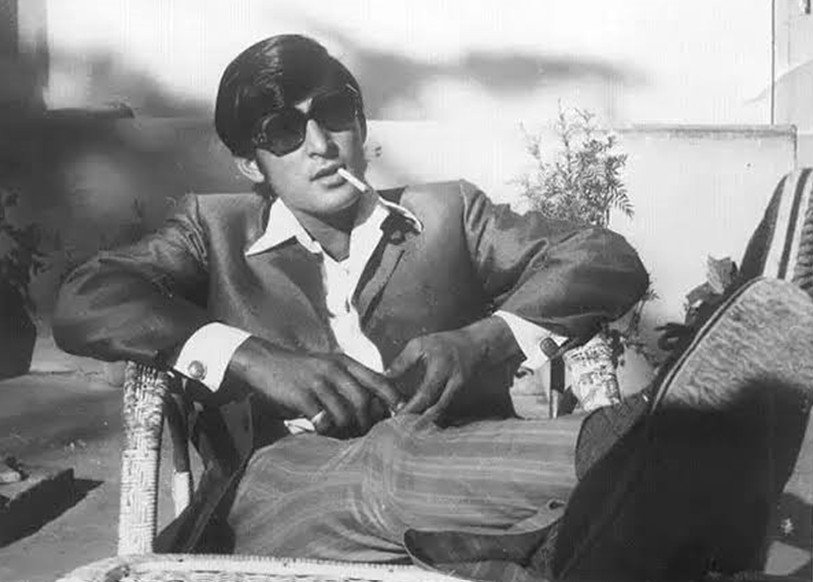
Among India’s most celebrated spies, Ravindra Kaushik’s story reads like a gripping thriller, yet it is entirely real. Recruited by RAW in his early twenties, he was sent to Pakistan under the identity Nabi Ahmed Shakir.
Immersing himself completely, he studied law at the University of Karachi and eventually joined the Pakistani Army, rising through its ranks. For years, he provided India with crucial intelligence that helped anticipate military strategies and strengthen national security.
His cover was eventually blown in 1983, leading to his arrest. Despite enduring years of harsh imprisonment and torture, he never compromised sensitive information. He died in captivity in 2001—his sacrifice unmatched, his recognition long overdue.
Mohanlal Bhaskar – The Man Who Lived Another Life
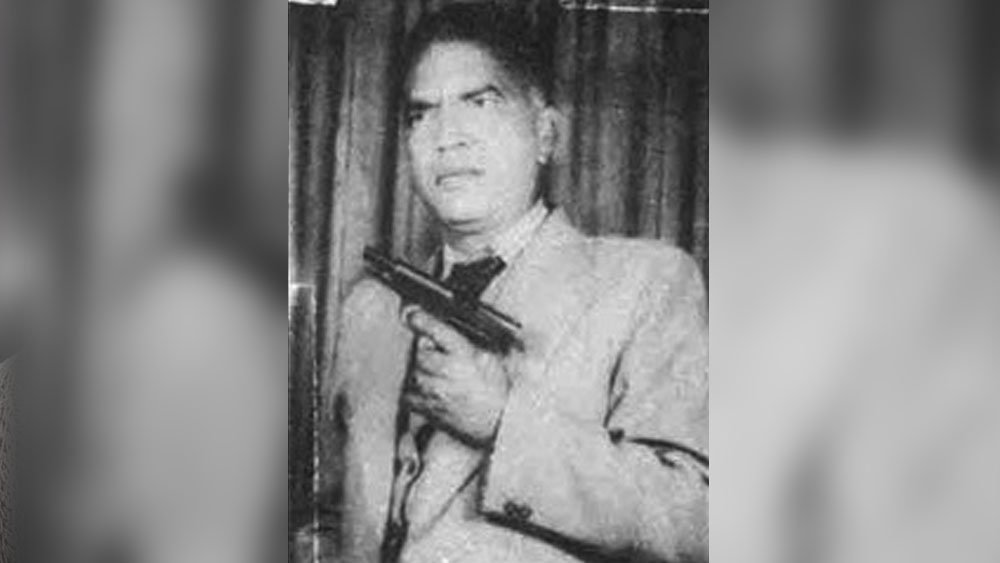
Mohanlal Bhaskar’s transformation into a covert operative required him to completely abandon his identity and live as Mohammad Aslam in Pakistan. His mission involved gathering sensitive intelligence at a time when India needed deep insight into its neighbour’s strategic developments.
Operating under constant threat, his work demanded not just courage but a complete psychological reinvention. Eventually, he was betrayed and captured, spending over a decade in prison.
Unlike many spies who remain forever in the shadows, Bhaskar later documented his experiences in his book “An Indian Spy in Pakistan”, offering a rare glimpse into the perilous world of espionage.
Saraswathi Rajamani – The Teenage Spy Who Defied an Empire
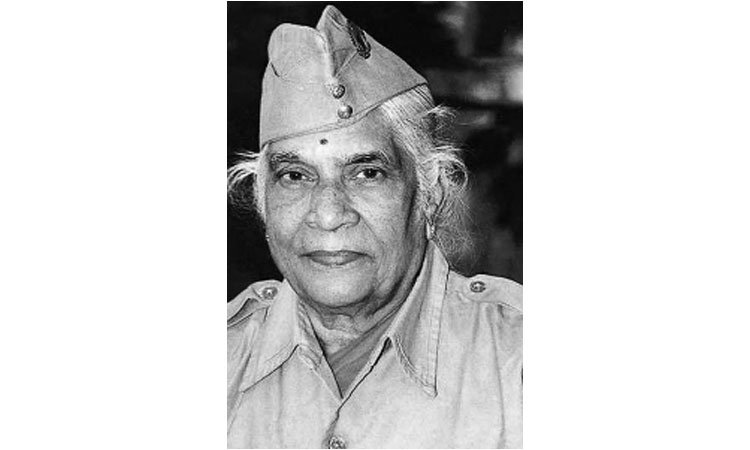
One of the most remarkable yet lesser-known figures of India’s freedom struggle, Saraswathi Rajamani served as a spy for the Indian National Army.
At just 16, she disguised herself as a boy to infiltrate British camps and gather intelligence. In a daring rescue mission, she posed as a dancer, drugged British officers, and freed a captured fellow operative. During the escape, she was shot but still managed to complete the mission.
Her story is not just one of espionage, but of extraordinary bravery at an age when most are far removed from the realities of war.
Sehmat Khan – The Woman Who Changed the Course of War

Operating during the 1971 Indo-Pak war, Sehmat Khan undertook one of the most emotionally complex missions in Indian intelligence history. She married into a Pakistani military family to gain access to critical information.
Her intelligence inputs proved decisive—most notably, she alerted Indian authorities to a planned attack on an Indian naval asset, helping avert a major disaster.
After completing her mission, she quietly stepped away from espionage and returned to civilian life, carrying with her the weight of a life lived between identities.
Her story later inspired the book Calling Sehmat and the film Raazi, bringing long-overdue recognition to her courage.
Ajit Doval – The Master Strategist

Ajit Doval represents a rare journey from covert operations to national leadership. As an intelligence operative, he undertook deep undercover missions, including extended periods in Pakistan, gathering crucial intelligence.
He also played key roles in counter-insurgency and counter-terrorism operations within India.
What sets him apart is not just his fieldwork, but his transition into shaping India’s security strategy at the highest level. Today, as India’s National Security Advisor, he continues to influence critical decisions—bridging the world of covert intelligence with national policy.
Nehchal Sandhu and Syed Asif Ibrahim – The Guardians Within
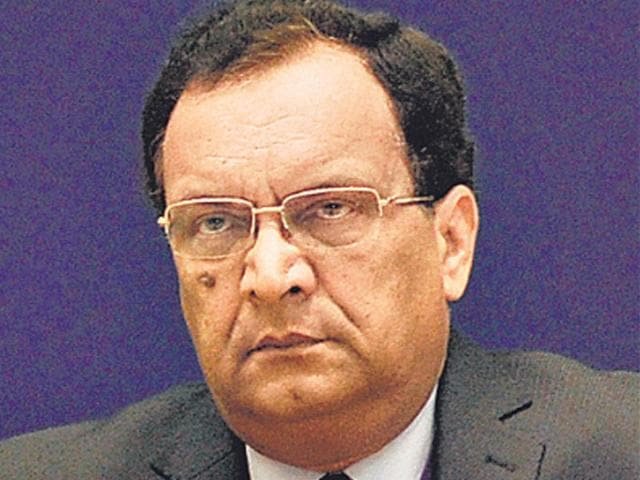
Not all intelligence battles are fought across borders. Officers like Nehchal Sandhu and Syed Asif Ibrahim played pivotal roles in strengthening India’s internal security framework.
Their work in counter-terrorism, intelligence coordination, and national security helped prevent threats before they could materialise. Rising to head the Intelligence Bureau, both exemplify the quiet efficiency and strategic depth that define India’s internal intelligence machinery.
Silent Service, Timeless Legacy
The world of espionage is one of anonymity. There are no medals worn in public, no victory parades, and often no acknowledgment at all. Many spies live and die without their stories ever being told.
Yet, their contributions shape the course of history in ways the world may never fully understand. They prevent wars before they begin, protect lives without being seen, and serve the nation without expectation of recognition.
India’s spies are not just operatives—they are silent sentinels, whose courage, sacrifice, and unwavering patriotism continue to safeguard the nation from the shadows.