Home Blog Page 54

Operation Sindoor: A Story of Courage Set to Unfold on the Big Screen

0

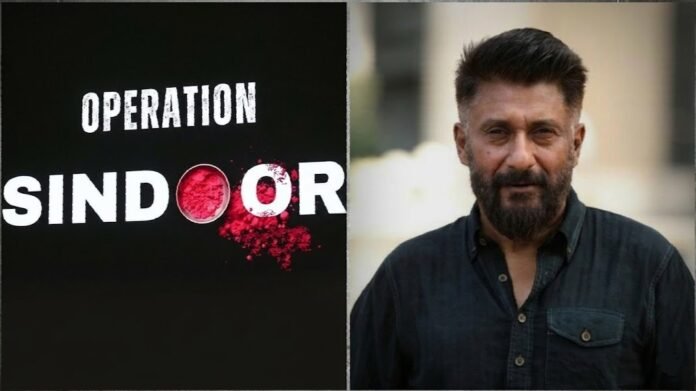
In a significant cinematic announcement, filmmaker Vivek Agnihotri and producer Bhushan Kumar have come together to bring “Operation Sindoor” to life—a film inspired by real events that stirred the nation.

The project is based on India’s targeted military response following the 2025 Pahalgam terror attack, an operation that highlighted the country’s strategic resolve and the bravery of its armed forces. Rather than presenting a purely fictional narrative, the film aims to offer a research-driven and realistic portrayal of these events.

What adds depth to the project is its reported inspiration from the book “Operation Sindoor: The Untold Story of India’s Deep Strikes Inside Pakistan” by Lt. Gen. K.J.S. ‘Tiny’ Dhillon (Retd.). Drawing from such accounts, the film is expected to explore not just the operation itself, but also the planning, precision, and human stories behind it.

Backed by T-Series and I Am Buddha Productions, the collaboration brings together a strong creative force. Known for his work on real-life narratives, Vivek Agnihotri is expected to approach this subject with a focus on authenticity and detailed research, while Bhushan Kumar’s production scale ensures a wide-reaching cinematic experience.

Importantly, the makers have emphasised that the film will go beyond action, delving into the emotional and strategic dimensions of the operation—highlighting sacrifice, decision-making, and national sentiment.

While details regarding the cast and release date are yet to be announced, Operation Sindoor has already generated considerable interest for its subject and scale.

In essence, the film promises to be more than just a war drama—it seeks to present a thoughtful and powerful retelling of a defining moment, where courage, strategy, and national pride come together on screen.

Trump Extends Iran Strike Deadline by 10 Days Amid Ongoing Talks Over Strait of Hormuz

0

PC(The Times of India)

In a significant development amid rising tensions in West Asia, Donald Trump has announced a 10-day extension on planned U.S. strikes targeting Iran’s energy infrastructure, pushing the new deadline to April 6, 2026.
The decision, confirmed on March 27, comes as part of ongoing diplomatic engagements between the United States and Iran, with Washington signaling cautious optimism about the progress of negotiations. Originally intended as a five-day pause, the extension follows what Trump described as a direct request from Tehran for more time. Speaking to media and via social platforms, he stated that discussions between the two sides are “ongoing” and “going very well.” “They asked for seven days, and I gave them ten,” Trump said, adding that the gesture was partly influenced by Iran allowing the passage of multiple oil tankers through the strategically critical Strait of Hormuz.

The Strait of Hormuz remains one of the world’s most vital النفط (oil) transit chokepoints, carrying a significant share of global energy supplies. Earlier warnings from Washington had linked potential military action to threats against free navigation in the waterway.
Trump had previously issued a stark ultimatum, stating that failure to keep the strait fully open would result in U.S. strikes on Iranian power plants and energy facilities. While the U.S. administration has emphasized “productive” and “constructive” talks, Iranian state media has expressed skepticism, casting doubt on Washington’s intentions and the likelihood of a diplomatic breakthrough. This divergence has created uncertainty around the true state of negotiations, even as deadlines continue to shift.

The latest extension reflects a fluid and evolving situation. Earlier this week, Trump had postponed military action by five days, citing positive diplomatic momentum. The additional 10-day window now provides more time for negotiations but also underscores the fragile nature of the standoff.

Khelo India Tribal Games 2026: Celebrating Tribal Talent on a National Stage

0

The Khelo India Tribal Games 2026 (KITG 2026) mark a historic milestone in India’s sporting journey, as the country hosts its first-ever national multi-sport event exclusively for tribal athletes.

The inaugural edition is being held in Chhattisgarh, across three major venues—Raipur, Jagdalpur, and Sarguja—from 25th March to 3rd April 2026. These locations have been strategically selected to ensure wider regional participation and to bring the Games closer to tribal heartlands.

The event has brought together over 60,000 athletes from 30 states and Union Territories, making it one of the largest gatherings of tribal sporting talent in the country. The Games feature seven medal sports, including athletics, archery, football, hockey, swimming, wrestling, and weightlifting. In addition, demonstration events showcasing indigenous and traditional sports are also being organised, highlighting the rich cultural and physical traditions of tribal communities.

The primary objective of KITG 2026 is to provide a national platform to tribal youth, many of whom come from remote and underrepresented regions with limited access to professional training and exposure. By integrating them into the mainstream sports ecosystem, the initiative aims to identify hidden talent and create pathways to higher levels of competition, including national and international events.

Beyond competition, the Games celebrate the spirit of “Tribal Pride, Sporting Glory,” reflecting the resilience, identity, and cultural richness of India’s tribal communities. Cultural programmes and traditional expressions further enhance the vibrancy of the event, making it a celebration of both sport and heritage.

In essence, the Khelo India Tribal Games 2026 are not just a sporting event, but a powerful step towards inclusivity, empowerment, and recognition of grassroots talent, bringing India’s tribal athletes onto a national stage like never before.

IOC Limits Olympic Women’s Category to Biological Females Starting 2028

0

PC( Bernama, Instagram)

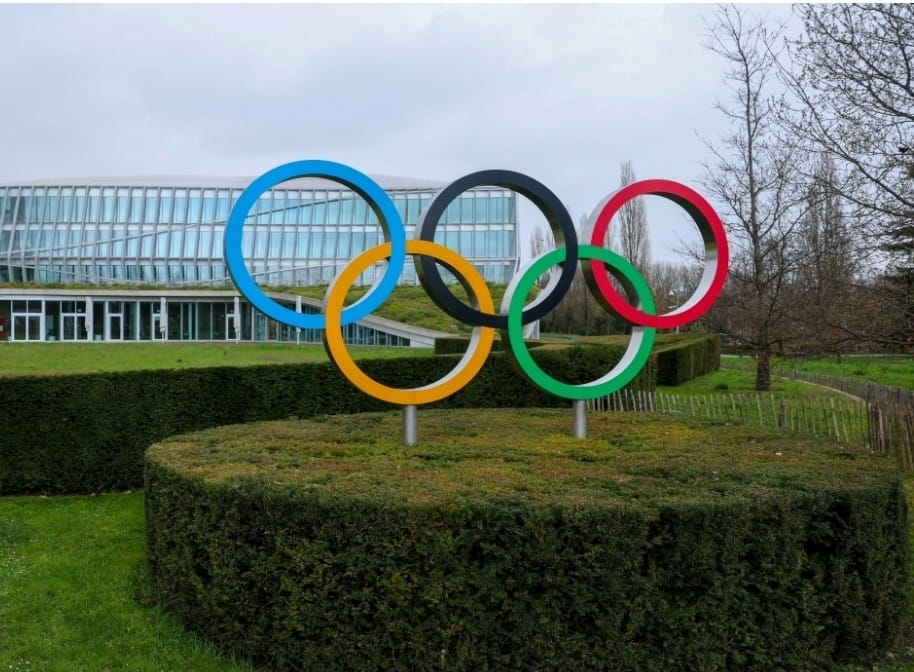
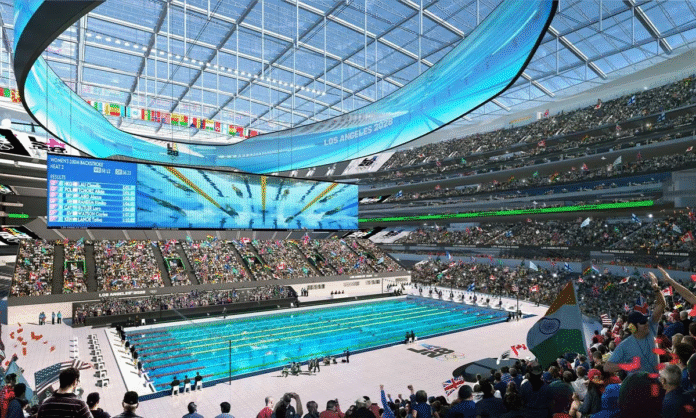
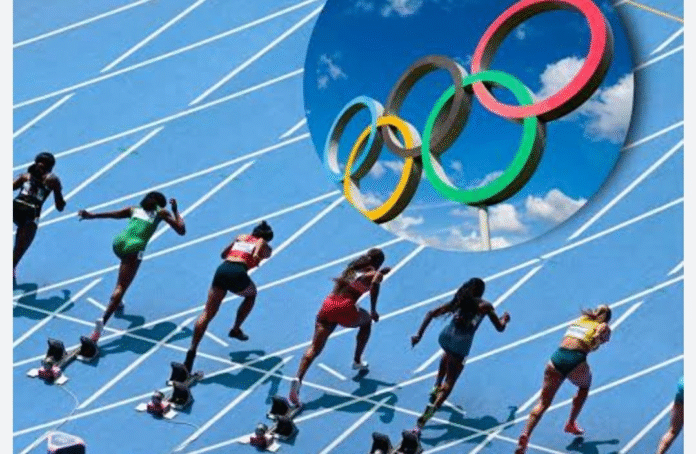
LAUSANNE – The International Olympic Committee (IOC) has announced a landmark policy that restricts eligibility for the women’s category in Olympic sports to biological females, effective from the 2028 Los Angeles Games onward. Approved by the IOC Executive Board on March 26, 2026, the new universal framework replaces the previous system in which individual international federations set their own eligibility rules. It applies to all female-category events at the Olympic Games and other IOC events, covering both individual and team sports.

Under the policy, eligibility will be determined by a mandatory “once-in-a-lifetime” genetic test screening for the SRY gene (Sex-determining Region Y gene). This gene, typically located on the Y chromosome, initiates male sex development. The test can be conducted non-intrusively through a saliva sample, cheek swab, or blood test. Athletes who test negative for the SRY gene will permanently qualify for the female category. Those who test positive will generally be ineligible, with a rare exception for athletes diagnosed with Complete Androgen Insensitivity Syndrome (CAIS) or certain other differences in sexual development (DSD) who do not derive performance advantages from testosterone associated with male puberty. The policy explicitly excludes transgender women and most DSD athletes who have undergone male puberty from competing in the female category.

IOC Limits Olympic Women's Category to Biological Females Starting 2028

IOC President Kirsty Coventry, a former Olympic swimmer, emphasized the science-based rationale behind the decision. “As a former athlete, I passionately believe in the rights of all Olympians to take part in fair competition,” Coventry said. “At the Olympic Games,
even the smallest margins can be the difference between victory and defeat. So, it is absolutely clear that it would not be fair for biological males to compete in the female category. In addition, in some sports it would simply not be safe.”

She added that every athlete must be treated with dignity and respect, and that the one-time screening ensures the process is minimally burdensome. The IOC stated that the policy was developed following an extensive review from September 2024 to March 2026, involving consultations with medical experts, international federations, and athletes. A working group established in September 2025 reviewed scientific, medical, and legal developments and concluded that male sex development provides significant performance advantages in sports relying on strength, power, and endurance.
An online survey of athletes (receiving over 1,100 responses) and in-depth interviews showed strong support for clear, science-based rules to protect the female category.

The IOC’s move follows a similar policy adopted by World Athletics in July 2025, which introduced a one-time SRY gene test for female-category eligibility at world ranking events. That policy took effect in September 2025 and was implemented at the World Athletics Championships in Tokyo. The new IOC framework encourages all International Federations and other sports bodies to adopt the same standards for IOC-sanctioned events. It does not apply to grassroots or recreational sports. The policy replaces previous IOC statements on gender identity and sex variations and is not retroactive.

How Independent Artists Can Turn Album Art into a Full Lyric Video Campaign

0

Music is an inherently visual art in the streaming era. Album art, promotional graphics, and lyric videos are not afterthoughts—they are core to how music is experienced and shared online. Yet for most independent artists and small music marketing teams, producing consistent visual content alongside audio releases is a production bottleneck. 

How Independent Artists Can Turn Album Art into a Full Lyric Video Campaign

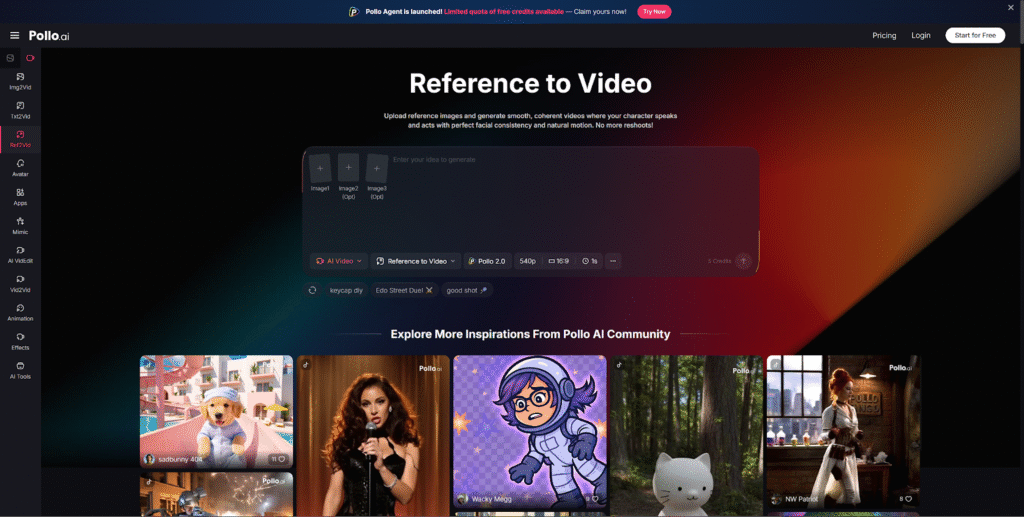
Pollo AI’s reference to video feature offers a practical answer: start from the artwork or mood imagery you already have, and generate motion-ready video content that carries the same visual language as your release.

The Music Marketer’s Visual Production Problem

Independent artists and label marketing teams share a familiar constraint: audio production gets most of the budget and attention, leaving visual content chronically under-resourced. The result is a cascade of production compromises:

  • Lyric videos become an afterthought. They often end up as static text over a blurred album cover—functional but forgettable.
  • Mood consistency breaks down. When visual assets are produced by different people or tools, the cohesive aesthetic of a release suffers.
  • Promotional content is slow to produce. By the time a properly edited teaser video is ready, the early promotion window for a release has closed.
  • Artwork investment is underutilized. Artists often spend significant resources on cover art that then lives only as a JPEG—never translated into motion.

Reference Art as the Starting Point for Lyric Videos

Lyric videos have a specific visual requirement: the aesthetic must match the emotional register of the song. Too generic, and the video feels disconnected from the music. Too busy, and it distracts from the lyrics. The reference-to-video workflow solves this by anchoring the video’s visual language directly to existing artwork.

A typical workflow for music content:

  • Use the album cover, promotional key art, or a mood image created for the release as the reference image
  • Generate a motion-based background or visual environment from that reference
  • Layer lyrics over the generated video in a text tool
  • Output a lyric video that feels visually unified with the broader release aesthetic
How Independent Artists Can Turn Album Art into a Full Lyric Video Campaign

The AI lyrics video generator on Pollo AI is designed to support this process, combining reference-based visual generation with lyric presentation in a workflow that does not require professional video production experience.

What this unlocks for artists:

  • Lyric videos that look deliberate, not improvised
  • Visual consistency between cover art, promotional clips, and lyric videos
  • Fast enough production to create lyric video previews before official release

Review: Practical Assessment for Musicians and Label Teams

Where the tool earns strong marks:

  • Artwork with distinct color palettes and strong mood generate especially effective motion backgrounds
  • The output respects the tonal quality of the reference, which is critical for genre consistency
  • Turnaround is compatible with tight release promotion timelines

Where to apply creative direction:

  • Abstract or monochromatic artwork may produce more ambiguous motion—adding a secondary reference or selecting a specific motion style helps
  • Font choice and lyric layout are still creative decisions that require human judgment

Business Analysis: Visual Content as a Release Multiplier

In digital music marketing, visual content is not decorative—it is distribution infrastructure. Lyric videos drive streams. Teasers drive pre-saves. Motion content drives social shares. Every visual asset produced from the same release artwork extends the reach and shelf life of that release.

The business case for reference-based lyric video production:

  • One reference artwork becomes multiple video assets: teaser clip, lyric video, social short, background loop
  • Reduced cost per visual asset when all derivatives share the same reference source
  • Faster content production cadence during the critical pre-release and launch window

Artists interested in more dramatic, high-energy visual formats should explore the movie trailer maker on Pollo AI, which supports cinematic pacing and motion intensity suitable for album announcement trailers and event promotion.

The Takeaway

Album art is not just packaging. It is a creative asset with video potential. With Pollo AI’s reference-to-video workflow, artists and marketing teams can convert that artwork into a range of motion content—lyric videos, teasers, promotional clips—that maintains visual consistency across an entire release campaign. The production barrier drops significantly, and the creative output reflects the same vision that went into the original artwork.

Kashmir Tulip Project: Know What It is and How It Boosts India’s Self-Reliance Drive

0

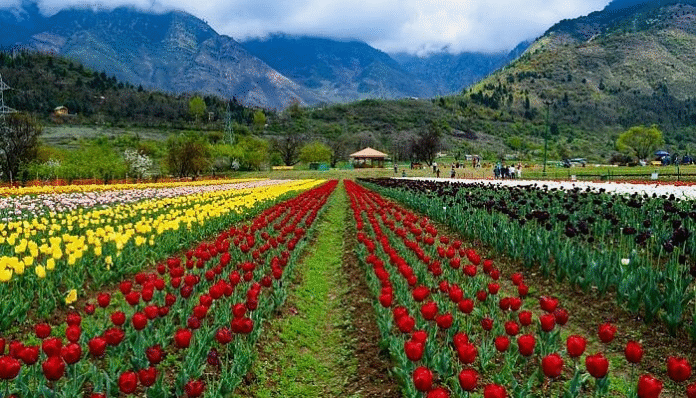
India is accelerating efforts to achieve self-reliance in tulip cultivation through a major initiative in Kashmir. The move aims to reduce dependence on imported tulip bulbs and establish a sustainable domestic supply chain. With growing demand for ornamental flowers and tourism-linked horticulture, the project is gaining strategic importance in the Valley’s agricultural landscape.

Centre of Excellence at Sagam

The Sher-e-Kashmir University of Agricultural Sciences and Technology (SKUAST-K) is developing a Centre of Excellence for Tulip and Bulb Production at the Mountain Crop Research Station (MCRS) in Sagam, Anantnag. Located about 76 km from Srinagar, the facility is designed to support advanced research and large-scale propagation of tulip varieties suited to Indian conditions.

Focus on Indigenous Bulb Production

Scientists at the MCRS are actively working on cultivating tulips and generating high-quality bulbs locally. The initiative seeks to replace costly imports with indigenous production. By developing locally adapted varieties, the project also aims to enhance resilience to climatic conditions and improve yield consistency across regions.

Financial Support and Infrastructure Development

The project spans 407 kanals and is backed by financial assistance of ₹8 crore from the National Bank for Agriculture and Rural Development (NABARD). The funding is being utilised for land development, infrastructure creation, and research facilities. Officials highlight that reducing import dependency will significantly cut costs and promote long-term sustainability.

Important Facts

  • Tulips are bulbous flowering plants widely grown in temperate regions.
  • Kashmir’s climate is suitable for floriculture, especially tulip cultivation.
  • NABARD supports rural infrastructure and agricultural development projects in India.
  • SKUAST-K is a key agricultural research institution in Jammu and Kashmir.

Economic and Tourism Implications

The initiative is expected to strengthen the floriculture sector in Jammu and Kashmir and boost tourism linked to tulip gardens, especially in Srinagar. Local production will create employment opportunities and enhance farmers’ income. Over time, India could emerge as a competitive player in the global ornamental flower market through such region-specific agricultural innovations.

There’s A Hidden Ocean Discovered Deep Inside Earth’s Mantle

0

Scientists have uncovered evidence of a vast water reservoir located nearly 700 kilometres beneath the Earth’s surface, potentially containing more water than all oceans combined. This “hidden ocean” is not a liquid body but water trapped within minerals deep inside the mantle. The discovery is reshaping scientific understanding of Earth’s internal structure and the origin of its water.

Location and Nature of the Hidden Reservoir

The water is found in the Earth’s mantle, far below the crust, in a region known as the transition zone. Unlike surface oceans, this water is not free-flowing. Instead, it is chemically bound within a high-pressure mineral called ringwoodite. Formed under extreme heat and pressure, ringwoodite can store significant amounts of water within its crystal structure, making it a crucial component of Earth’s deep water cycle.

Scientific Evidence and Research Methods

Direct exploration at such depths is not possible with current technology. Scientists rely on indirect methods such as seismic wave analysis. Earthquake waves slow down when passing through water-rich regions, providing clues about subsurface composition. Laboratory experiments and the study of ringwoodite samples, brought to the surface through volcanic activity, have confirmed the presence of water within these minerals.

Implications for Earth’s Water Origin

This discovery challenges the long-held theory that Earth’s water was delivered by comets. Instead, it supports the idea that water has been present within the planet since its formation. Over geological time, this internal water may have gradually reached the surface through volcanic processes, contributing to the formation of oceans while maintaining a stable global water volume.

Important Facts

  • Ringwoodite is a high-pressure mineral capable of storing water in the mantle.
  • Earth’s transition zone lies between 410 km and 660 km depth.
  • Seismic waves slow down in water-bearing regions inside Earth.
  • The mantle holds a significant portion of Earth’s internal water reserves.

Significance for Earth Sciences

The presence of such a massive internal water reserve has major implications for geology and planetary science. It enhances understanding of the deep water cycle, tectonic activity, and long-term climate stability. This finding also opens new avenues for studying how Earth’s interior influences surface conditions, reinforcing the complexity of planetary evolution.

LA 2028 Olympics: Genetic Testing Rule To Be Implemented as IOC Bars Transgender Women from Women’s Events

0

The International Olympic Committee (IOC) has announced a major policy shift ahead of the 2028 Los Angeles Olympics, stating that transgender women will no longer be allowed to compete in the women’s category.

Under the new framework, only biological females—athletes assigned female at birth—will be eligible to participate in women’s events. To enforce this, the IOC will introduce a one-time genetic screening, including SRY gene testing, to verify biological sex. The test may be conducted through saliva, cheek swab, or blood samples.

At the same time, athletes assigned female at birth who identify as transgender men will still be permitted to compete in women’s events.

Earlier Policy

Until now, the IOC allowed transgender women to compete if their testosterone levels were kept below a prescribed limit. In several cases, the final decision was left to individual international sports federations, leading to varied rules across disciplines.

New Zealand weightlifter Laurel Hubbard made history at the Tokyo 2020 Olympics (held in 2021) as the first openly transgender woman to compete at the Games.

Push for Uniformity and Fairness

The IOC said the revised policy aims to create a uniform standard across all sports, replacing the fragmented approach previously followed by different federations. The move, it said, is intended to ensure fairness in competition.

The new rule will apply only to elite, professional-level competitions like the Olympics and will not impact grassroots or community sports.

IOC’s Stand

IOC President Kirsty Coventry backed the decision, highlighting the narrow margins at the highest level of sport.

“At the Olympic level, even the smallest margin can decide victory or defeat. In such a scenario, ensuring fair competition is essential,” she said, adding that allowing biological males in women’s categories would not be appropriate.

The IOC also cited scientific research suggesting that athletes assigned male at birth may retain physical advantages in strength, endurance, and power, even after hormonal transition.

Past Controversies

The issue of gender eligibility has been contentious in recent years. During the Paris 2024 Olympics, questions were raised over the participation of boxers Imane Khelif of Algeria and Lin Yu-ting of Taiwan.

Lin Yu-ting had previously failed a gender eligibility test conducted by the International Boxing Association (IBA) in 2023, yet was allowed by the IOC to compete in Paris, where she won gold. Similarly, Imane Khelif had also been declared ineligible by the IBA for certain competitions.

The IOC had earlier questioned the reliability of such testing procedures, but the latest decision signals a stricter and more standardised approach going forward.

Half-Male, Half-Female Crab Discovered in Kerala’s Silent Valley: A Rare Gynandromorph Breakthrough

0

PC(Facebook)

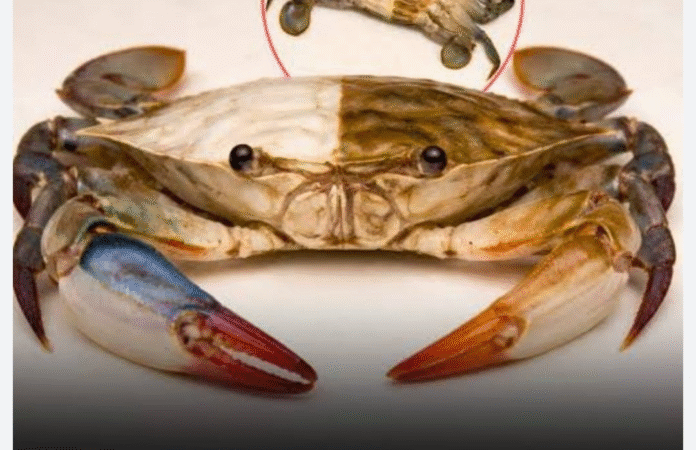
In a remarkable scientific discovery, researchers in Kerala have found three specimens of the Vela carli freshwater crab exhibiting bilateral gynandromorphism – a rare condition where the crab displays both male and female biological traits, often split distinctly down the middle of its body. This is the first recorded instance of gynandromorphy in the freshwater crab family Gecarcinucidae.

Scientists collected the specimens during biodiversity surveys in Silent Valley National Park, a renowned biodiversity hotspot in the Western Ghats, Kerala. Out of more than 120 crabs examined, only three adult specimens showed the dual-sex condition. Two displayed clear bilateral gynandromorphism (one side male, the other female), while one showed a mosaic pattern.

The crabs were found living inside water-filled tree holes an unusual micro-habitat that highlights the hidden ecological richness of the park’s forests. Vela carli is an endemic species restricted to the forests and streams of the Central Western Ghats. One side of the body showed male reproductive structures (such as gonopods). The other side exhibited female features, including gonopores.
The specimens maintained typical crab morphology but with clear sexual dimorphism between the two halves.

Gynandromorphy is extremely rare in crustaceans. This discovery provides valuable insights into genetic mechanisms of sexual differentiation. How hormones and developmental processes shape sex traits. Possible intrinsic (non-pollution-related) causes, as the habitat in Silent Valley is relatively pristine. Lead researcher K.S. Anoop Das from the Centre for Conservation Ecology, MES Mampad College, noted that the condition might represent a survival strategy, potentially allowing the crab to reproduce even in the absence of opposite-sex partners. He emphasized that the phenomenon appears linked to natural developmental processes rather than environmental pollutants.

The study was conducted by K.S. Anoop Das and K.T. Fahis (MES Mampad College) in collaboration with crab specialist Sameer K. Pati and Purnima Kumari from the Zoological Survey of India (ZSI). It was funded by the Department of Science and Technology’s Science and Engineering Research Board (now Anusandhan National Research Foundation).

About Vela carli Crabs habitat found in marshy areas, paddy fields, streams, and now documented in tree holes in Silent Valley and other parts of the Western Ghats. Diet opportunistic feeders – earthworms, insects, and occasionally small vertebrates like rats or snakes. Ecological Role as part of the rich endemic biodiversity of the Western Ghats, these crabs contribute to nutrient cycling in forest and aquatic ecosystems.

This unusual find not only adds to our understanding of developmental biology but also underscores the importance of protecting fragile ecosystems like Silent Valley. Tree holes, once thought to be minor features, are turning out to be micro-habitats teeming with biological surprises. The discovery has captured public imagination, with many calling the “split-sex” crab a fascinating marvel of nature. It serves as a powerful reminder of how much remains unexplored in India’s biodiversity hotspots.

The research team hopes this finding will encourage more detailed studies on sexual anomalies in freshwater crustaceans and further exploration of the Western Ghats’ hidden ecosystems.

Benefits of lodised Salt Why It’s a Simple Yet Powerful Public Health Tool

0

PC(The Times Of India, Justdial)

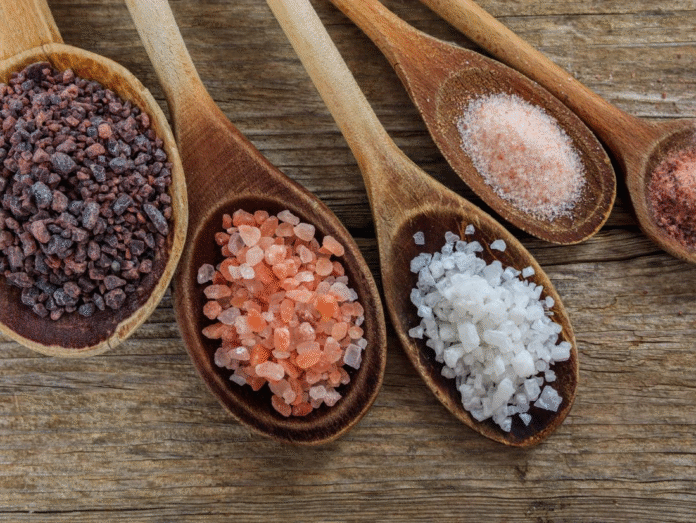
lodised salt (also spelled iodized salt) is regular table salt fortified with iodine, a trace mineral essential for human health. The body cannot produce iodine on its own, so it must come from the diet. Universal salt iodization has been one of the most successful and cost-effective public health interventions worldwide, recommended by the World Health Organization (WHO) to prevent iodine deficiency disorders (IDD).

Prevents lodine Deficiency Disorders (IDD) and Goiter lodine deficiency is a leading cause of goiter (enlarged thyroid gland) and other thyroid problems. Regular use of iodised salt significantly reduces goitre rates and helps maintain healthy thyroid size and function.
Supports Thyroid Hormone Production lodine is a critical building block for thyroid hormones (thyroxine/T4 and triiodothyronine/T3). These hormones regulate metabolism, heart rate, body temperature, growth, and energy levels. Adequate iodine keeps the thyroid functioning normally and prevents hypothyroidism. Promotes Healthy Brain and Cognitive Development lodine is vital for fetal and early childhood brain development. Deficiency during pregnancy can lead to irreversible cognitive impairments, lower IQ, developmental delays, and in severe cases, cretinism (severe physical and mental retardation). Using iodised salt helps ensure better psychomotor and cognitive outcomes in children.

Crucial for a Healthy Pregnancy

Pregnant and lactating women have higher iodine needs. Sufficient intake reduces risks of miscarriage, stillbirth, congenital abnormalities, and supports proper bone and brain development in the baby. It also helps prevent maternal hypothyroidism, which can worsen during pregnancy.Helps Maintain Overall Health and MetabolismBy supporting thyroid function, iodised salt contributes to healthy metabolism, which can indirectly help with weight management. It also supports energy levels, immune function, and general well-being.

Easy, Inexpensive, and Effective Supplementation Salt is consumed daily by almost everyone in consistent amounts, making iodisation a practical way to deliver iodine to entire populations without requiring major dietary changes.

Iodised Salt

lodised salt starts as regular sodium chloride, obtained either by evaporating seawater or mining underground rock salt deposits. During processing, manufacturers add a small amount of iodine compounds-usually potassium iodate (more stable in humid conditions) or potassium iodide. The salt is then refined, sometimes with anti-caking agents, and packaged to protect the iodine from light and moisture.

Other Natural Sources of lodine while iodised salt is the most reliable everyday source for many people, iodine is also naturally present in Seafood (seaweed like kelp and nori, fish such as cod and tuna, shellfish). Dairy products and eggs (often due to iodine in animal feed). Some fruits and vegetables grown in iodine-rich soil. However, natural levels vary widely depending on soil and water content, so iodised salt remains the most consistent option in many regions.

Switching to iodised salt is one of the simplest ways to protect thyroid health, support brain development in children, and safeguard maternal and fetal health. It has dramatically reduced preventable cognitive impairments and thyroid disorders globally. For most people, using iodised salt in everyday cooking is a safe, effective, and low-cost habit with significant long-term benefits.