Home Blog Page 53

Ancient Copper-Plate Manuscripts Highlighted in PM’s Mann Ki Baat: A Deep Analytical Insight into India’s Knowledge Heritage

0

In a recent address during Mann Ki Baat, Narendra Modi brought national attention to the immense historical value of ancient manuscripts preserved at the Abhay Jain Granthalaya. His remarks were not merely ceremonial—they underscored a larger cultural and intellectual movement aimed at rediscovering and preserving India’s civilizational knowledge.

What Are Copper-Plate Manuscripts?

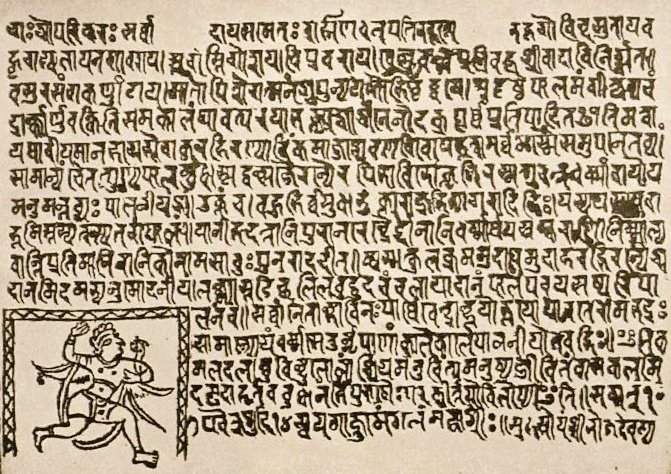
Copper-plate manuscripts are inscriptions engraved on sheets of copper, widely used in ancient and medieval India as a durable medium for recording important information. Unlike palm-leaf or paper manuscripts, copper plates were designed to withstand time, climate, and decay, making them one of the most reliable historical sources available today.

Historical and Cultural Significance

These manuscripts serve as a primary source of authentic historical data, offering deep insights into:

1. Governance and Administration

Copper plates frequently recorded:

  • Royal land grants
  • Taxation systems
  • Administrative structures

They reveal how kingdoms functioned and how rulers exercised authority.

2. Religious and Philosophical Traditions

A significant portion of the manuscripts at Abhay Jain Granthalaya relates to Jainism, including:

  • Agamas (canonical scriptures)
  • Teachings of Jain Acharyas
  • Biographies of Tirthankaras

These texts provide a window into India’s spiritual and ethical frameworks.

3. Socio-Economic Systems

The inscriptions often document:

  • Land ownership patterns
  • Donations to temples and institutions
  • Community structures

This makes them invaluable for understanding ancient Indian society and economy.

Role of Abhay Jain Granthalaya in Preservation

The Abhay Jain Granthalaya has emerged as one of Rajasthan’s most important repositories of manuscripts. Built through decades of dedicated effort, it houses a vast collection that reflects India’s intellectual and cultural diversity.

Today, it stands as:

  • A research hub for historians and scholars
  • A model institution for manuscript preservation in India
  • A bridge connecting traditional knowledge with modern technology

Bharatam Gyan Mission: A Nationwide Initiative

PM Modi also emphasized the importance of the Bharatam Gyan Mission, a large-scale effort to:

  • Survey ancient manuscripts across India
  • Digitize and catalog them
  • Make them accessible to future generations

Key Achievements in Rajasthan:

  • Survey of over 1.25 million manuscripts
  • Digital uploading to a centralized portal
  • Collaboration among scholars, archivists, and institutions

This initiative represents a systematic revival of India’s knowledge systems.

Why Preservation and Digitization Matter

The Prime Minister highlighted that preservation alone is not enough—digitization is essential. Here’s why:

  • Prevents physical deterioration of fragile manuscripts
  • Enables global access for researchers and students
  • Helps integrate ancient wisdom into modern academic discourse
  • Strengthens cultural identity and continuity

Analytical Perspective: Beyond Heritage

From an analytical standpoint, these manuscripts are not just relics—they are data archives of ancient India. Their study can contribute to:

  • Rewriting historical narratives with primary evidence
  • Understanding indigenous systems of knowledge in fields like governance, ethics, and ecology
  • Enhancing India’s position in global intellectual history

Conclusion

The mention of copper-plate manuscripts in Mann Ki Baat signals a broader shift toward recognizing and revitalizing India’s intellectual heritage. Institutions like the Abhay Jain Granthalaya, supported by initiatives such as the Bharatam Gyan Mission, are playing a pivotal role in this transformation.

These manuscripts are not just artifacts of the past—they are living knowledge systems, waiting to be explored, understood, and integrated into the future.
Khalsa and March 30: The Historic Connection

0

The Khalsa, the casteless Sikh order founded by Guru Gobind Singh, traces its origins to a defining moment in history that is often linked to March 30, 1699, in historical accounts using the Gregorian calendar.

What Happened on March 30, 1699?

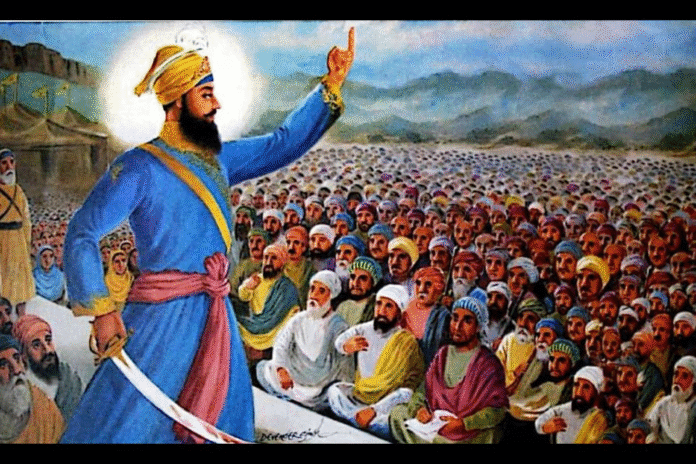
On this day, which coincided with Baisakhi, Guru Gobind Singh gathered thousands of Sikhs at Anandpur Sahib. In a dramatic and transformative event, he called upon devotees to prove their faith by offering their lives.

Five men stepped forward—later known as the Panj Pyare (Five Beloved Ones). They were initiated into a new spiritual order through the sacred Amrit Sanskar ceremony. This marked the birth of the Khalsa, a unified community bound by discipline, equality, and devotion.

Why the Date Varies

While some records align the founding with March 30, 1699, the event is traditionally commemorated on Baisakhi (April 13 or 14) every year. The variation arises due to differences between the Gregorian calendar and the traditional solar Punjabi calendar.

Why the Khalsa Matters

The creation of the Khalsa was a turning point in Sikh history:

  • It eliminated caste distinctions, promoting equality
  • It established a distinct Sikh identity
  • It combined spiritual strength with the duty to fight injustice

Guru Gobind Singh also introduced:

  • The surnames Singh (for men) and Kaur (for women)
  • The Five Ks, symbols of faith and discipline
  • A code of conduct centered on courage, morality, and service

A Legacy That Endures

Today, the Khalsa continues to represent the core ideals of Sikhism—fearlessness, unity, and faith. While its birth is celebrated annually on Baisakhi, the historical association with March 30, 1699 highlights the enduring legacy of that transformative day.

Rajasthan Diwas 2026: Date, Significance, History and Wishes

0

Rajasthan state was established on March 30, 1949. Here comes the history, cultural significance, and formation of India’s largest state.

Today, on March 30th, 2026, Rajasthan is celebrating its 77th Sthapana Divas, or Formation Day! This vibrant state in India is known for its majestic forts, colorful culture, and rich history. Back in 1949, four regions—Jodhpur, Jaipur, Bikaner, and Jaisalmer—joined together to create the larger state of Rajasthan.

Before this merger, Rajasthan was known as Rajputana, meaning “The Country of the Rajputs.” Rajasthan, which translates to “The Abode of the Rajas,” is located in the northwest part of India and boasts a rich cultural diversity.

The state is adorned with ancient ruins, temples, and forts scattered across its many cities. Divided into nine regions, each with its own unique history and artistic traditions, Rajasthan offers a glimpse into India’s diverse heritage.

One of its famous attractions is Keoladeo National Park, home to a plethora of bird species. Additionally, the state hosts two tiger reserves, Ranthambore National Park and Sariska Tiger Reserve. Rajasthan Day celebrates the state’s history, geography, and cultural significance.

But when and how did Rajasthan come to be? Let’s dive in!

Formation of a Grand State

Rajasthan wasn’t always a single state. In 1949, several princely states and smaller chiefdoms came together to form the greater state of Rajasthan. This unification is credited to Sardar Vallabhbhai Patel, also known as the “Iron Man of India.”

A day reflecting culture

Rajasthan Diwas is a time for the people of Rajasthan to reflect on their heritage and celebrate their unique identity. Cultural programs, parades, and traditional performances fill the streets with color and joy.

Wishes for Rajasthan Diwas

Here are some wishes you can share to celebrate Rajasthan Diwas:

  • Happy Rajasthan Diwas! May the spirit of Rajasthan continue to shine brightly.
  • Wishing you a joyous Rajasthan Diwas filled with cultural pride and festivities.
  • Here’s to celebrating the rich history and vibrant culture of Rajasthan!

Rajasthan is a treasure trove for tourists. From the majestic Hawa Mahal (Palace of Winds) in Jaipur to the sprawling Thar Desert, there’s something for everyone. If you’re ever planning a trip to India, Rajasthan should be on your list.

It is said that, historically, on March 30, 1949, numerous princely states—including Jaipur, Jodhpur, Jaisalmer, and Bikaner—were merged, leading to the formation of the Greater Rajasthan Union. Prior to this, the region was known as Rajputana. However, following the merger of 19 princely states, it was officially named Rajasthan. The unification of Rajasthan took place in seven distinct phases. Initially, in 1948, the princely states of Alwar, Dholpur, Karauli, and Bharatpur were merged. Subsequently, other princely states were integrated over several successive phases. Finally, in 1949, the merger of the princely states of Jaisalmer, Jodhpur, Jaipur, and Bikaner resulted in the region being designated as the Greater Rajasthan Union. It is in commemoration of this specific day that Rajasthan Diwas (Rajasthan Day) began to be celebrated.

Rajasthan Foundation Day is Celebrated on November 1st
In addition to Rajasthan Diwas, Rajasthan Foundation Day is also observed, which is celebrated on November 1st. This is because the state of Rajasthan—as it exists today—was formally established on November 1, 1956. The modern state of Rajasthan came into existence in 1956 following the merger of the final princely territory, Ajmer-Merwara.

Heritage is Showcased on Rajasthan Diwas
In essence, since the Greater Rajasthan Union was formed following the merger of numerous princely states—including Jaipur, Jodhpur, Jaisalmer, and Bikaner—Rajasthan Diwas is celebrated annually based on this historical process. The state government observes this day as an opportunity to promote the region’s cultural identity, historical heritage, and tourism. On the occasion of Rajasthan Diwas, special decorations, illuminations, and cultural programs are organized at the state’s tourist destinations, historical monuments, and major cities, with the aim of showcasing the region’s rich traditions and heritage on a broad scale.

Tumbbad 2 Goes Grand: Makers Build Massive 7-8 Acre Full-Scale City Set in Mumbai for First Schedule

0

PC(YouTube)

Mumbai: The much-awaited sequel to the 2018 cult horror classic Tumbbad has kicked off production on a truly ambitious note. Makers have constructed a massive 7-8 acre set resembling a full-scale city in Mumbai’s Madh Island for the film’s opening schedule, signalling a significantly larger and more immersive cinematic experience than the original.

Shooting for Tumbbad 2 officially began on March 27, 2026, at Madh Island. The first schedule features an elaborate large-scale opening sequence designed as a major set-piece, involving around 200 crew members. While the initial day had a relatively smaller crowd, the scale is expected to ramp up significantly on March 28 and 29 with a massive crowd sequence.

Actor-producer Sohum Shah returns in his iconic role, joined by Nawazuddin Siddiqui in a pivotal part (details of his character remain under wraps). The film is directed by Adesh Prasad, who co-directed and wrote the original Tumbbad. It is being produced by Sohum Shah Films in association with Pen Studios, led by Dr Jayantilal Gada.

Grander Scale and Ambitious Vision the production team has reportedly invested heavily in authenticity and realism. The 7-8 acre set, which took weeks to build, aims to recreate environments with intricate detailing to surpass the atmospheric world of the first film. Industry sources describe the project as a “large-scale magnum opus,” with extensive real-location shoots also planned alongside the elaborate set work.

The entire shoot is expected to span over 200 days, highlighting the makers’ commitment to delivering a bigger, darker, and visually grander horror experience rooted in mythology, greed, and supernatural dread.

Sohum Shah has been deeply involved in every aspect from script development to the film’s overall look-much like his hands-on approach in the original. Nawazuddin Siddiqui and Sohum Shah were spotted on the Madh Island set a few days before the official start, adding to the excitement.

Legacy of the Original Tumbbad the 2018 film Tumbbad, directed by Rahi Anil Barve with Adesh Prasad as co-director, became a cult favourite for its unique blend of folk horror, mythology, and haunting visuals. Set in a rain-soaked cursed village in Maharashtra, it followed Vinayak Rao’s (Sohum Shah) obsessive quest for treasure guarded by Hastar, the forgotten evil son of a goddess.

Indra’s Bow: How a Broken Wedding Carriage Created the Rainbow in Madhya Pradesh Folklore

0

PC(Facebook)


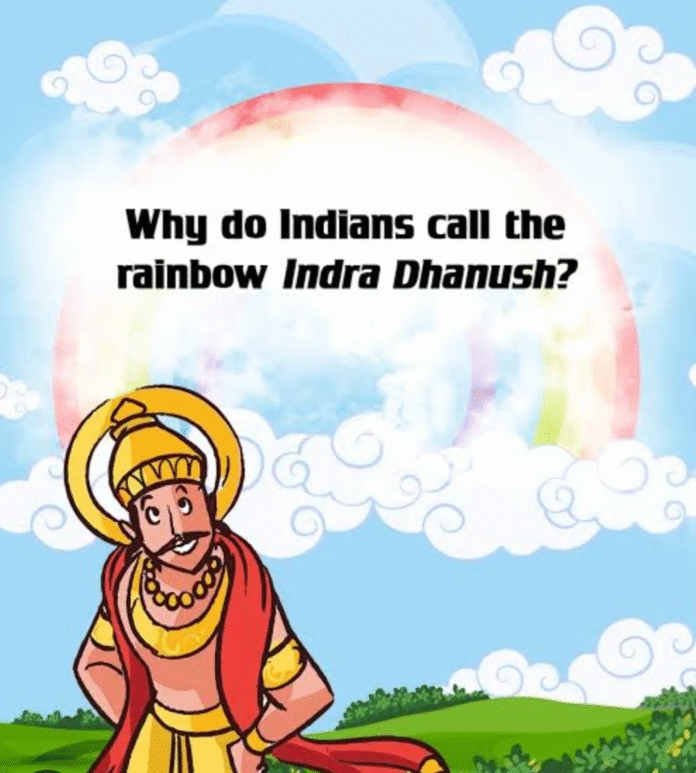
In the heart of Madhya Pradesh, a beautiful Ahir folk legend offers a magical explanation for one of nature’s most mesmerizing sights—the rainbow. Known across India as Indra Dhanush, or “the bow of Indra,” this celestial arc is more than just a play of light and water. It is, according to this myth, a symbol of divine protection, love, and cosmic harmony.

A Royal Wedding That Changed the Sky. The story begins in a small village during the grand wedding of a bride named Raibhedan. The celebrations were so magnificent that even Lord Indra himself descended from the heavens to bless the occasion. As the bride was being carried in her palanquin, an unexpected mishap occurred—the roof of the carriage suddenly cracked open. What could have been a moment of chaos turned into a divine act of creation.

Indra’s Divine Intervention witnessing the incident, Indra stepped in to transform the accident into something eternal. He gathered the colorful, broken shards of the palanquin and hurled them high into the sky. As the fragments spread across the heavens, they formed a radiant, multicolored arc—a protective bridge stretching from one end of the sky to the other.“Just as this roof sheltered the bride, it will now shelter the world,” Indra is believed to have declared and thus, the rainbow was born.

Indra’s Bow: How a Broken Wedding Carriage Created the Rainbow in Madhya Pradesh Folklore

A Bridge Between Heaven and Earth in this Ahir myth, the rainbow is not merely a natural phenomenon but a divine shelter and bridge, symbolizing protection and unity. It represents a connection between the heavens and the earth—a reminder of divine presence in everyday life.

The Deeper Meaning of Indra Dhanush beyond this regional legend, Hindu mythology widely interprets the rainbow as Indra’s celestial bow. It is said to be the weapon he uses to unleash lightning and defeat powerful demons like Vritra. Some traditions also credit Vishvakarma, the celestial architect, with crafting and decorating this magnificent bow with vibrant colors. A Timeless Tale in the Sky. This enchanting myth from Madhya Pradesh reminds us that even accidents can turn into masterpieces under divine will. The next time a rainbow stretches across the sky, it may just be Indra’s ancient promise—a colorful bridge protecting the world and connecting us to the divine.

Bengaluru Emerges as the World’s 6th Largest Tech Hub, Surpassing Paris, Tokyo, and Boston

0

PC(Times Property, Silicoindia)

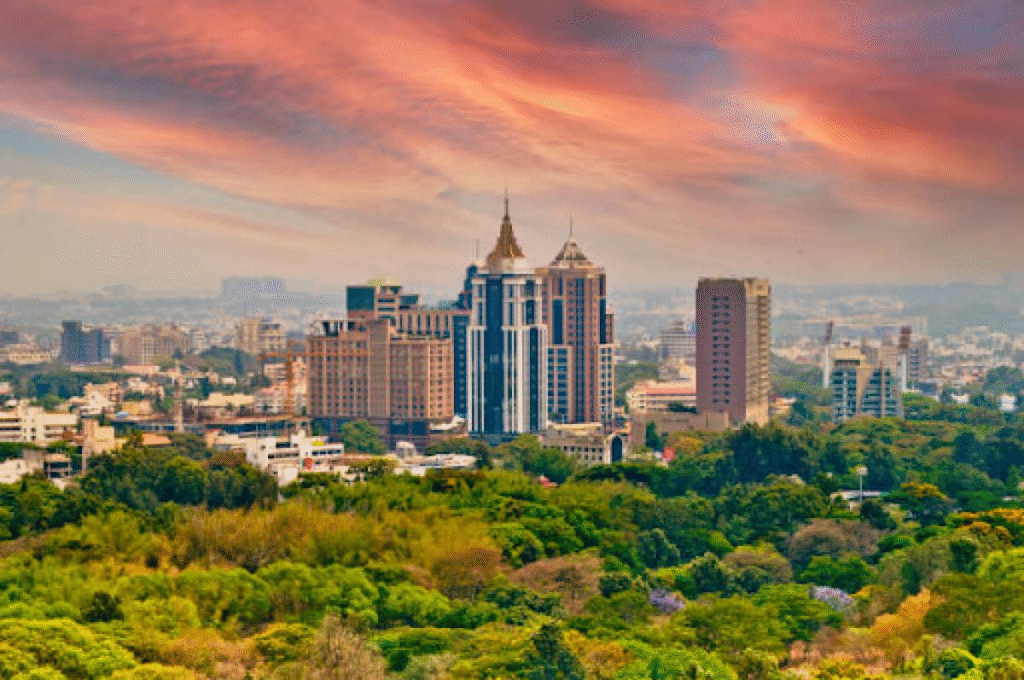
Bengaluru, long hailed as India’s Silicon Valley, has achieved a significant global milestone by securing the 6th position among the world’s top tech talent markets. According to Colliers’ Global Tech Markets: Top Talent Locations 2025 report, the city now ranks ahead of established tech centers like Paris (7th), Boston (8th), and Tokyo (10th). This ranking places Bengaluru right behind global leaders such as San Francisco Bay Area, London, New York, and Beijing, highlighting the city’s rapid ascent in talent acquisition, innovation, and tech ecosystem strength.

The city’s impressive position is fueled by several factors massive Talent Pool: Bengaluru boasts over 1 million tech professionals the largest in the Asia-Pacific region – including a substantial number of data scientists and Al experts (with estimates of around 94,000 Al specialists in related rankings). Startup Ecosystem: Home to more than 2,400 active startups and approximately 28 unicorns as of late 2024/early 2025, the city continues to attract venture capital and foster innovation, particularly in Al, big data, and deep tech.
Global Capability Centres (GCCs) major corporations like Google, Microsoft, Amazon, Meta, and Goldman Sachs have expanded their R&D and high-value operations here. Amazon’s second-largest office in Asia (1.1 million sq ft) exemplifies this confidence.

Bengaluru Emerges as the World's 6th Largest Tech Hub, Surpassing Paris, Tokyo, and Boston

Political Acknowledgment and Local Pride. The achievement recently sparked discussion in the Karnataka Legislative Assembly. Deputy Chief Minister D.K. Shivakumar, who oversees Bengaluru Development, highlighted the ranking while responding to comparisons with Hyderabad (placed around 24th-26th in the same report). “I do not want to compete with Hyderabad,” Shivakumar stated, emphasizing Bengaluru’s unique cosmopolitan character, talent pool, and contributions from public sector industries, educational institutions, and successive governments that laid the foundation for the IT boom. He noted the presence of around 26 lakh IT professionals, 250 engineering colleges, and the fact that nearly 400 Fortune 500 companies have a footprint in the city.

Comparative Snapshot (Colliers 2025 Rankings)
1st: San Francisco Bay Area 2nd: London, 5th: Beijing, 6th: Bengaluru, 7th: Paris, 8th: Boston, 10th: Tokyo. Bengaluru also stands out as the #1 tech talent market in APAC and has shown strong momentum in other indices, such as being ranked among the fastest-growing tech hubs globally.

Office Market Leadership: Bengaluru leads. India’s commercial real estate absorption, driven by sustained demand from the tech sector. The report evaluates cities on criteria including talent availability, venture capital funding, labour index, talent pipeline, and sector composition. Bengaluru’s strengths in talent density and cost-effective high- end R&D have propelled it forward. Former Deputy CM C.N. Ashwath Narayan and other leaders echoed the sentiment that Bengaluru’s growth is unparalleled in India, crediting its natural evolution alongside institutional support. Shivakumar also recalled international recognition, including comments from the Prime Minister of the Netherlands on cost savings through Bengaluru-based services and visits by global leaders who prioritize the city.

Challenges Amid Growth while the tech boom is undeniable, experts and leaders stress the need for sustained infrastructure development – particularly in transportation, public services, and urban planning – to support the city’s expanding workforce and maintain its competitive edge.

development – particularly in transportation, public services, and urban planning – to support the city’s expanding workforce and maintain its competitive edge. Bengaluru’s journey from an IT services destination to a global innovation powerhouse reflects India’s broader rise in technology and startups. With strong momentum in Al and a maturing ecosystem, the city is not just keeping pace with the world – it’s increasingly shaping it. This milestone is a testament to the ambition, talent, and entrepreneurial spirit that define Bengaluru. As one of the world’s fastest-growing tech ecosystems, it continues to attract global attention and investment, reinforcing its status as a cornerstone of India’s digital future.

From Rapper to PM: Nepal Swears in 35-Year-Old Balen Shah as Youngest Prime Minister in Historic Shift

0

PC(The Times of India)

Kathmandu, March 28, 2026 In a landmark moment for Nepal’s politics, rapper-turned-politician Balendra Shah, popularly known as Balen, was sworn in as the country’s new Prime Minister on Friday, March 27, 2026. At just 35, he becomes the youngest prime minister in Nepal’s recent history and the first from the Madhes region to hold the top executive post. President Ram Chandra Poudel administered the oath of office at a ceremony in Shital Niwas (President’s Office) in Kathmandu, blending Hindu Vedic recitations with Buddhist chants. The event marks the end of a turbulent transition that began with last September’s deadly Gen Z protests, which forced the resignation of veteran leader K.P. Sharma Oli’s government and led to an interim administration under former Chief Justice Sushila Karki.

Landslide Victory for Change

Shah’s Rastriya Swatantra Party (RSP) achieved a stunning outright majority in the March 5, 2026 general elections – the first since the 2025 youth-led uprising. The RSP secured 182 seats out of 275 in the House of Representatives. Shah himself delivered a crushing defeat to four-time former Prime Minister K.P. Sharma Oli in the Jhapa-5 constituency, winning by nearly 50,000 votes (68,348 to 18,734).His campaign tapped into deep public frustration with decades of corruption, nepotism, elite dominance, and economic stagnation. Supporters, especially among Gen Z voters, see him as a fresh symbol of reform and national renewal.

The Rapper Who Never Forgot His Roots

Hours before his swearing-in, Shah reaffirmed his identity by releasing (or re-releasing with a new campaign video) his track “Jay Mahakali”. The song, filled with nationalist energy and lyrics like “Undivided Nepali… history is being made,” quickly went viral, racking up millions of views in less than 24 hours. This wasn’t his first musical statement. Shah first rose to fame in 2013 by winning a popular rap battle, using sharp verses to voice the frustrations of a generation feeling abandoned by the system. Hits like “Balidan” (which has over 14 million YouTube views) and “Nepal Haseko” the 2025 protests adopted as an anthem during criticised corruption, inequality, and the struggles of Nepali workers abroad.
Even as Mayor of Kathmandu (elected independently in 2022), he kept his distinctive style: square black sunglasses, black blazer, and a no-nonsense approach to governance. His tenure focused on anti-corruption drives, urban cleanup, waste management, traffic improvements, heritage preservation, and cracking down on illegal encroachments – moves that won praise but also sparked controversy over demolitions affecting street vendors and informal settlements.

Ambitious Reform Agenda Ahead

Born in 1990 in Naradevi, Kathmandu, to an Ayurvedic practitioner father and a homemaker mother, Shah trained as a structural engineer in Kathmandu and Karnataka, India. He is married and lives with his wife and daughter. As Prime Minister, he is expected to form a lean cabinet of 15-18 members and personally oversee key portfolios including Defence, Commerce, and Industries. His government has set bold goals:
Creating 1.2 million new jobs doubling per capita income and expanding national GDP to $100 billion within five years

A sweeping anti-corruption drive, including asset investigations of all public officials since 1990 analysts say Nepal stands at the cusp of major transformation, but warn that entrenched patronage networks and systemic challenges could test the new administration.

A New Chapter for Nepal

Shah’s rise – from underground rapper calling out social ills to mayor, and now Prime Minister -represents a generational revolt against traditional politics. His supporters hope this “history-making” moment delivers the change long promised but rarely achieved. As one of his songs puts it, many Nepalis now want to see a “Smiling Nepal” where hearts dance and people live happily. The coming months will reveal whether the beats of reform can translate into real progress for the Himalayan nation.

Noida International Airport: Know Infrastructure, Investment, Capacity and Net Zero Airport Design

0

Prime Minister Narendra Modi inaugurated Phase I of the Noida International Airport (NIA) at Jewar, Uttar Pradesh, on March 28, 2026, marking a major milestone in India’s aviation infrastructure.

Located along the Yamuna Expressway in Gautam Buddha Nagar, the airport is set to become the second international airport serving Delhi-NCR, after Indira Gandhi International (IGI) Airport.

The project is expected to reduce congestion at IGI Airport, improve regional connectivity, and strengthen India’s position as a global aviation hub.

Strategic Importance of Jewar Airport

The Noida International Airport, Jewar has been strategically developed to complement existing aviation infrastructure in the National Capital Region (NCR).

  • It will operate alongside Delhi’s IGI Airport under a dual-airport system
  • Designed to handle increasing passenger traffic efficiently
  • Enhances connectivity for Delhi, Noida, Greater Noida, Western UP, and nearby states
  • Located on the Yamuna Expressway, ensuring seamless road access

This integrated approach will significantly ease air traffic pressure and improve travel efficiency.

DGCA Approval and Airport Operations

The Directorate General of Civil Aviation (DGCA) has granted an aerodrome licence to Yamuna International Airport Private Limited (YIAPL).

  • Certified under public-use category
  • Enables commercial flight operations
  • Equipped with Instrument Landing System (ILS)
  • Advanced airfield lighting for 24×7, all-weather operations

These features ensure the airport meets global aviation safety and operational standards.

Infrastructure, Investment & Capacity

  • Investment: ₹11,200 crore (Phase I)
  • Runway Length: 3,900 metres (capable of handling wide-body aircraft)
  • Initial Capacity: 12 million passengers per annum (MPPA)
  • Future Expansion: Up to 70 MPPA

The airport is being developed under a Public-Private Partnership (PPP) model by Yamuna International Airport Private Limited (YIAPL), a subsidiary of Zurich Airport International AG, with a 40-year concession period (from October 2021).

Sustainable and Net-Zero Airport Design

The Noida International Airport is designed as a net-zero emissions airport, making it one of India’s most sustainable infrastructure projects.

  • Incorporates energy-efficient systems and renewable energy
  • Focus on low carbon footprint operations
  • Architecture inspired by Indian ghats and havelis
  • Blends cultural heritage with modern design

This aligns with India’s push towards green and sustainable aviation infrastructure.

Important Facts

  • Noida International Airport is a greenfield airport in Jewar, Uttar Pradesh
  • Developed under PPP model by YIAPL (Zurich Airport International AG)
  • DGCA is responsible for granting aerodrome licences in India
  • Phase I capacity: 12 MPPA, expandable to 70 MPPA
  • Will serve as second international airport in Delhi-NCR

Why Noida International Airport Matters

The launch of Jewar Airport Phase 1 is a game-changer for India’s aviation sector. It will not only decongest Delhi Airport but also drive economic growth, tourism, and regional development across Uttar Pradesh and NCR.

With world-class infrastructure and sustainability at its core, the airport positions India as a future-ready global aviation leader.

Russia Bans Gasoline Exports to Stabilise Domestic Fuel Prices

0

The Russian government has announced a ban on gasoline exports starting April 1, 2026, aiming to secure domestic fuel supplies and curb rising prices. The move comes amid heightened volatility in global oil markets, largely driven by ongoing geopolitical tensions in West Asia. It underscores Moscow’s focus on protecting internal energy stability while navigating fluctuations in global demand and supply.

Reason Behind the Export Ban

The decision follows a high-level review chaired by Deputy Prime Minister Alexander Novak. Russian authorities pointed to instability in global oil markets—triggered by conflicts in West Asia—as a key factor behind sharp price fluctuations.

Despite strong international demand for Russian fuel, the government has chosen to restrict gasoline exports to ensure adequate domestic availability and prevent inflationary pressure on fuel prices.

Focus on Domestic Market Stability

The policy aligns with President Vladimir Putin’s directive to keep domestic fuel prices within projected limits.

According to the Ministry of Energy, refinery output remains stable and is comparable to March 2025 levels. Oil companies have also confirmed sufficient reserves of gasoline and diesel, along with high refinery utilisation rates. These factors are expected to ensure uninterrupted fuel supply across the country.

Implementation and Policy Direction

Following the review, authorities have been instructed to formalise the export ban through an official government resolution. The restriction prioritises domestic consumption over exports, marking a strategic response to current global uncertainties.

The move is also seen as a preventive measure to avoid shortages and sudden price spikes in Russia’s internal market.

Important Facts

  • Russia is among the world’s largest producers and exporters of crude oil and petroleum products.
  • Export restrictions are often used to stabilise domestic prices and ensure supply security.
  • Global oil prices are highly sensitive to geopolitical conflicts, especially in West Asia.
  • Refinery capacity utilisation reflects the operational efficiency of petroleum refineries.

Global Context and Impact on India

The development comes as several countries grapple with supply disruptions due to tensions in West Asia.

India, however, has stated that it currently holds sufficient reserves of crude oil and petroleum products, with supplies secured for the coming months. Domestic refineries are operating at full capacity, while increased LPG production is helping cushion the impact of rising global energy prices.

Jewar Airport Inauguration Today: Watch Pics And Know Its USPs, Location to Know How It Will Drive Travel…

0

The Jewar International Airport at Noida is emerging as one of the country’s most ambitious aviation projects. Strategically located near Delhi and designed as a modern greenfield hub, the airport is expected to ease congestion at the Indira Gandhi International Airport while boosting connectivity across the Delhi-NCR and western Uttar Pradesh. With a phased expansion plan, world-class infrastructure, and a focus on cargo and logistics, Jewar Airport is poised to become a key driver of regional economic growth and a major gateway for domestic and international travel. Here comes its USPs…

  • Strategic Location:
    Located near Jewar in Uttar Pradesh, about 75 km from Delhi, aimed at serving the Delhi-NCR region, especially western UP.
  • Second Airport for NCR:
    Will function as the second international airport after Delhi’s IGI Airport, helping decongest air traffic.
  • Greenfield Mega Project:
    Built from scratch as a greenfield airport, designed with modern infrastructure and sustainability features.
  • PPP Model Development:
    Being developed by Yamuna International Airport Pvt Ltd under a public-private partnership with the UP and central governments.
Jewar Airport Inauguration Today: Watch Pics And Know Its USPs, Location to Know How It Will Drive Travel...
  • Long Concession Period:
    Project awarded for 40 years (from October 1, 2021), ensuring long-term development and operations.
  • Phased Expansion Plan:
    To be developed in four phases, allowing gradual scaling based on demand.
  • Phase 1 Capacity:
    Initial phase includes 1 runway and 1 terminal, with capacity to handle 12 million passengers annually.
  • Ultimate Capacity:
    On completion, airport will handle up to 70 million passengers per year, making it one of India’s largest aviation hubs.
Jewar Airport Inauguration Today: Watch Pics And Know Its USPs, Location to Know How It Will Drive Travel...
  • Multi-Modal Cargo Hub:
    Planned as a major cargo and logistics hub, boosting trade and exports in the region.
  • Connectivity Boost:
    Will significantly improve air connectivity for western Uttar Pradesh, Noida, Greater Noida, and nearby regions.
  • Economic Growth Driver:
    Expected to generate jobs, investments, and infrastructure development, transforming the region into an economic corridor.