Home Blog Page 39

Understanding Autism: An Expert Speaks on Awareness, Acceptance and Inclusion

0

As the world observes Autism Awareness Month, conversations around understanding, acceptance, and inclusion have gained much-needed momentum. To shed light on the subject, Kanan Rathore spoke with Dr. Ravneet Sethi Handa, Psychologist, Mental Health Counselor, and Educator at Witty International School, Udaipur. In this insightful interaction, she simplifies complex ideas, busts common myths, and highlights the importance of early support and societal acceptance.
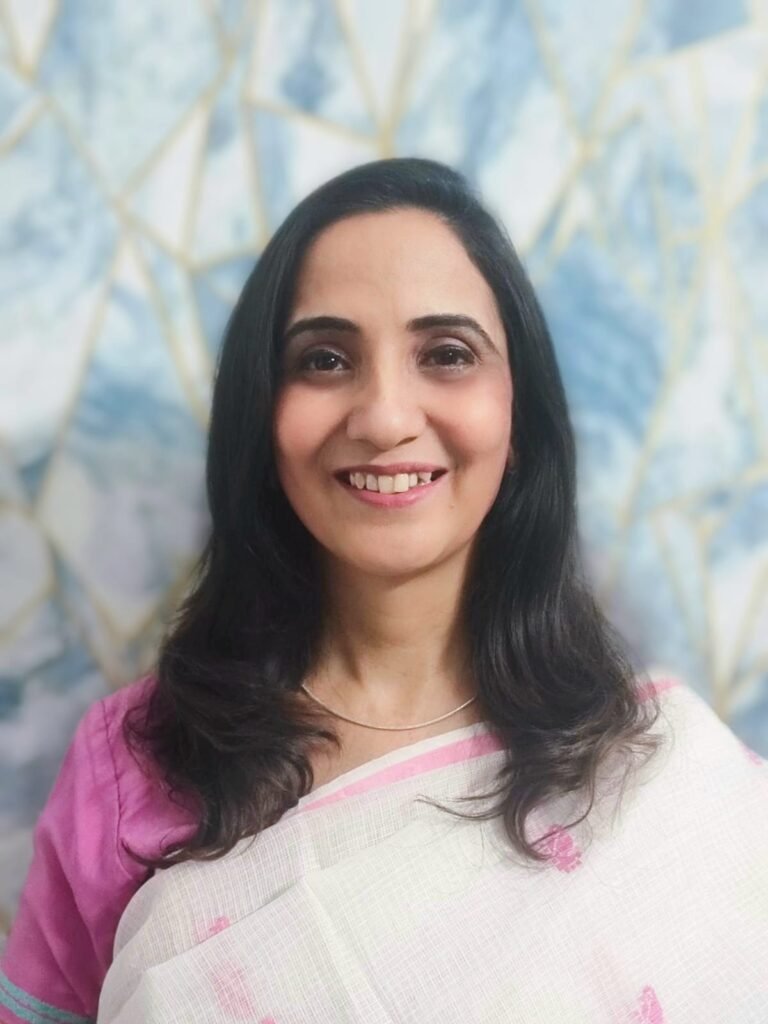
Understanding Autism: An Expert Speaks on Awareness, Acceptance and Inclusion

What is Autism Spectrum Disorder (ASD)? Why is it called a “spectrum”?

Dr. Handa explains that autism is a neurodevelopmental condition present before birth, reflecting differences in how a person’s brain processes information. It is called a “spectrum” because no two individuals with autism are the same.
“One person may be non-verbal yet exceptionally skilled in mathematics, while another may communicate fluently but struggle with everyday tasks. The diversity in abilities and challenges is what defines the spectrum,” she notes.

What are the early signs parents should look for?

According to Dr. Handa, early signs often appear before the age of 2–3 years and mainly affect social interaction, communication, and behaviour.
Some key indicators include reduced eye contact, lack of response to smiles, delayed speech or absence of babbling, and repetitive behaviours such as hand-flapping or rocking. Children may also show a strong need for routine and display unusual sensitivity—or lack of response—to sounds, lights, or touch.

At what age can autism be diagnosed?

Autism can be identified as early as 18 to 24 months, when patterns in communication and behaviour become clearer.
“By the age of two, the diagnosis tends to be more stable and reliable,” she adds, emphasizing the importance of not ignoring early warning signs.

What causes autism?

Dr. Handa highlights that genetic factors play a primary role in autism, often running in families. However, certain risk factors—such as advanced parental age or complications during pregnancy or birth—may also increase the likelihood.
“It is not caused by a single factor, but rather a combination of influences,” she clarifies.

Is autism a disease that can be cured?

“Autism is not a disease,” Dr. Handa states clearly. “It is a neurodevelopmental variation—a different way the brain is wired.”
Rather than seeking a “cure,” the focus should be on understanding, acceptance, and support. Autism is a lifelong condition, but with the right interventions, individuals can thrive and lead fulfilling lives.

Why is early intervention important?

The early years of life are crucial for brain development. Dr. Handa emphasizes that timely support can make a lasting difference.
“Early intervention improves communication, enhances social skills, reduces the severity of challenges, and promotes independence,” she explains. It also helps families better understand and support their child, preventing delays from worsening over time.

What are some common myths about autism?

Dr. Handa points out several misconceptions that continue to persist. Autism is not caused by poor parenting, nor is it linked to vaccines. Individuals with autism do experience emotions, though they may express them differently.
“Not all individuals with autism are geniuses, and not all behave the same way. Many do seek friendships but may struggle with social interaction,” she says. She also stresses that autism is not limited to childhood—it continues into adulthood.

How does autism affect communication and behaviour?

Autism can impact communication, behaviour, and social interaction in different ways. Individuals may have delayed speech or difficulty maintaining conversations. They might interpret language literally, struggle with sarcasm, or repeat words and phrases.
Behaviourally, repetitive actions and resistance to change are common, along with sensory sensitivities. Socially, individuals may find it challenging to maintain eye contact, understand social cues, or build relationships, often preferring solitude.

What steps should parents take after a diagnosis?

Dr. Handa advises parents to seek early intervention immediately. Therapies such as behavioural, speech, and occupational therapy can significantly improve a child’s development.
Equally important is creating a structured routine at home, using clear and simple communication, and reinforcing positive behaviour. “Educating oneself about autism empowers parents to support their child effectively,” she adds.

How can schools become more inclusive?

Inclusive classrooms play a vital role in a child’s growth. Dr. Handa suggests using simple instructions, visual aids, and breaking tasks into smaller steps to enhance learning.
“A sensory-friendly environment, trained teachers, and peer awareness can make a huge difference,” she says. Regular coordination between teachers, parents, and therapists ensures consistent support for the child.

What challenges do families face in India?

In the Indian context, families often struggle with lack of awareness and social stigma, which can delay diagnosis. Access to quality therapy and trained professionals remains limited, especially outside urban areas.
“Families also face emotional stress and constant caregiving demands, along with concerns about their child’s future and social inclusion,” Dr. Handa explains.

How aware is Indian society today?

While awareness has improved, particularly in urban areas, Dr. Handa believes there is still a long way to go. Misconceptions and stigma persist, especially in rural settings, making acceptance a challenge.

Can individuals with autism lead independent lives?

“Yes, many individuals with autism can lead independent and successful lives,” she affirms. With the right support, they can develop strengths in academics, arts, technology, or other areas of interest.
However, independence varies from person to person—some may need minimal support, while others may require ongoing assistance.

Your message for Autism Awareness Month

Dr. Handa leaves us with a powerful thought:

“Awareness is just the beginning. We must move towards acceptance and meaningful inclusion. Individuals with autism are not ‘less’—they are simply different in how they experience the world.”


“Autism awareness is knowing, acceptance is understanding, and inclusion is taking action.”


SpaceX to Launch Rosalind Franklin Rover to Mars in 2028: Know Details of A New Chapter in Global Space Exploration

0

Global space exploration is heading toward a major milestone as Elon Musk’s SpaceX prepares to launch the Rosalind Franklin rover to Mars in 2028. The mission, part of the European-led ExoMars programme, aims to search for signs of past or present life on the Red Planet. After years of delays, the renewed collaboration signals a major boost for international space cooperation.

Mission Objective: Search for Life on Mars

The Rosalind Franklin rover, developed by the European Space Agency with support from NASA, is designed to detect biosignatures—scientific evidence of life. The mission focuses on exploring the Martian subsurface, where traces of life are more likely to be preserved. This makes it a key project in Astrobiology.

What Makes This Rover Unique?

One of the rover’s most advanced features is its ability to drill up to two metres beneath the Martian surface—far deeper than previous missions. This allows scientists to access layers protected from radiation and harsh surface conditions.

It is equipped with cutting-edge instruments, including the Mars Organic Molecule Analyser (MOMA), which will examine soil samples for complex organic compounds—potential indicators of past microbial life.

Falcon Heavy and the Role of Private Space Companies

The mission will be launched using Falcon Heavy, one of the most powerful operational rockets in the world. This highlights the growing role of private companies in space exploration—an area once dominated solely by government agencies.

The collaboration between ESA, NASA, and SpaceX reflects a broader global shift toward public-private partnerships in ambitious space missions.

Landing Site: Why Oxia Planum Matters

The rover is expected to land in Oxia Planum, a region believed to contain ancient clay deposits formed in the presence of water. Scientists consider such environments ideal for preserving evidence of life, making it a prime target for exploration.

Why This Mission Is Important

This Mars mission is not just about technology, it’s about answering one of humanity’s biggest questions: Does life exist beyond Earth? By studying subsurface samples, researchers hope to uncover clues about Mars’ past habitability and possibly detect signs of ancient life.

Key Takeaways

  • Rosalind Franklin rover is part of the ExoMars programme
  • Mission aims to detect biosignatures on Mars
  • Falcon Heavy will be used for the 2028 launch
  • Focus on subsurface exploration up to 2 metres deep
  • Major example of global and private sector collaboration

As the countdown to 2028 begins, this mission represents a bold step forward in humanity’s quest to explore the universe—and perhaps, finally, find evidence that we are not alone.

Women Reservation Law Implemented in J&K and Puducherry: What It Means, Timeline & Key Facts

0

The implementation of the landmark women’s reservation framework has officially begun in the Union Territories of Jammu and Kashmir and Puducherry. The Union Government has notified April 17, 2026, as the effective date for provisions related to reserving seats for women in their legislative assemblies—marking a significant step toward enhancing women’s political participation in India.

Women Reservation Law Implemented in J&K and Puducherry: What It Means, Timeline & Key Facts

This move follows the earlier notification of the Constitution (106th Amendment) Act, 2023, which mandates 33% reservation for women in the Lok Sabha, State Legislative Assemblies, and the Delhi Assembly.

Constitutional Basis of Women’s Reservation

The Women’s Reservation Act, formally known as the Constitution (One Hundred and Sixth Amendment) Act, 2023, provides a robust legal framework to ensure one-third representation of women in legislative bodies. This reform is considered a historic milestone aimed at correcting gender imbalance in Indian politics and governance.

Separate Laws for J&K and Puducherry

Since Union Territories operate under distinct legal structures, separate amendments were required:

  • For Puducherry: Implemented through the Government of Union Territories (Amendment) Act, 2023
  • For Jammu and Kashmir: Enforced via the J&K Reorganisation (Second Amendment) Act, 2023

The Ministry of Home Affairs issued the official gazette notification, ensuring that the reservation framework is now legally in place for both Union Territories.

Why Women’s Reservation Will Not Apply Immediately

Although the law is now in force, the reservation of seats will only take effect after the next delimitation exercise, which will be based on the upcoming Census.

The expected timeline is tied to the next national census cycle, likely Census of India 2027. Only after this process will constituencies be redrawn and reserved seats for women be allocated. This means the actual impact of the law will be visible in future elections, not immediately.

Key Highlights

  • 33% reservation for women in Lok Sabha and State Assemblies
  • Applies to Delhi, J&K, and Puducherry assemblies
  • Implementation linked to post-census delimitation
  • Requires separate laws for Union Territories with legislatures

Political Context and Developments

In 2026, three key legislative proposals—including the Delimitation Bill and constitutional amendments—were introduced to accelerate implementation but did not pass in the Lok Sabha. However, the core constitutional amendment remains valid and enforceable.

What This Means

The notification signals a firm legal foundation for women’s reservation in India. While political debates over delimitation and timing continue, the reform represents a long-term structural shift aimed at increasing women’s representation in governance.

As India moves toward the next census and delimitation cycle, this policy is expected to reshape the country’s political landscape—bringing more women into decision-making roles at every level.

“Dreams Crushed, But Resolve Intact”: PM Modi’s Emotional Address After Women’s Bill Setback

0

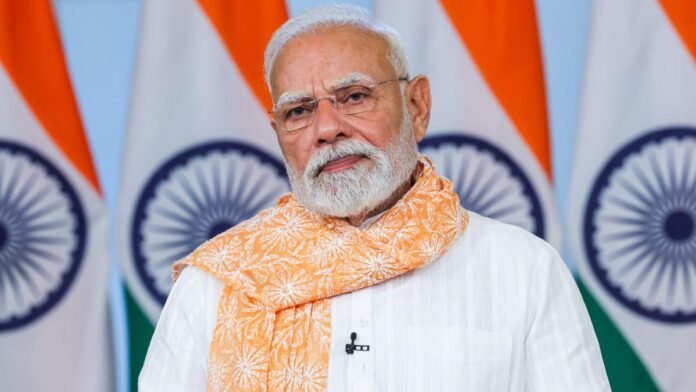
In a strongly worded and emotionally charged address to the nation, Narendra Modi spoke at length about the failure of the Women’s Reservation Bill in Parliament, calling it a missed historic opportunity and expressing deep regret to the women of India.

A Rare Apology: “I Seek Forgiveness from the Women of India”

One of the most striking moments of the speech was the Prime Minister’s emotional tone. He openly apologised, saying that despite the government’s “best efforts,” the bill could not be passed. He described the outcome as the crushing of women’s aspirations and acknowledged the disappointment felt across the country.
He framed the bill as a long-awaited step toward empowering women politically and said its failure was not just legislative, but deeply symbolic.

Sharp Attack on Opposition: “A Black Day for Democracy”

PM Modi did not hold back in criticising opposition parties. He accused them of indulging in “petty politics” and deliberately blocking a reform meant for women’s empowerment.
In a controversial remark, he compared the bill’s defeat to “female foeticide” (bhroon hatya), suggesting that the opportunity for women’s representation was destroyed before it could take shape.
He also termed the day a “black day” for those who opposed the bill, arguing that they failed to rise above political interests.

Why the Bill Failed: The Delimitation Deadlock

A major issue highlighted in the speech was the linkage of the Women’s Reservation Bill with the delimitation exercise—the redrawing of parliamentary constituencies.
The proposed constitutional amendment required a two-thirds majority but fell short in the Lok Sabha, with significant opposition resistance.
Opposition parties argued that linking women’s reservation with delimitation could alter the political balance, especially impacting southern states. This disagreement ultimately led to the bill’s defeat.

“Selfish Politics Crushed Women’s Dreams”

The Prime Minister repeatedly emphasised that the failure was not due to lack of intent, but due to what he called “selfish politics.” He said that those opposing the bill had “betrayed the hopes of India’s daughters” and placed political calculations above national interest.
He also claimed that while the government may not have secured enough votes, it had the “support of 100% women,” reinforcing his narrative of public backing.

Commitment to Return: “We Will Remove Every Obstacle”

Despite the setback, PM Modi struck a determined note. He assured the nation that the fight for women’s political representation is far from over.
He promised that his government would continue efforts to ensure the passage of the bill in the future and remove all obstacles in its path.
“We will come back,” he asserted, signalling that the issue will remain central to his political agenda.

Conclusion: Politics, Emotion, and a Missed Opportunity

PM Modi’s address combined emotion, political messaging, and a strong defence of his government’s intent. While he projected the bill’s failure as a result of opposition resistance, critics see it as a deeper structural and political disagreement over implementation.
What remains undeniable is that the speech marked a significant political moment—where gender representation, electoral reform, and political rivalry intersected sharply, leaving behind both controversy and a promise of unfinished reform.

The Last 20%: Why Localized Inpainting Defines Launch-Ready AI Assets

0

The primary friction point in generative AI today is no longer the “creation” of an image. We have reached a state of saturated capability where a basic prompt can yield a visually arresting result in seconds. The real hurdle for product teams and creative directors is the transition from a “cool image” to a “launch-ready asset.” Professional-grade production requires more than a lucky roll of the digital dice; it requires surgical control over specific regions of a frame.

When a team is preparing a product launch or a high-stakes marketing campaign, they cannot afford the anatomical errors or environmental inconsistencies that haunt raw AI generations. This is where the workflow shifts from generation to iteration. Tools like Banana AI have recognized that the prompt box is merely the starting line. The finish line is found within the canvas, through regional changes and sophisticated inpainting.

The Illusion of the One-Shot Prompt

There is a persistent myth in AI circles that the best creators are simply the best “prompt engineers.” In a high-velocity production environment, this is rarely true. A marketing lead for a consumer electronics brand doesn’t need a prompt that generates a perfect smartphone in a lifestyle setting on the first try. They need a system that allows them to generate a base concept and then refine the texture of the glass, the reflection on the screen, and the way the user’s hand grips the device.

Relying on “one-shot” generations leads to a cycle of wasted compute and mounting frustration. You might get the perfect lighting in one version, but the product’s logo is garbled. In the next version, the logo is perfect, but the background is distracting. Localized editing solves this by decoupling the components of an image. By using an AI Image Editor, teams can lock in the elements that work and aggressively iterate on the elements that don’t.

Nano Banana Pro: Precision Over Volume

In the hierarchy of generative models, there is often a trade-off between massive parameter counts and operational speed. Nano Banana Pro is positioned as a high-efficiency engine designed for this specific iterative cycle. While larger models might produce more “complex” latent noise, Nano Banana Pro excels in the “Nano Banana” ecosystem by providing the responsiveness required for real-time canvas work.

When you are in the middle of a regional edit, you don’t want to wait sixty seconds to see if a mask worked. You need a fast feedback loop. The Nano Banana architecture is optimized for these micro-adjustments. Whether you are swapping out a background or fixing a specific limb deformity, the speed of Nano Banana Pro ensures that the creative momentum isn’t broken by a loading bar. It is a tool for the operator who knows exactly what they want and needs the AI to keep pace with their decision-making.

The Strategic Utility of Regional Inpainting

Inpainting is often misunderstood as a “repair” tool—something used to fix mistakes. While it certainly does that, its more powerful application is “intentional evolution.” Consider a scenario where a creative team is designing an ad for a luxury watch. The base image generated by Banana Pro might be excellent, but the watch face needs to show a specific time, and the leather strap needs to have a particular grain.

Using regional changes, the designer masks the watch face and provides a specific prompt for that area alone. This prevents the AI from “re-thinking” the entire composition. The lighting remains consistent, the model’s skin tone stays the same, and the depth of field is preserved. Only the masked region evolves. This level of control is what separates hobbyist exploration from professional asset production.

However, it is important to acknowledge a point of uncertainty here: inpainting is not a magic wand. Even with a tool as refined as Nano Banana, there are moments where the boundary between the masked area and the original image can struggle with “seam” consistency. If the lighting in the new prompt differs too radically from the original global lighting, the blend can feel unnatural. This requires a human eye to manage mask feathering and prompt strength—a reminder that the “AI” is a co-pilot, not an autonomous agent.

The Canvas Workflow: Beyond the Square Frame

Modern AI production has moved away from the isolated chat interface toward a “Canvas” workflow. In this environment, the image is treated as a living document. You might start with a 1:1 image and realize the layout for a LinkedIn ad requires a 16:9 landscape. 

Outpainting—the cousin of inpainting—allows the Nano Banana engine to look at the existing pixels and hallucinate a continuation of the environment. This is critical for product teams who need to repurpose a single hero asset across multiple platforms. Instead of re-generating the entire scene (and losing the specific “look” of the product), the team simply expands the canvas.

Video Iteration and the Role of Nano Banana

The complexity of these workflows doubles when moving into video. If you are using Banana Pro to generate a short promotional clip, the quality of your source image is the single greatest predictor of your video’s success. This is a common failure point for teams new to the space: they try to animate a “good enough” image, only to find that the AI video generator exaggerates the image’s existing flaws.

If a hand has six fingers in a static image, it will become a morphing eldritch horror in a three-second video clip. By using the editing suite to clean up the base image first, you provide the video engine with a structurally sound foundation. The iterative workflow usually looks like this:

  1. Generate base concept.
  2. Identify structural flaws (anatomy, branding, perspective).
  3. Use Nano Banana Pro for localized inpainting to fix those flaws.
  4. Scale and outpaint for the required aspect ratio.
  5. Feed the “clean” asset into the video generator.
The Last 20%: Why Localized Inpainting Defines Launch-Ready AI Assets

Managing Expectation and Diffusion Noise

One of the limitations that production teams must accept is that diffusion models—even sophisticated ones like Banana AI—have a “memory” that is dictated by noise. When you perform multiple rounds of inpainting on the same area, you can sometimes introduce “pixel rot” or “over-processing,” where the texture begins to look plasticky or overly smoothed. 

It is often better to revert to an earlier version or adjust the “denoising strength” rather than layering edit upon edit. Knowing when to stop is a skill that takes time to develop. A common mistake is trying to get the AI to render perfect text inside an inpaint mask. While Nano Banana Pro has made strides in text rendering, the latent space still struggles with specific, small-scale typography. In many cases, it is more efficient to inpaint a clean surface and then add the text in post-production using traditional design software.

The Economics of Iteration

From a business perspective, the use of Nano Banana and the wider Banana Pro suite is about reducing the “Cost Per Approved Asset.” If a creative agency can produce a launch-ready visual in 45 minutes of iterative editing versus 10 hours of traditional photography and retouching, the ROI is undeniable. 

However, the value isn’t just in speed; it’s in the ability to pivot. If a client decides the product should be in a mountain setting instead of a beach, the team doesn’t need to re-book a shoot. They use the canvas, mask the background, and let the AI swap the environment while keeping the product lighting intact. This level of agility was historically impossible.

Closing the Production Gap

The “Last 20%” of production—the tweaking, the fixing, the refining—is where the real value is created. It is the difference between a project that stays in a “concept” folder and one that goes live on a billboard or a storefront. 

The tools provided within the Banana Pro ecosystem are designed to bridge this gap. By focusing on the interplay between a high-speed engine like Nano Banana Pro and a flexible canvas, product teams can move past the novelty of AI generation and into the era of AI production. The goal is no longer to see what the AI can do, but to make the AI do exactly what the brand requires. 

In the end, the most successful creators won’t be those with the most complex prompts, but those with the most disciplined editing workflows. They understand that the AI provides the clay, but the artist provides the shape. Through strategic use of an AI Image Editor, that shape becomes a professional reality.

World Heritage Day 2026: Protecting Heritage in Times of Crisis

0

What is World Heritage Day?

World Heritage Day, observed every year on April 18, is also known as the International Day for Monuments and Sites. It was established by the International Council on Monuments and Sites in 1982 and later recognized by UNESCO . The day aims to spread awareness about the importance of preserving cultural and natural heritage across the globe.

Theme for 2026

The theme for World Heritage Day 2026 is “Emergency Response for Living Heritage in Contexts of Conflicts and Disasters.”
This theme highlights the urgent need to protect heritage—not just monuments, but also living traditions—during times of war, conflict, and natural disasters. It emphasizes quick action, preparedness, and long-term resilience to ensure that heritage survives even in the face of crises.

Understanding “Heritage”

Heritage includes both tangible and intangible forms. Tangible heritage refers to physical sites such as monuments, buildings, and landscapes—like the iconic Taj Mahal or the ancient city of Machu Picchu .
Intangible heritage, on the other hand, includes traditions, rituals, languages, music, and cultural practices that are passed down through generations. Together, they form the identity and memory of communities.

Significance of the Day

World Heritage Day is significant because it reminds us that heritage is fragile and constantly under threat. Natural disasters like earthquakes, floods, and climate change, along with human conflicts and urbanization, can cause irreversible damage. The 2026 theme especially draws attention to how vulnerable heritage becomes during emergencies and why proactive measures are essential.

Why is it Celebrated?

The day is celebrated to educate people about the value of heritage and to encourage collective responsibility in preserving it. Governments, institutions, and local communities organize activities such as heritage walks, exhibitions, awareness campaigns, and conservation drives. It also promotes respect for cultural diversity and fosters a sense of global unity.

A Responsibility for All

In a culturally rich country like India, heritage is deeply woven into everyday life—from historic monuments to vibrant traditions. Preserving this legacy is not just the duty of authorities but of every individual.

World Heritage Day 2026 serves as a powerful reminder that heritage is not only about the past—it is a living legacy. Protecting it, especially in times of crisis, ensures that future generations can continue to learn from and be inspired by it.

From Akshaya Tritiya to Akshaya Tritiya: Rajasthan’s Quiet Shift Against Child Marriage

0

As Akshaya Tritiya approaches, once again there is a familiar sense of anticipation in many parts of the country. Traditionally seen as an auspicious day for weddings, the festival has, for years, carried a darker undercurrent in states like Rajasthan, where it has often been associated with a surge in child marriages.

But something changed in the last few years.

In the days leading up to Akshaya Tritiya 2024, the Rajasthan High Court delivered a decisive order that altered the course of how the state responds to child marriage. Acting on a petition by the Just Rights for Children (JRC), the Court held village heads, Sarpanches, and Panchayat members directly accountable for any child marriages conducted within their jurisdictions.

It was a simple but powerful shift. Responsibility was no longer abstract, it was local, visible, and personal.

The impact was immediate and telling. Unlike previous years, there were no reported cases of child marriage during the Akshaya Tritiya period in 2024 and even the year later. For a state that has long struggled with a child marriage rate of over 25 percent, this was not just a statistic. It was a signal that change, when backed by intent and accountability, is possible.

Now, as Akshaya Tritiya returns this year, so does the test.

There is no illusion that the threat has disappeared. If anything, the risk has only gone underground, with concerns that ceremonies may be conducted discreetly to avoid scrutiny. But this time, the response is different. The administration is alert. Law enforcement is prepared. And perhaps most importantly, communities are no longer entirely silent.

Over the past year, Rajasthan has moved beyond one decisive court order to build a more layered response. A lot has changed since then. More and more children have been rescued from the brink of child marriage. People have participated with striking enthusiasm in the Bal Vivah Mukti Rath campaign, where the message on wheels travelled to some of the farthest districts and villages, carrying conversations that were long overdue.

NGO partners of Just Rights of Children network in Rajasthan, along with local administration and village heads, ensured that this vehicle not only reached the last village but also the most vulnerable communities in the state. Significantly, being the largest network in the country has enabled this momentum to not only sustain but also spread across India.

And yet, a lot continues to remain the same.

It is this sameness that now needs to be shaken, dismantled, and rebuilt. Because what Rajasthan is witnessing today is not just incremental progress, it is history in the making. With each passing year, the state is stepping up its efforts to end child marriage, slowly reclaiming the true meaning of Akshaya Tritiya as a day of promise, not one shadowed by silent violations.

At the state level, Rajasthan has also introduced a particularly striking intervention last year. Printing presses were directed to require age proof of both the bride and groom before issuing wedding invitations, with their dates of birth printed on the cards. It is a small administrative step on paper, but one that quietly shifts the burden of concealment. A wedding invitation, once a private announcement, now becomes a document open to scrutiny.

At the same time, efforts on the ground have continued to deepen. Civil society organisations have been steadily building awareness in villages and small towns. Messages against child marriage are being carried into temples, mosques, schools, and community spaces. Children themselves are increasingly aware, and in some cases, willing to speak up.

This year, the state’s Education Department has also pushed for a coordinated response, activating district and block-level groups that bring together women’s collectives, health workers, and local volunteers. Even those indirectly linked to weddings, priests, band players, tent house owners, transporters, are being asked to take a clear stand.

Because the truth is, child marriage does not happen in isolation. It is enabled by silence, by participation, and by the quiet normalization of what should never be acceptable.

Rajasthan’s approach over the past year shows that change does not come from a single intervention. It comes from pressure applied at every level, legal, administrative, and social. It comes from making accountability unavoidable and complicity uncomfortable.

And yet, this is not a moment for complacency.

Akshaya Tritiya still carries risk. The coming days will determine whether last year’s progress was an exception or the beginning of a sustained shift. The real measure of success will not just be in preventing visible ceremonies, but in ensuring that the practice itself continues to lose legitimacy.

For now, Rajasthan offers something that was missing for a long time, a working model of intent backed by action.

As the country moves toward its larger goal of ending child marriage, this moment matters. Not because the battle is over, but because it finally feels like it is being fought differently.

From Akshaya Tritiya to Akshaya Tritiya: Rajasthan’s Quiet Shift Against Child Marriage

Author: Nanulal Prajapati, Deputy Director, Rajasthan Mahila Kalyan Mandal, Ajmer

Why Domestic Travel Surges During Global Crises and Wars

0

When global crises—such as wars, geopolitical tensions, pandemics, or economic instability—disrupt international mobility, a noticeable shift occurs in travel patterns: people turn inward. Domestic tourism often experiences a significant boost during such periods, driven by a mix of practical constraints, psychological factors, and economic adjustments.

One of the most immediate reasons is restricted international travel. During crises, countries may impose visa limitations, airspace closures, or heightened security protocols. For instance, conflicts can lead to the suspension of international flight routes or advisories against traveling to certain regions. In such scenarios, domestic travel becomes the most accessible and viable alternative.

Another key factor is cost uncertainty and currency fluctuations. Wars and global instability tend to disrupt financial markets, weakening currencies and increasing travel costs abroad. Domestic travel, by contrast, offers greater affordability and predictability. Travelers can avoid exchange rate volatility, international insurance complexities, and unexpected expenses tied to unstable regions.

Equally important is the role of perceived safety and familiarity. During uncertain times, travelers prioritize destinations where healthcare systems, infrastructure, and communication are familiar. Domestic travel provides a sense of control—people understand local languages, laws, and emergency systems, which reduces anxiety. This psychological comfort becomes a powerful motivator when global news cycles are dominated by conflict or crisis.

There is also a strong policy-driven push behind domestic tourism. Governments often promote “travel within the country” campaigns to sustain their tourism industries when international arrivals decline. Incentives such as discounted rail fares, regional tourism packages, and tax benefits encourage citizens to explore local destinations. This not only supports businesses but also helps stabilize employment in hospitality, transport, and allied sectors.

From an economic standpoint, domestic tourism acts as a buffer against global shocks. International tourism is highly sensitive to crises, but domestic travel tends to recover faster and remain more resilient. It keeps revenue circulating within national borders, supporting local economies when foreign exchange inflows decline. For countries heavily dependent on tourism, this internal demand can be crucial for survival during prolonged instability.

Another subtle but important factor is changing traveler priorities. In times of crisis, people often seek shorter, flexible trips rather than long, complex itineraries. Domestic travel allows for spontaneous planning, easier cancellations, and reduced logistical risks. Road trips, staycations, and nearby destinations become more appealing compared to long-haul international journeys.

Finally, crises often trigger a renewed interest in local culture and landscapes. With global mobility limited, people rediscover heritage sites, natural reserves, and lesser-known destinations within their own country. This shift not only diversifies tourism patterns but also promotes regional development.

In essence, the rise of domestic travel during global crises is not merely a fallback—it is a strategic, adaptive response. It reflects how individuals, industries, and governments recalibrate priorities in the face of uncertainty, turning inward to sustain movement, exploration, and economic continuity even when the world outside feels unstable.

Are Indian Summers Getting Hotter Each Year? Here’s the Reality…

0
Background for a hot summer or heat wave, orange sky with with bright sun and thermometer

If it feels like summers in India are arriving earlier, lasting longer, and becoming more intense, that perception is backed by scientific evidence. Over the past few decades, India has witnessed a clear rise in temperatures, more frequent heatwaves, and increasingly unpredictable seasonal patterns.

Studies show that India’s average summer temperatures have risen by about 1°C between 1981 and 2020, leading to more frequent and prolonged heatwaves. Even more striking is the surge in extreme heat events—heatwave days have increased more than 15-fold between 1993 and 2024. This means not only are summers hotter, but extreme heat is becoming far more common.

Another noticeable change is the shift in seasons. Summers are starting earlier—sometimes as early as February—and extending further into the year. At the same time, spring and winter are shrinking, creating what many experts describe as a “seasonal imbalance.”

Why is this happening?

The primary driver is climate change. Rising greenhouse gas emissions are increasing global temperatures, and India—due to its geography and population density—is particularly vulnerable. But climate change is not acting alone.

Urbanisation plays a major role. Cities tend to trap heat due to concrete structures, lack of green cover, and high energy use—a phenomenon known as the urban heat island effect. Research suggests Indian cities could experience up to 45% more warming than surrounding rural areas.

Natural climate cycles like El Niño also contribute. During El Niño years, ocean temperatures rise, which often leads to hotter and drier conditions across the Indian subcontinent.

Additionally, changing weather patterns—such as reduced rainfall, delayed monsoons, and fewer cloud cover days—allow heat to build up more intensely over land.

What does the future look like?

The trend suggests that India is heading toward longer, hotter, and more dangerous summers. Climate projections indicate temperature increases of 2–3°C by the end of the century, which could make heatwaves more frequent, longer-lasting, and even life-threatening. In fact, the number of regions experiencing heatwaves has already expanded significantly over recent years.

Conclusion

Yes, Indian summers are undeniably getting hotter—but it’s not just about temperature. It’s about duration, intensity, and frequency. The combined effects of climate change, rapid urbanisation, and shifting weather systems are reshaping how summer behaves in India. What was once a seasonal inconvenience is increasingly becoming a serious environmental and public health challenge.

Understanding this shift is crucial—not just to adapt, but to act.

Sayani Gupta Named ‘Person of the Year’ by Harvard South Asian Association

0

Actor honoured for powerful storytelling and redefining South Asian representation on the global stage

In a significant global recognition, Bollywood actor Sayani Gupta has been named the 2026 Person of the Year by the Harvard South Asian Association. The prestigious honour celebrates her impactful contribution to cinema, storytelling, and representation of South Asian voices worldwide.

A Global Honour for Cultural Impact

The Harvard South Asian Association (SAA), known for celebrating South Asian culture and leadership, presents this award annually to individuals who have significantly shaped how South Asian identity is perceived globally. Sayani Gupta’s work has been recognised for bringing authenticity, boldness, and depth to contemporary narratives.
She is scheduled to be formally felicitated at Harvard University later this month.

A Career Built on Bold Choices

Sayani Gupta has carved a niche in Indian cinema through unconventional and powerful roles. An alumna of the Film and Television Institute of India (FTII), she has been part of critically acclaimed films such as Article 15, Fan, and Jolly LLB 2. Known for portraying complex and layered characters, she has consistently challenged stereotypes and pushed the boundaries of mainstream storytelling.

Her performances have often stood out for their realism and emotional depth, making her one of the most respected contemporary actors in the industry.

Beyond Acting: Expanding Creative Horizons

This recognition comes at a time when Sayani is stepping into a new creative phase. She is set to make her debut as a writer-director with her short film Aasmani, which is slated to premiere at international film festivals, marking another milestone in her evolving career.

A Voice for Representation

What sets Sayani Gupta apart is her commitment to inclusive storytelling. Her work reflects diverse perspectives and often brings underrepresented narratives to the forefront. This global honour not only celebrates her artistic achievements but also acknowledges her role in shaping a more inclusive and authentic portrayal of South Asian identities.

With this recognition, Sayani Gupta joins a distinguished list of global South Asian figures honoured by Harvard SAA, reinforcing her position as a powerful voice in contemporary cinema.