

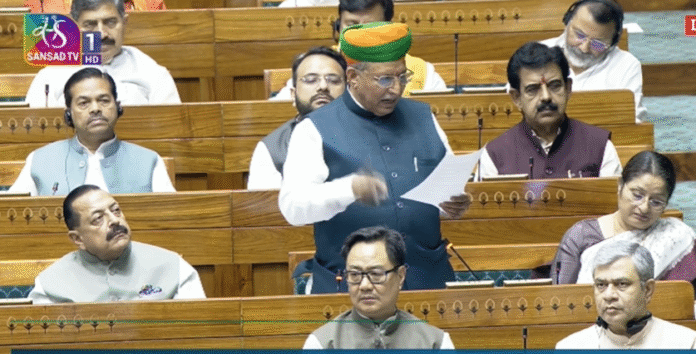
The implementation of the landmark women’s reservation framework has officially begun in the Union Territories of Jammu and Kashmir and Puducherry. The Union Government has notified April 17, 2026, as the effective date for provisions related to reserving seats for women in their legislative assemblies—marking a significant step toward enhancing women’s political participation in India.
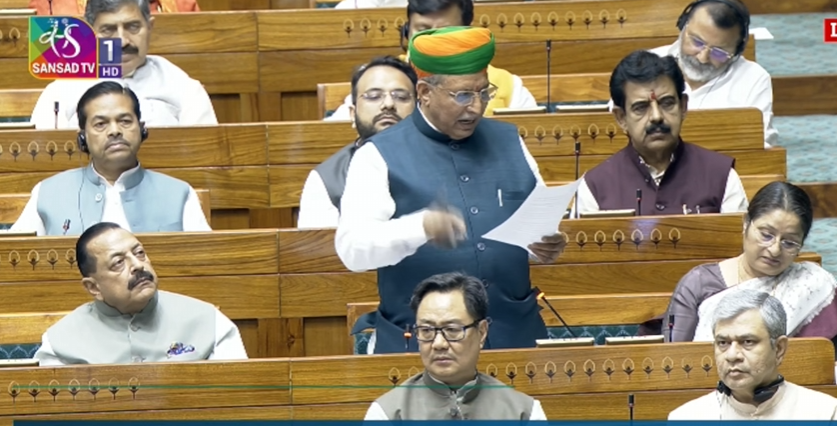
This move follows the earlier notification of the Constitution (106th Amendment) Act, 2023, which mandates 33% reservation for women in the Lok Sabha, State Legislative Assemblies, and the Delhi Assembly.
Constitutional Basis of Women’s Reservation
The Women’s Reservation Act, formally known as the Constitution (One Hundred and Sixth Amendment) Act, 2023, provides a robust legal framework to ensure one-third representation of women in legislative bodies. This reform is considered a historic milestone aimed at correcting gender imbalance in Indian politics and governance.
Separate Laws for J&K and Puducherry
Since Union Territories operate under distinct legal structures, separate amendments were required:
- For Puducherry: Implemented through the Government of Union Territories (Amendment) Act, 2023
- For Jammu and Kashmir: Enforced via the J&K Reorganisation (Second Amendment) Act, 2023
The Ministry of Home Affairs issued the official gazette notification, ensuring that the reservation framework is now legally in place for both Union Territories.
Why Women’s Reservation Will Not Apply Immediately
Although the law is now in force, the reservation of seats will only take effect after the next delimitation exercise, which will be based on the upcoming Census.
The expected timeline is tied to the next national census cycle, likely Census of India 2027. Only after this process will constituencies be redrawn and reserved seats for women be allocated. This means the actual impact of the law will be visible in future elections, not immediately.
Key Highlights
- 33% reservation for women in Lok Sabha and State Assemblies
- Applies to Delhi, J&K, and Puducherry assemblies
- Implementation linked to post-census delimitation
- Requires separate laws for Union Territories with legislatures
Political Context and Developments
In 2026, three key legislative proposals—including the Delimitation Bill and constitutional amendments—were introduced to accelerate implementation but did not pass in the Lok Sabha. However, the core constitutional amendment remains valid and enforceable.
What This Means
The notification signals a firm legal foundation for women’s reservation in India. While political debates over delimitation and timing continue, the reform represents a long-term structural shift aimed at increasing women’s representation in governance.
As India moves toward the next census and delimitation cycle, this policy is expected to reshape the country’s political landscape—bringing more women into decision-making roles at every level.