

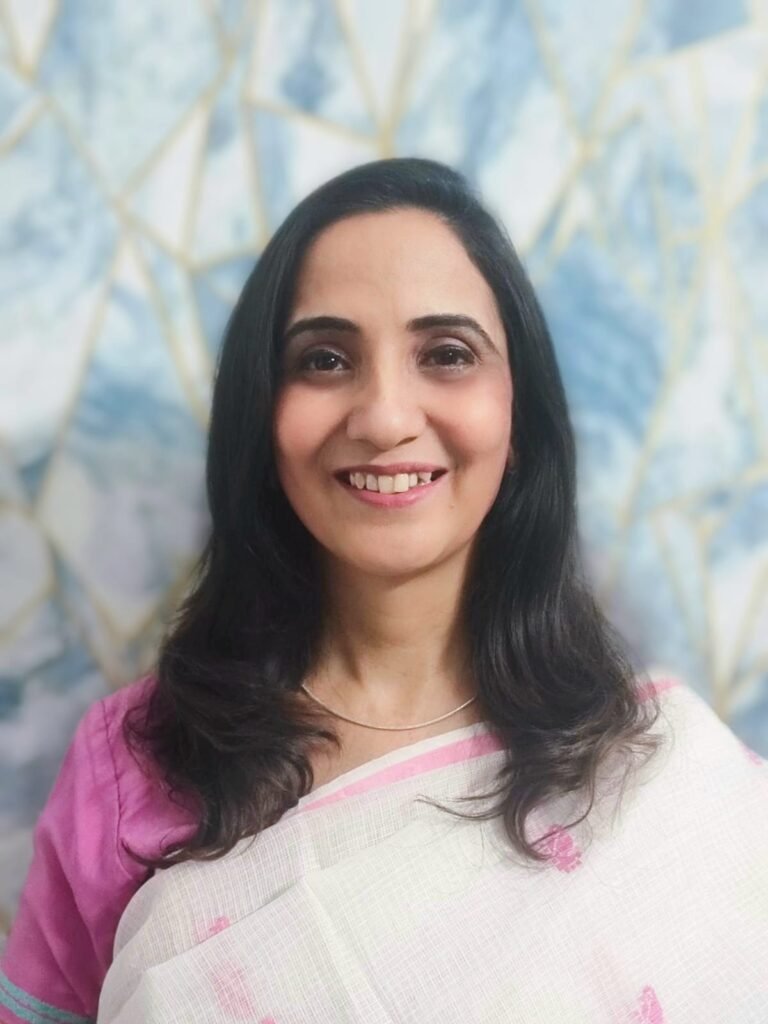
As the world observes Autism Awareness Month, conversations around understanding, acceptance, and inclusion have gained much-needed momentum. To shed light on the subject, Kanan Rathore spoke with Dr. Ravneet Sethi Handa, Psychologist, Mental Health Counselor, and Educator at Witty International School, Udaipur. In this insightful interaction, she simplifies complex ideas, busts common myths, and highlights the importance of early support and societal acceptance.
What is Autism Spectrum Disorder (ASD)? Why is it called a “spectrum”?
Dr. Handa explains that autism is a neurodevelopmental condition present before birth, reflecting differences in how a person’s brain processes information. It is called a “spectrum” because no two individuals with autism are the same.
“One person may be non-verbal yet exceptionally skilled in mathematics, while another may communicate fluently but struggle with everyday tasks. The diversity in abilities and challenges is what defines the spectrum,” she notes.
What are the early signs parents should look for?
According to Dr. Handa, early signs often appear before the age of 2–3 years and mainly affect social interaction, communication, and behaviour.
Some key indicators include reduced eye contact, lack of response to smiles, delayed speech or absence of babbling, and repetitive behaviours such as hand-flapping or rocking. Children may also show a strong need for routine and display unusual sensitivity—or lack of response—to sounds, lights, or touch.
At what age can autism be diagnosed?
Autism can be identified as early as 18 to 24 months, when patterns in communication and behaviour become clearer.
“By the age of two, the diagnosis tends to be more stable and reliable,” she adds, emphasizing the importance of not ignoring early warning signs.
What causes autism?
Dr. Handa highlights that genetic factors play a primary role in autism, often running in families. However, certain risk factors—such as advanced parental age or complications during pregnancy or birth—may also increase the likelihood.
“It is not caused by a single factor, but rather a combination of influences,” she clarifies.
Is autism a disease that can be cured?
“Autism is not a disease,” Dr. Handa states clearly. “It is a neurodevelopmental variation—a different way the brain is wired.”
Rather than seeking a “cure,” the focus should be on understanding, acceptance, and support. Autism is a lifelong condition, but with the right interventions, individuals can thrive and lead fulfilling lives.
Why is early intervention important?
The early years of life are crucial for brain development. Dr. Handa emphasizes that timely support can make a lasting difference.
“Early intervention improves communication, enhances social skills, reduces the severity of challenges, and promotes independence,” she explains. It also helps families better understand and support their child, preventing delays from worsening over time.
What are some common myths about autism?
Dr. Handa points out several misconceptions that continue to persist. Autism is not caused by poor parenting, nor is it linked to vaccines. Individuals with autism do experience emotions, though they may express them differently.
“Not all individuals with autism are geniuses, and not all behave the same way. Many do seek friendships but may struggle with social interaction,” she says. She also stresses that autism is not limited to childhood—it continues into adulthood.
How does autism affect communication and behaviour?
Autism can impact communication, behaviour, and social interaction in different ways. Individuals may have delayed speech or difficulty maintaining conversations. They might interpret language literally, struggle with sarcasm, or repeat words and phrases.
Behaviourally, repetitive actions and resistance to change are common, along with sensory sensitivities. Socially, individuals may find it challenging to maintain eye contact, understand social cues, or build relationships, often preferring solitude.
What steps should parents take after a diagnosis?
Dr. Handa advises parents to seek early intervention immediately. Therapies such as behavioural, speech, and occupational therapy can significantly improve a child’s development.
Equally important is creating a structured routine at home, using clear and simple communication, and reinforcing positive behaviour. “Educating oneself about autism empowers parents to support their child effectively,” she adds.
How can schools become more inclusive?
Inclusive classrooms play a vital role in a child’s growth. Dr. Handa suggests using simple instructions, visual aids, and breaking tasks into smaller steps to enhance learning.
“A sensory-friendly environment, trained teachers, and peer awareness can make a huge difference,” she says. Regular coordination between teachers, parents, and therapists ensures consistent support for the child.
What challenges do families face in India?
In the Indian context, families often struggle with lack of awareness and social stigma, which can delay diagnosis. Access to quality therapy and trained professionals remains limited, especially outside urban areas.
“Families also face emotional stress and constant caregiving demands, along with concerns about their child’s future and social inclusion,” Dr. Handa explains.
How aware is Indian society today?
While awareness has improved, particularly in urban areas, Dr. Handa believes there is still a long way to go. Misconceptions and stigma persist, especially in rural settings, making acceptance a challenge.
Can individuals with autism lead independent lives?
“Yes, many individuals with autism can lead independent and successful lives,” she affirms. With the right support, they can develop strengths in academics, arts, technology, or other areas of interest.
However, independence varies from person to person—some may need minimal support, while others may require ongoing assistance.
Your message for Autism Awareness Month
Dr. Handa leaves us with a powerful thought:
“Awareness is just the beginning. We must move towards acceptance and meaningful inclusion. Individuals with autism are not ‘less’—they are simply different in how they experience the world.”
“Autism awareness is knowing, acceptance is understanding, and inclusion is taking action.”