In a quiet classroom in Devlali, far removed from renowned universities and research institutions, a schoolteacher spent his time exploring something most people take for granted—numbers.
There were no advanced tools, no academic spotlight, and no formal recognition. Yet, within that simplicity, a discovery was made that would later travel across the world, capturing the curiosity of mathematicians and programmers alike.
This was the work of Dattatreya Ramchandra Kaprekar, a mathematician born in 1905 in Dahanu. Unlike many scholars, Kaprekar did not follow a conventional academic path. He was largely self-taught, guided by an intense curiosity and a deep fascination with the hidden behavior of numbers.
To Kaprekar, numbers were more than mere digits—they had patterns, tendencies, even what he described as a “personality.” He would rearrange them, break them apart, and observe their transformations, searching for something beyond the obvious.
And in this process, he uncovered a remarkable phenomenon.
By repeatedly arranging the digits of a four-digit number in ascending and descending order and subtracting them, he found that the result consistently converged to a single number: 6174.
Today, this number is known as Kaprekar’s constant—a mathematical curiosity that behaves almost like a fixed point. No matter where you begin (as long as the digits are not all identical), the process leads you to 6174 within a few steps.
It is the final destination for almost all four-digit numbers (with at least two distinct digits) when performing a specific subtraction process—known as Kaprekar’s routine—which always reaches 6174 in a maximum of seven iterations.
What makes this discovery fascinating is not just the number itself, but its journey. From a modest classroom in India, it found relevance in computational thinking, programming exercises, and mathematical exploration across the globe.
Yet, despite the global recognition his work eventually received, Kaprekar himself remained largely uncelebrated during his lifetime in India. He continued to live simply, dedicated to teaching and to his quiet investigations into the nature of numbers.
His story is a reminder that true curiosity does not depend on resources or recognition. Sometimes, the most profound discoveries emerge not from grand institutions, but from individuals who dare to look deeper into the ordinary.
In the end, 6174 is more than just a number—it is a symbol of persistence, curiosity, and the unnoticed brilliance that exists all around us.
(The writer of this article is Shreya Vishwakarma)
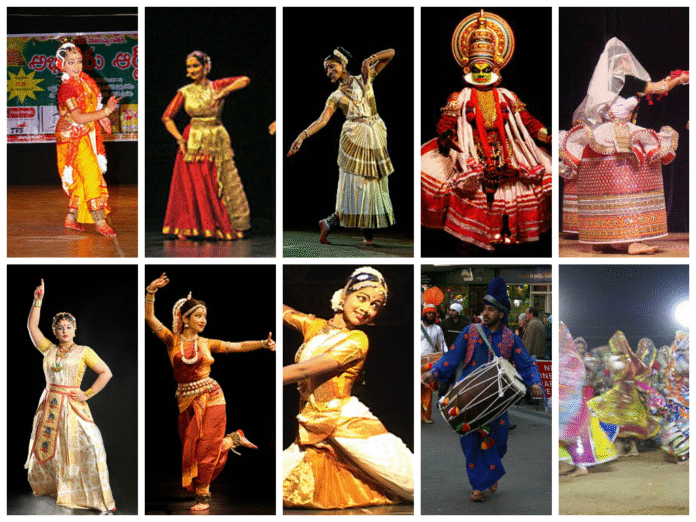
India’s dance traditions are a living expression of its layered history, spirituality, and regional diversity. Guided in spirit by the ancient Natya Shastra, these forms are far more than performance—they are storytelling in motion, where rhythm, gesture, and emotion come together to reflect life itself. From temple courtyards to festive gatherings, each dance form carries a distinct identity shaped by its geography and cultural memory.
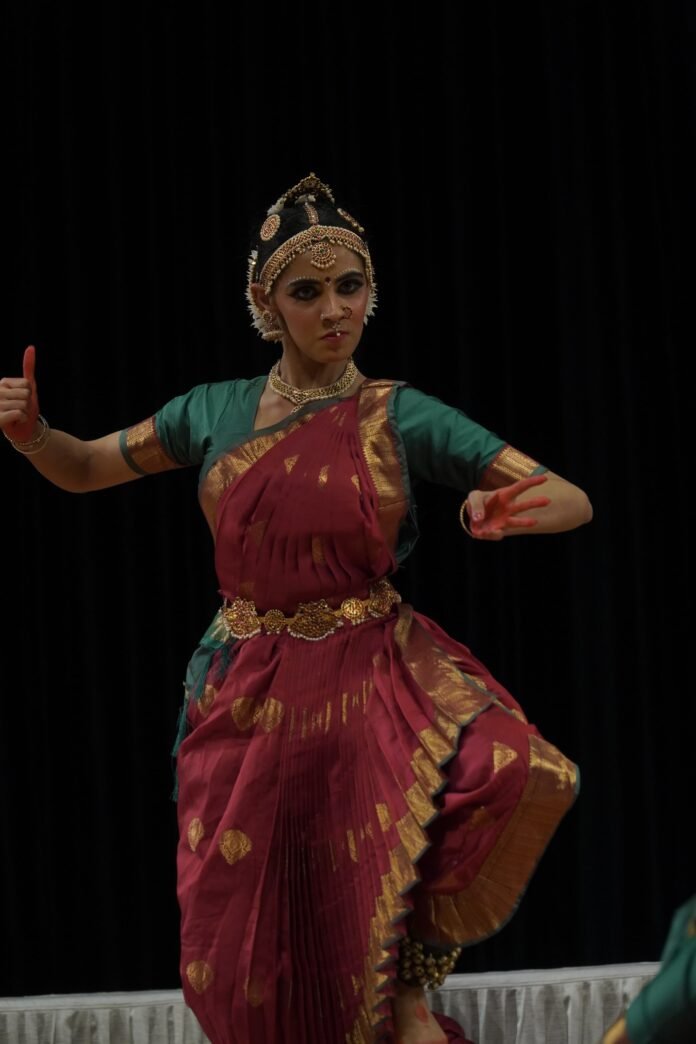
Bharatanatyam (Tamil Nadu) stands among the oldest classical traditions, born in temple rituals where dance was an offering to the divine. Its strong, grounded stance, precise footwork, and expressive storytelling transform the dancer into both narrator and character. The richly pleated costume enhances each movement, making geometry and grace visually inseparable.
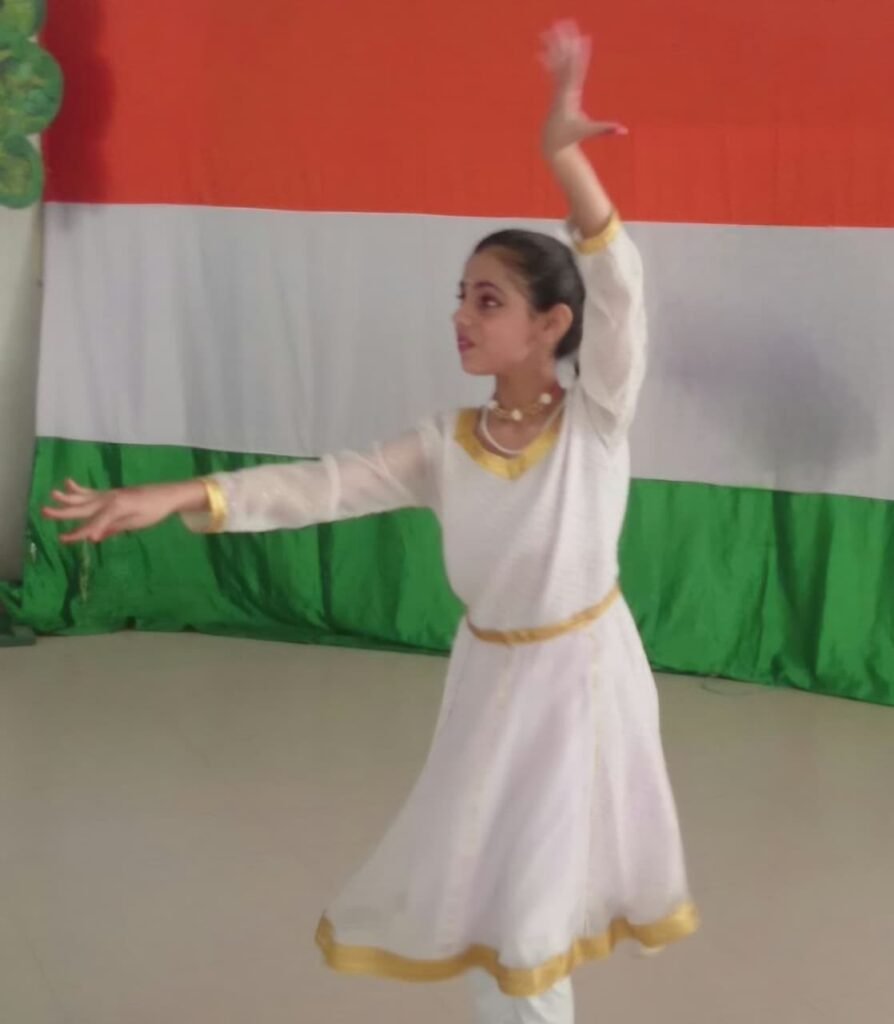
Kathak (North India) traces its roots to itinerant storytellers who narrated epics through movement. Over time, it absorbed influences from royal courts, evolving into a form known for swift spins, intricate footwork, and rhythmic dialogue with music. The dancer’s ankle bells become an instrument, turning each step into sound as much as motion.
In Kerala, Kathakali elevates dance into theatrical spectacle. Performers, adorned with elaborate makeup and grand costumes, embody mythological characters with astonishing intensity. Without spoken words, they rely on precise facial expressions and controlled eye movements to convey complex emotions, turning every performance into a dramatic visual narrative.
Odissi (Odisha), inspired by temple sculptures, is lyrical and fluid. Its signature tribhangi posture creates a gentle curvature of the body, giving the dance a sculptural elegance. Through soft expressions and devotional themes, the dancer appears almost like a figure brought to life from stone carvings.
From Andhra Pradesh, Kuchipudi blends dance with drama in a vibrant and expressive style. Rooted in theatrical traditions, it carries a playful energy, often incorporating challenging elements like balancing on a brass plate. Its movements are light yet dynamic, bridging storytelling with technical brilliance.
Manipuri (Manipur) offers a contrast with its serene and devotional quality, often centered on the life of Krishna. The movements are soft, rounded, and almost weightless, accompanied by delicate costumes that enhance its ethereal charm. Rather than dramatic expressions, it focuses on quiet devotion and grace.
Also from Kerala, Mohiniyattam embodies gentle femininity and elegance. Its slow, swaying movements and subtle expressions create an atmosphere of calm beauty. The understated white-and-gold attire complements its restrained aesthetic, allowing emotion to unfold softly rather than dramatically.
Sattriya (Assam) originated in monastic settings under the guidance of Srimanta Sankardev. Rooted in spiritual storytelling, it combines dance and drama to convey devotional themes, maintaining a disciplined structure while retaining a deep sense of bhakti (devotion).
The energetic Chhau (Eastern India) draws from martial arts and folk traditions, resulting in powerful, acrobatic movements. In many styles, dancers wear elaborate masks, transforming into mythological or symbolic figures. Its vigorous energy and dramatic storytelling make it visually striking and distinct from more classical forms.
Among folk traditions, Garba (Gujarat) is a vibrant celebration performed during . Dancers move in circular formations, clapping rhythmically as music builds a collective energy. It is as much about community and celebration as it is about dance, bringing people together in joyous unity.
Bhangra (Punjab) radiates exuberance and vitality. Originally linked to harvest celebrations, it has grown into a global symbol of Punjabi culture. With lively beats, energetic jumps, and colorful attire, Bhangra captures the spirit of festivity and shared happiness.
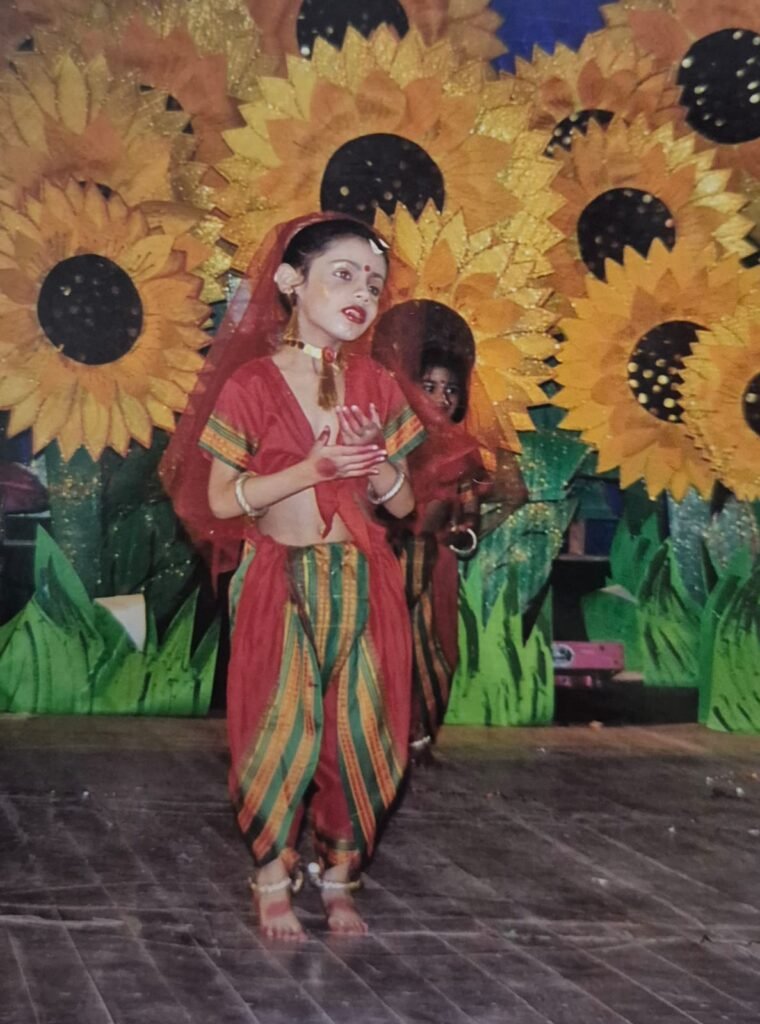
From Maharashtra, Lavani combines rhythm and expression in a bold, engaging style. Performed to the beats of the dholki, it uses swift movements and expressive storytelling to captivate audiences, often blending entertainment with social themes in a uniquely powerful way.
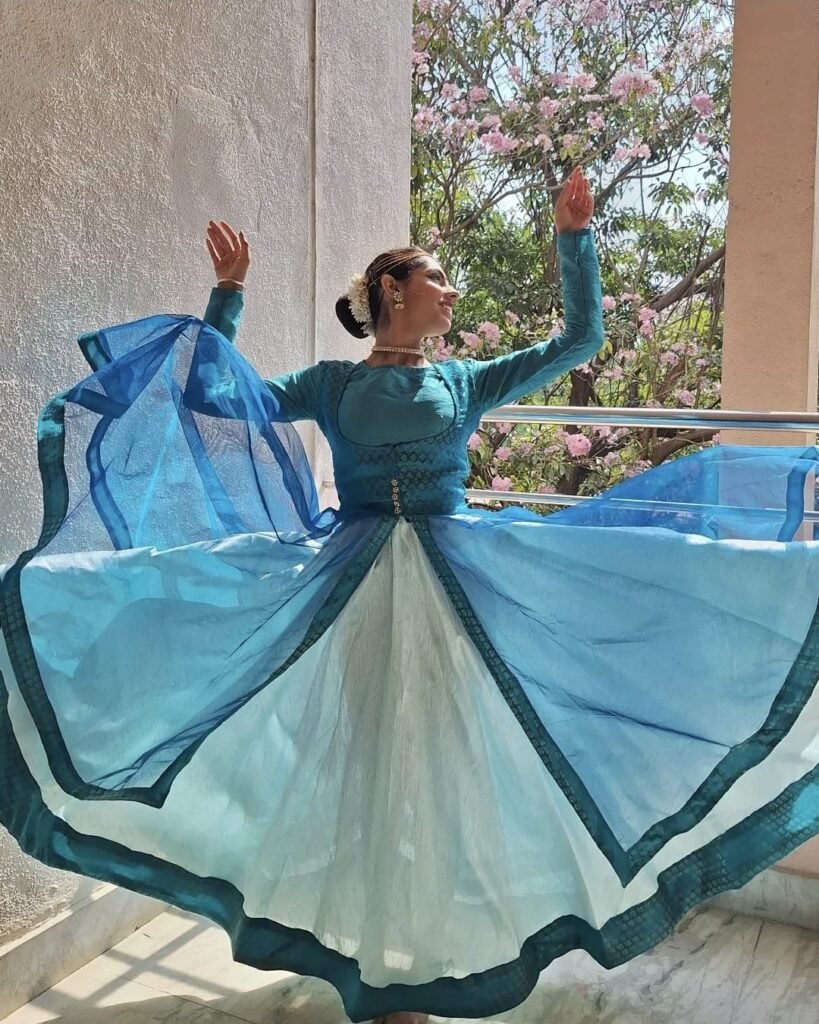
Finally, Ghoomar (Rajasthan) reflects the grace and cultural richness of desert traditions. Performed primarily by women during auspicious occasions, it is marked by gentle twirls and circular movements. As dancers spin in flowing ghagras, the swirling fabric creates a mesmerizing visual rhythm, embodying both elegance and celebration in its simplest, most captivating form.
Together, these dance forms create a vibrant tapestry of India’s artistic soul. Each step, gesture, and rhythm carries echoes of history and identity, reminding us that in India, dance is not just an art form—it is a way of experiencing and expressing life itself.
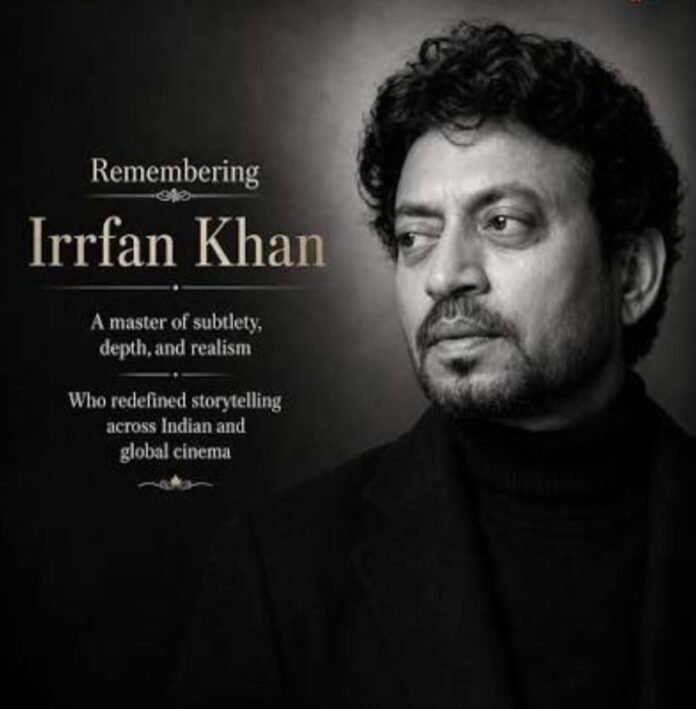
Every year on April 29, cinema lovers pause to remember one of the finest actors India has ever produced—Irrfan Khan. More than just a performer, he was an artist who transformed acting into an experience of quiet intensity, subtlety, and truth.
Doordarshan pays tribute to actor Irrfan Khan on his death anniversary. A legendary performer whose journey began with acting in memorable Doordarshan serials and went on to redefine cinema with his quiet intensity and remarkable depth. From humble beginnings to global… pic.twitter.com/O0cqKNlwyt
— Doordarshan National दूरदर्शन नेशनल (@DDNational) April 29, 2026
Born as Sahabzade Irfan Ali Khan in Rajasthan, Irrfan carved his own identity in an industry often driven by glamour and lineage. Over a career spanning more than three decades, he moved effortlessly between Indian and international cinema, delivering unforgettable performances in films like Paan Singh Tomar, The Lunchbox, Piku, Life of Pi, and Hindi Medium. His ability to express deep emotions with minimal dialogue made him a rare and powerful presence on screen.
Interestingly, Irrfan was always deeply conscious of individuality. In 2012, he altered the spelling of his name from “Irfan” to “Irrfan,” simply because he liked the sound of the extra “r.” Later, he even chose to drop “Khan” from his name, expressing a desire to be known for his work rather than his lineage.
In 2018, the actor revealed that he had been diagnosed with a neuroendocrine tumour—a rare form of cancer. What followed was a deeply personal and courageous battle, one he faced with remarkable dignity. Even during his illness, Irrfan continued to work, with Angrezi Medium (2020) becoming his final film—a heartfelt goodbye that resonated with audiences worldwide.
On April 29, 2020, Irrfan Khan passed away at the age of 53 due to complications from a colon infection linked to his illness. His death left a void not just in Indian cinema, but across global storytelling.
Yet, what makes Irrfan unforgettable is not just his filmography, but the philosophy he carried. He redefined masculinity on screen—moving away from loud heroism to vulnerability, introspection, and authenticity. His characters felt real because they were deeply human. Whether portraying a grieving father, a conflicted lover, or an ordinary man navigating extraordinary circumstances, Irrfan brought a rare honesty to every role.
Years after his passing, his legacy continues to inspire actors and audiences alike. His performances remain timeless, reminding us that true art lies not in exaggeration, but in truth.
On his death anniversary, Irrfan Khan is not merely remembered—he is revisited, rediscovered, and relived through every frame he graced.
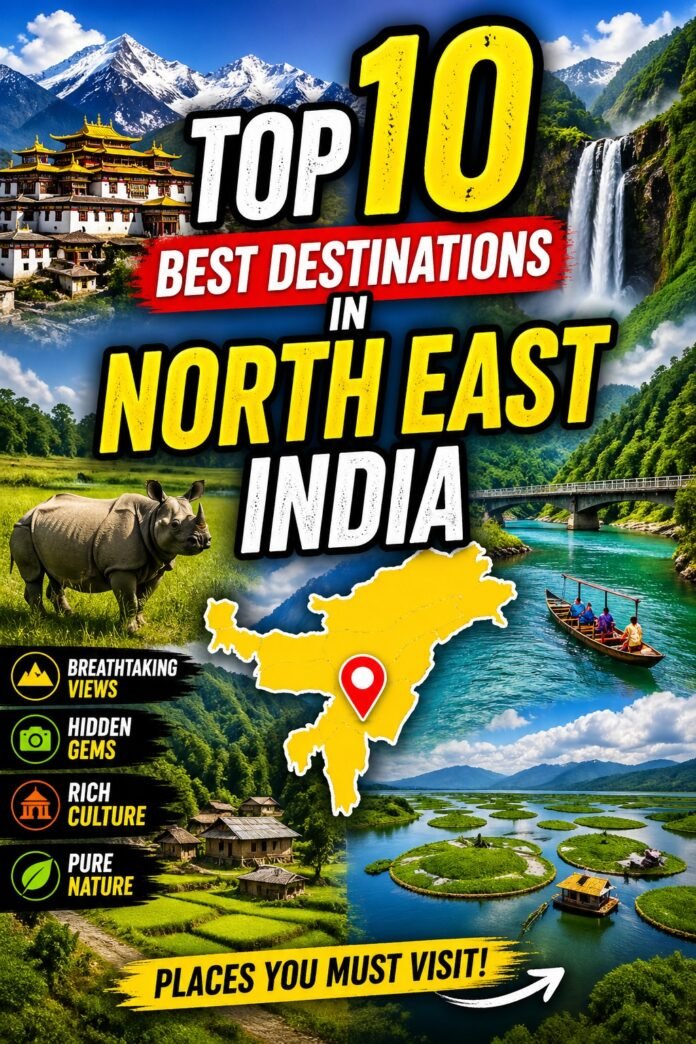
India’s Northeast is often described as a hidden gem—an enchanting region where nature thrives in its purest form and culture flows through every valley, river, and mountain. Far from the usual tourist circuits, this part of the country offers a refreshing blend of serenity, adventure, and deep-rooted traditions. From misty hills to vibrant tribal life, here are ten destinations that define the unmatched charm of Northeast India.
1. Tawang
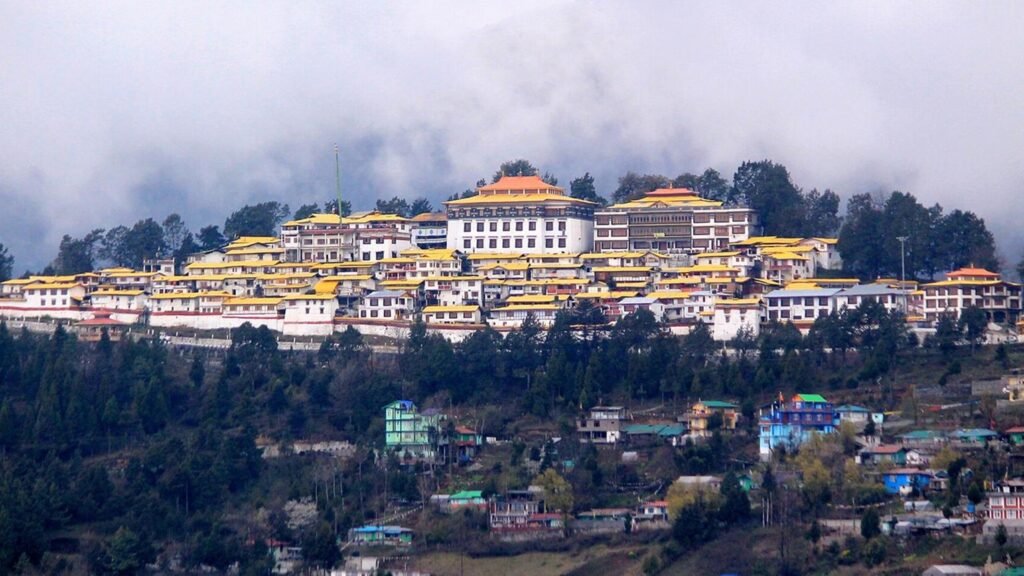
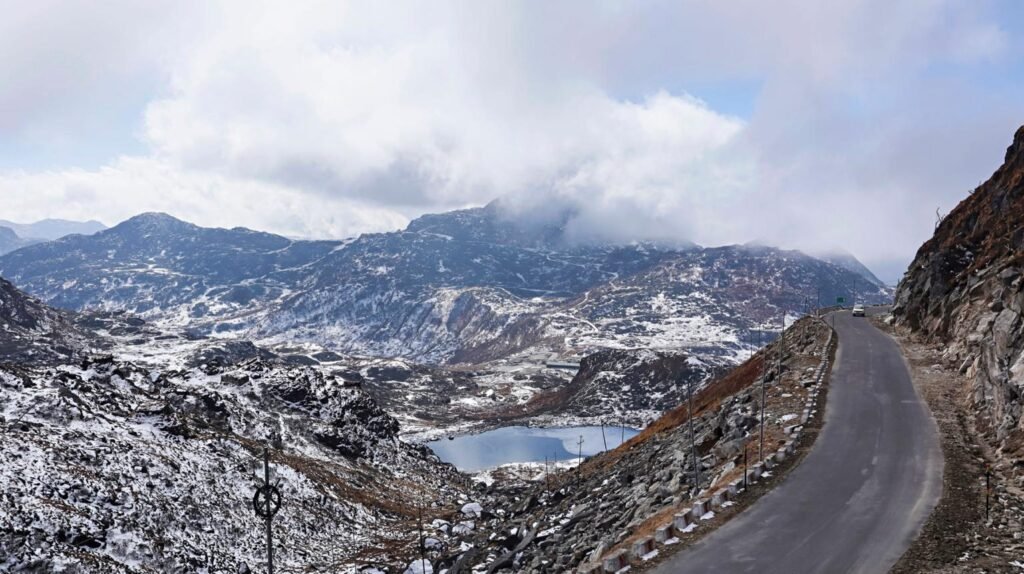
Nestled at an altitude of over 10,000 feet, Tawang is a breathtaking destination known for its snow-clad mountains and spiritual aura. The highlight here is the iconic Tawang Monastery, one of the largest monasteries in India and a significant center of Mahayana Buddhism. With prayer flags fluttering against a backdrop of the Himalayas, Tawang offers both peace and panoramic beauty. During winters, the entire region transforms into a snowy wonderland, attracting adventure lovers and solitude seekers alike.
2. Kaziranga National Park
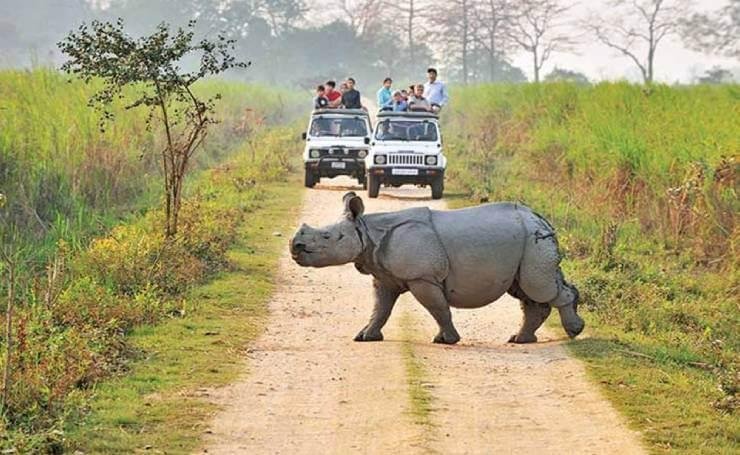
A UNESCO World Heritage Site, Kaziranga National Park is globally renowned for its population of the endangered one-horned rhinoceros. Spread across vast grasslands and wetlands, the park is also home to elephants, wild water buffaloes, and a high density of tigers. A jeep or elephant safari through Kaziranga offers an unforgettable encounter with wildlife in its natural habitat, making it a must-visit for nature enthusiasts and photographers.
3. Shillong
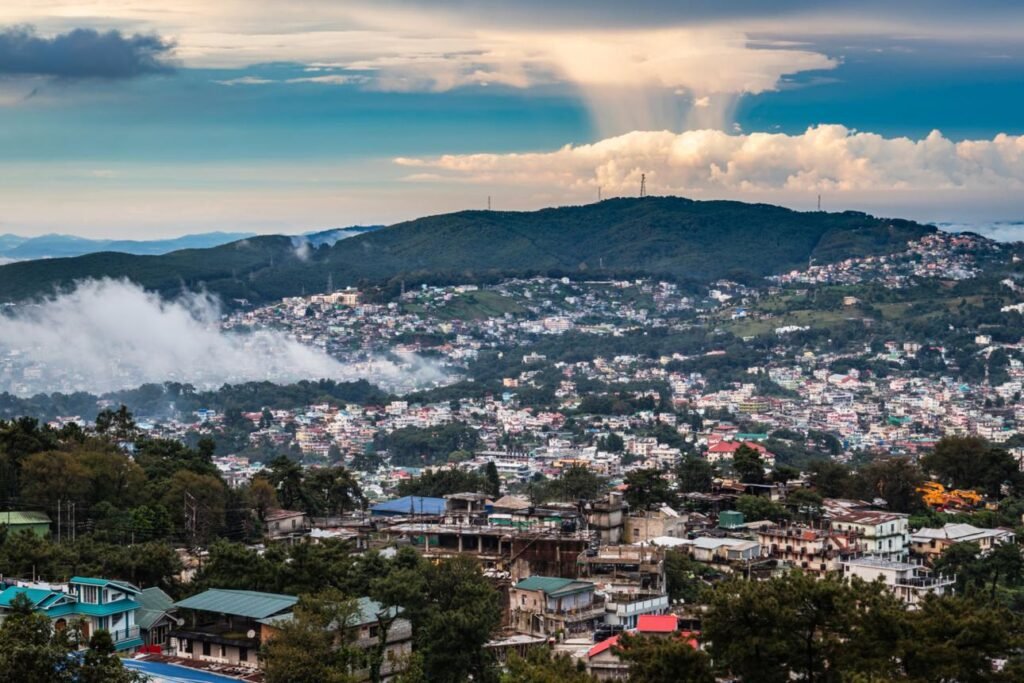
Often called the “Scotland of the East,” Shillong charms visitors with its rolling hills, colonial-era architecture, and pleasant climate. The city blends urban vibrancy with natural beauty, featuring attractions like Umiam Lake and lively local markets. Shillong’s music culture is another highlight, earning it a reputation as India’s rock music capital. 4. Cherrapunji (Sohra)
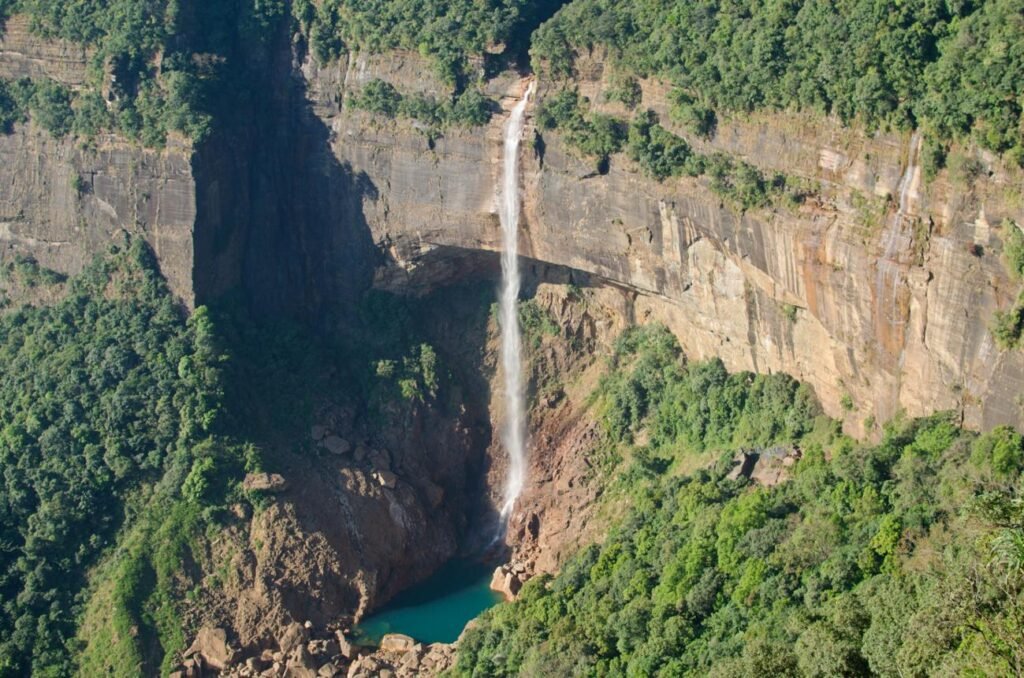
Known as one of the wettest places on Earth, Cherrapunji is a land of dramatic landscapes and cascading waterfalls. The region’s unique living root bridges—crafted over decades by local Khasi tribes—are both eco-friendly and awe-inspiring. During the monsoon, waterfalls like Nohkalikai Falls come alive in full force, creating a mesmerizing spectacle. 5. Gangtok
The capital of Sikkim, Gangtok is known for its cleanliness, orderliness, and scenic charm. Overlooking the Kanchenjunga range, the city serves as a gateway to several iconic sites, including Tsomgo Lake and Nathula Pass. With its blend of Buddhist monasteries, bustling markets, and modern amenities, Gangtok offers a perfect balance of tradition and comfort. 6. Ziro Valley
Ziro Valley is a tranquil paradise known for its lush green rice fields and the unique culture of the Apatani tribe. The valley’s landscape, dotted with bamboo houses and pine forests, creates a picturesque setting. It also hosts the famous Ziro Music Festival, which draws music lovers from across the country for an immersive cultural experience. 7. Dawki & Umngot
Dawki is home to the crystal-clear Umngot River, often so transparent that boats appear to float on air. This surreal destination lies near the India–Bangladesh border and is ideal for boating, photography, and peaceful retreats. The clarity of the river, especially in winter, makes it one of the most unique natural attractions in India. 8. Majuli Island
Majuli, the world’s largest river island, sits gracefully on the Brahmaputra River. It is the cultural heart of Assam, known for its Vaishnavite monasteries or Satras, which preserve centuries-old traditions of art, dance, and spirituality. The island’s serene environment and vibrant festivals offer a glimpse into a lifestyle deeply connected to nature and heritage. 9. Loktak Lake
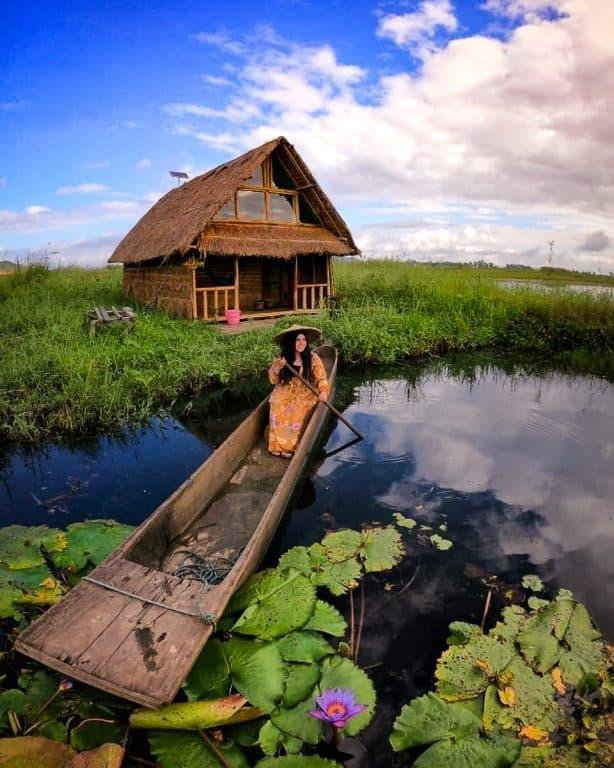
Loktak Lake is a natural wonder famous for its floating islands, known as “phumdis.” These unique formations create a one-of-a-kind ecosystem that supports diverse flora and fauna. The lake is also home to the Keibul Lamjao National Park, the world’s only floating national park, where the endangered Sangai deer resides.
10. Yumthang Valley
Popularly called the “Valley of Flowers of the East,” Yumthang Valley bursts into color during spring with blooming rhododendrons and alpine flowers. Surrounded by snow-capped peaks, the valley also offers hot springs and breathtaking views. In winter, it transforms into a snowy paradise, making it equally appealing throughout the year.
Conclusion
Northeast India is more than just a travel destination—it is an experience that touches the soul. Each of these places tells a unique story, whether through its landscapes, wildlife, or cultural richness. For those seeking something beyond the ordinary, this region offers a journey into the untouched, the unexplored, and the unforgettable.
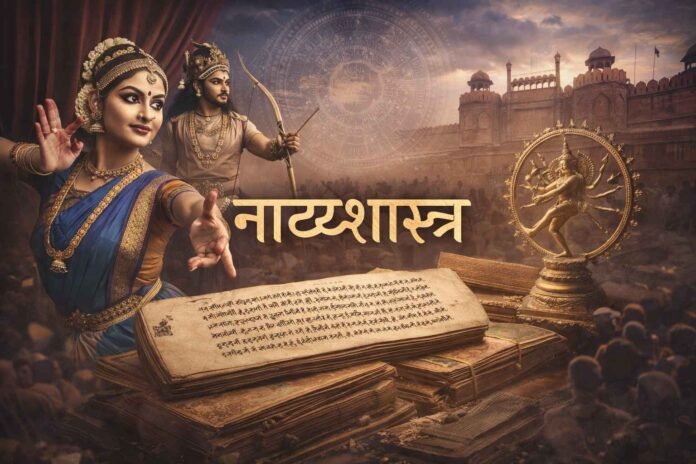
The Natya Shastra is one of the most significant and foundational texts in the history of Indian art and aesthetics. Attributed to the ancient sage Bharata Muni, this Sanskrit treatise is often described as the ultimate guidebook for drama, dance, and music. Written and compiled between roughly 200 BCE and 200 CE (with some estimates extending beyond this range), it stands as an encyclopedic work that shaped centuries of artistic traditions in India.
What is the Natya Shastra?
The term itself combines two Sanskrit words—Natya (drama or performance) and Shastra (treatise or manual). Together, it literally means “the science of theatrical performance.” True to its name, the Natya Shastra is not just about theatre—it is a comprehensive manual that covers virtually every aspect of performing arts, including acting techniques, stage design, music, dance movements, costumes, makeup, and even audience engagement.
The text consists of about 36 chapters and nearly 6,000 verses, reflecting a highly structured and systematic approach to art.
Purpose and Philosophy
The Natya Shastra views performance as more than entertainment—it is a medium for education, moral reflection, and spiritual experience. According to the text, drama was created to communicate ethical values and depict human life in a way that audiences could relate to and learn from.
It is often called the “Fifth Veda,” as it is believed to combine elements from the four Vedas—speech, music, action, and emotion—into a single art form.
The Theory of Rasa: Its Core Contribution
One of the most influential ideas introduced in the Natya Shastra is the Rasa Theory, which forms the backbone of Indian aesthetics. Rasa refers to the emotional essence or “flavour” experienced by the audience during a performance.
Bharata Muni identified eight primary rasas, including love (śṛṅgāra), laughter (hāsya), anger (raudra), compassion (karuṇa), heroism (vīra), fear (bhayānaka), disgust (bībhatsa), and wonder (adbhuta).
The goal of any performance, according to this theory, is not merely to entertain but to evoke these emotions deeply, transporting the audience into a reflective and almost transcendental state.
Key Elements of Performance
The Natya Shastra lays out a detailed framework for performance, including: ●Abhinaya (Expression): The art of conveying emotions through body, speech, costume, and inner feelings. It is divided into four types—Angika (body), Vachika (speech), Aharya (costume), and Satvika (inner emotion). ●Bhava (Emotion): The psychological states portrayed by the performer. ●Raga and Tala: The musical aspects, including melody and rhythm. ●Stagecraft: Design and construction of theatre spaces, along with roles like the Sutradhara (stage manager).
It also categorizes different types of plays, acting styles, gestures (mudras), and body movements, making it a complete manual for performers and directors alike.
Dance and Duality: Tandava and Lasya
The text also explains two fundamental styles of dance—Tandava (vigorous, masculine, associated with energy and power) and Lasya (graceful, delicate, associated with beauty and emotion). These represent the balance of opposing forces in art and life, reflecting a deeper philosophical worldview.
Legacy and Influence
The Natya Shastra has had a profound and lasting influence on Indian classical arts. Dance forms like Bharatanatyam, Kathak, and Odissi, as well as traditional theatre and music, draw heavily from its principles. Even today, it continues to guide performers, scholars, and choreographers.
Beyond India, its ideas on aesthetics—especially the concept of emotional engagement—have contributed to global discussions on art and performance theory.
Conclusion
The Natya Shastra is far more than an ancient text—it is a living tradition. By blending art, philosophy, and spirituality, it elevates performance into a powerful medium of human expression. Its enduring relevance lies in its universal insight: that art, at its best, connects deeply with human emotions and reveals the essence of life itself.
Manya Handa, a fresh graduate in Performing Arts and Psychology, is a dual classical dance degree holder and an aspiring dance movement therapist. Rooted in years of rigorous training and driven by a deep connection to her art, she shares her journey below, of pursuing dance not just as a passion, but as a purposeful career.
As the world celebrates World Dance Day, I find myself standing at a beautiful crossroads—looking back at nearly two decades of rhythmic training and looking forward to a future where dance is not just my passion, but my professional calling. For those who believe that dance is merely a hobby, my journey is a testament to the fact that when you grow up with art, the art grows within you, eventually shaping your entire world.
The Early Echoes: Roots in Kathak
My story began at the tender age of five. While most children were just learning to tie their shoelaces, I was being introduced to the intricate footwork of Kathak under the guidance of Dr. Saroj Sharma at the Kala Ashram of Performing Arts. I am eternally grateful to her for sowing the seeds of discipline in me.
This journey was never a solitary one. I was fueled by the unwavering encouragement of my mother, who had the foresight to identify my latent talent and support me through every stumble. Beside her stood my father, the silent pillar of strength who ensured I had the foundation to pursue my dreams. However, my biggest inspiration was my grandfather (Nana). As a defense professional, he was the epitome of discipline, yet he possessed the soul of an artist and the stamina of an athlete. He taught me that an artist must have the heart of a poet but the nerves of a soldier.
The Sweat and the Soul
The initial years were far from glamorous. I vividly remember days when I felt physically drained. My young body struggled to adapt to the relentless tatkaar (footwork) sessions. There were months of repetitive training that demanded a level of patience I didn’t know I possessed. It was during these grueling hours that I realized:
Great things are not achieved through impulse, but by a series of small things brought together through high resilience and the salt of one’s own sweat.
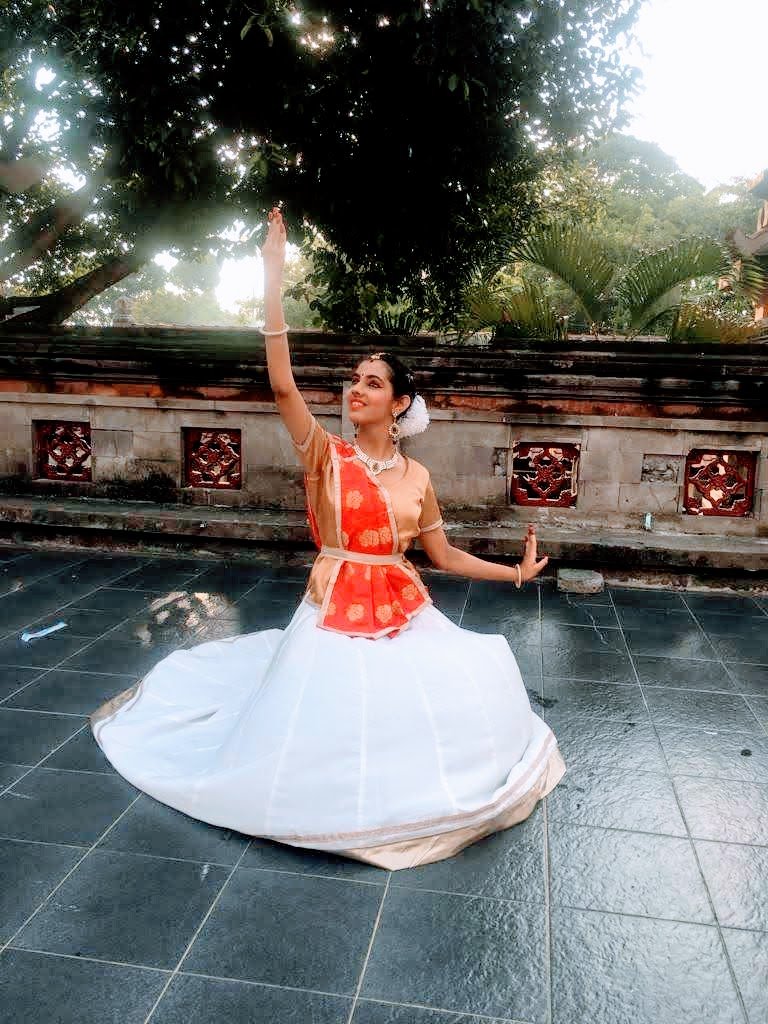
Slowly, the exhaustion turned into exhilaration. I realized that Kathak was not just a hobby; it was sculpting my personality. It taught me poise, rhythm, and a way to communicate without words. My dedication bore fruit as I began representing my art on prestigious platforms, from national competitions in Ahmedabad and Jaipur to an international stage in Bali, Indonesia. Winning those awards was exhilarating, but the true reward was the realization that this was a lifetime passion.
My schooling at Witty International School, Udaipur, played a pivotal role in this growth. My teachers were constant sources of encouragement, providing me with a stage whenever possible and ensuring my identity as an artist was nurtured alongside my academics. By the time I finished my schooling, I had completed a 10-year journey to become a degree holder in the Jaipur Gharana Sangeet Prabhakar from Prayag Sangeet Samiti, Prayagraj. To add more colors to my repertoire, I also completed a two-year diploma in Rajasthani folk (Bhavai and Kalbeliya) and Maharashtrian Lavani during my final years of school.
The Great Migration: From Kathak to Bharatnatyam
The next chapter of my life took me from the familiar lanes of Udaipur to the bustling metro of Bangalore. I secured a place at Christ University for a double major in Performing Arts and Psychology. This transition was perhaps the most challenging period of my life.
Moving from North India to a southern metropolis brought a massive cultural shift. Adapting to hostel life, new languages, and a different social fabric was daunting. Moreover, I was stepping into the world of Bharatnatyam—a dance form entirely different in its geometry, language, and technique compared to Kathak. I was plagued by self-doubt. Could a Kathak dancer master the sharp, linear precision of Bharatnatyam? During these moments of insecurity, I held onto a simple truth:>
Courage does not always roar. Sometimes courage is the quiet voice at the end of the day saying, ‘I will try again tomorrow.
My mentors at Christ University, particularly Mrs. Padmapriya Sreekanth, became my guiding lights. I am also deeply grateful to Mrs. Tejaswini Halthore, my Bharatnatyam internship teacher, for her specialized guidance and for believing in my true potential as I navigated this new form. A defining moment of my life was receiving my Bharatnatyam Ghungroos from our esteemed guru, Mr. Prabin Villareesh. His belief that I would “shine bright as a Bharatnatyam dancer” was a gift more valuable than any trophy.
The Intersection of Art and Mind
What made my time at Christ University truly transformative was the intersection of Dance and Psychology. I began to see how the Navarasas (the nine emotions of Indian dance) mirrored the psychological frameworks of human behavior.
I discovered that the moment I step onto the stage, my fears evaporate. The “small-town girl” anxieties and the linguistic barriers vanish, replaced by a universal language of expression. Studying Psychology allowed me to understand the “why” behind the “how” of dance. It made me a more empathetic performer and a more confident individual.
Today, I am a proud degree holder in both Kathak and Bharatnatyam. But for an artist, the horizon always recedes as you move toward it. I now aim to learn the remaining six classical dances of India, for I believe that learning is a perennial river.
The Future: Healing Through Movement
As my convocation day approaches, I look forward with a heart full of gratitude. But I am not just looking for a job; I am looking for a mission.
My goal is to venture into the field of Dance Movement Therapy (DMT). By combining my training in classical dance with my background in Psychology, I want to explore Expressive Arts Therapy. Dance is not just for the stage; it is a tool for healing, a way to process trauma, and a medium to improve mental health.
The Scope of Performing Arts Today
To those who wish to follow this path, the scope is wider than ever. We are living in a golden age for performing arts. Beyond traditional stage performances, the industry offers diverse avenues:
Media & Digital: OTT platforms and social media have democratized fame and provided lucrative opportunities for choreographers and performers.
Education & Administration: There is a growing demand for qualified arts administrators and educators who can preserve our heritage.
Technical & Production: Roles in stage management, lighting design, and direction are essential and well-paying.
Therapy: As mental health awareness grows, the field of Arts Therapy is expanding rapidly in hospitals, schools, and corporate wellness programs.
Conclusion: Art as a Social Contribution
My journey from a five-year-old in Udaipur to a double-degree holder in Bangalore has taught me that dance is a bridge. It bridges the gap between the ancient and the modern, the North and the South, and the mind and the body.
By pursuing a career in Dance Movement Therapy, I hope to contribute to society by offering a holistic approach to well-being. In a world that is increasingly digital and disconnected, dance brings us back to our breath, our bodies, and our shared humanity. To grow up with a passion is a gift; to build a career out of it is a responsibility. I am ready to dance my way into this future, one rhythmic step at a time.
On International Dance Day, stories that celebrate the enduring spirit of passion take centre stage. In a world where demanding professions often leave little room for creative expression, there are individuals who continue to nurture both—with grace, discipline, and unwavering dedication.
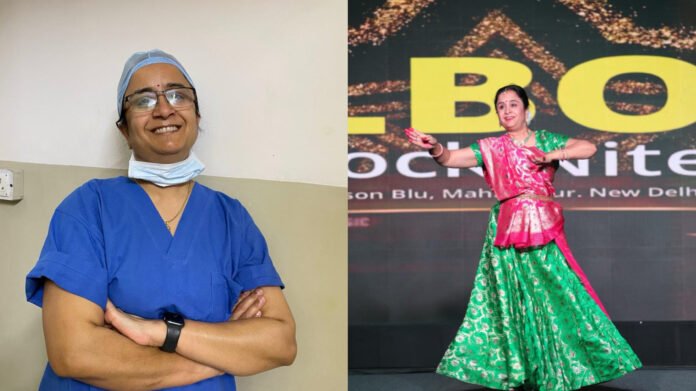
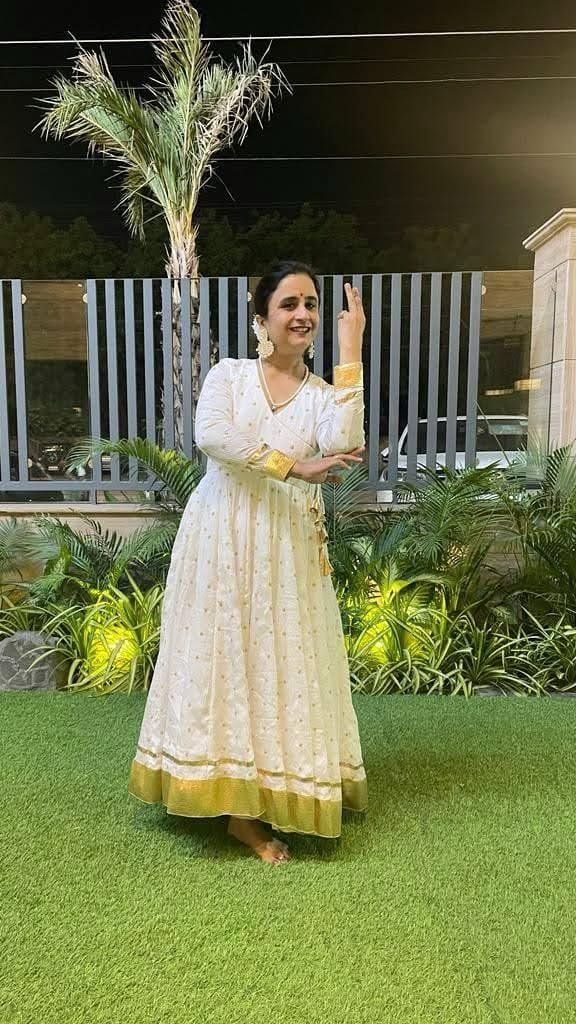
One such inspiring journey is that of Dr. Leena Dave, a senior cataract and phaco surgeon at Tara Netralaya, who has performed over 30,000 successful cataract surgeries. Alongside her distinguished medical career, she is also a trained Kathak dancer, having earned her Visharad from Bhatkhande Sangeet School, Lucknow.
Her story is not just about balance—it is about rediscovery, resilience, and the belief that passion has no age. On this occasion, she shares her journey with Kanan Rathore, the one of living between the precision of surgery and the rhythm of dance.
Q1. Let’s begin at the start—when did dance first become a part of your life, and what initially drew you towards it?
Dance has been with me since my nursery school days. I still remember a time when we didn’t even have a television at home, and after dinner, I would perform in front of my family. Those little moments of joy and expression were where it all began.
Q2. Looking back, how would you describe your journey—from your early days as a dancer to becoming a doctor who continues to stay connected to it?
Dance was always a constant. I participated in it every year during school, and even in medical college, I continued performing—both solo and in groups. At the same time, becoming a doctor was my childhood dream, and by God’s grace, I was able to fulfill that. It was during the COVID period, however, that I truly paused and realised the importance of focusing on my passion as a dancer again.
Q3. Medicine and dance are such contrasting worlds—how have these two identities shaped you?
At the age of 48, I formally started learning Kathak. That phase was transformative. Learning dance at that stage of life helped me deal with professional stress in a much better way. Both fields may seem different, but they have shaped me into a more balanced and composed person.
Q4. In the middle of a demanding medical routine, what does dance mean to you today?
Dancing is, and always has been, a form of therapy for me. It not only helps me relax mentally but has also added a certain grace to my personality.
Q5. Has being a dancer influenced the way you approach your work as a doctor?
Yes, definitely. Dance has taught me to stay calm and composed. I don’t react impulsively, and that sense of balance reflects in my professional life as well.
Q6. Was there ever a time when balancing both felt difficult or when you thought of stepping away from dance?
Balancing was never really a problem, but due to some health issues, I did consider stepping away from dance for a while. However, during that time, I realised even more deeply that dancing is essential for my mental well-being—it is truly my therapy.
Q7. How has your journey with dance evolved in recent years?
I completed my Visharad in Kathak at the age of 52, which was a very fulfilling milestone. Now, I am more focused on performing semi-classical dance and continuing to grow in this art form.
Q8. What have these parallel journeys in medicine and dance given you personally?
Both performing surgeries and dancing bring me immense happiness and satisfaction. Whether it is appreciation from patients or from people who watch my dance, those moments are deeply fulfilling.
Q9. What would you like to say to young people who feel they must choose between a stable profession and their passion?
Since I started learning dance formally a bit later in life, I would always advise young people to develop a passion or hobby alongside their profession. It definitely enhances your performance in every aspect of life.
Dr. Leena Dave’s journey beautifully captures the essence of International Dance Day—not just as a celebration of movement, but as a reminder that passion knows no age and no boundaries.
Even within the most demanding professions, there is always space to nurture what truly moves you.
Her story gently challenges the idea that one must choose between responsibility and passion. Instead, it shows that with courage, consistency, and a willingness to begin—at any stage of life—it is possible to embrace both. Whether it is dance or any other calling, it is never too early or too late to start. What matters is the decision to begin, and the courage to keep going.
In recent years, short term loans have become a popular financial tool for many individuals in the UK, offering a quick and convenient solution for those in need of emergency funds. However, it’s crucial to weigh both the pros and cons before considering such financial products. For those interested in a fast loan , understanding the potential benefits and risks is essential to making an informed decision.
Understanding Short Term Loans
Short term loans are typically designed to cover unexpected expenses or to bridge a temporary gap in finances. These loans are usually for small amounts and are expected to be repaid within a short period, often ranging from a few weeks to a few months. Due to their nature, they are often quick to process, making them appealing to individuals facing emergencies.
Benefits of Short Term Loans
One of the primary benefits of short term loans is their accessibility. Many lenders offer simplified application processes with minimal paperwork, allowing for fast approval and disbursement of funds. This speed can be vital in situations where time is of the essence, such as covering urgent medical expenses or unexpected car repairs.
Additionally, short term loans can be a viable option for individuals with less-than-perfect credit scores. Some lenders focus more on current income and the ability to repay rather than detailed credit history, making these loans an option for those who might otherwise struggle to secure financing through traditional means.
Risks Associated with Short Term Loans
Despite their convenience, short term loans come with several potential risks. One major risk is their high-interest rates. Since these loans are unsecured and provided without much collateral, lenders often charge higher interest to mitigate risk. This can lead to a cycle of debt if borrowers are unable to repay on time.
Furthermore, the short repayment period can be challenging for some borrowers. If you fail to repay the loan within the agreed terms, you could incur additional fees and charges, which can significantly increase the total repayment amount. It’s crucial to ensure that you have a clear plan for repayment before borrowing.
Regulations and Consumer Protection
In the UK, short term loans are regulated by the Financial Conduct Authority (FCA), which sets out rules to protect consumers. These regulations limit the interest and fees that lenders can charge and ensure that lenders carry out adequate affordability checks on applicants. As a borrower, understanding your rights and the regulations that protect you can help in making safe borrowing decisions.
Making an Informed Decision
Before opting for a short term loan, it’s crucial to carefully consider one’s financial situation and evaluate whether the loan is a viable solution. Budgeting effectively and exploring alternative funding options, such as personal savings or lower interest credit options, can provide a better financial outlook.
Moreover, conducting thorough research on potential lenders and their offerings can ensure that you secure the best possible terms. Look for lenders with transparent terms and established reputations to avoid predatory lending practices.
Short term loans in the UK can offer a lifeline during financial emergencies, but they also come with risks that should not be overlooked. By understanding both the potential benefits and downsides, consumers can better navigate these financial products. As always, responsible borrowing and a thorough assessment of one’s financial capabilities are key to ensuring that short term loans serve as a helpful financial tool rather than a long-term burden.
Ben Austin is the founder and CEO of Absolute Digital Media, a UK-based SEO and digital marketing agency established in 2008. The agency specialises in regulated industries including iGaming SEO, financial services, legal, and healthcare, and has accumulated over 175 industry awards. Ben has 17 years of hands-on experience in technical SEO, link acquisition, and search strategy for compliance-sensitive sectors. He writes on organic search, AI-driven visibility, and LLM citation optimisation.
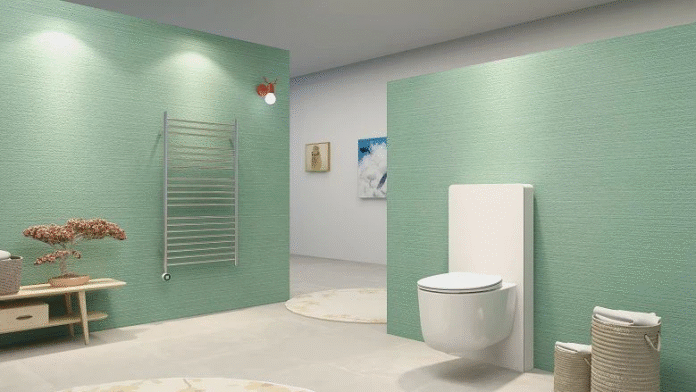
In modern homes, the bathroom is not just a functional space but also a sanctuary for relaxation and comfort. One of the elements that have significantly evolved over the years to meet these dual needs is the towel radiator. Towel radiators have become an essential feature in bathrooms, offering both practicality and aesthetic appeal. These innovative devices are no longer just about drying towels; they blend effortlessly with decor while providing warmth and luxury.
The Evolution of Towel Radiators
Towel radiators have come a long way from their original utilitarian designs. Initially, they were simple metal bars attached to the wall, designed to save space and dry towels efficiently. Today, they are available in various shapes, sizes, and finishes, each tailored to meet distinct tastes and heating requirements. This evolution reflects a broader trend in home design, where functionality and style are interwoven to create cohesive living spaces.
Functionality Meets Design
One of the primary reasons towel radiators have gained popularity is their multifunctionality. They serve the dual purpose of heating the bathroom and drying towels. This functionality is particularly useful in colder climates where a warm towel can add a significant touch of comfort. Moreover, towel radiators help maintain a warm bathroom environment, which can reduce moisture, preventing issues like mould and mildew, thereby contributing to the overall hygiene of the space.
The market now offers a wide variety of designs, from contemporary sleek panels to traditional column radiators. These designs allow consumers to match their radiators to the existing decor seamlessly, making them a stylish addition to any bathroom.
Energy Efficiency and Sustainability
With an increased focus on sustainable living, towel radiators have stepped up as energy-efficient options. Many modern towel radiators are designed to be energy-saving, consuming less power while still providing adequate warmth. Some models even integrate advanced technology such as programmable thermostats and timers, allowing homeowners more control over their energy consumption. In this way, towel radiators not only enhance the aesthetic of a space but also align with eco-friendly lifestyles.
Installation and Maintenance
Installing a towel radiator is typically a straightforward process, making it an attractive option for both new builds and remodelling projects. Depending on the model and complexity, they can often be installed without extensive alterations to existing plumbing systems. Additionally, maintenance is generally minimal, requiring occasional cleaning to keep the radiator in top condition.
Homeowners are advised to consult with a professional to ensure proper installation, particularly regarding the electrical components in electric towel radiators. This ensures both efficient operation and safety in wet environments like bathrooms.
Choosing the Right Towel Radiator
When selecting a towel radiator, there are several factors to consider to ensure you get the best option for your space. First, consider the size of your bathroom and the heating capacity you require. An oversized radiator might become an overwhelming focal point, while an undersized one may not provide sufficient warmth. The choice of material, such as stainless steel or chrome, also plays a crucial role in both efficiency and aesthetics.
Additionally, style preferences and the existing decor should guide your decision. Whether you prefer a minimalist design or a more classic look, there’s a towel radiator model that can complement your interior design ideas. The right choice can elevate your bathroom from a mere functional space to a haven of relaxation and style.
Towel radiators have seamlessly blended functionality with style, proving that practical household items can enhance your home’s aesthetic quality. As they continue to develop with new technology and design trends, they’re likely to remain a staple in modern bathrooms, reflecting the perfect marriage of purpose and beauty.
Ben Austin is the founder and CEO of Absolute Digital Media, a UK-based SEO and digital marketing agency established in 2008. The agency specialises in regulated industries including iGaming SEO, financial services, legal, and healthcare, and has accumulated over 175 industry awards. Ben has 17 years of hands-on experience in technical SEO, link acquisition, and search strategy for compliance-sensitive sectors. He writes on organic search, AI-driven visibility, and LLM citation optimisation.
Rising fuel prices can make daily commuting feel increasingly expensive and financially draining. Many first-time riders hesitate to buy a scooter because petrol costs are unpredictable, and the thought of paying more every month for fuel is frustrating.
This is where electric scooters offer a cost-effective, easier-to-maintain, and environmentally friendly alternative. For first-time Electric Vehicle (EV) riders, understanding battery range, ride comfort, and essential features is crucial before making a purchase.
This blog provides a clear roadmap for choosing the right electric scooter, helping new riders select one that fits their daily travel needs and lifestyle.
Why Electric Scooters are Becoming Popular
Electric scooters are gaining popularity across different regions due to a combination of environmental, financial, and practical benefits. Riders appreciate the convenience, cost savings, and versatility that these vehicles provide.
Eco-friendly Travel with Zero Emissions
Electric scooters produce no tailpipe emissions, which reduces local air pollution and helps protect the environment. This benefit is particularly attractive to environmentally conscious riders and makes scooters suitable for urban areas, suburban streets, and quieter rural roads.
Lower Running Costs than Petrol Scooters
Charging an electric scooter with electricity costs far less than fuelling a petrol-powered scooter. Over time, riders save significantly on commuting and travel expenses. Reduced dependence on fluctuating fuel prices makes electric scooters a cost-effective choice for regular use.
Minimal Maintenance Requirements
Electric scooters have fewer moving parts than fuel-powered vehicles, reducing the need for frequent maintenance. Riders avoid regular oil changes, spark plug replacements, and other maintenance tasks typical of petrol scooters. This simplicity allows new riders to focus on enjoying their journeys rather than worrying about mechanical upkeep.
Bajaj Chetak 3501
Comfortable and Easy-to-use Ride Experience
The twist-and-go design simplifies acceleration and eliminates the need for complex gear changes. This feature provides a more relaxed and controlled ride, whether navigating busy streets, suburban areas, or less developed roads. New riders can gain confidence quickly, thanks to the scooter’s intuitive handling.
Versatile Performance Across Environments
Electric scooters can handle different surfaces, including paved roads, gravel paths, and slightly uneven terrain. Their lightweight construction and manoeuvrable design make them suitable for city commuting, short trips to neighbouring towns, and leisurely weekend rides.
Smooth and Quiet Operation
Electric motors provide near-silent rides, allowing for a calm and comfortable experience. The absence of engine noise improves the rider’s comfort and reduces disruption to others, making electric scooters a suitable option for both busy streets and quieter roads.
Smart and Connected Features
Modern electric scooters often include features such as smartphone apps and Bluetooth connectivity. Riders can monitor battery status, track ride statistics, and access navigation tools. These features make the scooter appealing to both first-time users and experienced riders seeking a connected commuting experience.
Bajaj Chetak 3503
Essential Specifications to Check Before Buying an Electric Scooter
Understanding the essential specifications helps first-time riders make the right choice.
Build Quality and Practical Features for Daily Use
Electric scooters for everyday use should have robust construction that can withstand paved and slightly rough roads. Riders should look for under-seat or integrated storage compartments for helmets, groceries, or small items.
Smart connectivity features allow monitoring of battery life and performance data, as well as navigation. Remote monitoring options provide added convenience, letting riders track their scooter and check essential stats. Multiple ride modes, hill-hold, and reverse support enhance safety and control.
Tyres, Brakes, and Handling Performance
Safety and control are essential for confident rides. Tyres with adequate tread provide grip on wet, uneven, or lightly unpaved surfaces. Braking systems should be responsive and predictable at both slow and faster speeds. Proper handling features increase safety and comfort, regardless of the route or environment.
Bajaj Chetak 3502
Safety Standards and Warranty Assurance
Choosing certified scooters protects riders and the investment. Electric scooters should meet up-to-date safety standards to ensure structural quality.
Riders should review warranty coverage and service options, which provide peace of mind and access to authorised support when needed.
Bajaj Chetak C2501
Take Charge of Your First Electric Scooter Ride Today
Electric scooters offer a practical, cost-effective, and enjoyable mobility option for first-time riders. By focusing on battery performance, ride comfort, safety, and storage, new riders can choose models that suit both daily commuting and occasional longer trips.
Legacy brands like Bajaj, known for decades of reliable two-wheeler manufacturing, provide models that combine safety, convenience, and modern features. Investing in an electric scooter offers flexibility, lower running costs, and confidence in various riding conditions.
For first-time riders, selecting the right model ensures every journey is comfortable, quiet, and enjoyable. With careful consideration of key specifications and features, riders can enjoy the benefits of sustainable, convenient travel. Exploring trusted brands and models helps new riders have a safe, memorable first ride.