

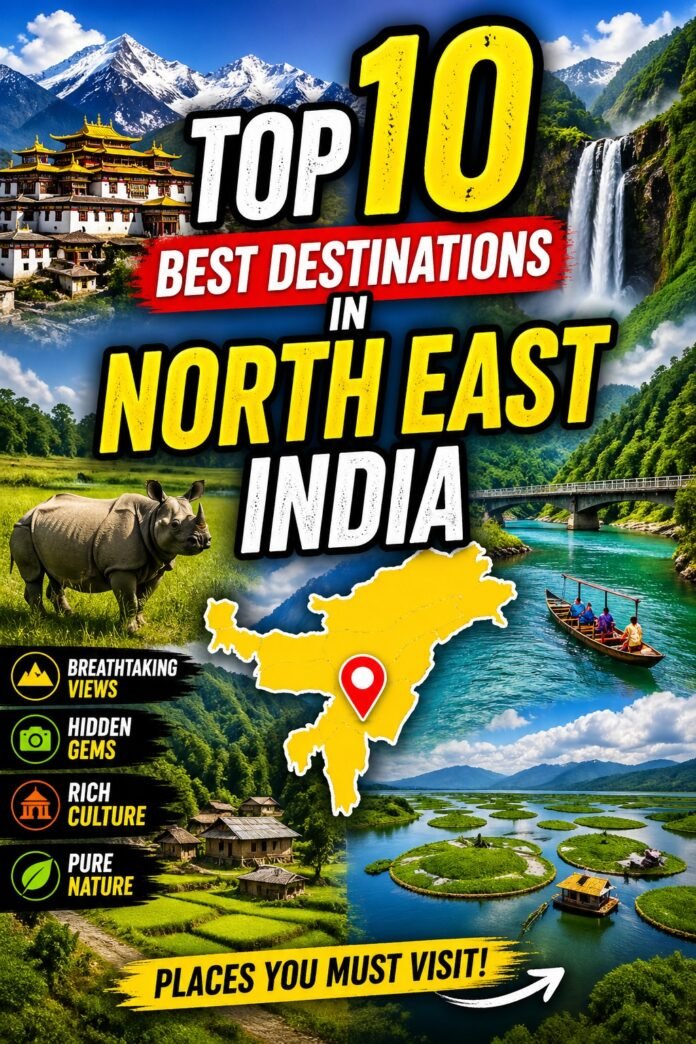
India’s Northeast is often described as a hidden gem—an enchanting region where nature thrives in its purest form and culture flows through every valley, river, and mountain. Far from the usual tourist circuits, this part of the country offers a refreshing blend of serenity, adventure, and deep-rooted traditions. From misty hills to vibrant tribal life, here are ten destinations that define the unmatched charm of Northeast India.
1. Tawang
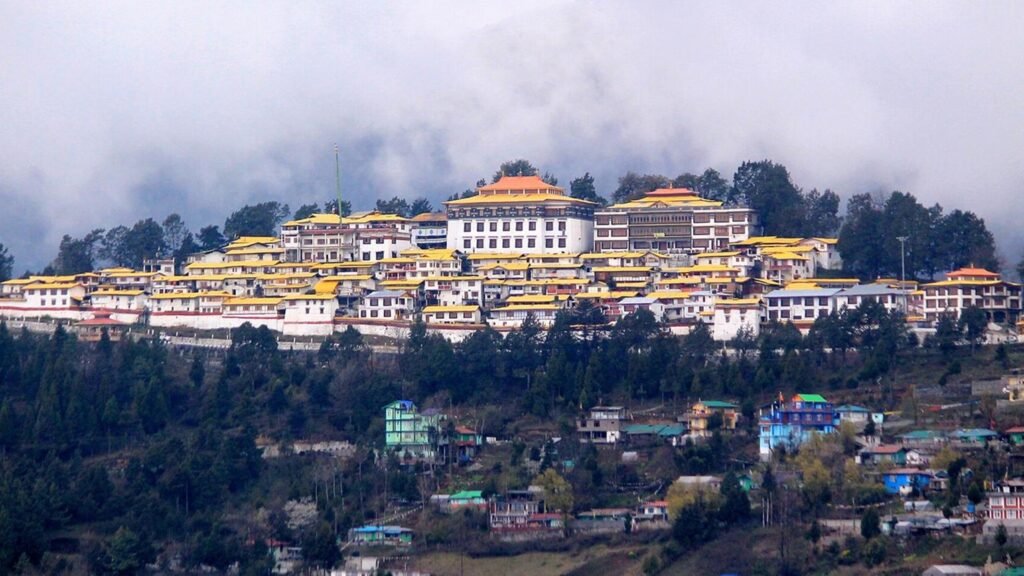
Nestled at an altitude of over 10,000 feet, Tawang is a breathtaking destination known for its snow-clad mountains and spiritual aura. The highlight here is the iconic Tawang Monastery, one of the largest monasteries in India and a significant center of Mahayana Buddhism. With prayer flags fluttering against a backdrop of the Himalayas, Tawang offers both peace and panoramic beauty. During winters, the entire region transforms into a snowy wonderland, attracting adventure lovers and solitude seekers alike.
2. Kaziranga National Park
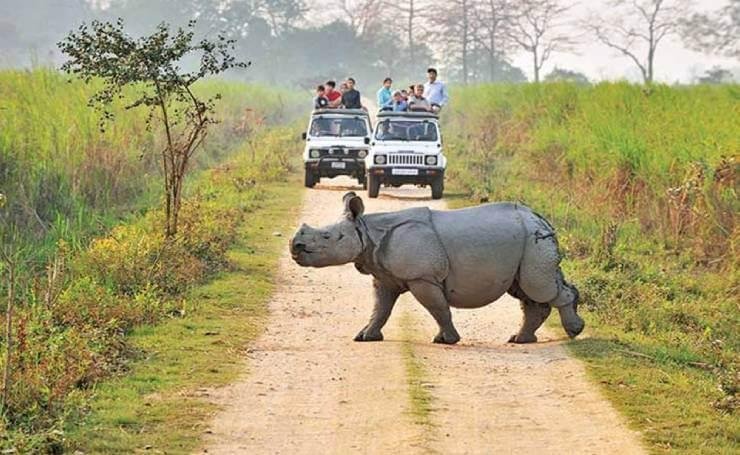
A UNESCO World Heritage Site, Kaziranga National Park is globally renowned for its population of the endangered one-horned rhinoceros. Spread across vast grasslands and wetlands, the park is also home to elephants, wild water buffaloes, and a high density of tigers. A jeep or elephant safari through Kaziranga offers an unforgettable encounter with wildlife in its natural habitat, making it a must-visit for nature enthusiasts and photographers.
3. Shillong
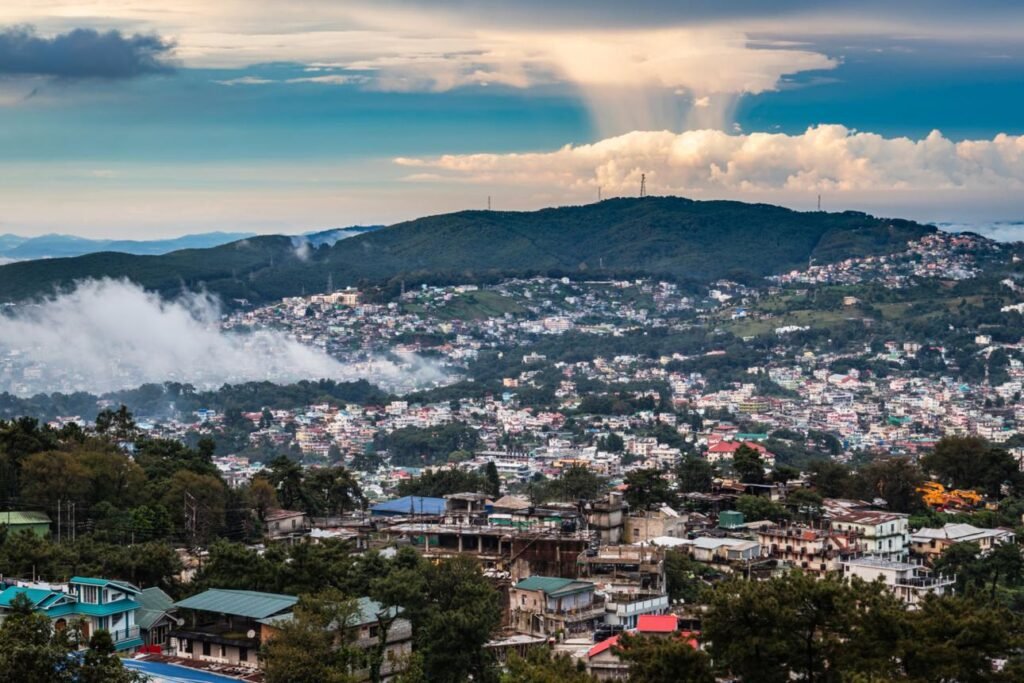
Often called the “Scotland of the East,” Shillong charms visitors with its rolling hills, colonial-era architecture, and pleasant climate. The city blends urban vibrancy with natural beauty, featuring attractions like Umiam Lake and lively local markets. Shillong’s music culture is another highlight, earning it a reputation as India’s rock music capital.
4. Cherrapunji (Sohra)
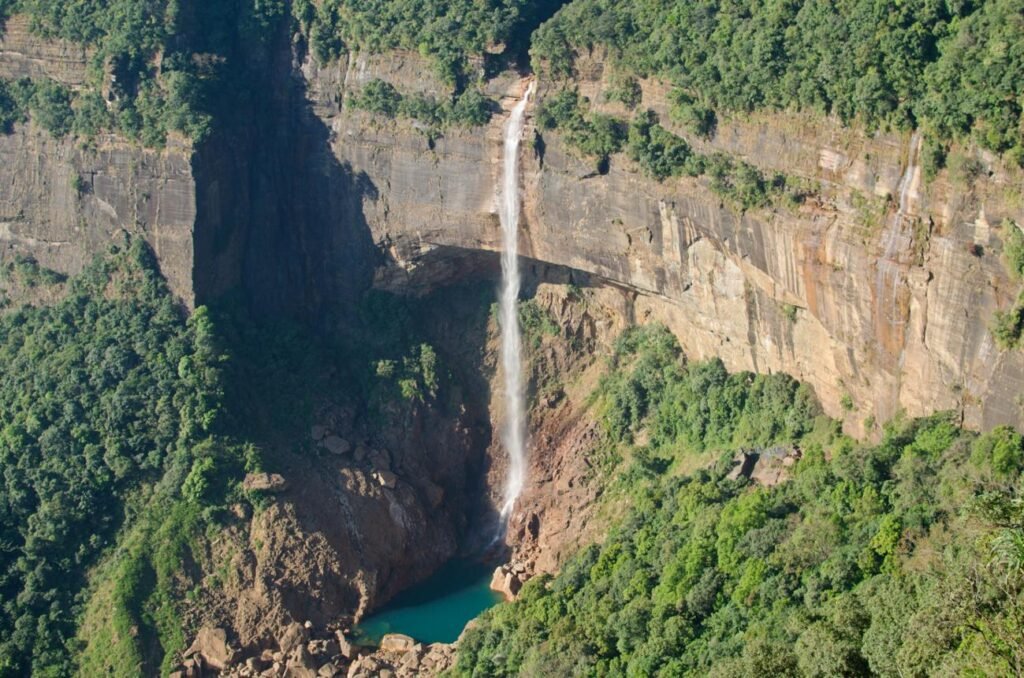
Known as one of the wettest places on Earth, Cherrapunji is a land of dramatic landscapes and cascading waterfalls. The region’s unique living root bridges—crafted over decades by local Khasi tribes—are both eco-friendly and awe-inspiring. During the monsoon, waterfalls like Nohkalikai Falls come alive in full force, creating a mesmerizing spectacle.
5. Gangtok
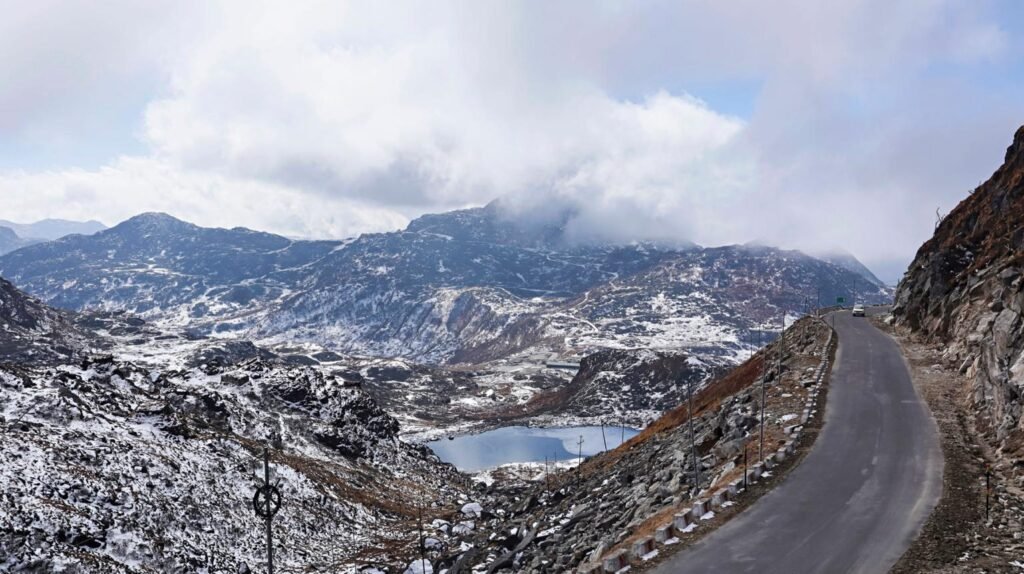
The capital of Sikkim, Gangtok is known for its cleanliness, orderliness, and scenic charm. Overlooking the Kanchenjunga range, the city serves as a gateway to several iconic sites, including Tsomgo Lake and Nathula Pass. With its blend of Buddhist monasteries, bustling markets, and modern amenities, Gangtok offers a perfect balance of tradition and comfort.
6. Ziro Valley
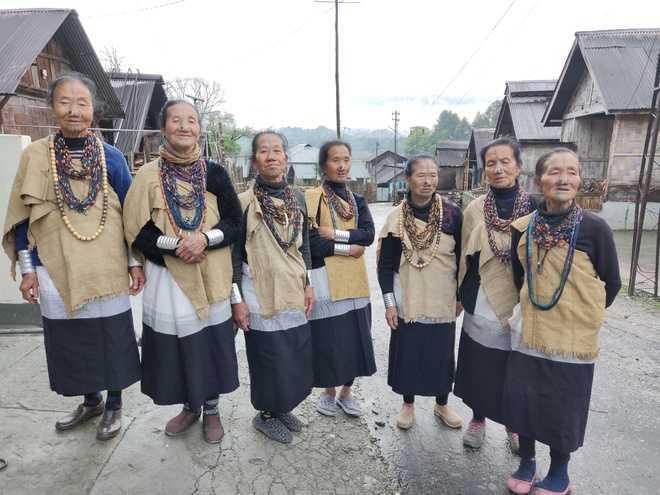
Ziro Valley is a tranquil paradise known for its lush green rice fields and the unique culture of the Apatani tribe. The valley’s landscape, dotted with bamboo houses and pine forests, creates a picturesque setting. It also hosts the famous Ziro Music Festival, which draws music lovers from across the country for an immersive cultural experience.
7. Dawki & Umngot
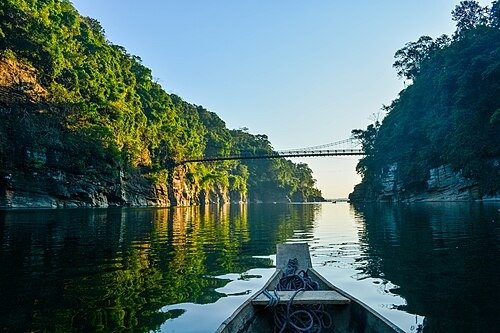
Dawki is home to the crystal-clear Umngot River, often so transparent that boats appear to float on air. This surreal destination lies near the India–Bangladesh border and is ideal for boating, photography, and peaceful retreats. The clarity of the river, especially in winter, makes it one of the most unique natural attractions in India.
8. Majuli Island
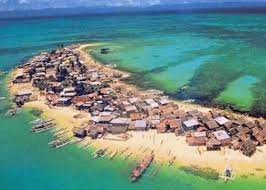
Majuli, the world’s largest river island, sits gracefully on the Brahmaputra River. It is the cultural heart of Assam, known for its Vaishnavite monasteries or Satras, which preserve centuries-old traditions of art, dance, and spirituality. The island’s serene environment and vibrant festivals offer a glimpse into a lifestyle deeply connected to nature and heritage.
9. Loktak Lake
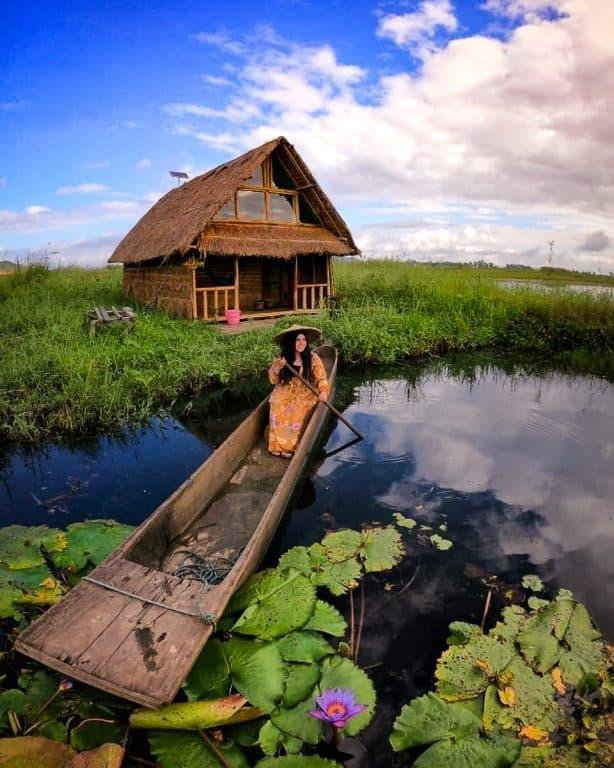
Loktak Lake is a natural wonder famous for its floating islands, known as “phumdis.” These unique formations create a one-of-a-kind ecosystem that supports diverse flora and fauna. The lake is also home to the Keibul Lamjao National Park, the world’s only floating national park, where the endangered Sangai deer resides.
10. Yumthang Valley
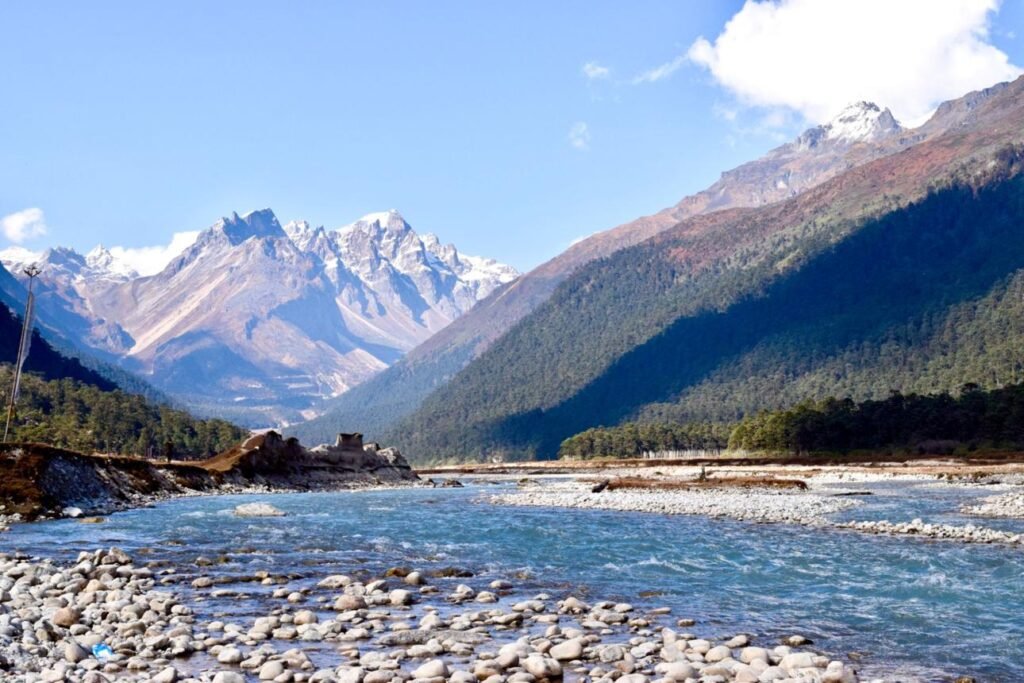
Popularly called the “Valley of Flowers of the East,” Yumthang Valley bursts into color during spring with blooming rhododendrons and alpine flowers. Surrounded by snow-capped peaks, the valley also offers hot springs and breathtaking views. In winter, it transforms into a snowy paradise, making it equally appealing throughout the year.
Conclusion
Northeast India is more than just a travel destination—it is an experience that touches the soul. Each of these places tells a unique story, whether through its landscapes, wildlife, or cultural richness. For those seeking something beyond the ordinary, this region offers a journey into the untouched, the unexplored, and the unforgettable.