Home Blog Page 29

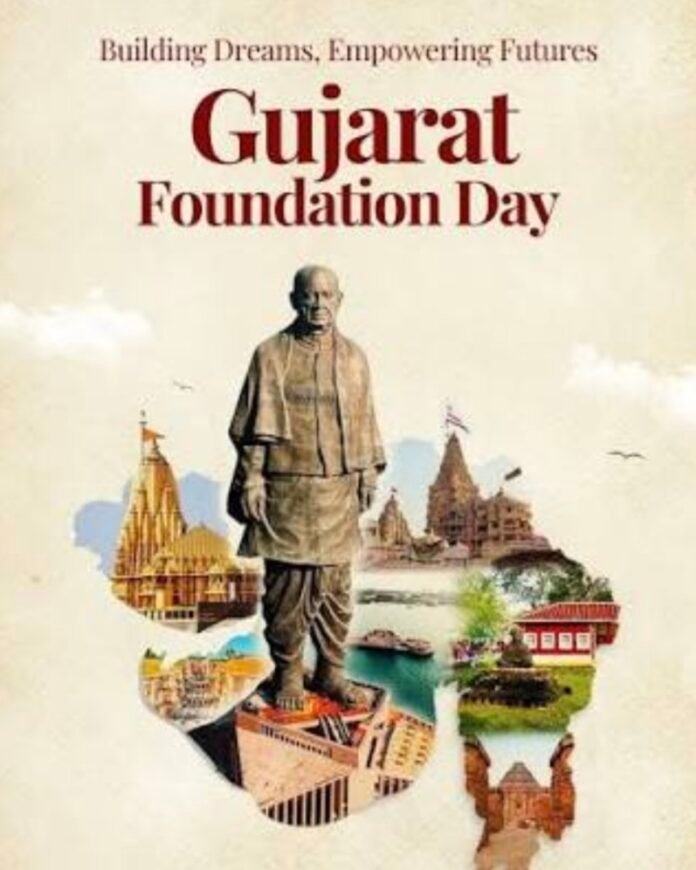
Gujarat Foundation Day: Celebrating the Birth of a Linguistic Identity

0

Gujarat Foundation Day, also known as Gujarat Sthapana Divas, is observed every year on May 1 to commemorate the formation of the state of Gujarat in 1960. As of 2026, Gujarat marks 66 years of its establishment, reflecting a journey of cultural pride, economic growth, and strong regional identity.

The creation of Gujarat is closely linked to India’s post-independence reorganization of states. Before 1960, the region that is now Gujarat was part of the larger Bombay State, a bilingual administrative unit that included both Gujarati-speaking and Marathi-speaking populations. Over time, linguistic and cultural differences led to growing demands for separate states.

This demand culminated in the Mahagujarat Movement, a mass agitation led by prominent leaders such as Indulal Yagnik. The movement strongly advocated for a separate state for Gujarati-speaking people. Eventually, the Government of India passed the Bombay Reorganisation Act, 1960, which came into effect on May 1, 1960. As a result, Bombay State was divided into two new states—Gujarat for Gujarati speakers and Maharashtra for Marathi speakers.

On the day of its formation, Gujarat was officially inaugurated by social reformer Ravishankar Maharaj, and Dr. Jivraj Mehta became its first Chief Minister. The creation of Gujarat marked a significant milestone in India’s federal structure, as it reinforced the idea of organizing states along linguistic lines to ensure better governance and cultural representation.

Historically, the region of Gujarat has a rich and diverse past. It was once part of the ancient Bombay Presidency during British rule and consisted of several princely states like Baroda, Saurashtra, and Kutch before being integrated into independent India. The name “Gujarat” itself is derived from “Gurjara,” referring to the land of the Gurjars, who ruled the region in earlier centuries.

Today, Gujarat Foundation Day is celebrated with great enthusiasm across the state. Cultural programs, parades, exhibitions, and community events highlight Gujarat’s vibrant traditions, including its music, dance, handicrafts, and cuisine. The day is not just a reminder of political reorganization but a celebration of the state’s identity, unity, and progress.

From its origins as part of a larger administrative region to becoming one of India’s most economically dynamic states, Gujarat’s journey over the past six decades stands as a testament to the power of cultural identity and collective aspiration.

May Day 2026: Theme, History, Significance Of International Labour Day And Wishes To Share

0

International Labour Day 2026: May Day, also known as International Labour Day, is celebrated globally on May 1st to honor workers and their contributions to society. This day recognizes the importance of labor movements and workers’ rights, emphasizing the struggles workers have faced throughout history.

In India, May Day is marked by public events, and speeches celebrating the working class and advocating for fair wages, better working conditions, and social justice.

Why May Day (Labour Day) is Celebrated Globally

May Day, or Labour Day, has its origins in the 1886 Haymarket affair in Chicago, where workers protested for an eight-hour workday. Since then, it has evolved into a worldwide celebration, where workers gather to demand better conditions, fair wages, and the right to organize.

In India, May Day is an essential occasion for workers’ unions and activists to highlight ongoing issues such as wage inequality, child labour, and lack of social security for informal workers.

May Day 2026 Theme

This year, the International Labour Organization (ILO) has chosen the theme for May Day 2026 as: “Ensuring a Healthy Psychosocial Working Environment.”

This theme addresses the psychosocial risks that have become prominent in modern workplaces, such as stress, burnout, and mental health challenges. The ILO urges governments and businesses to focus on psychosocial risk management and to ensure that workplaces foster not only physical well-being but also mental health support.

Key Aspects of the 2026 Theme

  • Fostering mental health awareness and providing stress management resources in workplaces.
  • Ensuring a healthy work-life balance by reducing excessive workloads and long working hours.
  • Promoting workplace policies that prevent harassment, discrimination, and overwork.
  • Ensuring that employers have effective measures in place to manage psychosocial risks like stress, burnout, and harassment.

History of May Day (Labour Day) in India

In India, Labour Day has a rich history rooted in the labor movement and the Indian independence struggle. The day was officially recognized in 1947, and since then, it has become a significant occasion for workers across the nation.

Celebrations usually involve rallies and events organized by trade unions and workers’ organizations to highlight labor rights issues and push for reforms in wages, working hours, and working conditions.

How May Day is Celebrated in India

In India, May Day is a public holiday in many states, especially in Tamil Nadu, West Bengal, and Kerala, where large gatherings and protests are common. Workers from various industries such as textiles, construction, and agriculture participate in public demonstrations, advocating for workers’ rights.

  • Workers’ unions and political parties organize marches to demand better working conditions and highlight the need for fair wages.
  • Governments and unions hold public meetings where labor reforms and policies related to worker welfare are discussed.
  • May Day also serves as a day to show solidarity with the labor force in informal sectors, such as domestic workers, migrants, and contract workers, who often lack protection under the law.

May Day 2026: Wishes to Share

  • Happy May Day! Today, we honor the resilience, hard work, and contributions of all workers. Let’s continue to work together for better working conditions and fair wages.
  • On this May Day, let’s salute the hardworking men and women who power the world with their labor. Your strength and dedication make a difference every day. Happy Labour Day!
  • May Day is a reminder that the struggles of workers are far from over. Let’s stand in solidarity for better wages, job security, and mental health support in the workplace!
  • To all the workers shaping our future – your dedication is invaluable. Let’s work together to create safer, healthier, and fairer workplaces. Happy May Day!

May Day (Labour Day): FAQs

Why is May Day celebrated on May 1st?

May Day, or Labour Day, is celebrated on May 1st to honor the workers’ movement and the struggles for better working conditions, better wages, and workers’ rights. The first May Day protests were in 1886.

What is the theme of May Day 2026?

The theme for May Day 2026 is “Ensuring a Healthy Psychosocial Working Environment”, focusing on mental health, stress management, and creating safer and healthier workplaces.

Is May Day a public holiday in India?

Yes, May Day is a public holiday in many Indian states, including Maharashtra, West Bengal, and Tamil Nadu. However, it is not a holiday in every state.

How is May Day celebrated in India?

In India, May Day is marked by marches, rallies, and meetings organized by labor unions and workers’ organizations to demand better working conditions, fair wages, and legal protections for workers.

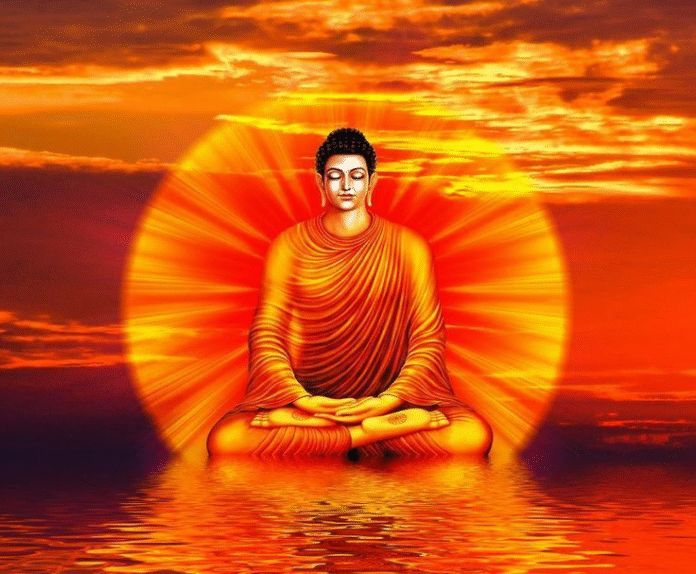
Happy Buddha Purnima 2026: Meaning, Significance, Wishes, Quotes to Share on Gautam Buddha’s Birthday

0

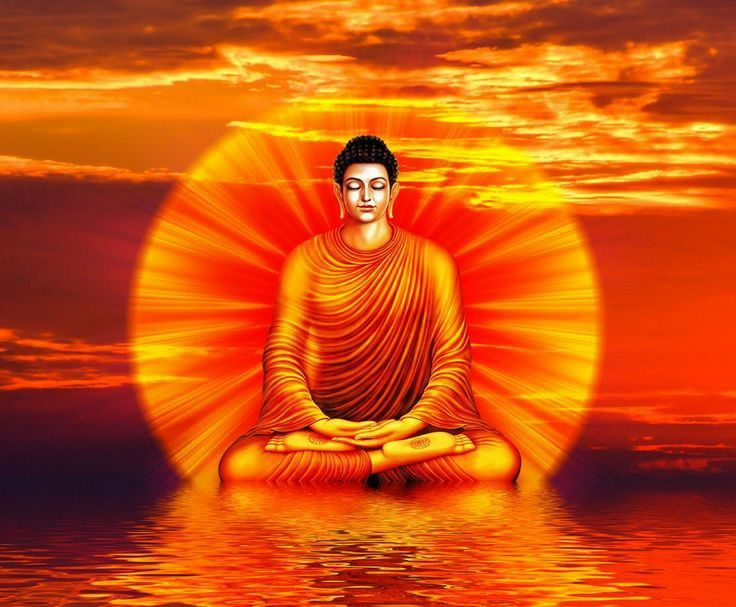
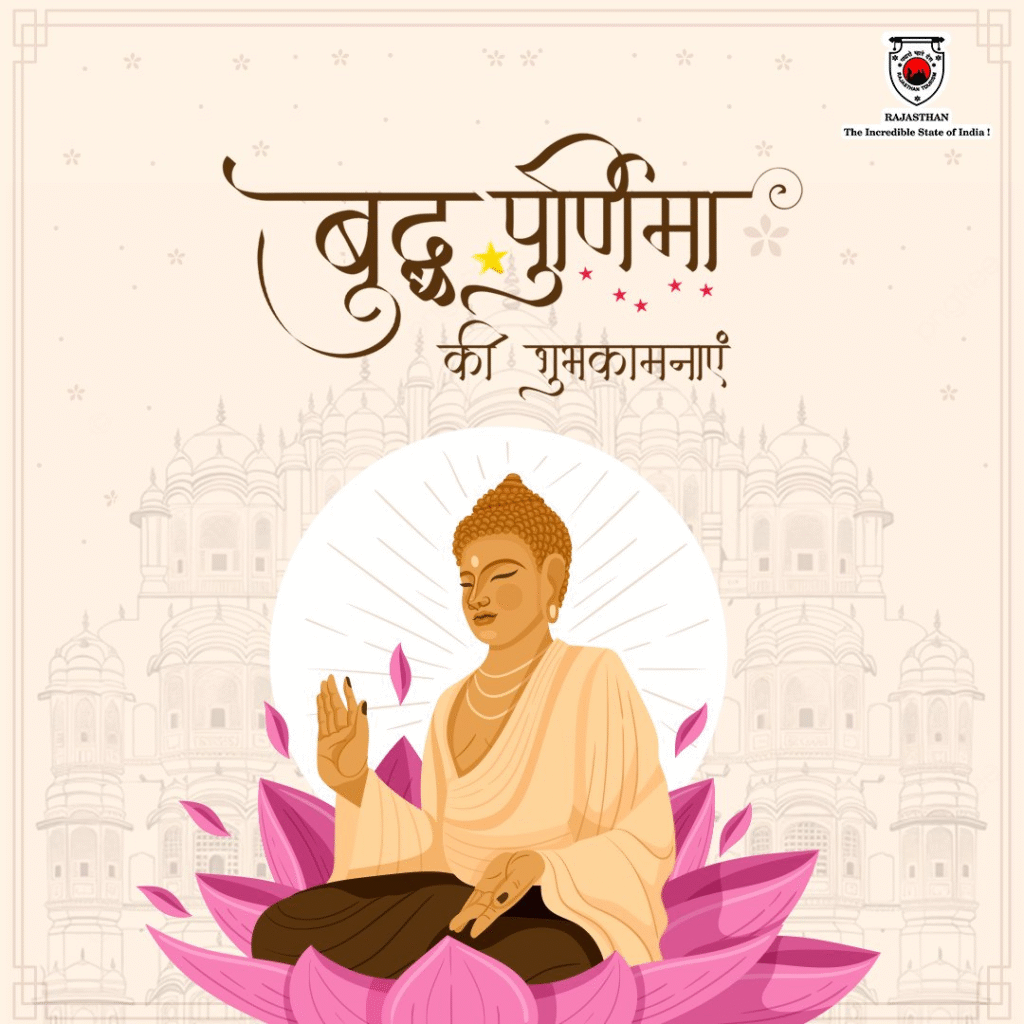
These Buddha Purnima wishes focus on spreading peace, love, compassion, and positivity. They highlight the teachings of Lord Buddha, such as mindfulness, kindness, and inner peace, and encourage people to reflect, meditate, and follow the path of truth and harmony.

Happy Buddha Purnima 2026: Meaning, Significance, Wishes, Quotes to Share on Gautam Buddha’s Birthday

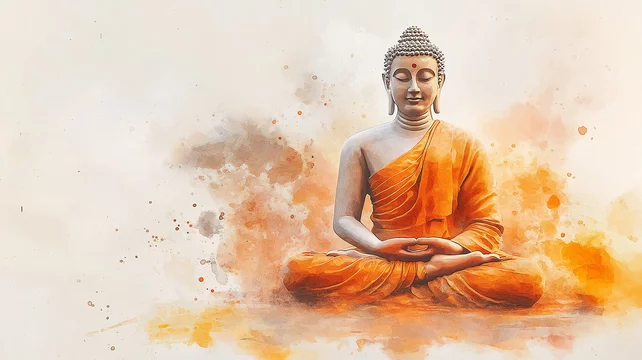
Buddha Purnima is one of the most important festivals in the Buddhist calendar, celebrated across the world marking the birth of Gautama Buddha, the founder of Buddhism, whose teachings have greatly influenced philosophy and spirituality worldwide. The festival is observed on the full moon day in the month of Vaisakha, which usually falls in April or May, depending on the lunar calendar. In 2026, Buddha Purnima will be celebrated on Friday, May 1. For Buddhists, this day serves as a reminder of Buddha’s teachings of wisdom, compassion, and the pursuit of enlightenment.

Significance of Buddha Purnima

Buddha Purnima is special because it is believed to mark three important events in the life of Gautama Buddha, his birth, enlightenment, and passing away. This makes it a very sacred day for Buddhists. On this day, devotees remember his teachings of peace, non-violence, compassion, and mindfulness.

Pilgrimage Sites Associated with Buddha

Many holy places are connected to the life of Gautama Buddha:

  • Lumbini is known as his birthplace.
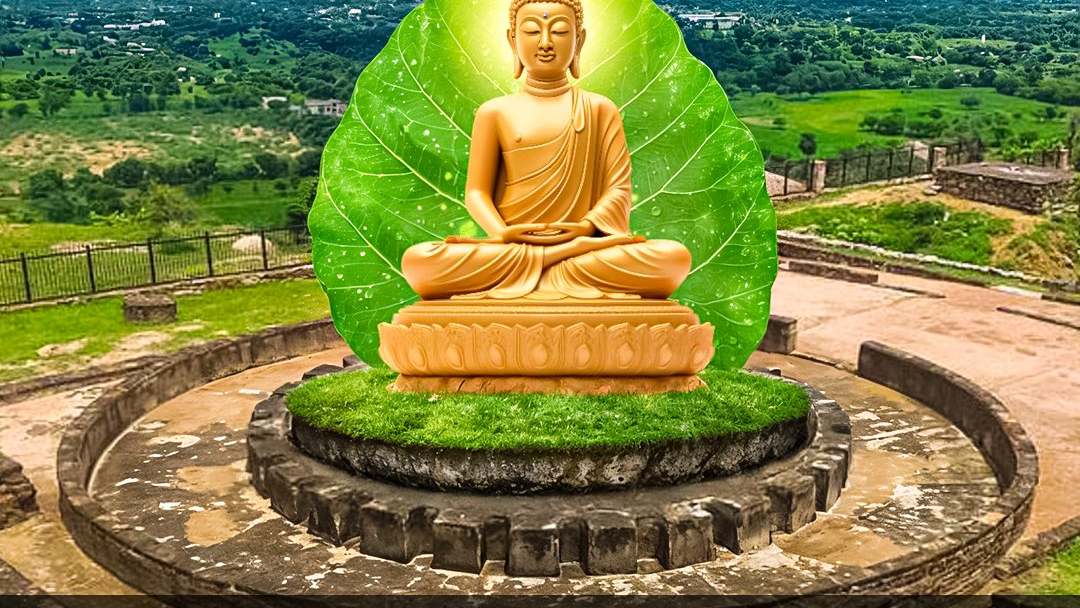
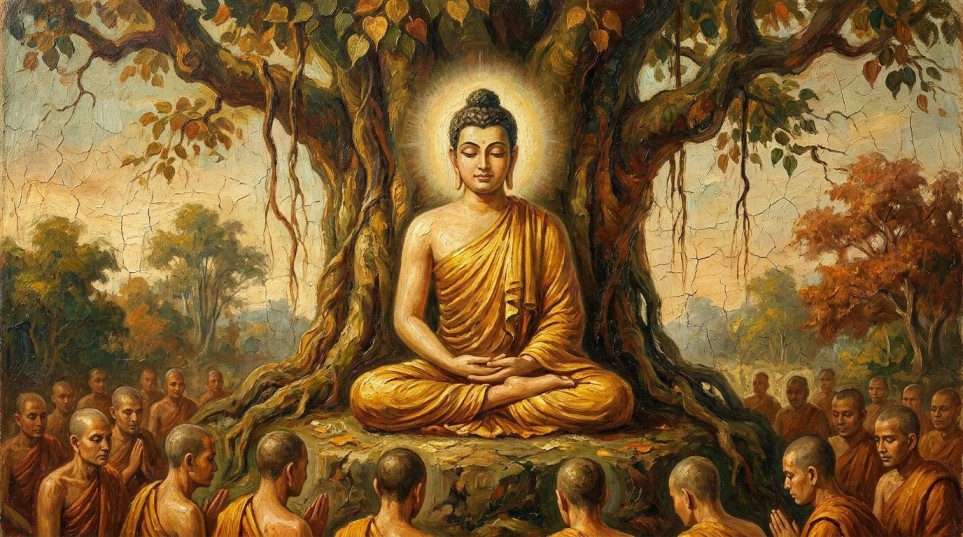
  • Bodh Gaya is where he attained enlightenment under the Bodhi tree.
  • Sarnath is where he gave his first sermon.
  • Kushinagar is where he attained Mahaparinirvana (passed away).
    Among these, Bodh Gaya is considered the most important pilgrimage site for Buddhists around the world.
Happy Buddha Purnima 2026: Meaning, Significance, Wishes, Quotes to Share on Gautam Buddha’s Birthday

In North India, Gautama Buddha is often considered the ninth incarnation of Lord Vishnu, while Lord Krishna is seen as the eighth. In South India, traditions differ, Balarama is considered the eighth incarnation and Krishna the ninth. However, Buddhists do not regard the Buddha as an incarnation of Vishnu, reflecting differing beliefs across tradition

How Buddha Purnima is Celebrated

Buddha Purnima is observed with simplicity and devotion. People visit monasteries, offer prayers, light lamps, and practice meditation. They also perform acts of kindness and charity, following Buddha’s teachings. Many listen to sermons and read sacred texts to better understand the path of Dharma.

Buddha Purnima quotes

Happy Buddha Purnima 2026: Meaning, Significance, Wishes, Quotes to Share on Gautam Buddha’s Birthday
  • “May all beings be happy; may all beings be without disease. May all beings experience the sensation of auspiciousness. May nobody suffer in any way.”
  • “Do not dwell in the past, do not dream of the future, concentrate the mind on the present moment.”
  • “Peace comes from within. Do not seek it without.”
  • “What we think, we become.”
  • “The mind is everything. What you think you become.”
  • “You yourself, as much as anybody in the entire universe, deserve your love and affection.”
  • “To understand everything is to forgive everything.”
  • “There is no path to happiness: happiness is the path.”
  • “Thousands of candles can be lit from a single candle, and the life of the candle will not be shortened. Happiness never decreases by being shared.”
  • “Holding onto anger is like drinking poison and expecting the other person to die.”

Buddha Purnima wishes

Happy Buddha Purnima 2026: Meaning, Significance, Wishes, Quotes to Share on Gautam Buddha’s Birthday
  1. On this Buddha Jayanti, I wish that your life is filled with peace, love, and calmness. Wishing you and your family a very Happy Buddha Purnima.
  2. May your life be filled with happiness and contentment on this sacred occasion. Happy Buddha Purnima.
  3. May Lord Buddha inspire you to walk on the path of love, peace, and truth. Happy Buddha Purnima.
  4. May this year be filled with love, light, peace, and harmony for you. Happy Buddha Purnima.
  5. On this Buddha Jayanti, may Lord Buddha bless us all with good health.
  6. Heartfelt wishes to you and your family on the auspicious occasion of Buddha Purnima.
  7. Wishing you a very Happy Buddha Jayanti. May Lord Buddha guide you on the path of peace and harmony.
  8. Let us follow the teachings of Lord Buddha and make the world a better place. Happy Buddha Jayanti.
  9. May the teachings of Lord Buddha guide you towards inner peace and wisdom. Happy Buddha Purnima.
  10. Wishing you a peaceful and blessed Buddha Purnima.
  11. May Lord Buddha bless you with wisdom, compassion, and peace.
  12. May this Buddha Purnima remind us to live mindfully, love deeply, and always stay kind.
  13. On this special day, let us reflect, meditate, and spread positive energy.
  14. The path is not in the sky, it is in the heart—may your heart be filled with peace today.
  15. May Buddha’s teachings light up your life like a lamp

International Labour Day: Honouring the Spirit, Struggles, and Strength of Workers

0

Every year on May 1, the world comes together to celebrate International Labour Day, also known as May Day or International Workers’ Day. It is a powerful global observance dedicated to recognising the invaluable contributions of workers and the long, often difficult journey toward securing their rights and dignity.

More than just a holiday, Labour Day stands as a reminder of the struggles that shaped modern workplaces—and the responsibility to continue building fair, safe, and inclusive working environments.

The Historical Roots: A Movement Born from Struggle

The origins of International Labour Day lie in the labour union movements of the late 19th century, particularly in the United States. During this time, industrial workers faced harsh conditions—long hours, low wages, and unsafe workplaces.

The turning point came with the Haymarket Affair in Chicago in 1886, where workers protesting for an eight-hour workday clashed with police, leading to violence and loss of lives.

In 1889, international socialist groups and trade unions declared May 1 as a day to honour workers and their struggles. Since then, the day has become a symbol of solidarity, justice, and the fight for fair labour standards worldwide.

Why May 1 is Celebrated

May 1 was chosen to commemorate the historic protests for an eight-hour workday—an idea that eventually shaped modern labour laws. The movement demanded a balanced life:
8 hours for work, 8 hours for rest, and 8 hours for personal life.
Today, this principle forms the foundation of labour rights across many countries.

Significance of International Labour Day

International Labour Day carries deep social, economic, and human significance:
●Recognition of Workers’ Contributions: It honours the efforts of workers who drive economies and build societies.
●Awareness of Rights: It promotes awareness about fair wages, safe working conditions, and equality in workplaces.
●Symbol of Unity: It reflects the power of collective action and worker solidarity across nations.
●Continued Relevance: Even today, issues like wage inequality, job security, and worker safety make this day highly relevant.

In essence, Labour Day is both a celebration and a call to action.

Labour Day 2026: Theme and Contemporary Focus

The theme for Labour Day 2026 centres around:

●Dignity of labour
●Mental well-being at work
●Fair wages and equality
●Safe and inclusive workplaces

This reflects a shift from purely industrial concerns to broader issues like mental health, work-life balance, and inclusive growth in modern workplaces.

Celebrations Around the World

Labour Day is observed in more than 80 countries, often as a public holiday.
Common ways of celebration include:
●Rallies and marches organised by trade unions
●Speeches and awareness campaigns on workers’ rights
●Cultural programs and events honouring labourers
●Recognition ceremonies for outstanding workers

In India, the day is known as Antarrashtriya Shramik Diwas and is celebrated across states, sometimes coinciding with state foundation days like Maharashtra Day and Gujarat Day.

Labour Day in the Modern World

While Labour Day originated in factories and industrial settings, its meaning has expanded significantly. Today, it includes:
●Gig workers and informal labour
●Corporate and service sector employees
●Women’s participation and gender equality in the workforce

It also highlights emerging concerns like automation, digital labour, and the future of work—making it as relevant today as it was over a century ago.

Conclusion

International Labour Day is not merely a date on the calendar—it is a tribute to resilience, unity, and the enduring human spirit. It reminds us that every right enjoyed today—from fixed working hours to safer workplaces—was earned through collective struggle.

As we celebrate this day, it is also a moment to reflect:
Are workplaces truly fair for everyone?

Because the essence of Labour Day lies not just in honouring the past, but in shaping a more just and equitable future for every worker.

Buddha Purnima: Celebrating Enlightenment, Compassion, and the Light Within

0

Buddha Purnima, also known as Vesak or Buddha Jayanti, is one of the most sacred and spiritually significant festivals in the world. Celebrated on the full moon day (Purnima) in the Hindu month of Vaishakha (April–May), this day commemorates not just one, but three defining moments in the life of Gautama Buddha—his birth, enlightenment (nirvana), and passing away (mahaparinirvana).

It is a festival that transcends borders, observed with deep reverence across India and many parts of Asia, reminding humanity of the timeless values of peace, compassion, and wisdom.

The Historical and Spiritual Significance

Buddha Purnima marks the life and legacy of Siddhartha Gautama, who was born as a prince in Lumbini (present-day Nepal). Renouncing a life of luxury, he embarked on a spiritual journey in search of truth and liberation from suffering. After years of meditation and self-discovery, he attained enlightenment under the Bodhi Tree in Bodh Gaya and became the Buddha—the “Awakened One.”

What makes this day extraordinary is that all three pivotal events—his birth, enlightenment, and death—are believed to have occurred on the same full moon day, making it uniquely sacred in Buddhist tradition.

His teachings, known as the Dharma, revolve around the Four Noble Truths and the Eightfold Path, guiding individuals toward ethical living, mindfulness, and liberation from suffering.

When is Buddha Purnima Celebrated?

Buddha Purnima is observed on the full moon day of the Vaishakha month. In 2026, it falls on May 1, with the Purnima tithi beginning on April 30 and ending on May 1.
Because it follows the lunar calendar, the date varies each year, but it always retains its spiritual essence.

How is Buddha Purnima Celebrated?

The celebrations of Buddha Purnima are serene, reflective, and deeply spiritual, focusing more on inner peace than outward grandeur.
1. Visiting Temples and Sacred Sites
Devotees visit Buddhist temples and pilgrimage sites such as Bodh Gaya, Sarnath, and Kushinagar. They offer flowers, light lamps, and chant prayers in honour of the Buddha.
2. Meditation and Spiritual Reflection
Meditation plays a central role. Followers spend time in silence, reflecting on Buddha’s teachings and striving for inner clarity and peace.
3. Acts of Kindness and Charity
Buddha Purnima emphasises compassion. People engage in charity—donating food, clothes, and essentials to the needy, and practicing kindness towards all living beings.
4. Rituals and Offerings

Devotees often:
•Dress in white as a symbol of purity
•Offer fruits, flowers, and incense
•Listen to sermons and recite Buddhist scriptures
•Participate in peaceful processions

5. Cultural and Global Observance
Across countries like Sri Lanka, Nepal, Thailand, and Japan, the festival is celebrated with unique traditions—lantern festivals, community feasts, and large-scale prayer gatherings—yet all share the same spiritual core.

Significance in Indian Tradition

While primarily a Buddhist festival, Buddha Purnima also holds importance in Hinduism. In some traditions, Buddha is considered an incarnation of Lord Vishnu, and the day is observed with reverence by Hindus as well.
In India, it is often observed as a public holiday, especially in states with significant Buddhist populations.

The Message of Buddha Purnima

At its heart, Buddha Purnima is not just a celebration—it is a reminder. A reminder that peace begins within, that compassion is a strength, and that wisdom is the path to true freedom.

The teachings of Buddha—mindfulness, non-attachment, and empathy—continue to resonate deeply in today’s fast-paced, often stressful world, offering a timeless guide to living a balanced and meaningful life.

Conclusion

Buddha Purnima is more than a religious observance; it is a universal celebration of enlightenment and humanity. In a world often divided by differences, this sacred day brings people together through shared values of kindness, peace, and understanding.

As the full moon shines brightly on Buddha Purnima, it symbolises the light of wisdom that dispels ignorance—reminding us that the path to harmony begins within each of us.

Why Are Planets Round? The Elegant Physics Behind a Cosmic Shape

0

Look up at the night sky, and you’ll notice a quiet pattern in the universe—planets, no matter their size or composition, are almost always round. From rocky worlds like Earth to giant gas planets like Jupiter, this shared shape is not a coincidence but the result of one of nature’s most powerful forces: gravity.

The Sculptor of the Universe: Gravity

At the heart of every planet’s shape lies gravity. As a planet forms from dust, gas, and rock clumping together in space, its growing mass creates a gravitational pull. This force acts equally in all directions, drawing material inward toward the center.

Imagine gravity like spokes of a bicycle wheel, all pointing toward the hub. Every bit of matter is pulled toward the center from every direction. Over time, this even inward pull smooths out irregularities—flattening bumps, filling depressions, and gradually shaping the object into a sphere.

A sphere is the most stable and energy-efficient shape for a large object under its own gravity. It allows all mass to be as close as possible to the center, minimizing energy and creating balance.

Size Matters: Why Not Everything Is Round

Not every object in space is spherical. Asteroids and comets often look like jagged rocks or “lumpy potatoes.” The reason is simple: they are too small.

For smaller bodies, gravity is weak and cannot overcome the strength of the material holding them together. As a result, they retain irregular shapes. But once an object grows large enough—typically a few hundred kilometers across—gravity becomes dominant and forces it into a rounded form.

In fact, being nearly round is so fundamental that it is part of the scientific definition of a planet.

Are Planets Perfectly Round? Not Quite

Although we often imagine planets as perfect spheres, reality is a bit more nuanced. Many planets are slightly flattened at the poles and bulged at the equator—a shape known as an “oblate spheroid.”

This happens because planets spin. As they rotate, the outer regions—especially around the equator—experience an outward force. This causes the planet to bulge slightly in the middle.

For example:
●Giant planets like Saturn and Jupiter, which spin very fast, have noticeable equatorial bulges.
●Smaller, slower-spinning planets like Earth are much closer to perfect spheres, with only slight flattening.

A Universe Shaped by Balance

Ultimately, the roundness of planets is a story of balance—between gravity pulling inward and motion pushing outward. Over millions of years, this balance sculpts planets into their familiar forms.

What makes this even more fascinating is that the same principle applies across the universe. Stars, moons, and even large dwarf planets follow this rule: when gravity becomes strong enough, nature prefers a sphere.

So the next time you look at a picture of Earth from space, remember—you’re not just seeing a beautiful blue marble. You’re seeing physics at work, quietly shaping the cosmos into harmony.

Essential Hoodies: Built for Real Life, Not Just Style

0

Some clothes are chosen for how they look. Others are chosen for how they feel and how often you can wear them. Essential hoodies fall into the second group. They are not about making a loud impression. They are about fitting into your everyday life in a way that feels natural.

Essential Hoodies: Built for Real Life, Not Just Style

When you find a Essentials Hoodie that works in different situations, stays comfortable for long hours, and still looks clean, it quickly becomes something you rely on. That is exactly what essential hoodies offer.

A Natural Fit for Daily Routines

Every day brings a mix of activities. You might step out for a quick errand, meet someone casually, or spend time relaxing. Essential hoodies fit into all of these moments without needing any change.

You can wear one from morning to evening without feeling out of place. It adapts to your day instead of forcing you to adjust your outfit.

This flexibility is what makes it practical. You do not need multiple layers of planning to look presentable.

Comfort That Feels Effortless

Comfort is not just about softness. It is about how the hoodie behaves throughout the day.

Essential hoodies are made from materials that feel smooth and balanced. They are soft enough to wear comfortably but structured enough to hold their shape.

They do not feel too light, and they are not heavy. This Essential Hoodie balance allows you to wear them for long hours without discomfort.

Most essential hoodies are made from cotton or blended fabrics, which help maintain warmth while still allowing airflow.

A Look That Does Not Need Attention

Not every piece of clothing needs to stand out loudly. Essential hoodies follow a different approach.

They keep the design simple. No bold prints. No unnecessary details. Just a clean and refined look with subtle branding.

This makes them easy to pair with different outfits. You do not have to worry about matching patterns or colors.

Neutral tones like black, grey, beige, and off-white make styling even easier.


Easy Styling for Everyday Wear

One of the strongest features of essential hoodies is how easy they are to style.

You can wear them with Essential Hoodies for a classic look. Pair them with joggers for something more relaxed. Combine them with cargo pants for a slightly modern feel.

They also work well with shorts during warmer weather.

Layering is simple too. You can wear them under jackets in colder conditions or on their own when the weather is mild.


Works in Every Season

Essential hoodies are not limited to winter.

They provide warmth during cooler days while still feeling breathable when the temperature is moderate. This makes them useful throughout the year.

You can adjust how you wear them depending on the weather. This flexibility adds to their practicality.


A Quiet Role in Modern Fashion

Fashion has changed. People now prefer clothing that feels natural instead of forced.

Essential hoodies reflect this shift. They do not try to dominate your outfit. Instead, they support your overall style.

They work for both men and women, which increases their appeal. The design is simple enough to fit different preferences.

Because of this, they have become a regular part of everyday wardrobes.


Built to Last

A hoodie that you wear often needs to be durable.

Essential hoodies are designed for regular use. The stitching remains strong, and the fabric keeps its shape even after multiple washes.

You can wear them frequently without worrying about losing quality.

This reliability makes them a long-term addition to your wardrobe.


Choosing the Right Essential Hoodie

Not all hoodies feel the same, even if they look similar.

When selecting an essential hoodie, think about your preferred fit. Some people like a relaxed, oversized feel, while others prefer a more fitted style.

Material also matters. Cotton fabrics provide comfort, while blended materials improve durability.

Color choice can affect your overall look. Neutral tones are easier to match, while darker shades give a sharper appearance.


Why They Become a Daily Habit

You do not plan to wear them every day, but they slowly become your first choice.

Essential hoodies save time, feel comfortable, and work with different outfits. That combination is hard to replace.

Over time, they become part of your routine without you noticing.


More Than Just a Basic Layer

At first, they may look like simple hoodies.

But once you start wearing them regularly, you realize how useful they are. They become the pieces you rely on when you want comfort and a clean look at the same time.

They are not about standing out loudly. They are about being dependable.


Final Thoughts

Essential hoodies stand out because they focus on what truly matters. Comfort, simplicity, and everyday usability.

They fit into your routine, adapt to your style, and work across different situations without effort.

If you are looking for clothing that feels natural, reliable, and easy to wear, Essentials Hoodies are a strong choice for everyday life.

Dadasaheb Phalke Birth Anniversary: Remembering the Father of Indian Cinema

0

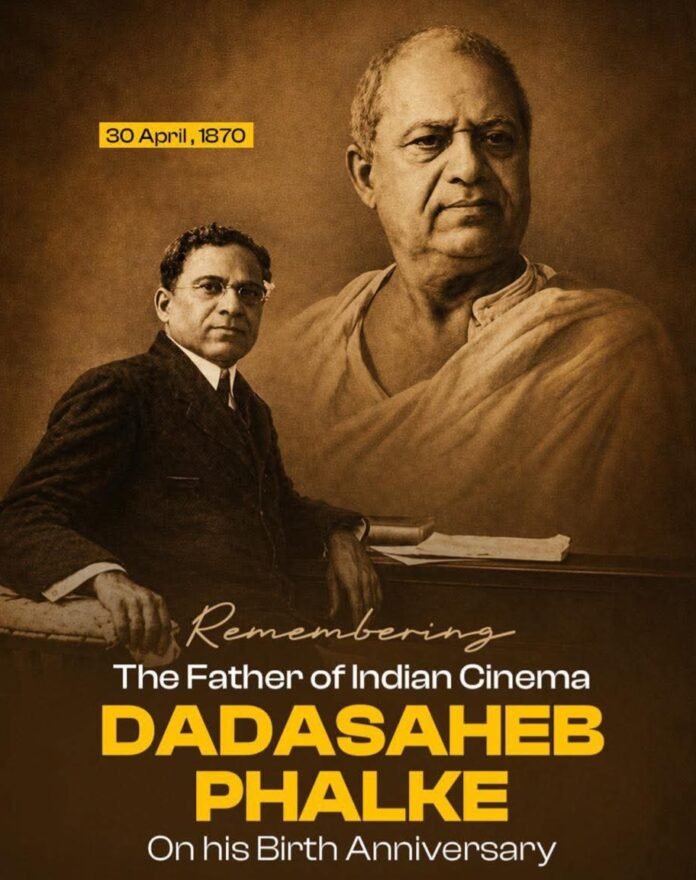
Every year on April 30, India pays tribute to a visionary who transformed storytelling forever—Dadasaheb Phalke, revered as the “Father of Indian Cinema.” Born as Dhundiraj Govind Phalke in 1870 in Trimbakeshwar, Maharashtra, his pioneering spirit laid the foundation of what would become one of the world’s largest film industries.

At a time when cinema itself was a nascent medium globally, Phalke dared to imagine its possibilities in India. With relentless determination and creativity, he brought to life India’s first full-length feature film, Raja Harishchandra in 1913. Rooted in Indian mythology, the film was more than just entertainment—it was a cultural awakening. It proved that Indian stories could be told through the powerful medium of cinema, sparking the birth of a new artistic era.

Phalke’s journey into filmmaking was not accidental. A student of the prestigious Sir J.J. School of Art in Mumbai, he had mastered multiple disciplines including painting, photography, and printing technology. This diverse skill set enabled him to handle every aspect of filmmaking—from set design and cinematography to direction and editing—at a time when resources were scarce and technical knowledge limited.

Over a career spanning just 19 years, Phalke created an astonishing body of work: 95 feature films and 27 short films. Among his notable works are Lanka Dahan and Kaliya Mardan, both of which drew heavily from Indian epics and mythology. His films not only entertained but also connected audiences with their cultural roots, bridging tradition with innovation.

Phalke’s contribution goes far beyond numbers. He established the grammar of Indian filmmaking—introducing narrative techniques, visual storytelling, and production practices that continue to influence cinema today. At a time when acting in films was socially frowned upon, especially for women, he overcame societal barriers to bring his cinematic vision to life.

In recognition of his monumental contribution, the Government of India instituted the Dadasaheb Phalke Award in 1969. Today, it remains the highest honour in Indian cinema, awarded for lifetime achievement and excellence, symbolising the enduring legacy of the man who started it all.

As India celebrates his birth anniversary, Dadasaheb Phalke is remembered not just as a filmmaker, but as a pioneer who transformed imagination into reality. His work bridged mythology and modernity, art and technology, vision and execution. In doing so, he gave India not just its first film—but an entire cinematic identity.

His legacy lives on in every frame of Indian cinema, reminding us that great revolutions often begin with a single dream.

Sacred Relics of Lord Buddha Arrive in Ladakh: A Historic Spiritual Homecoming

0

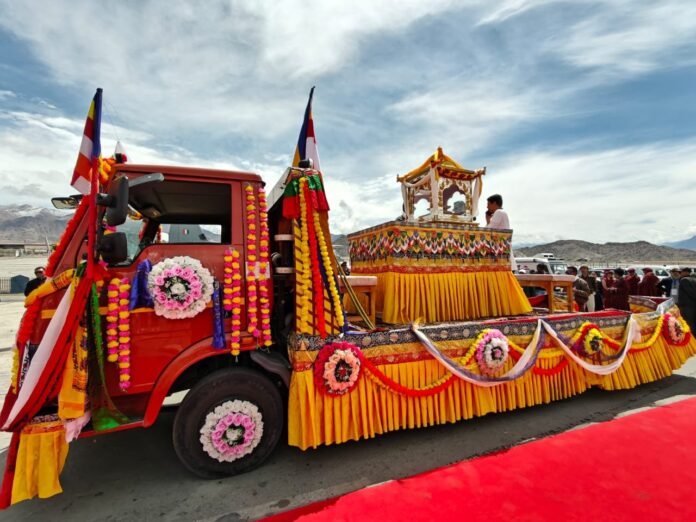
In a moment of profound spiritual and cultural significance, the sacred relics of Gautama Buddha have arrived in Ladakh for a rare public exposition, marking the first time these revered remains have been brought out from their permanent repository for display within India.

Transported under tight security via a special aircraft of the Indian Air Force, the relics reached Leh to a ceremonial welcome led by Lieutenant Governor Vinai Kumar Saxena and senior officials.

A Rare and Historic Occasion

The relics, associated with the ancient Piprahwa Stupa in Kapilavastu, believed to be linked to the Buddha’s own clan, hold immense religious and historical value.

What makes this event particularly remarkable is its rarity. These sacred remains have largely remained preserved in institutions like the National Museum in New Delhi and have only occasionally travelled abroad for international exhibitions. This is the first large-scale public exposition within India itself, making it a deeply emotional and significant moment for devotees.

Public Exposition and Schedule

The exposition is scheduled from May 1 to May 14–15, 2026, coinciding with the auspicious occasion of Buddha Purnima.
During this period, the relics will be displayed at multiple locations across Ladakh, allowing devotees, monks, scholars, and visitors from around the world to pay homage.


Symbol of Peace and Spiritual Unity

The arrival of the relics is being seen as more than a religious event, it carries a deeper global message. The exposition, themed around peace and universal harmony, highlights the enduring relevance of the Buddha’s teachings in today’s world.
At a time marked by global uncertainty, the relics serve as a reminder of values central to Buddhism, compassion, non-violence, and inner awakening.

Why Ladakh?

Ladakh, often referred to as the “Land of High Passes,” has a deep-rooted Buddhist heritage. Monasteries, traditions, and a living culture of faith make it one of the most spiritually significant regions in India.

Bringing the relics here is seen as a symbolic “homecoming”—a tribute to a region that has preserved Buddhist teachings for centuries despite geographical and climatic challenges.

A Moment Beyond Religion

For many, this is not just an exhibition but a once-in-a-lifetime opportunity to witness and venerate relics believed to carry the physical and spiritual presence of the Buddha.

It also reflects India’s broader cultural vision—showcasing its ancient heritage while promoting global peace and interfaith harmony.

Conclusion

The arrival of Lord Buddha’s sacred relics in Ladakh is a historic convergence of faith, culture, and national heritage. As thousands gather to pay homage, the event stands as a powerful reminder of timeless wisdom, that peace begins within, and compassion remains humanity’s greatest strength.

Narasimha Jayanti: Celebrating the Divine Protector and the Triumph of Dharma

0

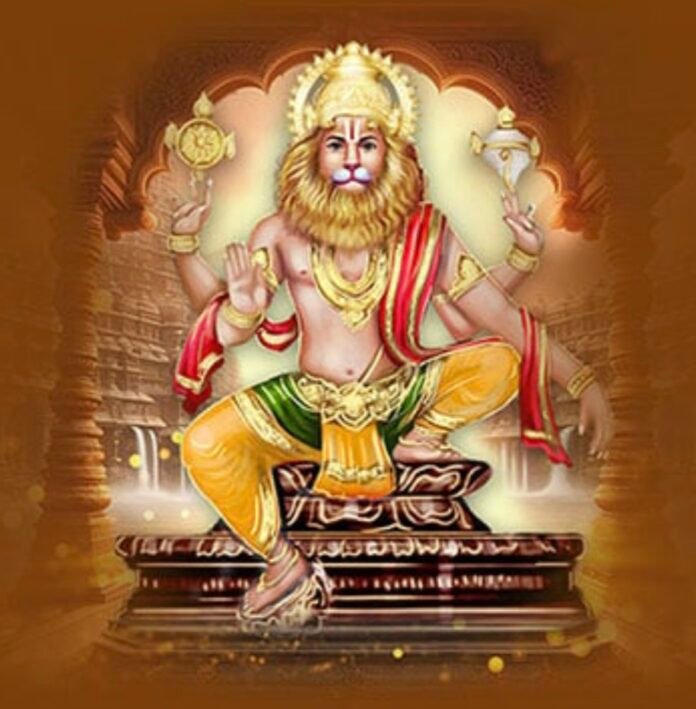
Narasimha Jayanti is a significant Hindu festival dedicated to the birth (appearance) of Lord Narasimha, the fourth incarnation of Vishnu. In 2026, the festival will be observed on April 30, falling on the Chaturdashi tithi (14th day) of the Shukla Paksha in the month of Vaishakha.

Who is Lord Narasimha?

Lord Narasimha is a unique and powerful avatar of Vishnu, depicted as half-man and half-lion. According to Hindu scriptures, he incarnated to protect his devotee Prahlada and to destroy the tyrant demon king Hiranyakashipu.

The story symbolises the ultimate victory of faith and righteousness over arrogance and evil. Narasimha’s form itself represents divine intervention beyond logic—neither human nor animal, appearing at dusk—to honour the conditions of a boon that made the demon nearly invincible.

Why is Narasimha Jayanti Celebrated?

The festival commemorates the moment when Lord Narasimha emerged to restore dharma (cosmic order) and protect his devotee. It is believed that worshipping him on this day helps devotees overcome fear, negativity, and obstacles in life.

Spiritually, the day signifies:
●Victory of good over evil
●Protection from harm and negative energies
●Strength, courage, and unwavering faith

Rituals and Traditions

Narasimha Jayanti is observed with deep devotion across temples and homes. The day usually begins early, with devotees taking a ritual bath and preparing for worship.

Key rituals include:
●Fasting (Vrat): Many devotees observe a strict fast until evening or the next day.
●Puja and Abhishekam: Idols of Lord Narasimha or Vishnu are bathed with panchamrit (milk, curd, honey, ghee, and sugar).
●Offerings: Flowers, fruits, sweets, and sacred items like sandalwood and saffron are offered.
●Mantra Chanting: Devotees recite prayers and the Narasimha mantra, often 108 times.
●Evening Worship: Special importance is given to evening prayers, as the Lord is believed to have appeared at dusk.

Many also engage in charity and spiritual readings, reflecting the values of compassion and righteousness.

Significance in Today’s World

Beyond rituals, Narasimha Jayanti holds deep philosophical meaning. It reminds devotees that divine protection comes to those who remain steadfast in truth, even in adversity. The story of Prahlada’s unwavering devotion continues to inspire faith, resilience, and moral courage.

In a broader sense, the festival is a timeless reminder that no matter how powerful injustice may seem, righteousness ultimately prevails.

Conclusion

Narasimha Jayanti is not just a celebration of a divine incarnation—it is a reaffirmation of faith in justice, protection, and the triumph of good over evil. Through fasting, prayer, and devotion, devotees seek the blessings of Lord Narasimha for strength, peace, and protection in their lives.