

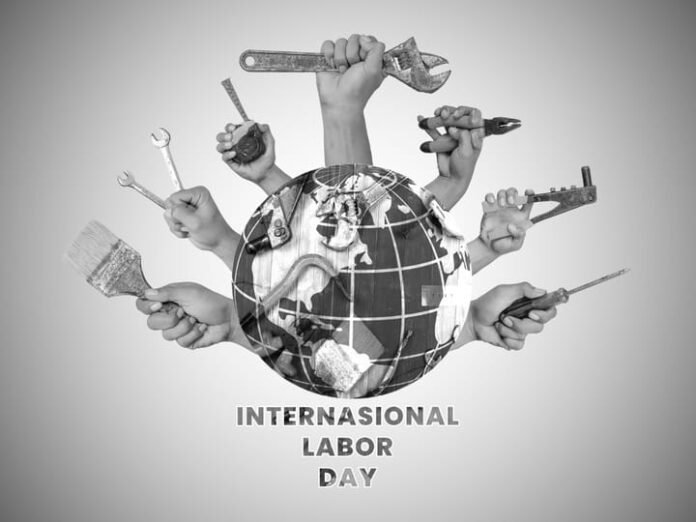
Every year on May 1, the world comes together to celebrate International Labour Day, also known as May Day or International Workers’ Day. It is a powerful global observance dedicated to recognising the invaluable contributions of workers and the long, often difficult journey toward securing their rights and dignity.
More than just a holiday, Labour Day stands as a reminder of the struggles that shaped modern workplaces—and the responsibility to continue building fair, safe, and inclusive working environments.
The Historical Roots: A Movement Born from Struggle
The origins of International Labour Day lie in the labour union movements of the late 19th century, particularly in the United States. During this time, industrial workers faced harsh conditions—long hours, low wages, and unsafe workplaces.
The turning point came with the Haymarket Affair in Chicago in 1886, where workers protesting for an eight-hour workday clashed with police, leading to violence and loss of lives.
In 1889, international socialist groups and trade unions declared May 1 as a day to honour workers and their struggles. Since then, the day has become a symbol of solidarity, justice, and the fight for fair labour standards worldwide.
Why May 1 is Celebrated
May 1 was chosen to commemorate the historic protests for an eight-hour workday—an idea that eventually shaped modern labour laws. The movement demanded a balanced life:
8 hours for work, 8 hours for rest, and 8 hours for personal life.
Today, this principle forms the foundation of labour rights across many countries.
Significance of International Labour Day
International Labour Day carries deep social, economic, and human significance:
●Recognition of Workers’ Contributions: It honours the efforts of workers who drive economies and build societies.
●Awareness of Rights: It promotes awareness about fair wages, safe working conditions, and equality in workplaces.
●Symbol of Unity: It reflects the power of collective action and worker solidarity across nations.
●Continued Relevance: Even today, issues like wage inequality, job security, and worker safety make this day highly relevant.
In essence, Labour Day is both a celebration and a call to action.
Labour Day 2026: Theme and Contemporary Focus
The theme for Labour Day 2026 centres around:
●Dignity of labour
●Mental well-being at work
●Fair wages and equality
●Safe and inclusive workplaces
This reflects a shift from purely industrial concerns to broader issues like mental health, work-life balance, and inclusive growth in modern workplaces.
Celebrations Around the World
Labour Day is observed in more than 80 countries, often as a public holiday.
Common ways of celebration include:
●Rallies and marches organised by trade unions
●Speeches and awareness campaigns on workers’ rights
●Cultural programs and events honouring labourers
●Recognition ceremonies for outstanding workers
In India, the day is known as Antarrashtriya Shramik Diwas and is celebrated across states, sometimes coinciding with state foundation days like Maharashtra Day and Gujarat Day.
Labour Day in the Modern World
While Labour Day originated in factories and industrial settings, its meaning has expanded significantly. Today, it includes:
●Gig workers and informal labour
●Corporate and service sector employees
●Women’s participation and gender equality in the workforce
It also highlights emerging concerns like automation, digital labour, and the future of work—making it as relevant today as it was over a century ago.
Conclusion
International Labour Day is not merely a date on the calendar—it is a tribute to resilience, unity, and the enduring human spirit. It reminds us that every right enjoyed today—from fixed working hours to safer workplaces—was earned through collective struggle.
As we celebrate this day, it is also a moment to reflect:
Are workplaces truly fair for everyone?
Because the essence of Labour Day lies not just in honouring the past, but in shaping a more just and equitable future for every worker.