Home Blog Page 11

From Jaipur Classrooms to J&K’s Frontlines: APS Jaipur Students Bring Back Tales of Valour and Border Life from J&K During Reverse National Integration Tour

0

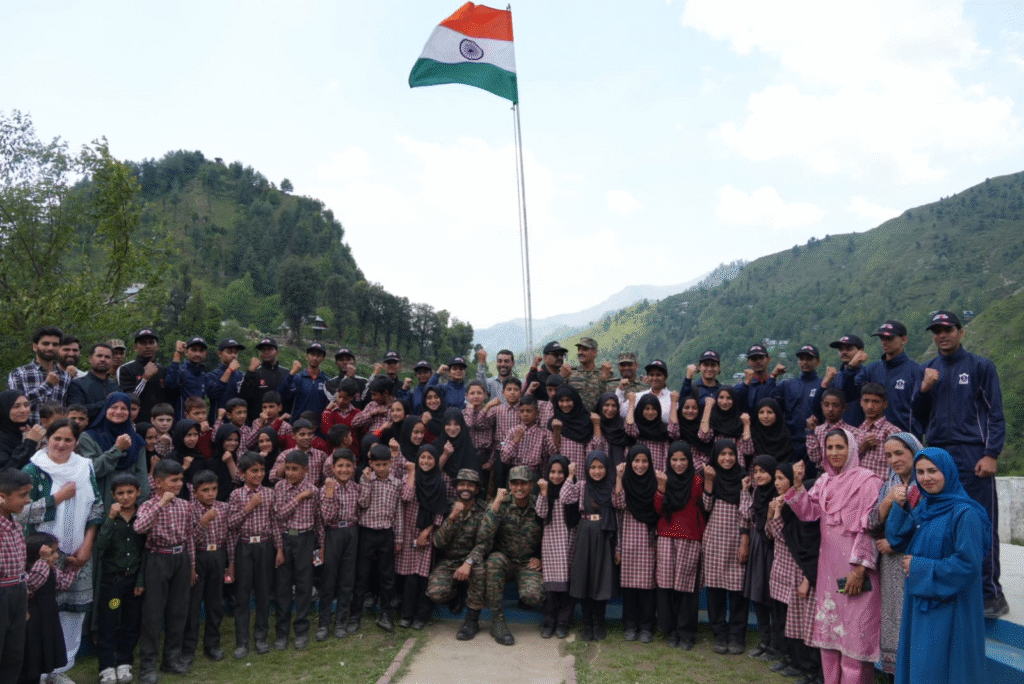
What began as an educational tour turned into a life-changing journey for students of Army Public School Jaipur, who returned from the rugged frontier areas of Jammu & Kashmir with unforgettable memories of soldiers, sacrifice, and life along India’s sensitive borders.

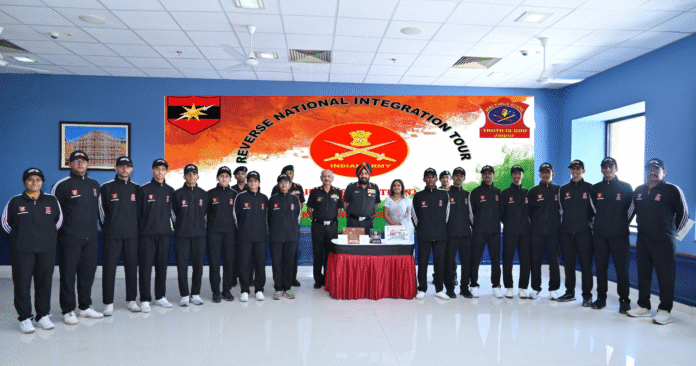
The students successfully concluded a week-long Reverse National Integration Tour to the Poonch–Saujian sector of Jammu & Kashmir from May 10 to 17 under the aegis of Sapta Shakti Command in coordination with the Ace of Spades Division.

The initiative offered the young participants a rare first-hand glimpse into the operational environment of the Indian Army stationed in high-altitude frontier regions near the Line of Control.

Students Witness Drone Warfare and Border Preparedness
From Jaipur Classrooms to J&K’s Frontlines: APS Jaipur Students Bring Back Tales of Valour and Border Life from J&K During Reverse National Integration Tour

During the tour, the students visited forward military areas, educational institutions, spiritual sites, and the historic Poonch War Memorial, gaining deeper insight into the region’s military history and cultural heritage.

One of the major highlights of the tour was the students’ interaction with Army personnel deployed in challenging terrains. At Saujiyan, they visited an Artillery Regiment and an elite Rashtriya Rifles Battalion, where they witnessed live demonstrations of advanced Unmanned Aerial Vehicles (UAVs) and drone technologies increasingly being used in modern warfare and surveillance operations.

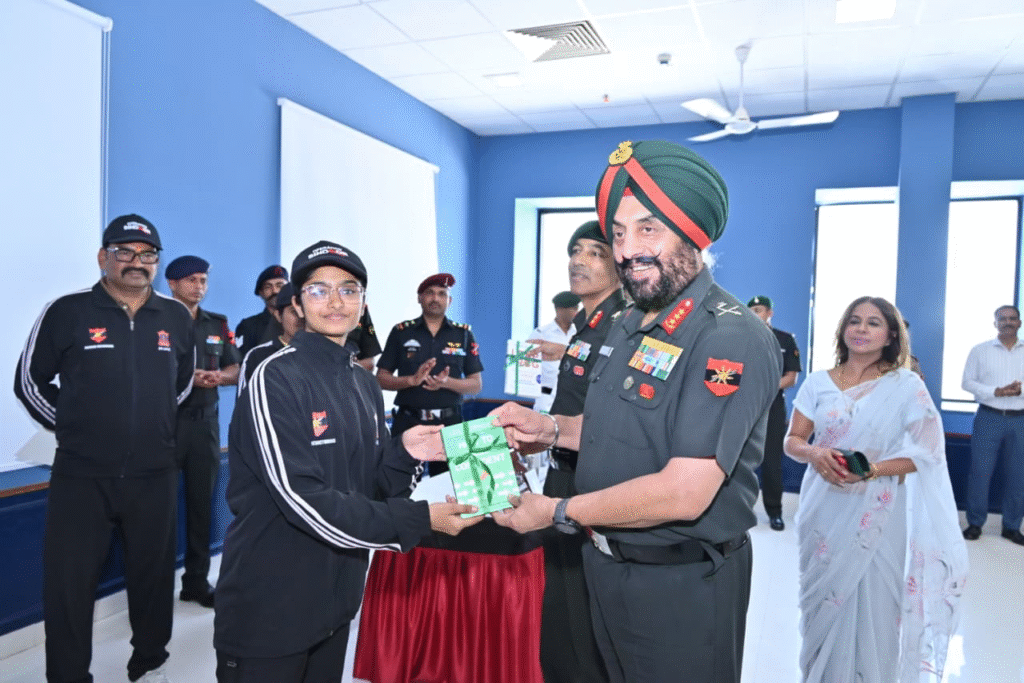
The students also interacted with senior Army officers during events linked to the first anniversary of Operation Sindoor, learning about the challenges faced by troops guarding the nation’s mountainous frontiers.

A Journey Beyond Textbooks
From Jaipur Classrooms to J&K’s Frontlines: APS Jaipur Students Bring Back Tales of Valour and Border Life from J&K During Reverse National Integration Tour

For many students, the tour became much more than a sightseeing experience. It offered them an opportunity to understand the realities of military life, discipline, sacrifice, and national service from close quarters.

The tour concluded with an Interaction-cum-Felicitation Ceremony with the Army Commander of Sapta Shakti Command, where students shared their experiences and thanked the Army for providing what many described as an “inspiring and eye-opening” experience.

Officials said the initiative was aimed at strengthening national integration by connecting young students from mainland India with life and culture in border regions while also fostering greater awareness about the role of the Armed Forces.
From Grazing Cattle in the Thar Desert to Global Stages: The Inspiring Journey of Algoza Maestro Taga Ram Bheel

0

In the vast golden sands of Rajasthan’s Thar Desert, where the wind itself seems to sing ancient melodies, a young boy once spent his days grazing cattle with a handmade flute in his hands. Decades later, that same boy would carry the sound of Rajasthan’s desert folk music to international stages across Europe, America, and Asia.

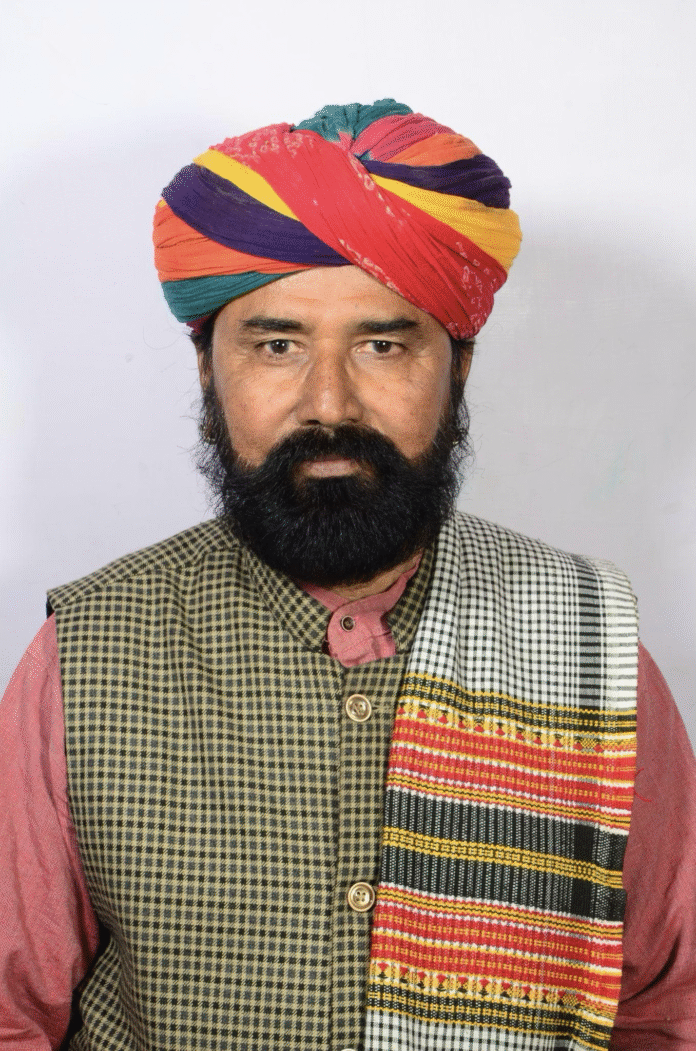
That boy was Taga Ram Bheel, today celebrated as one of India’s finest traditional Algoza players and the founder-director of the Algoza Folk Music Institute in Moolsagar village near Jaisalmer.

Music Born in the Desert

Born on April 17, 1960, in Moolsagar village of Jaisalmer district, Taga Ram Bheel grew up surrounded by the raw beauty and hardships of desert life. His introduction to music came not through formal classrooms or grand institutions, but through the oral traditions of rural Rajasthan.

At the age of seven, he began learning the Algoza from his father while tending cattle in the desert. The Algoza, a rare dual-flute instrument crafted from dry sheesham and kair wood, requires extraordinary breath control, rhythm, and coordination. Played simultaneously using the mouth and throat, it produces haunting melodies deeply associated with the folk culture of western Rajasthan.

For years, the desert became his practice ground. With no stage, no audience, and no formal recognition, young Taga Ram continued refining his art solely through passion and persistence.

The Performance That Changed Everything

A turning point arrived in 1981 when noted musician Ustad Akbar Khan Rajdarbari Alamkhana and public relations officer Late Shambhudan Ratnoo visited his home and offered him an opportunity to perform at Gopa Chowk in Jaisalmer during India’s Independence Day celebrations.

The performance proved transformational.

His mesmerizing command over the Algoza captivated audiences and opened doors that once seemed unimaginable for a village artist from the Thar Desert. Soon, Taga Ram began receiving invitations to perform before Presidents of India, Prime Ministers, international dignitaries, and tourists from around the world.

Carrying Rajasthan’s Folk Soul Across the World

Under the guidance of Ustad Akbar Khan at the Ustad Arba Music Institute in Jaisalmer, Taga Ram further refined his craft. In 1986, he received a scholarship from the Centre for Cultural Resources and Training, New Delhi — an important recognition of his growing stature as a folk artist.

Over the years, he became a familiar face at some of Rajasthan’s most iconic cultural festivals, including the Desert Festival in Jaisalmer, Camel Festival in Bikaner, Pushkar Fair, Marwar Festival in Jodhpur, Jaipur’s Lok Rang Mahotsav, and the Shilpgram Festival in Udaipur.

But his music did not remain confined to Rajasthan.

https://images.openai.com/static-rsc-4/hYOnRu2sETBXdrmUEPwGNMK3T12345IDqYwdttpTP-u6B7PGtMMTOoxJkTY1TMhXdReEM_B8VXG3PXMUBS78c0ug25WGPGEgjEoO_991qUeCXI7V3JRDhuKTXKCmeMnoAVwdIPkBj6Pn9459f38RJY2nWbufA0j3DqRAtM9qMd43QXWouPzGla19YR-vH7Ma?purpose=fullsize

6

As part of the Musafir Group and the Ustad Arba Music Group, Taga Ram carried the sounds of the Thar Desert to international folklore festivals in France, Spain, Italy, Germany, Holland, Portugal, Japan, Singapore, and the United States.

In France, he collaborated with renowned musician Manuel Aguilar Beseacon, blending Rajasthani folk traditions with global musical expressions. His performances at events such as the Diwali Mela in Dallas, international festivals in California, and the Cotton Bowl Festival in the United States introduced global audiences to the hypnotic rhythms of the Algoza.

A Life Dedicated to Preserving Folk Heritage

Despite international acclaim, Taga Ram Bheel has remained deeply connected to his roots. Through the Algoza Folk Music Institute in Moolsagar, he continues to train young artists and preserve Rajasthan’s fading folk traditions for future generations.

His contribution to folk music has earned him numerous honors, including the Maharawal Girdhar Award, Marudhara Award, Aadivasi Samman Rajasthan, Mahram Shri Sakar Khan Manganiyar Award, Amrit Ganga Award, and Gaurav Samman by Bhartiya Dalit Academy Rajasthan.

He has also received appreciation from institutions such as the West Zone Cultural Centre, South Zone Cultural Centre, Jawahar Kala Kendra Jaipur, Nehru Youth Centre Jaisalmer, and cultural organizations in the United States.

The Voice of the Desert

Today, Taga Ram Bheel’s journey stands as a powerful reminder that extraordinary talent can emerge from the humblest beginnings. From practicing melodies while grazing cattle in the desert to representing Indian folk culture on global stages, his life reflects dedication, resilience, and an unwavering commitment to preserving Rajasthan’s musical heritage.

In every note played through his Algoza echoes the soul of the Thar Desert — timeless, resilient, and deeply alive.

PM Modi’s Sweden Visit Deepens India’s Strategic Push in Technology, Trade and Green Innovation

0

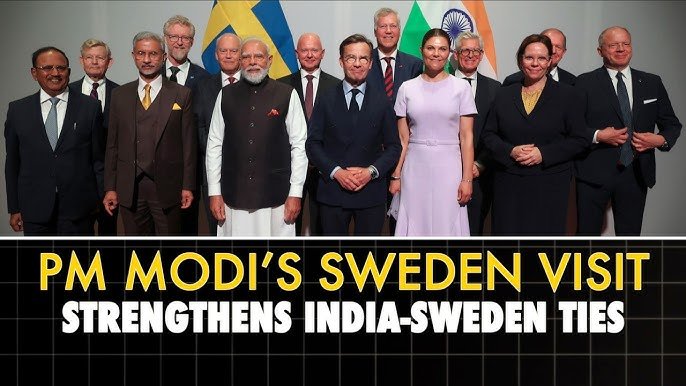
Prime Minister Narendra Modi’s visit to Sweden marked another major diplomatic success in his ongoing five-nation tour, with India and Sweden elevating their bilateral ties to a “Strategic Partnership” and unveiling an ambitious roadmap for cooperation in trade, defence, artificial intelligence, green technology and innovation. The visit to Gothenburg reflected the growing strategic convergence between New Delhi and Stockholm at a time when India is strengthening its engagement with Europe across economic and technological sectors.

PM Modi held extensive delegation-level talks with Swedish Prime Minister Ulf Kristersson, during which both leaders agreed to significantly expand cooperation in emerging technologies, sustainable development and industrial innovation. One of the most important outcomes of the visit was the launch of the “Joint Action Plan 2026–2030,” aimed at strengthening collaboration in clean energy, climate action, digital transformation, defence manufacturing and resilient supply chains.

A major focus of the discussions was artificial intelligence and advanced technology cooperation. India and Sweden announced the “India-Sweden Technology and Artificial Intelligence Corridor,” which seeks to connect startups, research institutions and industries from both countries. The initiative is expected to boost innovation in AI governance, digital infrastructure, semiconductors and next-generation technologies.

Trade and investment also featured prominently during the visit. Both nations set an ambitious target of doubling bilateral trade and investment within the next five years. Swedish Prime Minister Kristersson emphasized that India is becoming an increasingly important economic partner for Europe, especially after the recent conclusion of the India-European Union Free Trade Agreement negotiations.

Defence and security cooperation emerged as another key pillar of the visit. The two countries agreed to strengthen collaboration in defence manufacturing, maritime security and counter-terrorism. Discussions reportedly included cooperation in aerospace technologies, defence innovation and industrial partnerships under India’s “Make in India” initiative.

The visit also carried significant symbolic importance. PM Modi was conferred Sweden’s prestigious “Royal Order of the Polar Star, Commander Grand Cross,” becoming one of the few global leaders to receive the honour. The award recognized his efforts in strengthening India-Sweden relations and promoting international cooperation. It marked the 31st international honour conferred upon him by a foreign nation.

Beyond diplomacy and economics, cultural ties were also highlighted during the visit. PM Modi and PM Kristersson exchanged special commemorative gifts linked to Rabindranath Tagore, symbolizing the long-standing intellectual and cultural connections between India and Sweden.

Analysts believe the Sweden visit has strategic importance for India’s long-term technological and economic goals. Sweden is globally known for innovation, sustainability and advanced industrial technologies, making it a valuable partner for India’s ambitions in green transition, digital growth and high-tech manufacturing.

As PM Modi concluded the Sweden leg of his tour and departed for Norway, the visit was widely viewed as another step toward positioning India as a major global partner in technology, trade and strategic cooperation with Europe.

India Participates in 79th World Health Assembly Amid Global Focus on Climate and Health

0

Union Health Minister J.P. Nadda is leading the Indian delegation at the 79th World Health Assembly being held in Geneva, Switzerland, where global leaders, policymakers, and health experts have gathered to discuss some of the world’s most pressing public health challenges. This year’s assembly places special emphasis on the growing impact of climate change on global health systems and human well-being.

Organised by the World Health Organization(WHO), the World Health Assembly is the decision-making body of the organisation and brings together representatives from member countries to shape international health policies and priorities. The 79th session is focusing on strengthening healthcare systems, pandemic preparedness, universal health coverage, digital healthcare, and climate-linked health risks.

A major highlight of this year’s discussions is the increasing concern over the health effects of climate change. According to WHO, rising global temperatures, extreme weather events, air pollution, water scarcity, and changing disease patterns are becoming serious threats to public health worldwide. Experts warn that climate change is contributing to the spread of infectious diseases, malnutrition, respiratory illnesses, and heat-related deaths, especially in vulnerable and developing countries.

India’s participation in the assembly reflects its growing role in global health diplomacy. During the meetings, J. P. Nadda is expected to highlight India’s achievements in healthcare reforms, digital health infrastructure, affordable medicines, vaccination programs, and traditional medicine initiatives. He is also likely to engage in bilateral discussions with health ministers and international organisations to strengthen cooperation in medical research, healthcare innovation, and disease prevention.

The Indian delegation is also expected to showcase initiatives such as Ayushman Bharat, digital health missions, and India’s contributions during global health emergencies, including vaccine supply and pharmaceutical support to multiple countries in recent years.

Climate change and health have emerged as deeply interconnected issues in recent years. Heatwaves, floods, droughts, and environmental degradation are increasingly affecting food security, mental health, access to clean water, and healthcare infrastructure. WHO officials at the assembly stressed that protecting public health must become a central part of climate action strategies worldwide.

The World Health Assembly also provides a platform for countries to collaborate on future pandemic preparedness and strengthen global coordination against emerging health threats. Lessons from the COVID-19 pandemic continue to shape international discussions on healthcare resilience and emergency response systems.

India’s active participation at the 79th World Health Assembly underlines its commitment to global health cooperation and sustainable healthcare development. As climate and health challenges continue to grow worldwide, the assembly aims to encourage collective international action for building healthier, safer, and more resilient societies.

Indian Navy Inaugurates Premier Naval Sailing Node at Bhopal’s Upper Lake

0

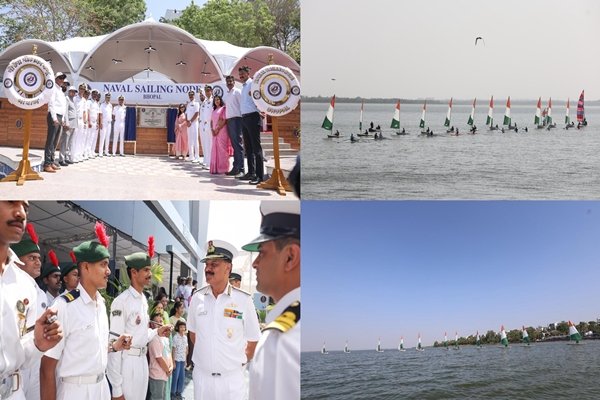
In a significant step towards promoting water sports, adventure training, and youth engagement, the Indian Navy recently inaugurated a premier Naval Sailing Node at the famous Bhojtal Upper Lake in Bhopal, Madhya Pradesh. The initiative reflects the Navy’s growing focus on strengthening sailing culture and encouraging maritime awareness even in inland regions of the country.

The newly established sailing facility has been developed as a modern training and recreational centre aimed at promoting sailing, watermanship, and leadership skills among naval personnel, NCC cadets, and young enthusiasts. According to officials, the node is equipped with advanced sailing infrastructure and training equipment that will support professional-level sailing activities and competitions.

The inauguration ceremony witnessed the presence of senior naval officers, state officials, NCC representatives, and sports enthusiasts. The Navy described the project as an important milestone in expanding adventure and water-based training opportunities beyond coastal areas. The scenic Upper Lake, one of Bhopal’s most iconic landmarks, has been identified as an ideal location because of its vast water spread and suitable sailing conditions.

The sailing node is expected to play an important role in nurturing interest in water sports among the youth. Apart from naval training activities, the centre will also help promote discipline, teamwork, physical fitness, and confidence-building through sailing programs and adventure initiatives. Officials noted that such activities contribute significantly to leadership development and personality growth among young participants.

The project also highlights the Indian Navy’s broader vision of increasing maritime consciousness across the country. Although Madhya Pradesh is a landlocked state, the establishment of a naval sailing facility in Bhopal demonstrates the Navy’s effort to connect citizens, especially students and youth, with maritime culture and adventure sports.

Upper Lake itself holds immense historical and environmental significance for Bhopal. Often referred to as the “lifeline of the city,” the lake attracts tourists, nature lovers, and water sports enthusiasts throughout the year. The addition of a premier sailing node is expected to further enhance the city’s profile as a destination for water-based sporting activities.

The initiative aligns with the government’s emphasis on promoting sports culture and youth participation in adventure activities under various national development and fitness programs. It also showcases how defence institutions can contribute beyond traditional security roles by supporting sports, skill development, and public engagement.

The inauguration of the Naval Sailing Node at Bhopal marks not just the expansion of sailing infrastructure, but also the strengthening of India’s growing sporting and maritime aspirations.

31 Global Honours for PM Modi: How International Recognition Reflects India’s Rising Global Influence

0

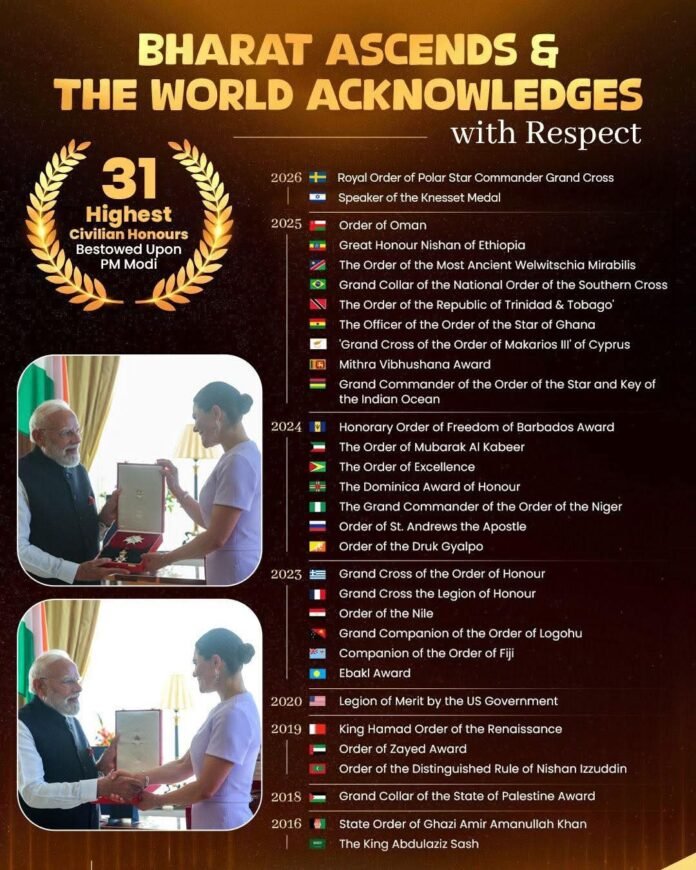
Prime Minister Narendra Modi has now received 31 international honours from countries across Asia, Europe, Africa, the Americas and the Pacific, following Sweden conferring upon him the prestigious “Royal Order of the Polar Star, Commander Grand Cross” during his visit to Gothenburg in May 2026. The honour, Sweden’s highest award for a foreign Head of Government, has once again drawn global attention to India’s expanding diplomatic influence and strategic importance on the world stage.

Since becoming Prime Minister in 2014, Modi has been awarded some of the highest civilian and state honours by several nations for strengthening bilateral relations, promoting global cooperation, advancing economic partnerships and contributing to international diplomacy. These honours are often presented during state visits and symbolize the growing geopolitical relevance of India in global affairs.

The journey began in 2016 when Saudi Arabia awarded PM Modi the “Order of King Abdulaziz,” followed by Afghanistan’s “State Order of Ghazi Amir Amanullah Khan.” In 2018, Palestine conferred upon him the “Grand Collar of the State of Palestine,” while the United Arab Emirates honoured him with the prestigious “Order of Zayed” in 2019. Bahrain and the Maldives also awarded him their top civilian honours the same year.

In 2020, the United States awarded PM Modi the “Legion of Merit,” recognizing his role in strengthening India-US strategic relations. Bhutan honoured him with the “Order of the Druk Gyalpo” in 2021, one of the kingdom’s highest civilian decorations.

The years 2023 to 2025 saw a remarkable series of recognitions from nations including France, Greece, Egypt, Fiji, Papua New Guinea, Guyana, Russia, Nigeria, Dominica, Barbados, Kuwait, Mauritius, Namibia, Brazil and Sri Lanka. France awarded him the “Grand Cross of the Legion of Honour,” while Greece conferred the “Grand Cross of the Order of Honour.” Egypt honoured him with the “Order of the Nile,” its highest state honour.

The latest honour from Sweden has taken the total tally to 31. According to Sweden’s government, the Royal Order of the Polar Star was awarded in recognition of PM Modi’s “visionary leadership” and his role in strengthening India-Sweden ties in innovation, green technology, defence and sustainable development.

Supporters of the Prime Minister view these honours as a reflection of India’s rising stature as a major global power and an increasingly trusted international partner. Analysts point out that many of these awards coincide with expanding economic cooperation, defence partnerships, energy agreements and technology collaborations between India and the awarding nations.

However, international honours have also sparked debate online and in political circles, with critics arguing that such recognitions are often ceremonial diplomatic gestures routinely offered to visiting world leaders. Discussions on social media platforms such as Reddit reflected both admiration and skepticism regarding the significance of these awards.

Nevertheless, the sheer geographical diversity of these honours — spanning Gulf nations, Western democracies, African countries and Pacific island states — highlights India’s expanding diplomatic footprint across regions. Whether viewed as symbolic recognition or strategic diplomacy, these awards collectively underline one undeniable reality: India today occupies a far more prominent place in global politics than it did a decade ago.

Jaipur Wax Museum at Nahargarh Fort Reinvents Itself with VR Films, Live Storytelling and Automated Sheesh Mahal Lighting

0

Perched high above the Pink City inside the historic walls of Nahargarh Fort, the Jaipur Wax Museum is preparing for a dramatic transformation. On the occasion of International Museum Day, the museum announced a series of ambitious upgrades designed to move beyond the traditional idea of a wax museum and create a fully immersive storytelling experience powered by Virtual Reality, cinematic presentations, live sets, and automated lighting technology.

The initiative reflects a growing shift in how museums engage modern audiences. Today’s visitors, museum officials believe, no longer wish to simply observe exhibits from a distance — they want to experience history emotionally, visually, and interactively.

According to Anoop Srivastava, the museum is now entering a new phase where wax statues will be accompanied by specially produced films, immersive soundscapes, and virtual storytelling designed to make historical figures and heritage narratives feel alive.

A Museum That Wants Visitors to ‘Feel’ History

Jaipur Wax Museum at Nahargarh Fort Reinvents Itself with VR Films, Live Storytelling and Automated Sheesh Mahal Lighting

Srivastava said the vision behind the upgrade emerged from changing tourist expectations. Visitors increasingly seek experiences that are sensory and emotionally engaging rather than static displays.

The museum’s new direction also aligns with Rajasthan’s broader tourism and heritage strategy under the leadership of Deputy Chief Minister Diya Kumari, who visited the museum last year. During that visit, the museum team pledged to integrate advanced technologies into the heritage attraction.

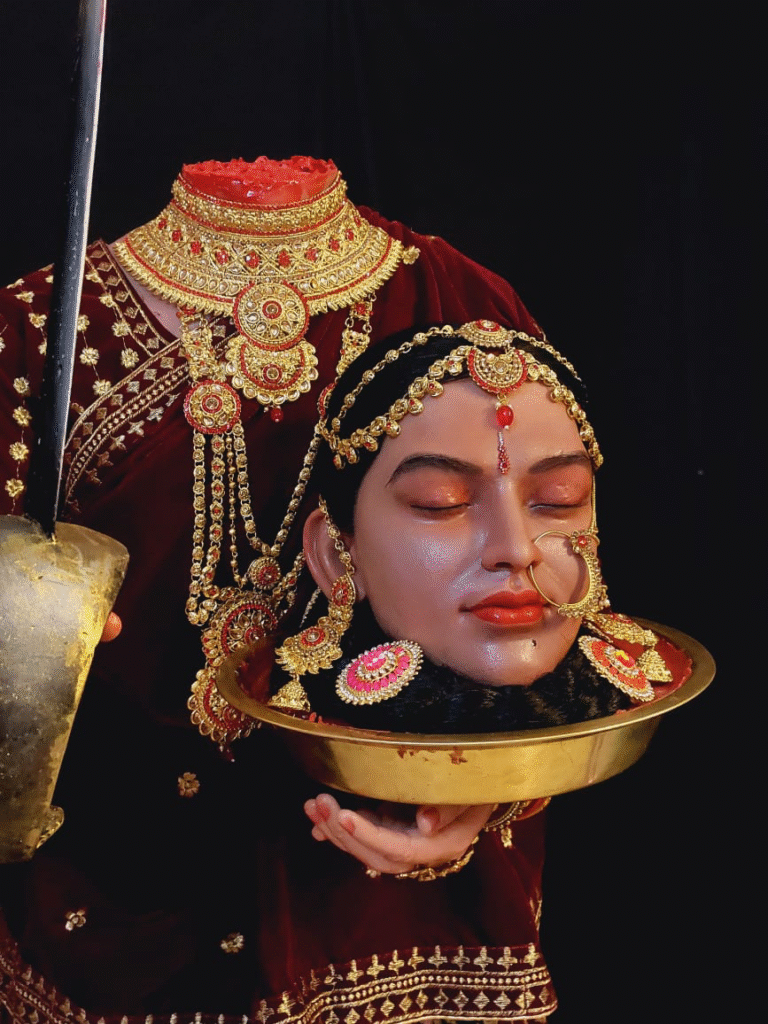
The first major project under this initiative centers on the legendary Rajput figure Hadi Rani, whose story of sacrifice and loyalty occupies a revered place in Rajasthan’s folklore.

A dedicated 10-minute cinematic presentation is being created specifically for her exhibit. Inside a specially designed 22-seat theater, visitors will not only view Hadi Rani’s wax statue but also experience her story through film, sound, and dramatic visual presentation. The production explores themes of courage, devotion, patriotism, and sacrifice, with post-production work currently underway in Mumbai.

Bringing Nahargarh Fort’s History to Life

The museum is also producing a separate historical film focused entirely on Nahargarh Fort itself — one of Jaipur’s most iconic hilltop landmarks.

The film will explore the fort’s construction history, the architectural vision behind it, and the challenges encountered during its development. It will also reference the contributions of Maharaja Sawai Jai Singh, who completed the fort, Maharaja Sawai Madho Singh, who later commissioned palace sections for his nine queens, and the legend associated with Nahar Singh, after whom the fort is believed to be named.

Museum authorities believe this narrative approach will help tourists better understand the fort as more than a scenic viewpoint — presenting it instead as a layered historical and cultural landmark.

In addition to these productions, VR-based films are being developed around select wax figures ahead of the upcoming tourist season. According to Srivastava, visitors are expected to witness the complete transformation by the first week of August.

India’s Only Wax Museum Inside a 300-Year-Old Fort

Jaipur Wax Museum at Nahargarh Fort Reinvents Itself with VR Films, Live Storytelling and Automated Sheesh Mahal Lighting

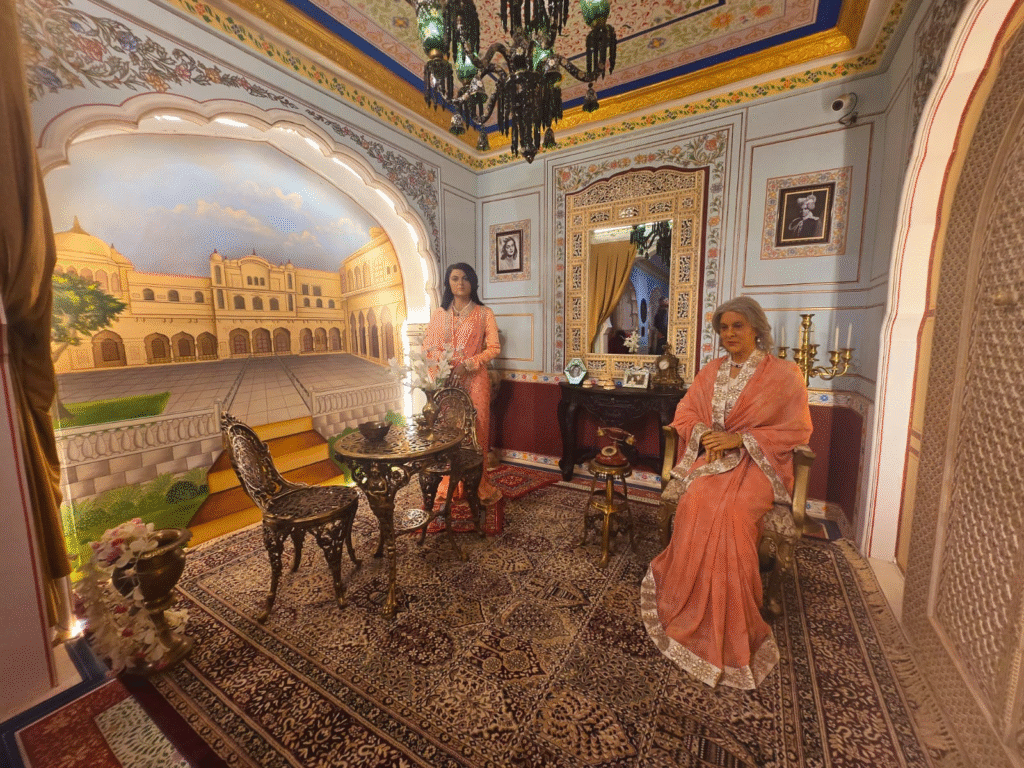
What sets the Jaipur Wax Museum apart, officials say, is its location and presentation style. Unlike conventional wax museums housed in modern buildings, this museum exists within a 300-year-old heritage fort, where wax figures are integrated into live sets, atmospheric lighting, sound effects, and narrative installations.

Among its most celebrated attractions are the “Royal Figures” gallery and the spectacular Sheesh Mahal, or Hall of Mirrors.

Jaipur Wax Museum at Nahargarh Fort Reinvents Itself with VR Films, Live Storytelling and Automated Sheesh Mahal Lighting

The Sheesh Mahal incorporates intricate Thikri mirror work crafted using more than 2.5 million pieces of glass along with the use of pure gold detailing. To further enhance the experience, the museum is now introducing an automated lighting system that will illuminate the hall through multiple dynamic visual effects, transforming how visitors interact with the space.

Outside the museum complex, colorful LED lighting installations are also being added to create a striking nighttime atmosphere for tourists visiting Nahargarh Fort after sunset.

As Jaipur continues to strengthen its reputation as a global heritage and tourism destination, the Jaipur Wax Museum appears determined to redefine what a museum experience can be — combining history, technology, cinema, architecture, and storytelling within the walls of one of Rajasthan’s most iconic forts.

PM Modi Conferred Sweden’s Prestigious ‘Royal Order of the Polar Star’, Marks 31st Global Honour

0

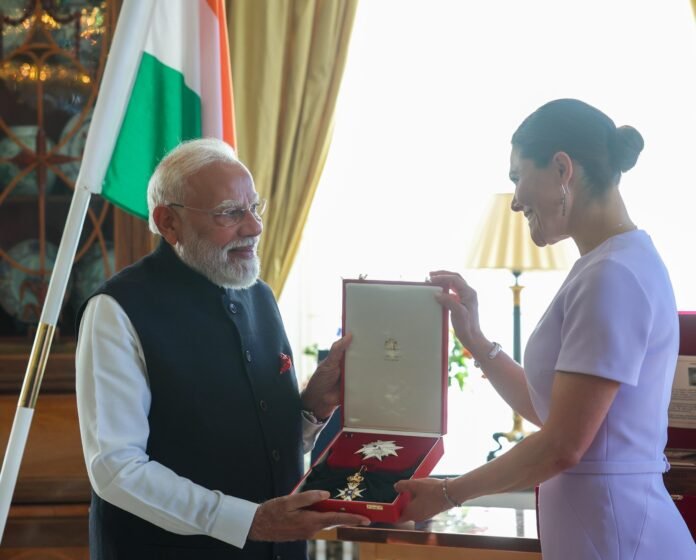
Prime Minister Narendra Modi was conferred Sweden’s prestigious “Royal Order of the Polar Star, Commander Grand Cross” during his official visit to Gothenburg, marking yet another major diplomatic milestone in India’s growing global stature. The award, regarded as Sweden’s highest honour bestowed upon a foreign Head of Government, was presented by Her Royal Highness Crown Princess Victoria in a special ceremony attended by Swedish Prime Minister Ulf Kristersson.

Instituted in 1748 by King Frederick I of Sweden, the Royal Order of the Polar Star is one of Sweden’s oldest and most distinguished honours. It is awarded to individuals for exceptional public service and contributions toward strengthening Sweden’s relations and international cooperation.

According to the Swedish government, the honour was conferred upon PM Modi in recognition of his role in strengthening India-Sweden ties and advancing cooperation between the two countries in areas such as innovation, green technology, trade, defence and sustainable development. The award also reflects the deepening India-Sweden Strategic Partnership, which gained further momentum during PM Modi’s ongoing Europe tour.

Speaking after receiving the award, PM Modi expressed gratitude to the Swedish Royal Family and the people of Sweden. He dedicated the honour to the people of India and to the enduring friendship between India and Sweden. The Prime Minister described the recognition as a reaffirmation of the historic ties, democratic values and people-to-people connections shared by the two nations.

The honour is particularly significant because PM Modi is reportedly the first Asian leader to receive the Royal Order of the Polar Star, Commander Grand Cross. The recognition also marks the 31st international honour conferred upon him by a foreign nation, highlighting India’s expanding diplomatic outreach and growing global influence under his leadership.

The award ceremony took place during PM Modi’s visit to Sweden as part of his ongoing five-nation diplomatic tour covering the UAE, the Netherlands, Sweden, Norway and Italy. During his Sweden visit, PM Modi held delegation-level talks with Swedish Prime Minister Ulf Kristersson, focusing on strengthening cooperation in artificial intelligence, green transition, defence, climate action, innovation, startups, resilient supply chains and emerging technologies.

The visit also carried symbolic cultural significance. Sweden presented PM Modi with reproductions of handwritten cards by Nobel laureate Rabindranath Tagore, reflecting the long-standing cultural and intellectual ties between India and Sweden.

Political leaders across India congratulated the Prime Minister on receiving the award, calling it a moment of national pride and a reflection of India’s rising prestige on the global stage.

PM Modi’s Netherlands Visit Marks Major Strategic Breakthrough in India-Europe Relations

0
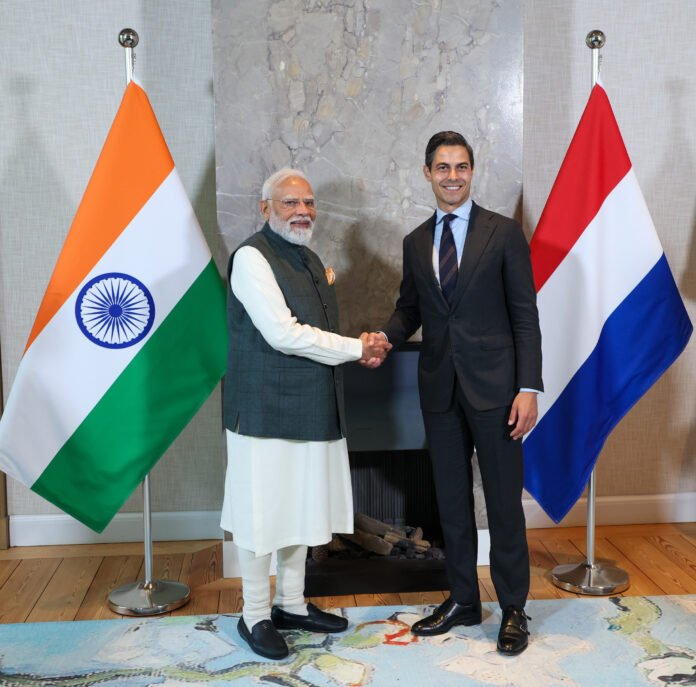
PM witnesses the exchange ceremony of the MoU between India and Netherlands, in Netherlands on May 16, 2026.

Prime Minister Narendra Modi’s visit to the Netherlands has emerged as one of the most significant diplomatic successes of his ongoing five-nation tour, with India and the Netherlands officially elevating their relationship to a “Strategic Partnership.” The two countries signed 17 major agreements and unveiled a comprehensive roadmap aimed at expanding cooperation across defence, semiconductors, green energy, critical technologies, trade and innovation.

During his visit to The Hague, PM Modi held extensive bilateral talks with Dutch Prime Minister Rob Jetten, focusing on strengthening collaboration in emerging and strategic sectors. Both leaders emphasized that India and the Netherlands share common democratic values, support for a rules-based international order and a commitment to sustainable development.

One of the biggest outcomes of the visit was the launch of the “India–Netherlands Strategic Partnership Roadmap,” which outlines cooperation in trade and investment, defence and security, clean energy, semiconductors, artificial intelligence, quantum computing, cyber security and space technology.

The agreements signed during the visit covered several key sectors. Both nations agreed to deepen cooperation in green hydrogen, renewable energy transition, water management, climate resilience and sustainable agriculture. A Joint Statement of Intent was also signed between NITI Aayog and Dutch authorities for collaboration in the energy sector and energy transition projects.

Defence and security cooperation featured prominently in the discussions. India and the Netherlands agreed to strengthen maritime security collaboration and defence partnerships amid growing global geopolitical uncertainties. Critical minerals and supply chain resilience were also discussed, reflecting Europe’s increasing interest in diversifying strategic partnerships with India.

Technology and semiconductor cooperation emerged as another major pillar of the visit. The Netherlands is home to some of the world’s leading semiconductor technology firms, and India is seeking stronger partnerships to support its expanding electronics and chip manufacturing ambitions under the “Make in India” initiative. Discussions also explored collaboration in artificial intelligence, digital innovation and research partnerships between universities and institutions from both countries.

PM Modi also highlighted the strong people-to-people ties between the two countries and praised the Indian diaspora in the Netherlands for contributing to bilateral relations. The leaders discussed ways to increase mobility for students, researchers, skilled professionals and businesses.

The Ministry of External Affairs described the visit as “highly successful,” noting that the outcomes would provide “new momentum” to India-Netherlands ties. PM Modi himself stated that the agreements and initiatives signed during the visit would give “unparalleled momentum” to the growing partnership between the two countries.

Analysts believe the visit has strategic significance far beyond bilateral ties. At a time of shifting global supply chains and geopolitical realignments, the Netherlands is increasingly viewing India as a trusted economic and strategic partner in the Indo-Pacific region. For India, the strengthened partnership opens new opportunities in advanced technology, green energy, defence cooperation and access to European markets.

World AIDS Vaccine Day: Renewing Hope in the Fight Against HIV/AIDS

0

World AIDS Vaccine Day is observed every year on May 18 to raise awareness about the urgent need for a safe and effective vaccine against HIV/AIDS. The day also honours the scientists, healthcare workers, researchers, volunteers, and community members who have dedicated their efforts to combating one of the world’s most serious public health challenges.

The observance traces its origins to a speech delivered by former U.S. President Bill Clinton on May 18, 1997, at Morgan State University. In his speech, he emphasised the importance of developing an AIDS vaccine and called upon the scientific community and global leaders to work together toward this goal. Since then, May 18 has been recognised globally as World AIDS Vaccine Day, also known as HIV Vaccine Awareness Day.

HIV, or Human Immunodeficiency Virus, attacks the body’s immune system and can lead to AIDS (Acquired Immunodeficiency Syndrome) if left untreated. Since the beginning of the epidemic in the 1980s, millions of people worldwide have lost their lives due to AIDS-related illnesses. Although significant medical advancements have improved treatment through antiretroviral therapy (ART), there is still no complete cure or universally effective vaccine for HIV.

World AIDS Vaccine Day highlights the importance of continued scientific research and public awareness. Developing a vaccine for HIV has proven especially difficult because the virus mutates rapidly and attacks the immune system itself. However, researchers across the globe continue to make progress through clinical trials, innovative technologies, and international collaboration.

The day also serves as an opportunity to educate people about HIV prevention, testing, and treatment while challenging the stigma and discrimination often faced by people living with HIV/AIDS. Awareness campaigns, seminars, health programs, and community outreach events are organised worldwide to encourage empathy, understanding, and support.

In countries like India, where HIV awareness campaigns have significantly improved over the years, organisations continue to work toward prevention, early diagnosis, and affordable treatment. Public health experts stress that education and awareness remain crucial tools in reducing new infections and combating misinformation.

World AIDS Vaccine Day is not only about scientific progress but also about hope and resilience. It reminds the world that ending the HIV/AIDS epidemic requires global cooperation, investment in research, and compassion toward affected communities.

As researchers continue their search for an effective vaccine, the day stands as a tribute to human determination and the collective fight against HIV/AIDS. It reinforces the belief that through science, awareness, and unity, a future free from AIDS is possible.