Home Blog Page 6

Indian Army Develops AI Platforms ‘Kautilya’ and ‘Q-FORCE’ to Boost Command and Logistics Operations

0

The Indian Army has developed two Artificial Intelligence-driven digital platforms—Kautilya and Q-FORCE—in a significant step toward modernising military operations through data-driven and AI-enabled systems.

The platforms, introduced in 2026, are designed to strengthen command intelligence, logistics management, and operational readiness as part of the Army’s broader push toward network-centric warfare and digital integration.

Indian Army Develops AI Platforms ‘Kautilya’ and ‘Q-FORCE’ to Boost Command and Logistics Operations

Kautilya to Enhance Command Intelligence

Kautilya has been developed as an AI-powered command intelligence platform aimed at improving decision-making and operational coordination.

The system uses AI-enabled dashboards and Natural Language Processing (NLP)-based interfaces to generate structured data, analytics, and decision-support inputs. It processes information related to personnel, equipment, weapons, training, logistics, rations, and operational preparedness.

The platform also supports tablet-based data entry and functions as an AI co-pilot for both administrative and operational tasks, enabling faster and more informed command-level decisions.

Q-FORCE Focuses on Logistics and Sustainment

Alongside Kautilya, the Army has introduced Q-FORCE, an integrated digital application designed to streamline logistics and sustainment operations.

The system integrates multiple logistics and inventory management platforms to improve supply chain coordination, inventory handling, and operational sustainment across diverse terrain and mission environments.

Military planners view efficient logistics and sustainment as essential components of battlefield readiness, making Q-FORCE a key support tool for future operations.

Part of Army’s AI Integration Drive

The development of both platforms forms part of the Indian Army’s larger Artificial Intelligence adoption strategy.

The Army has described 2026 as a year focused on networking and data centricity, with plans for deeper AI integration into military operations by 2027.

Earlier AI deployment during Operation Sindoor reportedly involved 23 applications, including ECAS and TRINETRA, under Project SANJAY, which is associated with digital integration and technology-enabled military systems.

Push Toward Technology-Driven Warfare

Artificial Intelligence is increasingly being integrated into defence systems worldwide to support data analysis, pattern recognition, predictive planning, and decision support.

With the launch of Kautilya and Q-FORCE, the Indian Army is seeking to enhance command efficiency, logistics management, and overall operational effectiveness through advanced digital technologies.
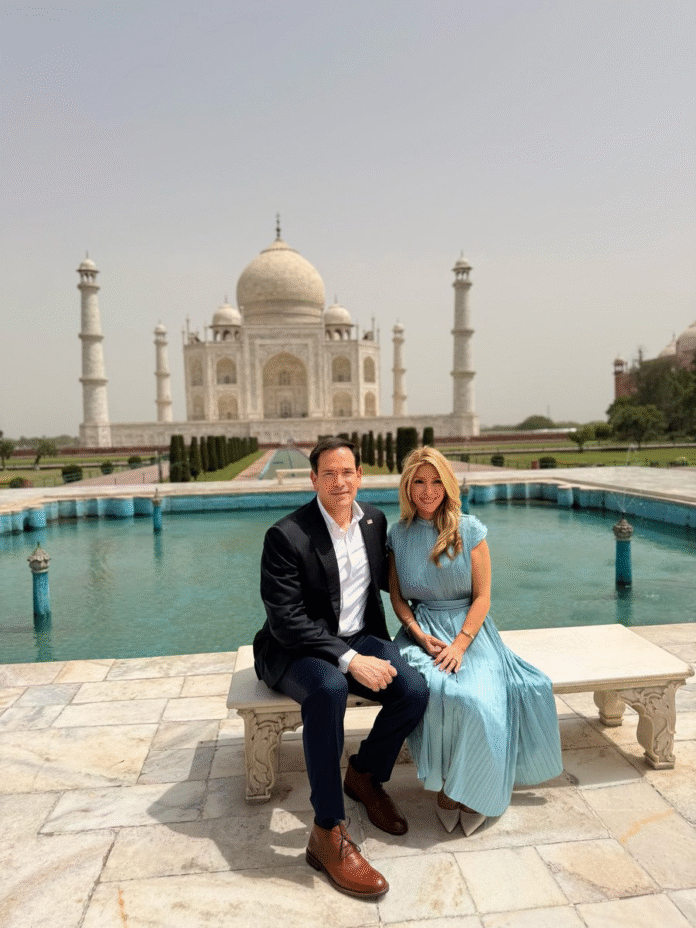
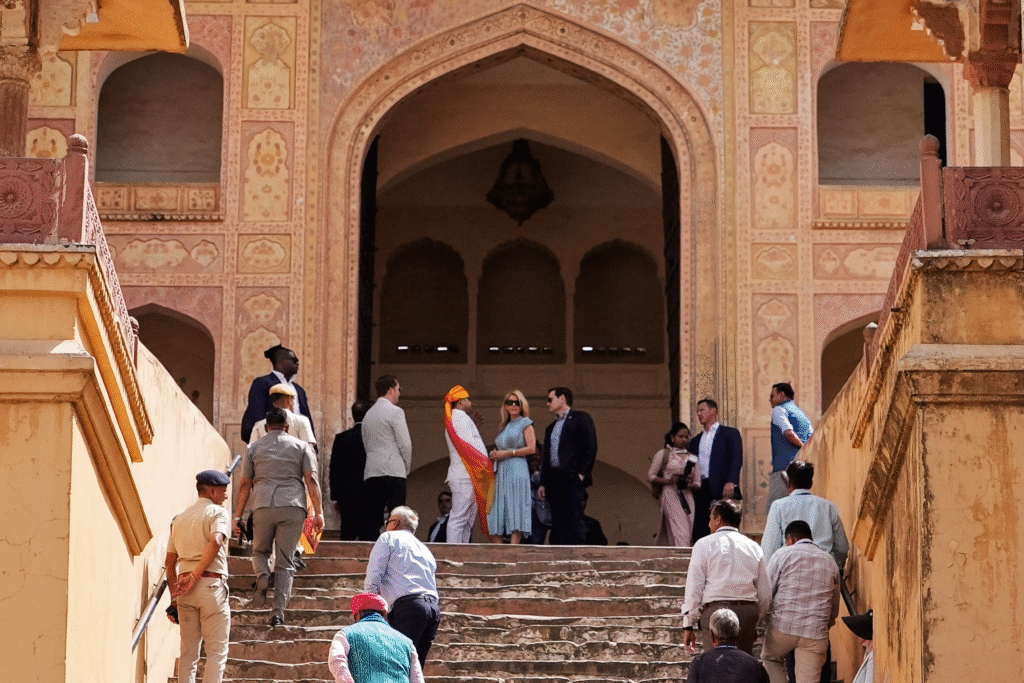
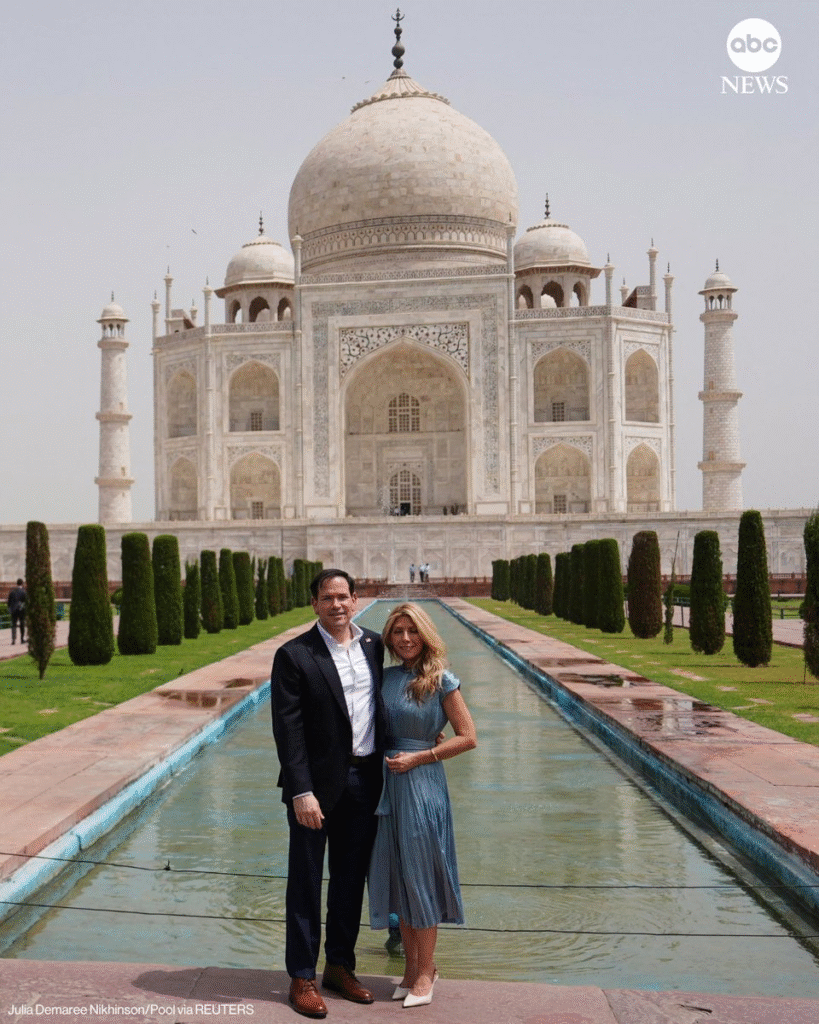
In Pics: Rubio and Wife Tour Taj Mahal and Amber Fort on India Trip.

0

US Secretary of State Marco Rubio and his wife Jeanette visited India’s Taj Mahal in Agra and Amber Fort in Jaipur on Monday, capping the third day of his first official trip from May 23 to 26. They received a traditional Rajasthani welcome at the fort with elephant greetings, Ghoomar and Kalbeliya dances, and drummers, while earlier meetings with Prime Minister Narendra Modi and External Affairs Minister S. Jaishankar covered defense, trade, energy, and Quad cooperation. The cultural stops highlighted efforts to strengthen US-India ties amid tensions over tariffs, immigration, and regional outreach, with a Quad foreign ministers’ meeting planned for Tuesday in New Delhi.

In Pics: Rubio and Wife Tour Taj Mahal and Amber Fort on India Trip.

China Launches Shenzhou-23 Mission in Major Step Toward Human Moon Landing Goal

0

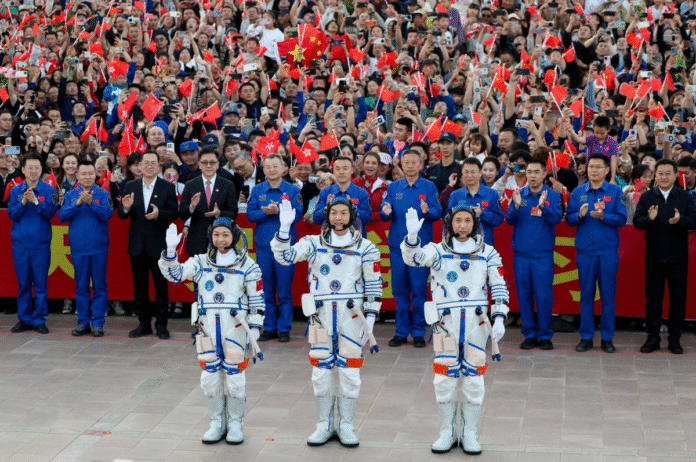
China has launched the three-member Shenzhou-23 space mission in a significant milestone toward its ambitious goal of sending humans to the Moon by 2030.

The spacecraft lifted off aboard a Long March 2-F rocket from the Jiuquan Satellite Launch Centre in north-western China on May 24 and successfully docked with the Tiangong space station nearly 3.5 hours later on May 25.

Three-Member Crew Begins Tiangong Mission

The Shenzhou-23 crew includes space engineer Zhu Yangzhu, former air force pilot Zhang Zhiyuan, and Lai Ka-ying, a former Hong Kong police officer who has become the first astronaut from Hong Kong to travel to space.

The astronauts will carry out scientific experiments and support station operations aboard Tiangong. One crew member is scheduled to remain in orbit for a full year to study the long-term impact of microgravity on the human body.

Tiangong Central to China’s Space Ambitions

Tiangong, China’s modular space station, has become a cornerstone of the country’s long-duration human spaceflight programme.

The Shenzhou-23 mission will conduct research across life sciences, materials science, medicine, and fluid physics, further strengthening China’s capabilities in human space exploration and orbital research.

Part of China’s Roadmap to the Moon

The mission is being viewed as a major development within China’s broader lunar programme, which aims to land astronauts on the Moon by 2030.

A central component of that strategy is the Mengzhou spacecraft, scheduled for an orbital test flight in 2026. Designed as the successor to the Shenzhou series, Mengzhou is expected to support future lunar missions and deepen China’s human exploration capabilities.

China is also advancing plans for the International Lunar Research Station, envisioned as a manned scientific base, with the first phase targeted for completion by 2035.

Expanding Global Role in Human Spaceflight

China has signaled growing international ambitions in space cooperation as well. The country plans to host its first foreign astronaut from Pakistan aboard the Tiangong station by the end of 2026.

With Shenzhou-23, China continues to expand its human spaceflight programme while moving steadily toward its long-term objective of establishing a sustained human presence beyond Earth—including the Moon.

Marco Rubio’s India Visit: From Strategic Talks in Delhi to a Cultural Stop in Jaipur

0

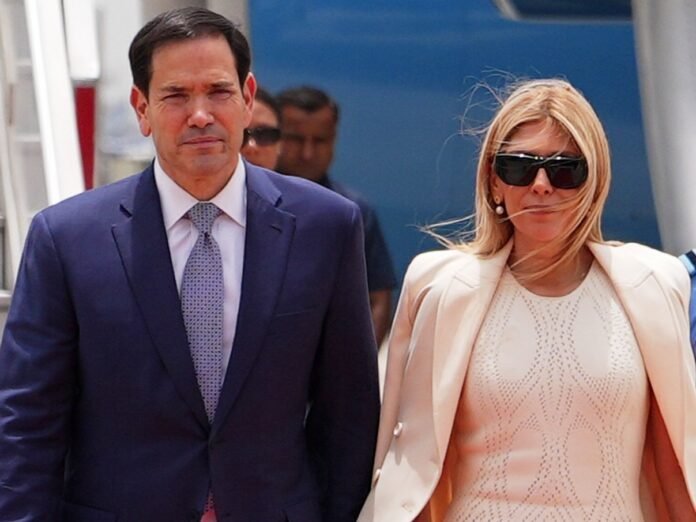
Senior American leader Marco Rubio is on a high-profile visit to India, underlining the growing strength of India-US relations at a time of shifting global geopolitics. After crucial meetings in New Delhi with Prime Minister Narendra Modi and External Affairs Minister S. Jaishankar, Rubio is visiting Jaipur today, adding a cultural dimension to a tour largely centred on diplomacy, trade, technology, defence cooperation and Indo-Pacific security.

Rubio’s India visit comes amid renewed momentum in India-US ties under the leadership of US President Donald Trump and Prime Minister Modi. During his meetings in Delhi, Rubio reportedly described India as a “cornerstone” of America’s Indo-Pacific strategy and emphasised Washington’s commitment to deeper strategic engagement with New Delhi. Discussions focused on defence collaboration, emerging technologies, supply chains, counter-terrorism cooperation and regional stability in the Indo-Pacific. Reports also indicated that Rubio conveyed an invitation from the White House to Prime Minister Modi.

A major highlight during the visit has been the announcement linked to a new “America First Visa” initiative aimed at strengthening mobility for key strategic partners, including India. The development is being viewed as an attempt to deepen people-to-people and professional ties between the two democracies.

Today’s visit to Jaipur reflects the soft-power side of diplomacy. The Rajasthan capital, known for its royal heritage, forts, palaces and vibrant culture, has long been a preferred destination for global dignitaries visiting India. Rubio’s stop in Jaipur is expected to include cultural engagements and interactions showcasing India’s traditional heritage alongside its modern global aspirations.

This is not Rubio’s first engagement with India. Over the years, he has consistently advocated stronger India-US relations and has frequently spoken about India’s growing role in global affairs. As a senior Republican voice on foreign policy and national security, Rubio has often pushed for closer defence and economic cooperation with New Delhi, especially in the context of balancing China’s growing influence in Asia.

Born in 1971 in Miami, Rubio is the son of Cuban immigrants who came to the United States seeking better opportunities. His personal story — rising from a working-class immigrant family to becoming one of America’s most influential political leaders — has shaped much of his political identity. Before entering national politics, Rubio served in the Florida House of Representatives and later became a US Senator from Florida. He also briefly contested the Republican presidential nomination in 2016 before emerging as a key foreign policy voice within the party.

Rubio is married to Jeanette Rubio, a former cheerleader and banker, and the couple has four children. He is widely known in American politics for his strong positions on foreign affairs, China policy, immigration and national security.

His India visit is being closely watched internationally because it signals continuity in the strategic convergence between Washington and New Delhi despite changing political equations globally. From high-level diplomatic discussions in Delhi to cultural outreach in Jaipur, Rubio’s tour highlights how India-US relations today extend far beyond traditional diplomacy — spanning security, technology, trade, education and cultural understanding.

As Jaipur welcomes the American leader today, the visit stands as another reminder of India’s increasingly central role in shaping the global strategic landscape.

Gurindervir Singh Breaks National 100m Record, Surpasses Milkha Singh to Become India’s Fastest Man

0

Indian athletics has found a new speed icon in Gurindervir Singh. The Punjab-born sprinter stunned the nation after clocking an extraordinary 10.09 seconds in the men’s 100 metres at the Federation Cup 2026 in Ranchi, rewriting the Indian national record books and becoming the fastest Indian ever over the distance.

With this breathtaking run, Gurindervir bettered his own previous national record of 10.20 seconds and became the first Indian athlete to breach the 10.10-second barrier in the blue-riband event. More importantly, he surpassed the legendary Milkha Singh in Indian sprinting history. While Milkha Singh’s iconic achievements came largely in the 200m and 400m events, Gurindervir’s feat marked a symbolic passing of the baton in Indian athletics, with many calling him the country’s new sprint king.

The gold-medal-winning sprint instantly sparked excitement across the Indian sporting community and drew comparisons with some of the world’s elite sprinters. The historic feat came during a remarkable evening for Indian athletics, where multiple national records tumbled within a short span. Yet it was Gurindervir’s explosive acceleration and flawless finish that stole the spotlight.

According to reports, the achievement was not just about speed but also about resilience and self-belief. Over the past year, the sprinter had battled criticism, inconsistency, and doubts regarding whether he could recreate his earlier form. In interviews after the race, Gurindervir revealed how hurtful comments and criticism affected him mentally, but instead of giving up, he used them as motivation. He credited disciplined training, improved technique, and guidance from his coaching team for helping him achieve the milestone.

Hailing from Punjab, Gurindervir’s rise is also symbolic of the growing sprint culture in India. His success has inspired young athletes who dream of competing on the global stage in an event traditionally dominated by athletes from sprinting powerhouses. The Indian Navy, where Gurindervir serves as a petty officer, also celebrated his achievement, proudly calling him the “fastest man in India.”

The emotional side of the triumph was equally touching. Soon after the race, Gurindervir reportedly called his mother and asked, “Mummy, did you see the race?” — a moment that reflected the years of sacrifice and support behind the historic performance.

His record-breaking sprint has now raised hopes for Indian athletics ahead of major international competitions, including the Asian Games and the Olympics. Experts believe that if Gurindervir continues on this trajectory, he could become a serious contender at the continental level and help India gain recognition in global sprinting events.

At a time when Indian athletics is witnessing rapid progress, Gurindervir Singh’s 10.09-second sprint is more than just a record — it is a statement. It signals that Indian sprinting is entering a new era, driven by athletes who are fearless, determined, and ready to challenge long-standing limits once associated with legends like Milkha Singh.

World Football Day: Celebrating the World’s Most Popular Sport

0

Football is more than just a game — it is a global language that unites people across countries, cultures and generations. From crowded streets in Brazil and stadiums in Europe to village grounds in Africa and growing fan communities in India, football continues to inspire passion unlike any other sport. World Football Day celebrates this universal love for the game and recognises football’s extraordinary influence on society, culture and international unity.

Football traces its modern origins to 19th-century England, where the rules of the sport were formally standardised. Over time, the game spread rapidly across continents through trade, colonial influence and international competitions. Today, football is played and watched by billions of people worldwide, making it the most popular sport on the planet.

One of the biggest reasons behind football’s popularity is its simplicity. All that is needed is a ball and an open space. Whether played professionally in packed stadiums or casually on streets and school grounds, the sport creates excitement and belonging everywhere.

The FIFA World Cup remains the largest and most-watched sporting event globally, bringing nations together through shared emotion and competition. Legendary players such as Pelé, Diego Maradona, Lionel Messi and Cristiano Ronaldo have transformed football into a worldwide cultural phenomenon, inspiring millions of young athletes.

Football Beyond the Stadium

Football’s impact goes far beyond entertainment. The sport promotes teamwork, discipline, physical fitness and resilience. It has also become a powerful tool for social change. Across the world, football programmes are used to encourage education, gender equality, youth empowerment and peace-building in conflict-affected regions.

Women’s football has also witnessed remarkable growth in recent years. International tournaments and professional leagues have significantly increased the visibility and popularity of women athletes, helping challenge stereotypes and expand opportunities in sports.

Football in India

Although cricket remains India’s most dominant sport, football has steadily gained popularity across the country. States such as West Bengal, Kerala, Goa, Manipur and Mizoram have strong football traditions and passionate fan bases. The Indian Super League (ISL) and growing grassroots programmes have further boosted interest among young players and audiences.

India’s historic victory in the 1951 and 1962 Asian Games football competitions remains an important chapter in the country’s sporting history. In recent years, increasing investment in youth development and infrastructure has renewed hopes for Indian football on the global stage.

A Game That Unites the World

Perhaps football’s greatest strength lies in its ability to connect people beyond language, politics or borders. A single match can unite millions in celebration, heartbreak and hope. In refugee camps, school playgrounds, local communities and international arenas alike, football continues to create shared human experiences.

World Football Day is ultimately a celebration of that spirit — the joy of the game, the dreams it inspires and the extraordinary power of sport to bring the world together.

Ganga Dussehra 2026: Celebrating the Sacred Descent of the River Ganga

0

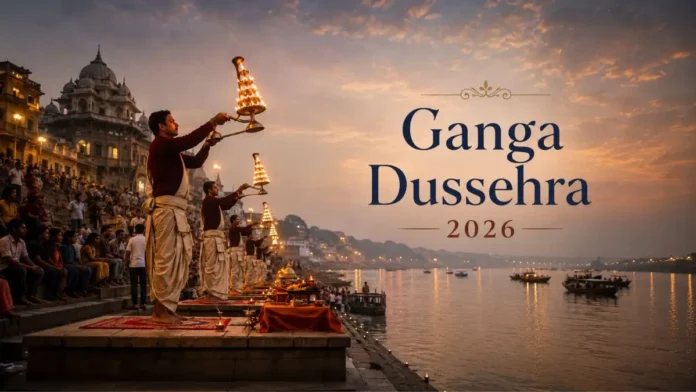
Ganga Dussehra is one of the most spiritually significant festivals in Hindu tradition, celebrated to mark the divine descent of the holy river Ganga from heaven to Earth. Observed on the Dashami Tithi of Shukla Paksha in the Hindu month of Jyeshtha, the festival holds deep religious importance for millions of devotees across India. In 2026, Ganga Dussehra will be celebrated on May 26. It is believed that bathing in the sacred waters of the Ganga on this day helps cleanse a person of sins and brings spiritual purification.

The Story Behind Ganga Dussehra

According to Hindu mythology, King Bhagirath performed intense penance to bring the river Ganga down from heaven to Earth in order to liberate the souls of his ancestors. Pleased by his devotion, Goddess Ganga agreed to descend. However, her immense force threatened to destroy the Earth. Lord Shiva then captured the powerful river in his matted locks and gently released her streams onto Earth, allowing humanity to benefit from her sacred waters.

Because of King Bhagirath’s efforts, the river is also sometimes referred to as Bhagirathi. The festival symbolises devotion, purification and the victory of faith and perseverance.

Spiritual Significance

The word “Dussehra” in Ganga Dussehra is associated with the belief that ten kinds of sins or negative energies are washed away through prayers, charity and holy bathing on this day. Devotees believe that worshipping the river Ganga brings peace, prosperity and liberation from past karmas.

The Ganga is not merely considered a river in Indian culture but a living goddess and a symbol of life, purity and spiritual continuity. Cities located on the banks of the river — including Haridwar, Varanasi, Prayagraj and Rishikesh — witness massive gatherings of devotees during the festival.

Muhurat and Rituals in 2026

According to traditional Hindu calendars, the Dashami Tithi for Ganga Dussehra in 2026 begins on the evening of May 25 and continues through May 26. Devotees usually perform rituals during the early morning hours and auspicious bathing periods.

People wake up before sunrise and take a holy dip in the Ganga or nearby rivers. Offerings of flowers, diyas, milk and prayers are made to the river goddess. Many devotees also perform Ganga Aarti, chant sacred hymns and donate food, clothes and water to the needy.

How the Festival is Celebrated

The most vibrant celebrations take place along the ghats of Varanasi, Haridwar and Rishikesh, where temples and riverbanks are illuminated with lamps and devotional songs fill the atmosphere. Thousands gather for evening aartis, creating a spiritually powerful sight.

Even those unable to visit the Ganga often observe the festival by worshipping water at home and remembering the river’s sacred significance.

Ganga Dussehra is ultimately a celebration of faith, purification and gratitude toward nature. In a rapidly modernising world, the festival also reminds people of the cultural and ecological importance of rivers — not only as sacred entities, but as lifelines that sustain civilisation itself.

International Plastic Free Day: Rethinking Our Dependence on Plastic

0

Plastic has become one of the most widely used materials in modern life. From water bottles and food packaging to shopping bags and household products, it is everywhere. Yet the same convenience that made plastic indispensable has also turned it into one of the world’s biggest environmental threats. International Plastic Free Day serves as a global reminder of the urgent need to reduce plastic waste and adopt more sustainable lifestyles.

Every year, millions of tonnes of plastic waste enter oceans, rivers and landfills. Unlike natural materials, plastic does not decompose easily and can remain in the environment for hundreds of years. Single-use plastics — such as disposable bottles, straws, cups and carry bags — are among the largest contributors to pollution worldwide.

The impact of plastic pollution extends far beyond visible waste. Marine animals often mistake plastic for food, leading to injury, starvation and death. Tiny plastic particles known as microplastics have also entered soil, water and even the human food chain, raising growing concerns among scientists and health experts.

India, like many countries, faces a major challenge in managing plastic waste due to rapid urbanisation and rising consumption. However, awareness around sustainable living has also increased significantly in recent years. Many cities and states have imposed restrictions on single-use plastics, while environmental groups, schools and local communities continue to organise awareness drives and clean-up campaigns.

The idea behind International Plastic Free Day is not merely to stop using plastic for a single day, but to encourage long-term behavioural change. Small actions can collectively make a major difference. Carrying reusable cloth bags, using steel or glass bottles, avoiding disposable cutlery and choosing eco-friendly packaging are simple yet effective ways to reduce plastic dependence.

Businesses and industries also play a crucial role. Sustainable packaging, recycling systems and environmentally responsible production practices are becoming increasingly important as consumers demand greener alternatives. At the same time, governments across the world are strengthening policies aimed at waste management and plastic reduction.

Environmentalists emphasise that recycling alone cannot solve the crisis. Reducing unnecessary consumption and rethinking modern lifestyle habits are equally essential. The movement toward a plastic-free future is ultimately about balancing human convenience with environmental responsibility.

International Plastic Free Day reminds us that protecting the planet is a shared responsibility. The choices made in everyday life — however small they may seem — shape the future of oceans, wildlife, ecosystems and human health. In a world overwhelmed by plastic waste, choosing sustainability is no longer just an environmental option; it is becoming a necessity.

World Thyroid Day 2026: Understanding the Silent Gland That Controls the Body

0

Every year on May 25, World Thyroid Day is observed to spread awareness about thyroid health and the growing number of thyroid-related disorders affecting millions worldwide. Despite being a small butterfly-shaped gland located in the neck, the thyroid plays a crucial role in controlling metabolism, energy levels, heart rate, body temperature and overall hormonal balance. Yet, thyroid disorders often remain undiagnosed because their symptoms are easily mistaken for stress, fatigue or lifestyle-related issues.

What Does the Thyroid Gland Do?

The thyroid gland produces hormones called T3 (triiodothyronine) and T4 (thyroxine), which regulate how the body uses energy. These hormones influence almost every organ system, including the brain, heart, muscles and digestive system. Even slight imbalances in thyroid hormone production can significantly affect physical and mental health.

Common Thyroid Disorders

The two most common thyroid conditions are hypothyroidism and hyperthyroidism.

Hypothyroidism occurs when the thyroid becomes underactive and produces insufficient hormones. Symptoms may include fatigue, weight gain, hair fall, dry skin, depression and sensitivity to cold.

Hyperthyroidism happens when the gland becomes overactive, leading to rapid heartbeat, weight loss, anxiety, sweating and irritability.


Other thyroid conditions include goitre, thyroid nodules and thyroid cancer.

Why Thyroid Awareness Matters

Experts estimate that millions of people, especially women, suffer from thyroid disorders globally. In India, thyroid problems are particularly common due to factors such as iodine deficiency, hormonal changes, autoimmune disorders and lifestyle stress. Women are significantly more likely than men to develop thyroid conditions, especially during pregnancy, menopause or after childbirth.

One major challenge is that thyroid disorders are often called “silent diseases” because symptoms develop gradually and are frequently ignored. Timely diagnosis through blood tests such as TSH, T3 and T4 levels can help prevent complications.

Maintaining Thyroid Health

A balanced diet rich in iodine, selenium and zinc supports healthy thyroid function. Foods such as iodised salt, seafood, dairy products, eggs and nuts can help maintain hormonal balance. Regular exercise, stress management and adequate sleep are also important for endocrine health.

Doctors advise against self-medication or relying solely on internet trends for hormone-related conditions. Proper medical guidance and regular monitoring are essential for treatment.

More Than Just a Health Condition

World Thyroid Day serves as an important reminder that hormonal health should not be neglected. As modern lifestyles become increasingly stressful and sedentary, awareness around thyroid disorders has become more relevant than ever.

Early detection, regular check-ups and informed healthcare can greatly improve quality of life for people living with thyroid conditions. Sometimes, understanding a small gland can make a big difference to overall well-being.

Buried for Centuries, the Temple of Khnum Still Whispers the Secrets of Ancient Egyp

0

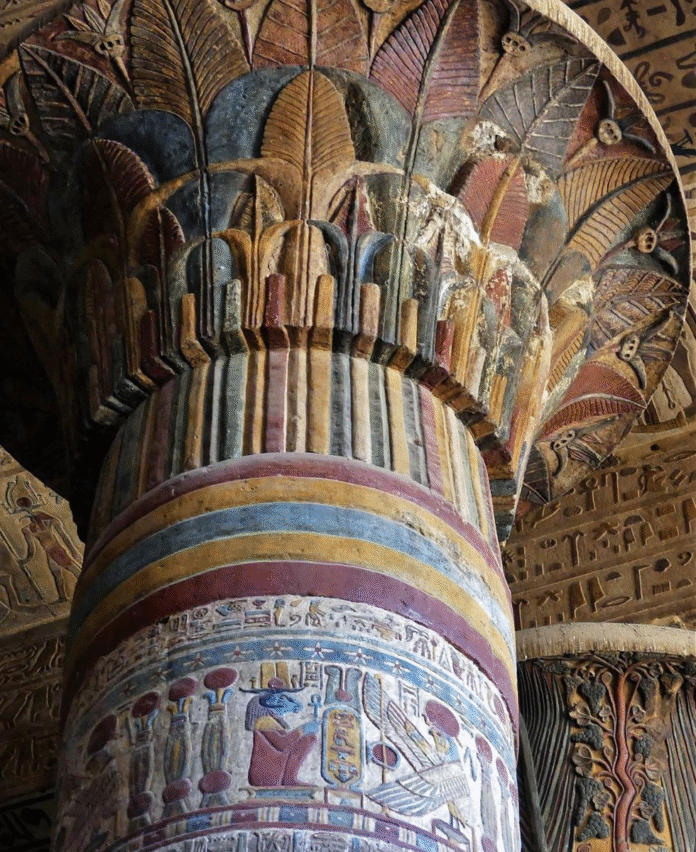
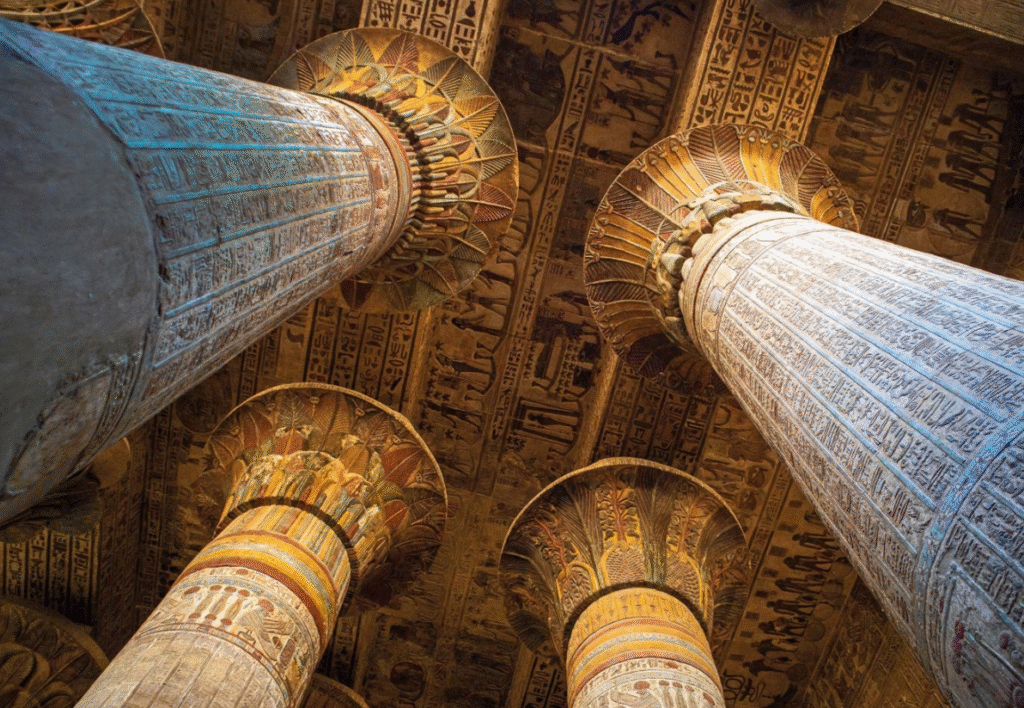
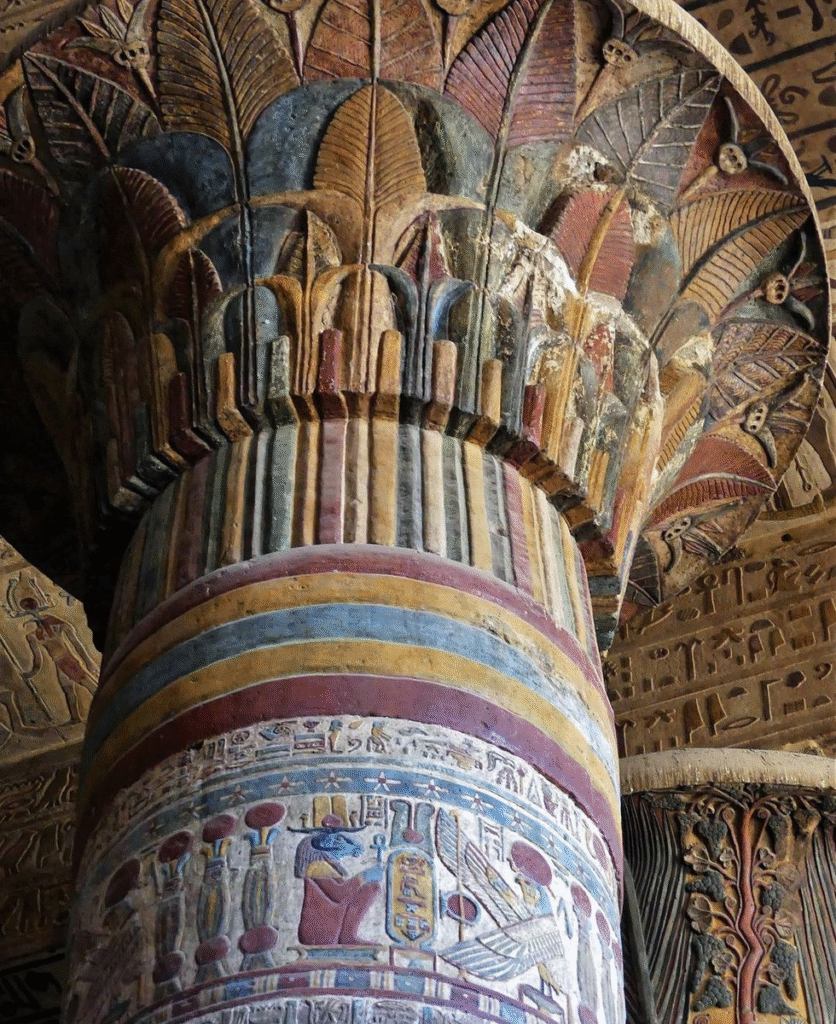
Hidden beneath layers of sand and silence for nearly 1,500 years, the Temple of Khnum at Esna rises today like a forgotten relic from another age. Sunlight now spills across its towering engraved columns, illuminating stories of gods, emperors, and civilizations that once met on the fertile banks of the Nile. Partially unearthed from a 9-metre-deep pit in southern Egypt, this remarkable Greco-Roman sanctuary is more than just an ancient temple, it is a striking symbol of cultural fusion, spiritual devotion, and artistic brilliance.

Dedicated to Khnum, the ram-headed god believed to have moulded humanity on a potter’s wheel, the temple was originally commissioned during the reign of Ptolemy VI Philometor. Later, Roman rulers expanded the structure, adding the magnificent hypostyle hall that remains the only excavated section open to visitors today.

Approaching the temple feels almost theatrical. Descending into the excavated pit, travellers find the sandstone structure standing majestically in the middle like a layered wedding cake carved out of time itself. A central doorway opens into a grand vestibule supported by 18 elaborately decorated columns, each one uniquely crowned with capitals shaped like lotus buds, papyrus fans, palm leaves, and even bunches of grapes, a distinctly Roman artistic touch rarely seen in traditional Egyptian temples.

The ceiling above is equally captivating. Astronomical scenes stretch across the roof, while hieroglyphic inscriptions narrate sacred rituals and hymns dedicated to Khnum. Along the walls, Roman emperors appear dressed as Egyptian pharaohs, presenting offerings to local gods in an extraordinary display of political adaptation and religious diplomacy.

One particularly fascinating engraving depicts Commodus hunting fish in a papyrus marsh before presenting his catch to Khnum. It is an image that perfectly captures the temple’s unusual blend of Roman imperial imagery and Egyptian spirituality.

Buried for Centuries, the Temple of Khnum Still Whispers the Secrets of Ancient Egyp

Yet the Temple of Khnum’s most compelling story lies not in its architecture, but in its message of inclusion. The Ptolemaic Greeks and later the Romans sought acceptance among Egyptians by embracing local beliefs, and nowhere is that effort more beautifully preserved than here. Two sacred hymns carved near the entrance celebrate Khnum not only as the creator of Egyptians, but of all humanity — including foreigners.

One inscription reads:

“All are formed on his potter’s wheel, their speech different in every region but the lord of the wheel is their father too.”

For a temple built more than two millennia ago, the sentiment feels surprisingly modern.

The ancient city of Esna itself later became known for its Nile barrage bridges constructed by the British in 1906 and the modern “Electricity Bridge” built in the 1990s. Today, the town serves as a peaceful stop along many Nile cruise routes, with travellers often taking half-day excursions to explore the temple’s extraordinary remains.

Buried for Centuries, the Temple of Khnum Still Whispers the Secrets of Ancient Egyp

Unlike many major archaeological sites in Egypt, the Temple of Khnum offers a quieter, more intimate experience. Photography is allowed without additional fees, making it a paradise for history lovers and photographers alike. Visitors can purchase tickets near the Nile docking point before walking through Esna’s bustling shopping street toward the temple entrance , a journey that feels like travelling between centuries in just a few minutes.

Whether approached from a luxury Nile cruise or a road trip from Luxor, the Temple of Khnum rewards visitors with something increasingly rare in modern travel: the feeling of discovering a hidden world still echoing with the voices of the ancient past.