

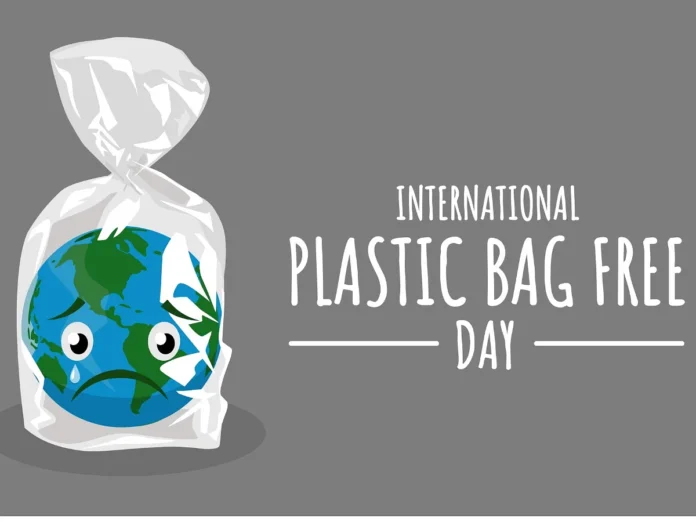
Plastic has become one of the most widely used materials in modern life. From water bottles and food packaging to shopping bags and household products, it is everywhere. Yet the same convenience that made plastic indispensable has also turned it into one of the world’s biggest environmental threats. International Plastic Free Day serves as a global reminder of the urgent need to reduce plastic waste and adopt more sustainable lifestyles.
Every year, millions of tonnes of plastic waste enter oceans, rivers and landfills. Unlike natural materials, plastic does not decompose easily and can remain in the environment for hundreds of years. Single-use plastics — such as disposable bottles, straws, cups and carry bags — are among the largest contributors to pollution worldwide.
The impact of plastic pollution extends far beyond visible waste. Marine animals often mistake plastic for food, leading to injury, starvation and death. Tiny plastic particles known as microplastics have also entered soil, water and even the human food chain, raising growing concerns among scientists and health experts.
India, like many countries, faces a major challenge in managing plastic waste due to rapid urbanisation and rising consumption. However, awareness around sustainable living has also increased significantly in recent years. Many cities and states have imposed restrictions on single-use plastics, while environmental groups, schools and local communities continue to organise awareness drives and clean-up campaigns.
The idea behind International Plastic Free Day is not merely to stop using plastic for a single day, but to encourage long-term behavioural change. Small actions can collectively make a major difference. Carrying reusable cloth bags, using steel or glass bottles, avoiding disposable cutlery and choosing eco-friendly packaging are simple yet effective ways to reduce plastic dependence.
Businesses and industries also play a crucial role. Sustainable packaging, recycling systems and environmentally responsible production practices are becoming increasingly important as consumers demand greener alternatives. At the same time, governments across the world are strengthening policies aimed at waste management and plastic reduction.
Environmentalists emphasise that recycling alone cannot solve the crisis. Reducing unnecessary consumption and rethinking modern lifestyle habits are equally essential. The movement toward a plastic-free future is ultimately about balancing human convenience with environmental responsibility.
International Plastic Free Day reminds us that protecting the planet is a shared responsibility. The choices made in everyday life — however small they may seem — shape the future of oceans, wildlife, ecosystems and human health. In a world overwhelmed by plastic waste, choosing sustainability is no longer just an environmental option; it is becoming a necessity.