Home Blog Page 35

Checkmate for History: R Vaishali’s Landmark Win Signals India’s Rising Chess Power

0

In a moment that will be etched in Indian sporting history, R Vaishali has achieved a groundbreaking milestone by winning the FIDE Women’s Candidates Tournament 2026, becoming the first Indian woman ever to claim the prestigious title. This historic victory not only cements her place among the world’s elite but also opens the door to an even bigger stage—the Women’s World Chess Championship.

The 24-year-old Grandmaster clinched the title in dramatic fashion in Cyprus, finishing with 8.5 points from 14 rounds and defeating Russia’s Kateryna Lagno in a crucial final-round encounter. Her calm, composed performance under pressure proved decisive, especially in a tournament where she began as one of the lower-ranked contenders.

What makes this achievement even more compelling is the journey itself. Vaishali navigated a fiercely competitive field featuring some of the biggest names in women’s chess. Her tactical brilliance—particularly her ability to neutralize aggressive openings like Lagno’s famed “Sicilian Dragon”—highlighted her maturity and strategic depth on the board.

With this win, Vaishali has now earned the right to challenge reigning world champion Ju Wenjun later this year. This sets up a historic clash and marks a significant moment for Indian chess, as the country strengthens its presence at the highest levels of the game.

Beyond individual glory, this victory reflects a broader shift in global chess dynamics. India, long known for producing legendary talents like Viswanathan Anand, is now witnessing a new generation of players making waves internationally. Vaishali’s triumph also complements the rise of her younger brother, R Praggnanandhaa, making them one of the most remarkable sibling duos in modern chess.

Her win is not just about a title—it is about inspiration. It signals growing opportunities and visibility for women in chess, a domain historically dominated by men. For young Indian players, especially girls, Vaishali’s journey serves as a powerful reminder that global excellence is within reach.

As she prepares to face Ju Wenjun for the world crown, one thing is certain: this is not just a personal victory—it is a defining moment for Indian chess on the world stage.


From Steam to Steel: 173 Years Since India’s First Passenger Train Changed the Nation’s Course

0

On April 16, 1853, India witnessed a historic turning point that would redefine mobility, commerce, and connectivity across the subcontinent. The country’s first passenger train, operated by the Great Indian Peninsula Railway, embarked on its maiden journey from Bori Bunder in Bombay (now Mumbai) to Thane, covering a distance of 34 kilometers. What seemed like a modest journey at the time would go on to lay the foundation of one of the largest and most complex railway networks in the world.

The train, comprising 14 carriages and carrying around 400 passengers, was hauled by three steam locomotives—Sahib, Sultan, and Sindh. As it set off at 3:35 PM, a 21-gun salute marked the ceremonial beginning of rail transport in India and across Asia. The journey took approximately 75 minutes, an impressive achievement in an era dominated by slow and unreliable modes of transport such as horse-drawn carriages and riverboats.

But beyond the spectacle and engineering marvel, this first train journey represented a deeper transformation. Introduced during British colonial rule, the railway system was initially designed to serve administrative and economic interests—facilitating the movement of raw materials and troops. However, it soon evolved into a powerful tool for integration, shrinking distances between regions, cultures, and communities in an immensely diverse country.

Over the next century and beyond, the railway network expanded rapidly, weaving together cities, towns, and remote villages. Today, Indian Railways stands as the lifeline of the nation, transporting millions of passengers daily and playing a critical role in freight movement, economic growth, and national unity.

The legacy of that first journey is not merely about tracks and trains—it is about transformation. Railways democratized travel, making long-distance journeys accessible to ordinary people, and played a significant role in shaping India’s social and economic landscape. They have also been silent witnesses to the country’s defining moments—from the freedom struggle to modern-day development.

As India marks 173 years of this monumental milestone, the journey from steam engines to electrified tracks and high-speed ambitions reflects the nation’s relentless progress. Yet, the spirit of April 16, 1853, lives on—in every whistle, every स्टेशन, and every journey that continues to connect India’s past with its future.

OpenAI Launches GPT-5.4 Cyber to Strengthen Cybersecurity Capabilities

0

OpenAI has introduced GPT-5.4 Cyber, a specialised artificial intelligence model aimed at enhancing cybersecurity capabilities. Announced under its Trusted Access for Cyber (TAC) programme, the model is designed to assist security professionals in detecting vulnerabilities, analysing malware, and strengthening digital defence systems. The development reflects the intensifying global competition in AI-driven cybersecurity technologies.

What is GPT-5.4 Cyber?

GPT-5.4 Cyber is a fine-tuned version of OpenAI’s broader GPT-5.4 model, specifically adapted for cybersecurity applications. Unlike general-purpose AI systems, it is designed to respond to legitimate security-related queries with fewer restrictions.

This enables cybersecurity experts to perform advanced defensive tasks such as analysing large codebases, identifying system vulnerabilities, and understanding complex software behaviour more effectively.

Key Capabilities and Technological Edge

One of the standout features of GPT-5.4 Cyber is its capability for binary reverse engineering—a process that allows professionals to analyse software without access to its source code.

The model can:

  • Assess malware behaviour
  • Detect hidden vulnerabilities
  • Evaluate system resilience

These capabilities make it a powerful tool for organisations seeking to enhance their cybersecurity infrastructure and response mechanisms.

Controlled Access Under TAC Programme

Given its advanced and potentially sensitive capabilities, OpenAI has restricted access to GPT-5.4 Cyber. The model is available only to trusted organisations, cybersecurity firms, and verified researchers under the TAC programme.

Strict identity verification protocols and usage limitations have been implemented to prevent misuse, particularly in scenarios where system-level access and visibility are involved.

Important Facts

  • GPT-5.4 Cyber is a specialised AI model focused on cybersecurity applications
  • It is released under OpenAI’s Trusted Access for Cyber (TAC) programme
  • Binary reverse engineering enables analysis of software without source code
  • Access is restricted to verified organisations and researchers

AI Race in Cybersecurity Intensifies

The launch follows closely after Anthropic introduced its Claude Mythos model under Project Glasswing, signalling a growing AI race in cybersecurity.

While GPT-5.4 Cyber is an advanced adaptation of an existing model, Claude Mythos has reportedly been built from the ground up for similar applications. Both developments highlight the increasing role of artificial intelligence in threat detection, risk assessment, and digital defence—positioning AI as a central pillar of future cybersecurity frameworks.

TIME100 2026 Highlights India’s Growing Global Influence

0

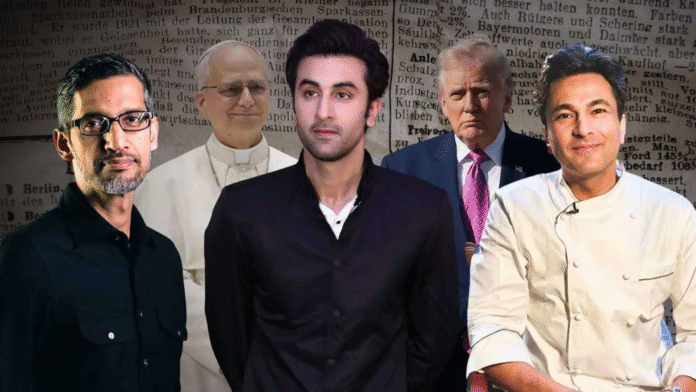
India’s rising global influence across diverse sectors has been highlighted in TIME magazine’s 2026 list of the 100 most influential people. The prestigious annual compilation features prominent Indian personalities from fields such as entertainment, technology, and culinary arts, reflecting the country’s expanding cultural and intellectual footprint worldwide.

Among the notable names are actor Ranbir Kapoor, Sundar Pichai, and celebrated chef Vikas Khanna.

Indian Representation Across Diverse Fields

The TIME100 list for 2026 showcases influential individuals from domains such as finance, entertainment, technology, sports, activism, and academia. India’s representation this year stands out for its diversity and global relevance.

Sundar Pichai continues to be recognised for his leadership in global technology, while Vikas Khanna has earned international acclaim for promoting Indian cuisine on the world stage. Ranbir Kapoor’s inclusion highlights the growing global reach and recognition of Indian cinema.

Ranbir Kapoor’s Cultural Impact

Ranbir Kapoor’s recognition is particularly significant in the context of evolving storytelling in Indian cinema. Known for his nuanced and versatile performances, he represents a shift towards more subtle and emotionally resonant acting.

His work reflects a broader transformation in the industry—where storytelling and artistic depth are gaining prominence alongside commercial success. His growing global appeal underscores how Indian narratives are increasingly connecting with international audiences.

Global Recognition of Indian Talent

The inclusion of Indian figures in global platforms such as the TIME100 list signifies the country’s increasing soft power. From Silicon Valley boardrooms to international film festivals and global culinary platforms, Indian professionals are shaping conversations across industries.

This recognition also highlights the balance between tradition and modernity, as Indian talent continues to blend cultural roots with global perspectives.

Important Facts

  • TIME100 is an annual list recognising the world’s most influential individuals across sectors
  • Sundar Pichai leads Google and Alphabet Inc.
  • Vikas Khanna is a Michelin-starred chef promoting Indian cuisine globally
  • Indian cinema is gaining increasing international recognition through global platforms

Significance of TIME100 Recognition

Being featured in the TIME100 list is regarded as a major global honour, reflecting not only individual achievements but also broader societal influence. For India, such recognitions reinforce its growing stature in shaping global culture, innovation, and thought leadership.

The 2026 list stands as a testament to India’s expanding role across multiple spheres of global importance.

China Overtakes US to Become India’s Largest Trading Partner in FY 2025-26

0

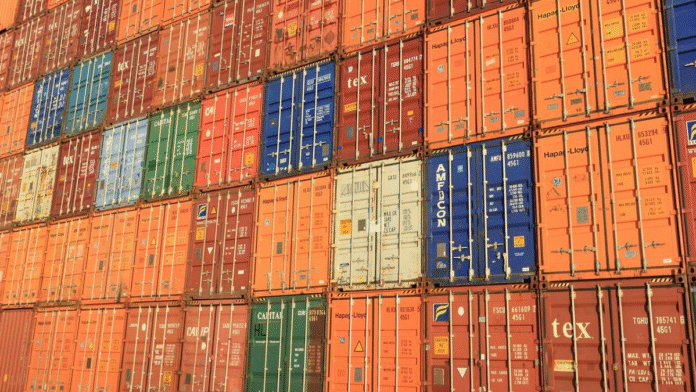
India’s trade dynamics witnessed a significant shift in the financial year 2025–26, with China overtaking the United States to become the country’s largest trading partner. This development reflects changing global economic patterns and India’s continued reliance on Chinese imports, even as exports show notable growth.

China Surpasses US in Bilateral Trade

According to official data, India’s total trade with China reached USD 151.1 billion in FY26. This marks a return to China’s position as India’s top trading partner, a role it previously held between 2013–14 and 2017–18, and again in 2020–21. The United States, which had maintained the top spot for four consecutive years until 2024–25, has now moved to second place.

Rising Imports Drive Trade Imbalance

A key factor behind China’s dominance is the surge in imports. India’s imports from China increased by 16 per cent to USD 131.63 billion, while exports rose sharply by 36.66 per cent to USD 19.47 billion. Despite the growth in exports, the trade deficit widened significantly, reaching an all-time high of USD 112.6 billion, up from USD 99.2 billion in the previous fiscal year. This highlights India’s continued dependence on Chinese goods, particularly in sectors such as electronics, machinery, and raw materials.

India-US Trade Shows Moderate Growth

Trade with the United States displayed moderate expansion during FY26. India’s exports to the US grew marginally by 0.92 per cent to USD 87.3 billion, while imports rose by 15.95 per cent to USD 52.9 billion. Consequently, India’s trade surplus with the US declined to USD 34.4 billion from USD 40.89 billion in FY25, indicating a narrowing advantage in bilateral trade.

Important Facts

  • China became India’s largest trading partner in FY26 with trade worth USD 151.1 billion.
  • India’s trade deficit with China reached a record USD 112.6 billion.
  • The United States was India’s top trading partner from FY22 to FY25.
  • Trade deficit occurs when imports exceed exports in bilateral trade.

Trends in Other Trade Partnerships

India’s export performance varied across partners. Positive export growth was recorded with countries such as the UAE, Germany, Brazil, and Vietnam. However, exports declined to markets including the Netherlands, the UK, and Bangladesh. On the import side, growth was seen from nations like Saudi Arabia, Japan, and Germany, while imports from Russia, Iraq, and Indonesia registered a decline. These trends indicate a shifting and complex global trade environment for India.

Krishnavataram Part 1: The Heart (Hridayam) Trailer Unveiled in Mathura,

0

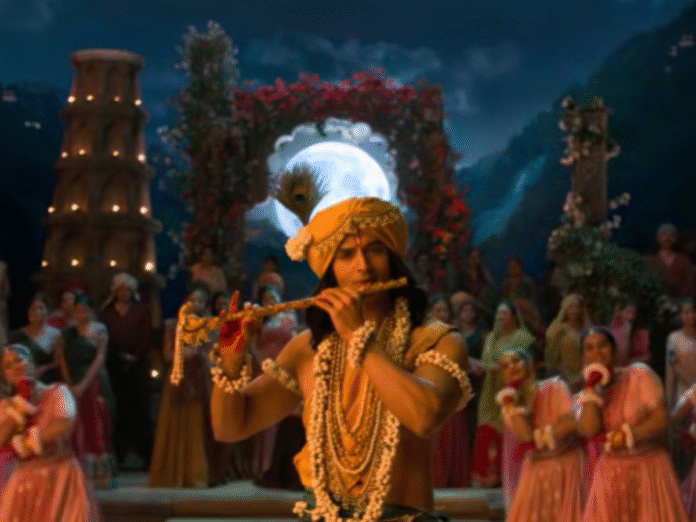
The trailer for Krishnavataram Part 1: The Heart (Hridayam), a grand cinematic retelling of the life of Krishna, was unveiled on April 15, 2026, marking one of the most ambitious devotional films currently in the pipeline. Directed by Hardik Gajjar, the film features Siddharth Gupta as Krishna, alongside Sushmitha Bhat as Radha, Nivaashiyni Krishnan as Rukmini, and Sanskruti Jayana as Satyabhama.

The film explores multiple dimensions of Krishna’s life, weaving together his deeply emotional bond with Radha, his royal union with Rukmini, and his dynamic relationship with Satyabhama, drawing from diverse scriptural traditions to present a layered narrative.

Visually, Krishnavataram stands out for its immersive, high-concept world-building. The trailer showcases sweeping cinematography with frames reminiscent of watercolor paintings, vividly bringing to life the pastoral beauty of Vrindavan and the regal grandeur of Dwarka. The film seamlessly transitions between fluid, dreamlike sequences and majestic architectural compositions, highlighting the contrast between Krishna’s realms of devotion and duty.

The two-and-a-half-minute trailer for Krishnavataram Part 1: The Heart launched today at sacred sites like Mathura’s Shri Krishna Janmabhoomi, Raman Reti Temple, and ISKCON Vrindavan, drawing crowds immersed in devotion. Produced by Creativeland Studios and Athasrikatha Motion Pictures with stirring music from Saregama, the film arrives in theaters worldwide on May 7, 2026, in Hindi, Tamil, and other languages. Viewers praise its sincere, devotion-driven approach without big stars or hype.

Guru Bhairavaikya Mandira at Sri Kshetra Adichunchanagiri in Mandya: Know Significance and History…

0

Prime Minister Narendra Modi inaugurated the Guru Bhairavaikya Mandira at Sri Kshetra Adichunchanagiri in Mandya district on April 15, 2026. The visit marked a significant spiritual and cultural occasion, during which the Prime Minister offered prayers and paid tribute to the legacy of a revered seer associated with the Adichunchanagiri Mahasamsthana Math.

Memorial Dedicated to a Revered Seer

The Guru Bhairavaikya Mandira has been built in honour of Sri Sri Sri Dr. Balagangadharanatha Mahaswamiji. The memorial reflects his immense contributions to society, particularly in the fields of education, healthcare, and social service. It is envisioned as both a place of reverence and a source of inspiration for future generations.

Architectural and Cultural Significance

Constructed in the traditional Dravidian architectural style, the Mandira stands as a symbol of India’s rich temple heritage. Known for features such as towering gopurams and intricate carvings, this style highlights the continuity of ancient artistic traditions. The structure blends spiritual symbolism with fine craftsmanship, making it a significant cultural landmark likely to attract devotees, scholars, and tourists alike.

Religious Rituals and Associated Visits

During his visit, the Prime Minister also offered prayers at important religious sites within the परिसर, including the Jwala Peeta and the Sri Kalabhairaveshwara Swamy Temple. According to local belief, Jwala Peeta is associated with the penance of Lord Shiva, adding deep spiritual significance to the visit. These rituals underscored the enduring traditions linked to the region.

Important Facts

  • Adichunchanagiri Mahasamsthana Math is a prominent spiritual and educational institution
  • Dravidian architecture is characterised by temple towers known as gopurams
  • Balagangadharanatha Mahaswamiji was the 71st pontiff of the Math
  • Mandya district is an important agrarian region in Karnataka

Book Release and Broader Significance

On the occasion, the Prime Minister also released the book Saundarya Lahari and Shiva Mahimna Stotram along with H. D. Deve Gowda.

The event highlighted the vital role of spiritual institutions in preserving cultural heritage, promoting social welfare, and contributing to nation-building in contemporary India.

China Plans 120-km Undersea High-Speed Rail Tunnel Across Bohai Strait

0

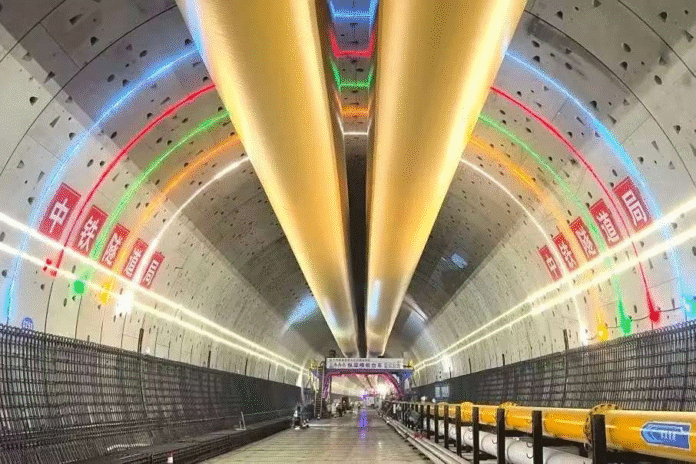
China is advancing plans for a massive 120-kilometre undersea high-speed rail tunnel across the Bohai Strait, aimed at connecting the coastal cities of Dalian and Yantai in just 40 minutes. The proposed project, known as the Bohai Strait Cross-Sea Channel, represents one of the most ambitious infrastructure initiatives under evaluation within the country’s rapidly expanding transport network.

High-Speed Rail Link Beneath the Sea

The project envisions a dedicated high-speed rail tunnel beneath the Bohai Strait, linking Liaoning and Shandong provinces. Designed for trains operating at speeds exceeding 250 km/h, the corridor would drastically reduce travel time between the two cities. At present, the journey depends on ferries or long detours around the Bohai Sea, often taking several hours.

Transforming Regional Connectivity

The proposed tunnel would integrate Dalian—a major industrial and port hub—with Yantai, a key centre in Shandong’s maritime economy. By replacing ferry-based transport with a fixed rail link, the project aims to enhance economic integration across the Bohai Rim region. It is also expected to strengthen both freight and passenger movement within northern China’s high-speed rail network.

Engineering Challenges and Design Features

Constructing a tunnel of this scale presents significant engineering challenges, including complex seabed geology, fault lines, and seismic risks. The proposed design incorporates artificial islands and vertical shafts to support ventilation, emergency access, and construction logistics. Engineers must also account for environmental factors such as seasonal sea ice and dense maritime traffic to ensure long-term safety and structural resilience.

Important Facts

  • The Bohai Strait lies between the Liaodong and Shandong peninsulas in China
  • High-speed rail systems typically operate at speeds above 250 km/h
  • Subsea tunnels require advanced ventilation, evacuation, and safety systems
  • The Channel Tunnel between the United Kingdom and France is among the longest existing subsea tunnels

Project Status and Future Outlook

The Bohai Strait Cross-Sea Channel is currently in the feasibility and evaluation stage, with ongoing studies focusing on environmental impact, route alignment, and cost assessment. The investment is expected to be substantial, potentially amounting to hundreds of billions of yuan.

If completed, the tunnel would rank among the world’s longest undersea rail links and mark a significant milestone in large-scale infrastructure development.

Vaibhav Sooryavanshi: The Teenage Prodigy Redefining Indian Cricket

0

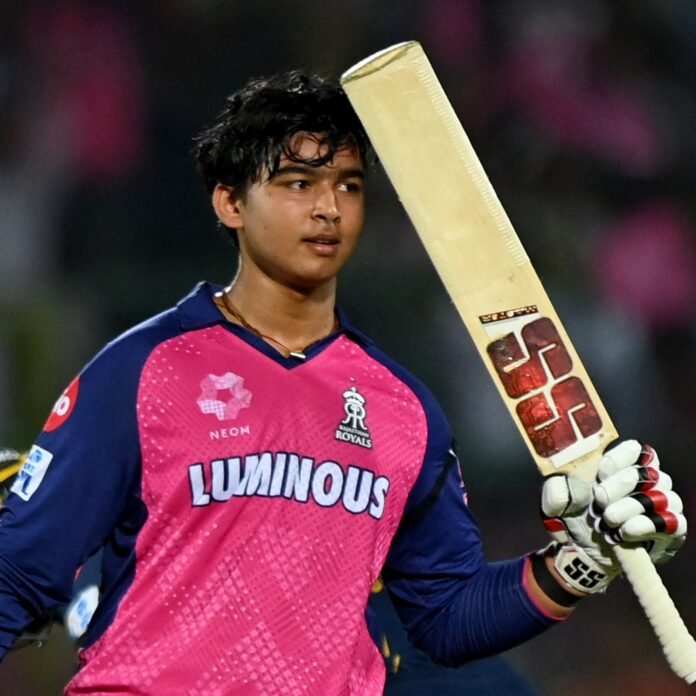
At an age when most teenagers are just beginning to dream, Vaibhav Sooryavanshi has already turned those dreams into record-breaking reality. Emerging from the small town of Tajpur in Bihar, this young cricketer has taken the Indian cricketing world by storm with his fearless batting and extraordinary achievements at an incredibly young age.

Early Life and Background

Born on March 27, 2011, Vaibhav Sooryavanshi showed signs of brilliance from a very early age. Growing up in Bihar—a state not traditionally known for producing cricketing stars—his journey was anything but easy. Limited infrastructure, fewer opportunities, and intense competition made his rise even more remarkable.

With strong family support and relentless dedication, Vaibhav began training as a child, quickly gaining attention in local circuits for his aggressive batting style and natural talent.

A Meteoric Rise in Domestic Cricket

Vaibhav’s breakthrough came when he made his first-class debut for Bihar at just 12 years old—an achievement that immediately placed him in the national spotlight. His fearless approach and ability to dominate bowlers far more experienced than him set him apart.

He further cemented his reputation by scoring a stunning 58-ball century for India U-19 against Australia U-19 in Chennai, marking one of the fastest hundreds in youth Test cricket for India. His performances signaled the arrival of a rare talent—one capable of competing at the highest levels despite his age.

IPL Stardom at 14

The defining moment of his young career came in the Indian Premier League when he was picked up by Rajasthan Royals for ₹1.1 crore in the 2025 mega auction. At just 14, Vaibhav made history by becoming one of the youngest players ever to debut in the league.

But he didn’t stop at just making an appearance—he made headlines. In a sensational performance against the Gujarat Titans, he smashed a breathtaking 101 runs off just 38 balls, becoming the youngest centurion in men’s T20 cricket. His innings, filled with fearless strokes and maturity beyond his years, stunned fans and experts alike.

Batting Style and Strengths

A left-handed batsman, Vaibhav is known for his aggressive, high strike-rate approach. He plays with confidence and flair, often taking on top bowlers without hesitation. His ability to attack even elite names like Jasprit Bumrah early in his innings reflects his fearless mindset and exceptional skill.

Why He’s Making Headlines

Vaibhav Sooryavanshi is not just another young talent—he is a phenomenon. His age-defying achievements, record-breaking performances, and calmness under pressure have made him one of the most talked-about names in Indian cricket.

From a small-town boy in Bihar to a national sensation, his journey represents hope, talent, and the changing landscape of Indian cricket where age is no longer a barrier to excellence.

The Road Ahead

As of 2026, Vaibhav is widely regarded as a future star for India, with growing calls for his inclusion in the senior national team. If his current trajectory continues, he could soon don the Indian jersey on the international stage.

Conclusion

Vaibhav Sooryavanshi’s story is one of talent meeting opportunity at the right time. His rise is not just inspiring—it is historic. In a cricket-loving nation constantly searching for its next superstar, this teenage prodigy from Bihar might just be the future of Indian cricket.

Bajra’s Big Comeback: Rajasthan’s Ancient Grain Turns Modern Superfood—And a Smart Summer Choice

0

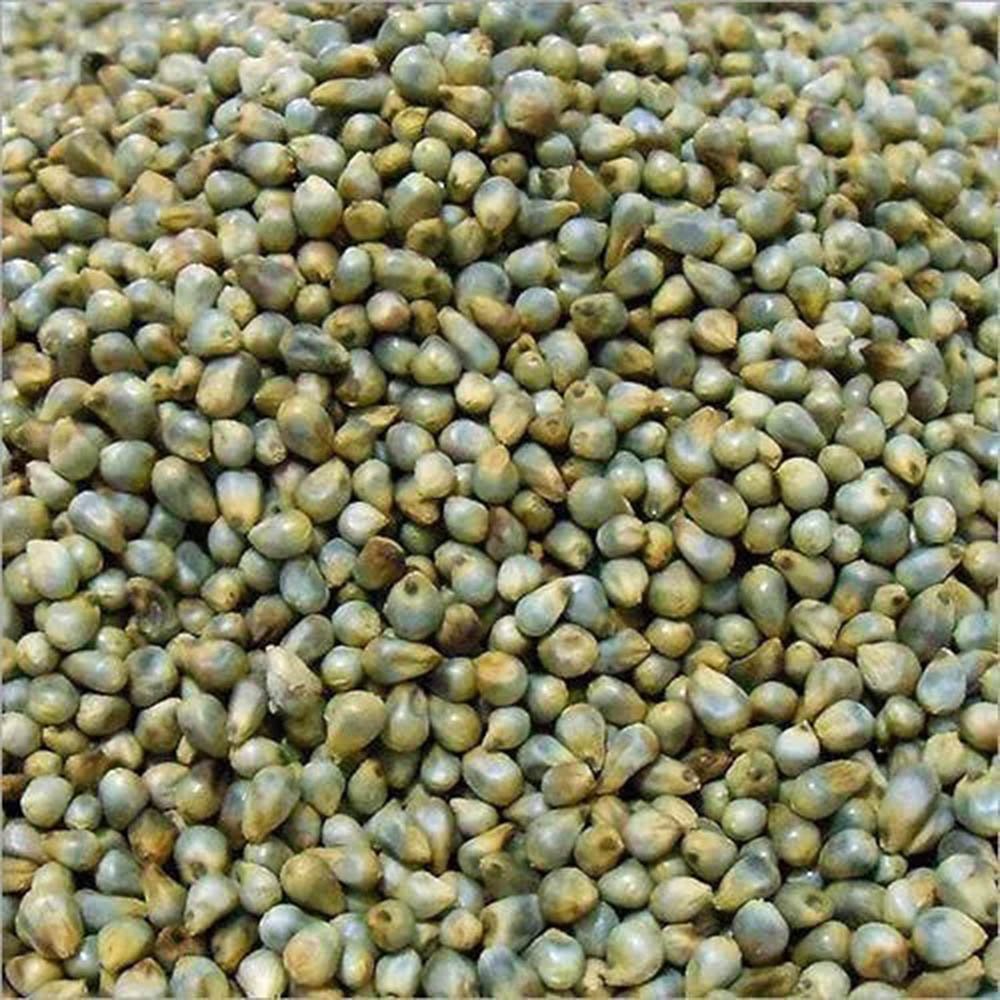
Once dismissed as a “poor man’s food,” bajra (pearl millet) is reclaiming its place on plates across Rajasthan—and beyond. What was traditionally a staple in arid regions is now being rediscovered as a nutrient-dense superfood, backed by both modern nutrition science and climate-conscious eating trends.

Bajra’s Big Comeback: Rajasthan’s Ancient Grain Turns Modern Superfood—And a Smart Summer Choice

Why Bajra Is Making a Comeback

The resurgence of bajra is driven by a mix of health awareness, sustainability, and a return to traditional diets. Rich in protein, fiber, and essential minerals like magnesium, iron, and zinc, bajra offers a powerful nutritional profile that rivals many imported “superfoods.”

Unlike refined grains, bajra has a low glycaemic index, meaning it releases energy slowly and helps maintain stable blood sugar levels—making it especially beneficial in preventing lifestyle diseases like diabetes and heart conditions.

Equally important is its environmental advantage. Bajra is drought-resistant and thrives in Rajasthan’s harsh climate with minimal water, making it a sustainable crop in the face of climate change. This aligns with the growing “eat local, eat sustainable” movement, pushing millets back into urban kitchens.

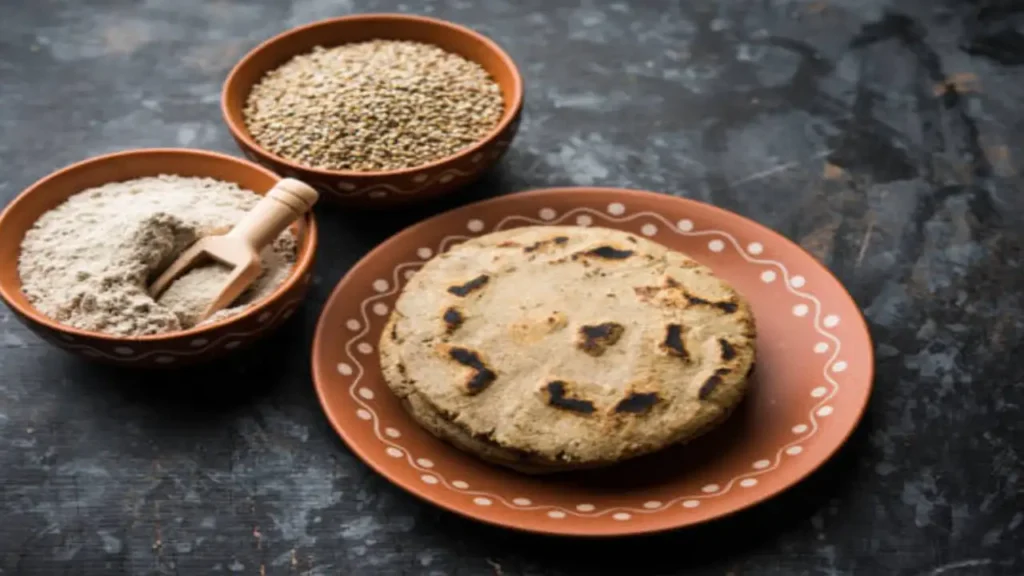
There’s also a cultural revival at play. Traditional foods like bajra roti, khichdi, and raab are being rebranded as wholesome and heritage-rich, finding space in both home kitchens and upscale menus.

Bajra’s Big Comeback: Rajasthan’s Ancient Grain Turns Modern Superfood—And a Smart Summer Choice

Why Bajra Works in Summers

While bajra is often associated with winter for its warming properties, certain preparations make it equally valuable in summer—especially in Rajasthan.

Bajra’s Big Comeback: Rajasthan’s Ancient Grain Turns Modern Superfood—And a Smart Summer Choice

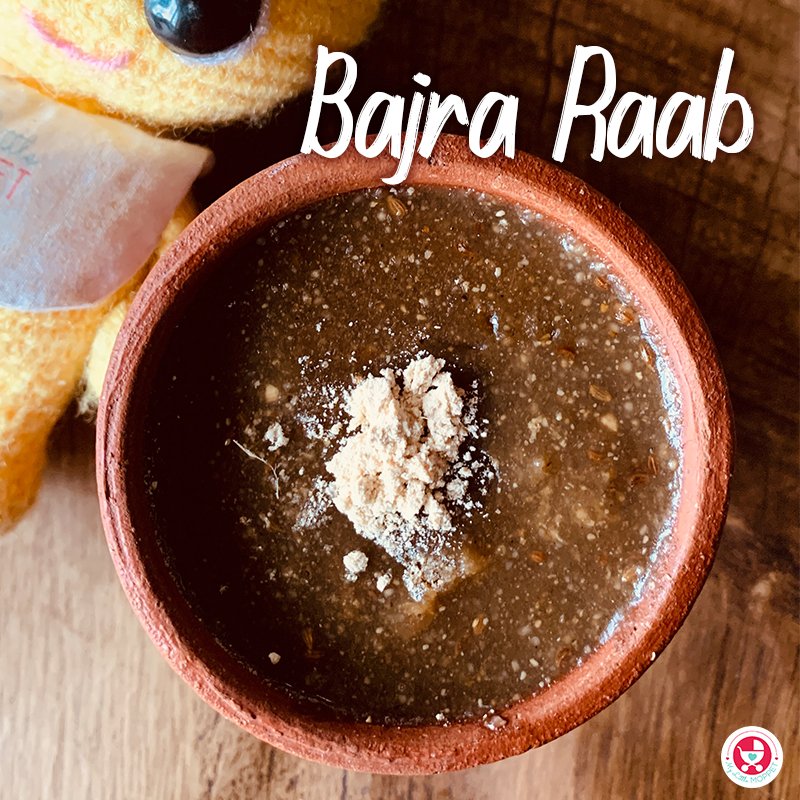
One standout example is bajre ki raab, a fermented drink recommended even by food authorities as a natural way to combat heatwaves. It helps cool the body, improve hydration, and maintain gut health during extreme temperatures.

Nutritionally, bajra supports summer health in several ways:
●Sustained energy: Its complex carbohydrates provide long-lasting energy without heaviness—ideal in hot weather when digestion slows down.
●Gut-friendly fiber: Helps digestion and prevents common summer issues like bloating and acidity.
●Rich in minerals: Magnesium and potassium support hydration and muscle function, crucial in heat.
●Gluten-free and light: Easier on the stomach compared to wheat-heavy meals.

A Grain Rooted in the Future

The comeback of bajra is not just a health trend—it’s a return to wisdom shaped by geography and generations. In Rajasthan, where survival once depended on hardy crops, bajra was never just food; it was resilience on a plate.

Bajra’s Big Comeback: Rajasthan’s Ancient Grain Turns Modern Superfood—And a Smart Summer Choice

Today, as modern lifestyles seek nutrition, sustainability, and authenticity, bajra bridges the past and the future—proving that sometimes, the best superfoods are the ones we’ve known all along.