

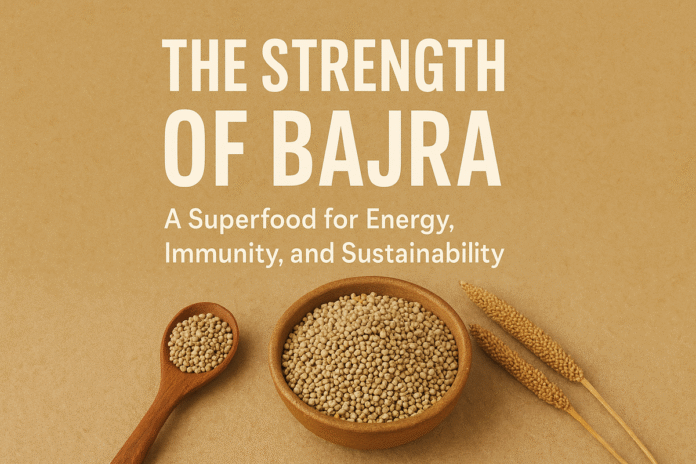
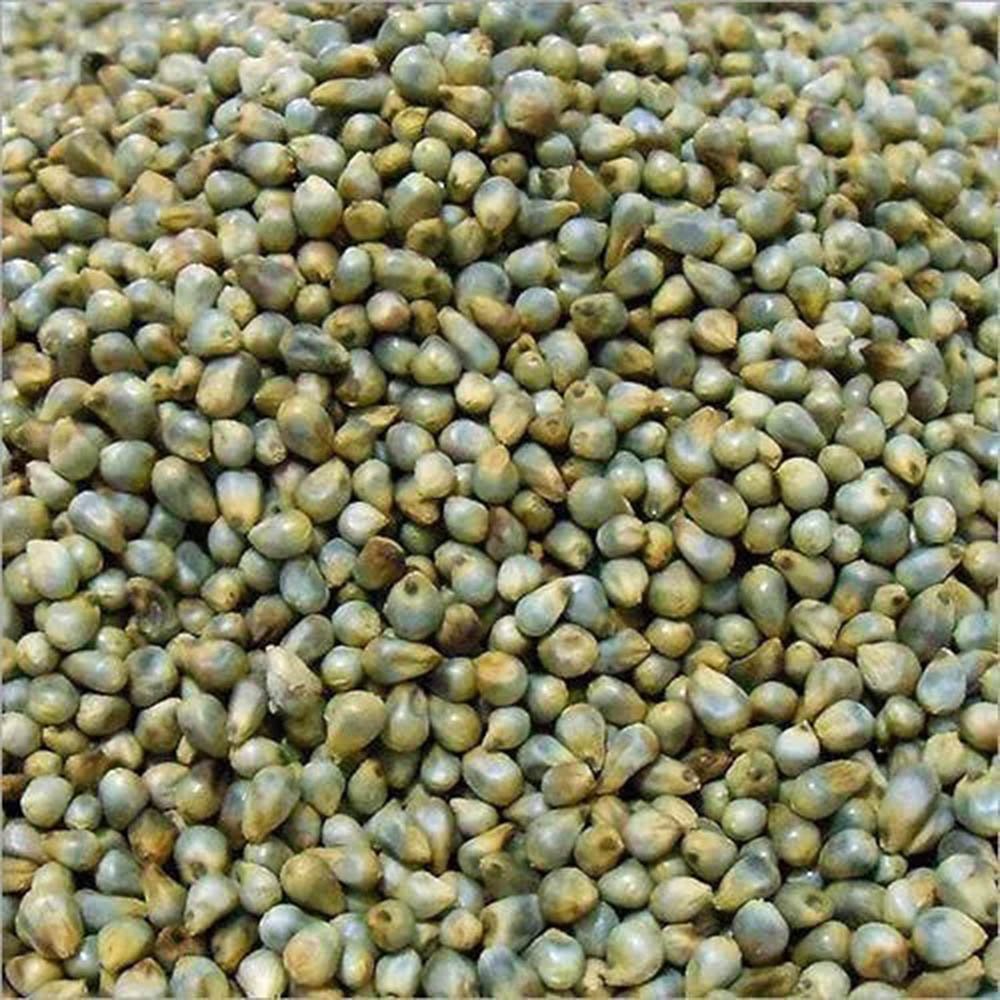
Once dismissed as a “poor man’s food,” bajra (pearl millet) is reclaiming its place on plates across Rajasthan—and beyond. What was traditionally a staple in arid regions is now being rediscovered as a nutrient-dense superfood, backed by both modern nutrition science and climate-conscious eating trends.
Why Bajra Is Making a Comeback
The resurgence of bajra is driven by a mix of health awareness, sustainability, and a return to traditional diets. Rich in protein, fiber, and essential minerals like magnesium, iron, and zinc, bajra offers a powerful nutritional profile that rivals many imported “superfoods.”
Unlike refined grains, bajra has a low glycaemic index, meaning it releases energy slowly and helps maintain stable blood sugar levels—making it especially beneficial in preventing lifestyle diseases like diabetes and heart conditions.
Equally important is its environmental advantage. Bajra is drought-resistant and thrives in Rajasthan’s harsh climate with minimal water, making it a sustainable crop in the face of climate change. This aligns with the growing “eat local, eat sustainable” movement, pushing millets back into urban kitchens.
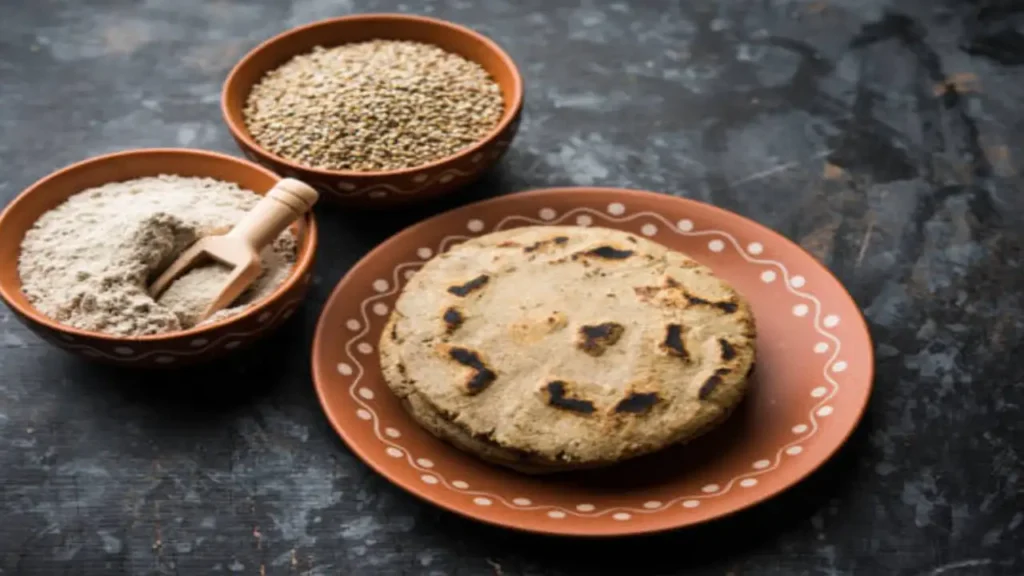
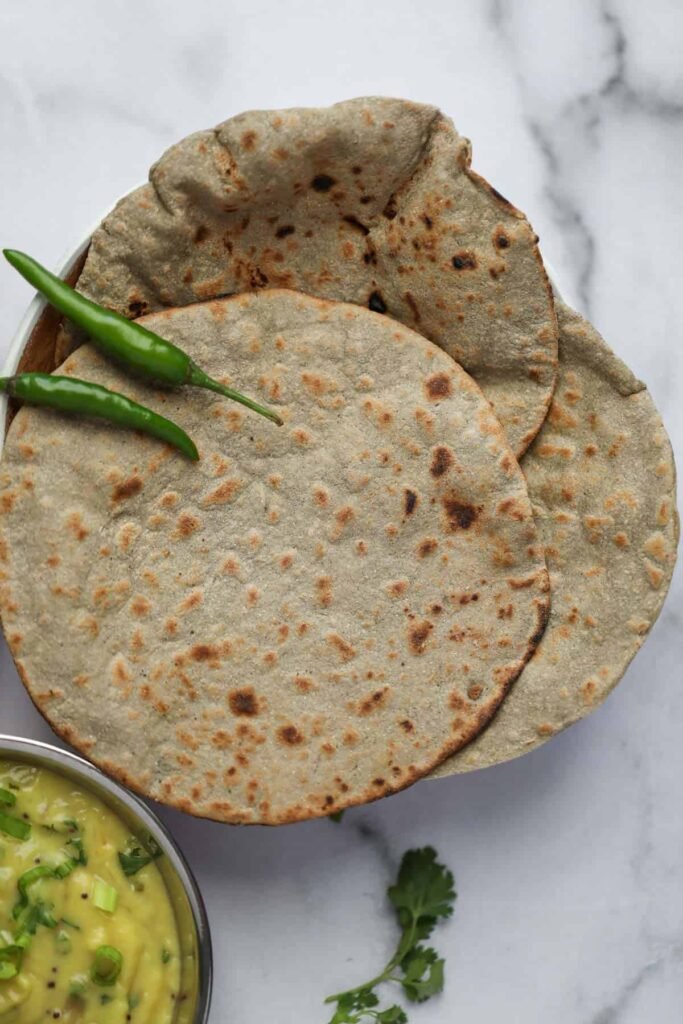
There’s also a cultural revival at play. Traditional foods like bajra roti, khichdi, and raab are being rebranded as wholesome and heritage-rich, finding space in both home kitchens and upscale menus.
Why Bajra Works in Summers
While bajra is often associated with winter for its warming properties, certain preparations make it equally valuable in summer—especially in Rajasthan.
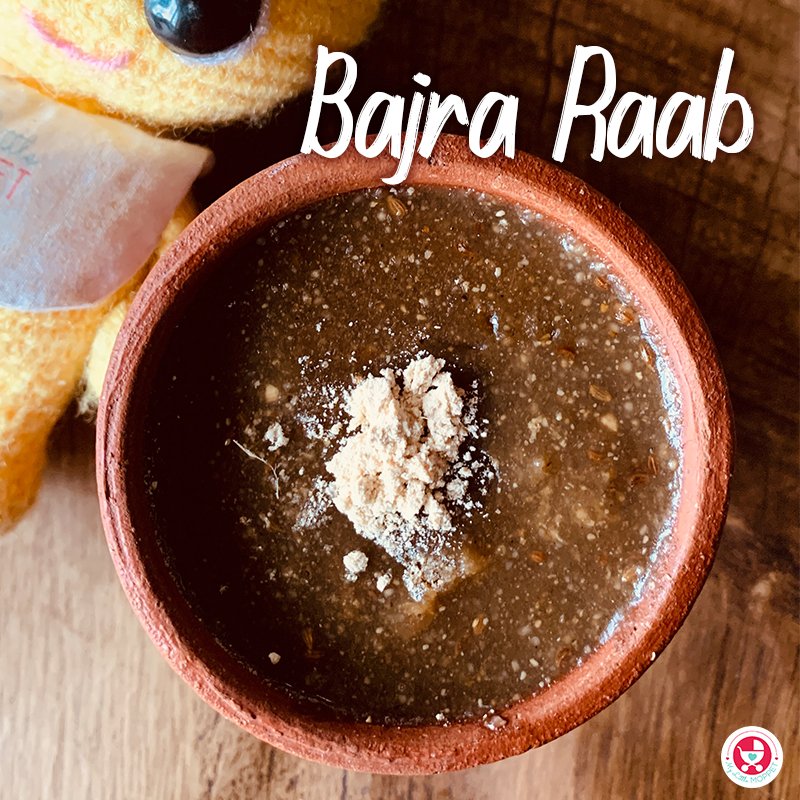
One standout example is bajre ki raab, a fermented drink recommended even by food authorities as a natural way to combat heatwaves. It helps cool the body, improve hydration, and maintain gut health during extreme temperatures.
Nutritionally, bajra supports summer health in several ways:
●Sustained energy: Its complex carbohydrates provide long-lasting energy without heaviness—ideal in hot weather when digestion slows down.
●Gut-friendly fiber: Helps digestion and prevents common summer issues like bloating and acidity.
●Rich in minerals: Magnesium and potassium support hydration and muscle function, crucial in heat.
●Gluten-free and light: Easier on the stomach compared to wheat-heavy meals.
A Grain Rooted in the Future
The comeback of bajra is not just a health trend—it’s a return to wisdom shaped by geography and generations. In Rajasthan, where survival once depended on hardy crops, bajra was never just food; it was resilience on a plate.
Today, as modern lifestyles seek nutrition, sustainability, and authenticity, bajra bridges the past and the future—proving that sometimes, the best superfoods are the ones we’ve known all along.