Home Blog Page 31

Apple Names John Ternus as New CEO: 5 Key Features You Should Know

0

Apple has announced a major leadership transition, naming insider John Ternus as its next Chief Executive Officer. Ternus will take over from Tim Cook on September 1, marking a pivotal moment for the iPhone maker as it navigates an era increasingly shaped by artificial intelligence and evolving consumer tech trends.

This leadership shift signals the end of a defining chapter under Cook and the beginning of a new phase where Apple must compete with rivals investing heavily in AI-driven innovation. Here are five standout features of Apple’s incoming CEO that define his leadership profile.

Longtime Apple Veteran with Deep Roots

John Ternus brings over two decades of experience at Apple. He joined the company’s product design team in 2001 and steadily climbed the ranks, becoming Vice President of Hardware Engineering in 2013.

In 2021, Ternus was elevated to Apple’s executive team as Senior Vice President of Hardware Engineering, working closely with Tim Cook. His long tenure gives him deep institutional knowledge and a strong understanding of Apple’s design philosophy and innovation culture.

Architect Behind Apple’s Core Hardware Success

Ternus has led engineering teams responsible for some of Apple’s most iconic and profitable products. These include the iPhone, iPad, Mac, Apple Watch, and AirPods.

His leadership has been central to maintaining Apple’s reputation for premium hardware quality while ensuring tight integration across its ecosystem—one of the company’s biggest competitive advantages.

Proven Track Record of Reviving Mac Growth

One of Ternus’s most notable achievements is helping revive Apple’s Mac lineup. Under his leadership, Macs have seen a resurgence in performance and market share, driven by innovations such as Apple’s custom silicon chips.

This success demonstrates his ability to execute long-term hardware strategies and adapt to changing market demands.

Driving Major iPhone Innovations

Ternus has also been at the forefront of major iPhone advancements. Most recently, he introduced the iPhone Air, described as the biggest redesign since 2017.

This highlights his focus on bold product evolution—an important trait as Apple faces increasing competition from AI-powered smartphones and emerging technologies.

Engineering Background with Strong Technical Foundation

Before joining Apple, Ternus worked as a mechanical engineer at Virtual Research Systems. He holds a degree in Mechanical Engineering from the University of Pennsylvania.

His technical expertise sets him apart as a hands-on leader who understands product development at a granular level—critical for a company where hardware innovation remains central to its identity.

What This Means for Apple’s Future

As John Ternus steps into the CEO role, he does so at a time when the tech industry is undergoing rapid transformation driven by AI. With competitors pushing boundaries in smart devices and automation, Apple’s ability to innovate will be closely watched.

Ternus’s strong hardware background, combined with his experience leading major product lines, positions him to guide Apple through this transition while preserving its legacy of design excellence.

Final Thoughts

The appointment of John Ternus as CEO marks both continuity and change for Apple. While he represents the company’s longstanding engineering culture, he also faces the challenge of steering Apple into an AI-first future.

His leadership will likely shape how Apple competes in the next decade—and whether it can maintain its dominance in the global consumer technology market.

National Civil Services Day 2026: Honouring the ‘Steel Frame of India’

0

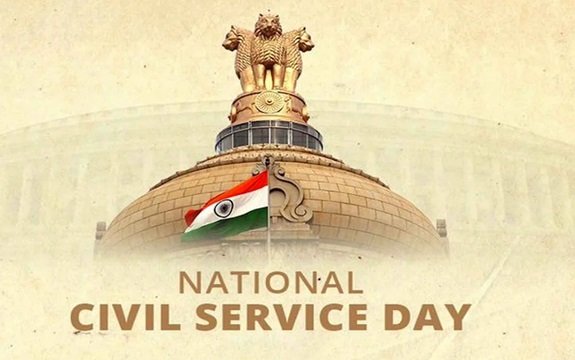
Every year on April 21, India observes National Civil Services Day, a significant occasion dedicated to recognising the invaluable contribution of civil servants in nation-building. It is a day not only of appreciation but also of reflection, reminding administrators of their responsibility towards public service and good governance.

What is National Civil Services Day?

National Civil Services Day is celebrated across India to honour the work of officers engaged in various public services such as the IAS, IPS, and other administrative branches. These officials form the backbone of the country’s governance system, ensuring that policies are effectively implemented and citizens’ needs are addressed.

Why is it Celebrated on April 21?

The date holds deep historical significance. On April 21, 1947, Sardar Vallabhbhai Patel addressed the first batch of civil services probationers at Metcalfe House in Delhi. In his iconic speech, he referred to civil servants as the “steel frame of India”, emphasizing their crucial role in maintaining unity and stability in the country.

This moment laid the foundation for a strong, independent administrative system, and hence, April 21 was chosen to commemorate this legacy.

History of the Day

Although the historical roots go back to 1947, National Civil Services Day was officially celebrated for the first time in 2006. Since then, it has become an annual event where civil servants gather, reflect on their work, and are honoured for excellence in public administration.

One of the key highlights of the day is the Prime Minister’s Awards for Excellence in Public Administration, which recognises innovative and impactful work done by officers across the country.

History of Civil Services in India

The civil services system in India has a long history, evolving from ancient administrative practices to a modern bureaucratic structure. During British rule, the Indian Civil Service (ICS) was established, which later transformed into the present-day All India Services after independence.

Post-1947, leaders like Sardar Patel ensured that civil services remained strong, neutral, and committed to national unity. Today, institutions like the Union Public Service Commission (UPSC) ensure merit-based recruitment, maintaining the integrity of the system.

Significance of the Day

National Civil Services Day holds immense importance as it:
●Recognises the dedication and hard work of civil servants
●Encourages innovation and efficiency in governance
●Reinforces values like integrity, impartiality, and accountability
●Provides an opportunity for officers to recommit to public service

It also serves as a platform for sharing best practices and improving administrative systems across the country.

Conclusion

National Civil Services Day 2026 is more than just a ceremonial observance—it is a reminder of the vital role civil servants play in shaping India’s future. From implementing policies at the grassroots level to ensuring smooth governance, their work directly impacts millions of lives.

As India moves towards becoming a developed nation, the spirit of dedication and service envisioned by Sardar Vallabhbhai Patel continues to guide the country’s administrative framework.

Lithium in India: The Rising Power Behind Electric Vehicles and the Strategic Discovery in Jammu & Kashmir

0

For laymen, lithium is simply a type of metal. For science students, it is a chemical element placed in Group 1 of the periodic table alongside sodium and potassium. For professionals involved in mineral exploration, lithium is a rare yet highly valuable resource. Today, this element has become a global focal point, raising questions about its availability, usage, and strategic importance.

Over the past decade, a major shift in the global transport scenario has significantly increased lithium’s relevance. As fossil fuels continue to deplete, countries worldwide have moved toward electric vehicles (EVs). In recent years, nations including India have accelerated EV manufacturing. These vehicles depend on high-performance batteries—primarily lithium-based—bringing lithium into the spotlight.

Lithium Demand and Rapid Growth of EV Industry

The rapid growth of the EV industry has triggered an unprecedented surge in demand for lithium-ion batteries. Consequently, exploration efforts intensified to locate lithium-rich regions. Historically, major lithium reserves have been concentrated in four countries: Chile, China, Australia, and Bolivia. These nations dominate the global lithium market, forcing countries like India to rely heavily on imports. This dependency has raised concerns—any disruption in supply could severely impact the automobile and technology sectors.

Lithium for Electric Vehicles

Lithium is not only essential for electric vehicles but also widely used in rechargeable batteries for mobile phones, laptops, and digital cameras. Additionally, it plays a role in non-rechargeable batteries used in pacemakers, toys, and clocks, as well as in heat-resistant glass and ceramics.

Geologically, lithium occurs in various rock types in the form of minerals. The most important lithium-bearing minerals include lepidolite and spodumene. In India, these minerals have long been known to exist in small quantities, particularly in mica belts and other regions, though not at levels sufficient to support large-scale industry.

Recognising its strategic importance, the Government of India, along with state governments, initiated exploration projects for rare earth elements and lithium after 2014. These efforts have begun to yield promising results. Recently, the Geological Survey of India (GSI) announced the discovery of significant lithium deposits in the Reasi district of Jammu & Kashmir, near Salal village, north of the Vaishno Devi temple.

Lithium in India: The Rising Power Behind Electric Vehicles and the Strategic Discovery in Jammu & Kashmir

Explorations and Lithium Deposits in India

Preliminary surveys estimate these deposits at approximately 5.9 million tonnes. This discovery has been welcomed by both industry stakeholders and local communities. Mining and processing activities in the Salal region are expected to generate employment opportunities and contribute to regional economic development.

Exploration activities are also ongoing in Karnataka, Andhra Pradesh, Arunachal Pradesh, Chhattisgarh, and Jharkhand. In 2021, the Atomic Minerals Directorate (AMD) reported the presence of 1,600 tonnes of lithium-bearing resources in Karnataka.

A notable advantage of India’s newly discovered deposits lies in their lithium concentration. While global deposits typically contain around 220 ppm (parts per million), the Kashmir deposits reportedly contain approximately 500 ppm, making them comparatively richer.

Globally, lithium is often extracted from salt lakes, particularly in Chile’s desert regions. Similar efforts were made in Rajasthan’s salt lakes, but lithium concentrations there were found to be relatively low, around 20–30 ppm.

The Government of India has already initiated steps to begin lithium extraction in the Salal area. One key condition for companies participating in the project is the mandatory establishment of processing plants locally, ensuring additional employment and regional development.

Lithium Mining in Jammu and Kashmir

If successfully developed, lithium mining in Jammu & Kashmir could significantly reduce India’s dependence on imports and strengthen its position in the global lithium resource landscape. Current estimates suggest that India may rank among the top countries in lithium resources following this discovery.

However, from a geological perspective, caution is warranted. The current estimate of 5.9 million tonnes falls under the “inferred” category. Detailed exploration and further surveys are required to upgrade these resources to the “proved” category. It is also possible that more precise assessments could reduce the estimated reserves by 15–20%.

As a layman, this discovery is a matter of national pride and optimism. As a geologist, it represents a promising beginning—one that requires careful evaluation, scientific validation, and sustainable development.

(The writer is Rakesh Giri Goswami, Jodhpur, Rajasthan)

World Creativity and Innovation Day 2026: Celebrating Ideas That Shape the Future

0

Every year on April 21, the world observes World Creativity and Innovation Day, an international initiative led by the United Nations to highlight the power of ideas in transforming societies. In 2026, the day continues to emphasize how creativity and innovation are essential tools for solving global challenges and building a sustainable future.

What is World Creativity and Innovation Day?

World Creativity and Innovation Day is a global observance established by the United Nations General Assembly in 2017 to promote awareness about the importance of creativity in all aspects of human development.

It was first officially celebrated in 2018 and has since become a platform encouraging individuals, communities, and nations to think differently and act innovatively.

The day recognises that creativity is not limited to art—it also includes problem-solving, scientific thinking, entrepreneurship, and technological innovation.
Theme for 2026
The theme for 2026 continues the global call to action: “Step Out and Innovate.” This theme encourages people to move beyond ideas and take practical steps toward creating real-world solutions for global issues.
Why is it Important?
Creativity and innovation are crucial in addressing major global challenges such as climate change, poverty, inequality, and economic development. The United Nations highlights that innovative thinking can drive progress and help achieve the Sustainable Development Goals (SDGs).
The creative economy itself plays a significant role worldwide, contributing to employment, cultural exchange, and economic growth. It shows how ideas can translate into real impact.
History and Background
Although the day was formally recognised by the UN in 2017, its roots go back to earlier global efforts promoting creativity since the early 2000s. The observance was created to encourage people to use imagination and innovation as tools to improve everyday life and solve complex problems.
The choice of April 21 is symbolic, placed just before Earth Day, highlighting the role of creative solutions in building a sustainable planet.
How is it Celebrated?
Across the world, World Creativity and Innovation Day is marked through:

Workshops and seminars on innovation
Exhibitions and creative showcases
Educational programs and competitions
Digital campaigns promoting new ideas

Schools, universities, organisations, and governments actively participate by encouraging creative thinking and collaboration.
Conclusion
World Creativity and Innovation Day 2026 is not just about celebrating ideas—it is about turning those ideas into action. In a rapidly changing world, creativity is no longer optional; it is essential. Whether through technology, art, business, or social initiatives, innovation remains the key to building a better and more sustainable future.
The message is simple yet powerful: **every idea has the potential to change the world—if we dare to act on it.**

Kedarnath Doli Yatra: The Sacred Journey That Heralds the Opening of the Himalayan Shrine

0

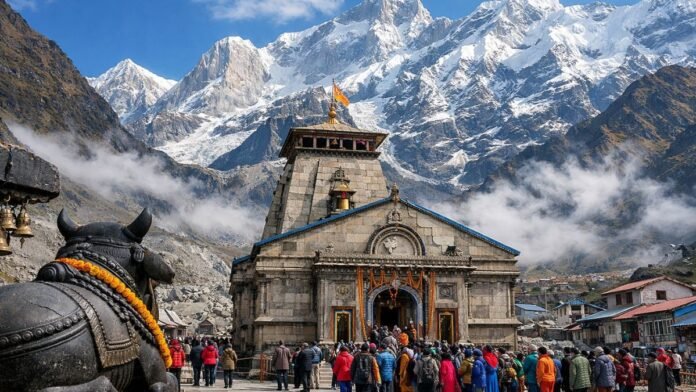
Every year, as winter loosens its grip on the Garhwal Himalayas, a deeply spiritual journey begins—the Kedarnath Doli Yatra. This revered procession marks the ceremonial return of Kedarnath from his winter abode to the high-altitude shrine of Kedarnath Temple, signalling the reopening of one of India’s holiest pilgrimage sites.

What is the Kedarnath Doli Yatra?

During the harsh winter months, heavy snowfall makes Kedarnath inaccessible. As a result, the idol of Lord Kedarnath is shifted to Omkareshwar Temple in Ukhimath, where devotees continue worship. With the arrival of spring, the deity is ceremoniously carried back to Kedarnath in a beautifully decorated palanquin known as the Panchmukhi Doli.

This journey is not merely a ritual—it is a profound expression of faith. Devotees, priests, and pilgrims accompany the doli on foot through picturesque Himalayan routes, chanting prayers and celebrating the divine return of Lord Shiva to his abode.

Historical and Religious Significance

The tradition of the Doli Yatra is believed to have been followed for centuries, rooted in the ancient practices of the Char Dham Yatra. Kedarnath, one of the twelve Jyotirlingas of Lord Shiv, holds immense spiritual importance, attracting lakhs of devotees every year.

The yatra also reflects the unique Himalayan tradition of seasonal migration of deities—ensuring that worship continues uninterrupted despite extreme weather conditions.

The Journey and Route

The Doli Yatra typically begins from Ukhimath and passes through key towns like Rudraprayag , drawing large gatherings of devotees along the way. The journey is marked by devotional songs, traditional rituals, and a vibrant spiritual atmosphere.

When Will Kedarnath Temple Open in 2026?

The opening date of Kedarnath Temple is announced every year on the auspicious occasion of Mahashivratri. For 2026, Kedarnath Temple is expected to open in early May (exact date as per temple authorities), after the arrival of the Panchmukhi Doli.
Once the doors (kapat) of the temple open, the annual pilgrimage season begins, continuing until late October or early November, when the deity is again moved back to Ukhimath for winter.

A Journey of Faith and Devotion

The Kedarnath Doli Yatra is not just a religious procession—it is a moving symbol of devotion, resilience, and tradition. Against the majestic backdrop of the Himalayas, it reminds devotees of the enduring connection between faith and nature.

For pilgrims, witnessing or being part of this sacred journey is considered highly auspicious, making it one of the most spiritually enriching experiences in India’s religious landscape.

Jhalmuri: The Spicy Street Snack That Won PM Modi’s Heart

0

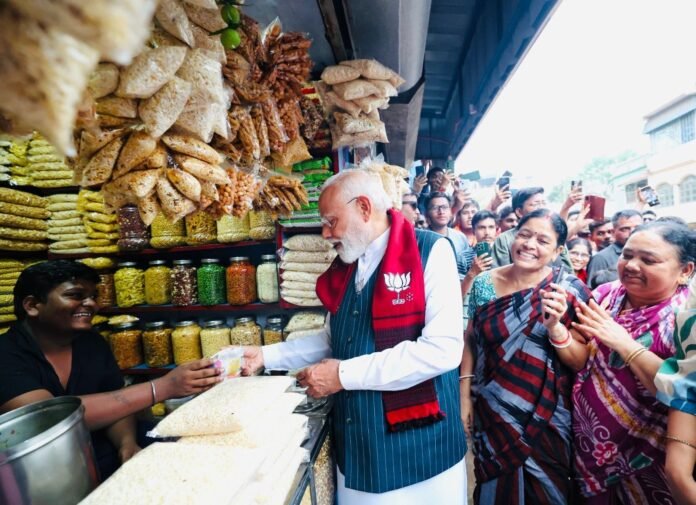
When PM modi recently paused to enjoy a humble serving of jhalmuri during his visit to West Bengal, the spotlight turned to one of India’s most iconic street foods. Simple, affordable, and bursting with flavour, jhalmuri is far more than just a snack—it is a cultural symbol of eastern India’s vibrant street food tradition.

What is Jhalmuri?

Jhalmuri is a spicy mixture made primarily from puffed rice (murmura), tossed with mustard oil, chopped onions, green chilies, peanuts, spices, and a tangy mix of chutneys. The word “jhal” means spicy in Bengali, while “muri” refers to puffed rice—perfectly capturing the snack’s bold and zesty taste.

Origins and Cultural Roots

Jhalmuri has its roots in West Bengal, particularly in Kolkata, where it is an inseparable part of daily life. From busy railway stations and college campuses to beaches and marketplaces, the snack is sold almost everywhere. It evolved from traditional puffed rice preparations and reflects Bengal’s love for quick, flavourful, and affordable food.

Historically, puffed rice has been consumed across India for centuries due to its lightness and long shelf life. Jhalmuri, however, stands out because of its distinctive use of mustard oil and spice blends, giving it a unique regional identity

How is Jhalmuri Made?

One of the biggest charms of jhalmuri lies in its preparation—quick, theatrical, and customised. Street vendors typically mix it fresh in front of customers. The basic ingredients include:
●Puffed rice (murmura)
●Mustard oil (for that signature pungent flavour)
●Finely chopped onions, tomatoes, and green chilies
●Roasted peanuts and sometimes boiled potatoes
●Spices like red chili powder, chaat masala, and black salt
●Tamarind or coriander chutney for tanginess
●Fresh coriander leaves and a squeeze of lemon

Everything is tossed together rapidly in a tin container and served in a paper cone, often made from recycled newspaper—adding to its street-style authenticity.

Where is it from?

While jhalmuri is most closely associated with Kolkata, it is popular across eastern India, including Odisha, Bihar , and parts of Assam . Variations of puffed rice snacks exist across the country—like bhel puri in Mumbai—but jhalmuri’s strong mustard flavour sets it apart.

More Than Just a Snack

Jhalmuri is not just food; it represents accessibility and everyday life. It is inexpensive, quick to prepare, and loved by people from all walks of life. For many, it evokes nostalgia—memories of train journeys, evening walks, and roadside conversations.

The recent moment of PM Modi enjoying jhalmuri brought national attention to this local favourite, highlighting how even the simplest foods carry deep cultural significance. In a fast-changing world, jhalmuri remains a reminder that sometimes, the most memorable tastes come from the most humble beginnings.

Before Oil, Indian Merchants Shaped the Rise of Hormuz

0

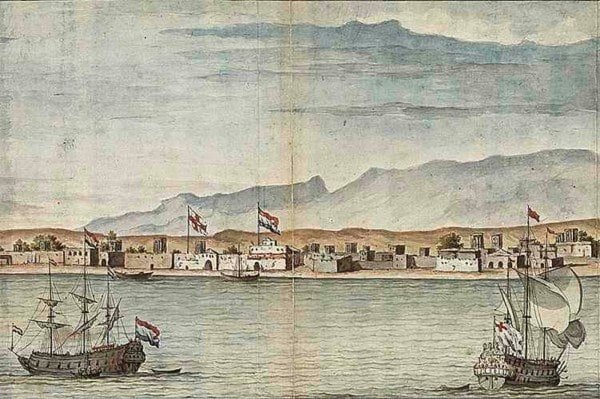
Long before oil transformed West Asia into a global economic centre, the island kingdom of Hormuz stood as one of the most important hubs of international trade. Located at the entrance of the Persian Gulf, Hormuz served as a key link between Asia, the Middle East, and beyond. Its rise to prominence was not accidental—Indian merchants played a crucial role in shaping its success.

From the western coast of Gujarat, traders sailed across the Arabian Sea, connecting India with regions like Persia, Arabia, and East Africa. These maritime networks were highly organised and active for centuries. One notable figure often associated with this period is Jagadu Shah, a wealthy merchant known for his involvement in long-distance trade and philanthropy.

Archaeological evidence further supports India’s early presence in these trade routes. Discoveries such as inscriptions found on Socotra indicate that Indian traders had been active in the region since the early centuries of the Common Era. Over time, these routes evolved into a vast network that facilitated not just trade, but also cultural exchange.

By the 13th century, Hormuz had begun to grow into a major maritime centre. By the 14th and early 15th centuries, it became an essential stopover for traders moving goods across continents. Indian merchants formed a significant part of this ecosystem, contributing heavily to trade in textiles, spices, and other valuable commodities. Historical records suggest that a large share of Hormuz’s customs revenue was linked to Indian trade activities.

This history challenges the modern perception that West Asia’s global importance is mainly tied to oil. In reality, centuries before the oil boom, trade networks driven by merchants—especially from India—were the backbone of the region’s economy.

The story of Hormuz is, therefore, more than just the rise of a trading port. It reflects a time when oceans connected civilizations, and when Indian merchants helped build bridges of commerce, culture, and cooperation across vast distances.

PM Modi’s ‘Jhalmuri Break’ Wins Hearts, Vendor Refuses Payment

0

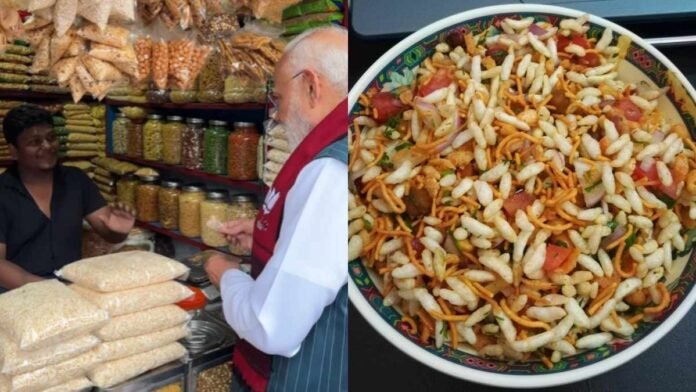
In a moment that quickly went viral and captured public attention, Narendra Modi paused during his hectic campaign schedule in West Bengal to enjoy a humble serving of jhalmuri, one of the state’s most loved street foods. The unexpected stop not only highlighted his connection with local culture but also led to a heartwarming interaction with a street vendor.

The incident took place in Jhargram, where the Prime Minister’s convoy made an unscheduled halt at a small roadside stall. Modi approached the vendor in a casual manner, asking him to prepare the popular snack. Jhalmuri, a spicy mixture of puffed rice, vegetables, mustard oil, and spices, is widely considered a staple of Bengali street food culture.

As the vendor prepared the snack, Modi engaged in a light conversation, even asking about the price. When offered the jhalmuri, he attempted to pay for it, but the vendor initially refused to accept any money—an act seen as a gesture of respect and admiration. However, Modi insisted on paying, emphasizing the dignity of labour and fair exchange. Eventually, the vendor accepted the payment after repeated insistence.

The interaction also included a light-hearted moment when the vendor asked whether to add onions to the snack, to which Modi responded humorously, adding a personal touch to the exchange. The entire episode, captured on video and shared widely on social media, resonated with many for its simplicity and relatability.

Beyond the viral appeal, the incident reflects a broader pattern in Modi’s public engagements—connecting with local traditions, cuisines, and small vendors during his travels. Such moments often serve as symbolic gestures aimed at promoting regional culture and acknowledging grassroots livelihoods.

Politically, the stop came amid an intense election campaign in West Bengal, where every public interaction carries significance. Yet, this brief “jhalmuri break” stood out for transcending political messaging and showcasing a more human, approachable side of leadership.

In a fast-paced political environment, the image of the Prime Minister sharing a simple street snack and insisting on paying for it struck a chord with citizens—reminding many of the everyday connections that bind leaders and the people they serve.

Basava Jayanti 2026: Remembering the Reformer Who Challenged Social Inequality

0

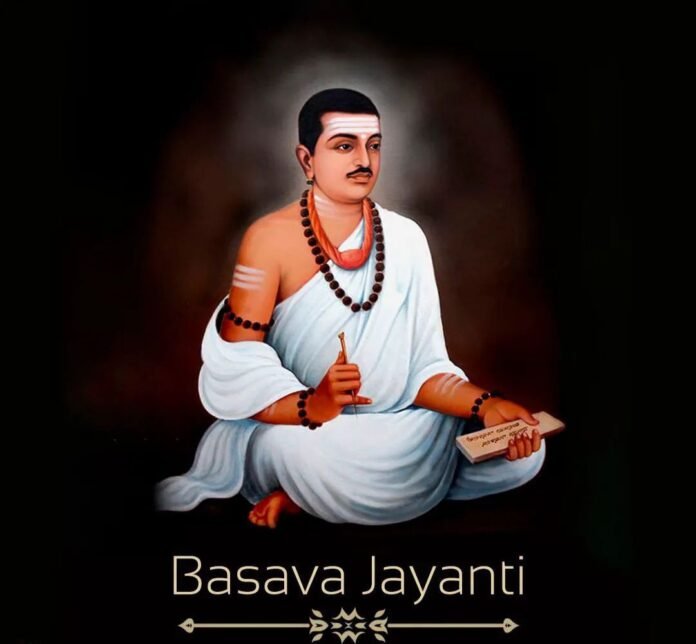
The birth anniversary of Basavanna, widely celebrated as Basava Jayanti, was marked with श्रद्धा and reverence across Karnataka. The day commemorates the 12th-century social reformer, philosopher, and statesman who played a pivotal role in shaping a more egalitarian society through his progressive ideas and teachings.

Born in 1131, Basavanna is best known as the founder of the Lingayat movement, which challenged rigid caste hierarchies and advocated equality, dignity of labour, and social justice. His philosophy of “Kayaka” (work as worship) and “Dasoha” (sharing of earnings) continues to resonate even today. He also established the Anubhava Mantapa, often regarded as one of the earliest democratic forums, where people from all sections of society could engage in open dialogue.

On the occasion, several prominent leaders including Narendra Modi, Amit Shah, and Rajnath Singh paid tribute to Basavanna, highlighting the timeless relevance of his teachings. In his message, Prime Minister Modi emphasized Basavanna’s vision of a just and inclusive society, noting that his efforts toward empowering people continue to inspire generations.

The celebrations across Karnataka included processions, cultural programs, and special prayers in temples and community spaces. Devotees remembered Basavanna not only as a spiritual leader but also as a visionary who sought to eliminate social inequalities and promote harmony.

In today’s context, where discussions around caste and social justice remain significant, Basavanna’s ideals offer a guiding light. His emphasis on equality, inclusivity, and ethical living continues to inspire individuals and policymakers alike. Basava Jayanti thus serves not just as a remembrance of a historical figure, but as a reaffirmation of values that remain crucial in building a more equitable society.

Jonnagiri Gold Mine: Being India’s First Private Gold Mine Since Independence, See How It Is Transforming Mining Sector

0

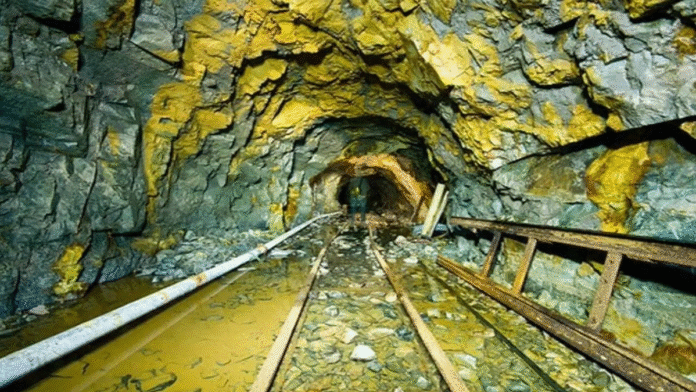
India is set to witness a major milestone in its mining sector with the launch of the Jonnagiri Gold Project in Kurnool district. Touted as the country’s first large-scale private gold mine since Independence, the project marks a significant step toward reducing India’s dependence on gold imports and advancing the vision of Aatmanirbhar Bharat in the mineral sector.

India’s Heavy Dependence on Gold Imports

India imports over 800 tonnes of gold annually, placing sustained pressure on foreign exchange reserves. Domestic production has remained limited for decades.

Currently, Hutti Gold Mines is the only major operational gold producer in the country, with an annual output of around 1.5 tonnes. The closure of Kolar Gold Fields in 2000 created a major gap in large-scale gold mining, making India heavily reliant on international markets.

Jonnagiri Gold Project: Scale and Investment

The Jonnagiri gold mine spans approximately 598 hectares, covering the villages of Jonnagiri, Erragudi, and Pagidirayi in Kurnool district.

The project is being developed by Geomysore Services India Pvt Ltd, backed by Thriveni Earthmovers & Infra and Deccan Gold Mines Ltd. An investment of over ₹400 crore has already been made.

Andhra Pradesh Chief Minister N. Chandrababu Naidu is expected to dedicate the project to the nation in early May 2026.

Production Capacity and Economic Impact

The processing plant has been completed in just 13 months and is currently in the final stage of pre-commercial operations.

  • Certified gold resources: 13.1 tonnes
  • Estimated potential reserves: up to 42.5 tonnes
  • Annual production capacity: ~1,000 kg of refined gold
  • Operational lifespan: ~15 years

Experts believe the Jonnagiri project could act as a catalyst for private sector participation in gold and critical mineral exploration across India, boosting economic growth and reducing import dependency.

How Gold Is Extracted: From Rock to Doré Bars

The gold extraction process at Jonnagiri follows modern mining and metallurgical techniques:

  1. Open-Pit Mining: Drilling and controlled blasting break hard rock formations.
  2. Crushing & Grinding: Ore is crushed into fine particles.
  3. Gravity Separation: Coarse gold is recovered.
  4. Carbon-in-Leach Process: Cyanide solution dissolves remaining gold.
  5. Absorption & Recovery: Gold binds to activated carbon, followed by elution and electro-winning.
  6. Smelting: Final purification produces doré gold bars.

This process ensures efficient recovery of gold from low-grade ore, making large-scale mining commercially viable.

Key Facts

  • Jonnagiri is India’s first large-scale private gold mine since Independence.
  • Hutti Gold Mines remains India’s only major active gold producer.
  • Kolar Gold Fields, once India’s most famous gold mine, closed in 2000.
  • Gold mining helps reduce import dependence and conserve foreign exchange.

Why Jonnagiri Matters for India

The Jonnagiri Gold Project is more than just a mining venture—it represents a strategic shift in India’s resource policy. By boosting domestic production, India can:

  • Reduce reliance on imported gold
  • Strengthen economic resilience
  • Promote private investment in mining
  • Support the Aatmanirbhar Bharat initiative

As the project begins operations, it is expected to redefine India’s gold mining landscape and open new avenues for exploration and industrial growth.