

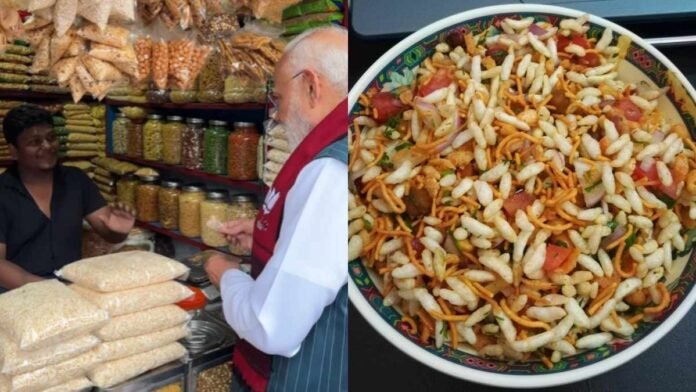
When PM modi recently paused to enjoy a humble serving of jhalmuri during his visit to West Bengal, the spotlight turned to one of India’s most iconic street foods. Simple, affordable, and bursting with flavour, jhalmuri is far more than just a snack—it is a cultural symbol of eastern India’s vibrant street food tradition.
What is Jhalmuri?
Jhalmuri is a spicy mixture made primarily from puffed rice (murmura), tossed with mustard oil, chopped onions, green chilies, peanuts, spices, and a tangy mix of chutneys. The word “jhal” means spicy in Bengali, while “muri” refers to puffed rice—perfectly capturing the snack’s bold and zesty taste.
Origins and Cultural Roots
Jhalmuri has its roots in West Bengal, particularly in Kolkata, where it is an inseparable part of daily life. From busy railway stations and college campuses to beaches and marketplaces, the snack is sold almost everywhere. It evolved from traditional puffed rice preparations and reflects Bengal’s love for quick, flavourful, and affordable food.
Historically, puffed rice has been consumed across India for centuries due to its lightness and long shelf life. Jhalmuri, however, stands out because of its distinctive use of mustard oil and spice blends, giving it a unique regional identity
How is Jhalmuri Made?
One of the biggest charms of jhalmuri lies in its preparation—quick, theatrical, and customised. Street vendors typically mix it fresh in front of customers. The basic ingredients include:
●Puffed rice (murmura)
●Mustard oil (for that signature pungent flavour)
●Finely chopped onions, tomatoes, and green chilies
●Roasted peanuts and sometimes boiled potatoes
●Spices like red chili powder, chaat masala, and black salt
●Tamarind or coriander chutney for tanginess
●Fresh coriander leaves and a squeeze of lemon
Everything is tossed together rapidly in a tin container and served in a paper cone, often made from recycled newspaper—adding to its street-style authenticity.
Where is it from?
While jhalmuri is most closely associated with Kolkata, it is popular across eastern India, including Odisha, Bihar , and parts of Assam . Variations of puffed rice snacks exist across the country—like bhel puri in Mumbai—but jhalmuri’s strong mustard flavour sets it apart.
More Than Just a Snack
Jhalmuri is not just food; it represents accessibility and everyday life. It is inexpensive, quick to prepare, and loved by people from all walks of life. For many, it evokes nostalgia—memories of train journeys, evening walks, and roadside conversations.
The recent moment of PM Modi enjoying jhalmuri brought national attention to this local favourite, highlighting how even the simplest foods carry deep cultural significance. In a fast-changing world, jhalmuri remains a reminder that sometimes, the most memorable tastes come from the most humble beginnings.