India’s top policy think tank, NITI Aayog, has entered a new phase with the appointment of Ashok Kumar Lahiri as its Vice-Chairperson. A seasoned economist with decades of experience in public policy, academia, and global financial institutions, Lahiri’s appointment is being seen as a significant move in shaping India’s economic strategy going forward.
Met Shri Ashok Kumar Lahiri Ji and conveyed my best wishes on his being appointed as the Vice Chairman of NITI Aayog. His rich experience in economics and public policy will greatly strengthen India’s reform journey and the journey towards becoming a Viksit Bharat. I am confident… pic.twitter.com/NQvAGNsgoN
Ashok Lahiri has been appointed as the Vice-Chairperson of NITI Aayog, replacing Suman Bery. The Vice-Chairperson is effectively the second-most important figure in the institution after the Prime Minister, who serves as its Chairperson. This role involves guiding economic policy, advising the government, and shaping long-term development strategies.
His appointment comes at a time when India is navigating complex economic challenges, including global uncertainties, inflation concerns, and the need for sustained growth.
An Accomplished Economist
Ashok Lahiri is widely regarded as one of India’s most experienced economists. Born in 1951, he has had a distinguished academic and professional career. He studied economics at Presidency University, Kolkata and later pursued higher studies at the Delhi School of Economics.
He served as the Chief Economic Adviser (CEA) to the Government of India from 2002 to 2007, working under both the Atal Bihari Vajpayee and Manmohan Singh governments. During his tenure, Lahiri played a crucial role in shaping India’s economic policies, including fiscal planning and budget formulation.
Global and Institutional Experience
Lahiri’s expertise extends beyond India. He has worked with major international financial institutions such as the World Bank and the International Monetary Fund, gaining global exposure to economic policymaking.
He has also held key positions including: ●Director of the National Institute of Public Finance and Policy ●Executive Director at the Asian Development Bank ●Chairman of Bandhan Bank
Additionally, he served as a member of the 15th Finance Commission, contributing to critical decisions on fiscal federalism and resource allocation.
A Blend of Economics and Politics
In recent years, Lahiri has also been active in politics. He served as a Member of the Legislative Assembly (MLA) from Balurghat in West Bengal, representing the Bharatiya Janata Party (BJP). This combination of academic expertise and political experience gives him a unique perspective on governance and policymaking.
Why His Appointment Matters
Lahiri’s appointment signals a strong emphasis on economic expertise at the helm of NITI Aayog. With his deep understanding of fiscal policy, international economics, and governance, he is expected to play a key role in: ●Driving policy reforms ●Strengthening economic planning ●Supporting India’s long-term development goals
As India aims to sustain high growth while addressing inequality and global economic shifts, his leadership at NITI Aayog could prove pivotal.
Conclusion
Ashok Lahiri’s journey—from academia to global institutions, from government advisory roles to politics—reflects a career deeply rooted in economic thought and public service. His appointment as Vice-Chairperson of NITI Aayog brings both experience and credibility to one of India’s most important policy bodies.
As he steps into this influential role, all eyes will be on how his expertise shapes the next phase of India’s economic trajectory.
India is not merely experiencing a seasonal rise in temperatures—it is currently at the epicentre of a global heat crisis. Recent data from global temperature trackers shows an alarming trend: Indian cities are dominating the list of the world’s hottest places, with an overwhelming majority of the top 100 spots occupied by locations across the country.
From Azamgarh and Bareilly in Uttar Pradesh to Hisar in Haryana, Ludhiana in Punjab, Agra in Uttar Pradesh, and Rourkela in Odisha, temperatures are consistently soaring between 42°C and 45°C. What is striking is not just the intensity, but the scale—this is not a regional heatwave, but a widespread phenomenon stretching across northern, central, and eastern India simultaneously.
A Heatwave of Unprecedented Scale
Traditionally, heatwaves in India tend to be localised, affecting specific belts such as the northwest or central plateau. However, the current situation is markedly different. Over 100 cities are recording what qualifies as “extreme heat” on the same day, making it one of the most expansive heat events in recent memory.
This widespread pattern aligns with broader concerns in climate science, where scientists have long warned about the increasing frequency and geographical spread of extreme weather events.
What’s Driving the Heat?
Several factors are converging to create this intense and persistent heatwave: ●Deficit in Pre-Monsoon Rainfall: Reduced rainfall has left large parts of the country dry, allowing heat to build rapidly. ●Urban Heat Island Effect: Expanding cities with concrete surfaces trap heat, pushing temperatures even higher in urban areas. ●Hot, Dry Winds: Strong northwesterly winds sweeping across the Indo-Gangetic plains are intensifying the heat. ●Long-term Climate Shifts: Rising global temperatures linked to climate change are making heatwaves more frequent, longer, and more widespread.
The Hidden Danger: Hot Nights
One of the most concerning aspects of this heatwave is the lack of nighttime relief. When temperatures remain high even after sunset, the human body struggles to recover. This significantly raises the risk of heat-related illnesses such as dehydration, exhaustion, and heatstroke.
Could It Get Worse?
Unfortunately, current forecasts suggest that the peak of summer is still ahead. Meteorological projections indicate that temperatures in several regions could climb further, potentially nearing or even crossing 50°C in extreme cases. Combined with dry winds and ground heating, the “feels-like” temperature could be even higher.
India has witnessed extreme temperatures before—crossing 50°C is not unprecedented. However, what is changing now is the simultaneity and scale: more regions are experiencing extreme heat at the same time than ever before.
A Wake-Up Call
This ongoing heatwave is more than just a weather event—it is a stark reminder of the growing impact of climate variability and urbanisation. It highlights the urgent need for adaptive strategies, including better urban planning, increased green cover, water conservation, and public awareness about heat safety.
As India navigates the coming weeks, the focus must remain on preparedness and resilience. Staying hydrated, avoiding peak sun hours, and taking necessary precautions are crucial at an individual level, while systemic changes are needed to address the larger climate challenge.
The message is clear: this is not just another hot summer. It is a glimpse into a future where extreme heat could become the norm unless decisive action is taken.
Observed every year on April 25, World Penguin Day is a global occasion dedicated to celebrating penguins—one of the most fascinating and beloved creatures on Earth. Beyond their adorable waddling and “tuxedo-like” appearance, this day serves a deeper purpose: raising awareness about penguin conservation and the environmental challenges they face.
What is World Penguin Day?
World Penguin Day is an awareness day that encourages people to learn more about penguins, their habitats, and their importance in the ecosystem. It was initially linked to the annual migration of Adélie penguins, which begins around this time of the year, making April 25 a meaningful date for the celebration. The day has since evolved into a global effort to appreciate all penguin species and promote their protection.
Significance of the Day
The significance of World Penguin Day lies in both celebration and conservation. Penguins are not just cute birds; they are vital indicators of ocean health and environmental balance. The day highlights: ●The diversity and uniqueness of penguin species ●Their role in marine ecosystems ●The growing threats to their survival, including climate change and overfishing
It also encourages individuals, communities, and governments to take action toward protecting marine biodiversity.
About Penguins: Unique and Remarkable Birds
Penguins are flightless aquatic birds found primarily in the Southern Hemisphere, especially in Antarctica, as well as regions like South America, Africa, Australia, and New Zealand.
Some fascinating facts about penguins include: ●There are around 18 species of penguins, ranging from the large Emperor penguin to the tiny Little Penguin. ●Although they cannot fly, penguins are exceptional swimmers, reaching speeds of up to 15 miles per hour underwater. ●They are highly social animals, living in large colonies and forming strong bonds. ●Penguins are devoted parents, often sharing responsibilities of incubating eggs and raising chicks.
Threats to Penguins
Despite their resilience, penguins face numerous threats: ●Climate change: Melting sea ice affects their breeding and feeding grounds ●Overfishing: Reduces the availability of their primary food sources ●Pollution: Oil spills and plastic waste damage their habitats ●Human interference: Tourism and captivity can disrupt natural behaviors
Many penguin species are now classified as vulnerable or endangered, making conservation efforts more urgent than ever.
How Can We Help?
World Penguin Day encourages simple yet impactful actions: ●Support wildlife and ocean conservation initiatives ●Reduce plastic use and environmental pollution ●Spread awareness about penguin conservation ●Advocate for climate action and sustainable practices
Conclusion
World Penguin Day is more than just a celebration of a charming bird—it is a reminder of our responsibility toward the planet and its wildlife. Penguins, with their intelligence, social bonds, and adaptability, symbolize the delicate balance of nature.
As we celebrate this day, it is important to move beyond admiration and take meaningful steps to ensure that these incredible creatures continue to thrive in the wild for generations to come.
Observed every year on April 25, World Malaria Day is a global health awareness event that underscores the urgent need for sustained efforts to prevent, control, and ultimately eliminate malaria. Instituted by Member States of the World Health Organization during the 2007 World Health Assembly, the day serves as a reminder that despite progress, malaria continues to pose a serious threat to millions worldwide
Why World Malaria Day Matters
World Malaria Day is not just about raising awareness—it is a call to action. It highlights the importance of continued investment in healthcare systems, research, and community outreach. Governments, NGOs, and global organizations use this day to advocate for stronger political commitment and innovative strategies to combat malaria.
Despite being both preventable and treatable, malaria remains a leading cause of illness and death in many parts of the world, particularly in sub-Saharan Africa and parts of Asia. The day emphasizes equity in healthcare access, especially for vulnerable populations such as children and pregnant women.
What is Malaria and How is it Caused?
Malaria is a life-threatening disease caused by parasites of the genus Plasmodium. It is transmitted to humans through the bite of infected female Anopheles Mosquito. Once inside the body, the parasites travel to the liver, multiply, and then infect red blood cells.
There are several types of malaria parasites, with Plasmodium falciparum being the most dangerous and responsible for the majority of severe cases and deaths.
Symptoms to Watch For
Malaria symptoms usually appear 10–15 days after the infective mosquito bite. Common signs include: ●High fever with chills ●Sweating ●Headache and muscle pain ●Nausea and vomiting ●Fatigue
If left untreated, malaria can progress to severe illness, leading to complications such as anemia, organ failure, and even death.
Treatment and Cure
Malaria is treatable, especially when diagnosed early. The most effective treatment involves Artemisinin-based Combination Therapies (ACTs), which are recommended by the World Health Organization
In some cases, preventive medicines may be prescribed for people traveling to high-risk areas. Prompt medical attention is crucial—self-medication or delays can worsen the condition.
Prevention: The First Line of Defense
Preventing mosquito bites remains the most effective way to avoid malaria. Key preventive measures include: ●Using insecticide-treated mosquito nets while sleeping ●Applying mosquito repellents on exposed skin ●Wearing long-sleeved clothing, especially during dusk and dawn ●Ensuring proper sanitation and eliminating stagnant water where mosquitoes breed ●Indoor residual spraying with insecticides
Community-level efforts such as awareness campaigns and improved sanitation infrastructure also play a vital role.
A Collective Responsibility
World Malaria Day reminds us that fighting malaria requires a collective effort—from global policy-makers to local communities. With continued research, better healthcare access, and public awareness, the goal of a malaria-free world is achievable.
On this day, the message is clear: malaria is preventable, treatable, and beatable—but only if we remain committed, informed, and proactive.
Most people do not struggle because they lack musical ideas. They struggle because ideas arrive in fragments. A phrase appears before breakfast. A hook shows up in the middle of work. A mood is clear, but the arrangement is not. For years, that gap between intention and execution kept many creators from going further. That is why I wanted to test AI Music Generator in a practical way, not as a novelty, but as a working tool. The question was simple: can it help turn scattered ideas into usable music without demanding studio-level skill?
That question matters more than the usual “can AI make a song” discussion. By now, many tools can produce something that sounds like a song. The harder question is whether the process feels productive. A useful platform should not only surprise the user once. It should help them move from rough intent to repeatable output. It should also make revision less painful than starting over from scratch.
So I approached ToMusic the same way an ordinary creator might. I did not treat it like a technical benchmark. I treated it like a tool that had to earn its place in a creative workflow. I wanted to see whether it handled vague prompts, whether it responded better to specific direction, whether lyrics changed the experience, and whether the results felt usable enough for content, demos, or early-stage song development.
What I found is that ToMusic works best when it is understood as a bridge. It is not magic, and it does not remove creative judgment. But in my testing, it lowered the cost of exploration. That is not a small benefit. In real creative work, lowering the cost of exploration is often what makes progress possible.
Why I Tested It Like a Working Creator
There are many ways to review a music platform. One is to focus on promotional claims. Another is to chase a perfect demo. I chose a third route: test it under the kinds of conditions that actual users face.
The Goal Was Practical Usefulness
I was less interested in whether one output sounded impressive in isolation and more interested in whether the platform could support decision-making. Could it help someone compare moods? Could it help a lyric sheet become more concrete? Could it produce results that felt close enough to keep refining?
A Good Demo Is Not the Same as a Good Workflow
This distinction matters. A short clip can sound striking and still be hard to reproduce. For most users, the more meaningful test is whether they can move from one idea to several plausible versions without losing direction.
Ordinary Creators Need Momentum More Than Perfection
A solo creator, marketer, or songwriter often does not need final-release polish on the first pass. They need a draft that reveals where the idea could go. In my observation, ToMusic is strongest when judged by that standard.
The Real Test Was Friction
Every creative tool creates some kind of friction. The question is where that friction appears. With traditional music software, it often appears early in the process because the tools are powerful but demanding. With some generative systems, it appears later because the first result is easy but steering the second result is confusing.
ToMusic appears designed to reduce that problem by giving users more than one way to begin. That was one of the first things I wanted to test closely.
How I Structured the ToMusic Test
I did not use only one prompt and call it a review. I broke the process into several situations that reflect common creator behavior.
Scenario One Was Mood-Based Prompting
In the first scenario, I approached the platform without lyrics. I used simple descriptive intent: genre, atmosphere, pace, and emotional tone. This is the likely entry point for many beginners.
Scenario Two Was Lyric-Led Song Drafting
In the second scenario, I started with text. This matters because many people do not begin with production language. They begin with lines, phrases, or unfinished song sections. I wanted to see whether the system could interpret words in a way that felt musically coherent.
Scenario Three Was Repeat Generation
In the third scenario, I tested whether the same idea could produce multiple usable variations. This was important because one of the hidden weaknesses of some AI music tools is that they feel exciting once but unreliable over time.
Scenario Four Was Asset Management
Finally, I paid attention to what happened after generation. Publicly, ToMusic includes a music library that stores outputs with titles, tags, descriptions, lyrics, and parameters. I wanted to see whether this part of the workflow actually mattered.
The First Impressions Were About Accessibility
The first strength I noticed was that the product framing feels straightforward. It does not assume the user is already a producer.
Starting Feels Manageable
Prompt-led entry lowers the emotional barrier. A user does not have to think in terms of signal chains, plugins, or arrangement software. They can begin with what they want the music to feel like.
This Helps Non-Musicians Immediately
That may sound obvious, but it changes the relationship between the user and the tool. Instead of asking, “Do I know enough to begin?” the user asks, “What do I want this track to express?”
That Change Is More Important Than It Sounds
Creative momentum often depends on starting before doubt grows too large. A platform that accepts natural-language intent gives users a better chance of acting while the idea is still alive.
The Interface Logic Supports a Faster First Draft
In my testing, the main advantage was not extreme detail control at the start. It was the ability to get to a first draft quickly enough that the idea stayed emotionally intact. For early-stage creativity, that is often the correct trade-off.
What Happened When I Used Simple Prompts
The first round of tests focused on broad musical direction. I avoided overloading the system with long instructions. Instead, I used prompts that described style and mood in normal language.
Broad Prompts Produced Broad Results
This was not surprising. When the direction was general, the outputs were often listenable but not sharply distinctive. They usually captured the emotional neighborhood, but not always the exact personality I imagined.
This Is a Useful Limitation to Understand
It would be easy to call this a flaw, but I think it is more accurate to call it a rule of the medium. Generative systems interpret direction. If the direction is loose, the result is often correspondingly broad.
The Fix Was Better Specificity
When I clarified mood, pacing, energy level, and instrument character, the results became more coherent. In practice, that means users benefit from treating prompts like creative briefs rather than casual guesses.
The Platform Responded Best to Directed Mood
The stronger outputs usually came when emotional tone and use case were both clear. Saying “sad piano song” is one thing. Saying “slow reflective piano-led song for a personal montage with warm but restrained emotion” tends to create a more useful frame.
That pattern is not unique to ToMusic, but the platform handled this kind of refinement in a way that felt approachable rather than technical.
Testing Lyrics Changed the Experience
The next part of the review involved lyric-led creation, and this is where the platform became more interesting.
Words Made the Tool Feel More Like Songwriting
A lot of AI music platforms can generate mood effectively. Fewer feel equally comfortable when the user begins from written lines. In my testing, ToMusic became much more compelling when I shifted from prompt-only requests to lyric-based direction.
Lyrics Add Structure Before Music Appears
When a user brings words, they are also bringing rhythm, emotional framing, and narrative hints. That gives the system more to interpret than genre labels alone.
This Makes the Output Easier to Judge
With lyric-led tests, it was easier to decide whether a result worked. The question was no longer only “Does this sound good?” It became “Does this serve the words?”
The Results Were Not Perfect, But They Were Useful
Some generations felt stronger than others, and that is worth saying plainly. Not every output felt like a finished song. But many felt like credible drafts. That matters because a credible draft is often enough to continue working.
Later in the process, I found myself thinking less about whether the system replaced traditional songwriting and more about whether it accelerated creative discovery. In that sense, Text to Music feels genuinely practical. It gives written language a faster path into audible form.
The Multi-Model Structure Matters More Than It First Appears
Publicly, ToMusic presents several models with different strengths. I think this is one of its most important product decisions.
Different Models Encourage Better Creative Hypotheses
When a platform treats every request as if one generation engine can solve everything, users often compensate by endlessly rewriting prompts. A multi-model structure changes that behavior. It invites the user to ask which kind of interpretation might fit the idea best.
That Reduces Blind Experimentation
Instead of treating every failure as a prompt problem, the user can also think in terms of model fit. That is a healthier workflow because it turns variation into a structured choice.
It Also Improves Confidence
In my observation, users stay calmer when they know there is more than one valid route to a result. This matters because creative frustration often comes from feeling trapped in one unclear system.
Model Choice Makes Repetition More Valuable
Repeat generation became more interesting once I thought of the models not as technical labels but as alternate creative perspectives. The same idea could be tested under different assumptions, which made the platform feel less random and more like a workspace.
What the Music Library Adds to the Workflow
This part may sound less exciting than generation, but it turned out to be important.
Saved Outputs Make Comparison Real
Publicly, the platform’s library stores songs with titles, tags, descriptions, lyrics, and parameters. In practice, this gives users a way to treat outputs as part of an ongoing process instead of disposable moments.
Creative Work Needs Memory
A common weakness in generative tools is that they produce many options but make it hard to remember what mattered about each one. When a system preserves context, comparison becomes easier.
That Encourages Iteration Instead of Chaos
People are more likely to refine ideas when previous attempts remain visible and organized. Without that, experimentation can quickly feel messy and discouraging.
This Helps More Than Power Users
At first glance, a library may seem like an advanced feature. I do not think it is. Beginners may benefit from it even more because it reduces the anxiety of losing progress.
Where ToMusic Felt Strongest
After several rounds of testing, a few strengths became clear.
It Lowers the Threshold for Beginning
The platform is approachable enough that non-musicians can start without much intimidation. That is a major advantage.
It Handles Both Prompt and Lyric Workflows
This gives it a wider audience than tools that feel optimized for only one input mode.
It Rewards Better Direction
In my testing, the platform did not punish specificity. On the contrary, it made better use of it. That is a healthy sign because it means creative skill still matters.
It Makes Reuse More Plausible
With multiple models and stored outputs, the platform feels suited to repeated experiments rather than one-off novelty use.
Where the Limitations Became Visible
A credible test should also describe where the platform does not solve everything.
The First Output Was Not Always the Best
This is probably the most important expectation to set. Useful results often appeared after more than one try. That is normal in generative systems, but users should know it upfront.
Revision Is Still Part of the Process
The platform accelerates drafting, but it does not remove the need to choose, compare, and sometimes regenerate.
Patience Improves the Experience
Users who treat the first result as a rough reveal rather than a final answer are likely to get more value.
Prompt Quality Still Shapes Outcome Quality
Loose direction usually produced looser music. Stronger inputs created stronger drafts. In other words, the platform expands access, but it does not eliminate the benefit of thoughtful intent.
Who I Think Will Benefit Most
The strongest users for ToMusic are not only musicians.
Songwriters With Unfinished Material
Someone with lyrics, hooks, or fragments can use the platform to test emotional direction quickly.
Content Creators and Small Teams
A creator making ads, explainers, reels, or short-form pieces can explore original music ideas without building a full production pipeline.
Curious Beginners
People who have always wanted to make music but never crossed the technical barrier now have a more approachable place to begin.
My Final View After Testing ToMusic
After spending time with ToMusic as a working platform rather than a demo, I think the most accurate description is this: it is a useful creative bridge. It does not replace musical judgment, and it does not eliminate iteration. But it meaningfully reduces the distance between concept and draft.
That matters because most creative projects do not fail from lack of ideas. They fail from lack of momentum. In my testing, ToMusic helped preserve momentum. It made it easier to move from feeling to sound, from words to structure, and from first attempt to revision. For a platform in this category, that is a serious achievement. The real value is not that it can generate music. The real value is that it makes creative exploration easier to continue.
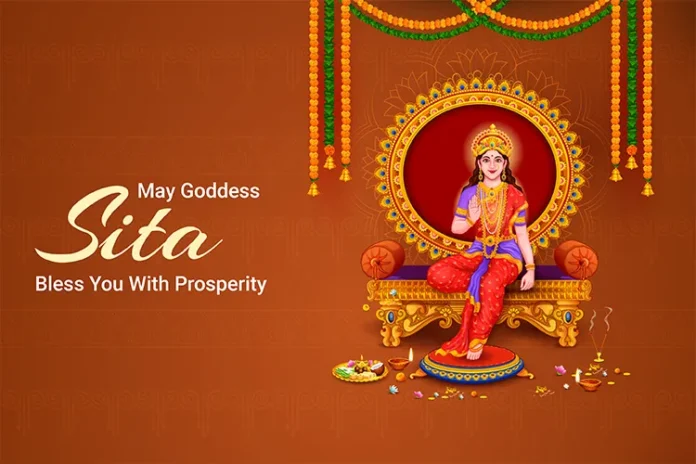
Sita Navami, also known as Janaki Navami, is a sacred Hindu festival that commemorates the birth of Goddess Sita, the revered consort of Lord Rama and one of the most admired figures in Indian epics. Observed with devotion across India, especially in regions like Bihar, Uttar Pradesh, and parts of Rajasthan, the day holds immense spiritual and cultural significance.
Tithi and Date
Sita Navami is celebrated on the Navami (ninth day) of the Shukla Paksha in the month of Vaishakha, according to the Hindu lunar calendar. In 2026, Sita Navami falls on April 25, marking an auspicious occasion for devotees to honor the divine feminine energy embodied by Mata Sita.
The Birth of Goddess Sita
According to the ancient epic Ramayan, Goddess Sita was discovered in a furrow in a field by King Janak of Mithila while he was ploughing the land as part of a ritual. This miraculous birth earned her the name Bhoomija (daughter of the Earth). She is also lovingly called Janaki, meaning the daughter of Janaka.
Sita is considered an incarnation of Goddess Lakshmi, who took birth on Earth to accompany Lord Ram, an avatar of Lord Vishnu, in his earthly journey.
Significance of Sita Navami
Sita Navami is not just a celebration of birth but a reminder of Sita’s unparalleled virtues—her strength in adversity, unwavering devotion, moral integrity, and grace. Her life story, filled with trials such as exile, abduction by Ravana, and the Agni Pariksha, reflects resilience and dignity under pressure.
For many devotees, Sita represents the ideal of patience, sacrifice, and inner strength. Her character goes beyond traditional roles, symbolizing courage and self-respect, making her a timeless figure of inspiration.
Rituals and Observances
On this day, devotees observe fasts, offer prayers, and recite passages from the and Ramayana. Temples dedicated to Lord Rama and Sita are beautifully decorated, and special pujas are conducted. In places like —believed to be the birthplace of Goddess Sita—grand celebrations take place, attracting pilgrims from across the country. Devotees also worship the Earth (Bhumi) on this day, acknowledging Sita’s divine origin.
Relevance in Today’s World In a rapidly changing world, Sita’s story continues to hold deep relevance. She is not merely a symbol of devotion but also of quiet strength and resilience. Her life encourages reflection on values such as dignity, endurance, and righteousness in the face of challenges. Sita Navami thus becomes more than a ritual—it is a day to revisit the ideals that form the moral fabric of society and to draw inspiration from a figure whose legacy transcends time. As devotees bow in reverence today, Sita Navami reminds us of the enduring power of virtue, faith, and inner strength—qualities that Mata Sita embodied with grace and courage.
India’s Air Chief Marshal AP Singh touched down in Washington on April 6th for a week-long visit that sent a clear message: India and the US are drawing closer in the skies and beyond.
The highlight came on April 9th, when Singh flew the Boeing F-15EX Eagle II at Nellis Air Force Base, Nevada, a pointed signal amid India’s ongoing search for 114 Multi-Role Fighter Aircraft. The sortie, alongside USAF Major Matthew Benson, put one of America’s most advanced fighters squarely in the IAF chief’s hands
.At the Pentagon, top-level talks covered defense industrial collaboration, joint operational capabilities, and the Indo-Pacific theatre. A visit to Peterson Space Force Base in Colorado added another dimension: aerospace and maritime warning systems and the prospect of deeper Space Force cooperation.
Also on the agenda: accelerating the induction of MQ-9B Sky Guardian drones for Indian forces and expanding joint training exercises.The visit wrapped up April 13th, leaving little ambiguity. India-US defense ties are moving from partnership on paper to interoperability in practice.
Pakistan’s capital hosted a grueling 21-hour negotiation on April 12th between US and Iranian delegations, as the world watched anxiously. The conflict -marked by Iran’s closure of the Strait of Hormuz and US strikes killing senior Iranian leaders- has sent shockwaves through the global economy.
Talks ended in a stalemate, though Iran agreed to keep the Strait open to commercial traffic. A US naval blockade, however, remains in place and risks reigniting hostilities.
Washington is demanding permanent denuclearization, dismantling of enrichment facilities, and an end to proxy funding. Tehran wants full sanctions relief, frozen assets returned, and its right to enrich uranium recognized.Both sides are on a fragile pause. Round two of negotiations is expected soon- but the clock is ticking.
(The writer of this article is Lakshya Govandi, APS Jaipur)
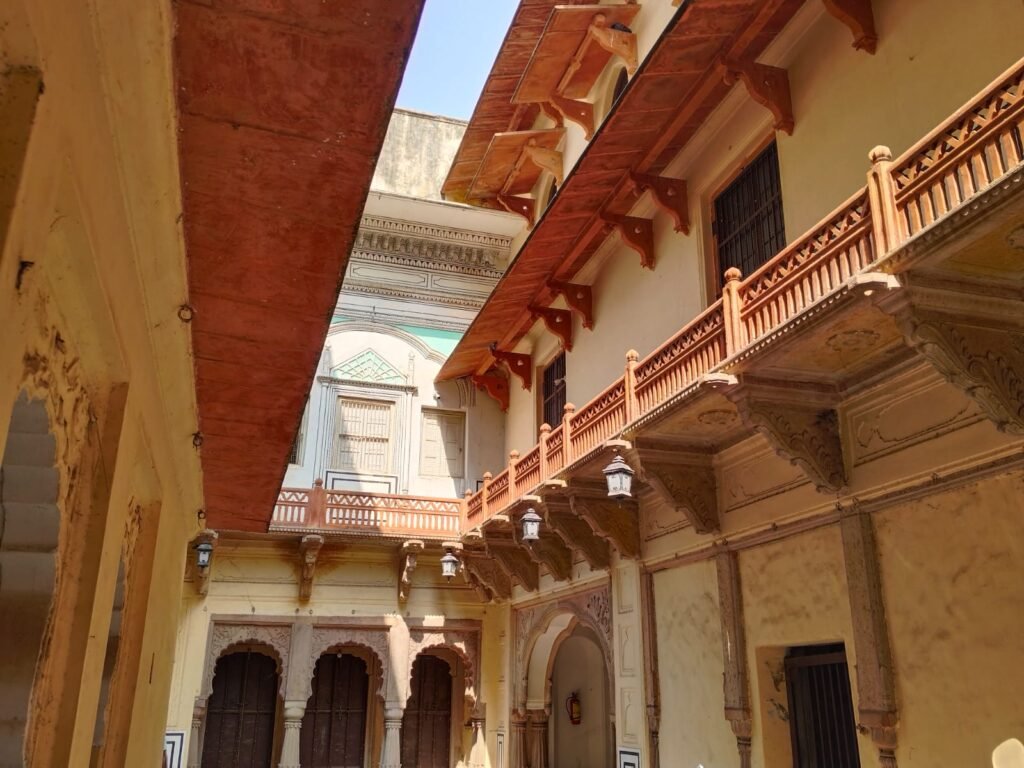
For decades, Rajasthan has been synonymous with sweeping deserts, golden forts, and royal grandeur. Yet, in its southeastern corner lies a region that quietly challenges this image—lush, river-fed, culturally layered, and still relatively untouched. Welcome to Hadoti, a region comprising Kota, Bundi, Baran, and Jhalawar.
Much of this nuanced understanding of Hadoti’s evolving tourism landscape is enriched by insights shared by Neeraj Bhatnagar, Director of The Royal Hadoti Travels and Vice President of the Hadoti Tourism Development Society (HTDS), who has closely witnessed the region’s transformation from an overlooked destination into one of Rajasthan’s most promising tourism frontiers.
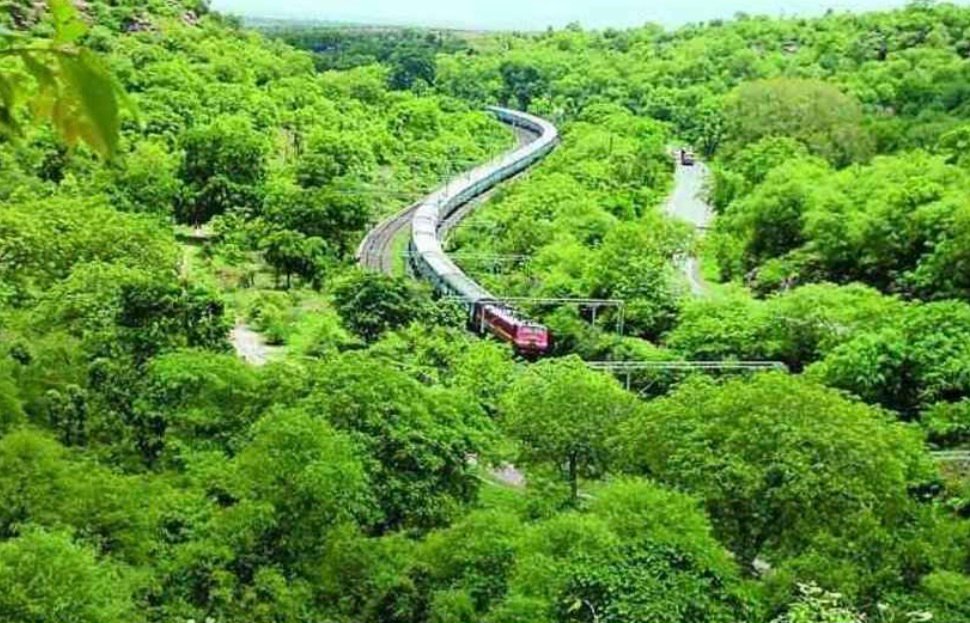
Unlike the arid imagery often associated with the state, Hadoti is defined by the life-giving presence of the Chambal River and its tributaries. The landscape here is dotted with wetlands, fertile plains, forested stretches, and rocky outcrops. During monsoons, the region turns vibrantly green—an unexpected contrast that surprises even seasoned travelers.
“Hadoti has always been rich in culture, wildlife, and heritage, but it remained undiscovered for a long time,” says Neeraj Bhatnagar.
“Now, with better connectivity and awareness, it is finally getting the attention it deserves.”
Historically, limited accessibility kept tourist footfall low. Today, infrastructure developments—especially improved highways and the Delhi-Mumbai Expressway corridor—are placing Hadoti firmly on the tourism map. What was once considered remote is now emerging as a central, well-connected destination.
Kota: Riverfront Revival and Urban Transformation
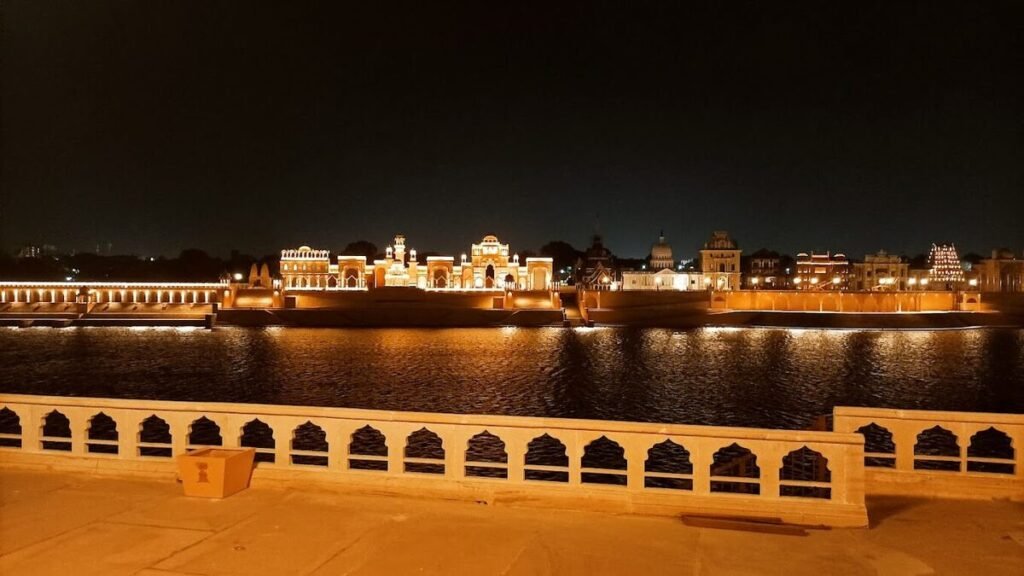
Often recognized as an educational hub, Kota is redefining itself as a tourism destination. The highlight is the ambitious Chambal Riverfront, a multi-kilometer stretch developed along the river with ghats, architectural facades, cultural spaces, and boating facilities. This project has not only enhanced the city’s aesthetic appeal but also positioned the Chambal River as a central tourism asset.
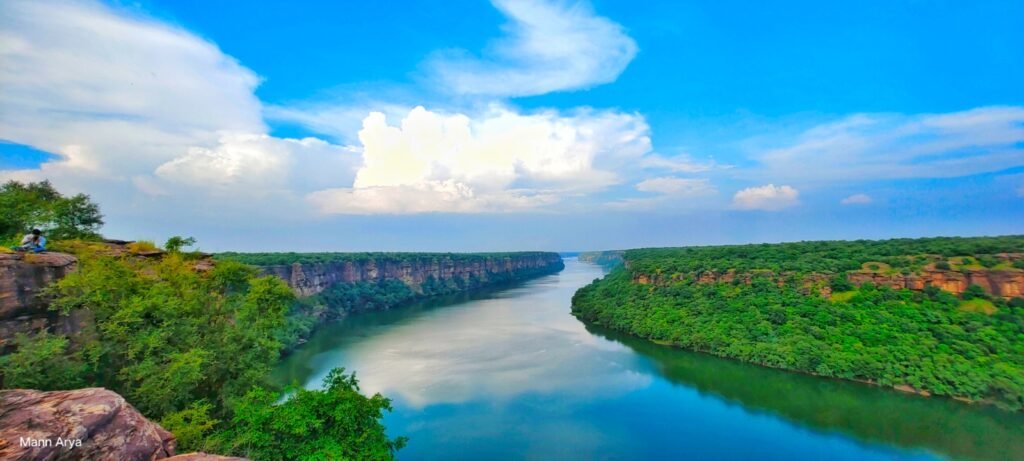
Nearby, the dramatic cliffs of Garadia Mahadev offer one of Rajasthan’s most striking viewpoints, overlooking a deep gorge carved by the river. The city also features attractions like the Seven Wonders Park and well-maintained gardens, making it increasingly attractive for domestic tourism.
Kota is also the gateway to the National Chambal Sanctuary, where boat safaris reveal a rare ecosystem inhabited by gharials, marsh crocodiles, turtles, and a wide variety of bird species. The sanctuary is one of India’s cleanest river systems, further enhancing its ecological significance.
Bundi: A Living Canvas of Art and Architecture
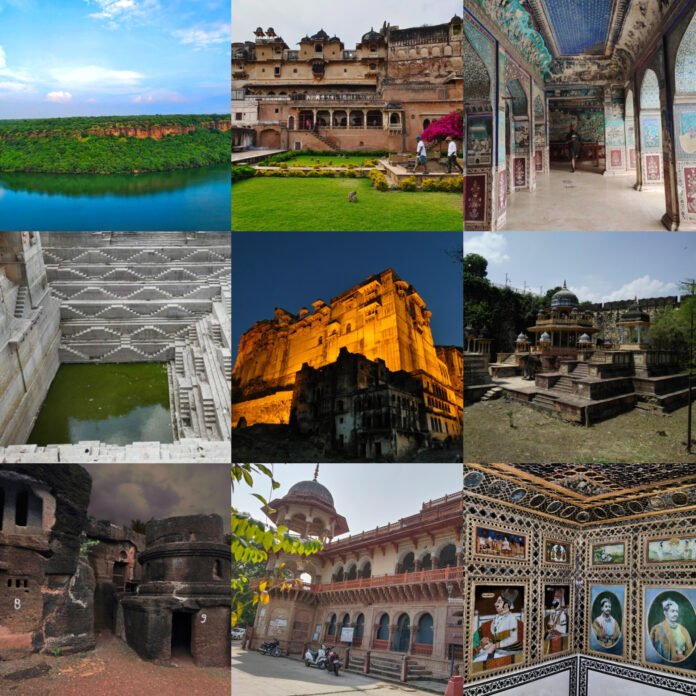
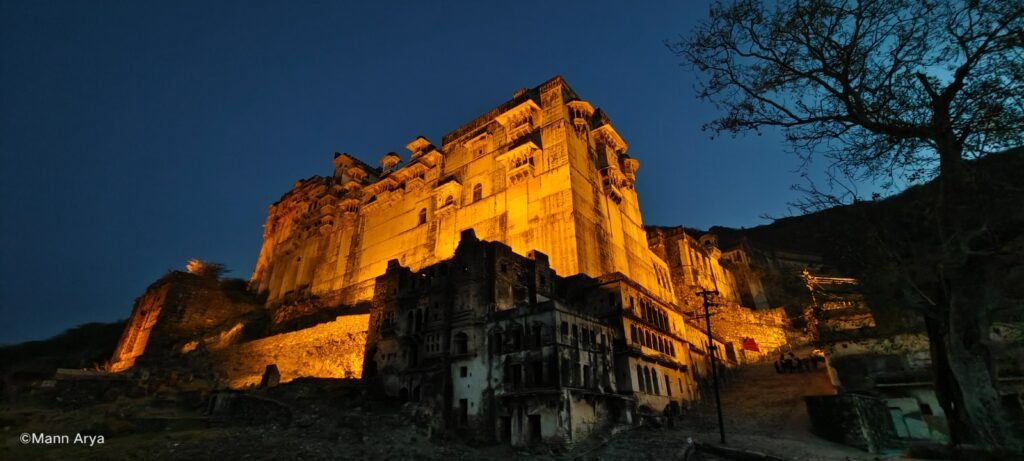
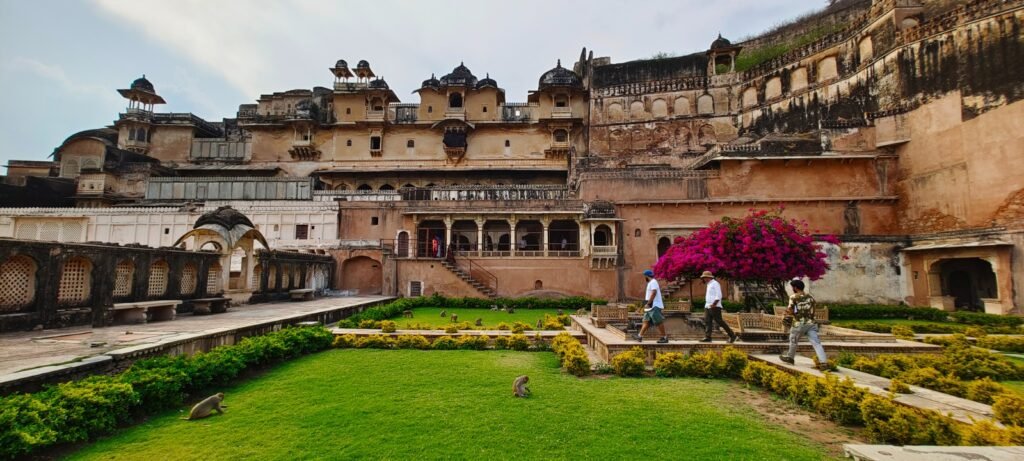
If Hadoti has a poetic heart, it beats strongest in Bundi. Often described as a hidden gem, Bundi is a town where history lingers in every alley, mural, and stepwell. Dominating the skyline is Taragarh Fort, one of the oldest hill forts in Rajasthan, offering sweeping views of the town below. At its base lies the Garh Palace, renowned for its exquisite frescoes—delicate paintings that narrate tales of courtly life, mythology, and romance.
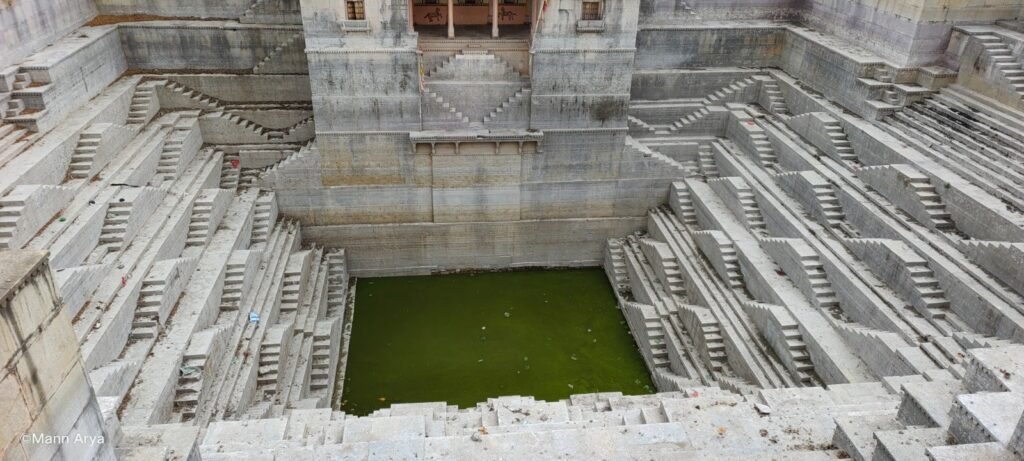
Bundi is also celebrated for its intricate baoris (stepwells), such as Raniji ki Baori, which combine utility with stunning architectural detail. Unlike more commercialized destinations, Bundi retains an authenticity that makes exploration feel personal and immersive.
Baran: Echoes of Ancient Civilizations
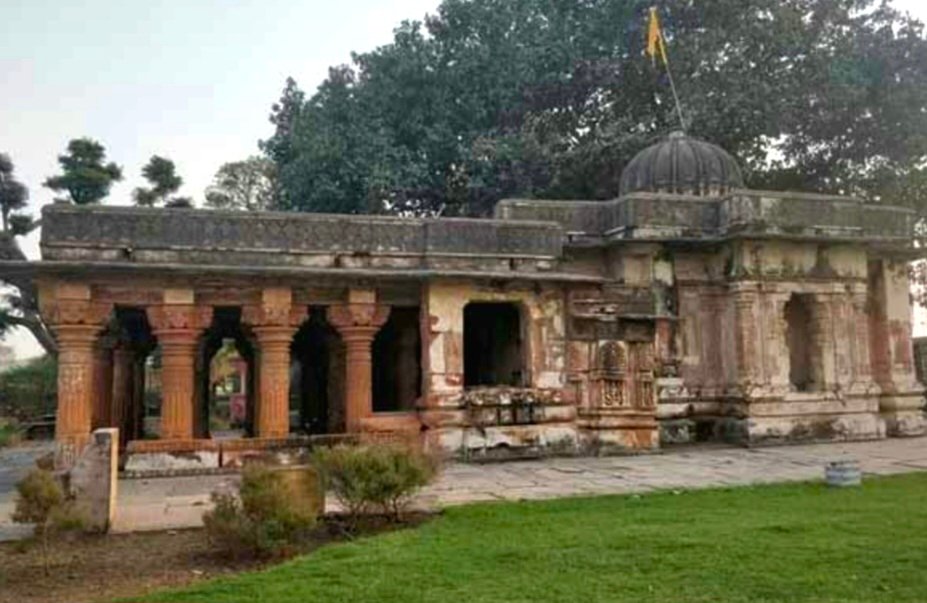
Still largely underexplored, Baran offers a rich tapestry of archaeological and spiritual heritage. Sites like Shergarh Fort reveal layers of history shaped by multiple dynasties. Archaeological surveys have uncovered remnants of ancient temples, Jain sites, and early settlements, pointing to a once-thriving cultural landscape.
Baran’s quieter profile makes it especially appealing to those interested in offbeat travel, history, and research-oriented exploration. Its temples and ruins stand not as curated exhibits, but as living fragments of the past waiting to be discovered.
Jhalawar: Rivers, Temples, and Fertile Landscapes
Known for its greenery and agricultural richness, Jhalawar presents yet another facet of Hadoti. The UNESCO-listed Gagron Fort is a standout attraction—uniquely surrounded by water on three sides and a hill on the fourth, making it one of India’s rare water forts. The Jhalawar Fort and palace complex further showcase the region’s architectural elegance.
The sacred Chandrabhaga Temple Complex and its annual fair draw pilgrims and visitors alike, blending spirituality with vibrant local culture.
The district’s rivers and fertile land support crops like rice and regulated opium cultivation, contributing to its distinct identity within Rajasthan.
Wildlife, Wetlands, and Eco-Tourism Potential
Hadoti’s natural wealth is one of its strongest assets. The forests and river systems support diverse wildlife, including leopards, sloth bears, vultures, and numerous migratory bird species. The presence of marsh crocodiles and even freshwater dolphins in the Chambal adds to the region’s ecological uniqueness.
The Mukundra Hills Tiger Reserve, spanning parts of Kota and Bundi, represents a significant step in wildlife conservation and tourism development. Though still evolving, it signals the region’s growing focus on eco-tourism.
Birdwatching, trekking, and river safaris are gradually gaining traction, offering experiences that are both immersive and sustainable.
Culture, Fairs, and Local Life
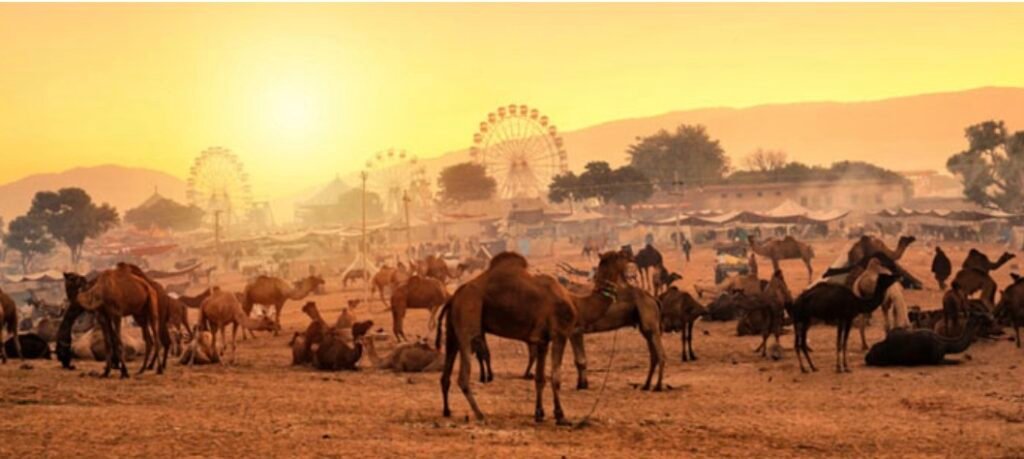
Hadoti’s cultural landscape is deeply rooted in tradition yet refreshingly uncommercialized. Events like the Chandrabhaga Fair in Jhalawar, cattle fairs, and local festivals bring together communities in vibrant displays of music, dance, and ritual.
Folk traditions, regional cuisine, and everyday rural life offer travelers an authentic connection to the land—far removed from the curated experiences of more crowded destinations.
Infrastructure, Promotion, and the Road Ahead
Recognizing its untapped potential, both government bodies and regional organizations like the Hadoti Tourism Development Society (HTDS) are actively promoting tourism in the region. Efforts include: ●Development of riverfronts and urban infrastructure ●Heritage conservation and restoration ●Promotion of wildlife tourism and safaris ●Improved road connectivity and accommodation facilities
The Delhi-Mumbai Expressway is expected to be a turning point, placing Hadoti at a strategic crossroads and significantly boosting accessibility.
Rediscovering Hadoti
Hadoti’s story is one of quiet resilience and gradual rediscovery. For years, it remained in the shadows—rich in heritage, nature, and culture, yet overlooked. Today, it stands at the cusp of transformation.
What sets Hadoti apart is not just what it offers, but how it offers it—with authenticity, diversity, and a sense of discovery that is increasingly rare. From the river-carved landscapes of Kota to the painted walls of Bundi, the ancient echoes of Baran, and the fertile beauty of Jhalawar, Hadoti invites travelers to experience a Rajasthan that feels both timeless and new.
As awareness grows and infrastructure improves, the challenge will be to preserve this authenticity while embracing progress. If done right, Hadoti may well become not just another destination—but a defining chapter in Rajasthan’s tourism story.
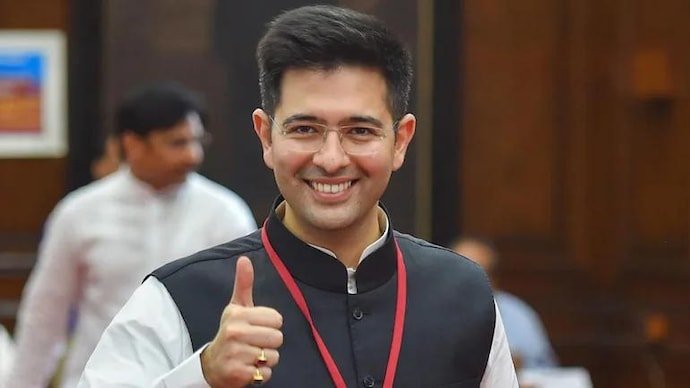
In a dramatic political development on April 24, 2026, Raghav Chadha resigned from the Aam Aadmi Party (AAP) and joined the Bharatiya Janata Party (BJP), along with six other Rajya Sabha MPs. The move marks one of the biggest internal splits in AAP’s recent history and significantly reshapes the political landscape in Parliament. Reports indicate that more than two-thirds of AAP’s Rajya Sabha members backed the merger, invoking constitutional provisions to formalise the shift.
Today, exercising the provisions of the Constitution of India, more than two-thirds of the AAP MPs in the Rajya Sabha have merged with the BJP.
Seven MPs have signed the document, which was submitted to the Hon’ble Chairman of the Rajya Sabha.
The resignation comes after weeks of visible tension between Chadha and the AAP leadership. He had recently been removed as the party’s deputy leader in the Rajya Sabha, signalling a widening rift. His remarks at the time of exit suggest ideological differences and dissatisfaction with the party’s direction, while AAP leaders have strongly criticised the move, calling it a betrayal.
Silenced, not defeated
My message to the ‘aam aadmi’ — खामोश करवाया गया हूँ, हारा नहीं हूँ
Born on November 11, 1988, in Delhi, Raghav Chadha is among the youngest prominent leaders in Indian politics. A qualified Chartered Accountant, he worked with global firms before entering public life. His association with the anti-corruption movement led by Arvind Kejriwal became the foundation of his political journey.
Political Journey
Chadha emerged as a key member of AAP soon after its formation in 2012. Known for his articulate speeches and sharp political strategy, he quickly rose through the ranks. He served as a spokesperson for the party and later contested elections, eventually becoming a Rajya Sabha MP from Punjab.
Over the years, he was seen as one of Kejriwal’s most trusted aides and part of AAP’s core leadership. His role in strengthening the party’s presence in Punjab and at the national level earned him recognition as one of the faces of AAP’s younger generation of leaders.
Tenure and Contributions
As a parliamentarian, Chadha focused on governance issues, economic reforms, and public accountability. His interventions in the Rajya Sabha often reflected his professional background in finance. He also played a role in shaping AAP’s political messaging and outreach, particularly among urban voters and youth.
However, his tenure was not without controversy or friction. The recent developments indicate that internal disagreements had been brewing for some time, culminating in his exit.
Personal Life
Raghav Chadha has maintained a relatively private personal life, though he has often been in the public eye due to his political stature. His marriage to actress Parineeti Chopra brought him additional media attention, blending the worlds of politics and entertainment.
What Lies Ahead
Chadha’s entry into the BJP signals a significant shift, both for him personally and for national politics. For the BJP, his inclusion adds a young, articulate leader with parliamentary experience. For Chadha, it presents an opportunity to redefine his political identity within a larger national framework.
At the same time, questions remain about how he will be positioned within the BJP and what role he will play in upcoming elections, especially in states like Punjab where political equations are evolving rapidly.
A Defining Moment
Raghav Chadha’s journey—from a young anti-corruption activist to a prominent AAP leader and now a BJP entrant—reflects the dynamic and often unpredictable nature of Indian politics. His latest move is not just a personal transition but a moment that could have far-reaching implications for party politics, parliamentary dynamics, and future electoral strategies.
As the dust settles, one thing is certain: Raghav Chadha remains a political figure to watch closely in the years ahead.