Ladakh Lieutenant Governor Vinai Kumar Saxena has approved the creation of five new districts in the Union Territory, marking a significant administrative reform. The move fulfils a long-standing demand of local residents and is expected to enhance governance in one of India’s most strategically important border regions.
Five New Districts Announced
The newly created districts are Nubra, Sham, Changthang, Zanskar, and Drass. With this development, Ladakh will now have a total of seven districts, compared to just Leh and Kargil earlier. The decision is being viewed as a historic step toward decentralised governance and improved public service delivery.
Why the Decision Matters
Ladakh is India’s largest Union Territory by area, covering 86,904 square kilometres, but has a sparse population of around 2.74 lakh (Census 2011). Its rugged terrain and remote settlements make administration difficult. The creation of new districts is expected to bring governance closer to people, particularly in far-flung and border areas.
Administrative and Strategic Significance
According to the Lieutenant Governor, the proposal had received approval from the Ministry of Home Affairs in August 2024 under the leadership of Union Home Minister Amit Shah. The move is expected to:
Strengthen grassroots governance
Improve access to public services
Boost employment and entrepreneurship
Accelerate regional development
Important Facts
Ladakh became a separate Union Territory on 31 October 2019 after the bifurcation of Jammu and Kashmir.
Article 370 was abrogated on 5 August 2019, ending the region’s special status.
Drass is among the coldest inhabited places in the world.
Changthang is known for Pashmina wool and nomadic pastoral communities.
Political Background and Future Impact
Since becoming a Union Territory, Ladakh has been under the direct administrative control of the Union Home Ministry. With limited elected representation, apart from one Member of Parliament—the region has faced governance challenges.
The creation of new districts is expected to improve administrative efficiency, enhance political participation, and support balanced regional development. It also holds strategic importance given Ladakh’s sensitive borders with China and Pakistan
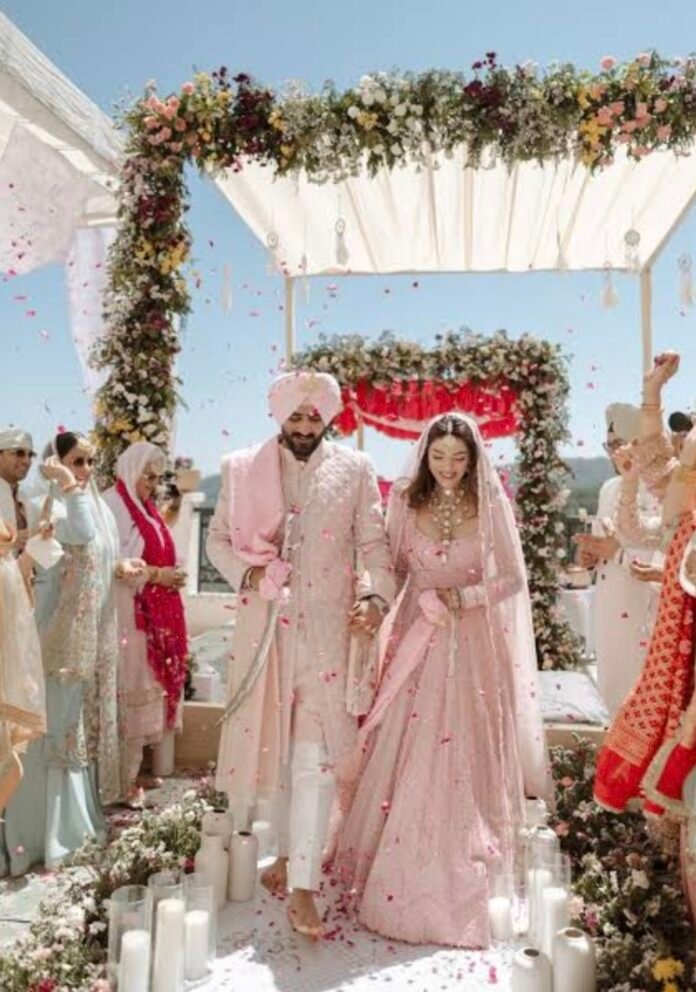
Indian actress Mehreen Pirzada has entered a new phase of her life, marrying Arsh Aulakh in a private and elegant ceremony. The wedding took place on April 26, 2026, in the scenic hill town of Chail, Himachal Pradesh, surrounded by close family members and friends.
Known for her performances in films like F2: Fun and Frustration, Mehreen surprised fans by sharing the news of her marriage through social media, along with dreamy glimpses from the ceremony. The couple kept the event intimate, choosing a serene and picturesque location for their special day.
The wedding was marked by elegance and simplicity. Mehreen and Arsh were seen in coordinated blush-pink traditional outfits, adding a soft and graceful aesthetic to the celebrations. Their pictures quickly went viral, with fans and celebrities flooding social media with congratulatory messages.
Arsh Aulakh, who largely maintains a low public profile, has now come into the spotlight following the wedding. While not much is widely known about him, the couple’s relationship has drawn attention for its privacy and understated nature.
Mehreen Pirzada, born in Punjab, has built a successful career across Telugu, Tamil, Hindi, and Punjabi cinema. She made her acting debut in 2016 and gained recognition with films such as Krishna Gaadi Veera Prema Gaadha and F2: Fun and Frustration, establishing herself as a popular face in South Indian cinema.
The wedding also marks a significant personal milestone for the actress, whose previous engagement in 2021 had been called off. Over the years, she has maintained a relatively private personal life, making this announcement all the more special for her fans.
As Mehreen embarks on this new journey, the film fraternity and her admirers continue to extend warm wishes. Her marriage to Arsh Aulakh adds a joyful chapter to her life, balancing personal happiness with a thriving career in the entertainment industry.
The legacy of Michael Jackson—one of the most influential entertainers in history—is set to be revisited in the upcoming biographical musical drama film Michael. Directed by Antoine Fuqua and written by John Logan, the film aims to present an intimate and comprehensive portrayal of the King of Pop’s extraordinary life and career.
At the heart of the film is Jaafar Jackson, Michael Jackson’s real-life nephew, who steps into the iconic role in his acting debut. This casting choice has generated considerable attention, as Jaafar not only shares a familial connection but is also said to embody the look, voice, and performance style reminiscent of his legendary uncle.
The film promises to chronicle Michael Jackson’s journey from his early days as a child star with the The Jackson 5 to his rise as a global music phenomenon. It is expected to explore defining moments of his career, including the creation of groundbreaking albums like Thriller, his revolutionary music videos, and his unmatched influence on pop culture, dance, and music worldwide.
However, Michael is not just a celebration of success. The film is also anticipated to delve into the complexities of Jackson’s personal life—the pressures of fame, his relentless pursuit of perfection, and the controversies that surrounded him. By offering a balanced narrative, the filmmakers aim to present a nuanced portrait of a man whose life was as extraordinary as it was complicated.
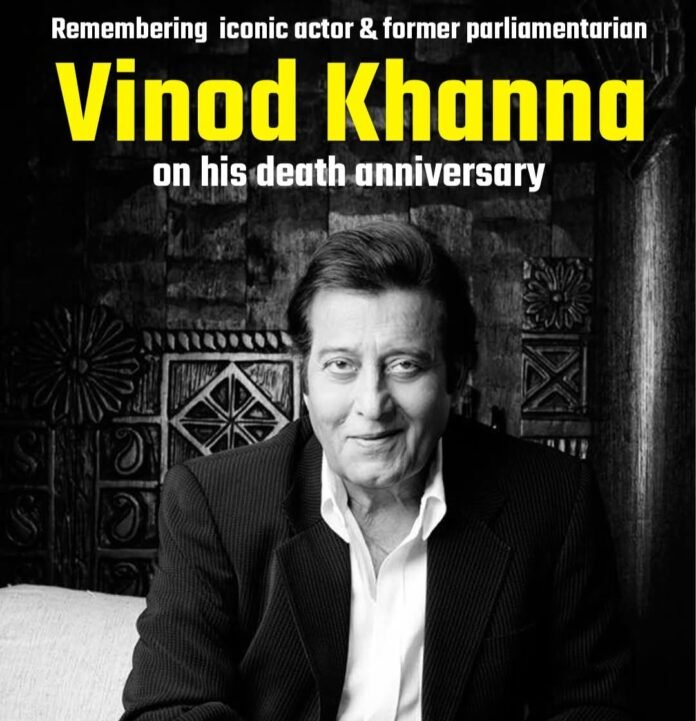
The death anniversary of Vinod Khanna, observed on April 27, is a moment to remember one of Indian cinema’s most charismatic and versatile actors. Even years after his passing in 2017, Vinod Khanna continues to be celebrated for his remarkable journey—from a Bollywood superstar to a spiritual seeker and later a respected public figure.
— Ministry of Information and Broadcasting (@MIB_India) April 27, 2026
Born on October 6, 1946, in Peshawar (now in Pakistan), Vinod Khanna’s entry into films was not conventional. He began his career in the late 1960s, often playing antagonist roles in films like Mere Apne and Mera Gaon Mera Desh. However, it did not take long for audiences and filmmakers to recognise his screen presence and intensity, paving the way for his transition into leading roles.
Throughout the 1970s and 1980s, Vinod Khanna emerged as one of Bollywood’s most bankable stars. Films such as Amar Akbar Anthony, Muqaddar Ka Sikandar, Qurbani, and Dayavan showcased his versatility, whether in action-packed roles, emotional dramas, or romantic performances. Known for his striking personality and effortless charm, he stood tall among contemporaries and carved a distinct identity in the industry.
At the peak of his career, Khanna made a surprising decision that set him apart—he stepped away from films to follow a spiritual path under the guidance of Osho. This phase of introspection reflected his quest for deeper meaning beyond fame and success. Though his hiatus left fans shocked, it added a unique dimension to his life story.
He eventually returned to cinema in the late 1980s, continuing to work in films while also venturing into politics. As a member of the Bharatiya Janata Party, Vinod Khanna served as a Member of Parliament from Gurdaspur and also held ministerial responsibilities, earning respect for his contributions to public life.
Vinod Khanna passed away on April 27, 2017, after battling cancer. His death marked the loss of not just an actor, but a personality who embodied grace, resilience, and reinvention. Tributes continue to pour in every year from fans, colleagues, and the film fraternity, remembering him as a gentleman star whose legacy transcends generations.
On his death anniversary, Vinod Khanna is remembered not only for his cinematic brilliance but also for the life he lived—with courage to evolve, the humility to step away, and the strength to return. His journey remains an enduring inspiration in the world of Indian cinema and beyond.
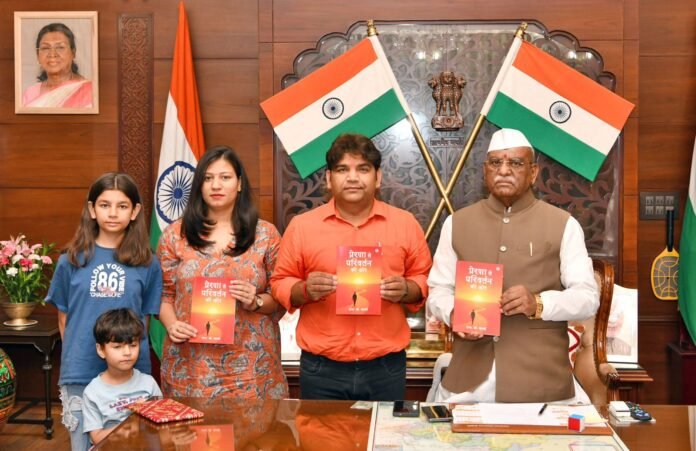
Jaipur, April 27, 2026: The book “प्रेरणा से परिवर्तन की ओर”, authored by young writer and thinker N. K. Sharma, was formally released today at the Raj Bhavan in Jaipur. The unveiling ceremony was conducted by the Hon’ble Governor of Rajasthan, Haribhau Bagde, at 10:00 AM.
On the occasion, the author presented a copy of the book to the Governor. Addressing the gathering, Governor Bagde congratulated N. K. Sharma and emphasised the importance of youth participation in nation-building. He stated that young people must actively contribute to shaping the country’s future and take responsibility for driving meaningful change.
Praising the book, the Governor noted that “प्रेरणा से परिवर्तन की ओर” has the potential to inspire and guide young readers in different spheres of life. He expressed confidence that the work would encourage youth to move forward with clarity, purpose, and a strong sense of responsibility.
The ceremony was attended by the author’s family members, including his wife, Madhuri Sharma, and daughters, Yuvika and Avika, who were present on the occasion.
The book centres on themes of inspiration and positive transformation, aiming to motivate the younger generation to choose the right direction in life and contribute meaningfully to nation-building. Through its ideas and insights, it seeks to instil purpose, discipline, and constructive thinking among readers.
N. K. Sharma, an emerging voice in motivational writing, is dedicated to fostering positive change in society through his work. The release of “प्रेरणा से परिवर्तन की ओर” marks an important milestone in his journey and underscores the growing relevance of inspirational literature in guiding the aspirations of young India.
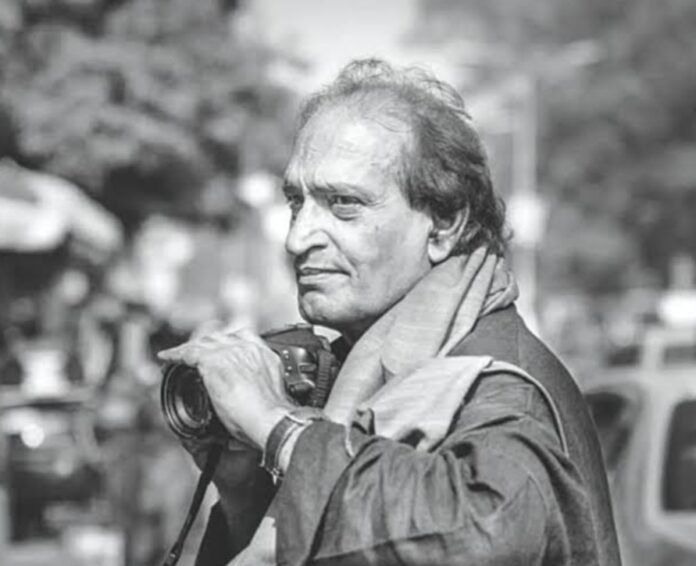
The passing of Raghu Rai on April 26, 2026, at the age of 83 marks the end of an era in Indian photography. One of the country’s most iconic visual storytellers, Rai died in Delhi after a prolonged battle with cancer, leaving behind a legacy that shaped how India has been seen—both by itself and the world.
Veteran photographer #RaghuRai died after a two-year-long battle with cancer. He was 83.
▪️Born on December 18, 1942, in Jhang (now in Pakistan), Rai became one of the most respected photographers not just in India, but across the world.
Born in 1942 in Jhang (now in Pakistan), Raghu Rai did not begin as a photographer—he trained as a civil engineer before discovering his passion for photography in the 1960s. His career began with The Statesman, where his sharp, human-centric perspective quickly stood out. By 1977, he became the first Indian photographer invited to join the prestigious Magnum Photos, nominated by the legendary Henri Cartier-Bresson.
Chronicler of India’s Defining Moments
Rai’s work is often described as a “visual history” of modern India. Over five decades, he documented some of the nation’s most critical and emotional moments—the Bangladesh Liberation War, the haunting aftermath of the Bhopal Gas Tragedy, political upheavals, and everyday life across cities and villages.
His lens captured powerful portraits of figures like Indira Gandhi, Dalai Lama, and Mother Teresa, but equally, it dignified ordinary lives—workers, pilgrims, children—turning everyday India into timeless visual poetry.
Achievements and Recognition
Raghu Rai was widely regarded as a pioneer of Indian photojournalism. He received the Padma Shri in 1972 for his work on the Bangladesh war and went on to earn global acclaim, with his photographs published in major international publications and exhibited worldwide.
Beyond awards, his true achievement lay in redefining visual storytelling—his images were not just photographs but narratives filled with emotion, context, and truth.
Why He Is Widely Remembered
Rai is remembered not merely for technical brilliance but for his sensitivity. He had an extraordinary ability to be present—close enough to feel the moment, yet distant enough to observe it truthfully. His work gave voice to both triumph and tragedy, capturing India in all its contradictions and complexities.
As many tributes noted, he was a “master of moments” and a mentor to generations of photographers who saw in him both an artist and a guide.
Nation Pays Tribute
Following his passing, tributes poured in from across the country—artists, journalists, political leaders, and citizens alike remembered him as a legend whose camera preserved India’s memory. Many described his photographs as “history frozen in time,” a legacy that will continue to educate and move generations.
An Enduring Legacy
Raghu Rai’s death is not just the loss of a photographer, but of a witness—someone who saw India deeply and showed it honestly. His images remain immortal, reminding us that photography is not just about capturing what is seen, but revealing what is felt.
In every frame he left behind, Raghu Rai ensured that India’s stories would never fade.
Observed every year on April 27, World Tapir Day is a global initiative dedicated to raising awareness about tapirs—one of the world’s most unique yet least recognised mammals—and the urgent need to protect them. First celebrated in 2008 by conservationists and wildlife enthusiasts, the day brings together people, organisations, and communities to support the survival of this endangered species.
Tapirs are large herbivorous mammals found in Central and South America as well as Southeast Asia. Often described as a mix between a pig and an elephant due to their body and elongated snout, they are actually more closely related to horses and rhinoceroses. Despite their ancient lineage—often called “living fossils”—tapirs remain largely unknown to the general public, making awareness efforts even more crucial.
Why is World Tapir Day celebrated?
The primary aim of the day is to highlight the threats faced by tapirs and promote conservation efforts. All four existing species of tapirs are endangered or vulnerable due to habitat destruction, deforestation, hunting, and human encroachment. As large animals that require vast, undisturbed habitats, tapirs are among the first to be affected by environmental degradation.
World Tapir Day also seeks to generate support for conservation initiatives, including funding projects that protect forests and preserve tapir habitats. It encourages people to learn about these animals, donate to conservation groups, and spread awareness through campaigns and social media.
Significance and Importance
Tapirs play a vital role in maintaining ecological balance. Often referred to as the “gardeners of the forest,” they help disperse seeds through their feeding habits, contributing to forest regeneration and biodiversity. Their survival is closely linked to the health of rainforest ecosystems, meaning that protecting tapirs also supports countless other species.
Moreover, tapirs are considered an “umbrella species”—protecting them ensures the conservation of entire ecosystems. Their decline often signals deeper environmental problems, making their conservation critical in the fight against biodiversity loss and climate change.
Conclusion
World Tapir Day 2026 is more than just a celebration of an unusual animal—it is a reminder of the fragile balance of nature. By spreading awareness and encouraging action, the day highlights how even lesser-known species play a crucial role in sustaining life on Earth. Protecting tapirs ultimately means protecting forests, biodiversity, and the future of our planet.
Observed every year on April 27, World Design Day—now widely known as International Design Day—is a global celebration of design and its transformative impact on society. The day was first introduced in 1995 (originally as World Graphics Day) and commemorates the founding of the International Council of Design in 1963.
At its core, World Design Day recognises that design is not just about aesthetics but about improving everyday life. From the layout of cities and digital interfaces to everyday objects like packaging or furniture, design shapes how people interact with the world. It blends creativity with functionality, aiming to make life more accessible, efficient, and meaningful.
Why is it celebrated?
The day is celebrated to highlight the value of design as a tool for innovation and social change. It encourages designers, students, and communities to reflect on how design can address real-world challenges—whether in sustainability, accessibility, communication, or urban development. It also honours the contributions of designers across disciplines and promotes awareness about the profession.
Theme in 2026
Each year, the celebration revolves around a central theme that reflects contemporary concerns. The 2026 theme, “The Spaces In Between,” invites people to look beyond finished products and focus on the invisible connections design creates.
This theme emphasises the physical, digital, and emotional spaces where human interaction happens—between people, communities, and environments. It highlights how design plays a subtle yet powerful role in shaping relationships, experiences, and a sense of belonging. Rather than just focusing on objects, it encourages designers to explore transitions, interactions, and shared spaces where ideas turn into meaningful experiences.
Significance and Importance
World Design Day holds great significance in today’s rapidly evolving world. Design is increasingly seen as a problem-solving tool that can address global challenges such as climate change, urbanisation, and social inequality. It fosters innovation, encourages interdisciplinary thinking, and bridges cultural differences.
Moreover, the day inspires individuals—whether designers or not—to appreciate the role of design in their daily lives. It promotes creativity, critical thinking, and a deeper understanding of how thoughtful design can improve well-being and build more inclusive societies.
In essence, World Design Day 2026 is not just a celebration of creativity—it is a reminder that design has the power to connect people, shape experiences, and ultimately, change the world for the better.
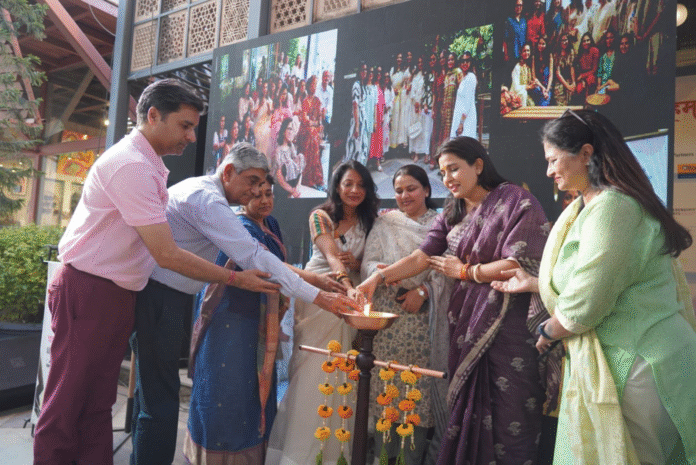
At a time when Jaipur stands at a critical crossroads, facing growing concerns around civic behaviour, encroachments, and the condition of shared spaces that threaten its UNESCO World Heritage status, Maahi Roj 2026 emerges as both a reflection and a response.
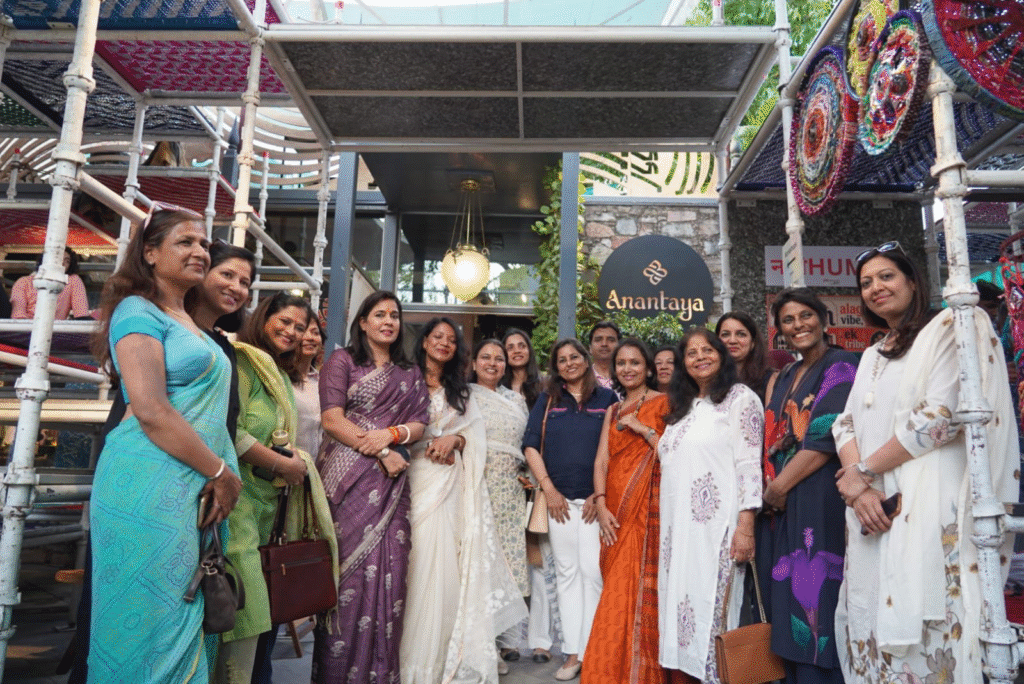
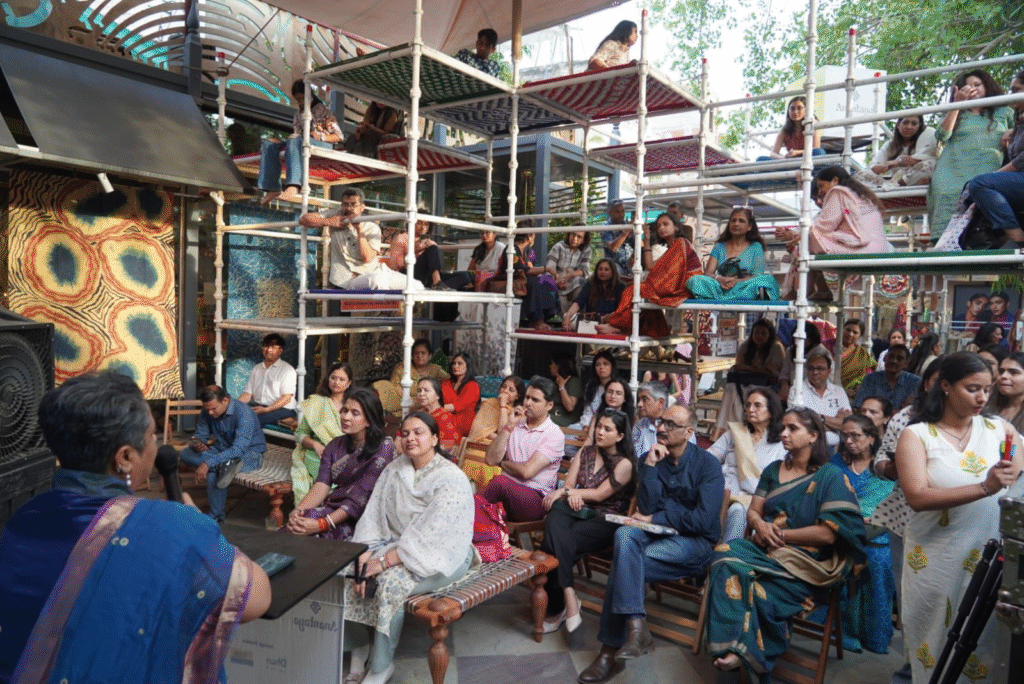
Being held on April 25–26 at Anantaya, Kanota Courtyard, Narayan Niwas Palace, Jaipur, the 12th edition of Maahi Roj brought together thinkers, practitioners, and citizens to engage in a shared conversation on the future of the city. Founded by Geetanjali Kasliwal and Ayush Kasliwal, the platform continues to bridge craft, community, design, and civic consciousness.
This year’s theme, HUMM: Many Makes One, celebrates collective intelligence, emphasising how diverse voices can come together to shape more responsible and interconnected ways of living. The festival was graced by Chief Guest Dr. Somya Gurjar and Guest of Honour was Malvika Bagaria.
Setting the Tone: From ‘I’ to ‘Hum’
The inaugural address by Geetanjali Kasliwal set a clear and compelling direction for the festival. Speaking about the essence of HUMM, she noted, “HUMM is about how we begin to listen, respond, and act together—not as individuals, but as part of something shared.”
The opening session, Sohum – From I to Hum, featuring Ankur Mehta, Namita Jain, and Ani Setia, reflected this shift from individual awareness to collective responsibility. This was followed by Tell Me What You Eat and Your Plate is a Civic Act by Monali Jain, reframing everyday choices as acts of civic participation.
A keynote by Ami Shroff brought insights from Bhuj to Jaipur, highlighting the relationship between craft, community, and sustainable futures.
Conversations that Shape Cities
Maahi Roj 2026 curated a diverse range of sessions that explored sustainability, behaviour, and urban systems. Case Study Capsules by Amanpreet (Prakrit Foundation), Ar. Saran Bhatia, and Nivedan Rathi (AI expert) presented grounded approaches to collective systems and the evolving role of technology in shaping cities.
The Civic Kumbh, moderated by Ajaita Shah, brought together Aditya Nath, Dhawal Singhal, Archana Sharma, Rohit Agarwal, and Ashutosh Nandwana, fostering a dialogue on civic participation and behavioural change.
A presentation by Dhun, led by Ar. Manisha Sharma, added further perspectives on community-driven practices.
The sessions also included the Maahi Roj Civic Warriors Awards, recognising selected initiatives by ADI Jaipur, led by Meenakshi Singh and her team.
Workshops: Participation in Practice
The festival extended beyond dialogue into hands-on engagement. Prayer Wheels for the Earth, led by Shalini Dutt, continued as a participatory weaving installation using waste—where individual contributions came together into a shared collective form.
Traces of Us: A Live Cyanotype Act by Kiranjeet Kaur (AKFD) offered a live artistic experience, while a DIY composting demonstration by Amanpreet (Prakrit Foundation) provided practical tools for sustainable living.
Art, Craft, and Living Traditions
Art installations and exhibitions formed a significant part of the experience. Navoham: Heritage to Contemporary, led by Sangeeta Singh of the Creative Experts Community, explored the relationship between craft and conduct. Participating artists included Arzoo and Yunus.
Artist’s Expression: Beyond the Block by Yunus Khimani brought together traditional craft and contemporary practice, examining material, technique, and artistic interpretation.
A key highlight was The Charpai Project, curated by Ayush Kasliwal and co-curated by Ramyudh Sahu with the Serendipity Arts Foundation. Making its Jaipur debut, the project reimagined the charpai as a living system shaped by craft, climate, and community—bridging traditional knowledge with contemporary design.
HUMM Market: Conscious and Collective
The HUMM Market brought together conscious pop-ups and collective initiatives. Highlights included the Swap Shop by Devika Kasliwal and Yohan Malvai, encouraging exchange and circular practices; recycled woven paper products by Sutrakar (Neerja); crochet torans by Rubhu; handblock garments by Craft Women Producer Company Limited; hand-embroidered artworks and accessories by Shrujan, Bhuj; and innovative startup ideas supported by I-Start Rajasthan.
Collaborative Ecosystem
Maahi Roj 2026 was supported by a wide network of partners, including Dhun as Strategic Partner, Kogta Foundation as Associate Partner, ADI Jaipur as Knowledge Partner, Department of Information Technology Rajasthan (DOITR), WICCI Architecture Rajasthan, Arya Niwas, I-Start Rajasthan, Serendipity Arts Foundation, EBNW, Neewara Academy, and TOSS—reflecting a collaborative ecosystem committed to civic and cultural engagement.
A Shared Way Forward
More than a festival, Maahi Roj 2026 became a space for collective reflection and action. It brought together civic and government stakeholders, urban designers, architects, behavioural thinkers, social designers, grassroots actors, and the creative community to rethink Jaipur’s future.
In a city where heritage and modern pressures increasingly intersect, Maahi Roj’s message is both timely and urgent: cities are not just inherited—they are co-created. And in the spirit of HUMM, it is through shared awareness and collective responsibility that more sustainable, inclusive, and meaningful urban futures can emerge.
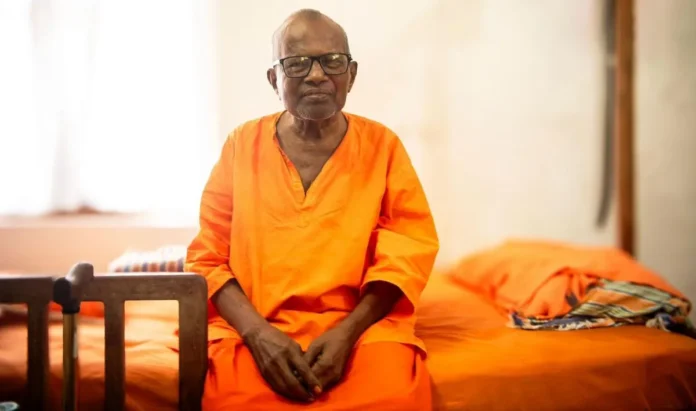
India has lost one of its most respected spiritual thinkers and philosophers, Muni Narayana Prasad, who passed away on April 25, 2026, in Thiruvananthapuram at the age of 87. His death marks the end of an era in modern Indian spiritual and philosophical discourse, leaving behind a rich legacy of thought, writing, and service.
Born on December 9, 1938, in Nagaroor in present-day Kerala, Muni Narayana Prasad began his professional journey as a civil engineer. However, driven by a deeper quest for meaning, he left his engineering career in 1968 to join the Narayana Gurukula—a movement inspired by the teachings of Narayana Guru.
His transition from engineering to spirituality reflected a profound commitment to exploring life beyond material pursuits. Over time, he became a disciple of Nataraja Guru and emerged as a leading voice in the Gurukula tradition.
Leader of Narayana Gurukula
Muni Narayana Prasad rose to become the head of Narayana Gurukula in 1999, guiding the institution’s philosophical and educational work across India and abroad. Under his leadership, the Gurukula expanded its global presence, promoting the universal ideals of unity, spirituality, and human equality.
The Gurukula itself traces its intellectual roots to Narayana Guru, whose message—“one caste, one religion, one God for humanity”—continues to inspire millions.
A Prolific Author and Thinker
Beyond his role as a spiritual guide, Muni Narayana Prasad was a prolific writer. He authored over 130 books in Malayalam and English, covering subjects such as Vedanta, Upanishads, and comparative religion.
His works, including interpretations of texts like the Bhagavad Gita and explorations such as Christ the Guru and In the Name of Allah, sought to bridge spiritual traditions and make philosophical ideas accessible to modern readers. His writings reflected a rare ability to connect ancient wisdom with contemporary thought.
Recognition and Contributions
In recognition of his immense contribution to literature and education, he was awarded the Padma Shri in 2024, one of India’s highest civilian honours. He also received accolades from literary bodies, including the Kerala Sahitya Akademi.
His teachings emphasised harmony, rational spirituality, and a universal outlook that transcended religious boundaries—values that remain deeply relevant in today’s world.
Final Days and Passing
Muni Narayana Prasad passed away while undergoing treatment in Thiruvananthapuram. Tributes have poured in from across the country, with scholars, spiritual leaders, and followers remembering him as a guiding light of wisdom and compassion.
A Lasting Legacy
The life of Muni Narayana Prasad stands as a testament to the power of introspection, knowledge, and spiritual unity. From an engineer to a monk-philosopher, his journey reflects a rare blend of intellectual depth and spiritual clarity.
As India mourns his loss, his teachings continue to resonate—reminding us of the timeless pursuit of truth, the importance of inner peace, and the enduring vision of a united humanity.