Home Blog Page 191

524 Years in the Making: Tripura Sundari Temple’s Rebirth

0

(image: The Hindu)

A Temple Steeped in History

Built over five centuries ago, the Tripora Temple is dedicated to Goddess Tripurasundari, a powerful deity in Hindu tradition. The temple has long been a center of faith, attracting devotees from across the country.

Need for Restoration

With the passage of time, the temple’s structure had weakened, and parts of it had suffered significant damage. Recognizing its cultural importance, a detailed redevelopment plan was launched to preserve the temple’s original beauty and ensure its safety for future generations.

Redevelopment Highlights

The restoration project focused on:

  • Preserving original architecture
  • Reinforcing the temple structure
  • Upgrading visitor facilities
  • Improving accessibility

Traditional artisans, historians, and conservation experts worked together to ensure authenticity while integrating modern infrastructure

Joy Among Locals and Devotees

The temple’s reopening was met with celebration across the state. Local devotees expressed deep joy and pride, calling it a moment of great cultural significance. Many believe the redevelopment will help boost religious tourism and support local livelihoods.

A New Chapter Begins

With its revival, the 524-year-old Tripora Temple now enters a new era—standing not only as a place of worship but also as a living monument of India’s timeless heritage.

The Enigmatic Black Tiger of Similipal: A National Geographic Triumph

0

PC:(ABP News)

In a remarkable feat, wildlife photographer and National Geographic Explorer Prasenjit Yadav has captured a breathtaking image of the elusive black tiger of Similipal Tiger Reserve, gracing the cover of the October 2025 issue of National Geographic magazine. This rare pseudo-melanistic tiger, found only in Odisha’s Similipal National Park, is a global marvel, distinguished by its striking dark stripes caused by a unique genetic mutation. Yadav’s achievement not only showcases India’s extraordinary biodiversity but also underscores the critical need for conservation in this fragile ecosystem.

The Black Tiger: A Genetic Marvel

The black tigers of Similipal, known as pseudo-melanistic tigers, owe their distinctive appearance to a rare genetic mutation that causes their black stripes to be thicker and more fused, giving them an almost entirely black appearance. Of the approximately 30 tigers in the 2,750-square-kilometer Similipal Tiger Reserve, over half exhibit this extraordinary trait, making the reserve the only place in the world where these tigers roam in the wild. This genetic uniqueness, while a testament to the rebounding tiger population, also highlights the challenges of limited genetic diversity within an isolated reserve, as noted by National Geographic editor-in-chief Nathan Lump.

Prasenjit Yadav’s Journey of Patience

Capturing the image of the black tiger, identified as T12, was no small task. Yadav spent 120 days in the dense forests of Similipal, navigating the challenges of photographing these shy and elusive creatures that instinctively avoid human presence. “Photographing T12 was intense and humbling, with days and months of patience distilled into a single moment,” Yadav shared in a statement to National Geographic. His dedication and perseverance have brought global attention to India’s wild heart, showcasing the tireless efforts of the Odisha Forest Department in protecting these majestic animals.

Conservation in Focus

The global spotlight on Similipal’s black tigers has sparked renewed interest in conservation. The Odisha government has announced plans to establish the world’s first melanistic tiger safari near Similipal, offering a unique opportunity for wildlife enthusiasts to witness these rare creatures. This initiative is expected to boost wildlife tourism while emphasizing the importance of preserving Similipal’s delicate ecosystem. As Nathan Lump noted, Yadav’s photograph illustrates the “complex realities of conservation,” highlighting both the successes and challenges of protecting an isolated population.

A Legacy for India’s Wildlife

Yadav’s image is more than a stunning photograph; it is a powerful reminder of the need to safeguard India’s rich biodiversity. By bringing the black tiger to the world stage, he has elevated the global profile of Similipal and its unique inhabitants. This milestone not only celebrates the beauty of India’s wildlife but also serves as a call to action to protect the fragile ecosystems that harbor such extraordinary species. As the world marvels at the black tiger, Similipal stands as a testament to the power of conservation and the enduring allure of the wild.

Reviving India’s Fields: How Two Friends Are Transforming Farming with Sustainable Practices

0

PC:(The batter india)

In the heart of India’s agricultural landscape, farmers like Hemraj from Yenikoni village faced a relentless struggle. Each harvest season brought anxiety as the costs of chemical fertilizers and pesticides soared, while crop yields often fell short. Water scarcity compounded the challenges, making farming feel like a high-stakes gamble. But thanks to Amol Mishra and Hemant Rajput, founders of Beetle Regen Solutions, this narrative is changing. Through regenerative farming techniques, they are helping over 70,000 farmers across India reduce costs, ditch harmful chemicals, and grow healthier crops, restoring both the land and the dignity of farming.

Breaking the Cycle of Chemical Dependency

For generations, farmers like Hemraj relied heavily on chemical inputs to sustain their crops, such as cotton, fruits, and vegetables. However, these methods drained their finances and degraded the soil, leading to diminishing returns. Beetle Regen Solutions, led by Mishra and Rajput, introduces a sustainable alternative through regenerative farming. Practices like reduced tillage, cover cropping, and the use of homemade organic inputs, such as composts, are at the core of their approach. These methods not only revitalize soil health but also significantly cut down the need for expensive chemical fertilizers and pesticides, as highlighted by The Better India.

Key Practices and Their Impact

Reduced Costs: By training farmers to create organic inputs at home, Beetle Regen eliminates the financial burden of purchasing costly chemicals. This approach empowers farmers to achieve self-sufficiency while lowering their operational expenses.

Improved Soil Health: Techniques like reduced tillage and cover cropping restore soil fertility and resilience. Healthier soil retains water better, addressing challenges like water scarcity that farmers like Hemraj face.

Enhanced Yields and Quality: Regenerative practices lead to healthier crops, higher yields, and better-quality produce. For instance, cotton farmers under Beetle Regen’s model are adopting High Density Planting Systems, which boost productivity while further reducing costs.

Sustainable Future: These eco-friendly methods ensure long-term soil vitality, making farming not only viable but also profitable for future generations.

Empowering Communities Through Education

Mishra and Rajput are not just teaching techniques—they are fostering a movement. Through field workshops, they educate farmers on the practical application of regenerative farming. A cornerstone of their mission is empowering women, who play a vital role in Indian agriculture. By training women in these sustainable practices, Beetle Regen ensures that entire communities embrace eco-friendly farming, amplifying the impact of their work. These workshops create a ripple effect, spreading awareness and encouraging widespread adoption of sustainable methods.

A Farmer’s Transformation: Hemraj’s Story

Hemraj’s journey mirrors that of many farmers who felt trapped in a cycle of financial stress and declining yields. Initially skeptical about regenerative farming, he was hesitant to adopt unfamiliar methods like reduced tillage and cover cropping. However, with patient guidance from Beetle Regen’s team, Hemraj decided to take a chance. The results were transformative: his costs dropped, his soil became healthier, and his crop yields improved. For the first time in years, farming felt like a source of pride rather than a gamble. “The land that had sustained my family for generations now feels like it can secure our future,” he says.

Looking Ahead: A Sustainable Revolution

Amol Mishra and Hemant Rajput are redefining Indian agriculture by bringing hope and sustainability to the fields. Through Beetle Regen Solutions, they are proving that farming can be both environmentally and economically rewarding. By empowering farmers—especially women—and promoting practices that restore the land, they are sowing the seeds for a greener, more prosperous future. As more farmers like Hemraj embrace regenerative farming, the vision of a sustainable agricultural revolution in India grows closer to reality.

From Goa to Georgia: Airbnb Reveals Most Searched Beach Destinations by Indians

0

● Goa tops the domestic charts with a nearly 50% surge in searches, followed by Puri and Puducherry.

● Capri leads international searches, followed by rising interest in Naples, Langkawi, Colombo, and Batumi.

Indian travellers are setting their sights on sun, sand, and sea in 2025, with coastal escapes topping their travel wishlists. From the golden sands of Goa to the azure waters of Langkawi and the dramatic coastlines of Capri, Airbnb’s data shows that both domestic and international beach destinations are seeing a significant surge in interest from Indian guests.

From Goa to Georgia: Airbnb Reveals Most Searched Beach Destinations by Indians

On the domestic front, Goa continues to dominate recording nearly a 50% increase in searches

1 . Travellers are engaging with destinations in a new way- seeking hidden gems, quiet coastal villages, artisanal experiences, and offbeat food trails beyond its classic beaches. Earlier this year, Airbnb also launched a ‘Goa Unseen’ digital guidebook in collaboration with the Goa Tourism Department, spotlighting the lesser-known side of the state. The guide takes travellers beyond the obvious, uncovering Goa’s very soul through its hidden cultural treasures and heritage gems. From the buzzing surf schools and cafés of North Goa to the laid-back charm of South Goa’s tucked-away shores, there is a renewed interest in slow, experiential journeys.

Other Indian beach towns are also seeing a rise in popularity. Puri in Odisha, known for its spiritual heritage and vibrant beach life, recorded an over 40% increase in searches.

Puducherry, with its unique blend of coastal beauty and French colonial influence, has seen an almost 35% jump in searches. Internationally, Italy has emerged as a clear favourite among Indian travellers, with destinations like Capri, Palermo, Naples, and Venice drawing strong interest. Meanwhile, Southeast Asian destinations like Langkawi in Malaysia and Colombo in Sri Lanka are seeing increased traction due to their tropical appeal and proximity. Batumi in Georgia has also entered the spotlight, attracting attention for its subtropical beaches, lively nightlife, and striking architecture.

2 Amanpreet Singh Bajaj, Airbnb’s Country Head for India & Southeast Asia, commented, “Indian travellers are reshaping what a beach holiday means. It’s no longer just about sun and sand, it’s about discovering local stories, engaging with communities, and finding places that feel personal and inspiring. From the quiet corners of Goa to the coastal charm of Capri or Batumi, we’re seeing a deeper, more conscious kind of travel emerge. At Airbnb, we’re proud to support this shift – enabling meaningful stays that connect people not just to places, but to a sense of belonging wherever they go.”

As demand for beach travel continues to rise, Airbnb remains committed to supporting community-led tourism that connects travellers with authentic local experiences while helping local economies thrive.

About Airbnb

Airbnb was born in 2007 when two hosts welcomed three guests to their San Francisco home, and has since grown to over 5 million hosts who have welcomed over 2 billion guest arrivals in almost every country across the globe. Every day, hosts offer unique stays, experiences, and services that make it possible for guests to connect with communities in a more authentic way.

Dhordo Village in Gujarat Becomes Fully Solar-Powered: A Model for Sustainable Rural Development

0

In a remarkable stride toward clean energy and rural empowerment, Dhordo village in Gujarat’s Kutch district has become fully solar-powered. This achievement not only reflects India’s push towards sustainability but also positions Dhordo as a symbol of rural innovation on the global map.

Recognised by the United Nations World Tourism Organisation (UNWTO) as one of the ‘Best Tourism Villages’, Dhordo has now joined the league of Gujarat’s solar-powered villages—alongside Modhera, Sukhi, and Masali.

Solar Power in Dhordo: A Grassroots Revolution

The transformation has been implemented under the PM Surya Ghar Muft Bijli Yojana, a national scheme that promotes rooftop solar panels in residential areas.

  • 81 households in Dhordo are now fitted with solar rooftops.
  • The total installed capacity is 177 kilowatts, expected to generate 2.95 lakh units of electricity annually.

This means each home not only powers itself but also contributes surplus electricity to the grid—marking a shift from energy consumers to energy producers.

Economic Gains for Villagers

One of the most compelling aspects of this solar transition is its financial impact:

  • Annual electricity savings per home: ₹16,064
  • Total community savings and income from surplus energy: Over ₹13 lakh/year

These savings ease the financial burden on villagers and foster economic self-reliance, especially in remote areas where incomes are often unstable.

Importantly, the project was made accessible through government subsidies and bank financing, ensuring affordability for all households.

Gujarat: A Pioneer in Renewable Energy

With four villages now fully solarised, Gujarat continues to lead India’s renewable energy movement. The state has integrated sustainability into its rural development model, combining technology, policy, and local governance.

Gujarat’s approach goes beyond energy—it is about rural empowerment, infrastructure development, and climate resilience.


Voices from the Ground: Local Leadership and Community Pride

Miyan Hussain, the Sarpanch (village head) of Dhordo, attributes the success to collaboration between the central government, state administration, and local leadership.

The shift to solar energy has had a tangible impact on daily life—from reduced electricity bills to improved lighting, cooling, and appliance use. More importantly, it has instilled a sense of pride and ownership within the community.

Environmental Significance: Local Action, Global Impact

Dhordo’s solarisation is not just a village-level achievement—it contributes to India’s broader climate goals, including:

  • Reducing dependence on fossil fuels
  • Cutting carbon emissions
  • Promoting sustainable energy in rural areas

In doing so, Dhordo offers a blueprint for other villages, not just in Gujarat but across India, demonstrating how clean energy can be inclusive, impactful, and replicable.

Conclusion: A Small Village, A Big Step Forward

Dhordo’s journey from a remote desert village to a globally recognised, fully solar-powered community is a testament to what is possible when policy, technology, and people align.

As India pursues its goal of becoming a global leader in renewable energy, stories like Dhordo’s show that real change often begins at the grassroots.

Garba: No Longer Just a Gujarati Tradition, But a Global Festival Celebrated in These Countries Too

0

Image: esamskriti

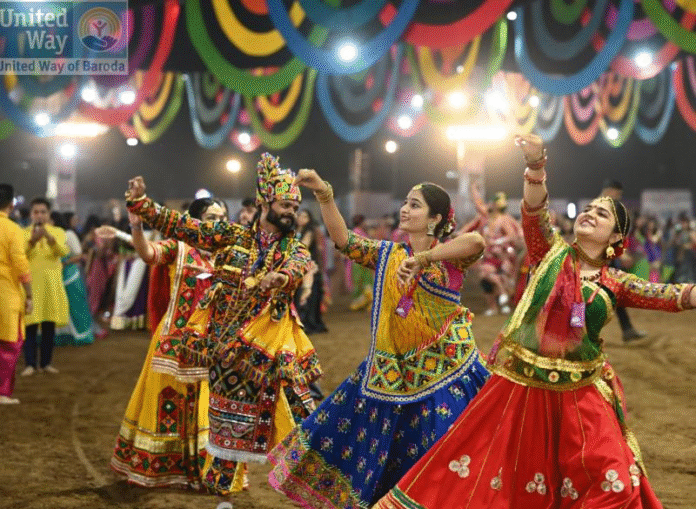
Garba and Dandiya Raas are traditional folk dances of Gujarat, and they are a central part of the Navratri festival, which celebrates the nine forms of Goddess Durga. While many Countries and communities across India and world host grand celebrations, some stand out for their sheer scale, unique themes, and cultural significance. Here are five of the biggest and most unique Garba pandals/celebrations in India.

From Gujarat’s soil, the soul of a festival took flight. The rhythmic beat of Dandiya and the vibrant twirls of the chaniya choli crossed oceans, carried by a dream. They landed in the dazzling desert of the United Arab Emirates, where traditional devotion met futuristic glamor. Here, under glittering chandeliers and towering skyscrapers, the timeless dance of Garba transformed, a beautiful fusion of heritage and the modern world.

GMDC Ground, Ahmedabad, Gujarat

Ahmedabad is often called the “Garba capital of India,” and the celebrations at GMDC Ground are a testament to this title.

  • Biggest: It is one of the largest Garba venues in the world, with a massive open ground accommodating thousands of dancers every night. The scale is unparalleled, creating a sea of colorful traditional attire.
  • Significance & Speciality: The celebration here is known for its authentic, high-energy Garba, attracting some of the most famous Garba singers and artists. The atmosphere is electric, and the dancing continues late into the night. It’s a place where the community comes together to celebrate with great fervor and devotion.

How Navratri and Garba are celebrated in different countries:

The vibrant and rhythmic festival of Navratri has spread far beyond India’s borders, thanks to the Indian diaspora. While the heart of Garba and Dandiya Raas remains in Gujarat, these joyous celebrations have become a global phenomenon, uniting communities and attracting people from all backgrounds.

United States

Major cities with a large Indian population, such as New Jersey, New York, Chicago, and Houston, host massive Garba and Dandiya nights.

  • How They Celebrate: Events are organized by community associations, temples, and cultural groups. These celebrations often take place in large auditoriums or open grounds, where thousands of people gather to dance in traditional attire like chaniya cholis and kediyus. The atmosphere is a mix of traditional Garba and modern Dandiya, with live music from popular Indian artists and DJs. It’s a high-energy fusion of culture and entertainment, often with a dedicated food court offering traditional Gujarati snacks.

United Kingdom

The UK, with its significant Indian diaspora, especially in cities like Leicester and London, has some of the biggest Navratri celebrations in Europe.

  • How They Celebrate: Leicester is particularly famous for its large-scale Garba marathons that draw huge crowds. Community halls and sports centers are transformed into vibrant dance floors. These events are a way for the British-Indian community to stay connected to their roots and share their traditions. The celebrations are not just for Gujaratis; people from various backgrounds join in, learning the steps and enjoying the music.

Canada

Cities like Toronto, Vancouver, and Brampton have a thriving Navratri scene.

  • How They Celebrate: Cultural associations, such as the Gujarat Samaj of Toronto, organize large-scale Garba nights that are often sold out. The events are a blend of traditional dance and modern flair. They bring together the entire Indian community, regardless of their regional background, and have also become popular with locals who are keen to experience Indian culture.

Australia

Down Under, Navratri celebrations bring the spirit of Gujarat to cities like Sydney and Melbourne.

  • How They Celebrate: Garba nights are a major attraction during the Navratri season. The events are held in community halls and outdoor venues, with live music and professional dancers. They attract not only Indian expats but also many Australians who are eager to participate in the colorful and energetic dances.

United Arab Emirates

The UAE, especially Dubai, hosts some of the most glamorous and extravagant Navratri celebrations outside of India.

  • How They Celebrate: Garba nights in Dubai are often held in large hotels and event halls, with famous singers and artists flown in from India to perform. These events are known for their grand scale, luxurious settings, and high-energy crowds. They offer a taste of a big-city Indian festival, but with a unique international flavor.

Kenya

Kenya has one of the oldest and most vibrant Indian communities outside of India, particularly in Nairobi and Mombasa.

  • How They Celebrate: Navratri here is a significant cultural event. Garba is celebrated with great devotion and enthusiasm in local Hindu temples and community centers. The unique blend of Gujarati folk rhythms with a hint of African beat creates a truly special and unique festive atmosphere.

Mawlynnong: Asia’s Cleanest Village and God’s Own Garden

0

PC:(Tripoto)

Nestled in the lush East Khasi Hills of Meghalaya, approximately 90 kilometers from Shillong, lies Mawlynnong, fondly known as “God’s Own Garden.” This quaint village has earned global acclaim as Asia’s cleanest village, a title bestowed by Discovery India in 2003. Mawlynnong stands as a shining example of how community-driven efforts can foster remarkable environmental and cultural transformations. With its pristine surroundings, eco-friendly practices, and vibrant Khasi heritage, the village is a haven for nature lovers and eco-tourists.

A Model of Cleanliness and Sustainability

Mawlynnong’s reputation as Asia’s cleanest village stems from the unwavering commitment of its residents to environmental stewardship. Every household is equipped with bamboo dustbins, plastic use is strictly prohibited, and cleanliness is woven into the fabric of daily life—a tradition passed down through generations. The village’s tidy pathways, blooming flower gardens, and lush greenery create a serene and inviting atmosphere, making every stroll a delightful experience.

The community’s eco-conscious practices extend beyond cleanliness. Mawlynnong embraces sustainable living, with initiatives that preserve its natural beauty and resources. The pleasant weather, particularly from March to October, enhances the village’s charm, making it an ideal destination for those seeking a blend of tranquility and environmental inspiration.

Natural Wonders and Architectural Marvels

Mawlynnong’s allure lies not only in its cleanliness but also in its breathtaking natural beauty and unique attractions. The village is enveloped by evergreen landscapes, fruit orchards, rushing streams, and swaying palms, offering visitors a refreshing escape into nature. Among its most iconic landmarks is the Nohwet Living Root Bridge, a stunning example of bioengineering where the Khasi people weave tree roots over generations to create living, functional bridges. This architectural marvel is a testament to the community’s ingenuity and harmony with nature.

Another must-visit spot is the Sky View Tower, a bamboo platform that offers panoramic views of the surrounding forests and the distant plains of Bangladesh. This vantage point allows visitors to fully appreciate the region’s unspoiled beauty and serene ambiance.

The Heart of Khasi Culture

Mawlynnong is home to the Khasi tribe, renowned for their matrilineal society, where lineage and inheritance are traced through women. This unique cultural framework empowers women and fosters a strong sense of community. The village boasts a 100% literacy rate, and English is widely spoken, making it easy for visitors to connect with the locals and learn about their traditions.
The Khasi people take immense pride in their heritage and surroundings, maintaining a balance between tradition and modernity. Their warm hospitality and dedication to preserving their environment make Mawlynnong a cultural gem as much as an ecological one.

Tourism: The Lifeblood of Mawlynnong

Tourism plays a pivotal role in Mawlynnong’s economy, drawing travelers from around the world to experience its unique blend of natural splendor and cultural richness. Visitors are captivated by the village’s pristine environment, iconic living root bridges, and the opportunity to immerse themselves in Khasi traditions. Homestays and local guides offer an authentic glimpse into village life, while the surrounding attractions ensure there’s something for every traveler.


Whether it’s exploring the living root bridges, soaking in the panoramic views from the Sky View Tower, or simply walking through the village’s flower-lined paths, Mawlynnong offers an unforgettable experience for eco-tourists, nature enthusiasts, and cultural explorers alike.

A Beacon of Harmony and Sustainability

Mawlynnong is more than just a destination; it’s a living testament to the power of community, sustainability, and cultural pride. Its title as Asia’s cleanest village is well-earned, but it’s the village’s natural beauty, unique traditions, and warm hospitality that truly make it “God’s Own Garden.” For those seeking a blend of eco-conscious living, cultural immersion, and natural splendor, Mawlynnong is a must-visit destination that inspires and enchants in equal measure.


Are you still confused about what to wear and how to style? Don’t worry! Try these colors for a more elegant look in the Garba pandal

0

(image: AI Gemini)

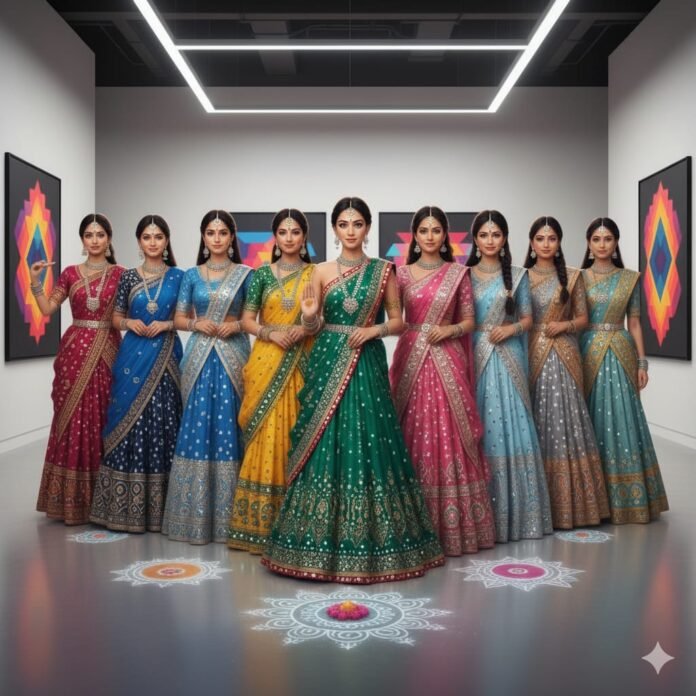
Navratri is a festival that exudes energy, devotion, and joy, with each day dedicated to a different form of Goddess Durga. As you immerse yourself in the festivities, the colors you wear are more than just a style statement — they carry deep spiritual significance. The nine colors of Navratri not only reflect the divine qualities of the Goddess but also enhance the festive spirit, creating a harmonious balance between beauty and devotion. Here’s your ultimate guide to understanding the significance of each color and how to embrace them with elegance during this magical festival.

Day 1 – White (Maa Shailputri)

Symbolizes Purity and Peace
The first day of Navratri is dedicated to Maa Shailputri, who represents purity, peace, and the beginning of new endeavors. White, the color of serenity and tranquility, is the perfect choice for this day. A white saree or kurta paired with silver accessories will not only invoke a sense of calm but also radiate grace. Whether it’s a delicate white chiffon saree or a simple yet elegant kurta, this color sets a peaceful tone for the days ahead.

Styling Tip: Go for minimalistic silver jewelry to complement the purity of white. A soft makeup look with natural tones will enhance your serene vibe.

Day 2 – Red (Maa Brahmacharini)

Represents Love, Passion, and Strength
Red is the color of love, passion, and energy — perfect for the second day of Navratri, dedicated to Maa Brahmacharini. This form of the Goddess symbolizes devotion, strength, and penance. Red outfits exude confidence and vitality, making them a powerful choice for a day that celebrates determination and vigor. From a bold red lehenga to a sleek red dress, this color will help you channel your inner strength.

Styling Tip: Pair your red ensemble with gold accents for a regal look. Consider a statement necklace or earrings to add drama and elegance.

Day 3 Royal Blue (Maa Chandraghanta)

Represents Richness and Tranquility
On the third day, Maa Chandraghanta blesses devotees with peace and protection. The rich, royal blue hue symbolizes tranquility, luxury, and a regal presence. Wearing royal blue on this day not only adds sophistication to your look but also connects you to the Goddess’s divine energy. A royal blue saree or anarkali, with delicate silver jewelry, will make you feel like royalty.

Styling Tip: Pair with silver or platinum jewelry for a refined, elegant touch. Keep your makeup cool-toned with soft blues and silvers to enhance the serene aura.

Day 4 – Yellow (Maa Kushmanda)

Symbolizes Happiness and Optimism
Maa Kushmanda, the Goddess who created the universe, is associated with positivity, joy, and optimism. Yellow, the color of happiness and cheerfulness, is a perfect choice to honor her. This vibrant color radiates warmth and invites good fortune. A bright yellow saree with golden embroidery or a yellow lehenga can light up any Navratri gathering.

Styling Tip: Opt for gold jewelry to match the yellow tone, and consider adding some traditional elements like a maang tikka or kamarbandh for a festive touch.

Day 5 – Green (Maa Skandamata)

Represents Nature and New Beginnings
On the fifth day, we worship Maa Skandamata, the Goddess who is the mother of Lord Kartikeya. Green symbolizes nature, renewal, and growth — the perfect embodiment of Maa Skandamata’s nurturing qualities. This color signifies prosperity and harmony, making it ideal for the middle of the Navratri celebrations. A green chaniya choli or anarkali dress will help you celebrate the Goddess’s divine energy of fertility and rejuvenation.

Styling Tip: Pair your green attire with gold or copper jewelry. Keep the makeup fresh and natural, with earthy tones to bring out the vibrancy of the green.

Day 6 – Grey (Maa Katyayani)

Symbolizes Balance and Humility
Maa Katyayani, known for her fierce nature, is honored on the sixth day. Grey, a color that represents balance and humility, is associated with the calm after the storm. While it might not be as vibrant as other colors, grey exudes a quiet strength and sophistication. You can go for a chic grey saree or a contemporary grey anarkali, adding bold accessories to create a statement look.

Styling Tip: Incorporate oxidized or silver jewelry to maintain the grounded, balanced vibe. Add a pop of color with a bright scarf or dupatta for an extra festive touch.

Day 7 – Orange (Maa Kalaratri)

Symbolizes Warmth and Enthusiasm
Maa Kalaratri, the fierce and protective form of Durga, is honored on Day 7. Orange, the color of enthusiasm, energy, and warmth, perfectly reflects her dynamic power. The color will infuse your look with energy and vitality, making it an excellent choice for this high-energy day. An orange lehenga or kurta will ensure that you stand out with confidence and grace.

Styling Tip: Combine your orange attire with gold jewelry for a radiant look. Bright lipstick in a matching tone will enhance the festive spirit.

Day 8 – Peacock Green (Maa Mahagauri)

Represents Uniqueness and Freshness
Maa Mahagauri is the Goddess of beauty and purity, and she is symbolized by the peacock green color, which blends blue and green to create a fresh, vibrant hue. This color is rich with divine significance, representing spiritual growth and renewal. A peacock green saree or dress will add elegance to your celebrations, making you stand out in the crowd.

Styling Tip: Pair peacock green with intricate gold or diamond jewelry for a majestic appearance. Consider a soft, glowing makeup look to match the fresh energy of the color.

Day 9Pink ( Maa Siddhidatri)

Symbolizes Love and Kindness
The final day of Navratri honors Maa Siddhidatri, who grants divine powers and blessings. Pink, the color of love, kindness, and affection, is a beautiful way to end the festival on a graceful note. Whether it’s a soft pink lehenga or a delicately embroidered kurta, this color embodies the gentleness of the Goddess. It’s the perfect conclusion to the nine-day celebration.

Styling Tip: Adorn yourself with silver or pearl jewelry for a refined look. Soft, romantic makeup with pink tones will complete your elegant appearance.

Conclusion

As you celebrate the divine energy of Navratri, let the colors of the festival infuse your wardrobe with both style and spirituality. Each color represents a unique aspect of the Goddess, helping you connect deeper with the divine while enhancing your festive charm. Whether you’re draped in the purity of white, the passion of red, or the elegance of peacock green, these colors will elevate your Navratri experience and allow you to shine with grace. Embrace each day’s color, embody the qualities of the Goddess, and let the colors of Navratri add a stunning touch to your celebrations!


US Imposes $100,000 Fee on New H-1B Visa Entrants

0

In a surprise move, the US government has imposed a $100,000 entry fee on new H-1B visa holders arriving after September 21, 2025. The decision has sparked anxiety among Indian tech professionals and students, who make up the largest share of H-1B users. While the policy exempts current visa holders already in the US, its unclear provisions have generated widespread confusion and debate among immigration experts and technology companies.

Scope and Applicability

The fee applies only to new H-1B applicants entering from outside the US. It does not affect individuals already holding valid H-1B status, nor does it apply to extensions, transfers, or changes of status within the country.

However, ambiguity remains around re-entry: visa holders with valid H-1B stamps traveling abroad may be asked to pay the fee again upon return. Early indications suggest the fee could be levied each time a person enters, rather than as a one-time charge.

Impact on Current H-1B Holders

Those already in the US on valid H-1B visas are shielded from the new charge for routine extensions or job changes. But uncertainty about international travel has led tech giants like Amazon and Microsoft to advise employees to postpone foreign trips until clearer guidance is issued.

Effect on F-1 Students and New Applicants

F-1 students already in the US who transition to H-1B status are not required to pay the fee. By contrast, students or workers abroad who secure an H-1B through the lottery will have to pay $100,000 before stamping their visa.

This sharp cost increase could discourage Indian IT firms and multinational companies from sponsoring fresh candidates, especially those based outside the US.

Exemptions Under ‘National Interest’

The proclamation allows for exemptions in cases deemed to serve “national interest.” Healthcare professionals, including physical therapists and nurses, may qualify, but the administration has not defined the criteria. Immigration lawyers warn this vagueness could complicate corporate planning and create inconsistent enforcement.

Possible Shift to Other Visa Categories

The steep entry cost may push applicants and employers to explore alternative visa options. L-1 visas, which transfer employees within multinational companies, or O-1 visas for individuals with extraordinary ability, may see increased demand. However, L-1 visas limit job mobility, and O-1 visas set a higher eligibility bar.

Implications for US Tech Industry

Experts warn that the fee could shrink the US talent pipeline, especially in STEM fields, where H-1B visa holders play a crucial role. While international students on Optional Practical Training (OPT) may temporarily benefit from reduced competition, the long-term effect could slow innovation and erode the US’s competitive edge in technology and research.

Legal and Political Outlook

The new policy was introduced via presidential proclamation, not congressional legislation, making it more vulnerable to legal challenge. The administration is invoking national security and border control powers to justify the move. Immigration attorneys expect lawsuits, echoing past challenges to travel bans. The ultimate fate of the fee may rest with the US courts.

‘Design must learn to respond to shifting contexts.

0

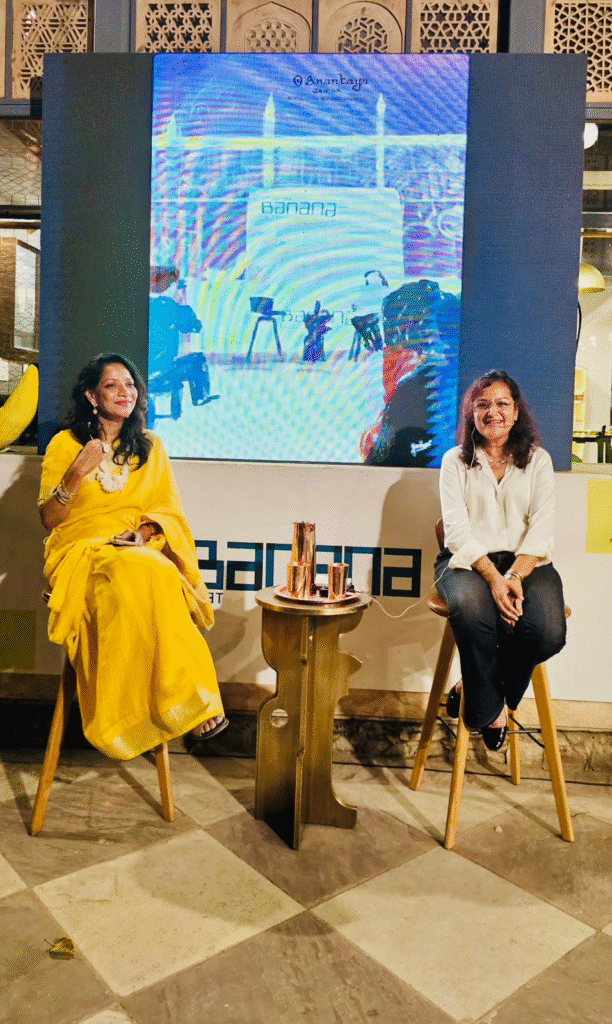
Anantaya Store hosted Banana Chat 10.0, an evening of dialogue, ideas, and exchange that highlighted the intersections of design, innovation, and the future. The session was led by Ar. Amisha Thanawala, Co-Founder of Urban Studio, who shared insights into her work on abstraction, and the evolving nature of design practice.

'Design must learn to respond to shifting contexts.

Amisha, in her engaging presentation, spoke about how abstraction is not about simplifying but about finding clarity within complexity. “Design must learn to respond to shifting contexts. What remains constant is the need for human sensitivity and imagination,” she shared.

Amisha highlighted their explorations in abstraction and contextual design. From jewel-inspired motifs at Taj Devi Ratan to a garlanded lobby at One Avighna Park and transformative galleries at Odyssey Art, their work seamlessly merges global design with local craft, sustainability, and cultural depth underscoring the power of contextual architecture and the creative potential of abstraction as a design tool.

Geetanjali Kasliwal, Founder of Anantaya, moderated the session & emphasised the importance of platforms like Banana Chat in nurturing dialogue. “Conversations like these allow design to grow beyond the drawing board. They remind us that design is not just about objects, but about the way we imagine futures together. This is what Jaipur’s creative community needs places to listen, question, and shape ideas,” she said.

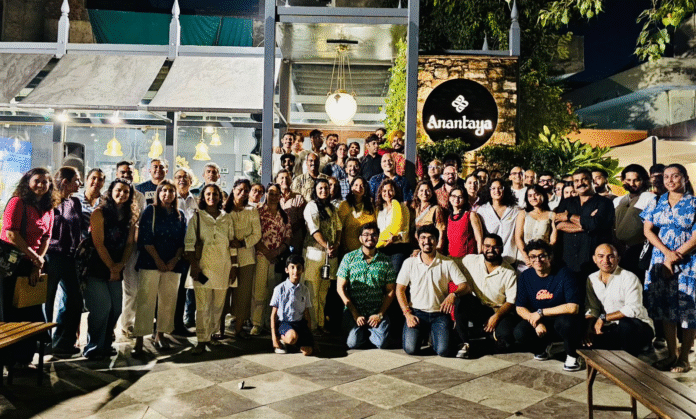
The event welcomed architects, designers, students, and cultural thinkers into an informal yet evocative conversation. Distinguished attendees included Yunus Khimani, RK Singhal, Gyan Prakash, Prof. N.S. Rathore, Ar. Rekha Nemani, Ar.Preethi, Kavita, Nischal Jain, Vipul Verma, Manisha Bhargav, Girish and Jayati Goenka.