Home Blog Page 192

China’s K-Visa vs America’s H-1B: A New Twist in the Global Talent Race

0

Just days after the US shocked the world by slapping a $100,000 fee on H-1B visas, China has unveiled something that sounds almost like a counterpunch: the K-Visa.

From October 1, 2025, young scientists, engineers, and innovators from around the globe will have another door to knock on — and this time, it doesn’t require them to beg for a job offer before applying.

Why the K-Visa Feels Different

Think of China’s K-Visa as a “golden ticket” for the world’s STEM talent. Unlike China’s old Z-Visa, which ties foreigners to a specific employer, the K-Visa skips the middleman. No local job offer? No problem. If you’ve got the degrees, the research, and the skills — you’re in the game.

That’s a stark contrast to the US system, where the H-1B has long been the holy grail for tech workers but is increasingly priced out of reach.

The Backdrop: America Raises the Drawbridge

The US H-1B has always been oversubscribed. For decades, ambitious students from India, China, and beyond have dreamed of landing one. But the new $100,000 application fee has turned that dream into a luxury item.

To put it in perspective:

  • Until now, an H-1B visa cost around ₹6 lakh for three years.
  • From now, the entry price is ₹88 lakh — upfront.

For many, this isn’t just a policy change; it’s the end of the road.


Enter China: The Opportunity Grabber

China, meanwhile, sees an opening. The K-Visa is part of a bigger plan — Beijing wants to be a global tech superpower by 2035. And to get there, it needs brains from everywhere: India’s coders, Africa’s researchers, Europe’s engineers.

To sweeten the deal, China is also running two talent programs:

  • Talented Young Scientist Program (for researchers under 45 from Asia and Africa).
  • Outstanding Young Scientist Fund (for top scientists under 40 worldwide).

On top of that, China’s universities are offering fat paychecks, research grants, and even bonuses to lure in the best minds.

A Tale of Two Visas

Imagine you’re a 28-year-old software developer in Bengaluru, or a 30-year-old robotics researcher in Nairobi.

  • The US path: Spend months navigating paperwork, pray you’re selected in the H-1B lottery, then pay $100,000 upfront (if your employer even sponsors you).
  • The China path: Apply directly with your qualifications, skip the job-offer headache, and get fast-tracked into one of the fastest-growing tech ecosystems in the world.

Which sounds more tempting?

The Global Shift

The story isn’t just about two visas. It’s about the battle for global talent. America has long been the dreamland for innovators. But if it builds walls too high, others — like China — are ready to swing open the gates.

For India, which supplies the largest pool of STEM workers abroad, this shift could be huge. Thousands who once looked only toward Silicon Valley may now find themselves saying: Ni Hao, Shanghai.

At its heart, the K-Visa story isn’t just about visas — it’s about ambition, competition, and the future of global innovation. And right now, China is playing its cards smarter than most expected.
India’s Role at Chabahar Port: Strategic Importance, Challenges, and Future Outlook

0

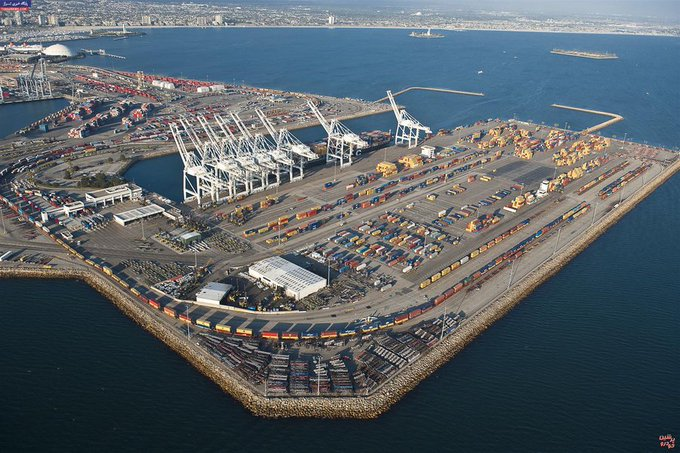
India’s role at Chabahar Port in Iran has once again come into the spotlight after the US sanctions waiver protecting India’s operations ended in September 2025. This development threatens India’s $120 million investment and raises concerns about secondary sanctions. Despite these risks, Chabahar remains central to India’s connectivity strategy, providing a gateway to Central Asia and Afghanistan while bypassing Pakistan.

Geopolitical Importance of Chabahar Port

Chabahar is Iran’s only deep-water oceanic port and plays a pivotal role in India’s regional connectivity.

  • Bypassing Pakistan: Pakistan blocks India’s land access to Afghanistan, making Chabahar a critical alternative route.
  • Link to Central Asia & Europe: The port is part of the International North-South Transport Corridor (INSTC), which connects Mumbai to Russia via Iran and Azerbaijan.
  • Counterbalance to Gwadar: Located close to Pakistan’s Gwadar Port—a project developed by China under the Belt and Road Initiative—Chabahar serves as a strategic counterweight in the Indian Ocean region.

US Sanctions Waiver Revocation: What It Means for India

The US waiver under the Iran Freedom and Counter-Proliferation Act (IFCA), granted in 2018, allowed India to operate the Shahid Beheshti Terminal without penalties. Its revocation in 2025 has major implications:

  • Risk of Secondary Sanctions: India Ports Global Limited (IPGL) could now face restrictions on global financial transactions.
  • Uncertainty in Investments: India’s $120 million investment in port equipment and operations is at stake.
  • Diplomatic Strain: India must balance its strategic ties with Iran against its growing partnerships with the US and other Western allies.

Current Infrastructure and Operations at Chabahar

  • Port Capacity: Chabahar features a -16 metre draft, handling vessels up to 120,000 DWT (deadweight tonnage).
  • Operational Facilities: India operates cranes, cargo-handling systems, and other equipment at the Shahid Beheshti Terminal.
  • Challenges: Despite being functional, the surrounding region has limited urban infrastructure, making logistics and settlement less attractive.

Chabahar Free Zone and India’s Economic Vision

Adjacent to the port lies the Chabahar Free Zone, envisioned as a trade and logistics hub for South Asia.

  • Current Gaps: The area lacks basic infrastructure such as housing, schools, hospitals, and hotels.
  • Future Potential: Iranian authorities hope to attract Indian companies and investors to build industries and services.
  • Cultural Diplomacy: Plans include a cricket stadium in collaboration with the BCCI, symbolising India’s soft power and people-to-people ties with Iran.

Strategic Challenges and Regional Dynamics

Chabahar’s future hinges on how India manages geopolitical headwinds:

  • US Pressure: Secondary sanctions could discourage Indian and foreign investments.
  • China-Pakistan Axis: The nearby Gwadar Port strengthens China’s foothold in the region through the China-Pakistan Economic Corridor (CPEC).
  • Iran’s Position: Tehran’s balancing act between India, China, and Russia will influence long-term cooperation.

Conclusion: The Road Ahead for India at Chabahar

The Chabahar Port project reflects India’s long-term vision of strengthening connectivity, diversifying trade routes, and countering strategic challenges posed by China and Pakistan. While the end of the US sanctions waiver complicates India’s plans, sustained diplomacy, innovative partnerships, and investment in infrastructure could help India retain its critical role at Chabahar.

For India, the port is not just an economic investment but a symbol of regional influence, resilience, and strategic foresight.

india Chabahar Port, India-Iran relations, US sanctions waiver, Gwadar vs Chabahar, INSTC, Indian Ocean strategy, Central Asia trade routes

Discover Gandikota: India’s Grand Canyon and Its Timeless Treasures

0

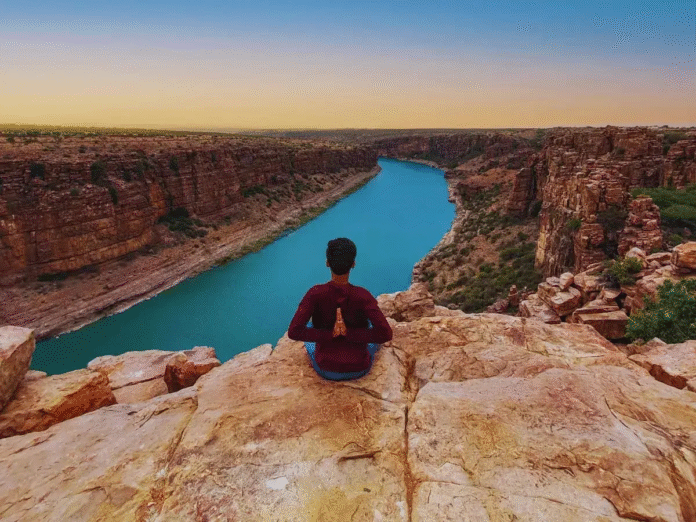
PC:(Times of India)

Nestled in Andhra Pradesh, Gandikota is a hidden gem often dubbed the “Grand Canyon of India” for its breathtaking Pennar River gorge. This village, steeped in history and natural splendor, offers a unique blend of ancient architecture, rugged landscapes, and thrilling adventure activities. The name “Gandikota” translates to “fort on the gorge” in Telugu, perfectly capturing its essence as a historic stronghold perched on the edge of a dramatic canyon. The best time to visit is from October to March, when the weather is pleasantly cool, making it ideal for exploration.

A Glimpse into Gandikota’s Rich History

Gandikota’s historical significance is as captivating as its landscapes. The village is home to the iconic Gandikota Fort and several ancient structures, originally commissioned by the Chalukyas and later completed by the Pemmasani Nayaks under Pemmasani Ramalinga Nayak. These architectural marvels, set against the backdrop of the Pennar River gorge, reflect a blend of cultural influences from various dynasties.

Gandikota Fort: A Testament to Time

Constructed in the 13th century, the sprawling Gandikota Fort is a highlight of the region. Controlled by powerful dynasties like the Pemmasani Nayaks and the Golconda Sultanate, the fort houses a wealth of historical relics. Within its sturdy walls, visitors can explore ruins that tell tales of a bygone era.

Temples and Mosques: A Cultural Mosaic


The fort complex is home to the intricately carved Madhavaraya and Raghunatha Swamy Temples, showcasing the architectural prowess of the Chalukyas. Nearby, the Jama Masjid, built by the Golconda rulers, stands as a testament to the region’s Islamic heritage with its elegant yet simple design. The coexistence of these structures highlights Gandikota’s rich cultural tapestry.

Unique Structures: Granary, Pigeon Tower, and More

The fort also features a large granary, a five-story Pigeon Tower, a smaller version of Hyderabad’s Charminar, and a jail complex. Another fascinating site is Kathula Koneru, a stepwell or pond where soldiers reportedly washed their swords after battles, adding a layer of folklore to the fort’s history.

The Natural Wonders of Gandikota

Gandikota’s dramatic landscape, carved by the Pennar River through the Erramala hills, is its crowning glory. The region’s rocky terrain, primarily composed of quartzite and granite, adds to its rugged charm, earning it the moniker “Grand Canyon of India.”

Pennar River Gorge: Nature’s Masterpiece
The deep, scenic gorge formed by the Pennar River is Gandikota’s most striking feature. The best times to witness its beauty are during sunrise and sunset, when the cliffs and rock formations glow with a golden hue. The Pennar River Viewpoint offers a panoramic perspective, perfect for capturing stunning photographs.

Mylavaram Dam: A Scenic Excursion
A short drive from Gandikota, the Mylavaram Dam on the Pennar River is a serene spot for sightseeing, especially when water is released, creating a mesmerizing spectacle.

Belum Caves: An Underground Adventure
Located about 60 kilometers from Gandikota, the Belum Caves are India’s second-largest cave system. With vast chambers, stalactites, and stalagmites, they make for an exciting day trip, often combined with a visit to Gandikota.

Adventure and Activities in Gandikota

Beyond its historical and natural allure, Gandikota is a haven for adventure enthusiasts. The rugged terrain and river gorge provide ample opportunities for outdoor activities.

Camping Under the Stars
Camping near the gorge is a popular way to soak in Gandikota’s natural beauty. Tents set up close to the canyon offer a surreal experience, with starry skies and serene surroundings.

Trekking and Hiking
The rocky landscape is perfect for trekking to the riverbed or hiking along the cliffs for varied views of the canyon. These trails offer both adventure and breathtaking scenery.

Boating and Kayaking
For a unique perspective of the gorge’s towering walls, adventure operators offer boating and kayaking trips on the Pennar River, allowing visitors to immerse themselves in the region’s natural splendor.

Rock Climbing and Rappelling
The boulders and cliffs of Gandikota are ideal for rock climbing and rappelling, catering to thrill-seekers looking to conquer the rugged terrain.

Why Visit Gandikota?

Gandikota is a rare destination that seamlessly blends history, culture, and adventure. Whether you’re exploring the ancient fort, marveling at the Pennar River gorge, or embarking on a thrilling outdoor activity, this village promises an unforgettable experience. Its unique combination of natural beauty and historical significance makes it a must-visit for travelers seeking an offbeat yet enriching getaway.

Divine Intervention or Digital Luck? Virginia Widow Wins $150,000 Lottery with ChatGPT’s Help—and Gives It All Away

0

PC:(Jagran)

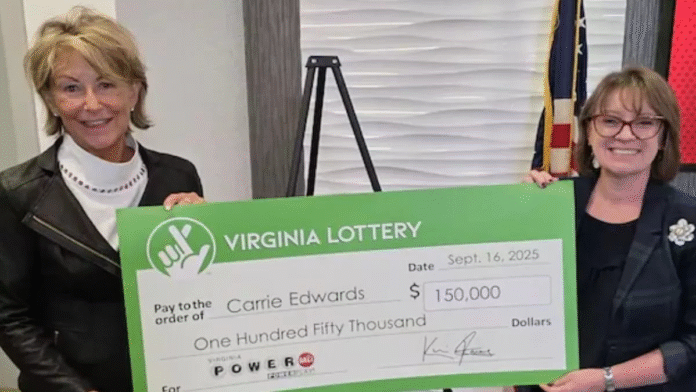
In a tale that’s equal parts miracle and modern tech wizardry, Carrie Edwards, a 68-year-old widow and grandmother from Midlothian, Virginia, turned to artificial intelligence for lottery luck—and it paid off in spades. On September 8, 2025, Edwards matched four of the first five numbers plus the Powerball in the Virginia Lottery’s Powerball drawing, securing an initial prize of $50,000. But with a savvy $1 add-on for the Power Play feature—which multiplied her winnings by three—her haul ballooned to a staggering $150,000 (approximately ₹1.32 crore). For Edwards, a retired public relations executive who rarely plays the lottery, this wasn’t just a windfall; it was a “divine” surprise she never saw coming.

Edwards, who lost her husband Steve to frontotemporal dementia (FTD) five years ago, decided to try her hand at online lottery play for the first time. Stumped on number selection, she pulled out her phone and fired up the voice-enabled ChatGPT app. “I’m like, ChatGPT, talk to me… Do you have numbers for me?” she recounted at a Virginia Lottery press conference, her voice laced with amusement. The AI, ever the cautious companion, first quipped, “Carrie, you know it’s all about luck, right?” before obligingly generating five sets of random numbers. Edwards picked one set, added the Power Play, and hit submit—never imagining the cosmic alignment that followed.

The Shock of Victory: Dismissing a “Scam” Alert

Two days later, while immersed in a work meeting, Edwards’ phone buzzed with a notification: “Please collect your lottery winnings.” Her immediate reaction? Skepticism. “I look at my phone and it says ‘please collect your lottery winnings’ and I thought, ‘I think it’s a scam. I know I didn’t win,'” she shared, laughing at the memory. As a widow raising grandchildren and navigating life’s curveballs, the idea of sudden fortune felt too good—or too suspicious—to be true.
Rushing home, Edwards logged into her account and froze. There it was: confirmation of her $50,000 base win, tripled to $150,000 thanks to the multiplier. “As soon as that divine windfall happened and came down upon my shoulders, I knew exactly what I needed to do with it,” she later reflected. What followed was a whirlwind of verification, tears, and a profound sense of purpose. This wasn’t just about money; for Edwards, it was a message from above, echoing the resilience she’d built after losing Steve.

A Heart of Gold: Donating Every Penny in Memory of Her Late Husband

In a move that has captivated hearts worldwide, Edwards announced she would donate the entire $150,000—every last cent—to three cherished causes, honoring her husband’s legacy of generosity. After taxes whittle the net to about $108,000, she plans to cover the shortfall from her own savings to ensure each organization receives a full $50,000 slice.

The recipients?

A heartfelt trio tied to her family’s story: Navy-Marine Corps Relief Society (NMCRS): A nod to Steve’s service as a Marine, supporting military families in crisis.

Association for Frontotemporal Degeneration (AFTD): Fueling research into the disease that claimed Steve’s life, with AFTD CEO Susan L-J. Dickinson praising the gift as a “vital boost” for treatments.

Shalom Farms: A Richmond-based nonprofit championing food justice and equitable farming, aligning with Edwards’ values of community upliftment.”I’ve been so blessed, and I want this to be an example of how other people, when they’re blessed, can bless other people,” Edwards said, her words radiating quiet conviction. Far from the headlines of lottery winners squandering fortunes on extravagance, Edwards’ choice flips the script—turning personal blessing into collective good and inspiring a ripple of kindness.

The AI Enigma: Can ChatGPT Really Predict the Future?

Edwards’ win has sparked a frenzy of curiosity: Did ChatGPT crack the lottery code? The short answer: No, and it never claimed to. Lotteries are designed as pure games of chance, with draws governed by random number generators impervious to prediction. When users prompt ChatGPT for numbers, it simply spits out random selections—much like flipping a coin or drawing straws—fully aware that outcomes hinge on luck alone.This “win” is a delightful anomaly, a one-in-millions coincidence amplified by AI’s growing role in everyday whimsy. As Edwards herself put it, it’s less about the tool and more about the timing: “Luck is luck.” Yet, in an era where AI assists with everything from recipes to resumes, her story underscores its power not as a fortune-teller, but as a spark for serendipity.

A Legacy of Light: Why Edwards’ Story Resonates

Carrie Edwards’ journey—from a widowed grandmother’s offhand AI query to a full-hearted act of giving—transcends the lottery glamour. It’s a reminder that true jackpots aren’t measured in dollars, but in the lives we touch. As she pays forward her “divine windfall,” Edwards isn’t just blessing charities; she’s challenging us all to reimagine windfalls as opportunities for good. In a world often quick to celebrate excess, her quiet generosity shines as the real prize.

Balika Vadhu fame Avika Gor Marrying? Know Whom is She Tying the Knotty Knot With?

0

Avika Gor to Marry Fiancé Milind Chandwani on September 30 During Navratri, Wedding to Feature on Pati Patni Panaga

Actor Avika Gor is all set to tie the knot with her fiancé, social entrepreneur Milind Chandwani (34), on September 30 — during the auspicious days of Navratri. The celebrations will be showcased on her reality show Pati Patni Panaga, says Hindustan Times.

Confirming the news, the 28-year-old actor said the reality of it all is still sinking in. “There are days when I wake up and remind myself that it’s real. I feel very lucky and blessed to have found a partner who supports me, understands me, and always pushes me to grow in life,” Avika shared, adding that both families are equally overjoyed.

For Avika, choosing to marry on national television wasn’t just about grandeur but also about connection. “I’ve been in the public eye since 2008, and the love and blessings I’ve received from people have been overwhelming. I wanted my audience, who have been such an important part of my journey, to also be a part of this special moment. In some way, I manifested this,” she said. Recalling a childhood memory, she added, “I always told my parents, ‘I will either have a court marriage that no one will know about, or a grand wedding that the world will celebrate with me.’ This feels like my dream coming true.”

The actor revealed that her family was instantly supportive. “My mom was so emotional when the wedding invite was revealed on set. Now, with everyone involved, it feels like a big fat Indian wedding. We will be sending out formal invites only after visiting Siddhivinayak Mandir today (September 22), the first day of Navratri, which makes this moment even more special,” she said.

When it comes to her bridal look, Avika has chosen tradition over trend. “For me, it has to be red — any shade of red, but definitely red. I’ve even told my family that guests should wear pastels so that nothing clashes. While I love the pastel trend Bollywood brides have set, I have always dreamt of being a traditional bride,” she explained.

Although some of her closest industry friends — including Harsh Limbachiyaa, Bharti Singh, Jannat Zubair, and Aly Goni — won’t be able to attend due to scheduling conflicts, Avika said their blessings mean the world. “Many are sending heartfelt messages and videos. It’s beautiful to feel so much love, whether people are present in person or not,” she said.

She also revealed that messages from her mentors left her especially emotional. “Nagarjuna sir has always been like family, and his warm wishes really touched me. Even Anupam sir and Mahesh Bhatt sir sent their love. Having their support at this important stage of my life makes the journey even more special.” (IANS-arc)

Navratri 2025: Five Miraculous Mata Temples of Rajasthan Where Wishes Are Fulfilled

0

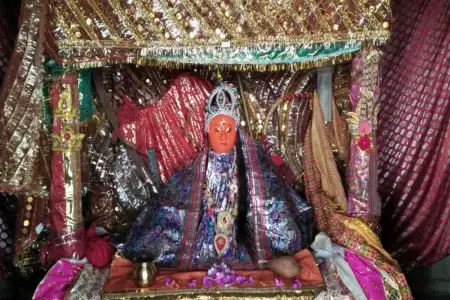
Rajasthan, known for its royal heritage and desert landscapes, is also home to many miraculous temples of the Mother Goddess. Devotees believe that a visit to these sacred shrines during Navratri fulfills wishes and removes troubles. Here are five such revered temples that attract thousands of devotees every year:

1. Idana Mata Temple (Udaipur)

Navratri 2025: Five Miraculous Mata Temples of Rajasthan Where Wishes Are Fulfilled

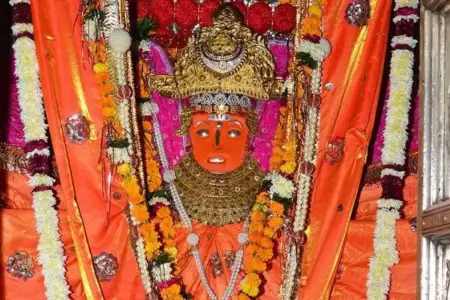
Located about 60 km from Udaipur, Idana Mata Temple is famous for its fiery miracles. Here, the Goddess is believed to bathe in flames that rise up to 20 feet. Devotees from across the Mewar region gather to witness this divine spectacle, considering Idana Mata their supreme protector.

2. Jeen Mata Temple (Sikar)

Navratri 2025: Five Miraculous Mata Temples of Rajasthan Where Wishes Are Fulfilled

One of the most famous temples in Rajasthan, Jeen Mata’s shrine has a fascinating history. It is said that Aurangzeb himself was impressed by the temple’s miracles and ordered an eternal flame to be lit, which still burns today. Legends also recall how the Goddess unleashed a swarm of bees to repel an attack on the temple. Liquor is offered here as Prasad, adding to its unique traditions.

3. Shri Kaila Devi Temple (Karauli)

Navratri 2025: Five Miraculous Mata Temples of Rajasthan Where Wishes Are Fulfilled

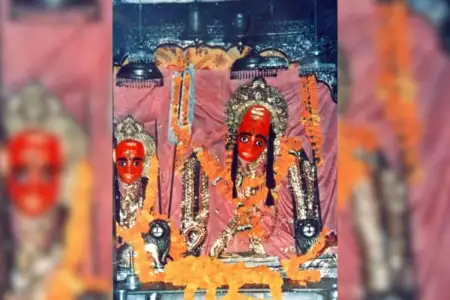
Over 1,000 years old, this temple is a major pilgrimage site of North India. Situated on the banks of the Kalisil River, devotees believe that bathing here cures many ailments. The temple, with two idols placed on a silver pedestal under golden umbrellas, also hosts the famous Lakhi Mela every year.

4. Karni Mata Temple (Bikaner)

Navratri 2025: Five Miraculous Mata Temples of Rajasthan Where Wishes Are Fulfilled

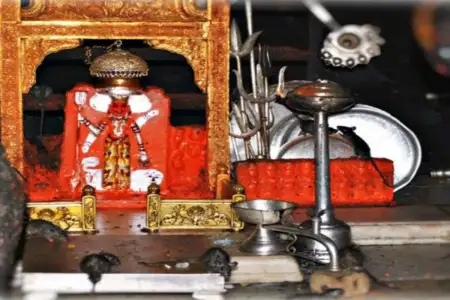
Popularly known as the “Rat Temple,” Karni Mata Mandir is located 30 km from Bikaner and is the family deity of the Bikaner royals. Thousands of black and white rats roam freely in the temple premises. Spotting a rare white rat here is considered extremely auspicious.

5. Shakambhari Mata Temple (Sambhar)

Navratri 2025: Five Miraculous Mata Temples of Rajasthan Where Wishes Are Fulfilled

The family deity of the Chauhan dynasty, Shakambhari Mata has her roots in the Bhagavata Purana. During a great famine, it is believed the Goddess appeared and produced vegetables across barren lands, saving gods and humans alike. The self-manifested idol of Shakambhari Mata still attracts devotees seeking her blessings.

Rajasthan: How Satyajit Ray’s ‘Sonar Kella’ Forged a Timeless Bond Between Jaisalmer and Bengal

0

The magic of legendary filmmaker Satyajit Ray’s 1974 classic Sonar Kella (The Golden Fortress) still echoes in Jaisalmer. Even 51 years later, the film continues to draw thousands of Bengali tourists to the Golden Fort, turning this desert city into a “mini Bengal” every October.

After the film’s release, Bengalis developed a deep fascination for the fort, which Ray had showcased as both mysterious and majestic. Since the 1980s, this fascination has translated into an annual wave of tourism — with nearly 30,000 visitors expected this year alone, generating business worth nearly ₹60 crore for local hotels, guides, and traders by Diwali.

The Fort That Became a Star
Ray, captivated by the architecture and “living fort” of Jaisalmer, shot most of Sonar Kella within its golden sandstone walls. The suspense thriller, based on his own 1971 novel, follows detective Feluda (played by Soumitra Chatterjee) as he investigates a boy’s mysterious visions of a past life inside the fort. The film not only cemented Feluda as a cult figure but also immortalized Jaisalmer in the Bengali imagination.

Tourism with a Bengali Touch
During this festive season, Jaisalmer resonates with Bengali voices, eateries offer fish and sweets to suit their palate, and local businesses prepare special packages. “These tourists are known for their simplicity and travel in groups with umbrellas, hats, and sunglasses. Their loyalty has been sustaining local tourism for decades,” said Anand Singh Tanwar, a tourism entrepreneur.

For the people of Bengal, visiting Jaisalmer isn’t just sightseeing — it’s a nostalgic journey into Ray’s cinematic world. And for Jaisalmer, Sonar Kella remains more than a film: it is a cultural bridge connecting the Thar Desert with Bengal’s literary and cinematic heritage.

Daspara: India’s First Self-Sustaining Bio-Village Leading the Way in Sustainable Development

0

PC:(THE Better India)

In the heart of Tripura’s Sepahijala district lies Daspara, a small village that has earned the distinction of being India’s first self-sustaining bio-village under the state government’s transformative Bio Village 2.0 initiative. Launched in 2018, this ambitious program initially aimed to promote organic farming but has since evolved into a comprehensive model for sustainable rural development. By integrating climate-smart technologies and green practices, Daspara has become a global exemplar of eco-friendly living and economic empowerment.

The Evolution of Bio Village 2.0

The Bio Village 2.0 initiative, introduced by the Tripura government, began with a focus on organic farming but has grown to encompass a wide range of sustainable practices. These include the adoption of improved livestock breeds, solar-powered tools, energy-efficient appliances, and biogas plants. The initiative equips communities with the tools and knowledge to combat climate change while fostering economic resilience. In Daspara, where 75% of the population relies on agriculture and fishery, these interventions have transformed lives and landscapes.

Green Technologies for a Greener Future

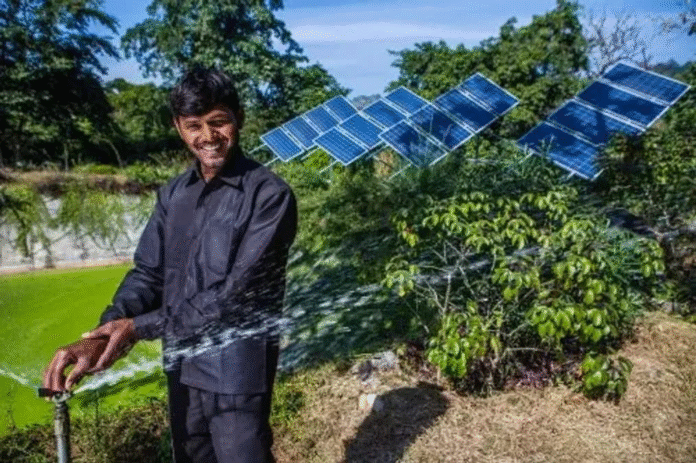
Daspara’s residents have embraced a suite of eco-friendly technologies that have revolutionized their agricultural and domestic practices. Solar-powered pumps irrigate fields, while biogas systems provide a clean alternative for cooking, significantly reducing the village’s carbon footprint. The shift from chemical fertilizers to organic alternatives has improved soil health and boosted crop yields, lowering production costs and environmental impact. Additionally, energy-efficient appliances have reduced electricity consumption, making Daspara a model of sustainable energy use.

Economic Empowerment Through Sustainability

The Bio Village 2.0 initiative has not only enhanced environmental sustainability but also brought significant economic benefits to Daspara’s households. By adopting sustainable farming practices, families have increased their productivity, earning an additional ₹5,000 to ₹15,000 per month. The initiative has also introduced new income streams through skills like mushroom cultivation, beekeeping, and bio-composting. These efforts have diversified livelihoods, improved food security, and empowered the community’s most vulnerable members, particularly farmers and artisans.

Global Recognition and Future Aspirations

Daspara’s remarkable transformation has garnered international acclaim. The Climate Group, a London-based NGO, recognized the village’s eco-friendly technologies as one of the world’s top ten best practices for sustainable development. This accolade has positioned Daspara as a global model for climate change mitigation and rural poverty alleviation. Inspired by this success, the Tripura government has established 10 bio-villages so far and plans to expand the initiative to 100 villages, ensuring long-term sustainability and scalability.

A Blueprint for Sustainable Rural Development

Daspara’s journey from a traditional agrarian village to a self-sustaining bio-village is a testament to the power of innovative, climate-smart solutions. By blending green technologies with economic empowerment, the Bio Village 2.0 initiative has not only transformed lives but also set a precedent for sustainable rural development across India and beyond. As Tripura continues to expand this model, Daspara remains a shining example of how sustainability and prosperity can go hand in hand.

Zero GST Revolution: India’s Big Relief for Education, Healthcare, and Essential Goods from September 22, 2025

0
Zero GST Revolution: India’s Big Relief for Education, Healthcare, and Essential Goods from September 22, 2025

PC:(Zee business)

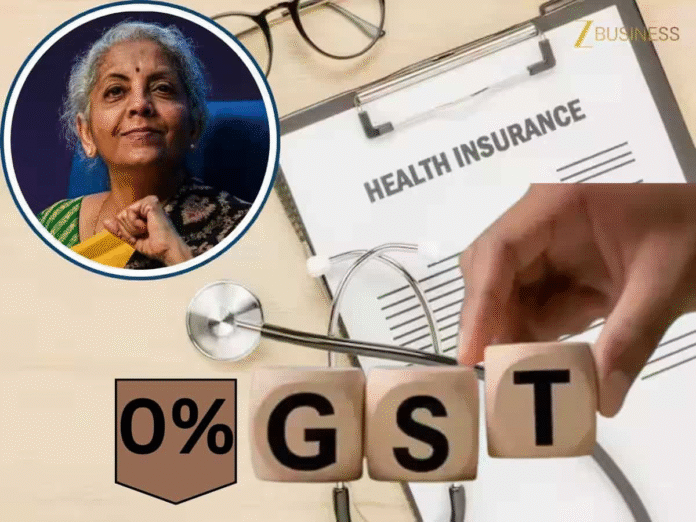
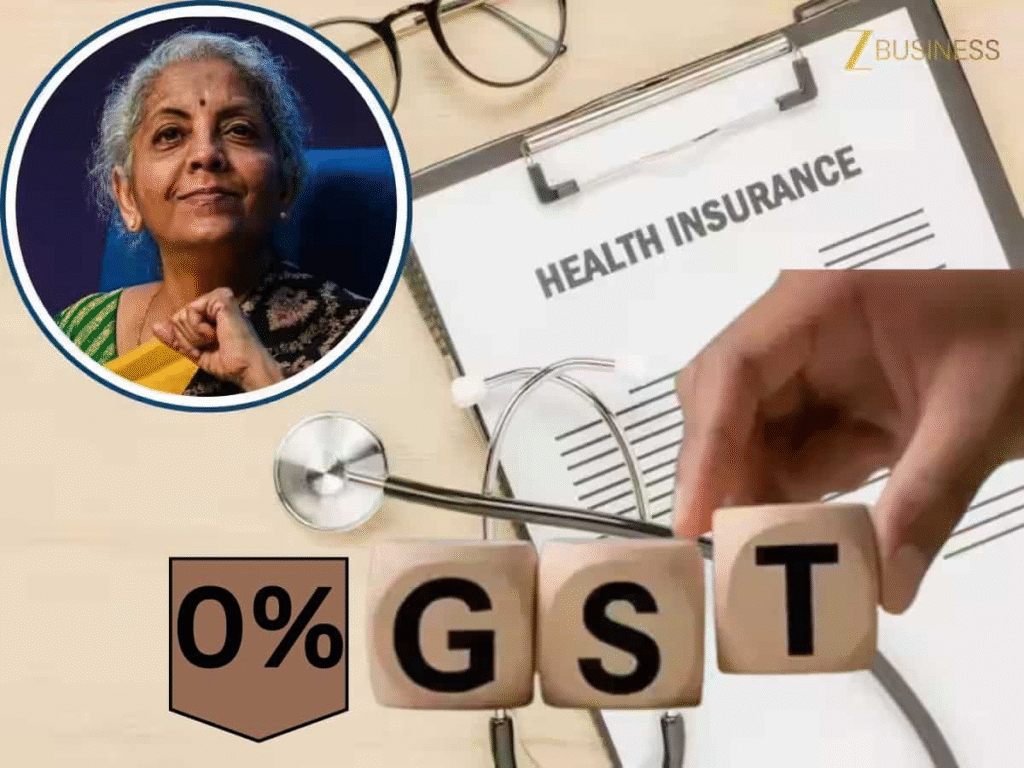
In a landmark decision, the GST Council of India, during its 56th meeting on September 3, 2025, announced the removal of Goods and Services Tax (GST) on essential goods and services, effective from September 22, 2025. This move, aimed at easing the financial burden on the middle class, low-income groups, farmers, laborers, and small traders, eliminates GST on critical sectors like education, healthcare, and daily essentials. By setting a 0% GST rate on items such as life-saving medicines, health insurance, and educational materials, the government is set to make these necessities more affordable, driving down costs and providing significant relief to millions.

Key Changes in GST Rates

The GST Council’s decision introduces sweeping changes to the tax structure, targeting affordability and accessibility. Here’s a breakdown of the major updates:

Healthcare: The 18% GST on all individual life and health insurance policies has been eliminated, making insurance more accessible. Additionally, 36 life-saving and critical illness medicines, including drugs like Agalsidase Beta, Imiglucerase, and Eptacog Alfa, are now tax-free, previously taxed at 5% or 12%.

Education: GST has been removed from educational materials such as exercise books, notebooks, maps, charts, pencils, crayons, pastels, chalk, and erasers. Private tuition, coaching centers up to Class 12, vocational training institutes, and skill development courses are also exempt from the previous 18% GST.

Food and Essentials: Everyday items like roti, chapati, khakhra, paratha, parotta, ultra-high temperature (UHT) milk, paneer (pre-packaged and labeled), and pizza bread now carry 0% GST, down from 5% or 18%.

Other Goods: Glass bangles (without gold or silver), uncoated paper and paperboard for notebooks, and charitable hospital and trust services in health and education are now tax-free, previously taxed at 12%.

Reduced GST Rates: Daily-use items have been shifted to a 5% GST slab, while products like air conditioners, televisions, small cars, and certain electronic devices now attract an 18% GST rate.

Impact on the Common Man

This bold initiative by the Modi government is poised to bring significant relief to the masses. By removing GST on essential goods and services, the prices of food items, life-saving medicines, and educational materials are expected to drop, making them more affordable for farmers, laborers, and small traders who often bear the brunt of inflation. The zero GST policy on health insurance and critical medicines will particularly benefit those reliant on costly treatments, while tax exemptions on educational services and materials will ease the financial strain on students and families.

A Step Toward Inclusive Growth

The decision to eliminate GST on these essentials reflects the government’s commitment to inclusive growth. By reducing the cost of living for low- and middle-income households, this reform is expected to boost purchasing power and stimulate economic activity. The export of these benefits is already visible, with farmers and small traders likely to gain from reduced financial pressures, enabling them to invest in their livelihoods.

A New Era of Affordability

The zero GST policy, effective from September 22, 2025, marks a transformative step in making essential goods and services accessible to all. From life-saving medicines to educational resources and daily food items, this reform promises to alleviate the burden of taxes on the common man. As India moves toward a more equitable economic landscape, this decision underscores the government’s focus on empowering its citizens, particularly the most vulnerable, by ensuring affordability and accessibility in critical sectors.

From Muddy Ponds to Market Shelves: The Untold Story of Makhana and the Mallah Community

0

PC:(Radio pitara agriculture)

Makhana, also known as foxnut or gorgon nut, has earned its place as India’s prized superfood, gracing the shelves of metropolitan supermarkets in glossy packets. Cultivated predominantly in the Mithilanchal and Seemanchal regions of Bihar, this nutrient-rich seed is celebrated globally for its health benefits. Yet, behind its journey from muddy ponds to popping units and retail shelves lies a tale of relentless labor, poverty, and resilience of the Mallah community, which produces nearly 85% of India’s makhana harvest. While the world calls it a superfood, for the Mallah community, it remains a bittersweet harvest, often referred to as “Kala Pathar” (black stone) before it transforms into the “Kala Sona” (black gold) of the market.

The Labor Behind the Superfood

Makhana cultivation is no easy feat. Grown in waterlogged fields or ponds with water depths of up to one foot, the process demands backbreaking effort. Men from the Mallah community dive into muddy waters for hours, risking injuries, scars, and rashes to collect the seeds. These harsh conditions and meager earnings—often just a fraction of makhana’s retail price—reflect the hidden costs borne by the laborers. Despite their pivotal role, small producers and laborers struggle to secure fair prices, access to credit, or adequate support, leaving them trapped in a cycle of poverty.

The Cultivation Process: A Blend of Tradition and Toil

The journey of makhana begins in nurseries, where plants are carefully nurtured before being transplanted into water-filled fields or ponds. This unique farming method allows farmers to cultivate makhana alongside paddy and other crops in the same field, maximizing land use. The process is labor-intensive, requiring meticulous care from sowing to harvesting. Yet, the rewards can be significant. A farmer from the region shared that one acre of land can yield up to ₹1 lakh in income, making makhana a potentially lucrative crop for those who can navigate its challenges.

Economic Impact and Growing Demand

Over the past decade, the area under makhana cultivation in Bihar has doubled, leading to a significant increase in productivity. The crop has not only become a vital source of income for the Mallah community but also a symbol of cultural identity in Mithilanchal, where it is affectionately called “Makhana.” With support from the agricultural department and organizations like COMFED (Sudha), makhana has found its way to international markets, including the United States, boosting its economic value and global recognition.

Challenges and the Path Forward

Despite its economic potential, the Mallah community faces systemic challenges. The lack of fair pricing, limited access to credit, and inadequate infrastructure hinder small producers from fully capitalizing on makhana’s growing demand. For makhana to truly become “Kala Sona” for those who cultivate it, comprehensive support systems—such as fair trade practices, financial assistance, and modern processing facilities—are essential.

A Cultural and Economic Lifeline

Makhana is more than just a superfood; it is a lifeline for the Mallah community and a cultural cornerstone of Mithilanchal. Its journey from the muddy ponds of Bihar to global markets is a testament to the resilience and hard work of those who cultivate it. However, for the Mallah community to break free from poverty and reap the true benefits of this “black gold,” systemic changes are needed to ensure fair compensation and sustainable growth. Only then can the story of makhana become one of triumph for all involved.