Home Blog Page 90

It’s Official! Bengaluru Is India’s Top Spot For Matcha And Cafés Only Indian City In Top 30

0
It’s Official! Bengaluru Is India’s Top Spot For Matcha And Cafés Only Indian City In Top 30

Bengaluru has once again carved out a unique identity on the national lifestyle map by being named India’s top city for matcha and café culture, while also standing as the only Indian city featured in the global top 30 list. The recognition reflects the city’s vibrant food and beverage scene, youthful energy, cosmopolitan tastes and its growing reputation as a destination for specialty drinks and café-hopping experiences.

Matcha mania takes Bengaluru by storm

Over the past few years, Bengaluru has witnessed a surge in demand for matcha the finely ground, antioxidant-rich green tea powder originally from Japan. Café menus across the city now boast matcha lattes, matcha smoothies, layered matcha desserts and creative fusions like matcha cold brew and matcha pancakes. What was once a niche drink trend has become mainstream, attracting both wellness-conscious customers and café culture enthusiasts.

It’s Official! Bengaluru Is India’s Top Spot For Matcha And Cafés Only Indian City In Top 30

Why Bengaluru’s café scene stands out

Unlike cities where cafés serve as mere coffee stops, Bengaluru’s café culture has evolved into a social ecosystem. From stylish book cafés and rooftop lounges to quirky themed spaces and plant-based hubs, the city caters to a wide spectrum of tastes. The presence of tech professionals, students, digital nomads and expats has further fueled demand for diverse beverage options, including artisanal matcha, specialty teas and creative mocktails.

International recognition among top global cities

Bengaluru’s inclusion in the global top 30 list for matcha and cafés is particularly significant because it places the city alongside international lifestyle hubs. While cafés proliferate in many parts of the world, curators of the ranking highlighted Bengaluru’s unique blend of innovation, variety and experiential spaces that go beyond standard coffee culture. The city’s ability to adapt global trends and fuse them with local sensibilities earned it a place on the list.

A reflection of Bengaluru’s evolving lifestyle

Food and beverage experts say this achievement is a reflection of Bengaluru’s evolving lifestyle preferences. Younger generations in the city are embracing healthier options and are eager to experiment with global flavours. Matcha’s growing popularity is also linked to its perceived health benefits, including sustained energy, antioxidant content and a smoother caffeine experience compared to coffee.

Impact on local businesses and tourism

The recognition is expected to boost local cafés and entrepreneurs, encouraging them to innovate further and draw visitors looking for unique taste experiences. For tourists, Bengaluru now stands not only as an IT and startup capital but as a destination for culinary exploration and beverage discovery.

As Bengaluru continues to shape trends and set benchmarks in India’s food scene, its status as a matcha and café capital reflects both its cultural dynamism and its appetite for global yet personalised experiences.

Mumbai Metro One Partners With Women’s Brand, Installs Menstrual Hygiene Vending Machines Across All Stations

0
Mumbai Metro One Partners With Women’s Brand, Installs Menstrual Hygiene Vending Machines Across All Stations

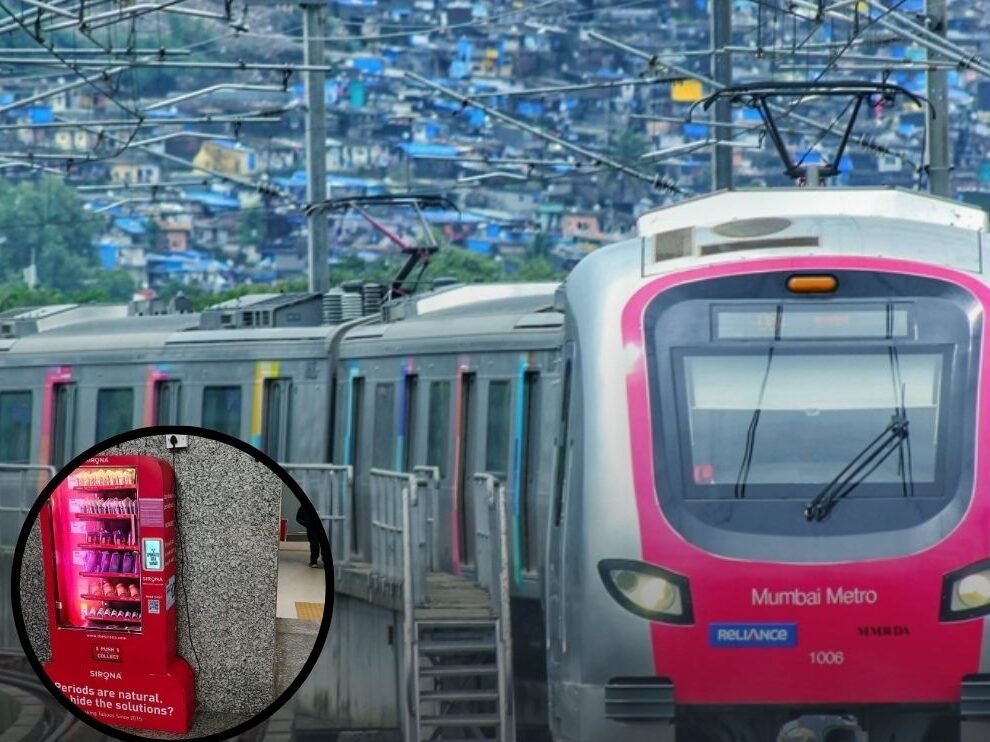
In a major step towards strengthening women-centric public infrastructure, Mumbai Metro One has partnered with a leading women’s hygiene brand to install menstrual hygiene vending machines at every station across its operational corridor. This progressive initiative ensures that essential menstrual products are now easily accessible to thousands of daily commuters, marking a significant shift in how public transport systems cater to women’s health needs.

Accessibility at every station for seamless convenience

The vending machines are strategically placed within all Mumbai Metro One stations, enabling women to instantly purchase sanitary pads and other menstrual hygiene items during emergencies. This is especially beneficial for office-going women, students, and long-distance commuters who may not always find nearby pharmacies or retail stores while travelling. With extended metro operations throughout the day, these machines provide round-the-clock access, removing the stress and discomfort often caused by unexpected menstrual needs.

A health-focused collaboration with long-term vision

The initiative is the result of a collaboration between Metro One and a reputed women’s hygiene brand known for prioritising quality and comfort. The partnership aims not just at product distribution but at creating an environment that normalises menstrual health conversations in public spaces. By integrating menstrual hygiene into the city’s transport infrastructure, the metro authorities are contributing to a broader national push toward improving women’s health awareness and access.

Empowering women with dignity, safety and comfort

Mumbai Metro officials highlighted that installing these machines reflects their commitment to ensuring dignity and convenience for women commuters. It eliminates the discomfort of searching for shops during travel and offers a discreet, safe option within the metro premises. The move also reduces dependence on carrying pads beforehand, making travel more stress-free and inclusive.

Towards sustainable menstrual choices

While the current vending machines primarily offer sanitary pads, authorities have indicated the possibility of expanding product options in the future. Eco-friendly and sustainable menstrual products such as biodegradable pads or menstrual cups may be added based on commuter demand and feedback.

A welcome move in India’s urban transit evolution

The initiative has been widely appreciated by commuters and public health advocates, who see it as a long-overdue facility in a city where millions rely on public transport daily. Mumbai Metro One’s step sets a strong example of inclusive, women-friendly urban planning that other metro networks across India can follow.

Karnataka To Expand Nenstrual Cup Distribution As Part Of Sustainable Hygiene Push

0
Karnataka To Expand Nenstrual Cup Distribution As Part Of Sustainable Hygiene Push

In a move aimed at promoting sustainable menstrual hygiene and reducing dependence on disposable products, the Karnataka government has announced plans to expand the distribution of menstrual cups across the state. Building on earlier success and growing awareness about environmentally friendly alternatives, the initiative seeks to ensure that more women and girls have access to safe, cost-effective and reusable menstrual hygiene solutions.

Boosting access to sustainable menstrual products

The expanded programme will see menstrual cups which are reusable silicone products that collect menstrual fluid, distributed not only in urban areas but also reaching deeper into rural and semi-urban communities. Officials say the decision comes in response to enhanced demand from women who have used menstrual cups and reported benefits including comfort, health safety and long-term affordability compared with single-use sanitary pads.

Advantages of menstrual cups over disposable products

Unlike disposable pads and tampons, which contribute to plastic waste and often create disposal challenges, menstrual cups can last several years with proper care. This not only reduces environmental burden but also makes menstrual hygiene more affordable over time. In a state where access to affordable menstrual products can be a challenge for many, reusable options help bridge gaps in menstrual health management.

Health and hygiene education to accompany distribution

To complement distribution, the health department is also planning awareness campaigns and training sessions to educate users on proper hygiene practices, insertion and removal techniques, and care instructions for menstrual cups. Health experts emphasise that such guidance is crucial to building confidence among users who may be trying menstrual cups for the first time.

Previous pilot programmes showed encouraging results

Karnataka first introduced menstrual cup distribution in select districts as part of pilot initiatives that partnered with local health workers and community organisations. Feedback from these areas highlighted not only acceptance but also enthusiasm among school-aged girls and women in reproductive age groups. Many users praised the convenience and reduced monthly expenditure.

Government’s broader menstrual hygiene goals

The move aligns with the government’s broader strategy to improve menstrual hygiene, reduce health risks associated with poor menstrual management, and cut down on non-biodegradable waste. Officials also noted that this initiative supports efforts to promote women’s participation in education and the workforce by removing barriers associated with menstrual stigma and product inaccessibility.

Next steps and implementation timeline

The expanded distribution is expected to roll out over the coming months, with initial focus on priority districts where menstrual hygiene indices are comparatively low. The government is also exploring partnerships with non-profits and grassroots organisations to ensure effective outreach and follow-up support.

By promoting menstrual cups alongside educational efforts, Karnataka seeks to set a precedent in sustainable health interventions that balance environmental goals with women’s health needs.

12 Communication Habits To Ditch In 2026 For Clearer Conversations And Healthier Relationships

0
12 Communication Habits To Ditch In 2026 For Clearer Conversations And Healthier Relationships

In 2026, communication is no longer just about talking it’s about connecting meaningfully in an increasingly digital and distracted world. Behavioural experts say that the way we speak, listen and respond is evolving, and certain outdated habits are now causing more harm than good. Here are 12 communication habits worth dropping this year, along with why they matter and how changing them can dramatically improve the way we interact.

Assuming tone in text messages

Reading anger, irritation or sarcasm into a short message is one of the most common misunderstandings today. Texts lack vocal cues, so interpretations often reflect our mood rather than the sender’s intent. Instead, ask follow-up questions or shift sensitive conversations to voice calls.

Overusing emojis as emotional shortcuts

Emojis can lighten a message, but when they replace actual sentences, intentions become unclear. Too many expressive icons can confuse the seriousness of a message or dilute sincerity. Use words to convey meaning first, then add emojis for tone.

Interrupting before someone finishes speaking

In fast-paced conversations, many jump in to finish others’ sentences or offer solutions too soon. This signals impatience and dismisses the speaker’s thoughts. A simple pause after they finish helps ensure you understand fully.

Feeling pressured to respond instantly

Instant messaging has created unrealistic expectations of 24/7 availability. But replying without thinking often leads to miscommunication or unnecessary arguments. Taking time to process improves clarity and reduces emotional reactions.

Multitasking during conversations

Checking emails, scrolling or typing while someone speaks sends a message that they don’t have your full attention. It affects trust and depth of connection. Even two minutes of focused presence can make communication more meaningful.

Using passive-aggressive language

Phrases like “Fine, do whatever you want” or “No problem, I guess” express resentment without clarity. They force others into guessing games. Honest, direct statements are healthier and reduce emotional strain.

Avoiding uncomfortable but important conversations

Whether in relationships or workplaces, avoiding serious conversations only delays solutions. Addressing issues calmly, early and respectfully prevents emotional build-up and improves trust.

Relying too much on group chats for serious discussions

Group chats can easily distort meaning messages get lost, people overreact, and tone is misunderstood. Sensitive matters require one-on-one communication for clarity and respect.

Overexplaining emotions or decisions

Many people feel compelled to justify every feeling or choice at length, fearing misunderstanding. Clear, concise statements create healthy boundaries and reduce emotional exhaustion.

Getting defensive instead of staying curious

When receiving feedback, many react with excuses or counter-arguments. This blocks growth and damages relationships. Asking questions like “Can you explain what you meant?” shows maturity and encourages constructive dialogue.

Sharing unprocessed emotions on social media

Reacting online when angry, hurt or overwhelmed often leads to escalation and regret. Social media isn’t a safe processing space. Vent privately first, then decide what needs to be communicated publicly, if at all.

Ghosting instead of communicating boundaries

Ignoring messages or disappearing without context leaves others confused and hurt. If you need space or cannot commit, a simple line like “I’ll respond later when I can focus” is kinder and clearer.

Modi To lead Somnath ‘Swabhiman Yatra’ With 108-Horse Roadshow As Gujarat Honours 1,000 Years Of Resilience

0
Modi To lead Somnath ‘Swabhiman Yatra’ With 108-Horse Roadshow As Gujarat Honours 1,000 Years Of Resilience

Prime Minister Narendra Modi is set to visit Somnath in Gujarat on 10–11 January 2026 to participate in the grand Somnath Swabhiman Parv, a historic celebration marking 1,000 years since the first recorded attack on the revered Somnath Temple and honouring its unbroken civilisational spirit. The occasion has drawn widespread attention, blending cultural pride, national heritage and a showcase of traditional rituals with modern pageantry.

Decades-long legacy of resilience

Somnath Temple, one of the twelve Jyotirlingas on India’s western coast, has faced repeated invasions since 1026 AD, yet it continues to stand as a symbol of faith, culture and endurance. In messages shared ahead of the Swabhiman Parv, PM Modi highlighted how the temple’s repeated destruction could not weaken the eternal devotion of millions nor break the civilisational resolve of Bharat. He recalled earlier celebrations, including the ceremonies in 1951 and a major programme in 2001 that commemorated the temple’s restoration after independence. Modi described the celebrations as a tribute to the countless sons and daughters of Mother India whose principles and ethos remained unwavering.

Grand celebrations and spiritual observances

The four-day festival, running from 8 to 11 January, includes several spiritual and cultural events. On the evening of 10 January, Modi will participate in the chanting of the Omkar Mantra inside the temple premises, followed by a mesmerising drone show featuring thousands of lights illuminating the night sky. A continuous 72-hour Omkar chanting led by saints and devotees forms a core part of the commemoration.

108-horse Shaurya Yatra and historic roadshow

A major highlight of the Prime Minister’s visit will be the Shaurya Yatra (Valor March) on 11 January, featuring a symbolic procession of 108 horses, a tribute to the warriors and defenders of the temple throughout history. The spectacle is expected to draw large crowds and is symbolic of valour, sacrifice and the unyielding spirit that has kept Somnath alive through centuries. Following the procession, Modi will perform darshan and pooja at the temple and address the public, reinforcing India’s cultural heritage and unity.

Temple corridor project and infrastructure focus

The visit is also expected to finalise key aspects of the Somnath Temple Corridor Project, a major initiative to enhance the infrastructure around the temple precincts and boost pilgrim experience. Along with ceremonial highlights, the government is prioritising upgrades in connectivity and amenities to position Somnath as a world-class spiritual and tourist destination.

Significance of the moment

The Somnath Swabhiman Parv not only celebrates a millennium of spiritual resilience but also marks 75 years since the restored temple was inaugurated after India’s independence. Through these events, the celebrations underscore the temple’s role as an enduring symbol of India’s civilisational strength and collective faith, resonating deeply with millions of devotees and cultural enthusiasts across the nation.

Jana Nayagan Release Postponed As Makers Confirm New Date For Thalapathy Vijay’s Much-Awaited Political Thriller

0
Jana Nayagan Release Postponed As Makers Confirm New Date For Thalapathy Vijay’s Much-Awaited Political Thriller

Thalapathy Vijay’s highly anticipated film Jana Nayagan, originally scheduled to hit theatres on January 9, has officially been postponed, creating a wave of speculation and curiosity across the Tamil film industry. The makers released an official announcement confirming that the film will not arrive on its earlier planned date, citing pending post-production work and strategic scheduling considerations. For fans who were gearing up for the first major Tamil release of the year, the update comes as a surprise, but the production house has promised that the new date will be revealed soon.

Massive buzz and expectations

Jana Nayagan has been one of the most talked-about South Indian films in recent months, primarily because it marks Vijay’s entry into an intense political-drama zone. The actor, who already commands a massive fanbase, has amplified interest through posters, teasers and audio launches that positioned him in a power-packed, authoritative role. The film is expected to blend social messaging, emotional arcs and high-octane action, staying true to Vijay’s mass entertainer appeal while offering a fresh narrative style.

Reasons behind the delay

While the official statement did not offer exhaustive details, industry sources indicate that the delay is linked to extensive VFX work and last-minute fine-tuning in the editing room. The makers reportedly want to ensure that the final theatrical cut matches audience expectations and global standards, especially given the scale at which the film is being planned for release. Additionally, with several major Tamil and Telugu films already lined up for early January, a strategic shift is believed to help Jana Nayagan secure larger screens and a smoother distribution cycle.

Cast crew and storyline expectations

The film features Vijay in the lead, supported by a strong ensemble cast that includes top performers from Tamil and Malayalam cinema. Directed by a filmmaker known for socio-political thrillers, the story reportedly revolves around governance, public accountability and the power dynamics of modern politics. Though details remain under wraps, insiders hint at an emotionally driven script with powerful dialogues and a strong human-interest angle.

Fans eagerly await the new date

Despite the delay, the buzz surrounding the film continues to grow. Social media has been flooded with fan reactions, trending hashtags and countdown edits. For many, the postponement has only heightened curiosity, setting the stage for a blockbuster opening whenever the makers announce the revised release date.

Why Indians’ Obsession With Antacids Is Putting Their Heart Kidneys And Gut At Risk

0
Why Indians’ Obsession With Antacids Is Putting Their Heart Kidneys And Gut At Risk

Antacids have become one of the most commonly consumed over-the-counter medications in India, often seen as a quick fix for acidity, heartburn and indigestion. But health experts are now warning that frequent and unchecked use of these medications could be harming more than just stomach discomfort potentially affecting the heart, kidneys and overall gut health.

Antacids and why people use them

Antacids are medications that neutralise stomach acid to provide relief from symptoms like heartburn, bloating and acid reflux. In India, dietary habits that include spicy food, late-night meals, fried snacks and irregular eating patterns contribute to frequent acidity complaints. Combined with high stress levels and long working hours, many people resort to antacids as a go-to solution, sometimes multiple times a day without medical advice.

Hidden risks of frequent use

While occasional use of antacids is generally considered safe, prolonged or excessive consumption can cause a range of health issues, doctors say. One concern is that antacids can alter the natural acidity of the stomach, affecting digestion and nutrient absorption. This can lead to deficiencies in important minerals like calcium, magnesium and vitamin B12 over time.

Impact on gut microbiome and digestion

Another growing concern is the effect of antacids on the gut microbiome the community of beneficial bacteria that supports digestion, immunity and overall health. Reducing stomach acid too frequently can allow harmful bacteria to survive and thrive, disrupting this delicate balance and increasing the risk of infections, bloating and other gastrointestinal problems.

Effects on kidneys and heart health

Certain types of antacids contain high levels of sodium or aluminium compounds, which can place added strain on the kidneys, especially in individuals with pre-existing kidney issues. There is also evidence suggesting that long-term use of some antacid formulations may be linked to increased risks of cardiovascular issues, particularly when combined with other risk factors like hypertension or diabetes.

Doctors urge caution and lifestyle changes

Health professionals emphasise that antacids should not be used as a long-term solution without medical supervision. Instead, they recommend addressing the root causes of acidity through dietary and lifestyle changes. Eating smaller, more frequent meals, avoiding trigger foods, reducing caffeine and alcohol intake, quitting tobacco, and managing stress through exercise and adequate sleep are all strategies that can reduce dependence on medication.

When antacids are appropriate

Occasional antacid use can be helpful for temporary relief, particularly after a large or spicy meal. However, persistent symptoms that occur more than twice a week may indicate gastroesophageal reflux disease (GERD) or other digestive disorders that require professional evaluation and targeted treatment.

As India’s acidity culture evolves

With India’s fast-paced lifestyle and evolving food culture, acidity and indigestion have become increasingly common complaints. But experts say it is crucial for people to understand the limitations and potential risks of quick-fix medications like antacids. Recognising symptoms early, making healthy lifestyle choices, and consulting doctors when needed can help protect not just digestive health but overall long-term well-being.

Adani Partners With Brazil’s Embraer To Make Regional Jets In India For The First Time

0
Adani Partners With Brazil’s Embraer To Make Regional Jets In India For The First Time

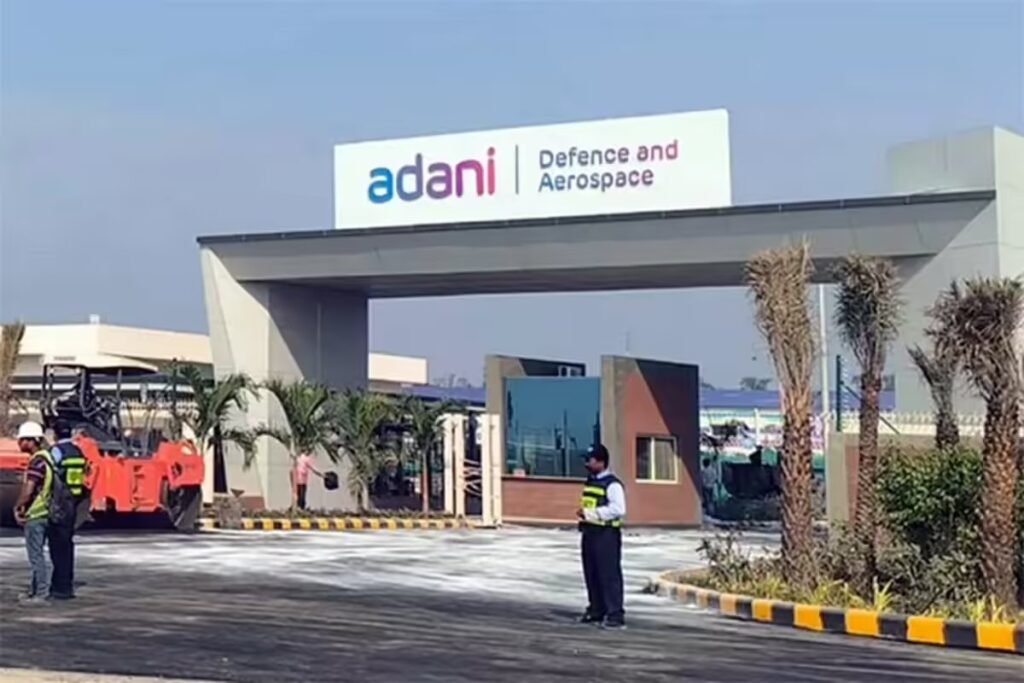
In a major step for India’s aviation manufacturing ambitions, the Adani Group has entered into a strategic partnership with Brazil’s Embraer to produce regional jets in India for the first time. The agreement aims to boost domestic aerospace capabilities, create high-skilled jobs and reduce reliance on imported aircraft, especially in the regional connectivity sector.

A new chapter for aircraft manufacturing in India

The collaboration brings together the infrastructure and business scale of the Adani Group with the aerospace expertise of Embraer, one of the world’s leading manufacturers of commercial and executive jets. The move is seen as a significant milestone in India’s push to build a local aerospace ecosystem, as part of broader efforts to expand Make in India in high-technology sectors.

Focus on regional aircraft production

Under the proposed partnership, Adani and Embraer plan to establish facilities in India for the assembly, customization and possible future manufacture of Embraer’s family of regional jets. These aircraft, which typically seat between 70 and 130 passengers, play a crucial role in connecting smaller cities and towns that are not served by larger jet services. By producing them locally, the partners aim to make regional air travel more cost-effective and better suited to India’s fast-expanding domestic air transportation market.

Adani Partners With Brazil’s Embraer To Make Regional Jets In India For The First Time

Why regional jets matter for India

Regional jets have become central to the growth of domestic aviation in India, especially under the government’s UDAN (Ude Desh ka Aam Naagrik) scheme, which aims to enhance connectivity to underserved airports. Affordable, fuel-efficient regional planes can significantly expand route networks, improve accessibility and encourage tourism and business travel to smaller cities.

Technology transfer and job creation

Beyond aircraft production, the partnership is expected to facilitate technology transfer, skill development and specialised training for Indian engineers and technicians. Aerospace experts note that local assembly and potential future component manufacturing could attract global aerospace supply chains to India, creating thousands of high-value jobs in engineering, design, testing and maintenance.

Strengthening India’s aerospace ecosystem

The collaboration also aligns with India’s long-term goals to develop robust capabilities in defence and civilian aerospace sectors. By working with a globally respected manufacturer like Embraer, Indian partners can gain insights into advanced production processes, quality assurance systems and international certification standards, all essential for competing in global markets.what’s next

Adani Partners With Brazil’s Embraer To Make Regional Jets In India For The First Time

While specific details regarding investment size, plant locations and production timelines are yet to be finalised, industry insiders say formal announcements are expected in the coming months. Analysts suggest that local production of regional jets could begin within the next few years, positioning India as a rising player in aerospace manufacturing.

This Adani-Embraer partnership marks a significant leap in India’s journey to build homegrown aviation capabilities, bringing cutting-edge aircraft production to Indian soil and setting the stage for a new era in the country’s aviation story.

Mobile Crusher Plants: A Smart Solution for Modern Crushing Needs

0

In today’s dynamic construction, mining, and infrastructure sectors, speed and mobility are as valued as raw power. It can be seen that traditional fixed crushing systems require large-scale installation, civil works, and very long setup times, which in turn slows projects’ progress and increases operating costs. That is what has brought into play mobile crusher plants, which have proven to be a practical and very effective solution for companies that want flexibility, productivity, and cost control.

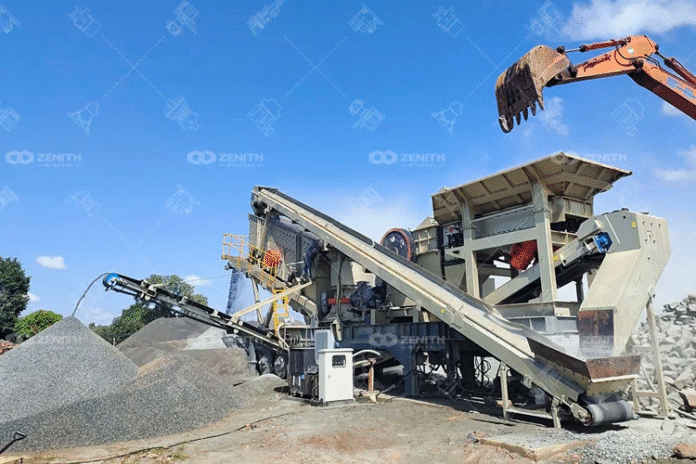
A mobile crushing plant is a full scale of a crushing system which is put on wheels or tracks, and these plants are commonly observed at sites where action is taking place. These plants which are used for processing materials right at the site are very much in use for breaking down rocks, ores, construction waste and recycled materials which in turn makes them very useful in quarrying, road construction, demolition and mining applications.

How Mobile Crusher Plants Work

Mobile aggregate crushing plants integrate many components into one movable unit. They include primary breakers (for example jaw breakers), secondary or tertiary breakers (which may be impact or cone breakers), screens which vibrate, conveyor systems, and control units. The material is put in at the feed end, goes through various stages of reduction according to the out put size required and comes out as finished aggregates.

As the whole system is mobile, it may be easily relocated closer to the raw material source. This, which in turn reduces material transportation costs and at the same time minimizes handling, thus resulting in faster project completion and improved overall efficiency.

Key Advantages of Mobile Crusher Plants

Mobile crushing plants also have a great advantage in terms of mobility and flexibility. It is observed that they are able to be put into use at different sites with minimal effort, which is a huge plus for contractors that are working on many projects or in remote locations.

Another key benefit is observed in the area of reduced setup time. Mobile crusher plant are put in and made ready for operation very quickly, which in turn allows for almost immediate startup upon site arrival. This is also very useful for short-term or time-sensitive projects.

Mobile equipment is also reported to be more cost-effective. It is noted that they do away with the need for permanent structures and reduce hauling distances, which in turn controls opex and capex. Also, it is noted that in terms of design, today’s modern models are put together with a focus on fuel and performance efficiency, and this all works to lower the total long-term running costs.

Applications Across Industries

Mobile crusher plants are very versatile, which is why they are used in many industries. In mining they are seen to use their ability to crush ores at the site of extraction, which in turn increases productivity and reduces logistics issues. In the construction and infrastructure field, mobile crushers are reported to process aggregates for roads, bridges, and buildings right at the site.

They are also very efficient at recycling, which is in the area of construction and demolition waste, where they are seen to perform well from concrete to bricks and asphalt, which they crush and put back into use. Also here a reduction in disposal costs is observed, which in turn supports the adoption of more sustainable and environmental practices.

Customization and Technology Integration

Today’s mobile crusher plants are very adaptable. Within a project’s scope, which machines, screens, and conveyors are put into the plant can vary. Also, it is seen that there are advanced control systems that operators use to see performance, make adjustments, and at the same time guarantee a consistent product quality.

Manufacturers today have put great focus on automation, safety, and durability, which in turn results in mobile crusher plants that are able to perform in tough work environments and still put out reliable results. Also, features are observed like hydraulic adjustments, remote monitoring, and easy maintenance access, which in turn improve operational efficiency, as highlighted by product innovations available at www.uniquemacglobal.com.

Choosing the Right Mobile Crusher Plant

Choosing the right mobile crusher plant is a function of many variables, which include what material you will process, the size of the output you require, the scale of production, and site conditions. Also, a good mobile plant design will put together power, mobility, and ease of use in such a way as to meet the needs of the specific project.

Reputable manufacturers present turnkey solutions which include equipment choice, customization, installation support and post sale service. Working with an experienced partner guarantees that the plant will perform at top level throughout its life cycle.

For companies that seek out very reliable and effective crushing solutions the value is seen in purchasing a high-quality mobile crusher plant which can greatly increase productivity at the same time as a reduction in operational complexity is observed.

The Future of Mobile Crushing Solutions

As global demand grows with infrastructure development and resource efficiency in focus mobile crusher plants are to play a greater role in material processing. Innovations are seen in energy efficiency, automation and modular design which will also increase their appeal.

Companies who use mobile crushing technology are reported to have a competitive edge in terms of flexibility, lower costs, and better response to variable project needs. With the right equipment partner and a solid plan for setup, mobile crusher plants are reported to perform consistently and to deliver long term value in many applications.

Australian Open 2026 Sets New Benchmark With Record Prize Pool 16% Rise And Bigger Rewards For Players

0
Australian Open 2026 Sets New Benchmark With Record Prize Pool 16% Rise And Bigger Rewards For Players

The Australian Open 2026, the first Grand Slam of the tennis season, is set to begin in mid-January with a record-breaking prize money pool, reflecting a major boost in financial rewards for players at all levels. Organisers have announced that total prize money for the tournament will reach A$111.5 million (about US$75 million), marking a 16% increase over last year, the largest prize pool in the event’s history.

Record prize money and historic rise

With the new total of A$111.5 million, the Australian Open continues to grow in commercial strength and global appeal. The previous year’s pool of A$96.5 million has been surpassed by a significant margin, demonstrating how the sport’s foremost hard-court major is increasing its support for tennis professionals across the board.

Winners and top finishers to earn significantly more

Both the men’s and women’s singles champions will receive A$4.15 million each, a 19% increase from the 2025 payout. Runners-up will also earn more, with prize money set at A$2.15 million, showing an uplift of about 13% compared to last year. Semifinalists, quarterfinalists and players advancing through various rounds also benefit from increased payouts, with amounts rising steadily across all stages of competition.

Qualifiers and lower-ranked players benefit too

Unlike past years when the bulk of prize money centred on later rounds, this year’s increases extend well down the draw. Prize money for players in the qualifying rounds has been raised by 16%, and even those exiting in the earliest qualifying round will receive a meaningful payout. All singles and doubles players are guaranteed at least a 10% increase from last season, reflecting Tennis Australia’s emphasis on financial sustainability for athletes at every level.

Boosting player support and sustainability

Tennis Australia chief executive Craig Tiley said the prize money rise was part of a broader commitment to support tennis careers at all stages. The investment includes improvements in travel assistance, welfare initiatives and player benefits measures aimed at making professional tennis more sustainable and rewarding beyond just the elite few.

Tournament schedule and global context

The 2026 Australian Open will run for three weeks from 12 January to 1 February at Melbourne Park, featuring the world’s top stars in men’s and women’s tennis. With defending champions, high-ranked favourites and emerging talents all set to compete, the elevated prize pool adds further stakes to what is already one of the most eagerly anticipated seasons on the ATP and WTA tours.

This financial milestone not only highlights the Australian Open’s status among Grand Slams but also underscores the growing commercial strength of professional tennis, offering athletes stronger incentives and fans more excitement as the sport heads into 2026.