Home Blog Page 725

The lost port city Muziris in Kerala

0

The name “Muziris” is said to be derived from the port’s native Dravidian name, “Muciri.” 

On the Malabar Coast, Muziris was both a historic harbour and a major urban hub. The contacts between South India and Persia, the Middle East, North Africa, and the Greek and Roman Mediterranean area were all facilitated by Muziris. Spices (including black pepper and malabathron), semi-precious stones (beryl), pearls, diamonds, sapphires, ivory, Chinese silk, Gangetic spikenard, and tortoise shells were among the notable exports from Muziris. Gold coins, thin garments, figured linens, multicoloured fabrics, antimony sulphide; copper, tin, lead, coral, raw glass, wine, and orpiment were all carried by the Roman navigators. 

Muziris vanished from antiquity’s maps, presumably as a result of a cataclysmic event in 1341, a “cyclone and floods” in the Periyar that altered the region’s geography. The identification of Pattanam as Muziris is a contentious issue among some South Indian historians. The Archaeological Survey of India conducted an excavation in 1969 at Cheraman Parambu, 2 kilometres north of Kodungallur. In the year 1983, Roman coins were found at a site around six miles from Pattanam. 

Archaeological research revealed that Pattanam was a Roman port with a long history of habitation dating back to the 10th century BC.

 Its trade with Rome peaked between the first and fourth centuries BC. The most remarkable discovery at the Pattanam excavations in 2007 was a brick structural wharf complex with nine bollards to harbour boats and, in the midst of this, a highly decayed canoe perfectly mummified in mud. 

The canoe was made of a tree native to the Malabar Coast that is used to make boats. Thousands of beads, sherds of Roman amphora, Chera-era coins made of copper alloys and lead, fragments of Roman glass pillar bowls, terra sigillata, remains of a long wooden boat and associated teak bollards, and a wharf made of fired brick are among the major discoveries from Pattanam.

Bengaluru floods: Another warning sign from nature for humans…

0

The once called garden city of India is now combating its most brutal battle because of heavy rains and flood, which had drowned almost all places, be it the private villas or IT sector offices situated at the outer ring road. Floods had seemingly taken everything without limiting to any boundary.

The chaos created in Bangalore is not much different, though. Many places are drastically falling into the rampage of nature. 

Many other places have been falling into the distress of floods this year. Places like Brazil, Iran, and Madagascar combated through heavy rainfall surge. Thus, the sites took a long time to find peace. Many scientists have suggested how climate change can be the reason for these unusual floods and heavy rainfalls. 

Even so, flood is a very recurring phenomenon on earth and everywhere. However, it is pretty confident that the irregularity of this natural disaster is some warning clue from nature itself. 

Floods and many incidents transpired, indicating the growing concerns about natural catastrophes. 

Amazon fire was a natural disaster that formed many problems for the fauna and people nearby. The issue also converted into heat waves, resulting in many deaths. Similar wildfires were smeared in Spain and Argentina, where many lives were jeopardized. 

As wildfires, there was a similar situation with an altered element. Heavy snowfall in many areas of the world made people uncomfortable, especially in Turkiye, which faced heavy snowfall this year. 

Global warming and climate issue from high carbon emission has become a lethal reason behind all this disarray.  

Thus, as humans, it becomes our responsibility to take significant steps to bring the greenery back and eliminate the practices affecting our land.

Dargah Ajmer Sharif: Petitions from pure souls never go unanswered here

0

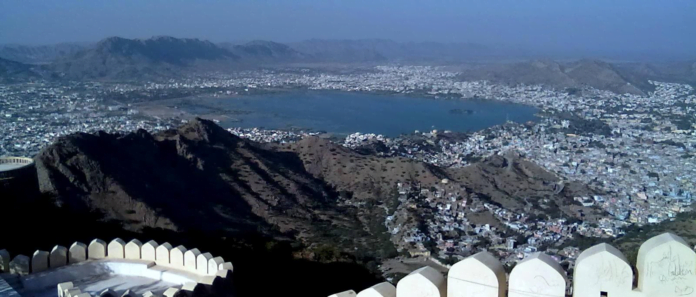
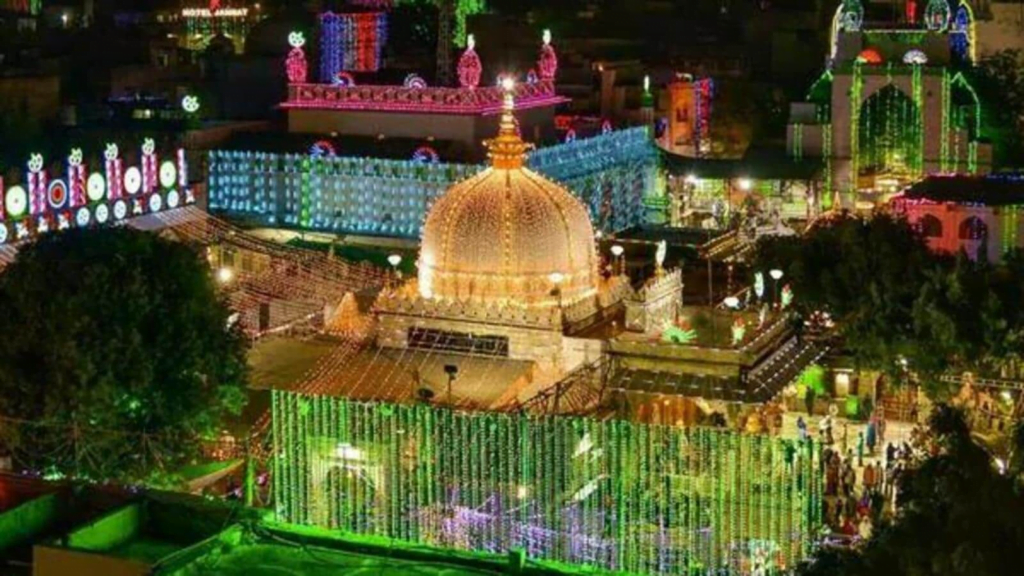
Nestled in the Aravalli range of mountains near the Taragarh Hill, Dargah Ajmer Sharif is a sacred treatise, where petitions from the pure soul never go unanswered.

The rose-scented narrow bylanes around Dargah which remain busy bring along an aura of positive vibes. The divine aroma of the scent sticks and the Qawwali songs have the power to mesmerize the soul, creating a pious atmosphere that attracts people from diverse religions together under one roof for the fulfilment of their wishes. One can witness the universality of this sacred pilgrimage.

A few details from Dargah history- 

Dargah’s oldest parts of the modern structure were constructed by Humayun, and date back to the 13th century.

The roots of this dargah are connected with the pious Persian saint Khwaja Moinuddin Chishti, who is considered as the epitome of mercy and had immense spiritual powers. 

There are so many soul touching experiences inside Dargah, which are difficult to be woven with words. Here we bring a few of the facts from dargah:

1. Bulland Darwaja

The huge enthralling Bulland Darwaja is the entrance to Ajmer Sharif, serving as a monument in itself. 54 metres in height, there are engravings carved on the gate which speak about the history of this place. Other than this, there are two more gates, Nizam Gate and ShahJahani Gate, which hold some interesting facts.

2. Jaanati Darwaja 

To the west of the dargaah, the silver-shuttered Jaanati Darwaja is situated. It is believed that if someone crosses the gate from west to south six times in one stretch, they can surely secure a place for themselves in heaven. 

The Jannati Darwaja only opens four times a year. 

Near Jannati Darwaja there is a spot where devotees usually meditate to fulfill their wishes.

3. Deg 

There is a deg known as Kadhaaye inside the dargaah which was introduced by Akbar around 400 years back where 4800 kg of food can be prepared . The tons of food which is being cooked in the kadhaaye is known as Tabarukk, which is strictly veg. Tabarukk is prepared at night and distributed to devotees after morning prayer.

4. Jalahara

There is a small pond of pure water at Ajmer Dargah which exists from the very beginning of this sanctum. It is said that the water in the pond is the holiest water which is taken to perform rituals and helps to cure many things.

5. Akbari Mosque 

There is an Akbari Mosque situated within Dargaah, named after Akbar as he built this as it a present for his son Jahangir.

6. Dua-e-Roshni

Dua-e-Roshni is a ritual performed in Dargah fifteen minutes prior to evening prayer. The prayer is conducted by reciting rhythmic Persian verses and lamping the candles, which are made up of complete wax with without using any meat.

7. Mehfil-e-Sama (Qawwali)

Every day after evening Namaz,  traditional Sufi songs known as Qawwali are sung by devotees inside Namazi’s hall.

PM inaugurates Kartavya Path, calls Rajpath as symbol of slavery

0

PM Narendra Modi inaugurated the Karyatavya Path at Delhi-situated India Gate and termed the Rajpath or Kingsway as symbol of bravery.

While addressing the gathering, he said, “If the path is the Rajpath, then how will the journey be Lokmukhi? The Rajpath was for the British Raj, to whom the people of India were slaves. The spirit of Rajpath was also a symbol of slavery, its structure was also a symbol of slavery. Today its architecture has also changed, and its spirit has also changed,” he said.

Prime Minister Modi earlier unveiled a grand statue of Netaji Subhas Chandra Bose near India Gate on the same day which is made of jet black granite and has a height of 28 feet. It will be placed under the Canopy near India Gate. 

According to Prime Minister’s Office (PMO), the move symbolises a shift from the erstwhile Rajpath being an icon of power to the ‘Kartavya Path’ being an example of public ownership and empowerment.

Ajmer Sharif: The interesting history of 850-year-old Dargah keys…

0

Hazrat Khwaja Gareeb Nawaz Dargah Sharif, widely known as Ajmer Sharif, is a mystical Sufi Shrine where every living soul is embraced regardless of their differences,  their values and their faith.

“Love towards all, malice towards none”- is the message from Khwaja Moinuddin Chishty, Dargah Sharif which welcomes people of different religions, caste, creeds and colour to banish their grief and trouble and fulfilling their every dream.

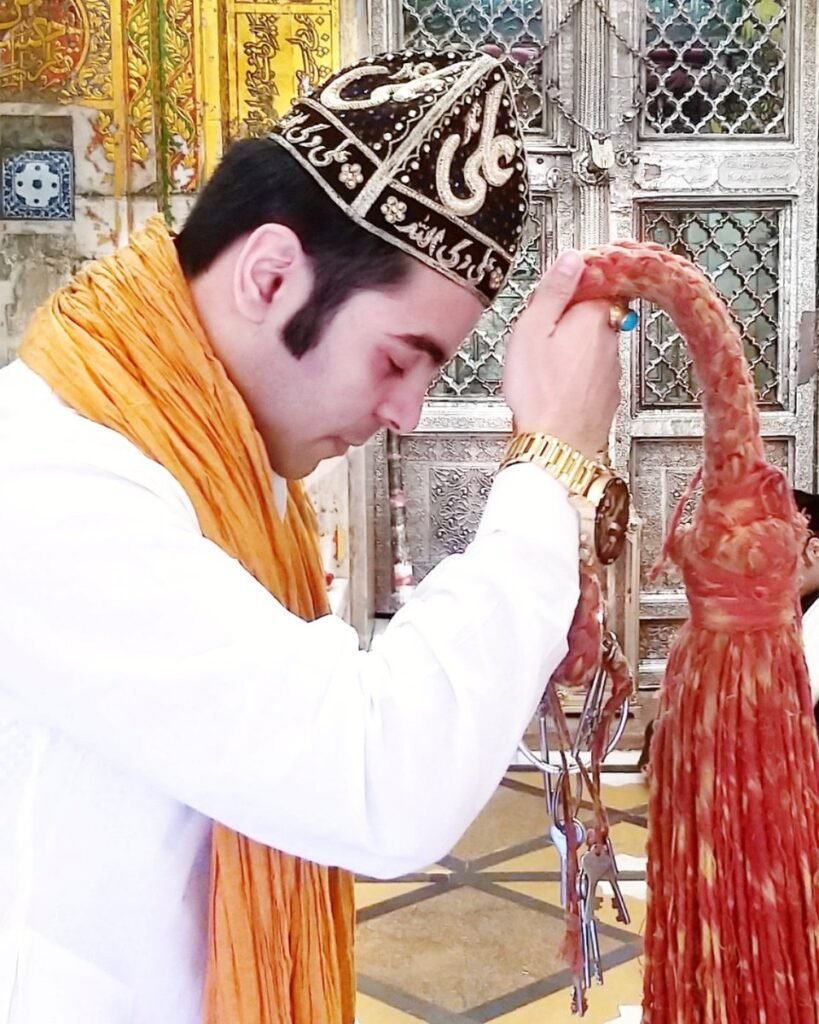
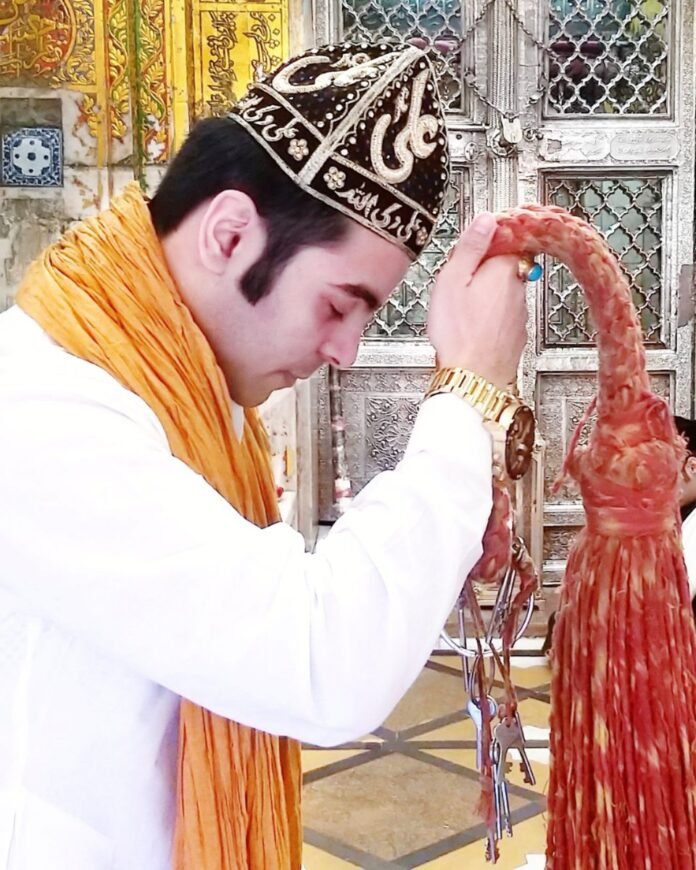
This 850-year-old sacred place never lets anyone return empty handed. One of the most enthralling fact about this Shrine is its ‘keys’.  The 850 years old keys have never been put on the ground or even hanged on wall.

There is always an assigned Gaddi Nashin (Keyholder) who is in the in-charge of the holy shrine and looks after its days to day activities and maintenance. The entrusted Khadim of Khawaja Saheb carry the keys on their shoulders all day long.

The Keyholders are changed on daily basis and every baridar gets any opportunity to serve the Shrine. The assigned Keyholder is responsible for closing and opening of Dargah entrance. And the very next day, he hands over the keys on the shoulders of another khadim.

Ajmer Sharif: The interesting history of 850-year-old Dargah keys...

Even during the Covid outbreak lockdown period, this ritual of keys being carried on shoulders continued. The Shrine received a special permission from District Administration to continue this centuries old tradition.

This Hereditary key holding custom is a part of Dargah history. In fact, there are many suh interesting stories which have attracting spiritual travellers from across the globe to visit this place and soak the serene bliss emanating in and around the holy shrine.

Sufi Saint Hazrat Khwaja Moinuddin Hasan Chishti occupies a prominent place among the spiritual healers of the world.

‘Jahanara: A Sufi patron who swept rose petals spread around Ajmer dargah’s floor with eye lashes’

0

Do you know Jahanara, daughter of Shahjahan and Mumtaaz Mahal, was a patron of Sufism and often called herself “Faqirah” (ascetic). 

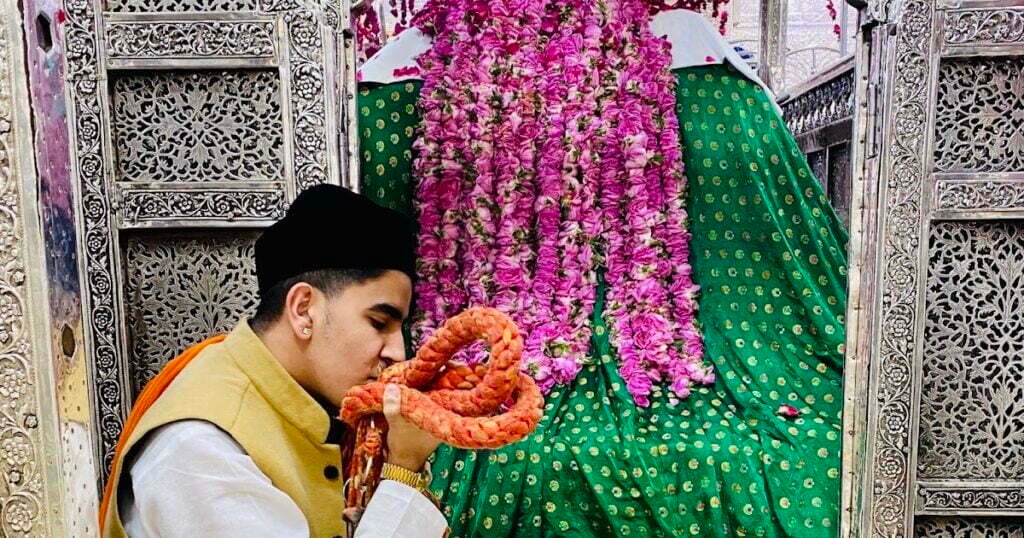
According to Salman Chishti, GaddiNashin-DargahAjmerSharif, Chairman-ChishtyFoundation, Jahanara was a regular visitor to the Khwaja dargah. In fact, she used to pick rose petals spread around his dargah with her eye lashes which speaks of her devotion and service towards the Supreme.”

She was also known to offer red chadar at dargah, he told the EBNW Story.

In her biography of Moinuddin Chishti, Jahanara writes about her pilgrimage to Ajmer, which she took after a year of an unfortunate event reported just two days after her 30th birthday. The princess got perilously injured after getting caught into a fire. The leading hakims were summoned to cure the princess, but none of the treatments showed positive results. Instead, it was a mendicant who successfully cured her. 

On her recovery, while Shah Jahan distributed coins and rubies among the public, Jahanara paid a visit to the Khwaja Moinuddin Chishti’s shrine in Ajmer.

Ajmer: Soak the spiritual bliss spread around with two pillars of faith present here…

0

Taking up a spiritual sojourn in Rajasthan can be a truly enriching experience.

The desert state undoubtedly is blessed with places which are divine and take you in the world where you can soak the spiritual bliss spread around.

Ajmer in this context is a holy city which has two pillars of faith- Ajmer Sharif Dargah and the sacred Hindu treatise The Brahma Temple.

Ajmer: Soak the spiritual bliss spread around with two pillars of faith present here...

While the thick rose-scented air of Ajmer Dargah attracts millions of devotees from all over the world and from various religions to seek the great Sufi saint’s blessings, there exists the only existing prominent temple dedicated to CREATER OF THE UNIVERSE in Pushkar, which makes it unique among other pilgrimage sites and shrines in Rajasthan. Enthusiasts come here from everywhere throughout the world.

Ajmer: Soak the spiritual bliss spread around with two pillars of faith present here...

Let’s know the significance of these two pillars of faith and why these spiritual places are famous all over the world.

Ajmer Sharif Dargah 

Ajmer Sharif Dragged is a standout amongst the most trusted sanctums and considered as the epitome of mercy where petitions never go unanswered.

Located in the heart of Ajmer, this dargah is visited by both Muslims and Hindus.

History & Significance – 

It is believed that Khwaja Moinuddin Chisti was an extremely pious saint and had immense spiritual powers. He visited India from Persia and devoted his whole life to selflessly helping the poor and underprivileged. Khwaja last breathed in the early 13th century when he was almost 114 years old. Ajmer Sharif Dargah is considered as the final resting place and it is believed to have been built by the Mughal emperor Humayun.

The Brahma Temple, Pushkar 

Rajasthan’s Pushkar is a serene town that attracts hippies and pilgrims in millions. They come to visit the sacred lake and the Brahma Temple to seek blessings.

Lord Brahma is one of the three main gods 

who created the Universe and Pushkar has the only prominent temple dedicated to him in all of India. One can feel the divine spiritual vibrations at The Brahma Temple of Pushkar.

History & Significance 

Is it believed that Lord Brahma had killed a demon Vajranabha through his weapon- the Lotus. 

The petals of the flower accidentally fell on the earth. Jayestha Lake, Madhya lake and Kanishtha lake are the three spots in Pushkar where the petals fell. 

Lord Bhrahma had to perform a yagna with his wife Savitri after killing Vajranabha, but consort Savitri couldn’t arrive on time, hence he married Gayatri for the Yagna. Savitri then cursed lord Bhrahma with her powers and, as a result, the temple was dedicated to Brahma.. The temple still exists bespeaking the story of the incident.

Thousands of avid travellers visit Ajmer round the season seeking solace, peace and divinity which they get here and nowhere else…


Asha Bhonsle birthday special: Legendary singer speaks on how ghazals can be kept alive…

0

Legendary singer Asha Bhosle lent her voice to many melodious ghazals. During her trip to Jaipur two years back, she spoke on how ghazals era is becoming a thing of past.

However, she also gave a solution to it and said ghazal can be revived if written in simple Hindi. The younger generation finds Urdu a bit complicated.

“The young boys and girls can relate to deep emotions and feelings, reflected through ghazals, if written in simple Hindi,” she said.

The era of Urdu seems to be phasing out as the young generation doesn’t understand and could not relate to its deep and meaningful words. Making the language simple and to retain the contemporariness is what’s required today to bring back the lost legacy of ghazals

Asha Bhonsle

Brahmastra: Know its history, how it was created and when it was used…

0

Brahmastra, a Bollywood film, in present times, is creating news across media houses. Whether it will be a hit or not is the present debate. Meanwhile EBNW Story brings a story on its history: specifying why and how it was created:

A Brahmastra is an astra, or celestial weapon created by Lord Brahma. It is sometimes known as the Brahma Astra (astra referring to ‘missile weapon’). Puranas say Brahmastra is considered to be the very deadliest of weapons. When a Brahmastra is discharged, neither a counterattack nor a defense of any kind can stop it.

In the Ramayana a Brahmastra is used by Rama against Jayanta (Indra’s son) when he hurt Sita, then against Mareecha in their last encounter, against the Ocean when he did not answer his prayer to allow his army and himself to cross over to Lanka and finally in the last battle with Ravana. 

Also, Indrajit used Brahmastra against Hanuman, but Hanuman survived because of Lord Brahma’s boon, when he was destroying the Ashok Vatika after meeting Sita.

Guru Drona possessed the knowledge about this weapon and he never gave it to his son Ashwathama and his favorite student Arjuna.During Mahabharata war Drona invoked this weapon to use it against Pandava army but due to the request of Gods and ancestors Drona revoked this weapon because it will completely annihilate the Pandava army who were fighting on the side of righteousness

Chirmi Palace in Jaipur: An old world charm that is now turned into a HAVELI!

0

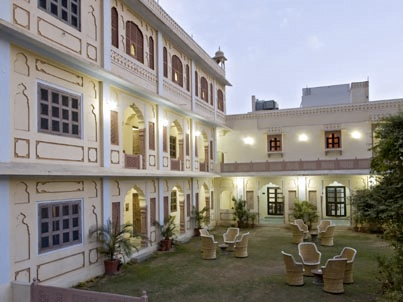
Located in the heart of Jaipur within a kilometre of Mirza Ismail road, Chirmi Palace is a 136-years-old heritage property which has been home to the erstwhile rulers of Chomu. 

The avid traveller/guest have multiple options to soak the beauty spread around: relax at the wine bistro or at the laidback backyard, or perhaps dip in the pool if the weather permits!

The property offers a lounge area, open kitchen, a terrace with a Jacuzzi. 

There are four well-appointed rooms overlooking the city which are decorated in traditional Jaipur style, resonating the city’s cultural beauty everywhere you look.

This property has a touch of ancient times, which is portrayed through its walls, chandeliers etc. For stay, they’ve these bunk beds with rooms and a swimming pool and a sports bar with an aesthetic vibe that sets the right mood. The sports bar looks best on weekends. 

It is a perfect place for someone who is a techno head. As they play techno not only on weekends but also on week days after 7pm, which is wonderful. The outdoor sitting is plush and small pockets of indoor dining gives you a feel of a fine dining experience. 

They have multiple areas to sit, in hall, outside, backside tables are also available which gives audience a huge choices to choose for themselves.

Chirmi Palace in Jaipur: An old world charm that is now turned into a HAVELI!

The place is full of life and has an elite young audience. It is situated in the residential area but still it’s easily reachable. Drinks are amazingly priced comparative to the quality they serve. The food is mouthwatering and flavorsome.

It’s all in all worthy to experience it. The hospitality and the warmth that the team excludes towards their guests is exemplary. You definitely have to book your favorite cornered tables on weekends to avoid further disappointments. 

You should go and check yourself what’s all the noise is for.