A total of 100 companies in the United Kingdom have signed up for a four-day working week for their employees without cutting pay. These 100 companies have around 2,600 staff in total.
The 4 Day Week Campaign aims at bringing in a transformative change in the country.
It was argued that a four-day week would drive firms to improve their productivity and get the same work done in fewer hours. Those who adopted this policy earlier have also found it a great way of attracting and retaining employees.
Out of the 100 companies, the two biggest firms in the UK which have signed up to adopt the four-day working week are Atom Bank and global marketing company Awin, who each have around 450 employees in the UK.
FIFA World Cup 2022 & India are connected…Wanna know how? Read this EBNW Story article here…
Agra is widely known for its handicraft work and artisans. Many tourists and visitors pay a visit to visit the beauty of handicrafts and artisans of Agra.
Therefore, the FIFA world cup, one of the most extraordinary football occasions, which is held in Qatar, provided tender to the city of Agra for trophies, gifts, and much more.
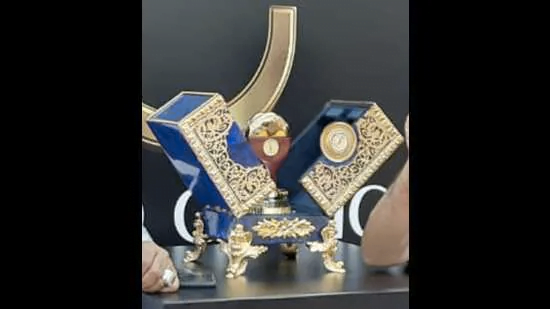
A firm from Agra participated in the tenders of FIFA world cup trophies and gifts. The firm won the tender for the respective job to manufacture the trophies and gifts for the FIFA world cup. Sharing the honour of the nation as well, Agra manufacturer firm defeated the other 20 countries that participated in the tender for supplying the trophies and gifts to FIFA. About 300 different handicraft firms were there for the FIFA world cup. The authorities finalised the desired design, where the trophy, made up of red jasper, weighs 2 kgs.
The manufacturer of Agra will manufacture 2000 trophies, with the fastidious gems Lapiz Lazuli engraved on the trophy with the gold and diamond plating along with the gifts. The dignitaries at FIFA will present these precious trophies and gifts to the participating World Cup teams. All the trophies, gifts will be manufactured in the workshop of Agra in India. Later will be exported to their firm in Doha.
The logo of FIFA is in pure gold. Plus, the interior of the gift box is leather silk providing that sleek look.
The head of the firm, Adnan Sheikh, shares his gratitude when he congratulates his land, Uttar Pradesh and India, for such a huge honour. It is a moment of pridefulness to witness the artisans and handicraft talent shine in full glory in a foreign land.
India is rich in wild fauna and flora. Thus, the Jhalana Safari park adds more vividness to the beauty of India. It is the first leopard reserve which is in Jaipur, Rajasthan. The reserve is surrounded by the oldest mountain series in India, the Aravalli hills. The leopard reserve in Jhalana was identified as the reserve in 2017. In 2016, Jhalana opened to tourists for the first time.
The reserve is diverse in fauna and flora and is spread over 20 square kilometres.
According to the authorities of the reserve, the leopard reserve homes 40 leopards and 5 cubs. However, there are many other animals like desert cats, foxes, jungle cats, Monitor lizards, striped hyenas, porcupines, mongooses, Indian civets, Jackals, and snakes of different kinds.
As we are talking about the safari, one can also visit the shikari Audi, which is in the middle of the Leopard reserve. The three-storey hunting lodge belongs to the royal families of Jaipur. Plus, it is the animal spotting platform.
Though, Jhalana Leopard Reserve is open for visitors for all the months starting from 1st January to 31st December, however, the entry time is based on the season. Most of the safari closes due to protection in monsoon, but there are still some measures to compensate for it. Nonetheless, according to experts, one of the best times to visit the Jhalana Leopard Reserve is around November to April. As in that time of the month, the climate is delighted, and everything blossoms around, making it the perfect atmosphere for the Safari Tours.
Due to the vivid population of leopards, the visitors often see them in minutes entering the safari. As the leopards are circadian, they are easily spotted in plain sight in the daylight, agreeable to the safari and visitors.
One can reach Jhalana Leopard reserve by road. Also, if one is traveling by train, the leopard reserve is 11km away from the Jaipur Junction and 6 Kilometres away from the Jaipur International Airport.
Army officials are an inspiration for many. There have been plays written on them, movies produced and stories scripted which speak about their heroic deeds. Aishwarya Chouhan, a Saksham Sanchar Foundation student writes this poem:
याद बहुत आती है वो पहली नजर बहुत याद आती है, आंखें जब तेरी मेरी आंखों से लड़ जाती है। कह ना पाती मैं अब कुछ,याद बस रह जाती है, देखकर तुझको, बस रूह मेरी थम जाती हैं।
यूं तो देख कर तुझ काे आंख मेरी भर आती है पर रुक जाती हूं, देख कर उस मां को जो चोट बहुत खाती है। सवांरकर खुद को आईने में जवानी मेरी इतराती है, पर देखकर तस्वीर तेरी कमबख्त वाे भी शर्मा जाती है। नहीं है दुख मुझे, कुर्बानी आखिर मां को दी जाती है। देखकर इस गर्भ को ममता मेरी भर आती है। जो इस दिल को छू जाती है, धीरे से कानों में वीरों की गाथा कोई सुना जाती है।
कभी सर्दी तेज तो तपती दुपहरी को देखकर चिंता मुझे सताती है, देखकर मां के दिल का हाल आंख मेरी फिर भर आती है ,जो कहती है रह लूंगी लाल बिना दिल को खुद के बहलाती है। एक बहादुर वीर की शौर्य गाथा यह कहलाती है। अमर हो गए उस सिपाही को आखिरी सलामी कोई दे जाती है। हजारों गाथाओं में यह भी अब भुला दी जाती है,पर उसे तो आज भी तेरी बहुत याद आती है, तेरी बहुत याद आती है।।
Jal Mahal is a magnificent and serene water palace located in Jaipur, the capital of the state of Rajasthan. Jal Mahal is also called a water palace because of its location in the middle of Man Sagar Lake. This palace was once a shooting lodge for the Maharajas, which today remains a center of attraction for tourists from all over the world. Jal Mahal is one of the most beautiful architectural palaces in Rajasthan made up of a fusion of Gall and Rajput styles of architecture.
Here is all you need to know about Jal Mahal,Jaipur.
From its glorious history and architecture to best timings for visit.
History of Jal Mahal
Let us tell you that the history of Jal Mahal is quite obscure. We say this because till date, it is not clear when exactly the palace was built. It is said that Jal Mahal was built in the year 1799 by Maharaja Sawai Pratap Singh as a lodge for duck hunting. But apart from this, it is also said that Jal Mahal was built by Maharaja Madho Singh I in the year 1750. This place was never built to be used as a palace, but was later extended by Maharaja Jal Singh II after seeing the beauty of this palace. Jal Singh II renovated this palace and also added some attractive structures.
Architecture Of Jaipur
Jal Mahal is a five-storied palace, inspired by the Rajput architectural style. Out of five floors of Jal Mahal, four floors are submerged in water and you can see only its fifth floor. The palace is built of red sandstone and has four octagonal shaped chhatris at its corners. This palace was renovated by Maharaja Jal Singh Tiy in the 18th century which has a total of twenty one beautifully carved pillars. There is a garden on the roof of this beautiful palace called Chameli Bagh.
There is a platform in the center of this garden which was used for dancing artists.
Looking for a Sunrise – Sunset spot?
Situated amidst the Nahargarh Hills and submerged in the Man Sagar Lake, the Jal Mahal looks quite beautiful during sunrise and sunset. You can simply sit by it and enjoy scenic beauty from here.
Fill your Shopping Bags here
Many of the best handicrafts and jewellery shops of Jaipur city are located near the palace from where you can buy some attractive things. You can also find some Khadi shops here. If you go to visit Jaipur, then here you can also ride a camel on the bumpy roads.
Heaven for Bird’s Lover
Jal Mahal situated in the middle of Man Sagar Lake is a place which is a paradise for bird-watchers. The place is a home to many migratory and local birds including pintail, pochard, kestrel, flamingo, great crested grebe to name a few but unfortunately since the quality of the lake has declined, the number of birds has also declined significantly. However, after the restoration work, now some birds can be seen at Man Sagar Lake.
Jal Mahal Timings and Entry Fees
The entry of the general public to Jal Mahal has been closed after the government declared it a protected area. Boat rides around the palace have also been stopped. However, this place is still a very special place to spend a peaceful time amidst nature. There is a causeway that encircles the Man Sagar Lake and from here tourists can see the Jal Mahal for which no entry fee is charged.
Spice up your visit to palace
Here you can taste a variety of delicious food. Many types of local food are available here, by eating which tourists become happy. A traditional Rajasthani thali influenced by the Maharajas and Maharanis, you can taste a variety of delicious dishes. A trip to Jaipur is incomplete without indulging in scrumptious delicacies like Daal Baati Churma, Imarti and Ghevar, and the famous Chaat.The sweets here are very popular which include ghevar, imrati, halwa, choorma, gajak, moong thal and many more. While there are many fine dining options for fine dining, you can also relish the exquisite and local street food at Johri Bazaar, Jahan.
Do you know that Peacock is in danger? Poaching, poisoning and feather-sale are main threats Basically, the world has three species of peafowl: 1. Congo peafowl, which is listed as Vulnerable on the IUCN Red List. 2. Burmese peafowl which is listed as endangered on the IUCN Red List since 2009 and it is the national bird of Myanmar. 3. Indian peacock which is country’s national bird.
Isn’t this national bird facing danger signals? Who shall answer the question concerning Indian peacock? The Ministry of Environment, Forest and Climate Change (MoEFCC) which has listed the national bird on Schedule1 of India’s Wildlife Protection Act which means the species is receiving the highest attention and those harming or poaching it are liable to punishment with monetary fine as well.
Forest officials in all states are responsible to ensure the Act is implemented in letter and spirit. Yet all seems not well with this beautiful large plumed bird having ancient association with Lord Krishna.
The Indian Biodiversity Conservation Society (IBCS) based at Jhansi, Uttar Pradesh, has attempted in its own voluntary way delivering answers to this effect. It took the initiative to organize First World Peacock Day on 15th November 2022. Dr .Akhilesh Kumar, Secretary, IBCS, and Aman Singh, Core Committee member, IBCS, turned out to be pillars of this unique initiative. Dr. Sonika Kushwaha, a zoologist, is its President.
Peacocks enter class-room sessions. Dr. Sonika is on extreme right in last row, courtesy
The celebration received support from Tourism & Wildlife Society of India, IRE-Jungle- Narsinghgarh (Madhya Pradesh), Manav Organization (Lalitpur-Uttar Pradesh), Wild-CER (Nagpur-Maharashtra) and World Pheasant Association, United Kingdom. A number of other organizations and educational institutions encouraged this initiative. More than 60 nature lovers from various NGOs, Schools, Colleges, Universities, Forest Department and individuals signed with the IBCS. They represented 14 States of India. They lamented that the bird was declared National Bird of India in 1963. It, however, continues to face difficult time for 59 years facing lack of seriousness for its appropriate conservation and protection. The celebration conveyed the message — it is time to care for India’s National Bird.
Sonika and her colleagues compiled almost all news items published in the Indian dailies and magazines about Peacock’s mortality and tried to reason the causes. Not much data was available with forest authorities. They summed up: poached 279+ ; poisoned deliberately 241; pesticide consumption 107, total 627+ peacock mortalities across India within past few years. Their inquiries revealed that tonnes of Peacock feathers were collected, after being poached, and were traded all over the country, some stock going abroad.
Their finds revealed that Peacock feathers are used in making fans, fancy peafowl dolls, ear-rings, etc. The feathers are sold at high rates in foreign countries. The feathers are also used in some Ayurvedic medicines, which is another reason for rise in poaching.
Sonika stated that a study conducted by TRAFFIC India, an arm of WWF-India, revealed that Tamil Nadu is the third major source of peacock plumes in the country after Rajasthan and Gujarat. Data collected from 20 states over two years by a TRAFFIC team reveals that an aggregate of 25.71 crore bunches of feathers were found in godowns in Rajasthan, 3 crore in Gujarat and 2 lakh in Tamil Nadu. Agra and Rajasthan are the major suppliers of peacock feathers to Tamil Nadu and West Bengal while Odisha is the biggest buyer of such feathers
A study in 2016 undertaken by TRAFFIC India stated peacock feather ash (bhasma and churan) was sold in many drug stores in Kerala, Andhra Pradesh, Delhi, Gujarat in the belief that it cures hiccups, vomiting and morning sickness. “Naturally shed feathers are simply not enough to meet the demand and peacocks are being poached for the same. A single peacock normally sheds or molts 150-200 feathers annually. It is unlikely that people catch wild peacocks, pull out their feathers, and let them go.
Moreover, whether shed or plucked from dead peacocks is anyone’s guess,” says the TRAFFIC report. According to Sonika’s estimates, the Central Bureau of Investigation had booked a Delhi-based company and its director for allegedly smuggling peacock tail feathers to a China- based entity. Several consignments of feathers were sent via 26 shipping bills. The racket was unearthed when the Customs authorities seized a consignment containing about 21 lakh pieces of peacock tail feathers at the Inland Container Depot in Delhi’s Tughlakabad.
It had been booked by Galaxy Rider through two shipping bills dated February 26, 2021. The company’s director was identified as Ayaz Ahmed, a resident of north-east Delhi. The consignment, booked through Logistic Curator India Private Limited, consisted of 77 packages weighing about 2,565 kg, with an estimated value of about ₹5.25 core. The accused had declared the contents as “plastic flexible pipes”. As it turned out, Logistic Curator India had authorised a man named Amit Mishra for filing the export/import shipping bills and on its behalf, he had handled the consignment in question. Further investigation revealed that the accused had earlier shipped several consignments of peacock tail feathers to the entity in China following the same modus operandi. The First Information Report alleged that the seized feathers had been plucked by way of poaching peacocks and that its smuggling was part of a huge criminal network.
How many have heard name of Great Himalayan National Park (GHNP)? How many have visited it? For what objectives?
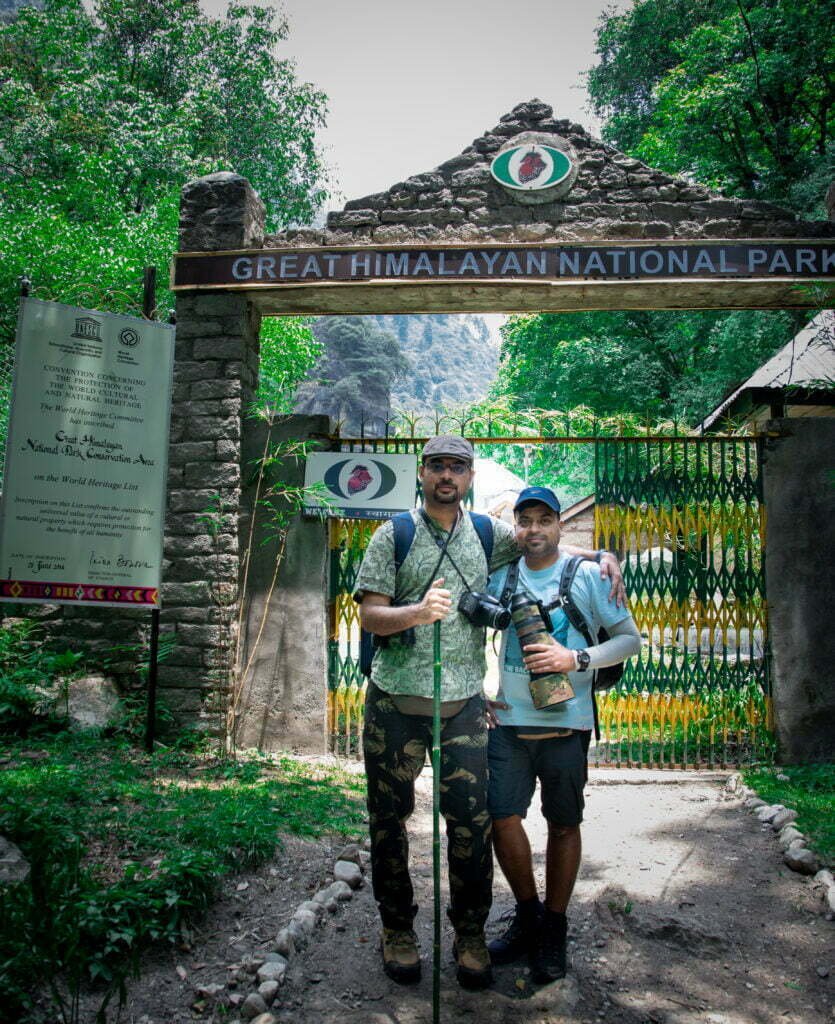
The Great Himalayan National Park (GHNP) is located in the Banjaar sub-division of the Kullu district of Himachal Pradesh. It is in the far western Himalayas in India. It was initially constituted in 1984, and formally notified as a national park in 1999. In June 2014, the Great Himalayan National Park was added to the UNESCO list of World Heritage Sites, under the criterion of outstanding significance for biodiversity conservation.
It is one of the most accessible park to observe rare Himalayan wild species: mammals, birds, reptiles, insects, etc. Reaching there is all right. But one will be wonder struck to know its internal access. You need to walk many kilometres from the main gate to reach its inner zone where better sightings may start. And you need to carry all your belongings over own shoulders. While coolies are available but they prove costly.
Local residents act as Naturalists. They are your true guides. Need to have one to start up best of sightings. Mind you, they maintain your safety as well. Never know when a Brown Bear may confront you.
It happened with Naveen Kumar Singh and Nishant Nath Shukla who visited the park during last summer of 2022. The Bear appeared all of a sudden about 30 meters away.
Thanks to the wind blowing from its side to their side, and importantly to the Naturalist, who coughed to alert the predator. They heaved a sigh of relief!
Biodiversity surveys of GHNP in the past decade have identified 31 mammal species, 209 bird species, 12 reptile species, nine amphibian species, 125 insect species, and 832 plant species. It is a prominent attraction for bird watchers, who visit this park for many elusive Himalayan species like Western Tragopan, Lamergeier, Himalayan Griffon, Cheer Pheasant, and many passerine birds.
Experts from Tourism Wildlife Society of India (TWSI) have been visiting GHNP for the past 15 years. Nishant Nath Shukla has been there nine times. Naveen Kumar Singh, likewise, is sold out to that habitat of pristine values. They have observed many changes in its surroundings. Increased tourism activities in its surroundings have proven to be a boon to the stakeholders but at the same time increased the challenge to conserve this Himalayan Eden.
Naveen stated: the advantage is that GHNP is generally well buffered from threats because it is a high elevation remote system located in a larger complex of protected areas. However, it demands for infrastructure development from the villages within the World Heritage site pose emerging threats. Whilst concerns regarding the impacts of grazing and human settlements remain, these shortcomings in protective status are outweighed by the greatly improved integrity of the property.
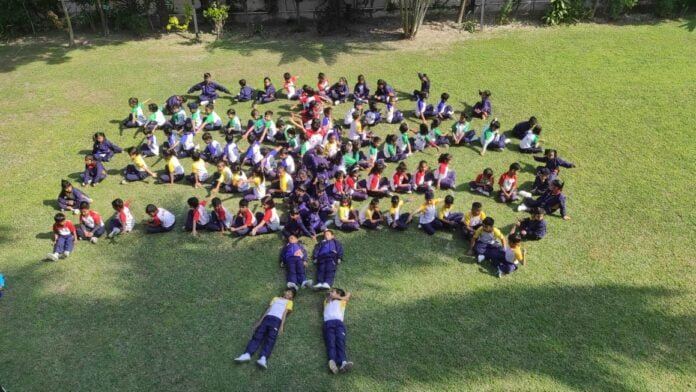
Nishant added: the uncertain impacts of climate change on biodiversity values and their ecological underpinnings constitute a potential threat, which calls for timely research and adaptive action. They created a booklet of this park’s birds and handed it over to all students at a local school. It was to involve them in to wildlife conservation. Their session with students and teachers was a unique event. Its photo is published here.
Both Naveen and Nishant are Volunteers at Tourism & Wildlife Society of India (TWSI), an organization in service since 1980.
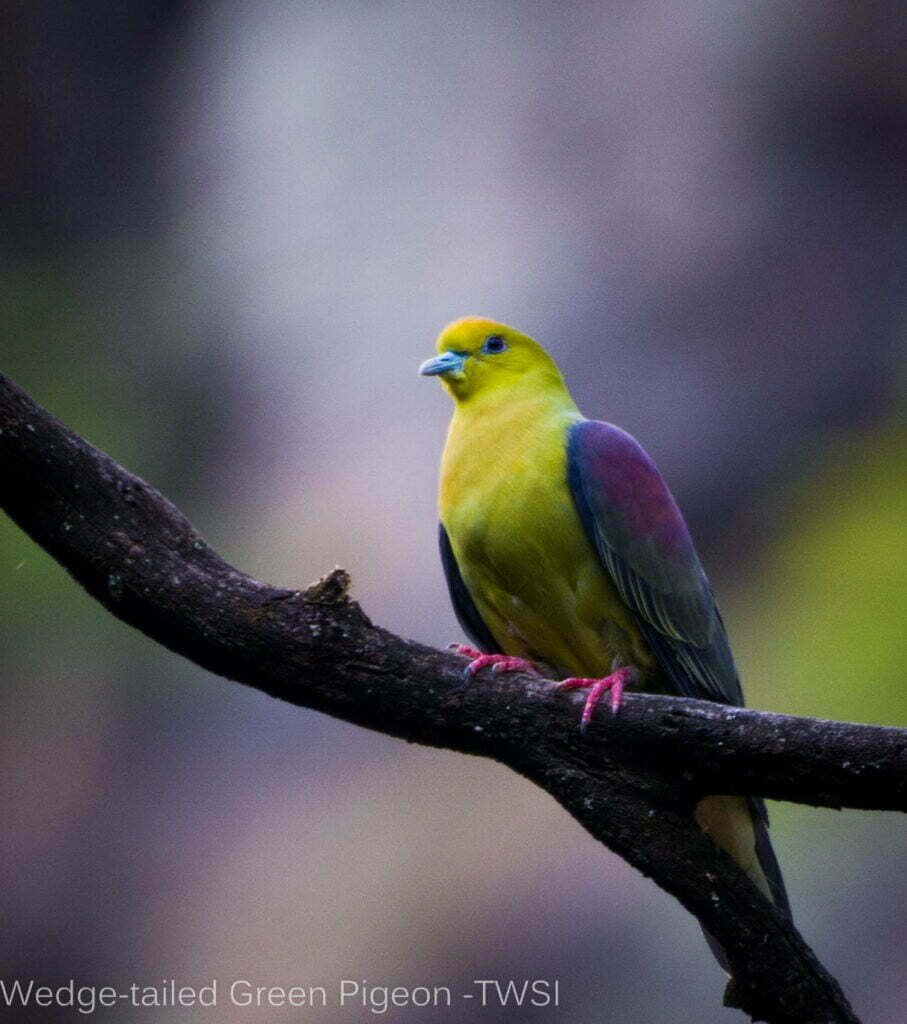
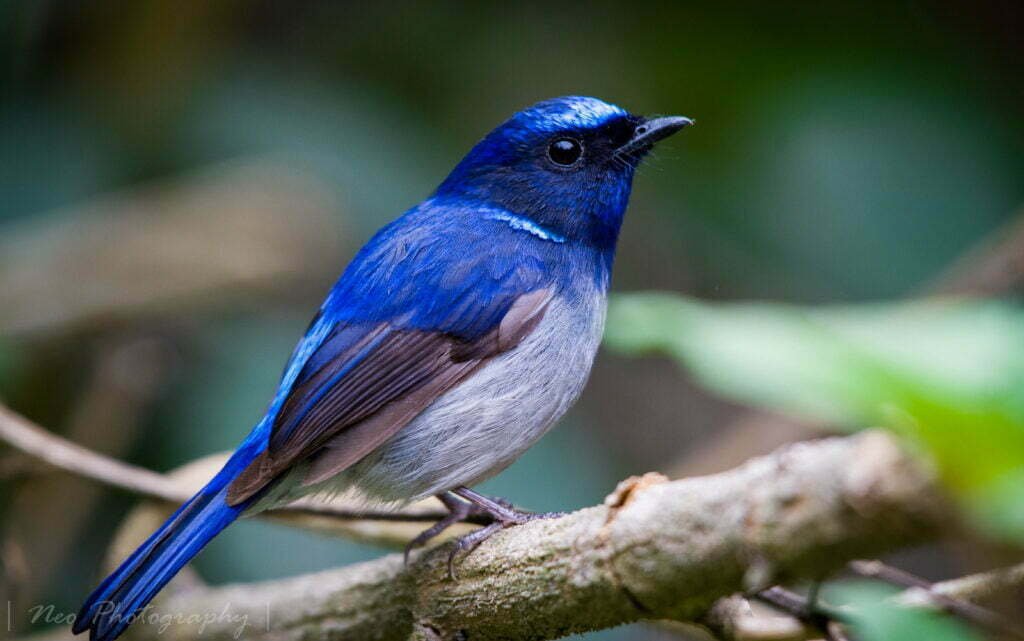
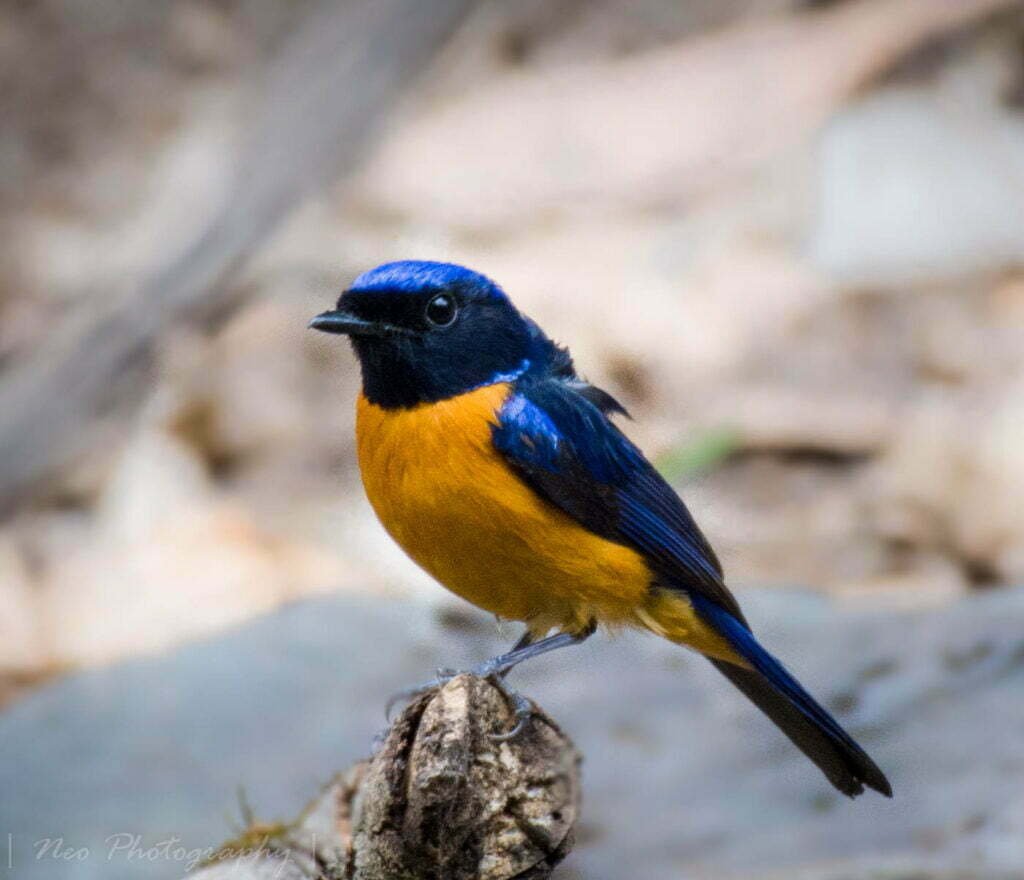
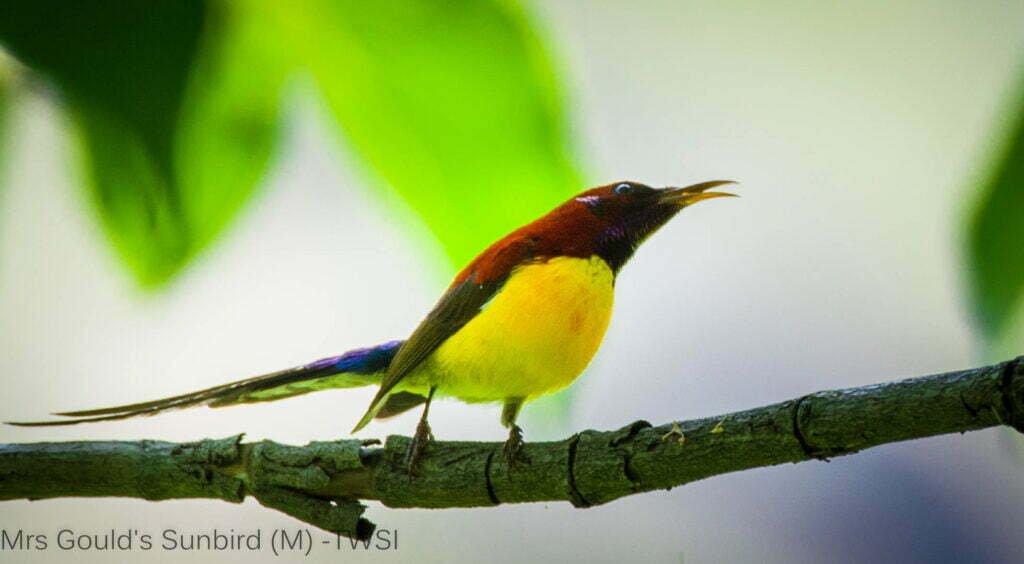
Wedge tailed green pigeonSmall NiltavaRufous-Bellied NiltavaNishant and NavneetMrs Gould’s Sunbird
The IFFI Indian Film Personality of the Year Award for 2022 goes to megastar and actor-producer Chiranjeevi Konidela. The announcement has been made by the Union Minister for Information and Broadcasting Anurag Singh Thakur, at the grand opening of the 53rd edition of IFFI, the International Film Festival of India, in Goa today.
In an illustrious film career spanning more than four decades, Chiranjeevi starred in more than 150 feature films in Telugu, as well as some films in Hindi, Tamil and Kannada. He is regarded as one of the most successful and influential actors of Telugu cinema.
He captured the imagination of the masses with his performance in Initlo Ramayya Veedilo Krishnayya in 1982. He is admired for his zestful dance performances and fight sequences brimming with power. His influence has claimed him the title of a Megastar!
In 2006, he was honoured with the Padma Bhushan, India’s third-highest civilian award, for his contributions to Indian cinema.
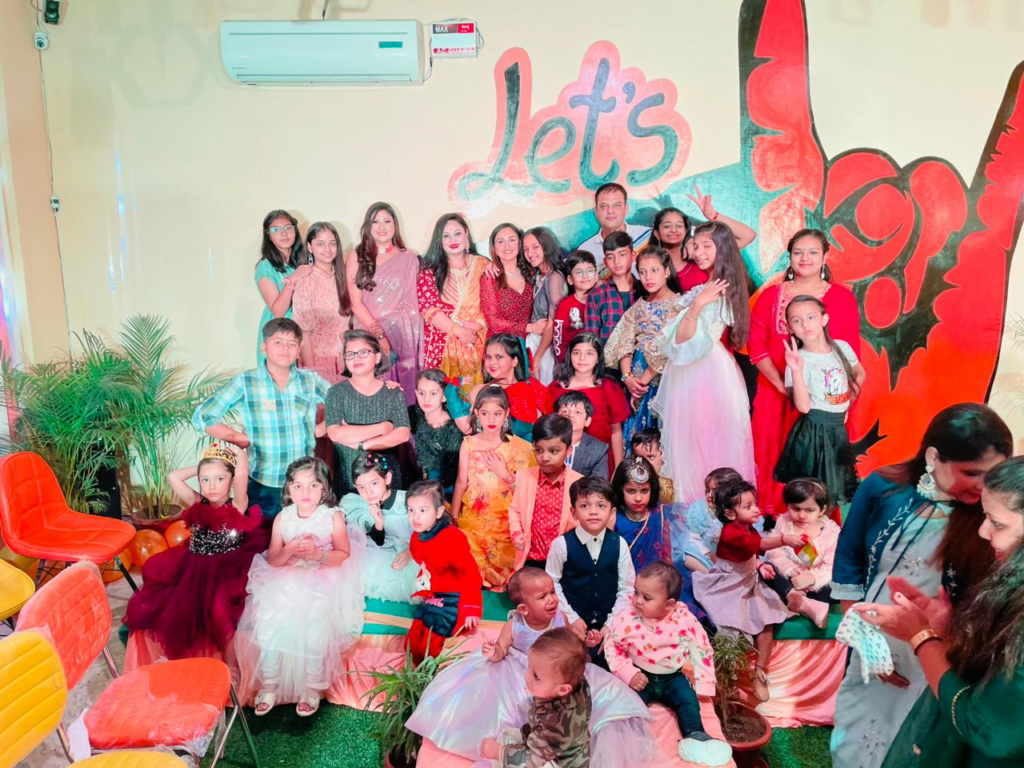
The Magical Kitchen Restaurant Murlipura Jaipur made a grand celebration on the occasion of Children’s Day.
Raja Ajmani and Deepika Ajmani, chief managers of Magical Kitchen restaurant said that the program was conducted by anchor and YouTuber Gandharv Chauhan.
On this occasion, children enthusiastically participated in the ramp walk and dance competition. The presence of Jury Member Miss India Glam, Model Actor Mahima Chaudhary and Doordarshan Anchor and Brand Ambassador of Swachh Bharat Abhiyan Jaipur Ayushi Shekhawat added charm to the program. Gifts and food discount coupons were given to all the children in the celebration who also enjoyed the delicious dishes of the Magical Kitchen restaurant.
It was interesting to see Saksham Sanchar students asking curious question to renowned journalist and author Shiv Aroor during an event held in Jaipur recently
Saksham Sanchar acts like Gurukul of Journalism and takes students to fields to give them practical exposure to journalism.
Under the same episode, Saksham Sanchar students covered AWWA Lit Festival Abhivyakti Season 2 held in Jaipur in which Shiv Aroor was special guest,
The students raised their queries to Shiv Aroor. The first question was related to the new generation journalism.
Aishwarya Chouhan asked him “As there is plenty of clutter on social, print, and digital media, how can a journalist bringing clarity for the readers.”
Shiv’s answered, “Yes, there is clutter. Every other journalist has a different perspective and wants to represent the story interestingly which causes the clutter. But it is the responsibility of a journalist to portray truth without any bias so that there is no clutter in theming of readers.”
Another question was related to the challenges and opportunities that a budding journalist would face in the current industry. To the question, Shiv Aroor, answered, “The media industry is very fulfilling, and very day comes as a new day in this profession.”
He also stated, “A media industry can be challenging, but they should always bring out the new factor for their story and break the chains.”
One of the sensitive questions was about the terrorist attack in Mumbai. in 2009, some journalists were covering the story on live broadcast, despite the restriction. Shiv Aroor answered positively, “Yes, some journalists were covering so. He was also there but not among those journalists. He also cleared that those journalists were not doing anything deliberately.” He added, “Being a journalist, one cannot share anything in their capacity.”
It was a significant interaction, and students were thrilled and satisfied with the answers.