Home Blog Page 70

Sri Ramakrishna Paramahamsa Jayanti 2026: Quotes, Biography, Teachings and Spiritual Legacy

0

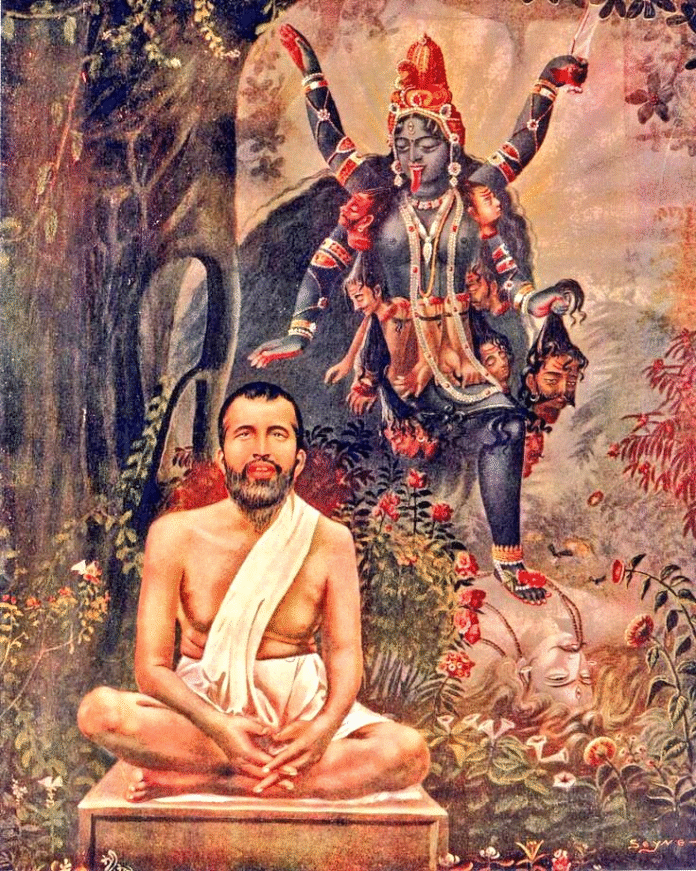
Sri Ramakrishna Paramahansa (18 February 1836 – 16 August 1886), born Ramakrishna “Gadadhar” Chattopadhyay, was a 19th-century Indian Hindu mystic and saint whose spiritual experiences profoundly shaped modern Hindu thought. From a young age, he experienced intense spiritual ecstasies and pursued direct realisation of the Divine through multiple religious paths. His spiritual journey was deeply influenced by devotion to Goddess Kali, Tantric practices, Vaishnava bhakti traditions, and the non-dual philosophy of Advaita Vedanta.

On the 191st birth anniversary of Sri Ramakrishna Paramahamsa, his words continue to echo across centuries—challenging how we understand knowledge, faith, and the purpose of life.

As a priest at the Dakshineshwar Kali Temple near Calcutta, his mystical temperament and states of divine absorption drew the attention of spiritual teachers, social reformers, and seekers from across India.

The reverence he inspired among Bengal’s intellectual and spiritual elite led his chief disciple, Swami Vivekananda, to establish the Ramakrishna Math and the Ramakrishna Mission—institutions dedicated to spiritual practice, education, and humanitarian service. Through these institutions, Ramakrishna’s vision of universal spirituality and service to humanity continues to influence millions across the world.

From the nature of Brahman—beyond description and untouched by language—to the idea that service to humanity is service to God, Ramakrishna’s philosophy urges humility, discipline, and inner awakening. As India remembers the mystic saint today, his timeless message invites a new generation to question, seek, and realise the infinite within. Here comes his quotes:

“Only two kinds of people can attain self-knowledge: those who are not encumbered at all with learning, that is to say, whose minds are not over-crowded with thoughts borrowed from others; and those who, after studying all the scriptures and sciences, have come to realise that they know nothing.”

“You see many stars in the sky at night, but not when the sun rises. Can you therefore say that there are no stars in the heavens during the day? Because you cannot find God in the days of your ignorance, say not that there is no God.”

“One man may read the Bhagavata by the light of a lamp, and another may commit a forgery by that very light; but the lamp is unaffected. The sun sheds its light on the wicked as well as on the virtuous.”

“You speak of doing good to the world. Is the world such a small thing? And who are you, pray, to do good to the world? First realise God, see Him by means of spiritual discipline. If He imparts power you can do good to others; otherwise not.”

“What Brahman is cannot be described. All things in the world — the Vedas, the Puranas, the Tantras, the six systems of philosophy — have been defiled, like food that has been touched by the tongue, for they have been read or uttered by the tongue. Only one thing has not been defiled in this way, and that is Brahman. No one has ever been able to say what Brahman is.”

“As long as I live, so long do I learn.”

“The Man who works for others, without any selfish motive, really does good to himself.”

“God is in all men, but all men are not in God; that is why we suffer.”

“The winds of God’s grace are always blowing, it is for us to raise our sails.”

“Different creeds are but different paths to reach the same God.”

Menstrual Health Recognised as Fundamental Right by Supreme Court

0

In a landmark judgement, the Supreme Court of India has recognised menstrual health as part of the fundamental right to dignity, bringing it under constitutional protection. The ruling marks a major step in addressing period poverty and reframes menstrual health as an issue of equality, public policy, and human rights, rather than merely a welfare concern.

The Court observed that despite progress in toilet construction and household tap water connections, menstrual deprivation persists due to uneven access and poorly maintained facilities. This highlights the gap between policy intent and on-ground implementation.

Gaps in Implementation and Governance

The judgement flagged serious governance failures in menstrual hygiene management. The Court noted that 10 states and 8 Union Territories failed to respond to directions issued three years ago regarding menstrual health policies across key ministries, including drinking water and sanitation, women and child development, and education.

The Court clarified that although menstruation affects only a segment of the population, the right to dignified menstrual health warrants constitutional safeguards under the principles of equality and dignity.

Health Implications and Underdiagnosed Conditions

Poor menstrual management affects health, education, mobility, and livelihoods. The Court highlighted that conditions such as premenstrual syndrome (PMS), premenstrual dysphoric disorder (PMDD), and endometriosis remain widely underdiagnosed, impacting quality of life and fertility.

A health-systems approach must normalise menstrual awareness so individuals can distinguish between healthy cycles and symptoms requiring medical attention.

Education, Environment and Gender Perspective

The ruling emphasised gender-inclusive menstrual education for all students to dismantle stigma and enable informed choices. Education should cover both disposable and reusable menstrual products, their benefits, and limitations.

Environmental sustainability was identified as a key pillar. Reusable products such as cloth pads, menstrual cups, and period underwear can reduce waste and costs when supported by adequate water, sanitation, and privacy infrastructure. The Bureau of Indian Standards (BIS) quality benchmarks for reusable products were noted as an important regulatory safeguard.

Important Facts

  • Article 21 of the Indian Constitution guarantees the right to life and dignity.
  • Rashtriya Kishor Swasthya Karyakram (RKSK) focuses on adolescent health.
  • Menstrual hygiene management is linked to Sustainable Development Goals (SDGs) on health, gender equality, and sanitation.
  • Bureau of Indian Standards (BIS) sets quality norms for consumer products.

Need for Civil Society Collaboration

The Supreme Court acknowledged the role of civil society organisations in advancing menstrual health awareness and services. The ruling stressed that constitutional recognition must be supported by government–NGO collaboration, accountability mechanisms, and sustained policy implementation to translate legal rights into everyday dignity.

Jaisalmer to Host India’s First Jain Chadar Mahotsav from March 6 to 8, 2026

0

Rajasthan’s historic desert city Jaisalmer will host the country’s first-ever Jain Chadar Mahotsav from March 6 to March 8, 2026. The three-day religious festival will focus on the worship of 872-year-old sacred garments of Dada Shri Jindatt Suri Maharaj, preserved in the Gyan Bhandar manuscript library of a Jain temple in Jaisalmer.

Organisers expect participation from over 30,000 devotees, senior Jain saints, and prominent political leaders from across India, making it one of the largest Jain religious events in recent years.

Historical Significance of the Sacred Jain Relics

According to the Jaisalmer Jain Trust, the sacred garments date back to Vikram Samvat 1211, when Dada Shri Jindatt Suri Maharaj attained samadhi in Ajmer. It is believed that while his mortal remains were cremated, the garments remained intact, enhancing their spiritual significance.

Around 145 years ago, during a severe epidemic in Vikram Samvat 1945, the then Maharawal of Jaisalmer requested that the relics be brought from Patan in Gujarat to Jaisalmer. Since then, they have been preserved in the temple’s manuscript repository known as Gyan Bhandar.

The relics include the Chadar, Cholpatta, and Muhpatti, revered by followers of the Khartar Gachchh sect of Jainism.

Participation of Religious and Political Leaders

The Jain Chadar Mahotsav will be organised under the guidance of Khartargachchhadhipati Acharya Jin Maniprabh Surishwar Maharaj. Senior Jain saints such as Jin Manoj Surishwar Maharaj and Punanand Surishwar Maharaj are expected to attend.

Three-Day Religious and Cultural Programme

The festival will begin with the ceremonial entry of Guru Bhagwants, inauguration rituals, and an evening aarti. On the second day, a grand Varghoda procession will carry the 872-year-old Chadar through Jaisalmer for public darshan, featuring elephants, horses, palanquins, tableaux, and hundreds of monks.

A theatrical presentation on the life of Dada Gurudev will also be staged. On the final day, Acharya and Ganini positions will be conferred, consecrated materials distributed, and a Mumukshu diksha ceremony organised.

Important Facts for Competitive Exams

  • Khartar Gachchh is a major sect of Shvetambara Jainism.
  • Vikram Samvat calendar is approximately 57 years ahead of the Gregorian calendar.
  • Gyan Bhandars ar

Corbyn’ Cove: A must-visit destination for anyone travelling to Sri Vijaya Puram in Andaman and Nicobar

0

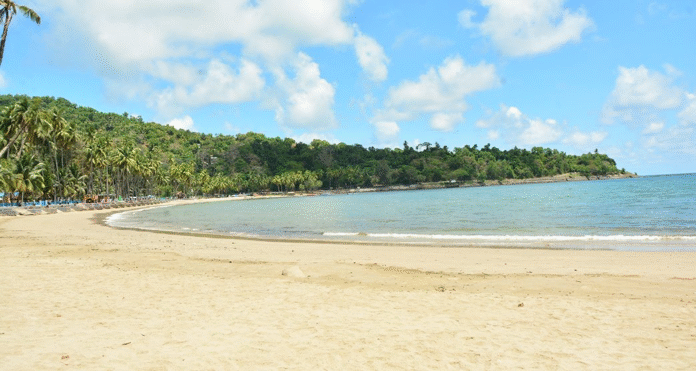
Corbyn’s Cove, located just a few kilometres south of Sri Vijaya Puram, is one of the most picturesque beaches in the Andaman and Nicobar Islands. This crescent-shaped cove, fringed by lush coconut palms, offers a breathtaking view of the turquoise waters of the Bay of Bengal. The geography of the area, with its backdrop of green hills and open sea, makes Corbyn’s Cove Beach a perfect spot for both relaxation and scenic photography.

A beach with no tales but many visitors

Corbyn’s Cove Beach stands out for its natural beauty and tranquil environment. It has been a staple for both locals and tourists looking for a beach experience within close proximity to the city’s conveniences. Known for its pristine clear waters, fine white sand, and the verdant coconut palms that adorn the shoreline, the beach is ideal for those wanting to wander along the coast, lounge on the sands, or swim in the peaceful waters. Corbyn’s Cove Beach is also celebrated for its spectacular sunsets, providing breathtaking views over the ocean and enhancing the scenic beauty of the area.

The timeless beauty of Corbyn’s Cove Beach

The beauty of Corbyn’s Cove Beach lies in its stunning natural setting. The soft, golden sands contrast beautifully with the clear blue waters, making it an idyllic location for sunbathers and swimmers alike. Its popularity is enhanced by the cleanliness of the beach and the availability of modern amenities, which make it a family-friendly destination. The coconut palms lining the beach provide natural shade and spots for relaxation, adding to the overall popularity of the cove.

Corbyn’s Cove Beach is a must-visit destination for anyone travelling to Sri Vijaya Puram, offering a perfect blend of natural beauty, recreational activities, and accessibility. Its unspoiled scenic charm makes it a cherished spot for both relaxation and adventure, appealing to a wide range of visitors year-round.

in.gov.incredibleindia.core.models.impl.ImageUtilModelImpl@44c5d9ce

Relaxation and Recreation

Visitors to Corbyn’s Cove Beach can indulge in a variety of recreational activities. The beach is well-equipped for water sports, with options like jet skiing and speed boating. Those looking for a more relaxed experience can take a leisurely boat ride around the cove. Beach volleyball is a common sight, with locals and tourists often joining in for a game. The nearby shacks offer refreshments and snacks, perfect for beachgoers looking to unwind by the seaside.

Exploring around the beach

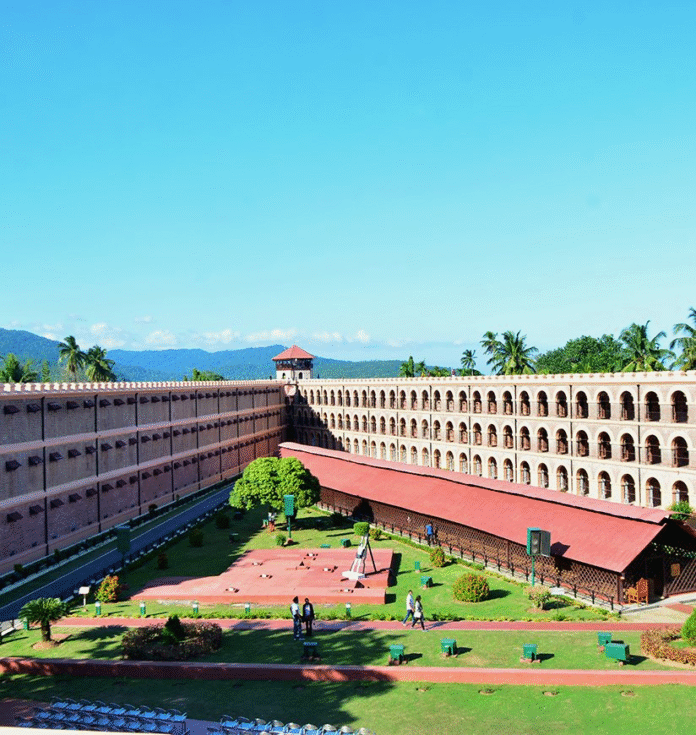
Beyond the beach, the area around Corbyn’s Cove offers several attractions worth visiting. The Cellular Jail, a historic colonial prison, is a short drive away and offers a glimpse into India’s struggle for independence. For a panoramic view of the surrounding islands, visitors can head to the nearby Mount Harriet National Park, which provides some of the most spectacular vistas in the region. The Mahatma Gandhi Marine National Park is also accessible and offers snorkelling and diving opportunities to explore the vibrant coral reefs.

Andaman and Nicobar Islands: A Paradise of Nature, Adventure, Wildlife and History

0

Andaman and Nicobar Islands are among India’s most stunning tropical destinations, offering pristine beaches, thrilling adventure sports, rich wildlife, vibrant culture, and colonial heritage. From turquoise waters to historic landmarks, Andaman promises an unforgettable island getaway for nature lovers, adventure seekers, and history enthusiasts alike.

Nature, Beaches and Island Escapes

Andaman is famous for its powdery white sand beaches and crystal-clear waters. Swaraj Dweep (Havelock Island) is a must-visit for its serene beaches and scuba diving experiences. Shaheed Dweep (Neil Island) is known for its untouched beauty and breathtaking beaches such as Bharatpur, Laxmanpur, and Sitapur Beach.

For a relaxed beach day, Corbyn’s Cove Beach in Port Blair offers coconut palm-lined shores ideal for swimming and sunbathing. Baratang Island is famous for its spectacular limestone caves, while Rangat Island offers a peaceful retreat with Cutbert Bay Beach, an important turtle nesting site.

Adventure and Wildlife Experiences

Adventure lovers can head to North Bay Island, the top water sports destination near Port Blair, for activities like scuba diving, snorkeling, and glass-bottom boat rides.

Chidiya Tapu (Bird Island) is a paradise for birdwatchers, while Mahatma Gandhi Marine National Park offers coral reefs, mangroves, and island exploration.

For panoramic views, visit Mount Harriet National Park, the highest peak in South Andaman at 365 meters, offering breathtaking views of the surrounding islands and sea.

Marine enthusiasts should not miss the Fisheries Museum, showcasing over 350 marine species from the Asia-Pacific region.

Heritage and Historical Landmarks

The Andaman and Nicobar Islands have immense historical significance. Cellular Jail National Memorial in Port Blair stands as a powerful symbol of India’s freedom struggle.

Netaji Subhas Chandra Bose Dweep (Ross Island) showcases colonial ruins from the British era, while Balidan Vedi (State Martyrs Memorial) commemorates the sacrifices during Japanese occupation.

The Netaji Flag Hoisting Memorial marks the first time Netaji Subhas Chandra Bose hoisted the Indian flag on free Indian soil.

Other key heritage attractions include Param Vir Chakra Memorial at Marina Park and the Aberdeen Heritage Walk, offering insights into colonial-era architecture and culture.

Local Crafts and Souvenirs

Andaman is rich in handicrafts made from coconut shells, bamboo, cane, wood, and seashells. Tourists can buy handcrafted table lamps, jewellery, baskets, palm mats, and decorative items as unique souvenirs. Watching artisans craft traditional tools and bamboo products is also a fascinating experience.

Andaman Cuisine: A Seafood Delight

Andaman cuisine is dominated by fresh seafood and tropical flavors. Popular dishes include curried king prawns, butter garlic lobster, and aromatic biryanis made with chicken or vegetables. Tropical fruits and coastal spices add a unique taste to local dishes.

Festivals and Tribal Celebrations

The Island Tourism Festival is a major cultural event featuring dance, drama, exhibitions, and adventure sports. Block Mela in Diglipur showcases rural development and local culture. Vivekananda Mela and Subhash Mela celebrate the legacies of Swami Vivekananda and Netaji Subhas Chandra Bose, adding historical and cultural richness to the islands.

Why Visit Andaman and Nicobar Islands

Andaman and Nicobar Islands offer a perfect blend of nature, adventure, wildlife, culture, cuisine, and history. Whether you want a luxury beach holiday, thrilling water sports, or a heritage exploration, Andaman is a destination that promises an unforgettable experience.

India Takes Center Stage in Global Al: PM Modi Inaugurates Historic India Al Impact Summit 2026 in Delhi

0

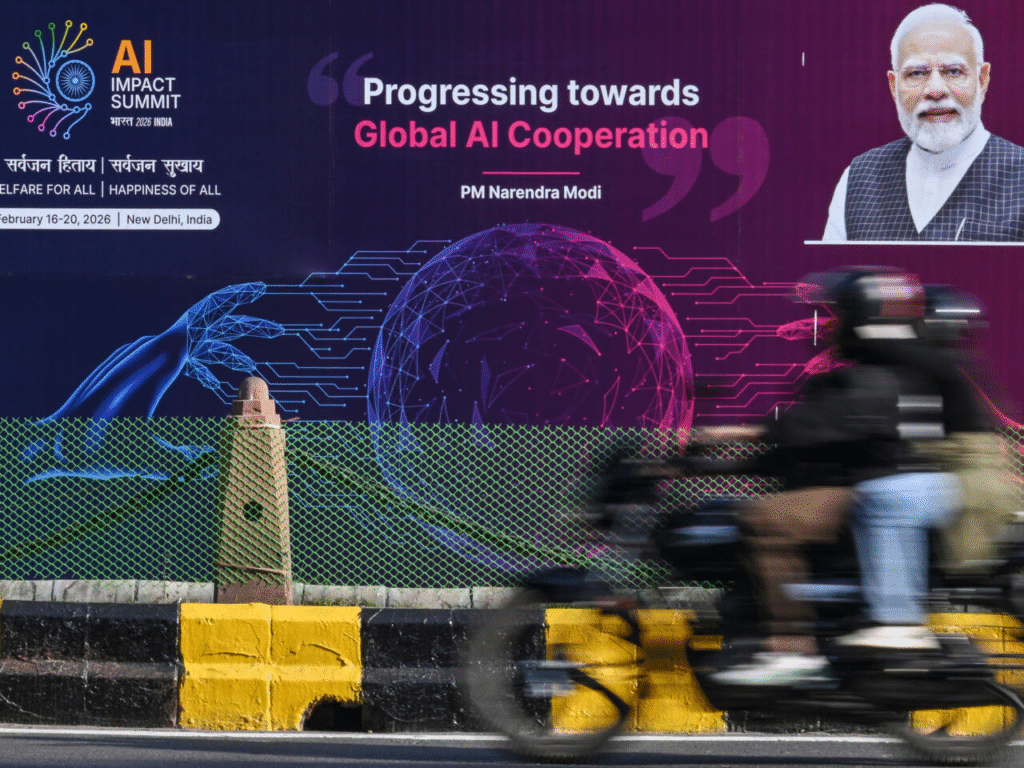
PC: ( France 24, Nikkei Asia )

India Takes Center Stage in Global Al: PM Modi Inaugurates Historic India Al Impact Summit 2026 in Delhi

PM Modi Launches Landmark Al Summit in the Global South

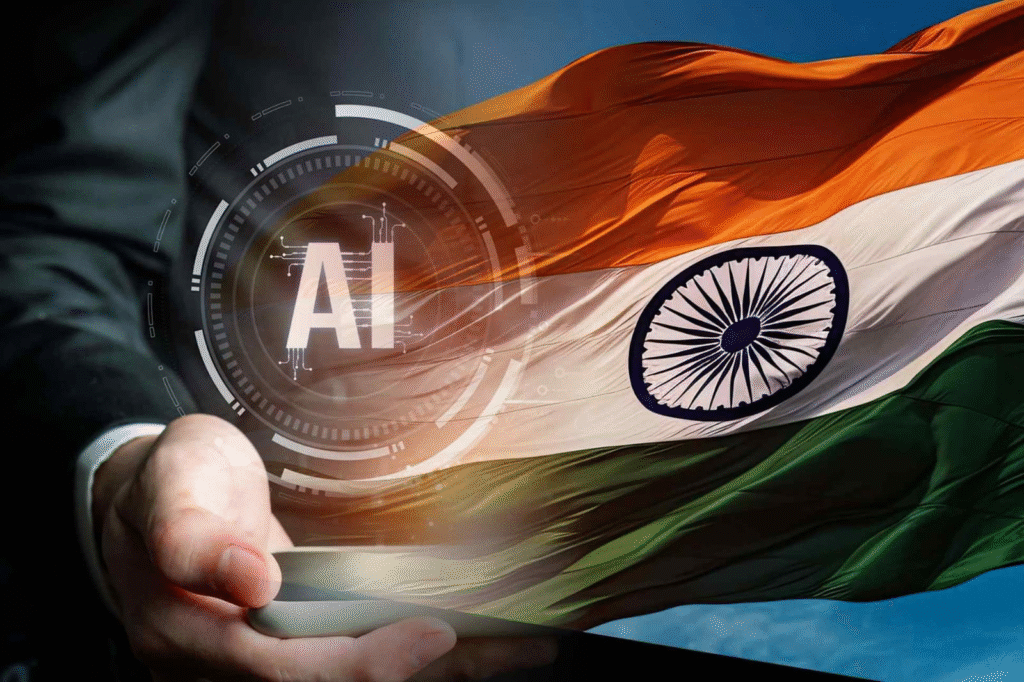
New Delhi, February 17, 2026 – Prime Minister Narendra Modi inaugurated the highly anticipated India Al Impact Summit 2026 at Bharat Mandapam in New Delhi on Monday, February 16, marking a pivotal moment as India hosts the first major international Al summit in the Global South.

“Ambition with Responsibility” – Modi’s Vision for Al Leadership

In his address, PM Modi emphasized India’s dual focus on ambition and responsibility in the Al revolution. He highlighted the nation’s commitment to shaping Al solutions not only for India but for the entire world, blending cutting-edge innovation with inclusive growth.

India Takes Center Stage in Global Al: PM Modi Inaugurates Historic India Al Impact Summit 2026 in Delhi

Prime Minister Connects Directly with India’s Al Startups

The Prime Minister toured exhibition pavilions, engaging directly with founders from numerous Indian startups to explore their Al product offerings and discuss technological advancements driving sectors like healthcare, agriculture, education, and governance.

Massive Expo Showcases 600+ Startups and Global Pavilions

The summit, running from February 16 to 20, features an accompanying expo that opened to the public on February 17. It boasts an impressive lineup: over 600 high-potential startups, 300 exhibitors, and pavilions from 13 countries including Australia, Japan, Russia, the United Kingdom, France, Germany, and Italy.

Spanning more than 7,000 square meters across 10 arenas, the event is expected to attract massive crowds, international delegates, investors, and policymakers.

Unprecedented Global Turnout: 100 Countries, 20

World Leaders

Global participation is at an unprecedented scale, with representatives from around 100 countries, including leaders from about 20 nations. Prominent tech figures such as Sundar Pichai (Google) and Sam Altman (OpenAl) are among the attendees, alongside business leaders like Sunil Bharti Mittal, N. Chandrasekaran, and Bill Gates, as well as senior executives from Microsoft, Amazon, Netflix, and Zoom. The gathering underscores India’s rising stature in global Al governance, research, deployment, and collaboration.

Fourth Edition – Building on Global Legacy

This is the fourth edition of the Al Impact Summit, following previous editions in the United Kingdom, South Korea, and France. The program includes over 3,250 speakers and more than 500 sessions, focusing on actionable outcomes through thematic “chakras” centered on people, planet, and progress.

Core Themes: People, Planet, Progress & Social Good

Key areas of discussion include human capital development, inclusion, trust and resilience in Al systems, scientific advancement, resource management, and Al for social good.

High-Level Dialogues: Tech Titans, Policymakers & Global CEOS

Electronics and IT Minister Ashwini Vaishnaw attended the inauguration, reinforcing the government’s push for technological innovation, startup ecosystem growth, and responsible Al deployment. Organizers aim to channel global cooperation toward tangible results, with launches of knowledge compendiums on Al’s role in critical sectors and high-impact keynotes, policy panels, and expert roundtables.

India’s Defining Moment in Shaping the Al Future

As India positions itself at the forefront of the Al transformation, the summit serves as a powerful platform uniting world leaders, industry captains, innovators, policymakers, and researchers to deliberate on investment strategies, job creation, ethical governance, and partnerships that drive sustainable progress. With overwhelming interest and active participation, the India Al Impact Summit 2026 not only showcases India’s expanding Al ecosystem but also solidifies its role in steering the future of artificial intelligence toward humanity-centered, inclusive, and impactful outcomes.

JEE Main 2026: Know Top NIT Colleges in India

0

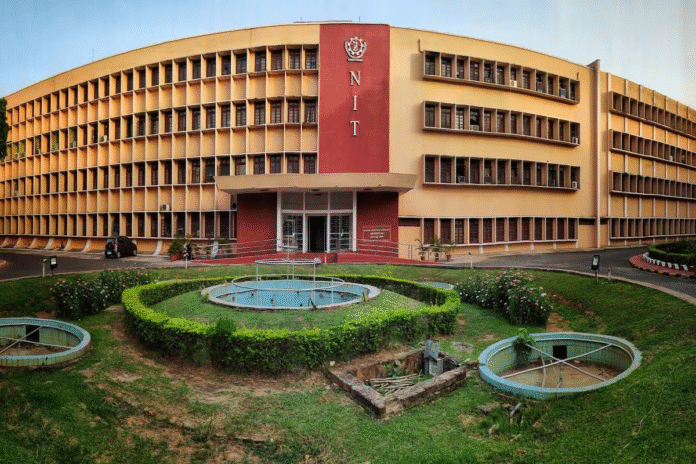
With the declaration of the JEE Main 2026 results, lakhs of students across the country are now preparing for counselling and admission to their preferred engineering colleges. As every year, the National Institutes of Technology (NITs) remain a top choice for high-ranking candidates due to their strong academic reputation, impressive placement records, and robust infrastructure.

Top NIT Colleges in India

1. National Institute of Technology Tiruchirappalli

Located in Tamil Nadu, NIT Trichy is consistently ranked among the top NITs in India. Branches such as Computer Science, Electrical Engineering, and Mechanical Engineering are especially popular. Admission requires a high All India Rank in JEE Main.

2. National Institute of Technology Rourkela

Situated in Odisha, NIT Rourkela is known for its strong focus on research and innovation. It offers programs in engineering, management, and sciences.

3. National Institute of Technology Karnataka Surathkal

Popularly known as NIT Surathkal, this institute is famous for its scenic beachside campus and excellent placement record. Cut-offs for Computer Science and IT branches are typically very high.

4. National Institute of Technology Calicut

One of Kerala’s premier technical institutions, NIT Calicut is recognized for its academic excellence and strong national ranking. It attracts students from across the country.

5. National Institute of Technology Warangal

Located in Telangana, NIT Warangal is among the most prestigious NITs. Admission to core branches requires a strong JEE Main rank.

6. National Institute of Technology Durgapur

A leading technical institute in Eastern India, NIT Durgapur offers solid placement opportunities across engineering disciplines.

7. National Institute of Technology Silchar

The premier NIT in the Northeast region, NIT Silchar offers a wide range of B.Tech and M.Tech programs.

8. National Institute of Technology Patna

Located in Bihar’s capital, NIT Patna is one of the fastest-growing NITs, with improving infrastructure, academics, and placements.

Top NITs in India – NIRF Ranking 2025

According to the NIRF 2025 rankings, the following NITs secured notable positions:

  • Rank 9 – NIT Tiruchirappalli
  • Rank 13 – NIT Rourkela
  • Rank 17 – NIT Surathkal
  • Rank 21 – NIT Calicut
  • Rank 28 – NIT Warangal
  • Rank 42 – Malaviya National Institute of Technology Jaipur
  • Rank 44 – Visvesvaraya National Institute of Technology Nagpur
  • Rank 49 – NIT Durgapur
  • Rank 50 – NIT Silchar
  • Rank 53 – NIT Patna

What to Do After JEE Main 2026?

After the JEE Main 2026 result is declared, eligible candidates must participate in the counselling process conducted by Joint Seat Allocation Authority (JoSAA).

Seats are allotted based on:

  • All India Rank (AIR)
  • Category
  • Preferred college and branch choices

To secure admission to top NITs, students typically need a strong All India Rank, especially for high-demand branches like Computer Science and Electronics.

Careful choice filling and understanding previous years’ cut-offs can significantly improve the chances of getting into a preferred institute and branch.

Modi–Macron Mumbai Meet: How the ₹3.25 Lakh Crore Rafale Mega Deal Will Transform India’s Military Power

0

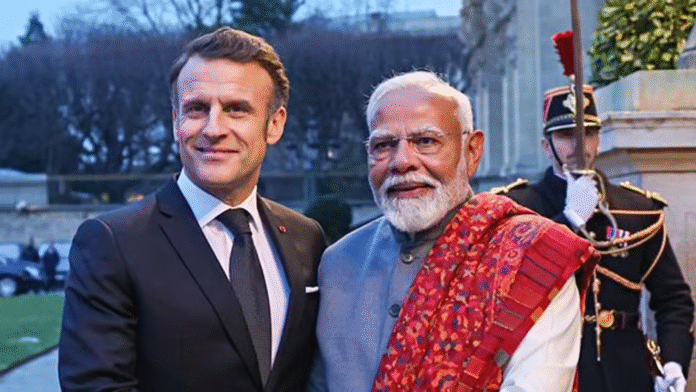
Prime Minister Narendra Modi and French President Emmanuel Macron are set to meet in Mumbai on Tuesday, in what could mark a historic milestone in India–France strategic relations. The meeting is expected to culminate in a massive defence deal worth ₹3.25 lakh crore (approximately $40 billion), under which India will acquire 114 Rafale fighter jets—the largest military procurement in the country’s history by value.

The talks, scheduled for 3:15 PM at Mumbai’s Lok Bhavan, will cover a wide range of issues including defence cooperation, maritime security, Indo-Pacific strategy, emerging technologies, artificial intelligence, and global geopolitical challenges. Later in the evening, the two leaders will inaugurate the India–France Innovation Year 2026, engaging with industry leaders, startup founders, researchers, and innovation experts.

President Macron’s visit to India from February 17 to 19 also includes participation in the AI Impact Summit in New Delhi, underscoring the growing technology partnership between the two nations.

Why This Deal Is a Game-Changer for India

1. Biggest Defence Deal in India’s History

The proposed Rafale acquisition is set to become India’s largest defence procurement ever, surpassing all previous military contracts in financial scale. This deal significantly strengthens India’s air power at a time when regional security dynamics in the Indo-Pacific and along the borders with China and Pakistan are evolving rapidly.

2. India to Get Advanced ‘Super Rafale’ Jets

A key highlight of the agreement is that 24 of the 114 jets will be “Super Rafale” (F-5 version)—the most advanced variant under development by Dassault Aviation.

  • Most jets in the deal will be F-4 variant, featuring upgraded sensors, AI-assisted systems, improved radar, and enhanced electronic warfare capabilities.
  • The F-5 Super Rafale, expected post-2030, will represent a next-generation upgrade with cutting-edge stealth and network-centric warfare capabilities.

Currently, the Indian Air Force (IAF) operates F-3 Rafale jets, which are already considered 4.5-generation fighters. The new variants will push India closer to fifth-generation capabilities without waiting for indigenous platforms.

3. Massive Boost to Air Force Strength and Technology

The induction of 114 Rafale jets will dramatically increase the IAF’s combat strength, precision strike capability, and deterrence posture. Rafale aircraft are equipped with:

  • Meteor long-range air-to-air missiles
  • SCALP cruise missiles for deep-strike missions
  • MICA missile systems for multi-role combat
  • Advanced radar and electronic warfare suites

These capabilities allow India to conduct air superiority missions, deep strikes, nuclear deterrence roles, and network-centric warfare operations.

4. Strengthening Strategic Partnership with France

India and France have shared a strategic partnership since 1998, collaborating in defence, space, nuclear energy, and technology. France has consistently supported India’s strategic autonomy, making it one of India’s most trusted defence partners.

Macron’s visit—the fourth since becoming President—signals deepening trust and alignment between the two democracies in a multipolar world order.

5. Technology Transfer and Defence Ecosystem Growth

Large-scale Rafale procurement is expected to come with technology transfer, local manufacturing, and industrial collaboration, boosting India’s defence manufacturing ecosystem under the ‘Make in India’ initiative. This can strengthen Indian private and public defence companies and create high-skilled jobs.

6. Learning from the First Rafale Experience

India had earlier purchased 36 Rafale jets in a €7.8 billion deal in 2016, with deliveries completed by 2022. These jets are deployed at Ambala (Haryana) and Hasimara (West Bengal) and have already proven to be a major technological leap for the IAF.

The success of the first batch has paved the way for this mega acquisition, giving the Air Force confidence in Rafale’s performance, reliability, and strategic value.

Beyond Defence: Innovation and Indo-Pacific Strategy

Apart from defence, Modi and Macron’s discussions will focus on AI, emerging technologies, maritime cooperation, and Indo-Pacific security architecture. The India–France Innovation Year 2026 reflects a broader partnership beyond weapons—towards research, startups, and deep-tech collaboration.

Conclusion: A Strategic Leap for India

If finalized, this Rafale mega deal will not only modernize India’s Air Force but also reshape its strategic posture in Asia and the Indo-Pacific. With advanced aircraft, deeper technology partnerships, and strong diplomatic alignment with France, India is positioning itself as a major military and technological power in the 21st century.

Earth: The Blue Marble That’s One of a Kind – Why Our Planet Is the Ultimate Oasis in Space

0

PC: ( Edition.cnn.com, Space.com )

8 Fascinating Facts About Earth: Our One-of-a-Kind Home Planet

Earth: The Blue Marble That's One of a Kind – Why Our Planet Is the Ultimate Oasis in Space

Earth may be only the fifth largest planet in our solar system, but it’s the undisputed champion when it comes to hosting life. As the third rock from the Sun, it’s the only world we know with vast oceans of liquid water on its surface-a feature that sets it apart from every other planet.

Just slightly larger than its scorching neighbor Venus, Earth reigns as the biggest of the four rocky, metallic inner planets (Mercury, Venus, Earth, and Mars). Yet what truly makes it extraordinary isn’t size-it’s the perfect conditions for abundance.

A Name Unlike Any Other

Unlike every other planet, whose English names derive from Greek or Roman gods (Jupiter, Mars, Venus, etc.), Earth’s name comes from Old English and Germanic roots. It simply means “the ground” or “the soil” a straightforward, down-to-earth label that’s about 1,000 years old.

The Cradle of Life

Earth boasts a hospitable temperature range and chemical mix that have nurtured life for billions of years. Liquid water has covered most of the planet for extended periods, providing the perfect starting point for life around 3.8 billion years ago in its ancient oceans. But these life-sustaining features are shifting due to ongoing climate change, reminding us how precious-and fragile—our world is.

Size, Distance, and Orbit

Earth: The Blue Marble That's One of a Kind – Why Our Planet Is the Ultimate Oasis in Space

Earth’s equatorial diameter measures 7,926 miles (12,756 km), making it the largest terrestrial planet and fifth largest overall. It orbits the Sun at an average distance of 93 million miles (150 million km)-defining the “astronomical unit” (AU) used to measure distances across the solar system. Sunlight takes about eight minutes to reach us.

Our planet spins once every 23.9 hours and completes an orbit in 365.25 days, which is why we have leap years to sync calendars with reality. The 23.4-degree axial tilt creates our seasons: when one hemisphere tilts toward the Sun, it enjoys summer while the other experiences winter.

Our Loyal Moon

Earth is the only planet with a single natural moon-our familiar companion that brightens the night sky. The Moon stabilizes Earth’s tilt, helping keep climates relatively steady over millennia. It’s likely born from a massive ancient collision that blasted material from young Earth, which coalesced into our satellite.

With a radius of 1,080 miles (1,738 km), the Moon is the fifth largest moon in the solar system. On average, it’s 238,855 miles (384,400 km) away-enough space to fit about 30 Earths lined up between us.

Earth occasionally captures temporary “mini-moons” (asteroids) that orbit for months or years before drifting away.

No Rings, Just Reality

Unlike the gas giants, Earth has no rings.

How Earth Formed and What It’s Made Of

About 4.5 billion years ago, gravity gathered swirling gas and dust to form Earth as the third planet from the Sun. Like other terrestrial worlds, it has a dense core, rocky mantle, and crust.

The structure includes:

A solid inner core of iron and nickel (radius ~759 miles / 1,221 km, scorching at up to 9,800°F /5,400°C).A fluid outer core (~1,400 miles / 2,300 km thick).A thick, caramel-like mantle (~1,800 miles /2,900 km).A thin crust (averaging 19 miles / 30 km on land, just 3 miles / 5 km under oceans).

Dynamic Surface and Vast Oceans

Earth’s surface features volcanoes, mountains, valleys, and more, shaped by shifting tectonic plates that move at fingernail-growth speed-causing earthquakes, mountain-building, and more. Oceans cover ~71% of the surface, averaging 2.3 miles (3.6 km) deep and holding 97% of our water. Hidden underwater are most volcanoes and the planet’s longest mountain range.

Protective Atmosphere and Magnetic Shield

Our air is 78% nitrogen, 21% oxygen, and 1% other gases-ideal for life. It moderates climate, blocks harmful radiation, and vaporizes most incoming meteoroids (creating shooting stars).

The molten core and rapid spin generate a magnetic field that deflects solar wind into a teardrop shape, trapping particles that create dazzling auroras at the poles. The field flips polarity irregularly (about every 300,000 years on average), but these reversals pose no known threat to life.

8 Need-to-Know Things About Our Home Planet

  1. Measuring Up If the Sun were a front door, Earth would be a nickel.
  2. We’re On It – A rocky world with dynamic mountains, canyons, and mostly water-covered surface.
  3. Breathe Easy Perfect 78% nitrogen / 21% oxygen mix for life.
  4. Our Cosmic Companion – One stabilizing Moon.
  5. Ringless No rings here.
  6. Orbital Science – Spacecraft constantly study Earth as a whole system.
  7. Home, Sweet Home – The only known place with life as we know it.
  8. Protective Shield — Atmosphere burns up most meteoroids.

Earth isn’t just a planet—it’s the only home we’ve got. Its unique blend of water, air, stability, and life makes it truly irreplaceable.

From Affluent Lawyer to Champion of Leprosy Patients and Environmental Justice

0
From Affluent Lawyer to Champion of Leprosy Patients and Environmental Justice

PC: ( Take Heart India, Facebook )

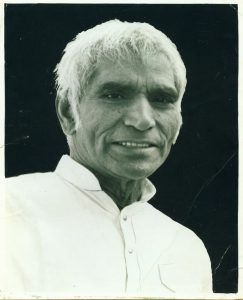
Baba Amte, born Murlidhar Devidas Amte on December 26, 1914, in Hinganghat, Wardha district, Maharashtra (then British India), emerged as one of India’s most revered social activists. Known affectionately as “Baba”—a childhood nickname that stayed with him for life-he dedicated his existence to uplifting the underprivileged, particularly those affected by leprosy, and fighting for environmental and human rights causes. He passed away on February 9, 2008, at Anandwan in Maharashtra, leaving behind a legacy of compassion, selflessness, and transformative social work.

A Privileged Beginning and an Awakening Conscience

Born into an affluent Brahmin family as the eldest of eight children, Amte grew up in comfort. His father, Devidas Haribaji Amte, held a high-ranking position in the British government. Despite the luxuries, young Baba showed early empathy for the less fortunate, often playing with the children of household servants -much to his father’s disapproval.

He pursued law at Hislop College, Nagpur, graduating in 1936 and establishing a successful legal practice. Yet, the stark inequalities around him gnawed at his conscience. He reflected on the injustice of earning large fees while laborers toiled for meager wages, and the disparity between his family’s estate comforts and the servants’ hardships. These realizations deepened his awareness of societal inequities.
In the mid-1940s, two pivotal events shaped his path: his marriage to Indu Guleshastri (later Sadhana Amte or Sadhanatai), who became his lifelong partner in service, and his decision to abandon his lucrative career and wealth for full-time social work.

Inspired by Icons and the Freedom Struggle

Amte was profoundly influenced by Mahatma Gandhi, joining the Quit India Movement in 1942. He mobilized lawyers to defend imprisoned leaders and was himself jailed. Gandhi bestowed upon him the title “abhay sadhak” (fearless seeker of truth) after Amte intervened to protect an Indian woman from British soldiers. Thinkers like Rabindranath Tagore, Vinoba Bhave, and Sane Guruji also shaped his ideals.
In later years, Amte promoted national unity through the Bharat Jodo Abhiyan (Knit India movement). In 1985 and 1988, he led bicycle journeys from Kanyakumari to Kashmir and Arunachal Pradesh to Gujarat, fostering nationalism amid political and communal challenges.

From Affluent Lawyer to Champion of Leprosy Patients and Environmental Justice

A Lifelong Mission: Empowering Leprosy Patients

Amte’s most iconic work began with a transformative encounter. Spotting a leprosy-afflicted man named Tulshiram abandoned on the road, Amte initially fled in fear but returned to care for him until his death. This overcame his own prejudices and ignited a lifelong commitment.

In 1949, he founded Anandwan (“Forest of Joy”) in Chandrapur, Maharashtra-a rehabilitation center for leprosy patients, offering medical care, dignity, and self-reliance through agriculture and skills training. To deepen his expertise, he studied at the Calcutta School of Tropical Medicine.

He expanded his vision with Ashokavan in Nagpur (1957) and Somnath in the Tadoba buffer zone (later), providing opportunities for sustainable living. Supported tirelessly by his wife Sadhanatai, these initiatives challenged deep-seated stigma and empowered thousands.

Championing the Narmada Bachao Andolan

In the late 1980s, Amte joined the Narmada Bachao Andolan (Save Narmada Movement), led by Medha Patkar, protesting large dams on the Narmada River that displaced communities and harmed the environment. He relocated near the river in 1990, participated in marches like the Jan Vikas Sangharsh Yatra, undertook hunger strikes, and authored “Cry, the Beloved Narmada” to highlight rehabilitation failures and sustainable alternatives. His involvement amplified the movement’s voice until health issues forced his return to Anandwan.

Recognition and Enduring Legacy

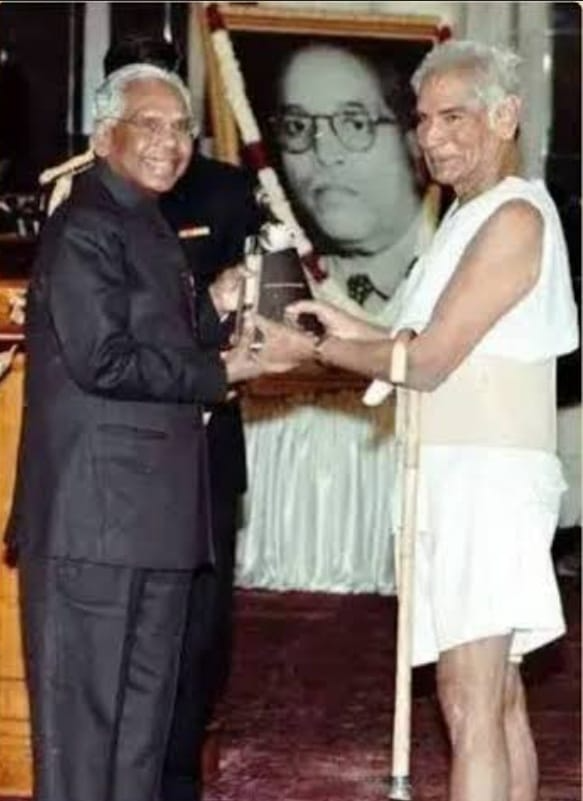
Amte’s contributions earned him India’s Padma Shri (1971) and Padma Vibhushan (1986), the Ramon Magsaysay Award (1985), the UN Human Rights Prize (1988), and a share of the Templeton Prize (1990).

His life exemplified turning privilege into purpose, fear into courage, and isolation into community. Through Anandwan and beyond, his work continues via his family and followers, inspiring generations to serve humanity with empathy and action. Baba Amte remains a beacon of selfless dedication in India’s social reform history.