Home Blog Page 69

Top 5 Inspiring Qualities of Chhatrapati Shivaji Maharaj That Still Inspire Generations

0

Chhatrapati Shivaji Maharaj, born on February 19, 1630, at Shivneri Fort, is remembered not just as a warrior king but as a visionary leader, compassionate ruler, and symbol of courage and justice. His life is filled with powerful lessons that continue to inspire leaders, youth, and nations even after 400 years. bn

Here are the top 5 qualities of Shivaji Maharaj that make him timeless and inspirational:

1. Deep Love and Respect for His People

Shivaji Maharaj believed that true power lies in the people. When he visited the Taj Mahal, he reflected on the unseen foundation stones that support the grand structure and compared them to the countless soldiers who sacrificed their lives for Swarajya.

He understood that a nation is built on the sacrifices of ordinary people and never forgot their contribution. This humility and gratitude made him a true leader of the masses.

Lesson: Great leaders never forget the people who stand behind their success.

2. Leadership Focused on Legacy, Not Monuments

When his son Sambhaji expressed a desire to build a monument like the Taj Mahal, Shivaji Maharaj replied that a true king should live a life so impactful that people remember him without monuments.

History proved him right—Shivaji Maharaj is remembered for his values, governance, and courage, not stone structures.

Lesson: True legacy is built through actions and character, not buildings.

3. Unwavering Respect for Women and Strong Moral Principles

At a time when women captives were treated cruelly, Shivaji Maharaj showed extraordinary ethics. He once returned a captured enemy woman with full respect, comparing her to his mother Jijabai.

He even punished a powerful jagirdar for abducting a girl, proving that justice was above power and politics.

Lesson: Character is tested by how we treat the vulnerable and stand for justice.

4. Visionary Leadership and Unshakable Faith

When his ministers doubted fighting the powerful Bijapur kingdom, Shivaji Maharaj reminded them that faith and courage can defeat even the strongest enemies. He believed vision, strategy, and belief in oneself were stronger than numbers.

His vision of Hindavi Swarajya laid the foundation for a strong, self-governed nation.

Lesson: Vision and belief can turn the impossible into reality.

5. Relentless Determination and Wisdom

Shivaji Maharaj compared himself to the ocean—never giving up, constantly pushing forward despite obstacles. His resilience, discipline, and strategic thinking helped him build one of India’s most powerful empires.

He was fierce in battle yet calm, wise, and compassionate as a ruler.

Lesson: Persistence and wisdom are the pillars of lasting success.

Final Thoughts

Chhatrapati Shivaji Maharaj was not just a warrior—he was a philosopher king, administrator, and symbol of ethical leadership. His life teaches us courage, humility, justice, vision, and perseverance—values that are more relevant today than ever.

As we celebrate Shivaji Jayanti, let us strive to imbibe these qualities and contribute to society with the same spirit of service and determination.

Jai Shivaji. Jai Bharat.
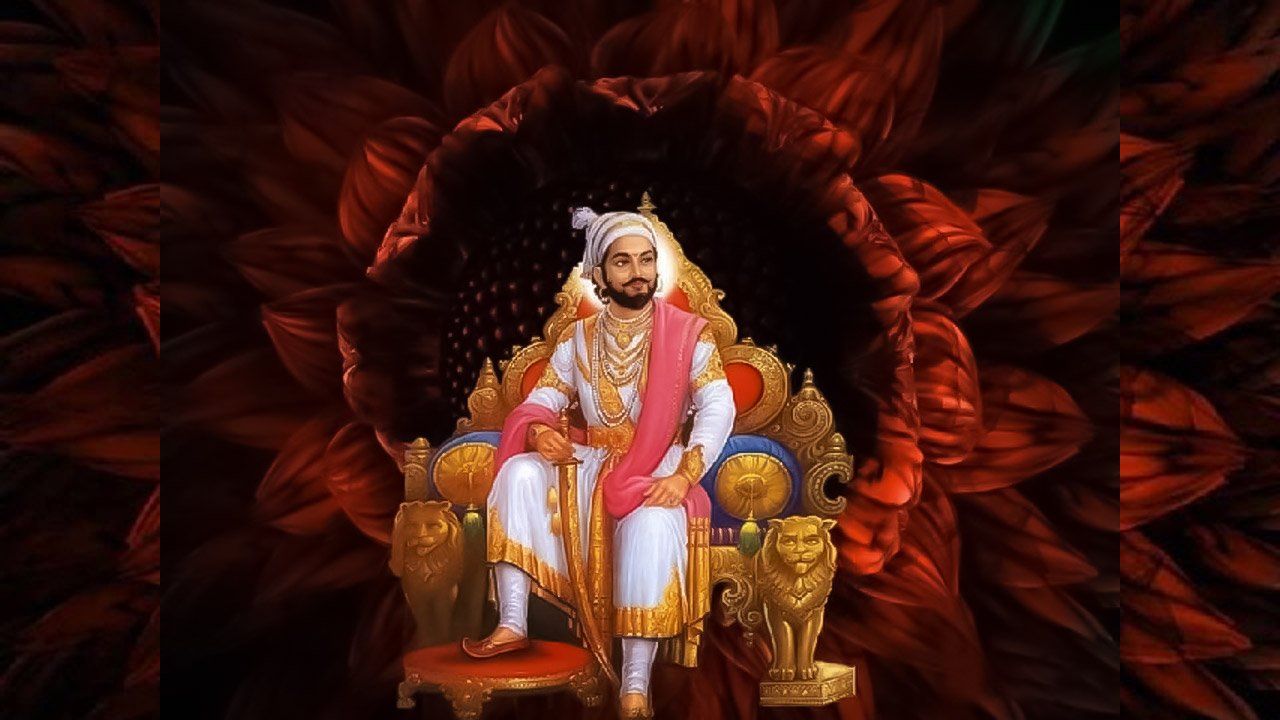
Shivaji Jayanti 2026: Know Rare Facts on Shivaji

0

Shivaji, the great warrior, was born on February 19, 1630 and the day is celebrated as Shivaji Jayanti in India, particularly in the state of Maharashtra. 

Let’s know a few more facts about the great Maratha warrior:

  • Shivaji Bhonsale  was born in the hill-fort of Shivneri.
  • Shivaji was said to be completely devoted to his mother Jijabai, who was deeply religious. His upbringing introduced him to Hindu epics of Ramayana and Mahabharata, which are said to have influenced his own views on Hindu values.
  • Shivaji was skilled in mapping out military missions. He was extremely skilled at guerilla-style warfare and planned stealthy war operations.
  • Shivaji successfully expanded the Maratha empire by capturing and building magnificent forts. Every year on Shivaji Jayanti, people of Maharashtra celebrate his birth anniversary by gathering at the forts Shivaji captured and built.
  • During India’s struggle for independence, Bal Gangadhar Tilak invoked Shivaji and celebrated him as a figure of courage and valour in the face of oppression.

Happy Chhatrapati Shivaji Maharaj Jayanti 2026: 50+ Wishes, Quotes, Messages, Greetings to Celebrate Legacy of the Great Maratha Warrior

0

Happy Chhatrapati Shivaji Maharaj Jayanti 2026: Let’s celebrate the birth anniversary of India’s greatest warrior-king by sharing powerful wishes and messages that honour his courage, vision, and timeless ideals. Shivaji Jayanti is not just a remembrance, it is a celebration of bravery, self-rule, and unwavering devotion to justice.

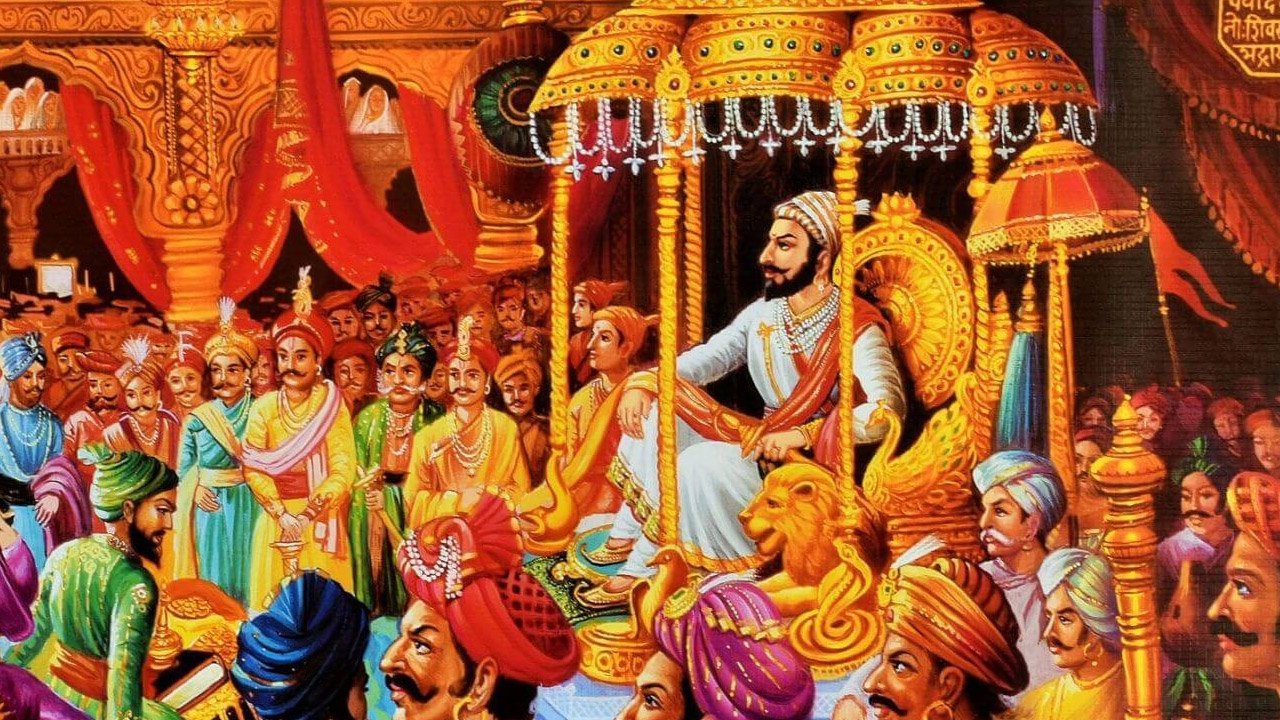
Happy Chhatrapati Shivaji Maharaj Jayanti 2026: Shivaji Jayanti marks the birth of the founder of the Maratha Empire, a ruler known for his progressive governance, military genius, and deep respect for all communities. His coronation at Raigad Fort symbolised the rise of Swarajya, self-rule, and inspired generations to stand for dignity and freedom. Across Maharashtra, especially in Pune, the day is celebrated with processions, traditional music, lectures, and cultural programs that keep his legacy alive in public memory.

Inspiring Wishes

1. May the courage of Shivaji Maharaj inspire you to stand fearless in life.

2. Let us celebrate the birth of a king who taught us dignity and strength.

3. May his ideals guide us toward justice and unity.

4. Remembering the lion of the Marathas with pride and gratitude.

5. May we all walk the path of Swarajya and self-respect.

6. Wishing you a day filled with pride for our glorious history.

7. Let bravery and wisdom shape our future.

8. Celebrate this day by embracing courage in every decision.

9. May his legacy awaken patriotism in every heart.

10. Honour the warrior who built a kingdom on values.

Happy Chhatrapati Shivaji Maharaj Jayanti 2026: 50+ Wishes, Quotes, Messages, Greetings to Celebrate Legacy of the Great Maratha Warrior

Happy Chhatrapati Shivaji Maharaj Jayanti 2026: Patriotic Messages

11. Shivaji Maharaj showed that determination can change history.

12. Freedom begins with self-belief—his greatest lesson.

13. Let us salute the visionary who defined leadership.

14. His life reminds us that justice must always prevail.

15. A true king lives forever in the hearts of his people.

16. Today we honour not just a ruler, but an ideal.

17. His sword defended the land; his values uplifted humanity.

18. Let us preserve the freedom he fought to establish.

19. Remembering the architect of Swarajya.

20. His story is India’s story of resilience.

Chhatrapati Shivaji Maharaj Jayanti 2026, Shivaji Jayanti wishes, Shivaji Maharaj quotes, Shivaji Jayanti messages, Shivaji Jayanti greetings, Shivaji Maharaj images, Jai Bhavani Jai Shivaji, Maratha history, Swarajya inspiration, Indian history heroes, S

Happy Chhatrapati Shivaji Maharaj Jayanti 2026: Short Greetings For Sharing

21. Jai Bhavani, Jai Shivaji.

22. Glory to the fearless Maratha king.

23. Celebrating courage, wisdom, and pride.

24. A day to remember true leadership.

25. Salute to the guardian of our culture.

26. Let bravery live within us.

27. Remembering the king of hearts.

28. Pride in the past, strength for the future.

29. Honour. Courage. Swarajya.

30. A legacy that never fades.

Happy Chhatrapati Shivaji Maharaj Jayanti 2026: 50+ Wishes, Quotes, Messages, Greetings to Celebrate Legacy of the Great Maratha Warrior

Happy Chhatrapati Shivaji Maharaj Jayanti 2026: Motivational Quotes Inspired By His Ideals

31. “Freedom is earned by those who dare to protect it.”

32. “Strength lies not in power, but in righteous action.”

33. “Leadership is serving people with integrity.”

34. “A brave heart builds its own destiny.”

35. “Respect for all is the foundation of true rule.”

36. “Courage guided by wisdom becomes greatness.”

37. “Self-rule begins with self-discipline.”

38. “Victory belongs to those who stand for justice.”

39. “Faith and fearlessness create history.”

40. “Great leaders rise for the welfare of others.”

Chhatrapati Shivaji Maharaj Jayanti 2026, Shivaji Jayanti wishes, Shivaji Maharaj quotes, Shivaji Jayanti messages, Shivaji Jayanti greetings, Shivaji Maharaj images, Jai Bhavani Jai Shivaji, Maratha history, Swarajya inspiration, Indian history heroes, S

Happy Chhatrapati Shivaji Maharaj Jayanti 2026: Messages To Share With Family & Friends

41. Let us celebrate this day by teaching future generations about valour.

42. May Shivaji Maharaj bless your home with strength and unity.

43. Share his story, keep the legacy alive.

44. Wishing your family pride in our rich heritage.

45. Let us honour history by living responsibly today.

46. May this day inspire wisdom and courage in your life.

47. Celebrate the spirit of resilience together.

48. A hero remembered, a legacy continued.

49. May we raise children inspired by his greatness.

50. Let this occasion strengthen our love for the nation.

Happy Chhatrapati Shivaji Maharaj Jayanti 2026: 50+ Wishes, Quotes, Messages, Greetings to Celebrate Legacy of the Great Maratha Warrior

Chhatrapati Shivaji Maharaj Jayanti 2026: Date, History, Significance, and 5 Life Lessons for Today’s Generation

0

Shivaji Jayanti 2026 will be observed on February 19. Here’s a look at the history, significance, and key life lessons from Chhatrapati Shivaji Maharaj that remain relevant even today.

When Is Shivaji Jayanti Celebrated in 2026?

Chhatrapati Shivaji Maharaj Jayanti is celebrated every year to mark the birth anniversary of the founder of the Maratha Empire.

  • Gregorian calendar: February 19
  • Hindu calendar (Falgun Krishna Tritiya): Varies annually

In 2026, Shivaji Jayanti will be observed on February 19, and it is a public holiday in Maharashtra.

History and Significance of Shivaji Jayanti

Chhatrapati Shivaji Maharaj was born on February 19, 1630, at Shivneri Fort in present-day Maharashtra. He went on to establish the Maratha Empire and laid the foundation of Hindavi Swarajya, a vision of self-rule and sovereign governance.

He was crowned as Chhatrapati in 1674 at Raigad Fort, marking the formal rise of the Maratha state. Shivaji Maharaj built a powerful navy and army, introduced efficient administrative systems, and championed justice, governance, and welfare.

He is remembered for:

  • Protecting women and civilians during wars
  • Promoting regional languages and local culture
  • Encouraging religious tolerance and harmony
  • Fighting against oppressive regimes and establishing people-centric governance

Shivaji Jayanti serves as a reminder of his courage, vision, and commitment to justice and sovereignty.

How Shivaji Jayanti Is Celebrated

Shivaji Jayanti is celebrated with great enthusiasm across Maharashtra and other parts of India.

  • Grand processions with traditional dhol and cultural performances are held in cities like Mumbai, Pune, Nashik, and Kolhapur.
  • People visit historic forts such as Shivneri, Raigad, and Pratapgad to pay tribute.
  • Floral tributes are offered to statues of Shivaji Maharaj.
  • Schools and colleges organise cultural events, speeches, and essay competitions highlighting his legacy.

The day inspires pride, patriotism, and remembrance of India’s rich history.

5 Life Lessons from Chhatrapati Shivaji Maharaj for Today’s Generation

1. Courage in Adversity

Shivaji Maharaj faced powerful enemies with limited resources but never gave up. His life teaches resilience and fearless leadership.

2. Visionary Leadership

He envisioned a sovereign state governed by justice and welfare centuries ahead of his time—a lesson in long-term thinking and governance.

3. Respect for Women and Ethics

Shivaji Maharaj strictly punished crimes against women, setting ethical standards that modern society still strives to achieve.

4. Inclusivity and Tolerance

Despite being a Hindu king, he respected all religions and communities, proving that unity is the foundation of a strong nation.

5. Strategic Thinking and Innovation

He pioneered guerrilla warfare tactics and built India’s first modern navy, showing the importance of innovation and strategy.

Why Shivaji Maharaj’s Legacy Still Matters

From courage and governance to inclusivity and strategy, Chhatrapati Shivaji Maharaj’s ideals continue to inspire leaders, youth, and citizens. His concept of Swarajya remains a symbol of freedom, dignity, and self-rule.

Bharat Vistar App: 5 Key Benefits for Farmers

0

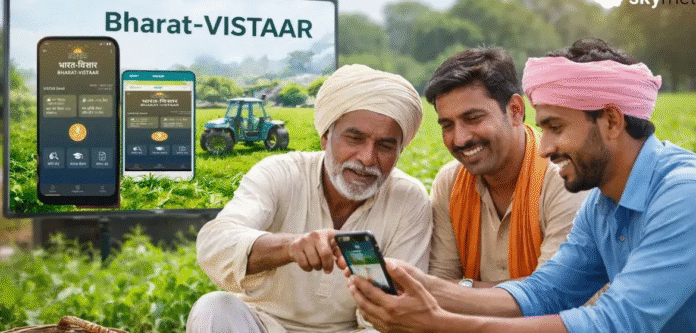
Union Minister of Agriculture, Farmers Welfare and Rural Development, Shri Shivraj Singh Chouhan, today launched the Bharat Vistar Yojana app in Jaipur in the presence of Rajasthan Chief Minister Shri Bhajan Lal Sharma. The Union Minister also unveiled the Agri Kosh AI Strategy Roadmap and announced a farmer-focused AI hackathon to boost innovation in agriculture.

The Bharat Vistar Yojana is an AI-powered digital platform designed to provide real-time agricultural information and government services directly to farmers through mobile phones.

1. Instant Agricultural Advisory Through AI

The Bharat Vistar app provides farmers with instant answers to farming-related queries using artificial intelligence. Farmers can get guidance on crops, fertilizers, soil health, irrigation, and pest control through a single digital platform.

2. Toll-Free Helpline for Farmers (155261)

Farmers can dial 155261 to report problems and receive immediate solutions. The helpline also provides real-time mandi prices across the country, helping farmers make informed decisions on selling their produce.

3. Multilingual Support for Rural Farmers

The platform currently supports Hindi and English and will soon expand to 11 regional languages, ensuring farmers can communicate in their local language and easily access information.

4. One-Stop Access to Government Schemes and Services

Bharat Vistar integrates data from AgriStack, ICAR, IMD, market price systems, and government schemes. Farmers can access information on subsidies, crop insurance, loans, and welfare schemes in one place, reducing dependency on intermediaries.

5. Improved Productivity and Risk Reduction

By providing real-time weather updates, market trends, and advisory services, the app aims to increase farm productivity and reduce risks related to climate change, market volatility, and crop failure.

Leaders Highlight Farmers’ Role in Developed India

Union Minister Shivraj Singh Chouhan said the government’s goal is to enhance farmers’ production capacity using technology and artificial intelligence. Rajasthan Chief Minister Bhajan Lal Sharma said developed farmers are key to achieving the vision of Developed India by 2047, and AI-based farming solutions will empower farmers and make them self-reliant.

Ratlam: The Small City at the Heart of India Connecting the Nation’s Major Metropolises by Rail

0

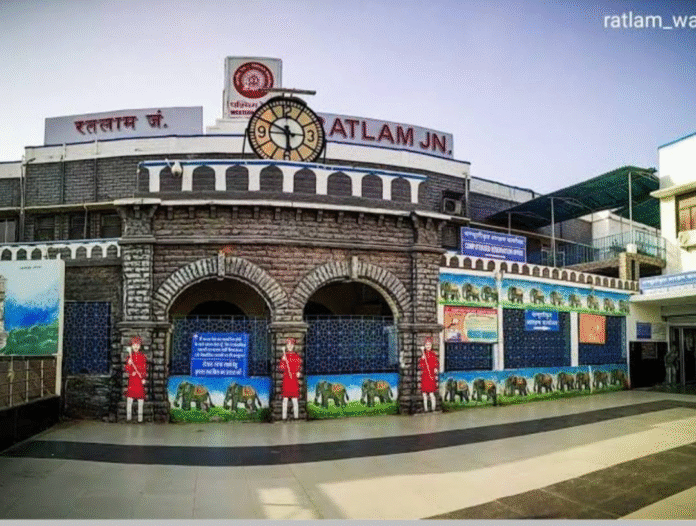
Nestled in the northwestern part of Madhya Pradesh’s Malwa region, Ratlam (also known as RTM) may appear as a modest city, but it plays a major role as a vital railway lifeline linking India’s biggest cities. Often called the “Namkeen Capital” of India, this historic town blends a glorious railway legacy with rich cultural traditions, colonial-era architecture, vibrant markets, and iconic culinary delights. As a key junction on the Western Railway, Ratlam has long served as the beating heart connecting the financial hub of Mumbai, the national capital Delhi, Ajmer, and Khandwa.

A Storied Railway Legacy Spanning Over 130 Years

Ratlam’s transformation into a crucial rail hub began in the late 19th century. The meter-gauge line arrived in 1874, followed by broad gauge in 1893, establishing it as an essential node on the historic Delhi-Mumbai main line.

The Ratlam Division officially formed on August 15, 1956, inaugurated by Shri Thakatmal Jain, then Chief Minister of Madhya Bharat. Today, it stands as one of the most important divisions under the Western Railway zone, with Ratlam Junction (code: RTM) classified as an NSG-3 category station featuring seven platforms.This early 20th-century station building, with its distinctive colonial architecture and prominent clock tower, remains a landmark. Ratlam has earned modern accolades too-it was the first “Clean Train Station” in Indian Railways and hosts a major Diesel/Electric Loco Care Center since 1967.
Recent developments include the 2021 electrification of the Ratlam-Fatehabad-Ujjain section and ongoing proposals for third and fourth lines to ease congestion. Strategically positioned, Ratlam connects to the Delhi-Mumbai Industrial Corridor, underscoring its industrial and logistical importance.

Cultural and Architectural Blend: Old Meets New

Ratlam showcases a harmonious mix of traditional Indian elements and colonial influences from its railway heyday. Surrounding the station are areas with heritage buildings, while the city serves as a gateway to Madhya Pradesh’s cultural diversity.
Vibrant local markets buzz with activity, offering everything from spices and textiles to everyday essentials, reflecting the region’s lively community spirit.

Ratlam: The Small City at the Heart of India Connecting the Nation's Major Metropolises by Rail

The Crown Jewel of Ratlam’s Heritage: Ratlami Sev

Beyond its rails, Ratlam is synonymous with Ratlami Sev, a crunchy, spicy sev (gram flour snack) that earned a Geographical Indication (GI) tag. Originating in the 19th century-some accounts trace roots even further to tribal Bhil communities or Mughal influences-this namkeen features a distinctive smoky flavor from deep-frying in iron kadhais, with bold notes of hing (asafoetida), black pepper, and clove.
Created initially for Marwari traders needing a portable, flavorful snack, it has made Ratlam the undisputed “Namkeen Capital.”

Ratlam: The Small City at the Heart of India Connecting the Nation's Major Metropolises by Rail

Promoting Responsible Tourism and Community Empowerment

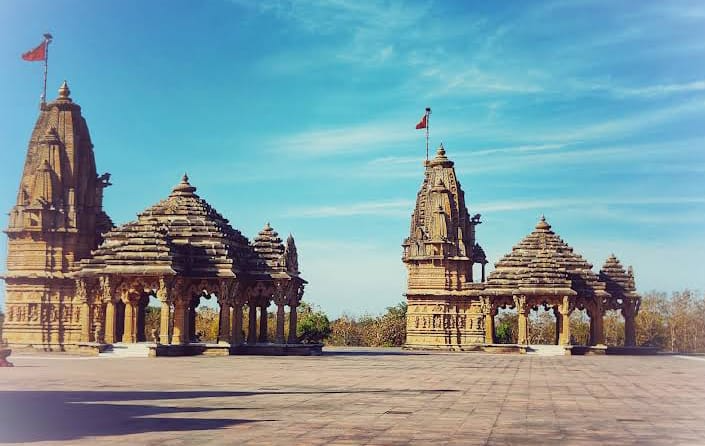
Ratlam aligns with Madhya Pradesh Tourism’s Responsible Tourism Mission (RTM), which emphasizes preserving heritage, empowering local communities, and delivering authentic experiences. Initiatives focus on sustainable practices, skill development, and highlighting local arts, crafts, and cuisine while minimizing environmental impact.Though not always spotlighted like other MP destinations, Ratlam offers genuine cultural immersion through its markets, temples (like Bibrod Teerth and Nageshwar Parshwanath), nearby bird sanctuaries, and, of course, its world-famous sev.

In essence, Ratlam proves that even a smaller city can hold immense significance. As the quiet yet indispensable connector of India’s major rail arteries, it embodies the spirit of connectivity, heritage, and resilience at the very heart of the nation. Whether you’re passing through by train or exploring its flavors and history, Ratlam welcomes you with open tracks and open hearts.

Vidisha District Museum Speaks the Story of Living Treasure of 2200-Year-Old Ancient Indian Heritage from Besnagar!

0

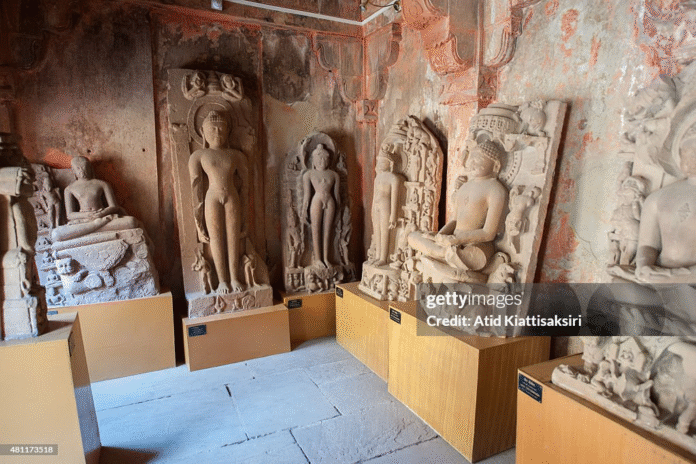
The Vidisha District Museum (also known as Vidisha District Archaeological Museum) is a premier archaeological institution in the historic city of Vidisha, Madhya Pradesh, India. Established in 1964 by the Directorate of Archaeology, Archives and Museums, Government of Madhya Pradesh, it preserves and displays artifacts primarily from the ancient city of Besnagar (ancient Vidisha).

Vidisha, situated at the confluence of the Betwa and Bes rivers, was known in ancient times by names such as Besnagar, Bhilsa, Bhelsa, Bedsa, and Alamgirpur. It served as a major cultural, religious, and trading center during the Mauryan, Shunga, Gupta, and Paramara periods. Excavations in the early 20th century and discoveries during stone quarrying in the 1940s revealed numerous sculptures, terracottas, coins, and inscriptions, prompting the need for a dedicated museum to conserve and showcase this rich heritage.

Vidisha District Museum Speaks the Story of Living Treasure of 2200-Year-Old Ancient Indian Heritage from Besnagar!

Location and Structure

Located centrally in Vidisha city along the Sagar-Vidisha Road, near the Betwa River, the museum is an open-air gallery with three outdoor sections for display. Managed by the state’s archaeology department, it houses over 1,700 antiquities, including stone sculptures, lithic inscriptions, terracotta figures, coins, and architectural fragments. The collection draws from sites like Besnagar, Udayagiri Caves, Pawaya, and surrounding areas, reflecting the region’s layered history from antiquity to the medieval period. It emphasizes Shaiva, Vaishnava, Shakta, and Jain religious art, making it a systematic narrative of central India’s cultural evolution.

Collection Overview and Key Periods

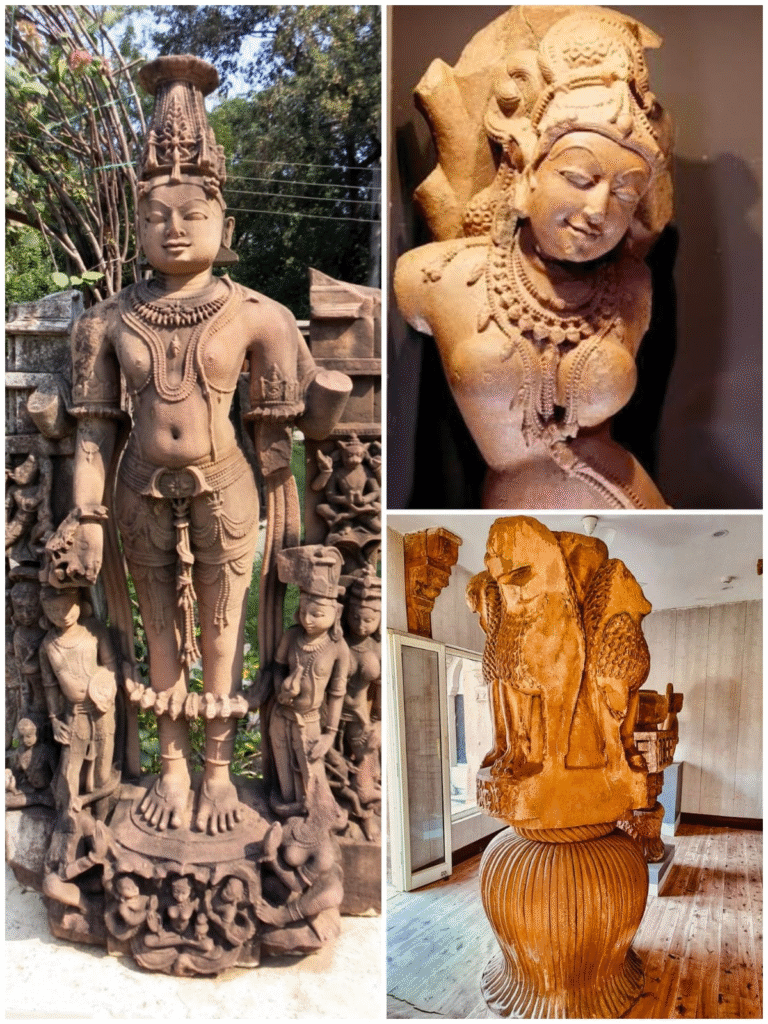
The museum’s holdings span from the Mauryan-Shunga era (2nd century BCE) through the Gupta period (4th-6th centuries CE) to the early medieval (8th-12th centuries CE) Paramara times, with some Harappan influences noted. Highlights include stone sculptures of Hindu, Jain, and nature-spirit deities, terracotta figurines, ancient coins, inscriptions, and excavation finds. The artifacts showcase artistic excellence in depicting deities, mythical beings, and daily life motifs, providing insights into religious diversity, trade, and craftsmanship in ancient central India.

The Iconic Colossal Kubera Yaksha: Museum’s Star Attraction

The museum’s most celebrated masterpiece is the Kubera Yaksha, a monolithic sandstone statue dated to 99-1 BCE (late Mauryan or early Shunga period, approximately 2200 years old). Discovered in 1957 from the Betwa River bed, this colossal figure stands at 337 cm (over 11 feet or about 3.37 meters) tall. The Yaksha, identified as Kubera (god of wealth), is depicted in a frontal stance with a robust build-large head, thick neck, rounded belly-adorned in a dhoti, multi-stranded necklaces, thick spiral earrings, armlets, and holding a bag of coins in the left hand (though the hand is partially damaged).

Accompanying it is a 207 cm tall Yakshi figure holding mango leaves and fruits. These free-standing sculptures highlight early Indian monumental yaksha worship and are among the best-preserved examples from Besnagar.

Other Notable Sculptures and Artifacts

The collection features impressive pieces like Bhairavnath (with his dog), a panel of Jain Tirthankaras (including Mahavira engravings), statues of Kubera, Ganesha, Vishnu, Parvati, Brahma, Surya (early medieval), Sapta Matrikas, and various Jain Tirthankars such as Adinatha and Ambika. Gupta-period terracottas and sculptures from Pawaya and Udayagiri add depth, showing female busts, male torsos, heads, and narrative panels. Coins from ancient dynasties, architectural fragments, and inscriptions further enrich the displays, illustrating Vidisha’s role as a flourishing hub of art and religion.

Significance and Visitor Appeal

Vidisha District Museum stands as one of Madhya Pradesh’s key archaeological sites, offering history enthusiasts, scholars, students, and tourists a direct connection to ancient India’s spiritual and artistic legacy. Reviews highlight its fine collection of 8th-12th century sculptures and artifacts (some reconstructed), though the building condition receives occasional criticism. It complements nearby sites like Udayagiri Caves and Besnagar ruins. A must-visit for anyone exploring Madhya Pradesh’s heritage-here, you can witness over two millennia of cultural continuity through breathtaking stone masterpieces!

Salim Khan: Meet the Man Who Transformed Hindi Cinema’s Storytelling Forever…

0


Veteran Bollywood screenwriter Salim Khan, one half of the iconic Salim–Javed duo, turned 90 this year, marking a remarkable journey that transformed Hindi cinema’s storytelling forever. Born on November 24, 1935, Salim Khan is widely regarded as one of the most influential scriptwriters in Indian film history.

From Actor to Legendary Writer

Salim Khan began his career in the 1960s as an actor, debuting with the film Baaraat. In his early days, he worked under the screen name “Prince Salim” and appeared in nearly two dozen films, mostly in minor roles.

However, he soon realised that acting was not his true calling. Recognising his strength in storytelling, he transitioned to writing—a decision that would change the course of Bollywood cinema.

The Rise of Salim–Javed: A Golden Era of Bollywood

Salim Khan teamed up with lyricist and writer Javed Akhtar, forming the legendary duo Salim–Javed. Together, they delivered some of Hindi cinema’s biggest blockbusters, including:

  • Zanjeer
  • Deewar
  • Sholay
  • Don
  • Seeta Aur Geeta

Their scripts introduced powerful dialogues, strong characters, and socially relevant themes, setting a new benchmark for mainstream cinema.

Salim–Javed are credited with changing the way films were written in India, giving writers unprecedented recognition and respect. They were among the first screenwriters to achieve celebrity status, commanding fees and influence comparable to top actors and directors.

The duo also played a crucial role in shaping Amitabh Bachchan’s “angry young man” persona, which became a defining symbol of 1970s Bollywood.

Personal Life and Family

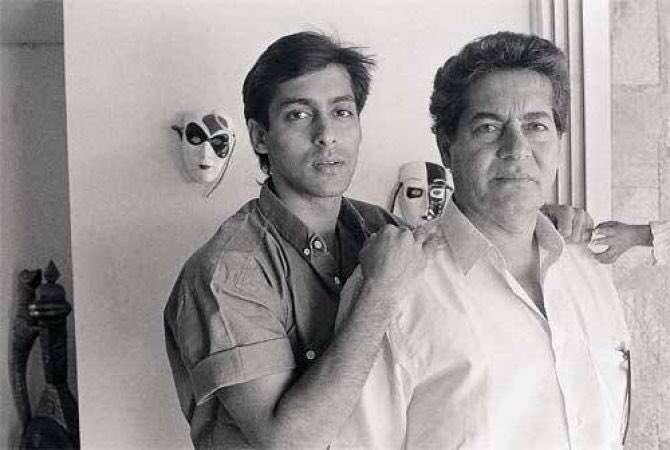
Salim Khan’s personal life has also been widely discussed. He married Salma Khan (formerly Sushila Charak) on November 18, 1964, and the couple had four children: Salman Khan, Arbaaz Khan, Sohail Khan, and Alvira Khan.

In 1981, he married actress Helen Richardson, and the couple later adopted Arpita Khan.

Today, the Khan family is among Bollywood’s most influential families. Salman Khan is one of India’s biggest film stars, while Arbaaz Khan and Sohail Khan are actors and producers. Alvira Khan is married to actor-director Atul Agnihotri, and Arpita Khan is married to actor Aayush Sharma.

Legacy of a Storytelling Pioneer

Salim Khan’s contribution to Indian cinema goes beyond films. He redefined the role of screenwriters, proving that writers are the backbone of cinema. His work continues to inspire generations of filmmakers, writers, and actors.

Even decades after his most famous scripts, the dialogues and characters created by Salim–Javed remain deeply embedded in Indian pop culture.

Tesla’s First Cybercab Rolls Off Production Line, Musk Says YouTuber May Have to Shave His Head

0

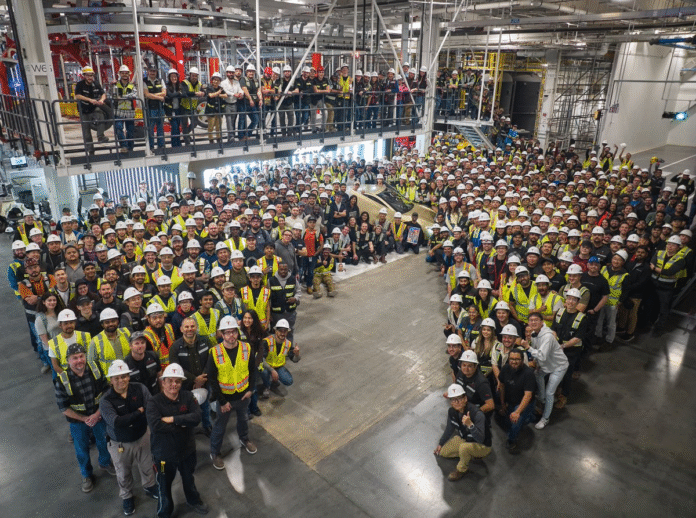
Tesla has rolled out the first Cybercab, its long-awaited self-driving robotaxi, from the production line at its Gigafactory in Texas, marking a major milestone in CEO Elon Musk’s push to transform the company into an autonomous mobility giant.

The electric vehicle maker shared the update on X (formerly Twitter), posting a photograph of employees celebrating the first build. While full-scale production is scheduled to begin in April 2026, the company has already started assembling early units of the futuristic two-seater vehicle.

Cybercab: Tesla’s Big Bet on Autonomous Future

The Tesla Cybercab is designed as a dedicated robotaxi with no steering wheel, pedals, or side mirrors, reflecting Musk’s vision of a fully autonomous future. The compact electric vehicle is expected to operate as part of Tesla’s self-driving fleet, expanding its robotaxi ambitions beyond modified Model Y vehicles currently used in pilot programs in the US.

Musk has previously claimed Tesla’s production lines could eventually manufacture a Cybercab every 10 seconds, signaling a push toward mass-market autonomous transport.

Price Under $30,000? Musk Challenges Popular YouTuber

Tesla has projected the Cybercab’s price to be below $30,000, a claim that popular tech YouTuber Marques Brownlee (MKBHD) had doubted. Brownlee famously said he would shave his head on camera if Tesla managed to deliver the Cybercab at that price before 2027.

Responding recently, Musk said, “It’s gonna happen,” hinting the company could meet the aggressive price target earlier than expected.

However, Tesla has a history of launching vehicles at higher prices than initially announced, as seen with the Cybertruck, which debuted at a higher cost than its early projections.

Features and Design

According to Tesla, the Cybercab will feature:

  • Wireless inductive charging
  • Butterfly-style doors
  • Sharp, futuristic design inspired by the Cybertruck
  • Lower-cost materials to keep prices affordable

The vehicle is expected to play a central role in Tesla’s planned global robotaxi network.

Market Reaction

Investor sentiment around Tesla stock turned bullish on Stocktwits following the announcement, though trading volume remained low. Tesla shares have gained around 16% over the past year, reflecting continued optimism around its AI and autonomous driving roadmap.

Elon Musk Calls to Revive U.S. Psychiatric Asylums, says ‘Make Asylums Great Again’

0


Elon Musk posted ‘Make Asylums Great Again!’ amid grief over the Rhode Island arena shooting, where Robert Dorgan killed his ex-wife and son before taking his own life, and the Canada rampage by Jesse Van Rootselaar that left eight dead.

Both shooters had documented mental breakdowns and identified as transgender, sparking debates on violence, gender, and care gaps. His call nods to U.S. deinstitutionalization since the 1950s-1980s, which cut psychiatric beds from over 550,000 to 30,000, leaving many untreated on streets or in jails, as Trump once echoed after other tragedies.