Home Blog Page 68

Brazilian Carnival Breaks Records: 65 Million Attendees, Grand Samba Celebrations Across Cities

0

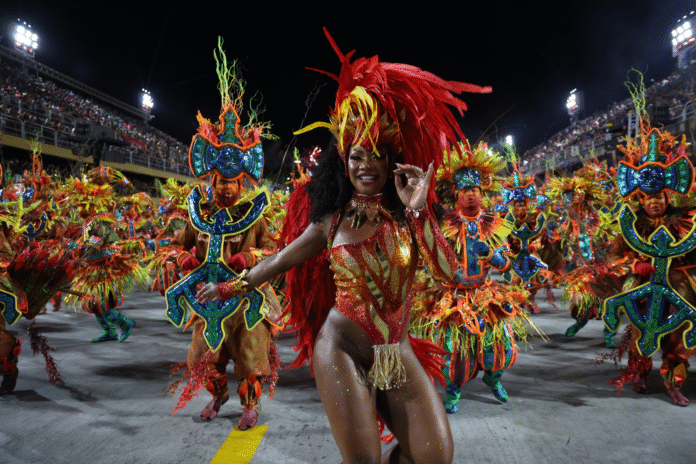
The world-famous Brazilian Carnival, one of the largest and most vibrant festivals on the planet, has reached its peak, drawing record-breaking crowds and transforming cities into hubs of music, dance and culture. The carnival began on February 13 and will continue until February 21, with celebrations spanning multiple cities, including Rio de Janeiro, São Paulo and Salvador.

This year, the festival is witnessing an unprecedented turnout, with an estimated 65 million people expected to participate nationwide. In Rio de Janeiro alone, nearly 8 million visitors are anticipated, making it one of the biggest editions in recent years. More than 4,000 artists and performers are participating in various parades, street parties and cultural events across Brazil.

Samba Schools and Grand Parades

The heart of the carnival in Rio lies at the iconic Sambadrome, where 12 elite samba schools are competing in the main parade competition. Dozens of other samba schools are participating in lower divisions, showcasing elaborate floats, costumes and choreographed performances.

Each major samba school employs thousands of professionals, including dancers, musicians, costume designers, artisans, tailors and set makers. Reports suggest that the budget of a rising samba school, Padre Miguel, is estimated at around ₹1.9 billion, highlighting the massive scale and economic significance of the event.

Economic Boost and Employment

The carnival also provides a significant boost to Brazil’s economy. In Rio alone, around 70,000 temporary jobs are created every year in sectors such as security, cleaning services, event management, hotels, restaurants and street vending.

Brazilian Carnival is not just a cultural spectacle but also a major economic engine, drawing tourists from across the globe and showcasing Brazil’s rich traditions of samba, music and artistic expression.
Key U.S. Allies Skip Trump’s ‘Board of Peace’ Summit, Raising Global Concerns

0

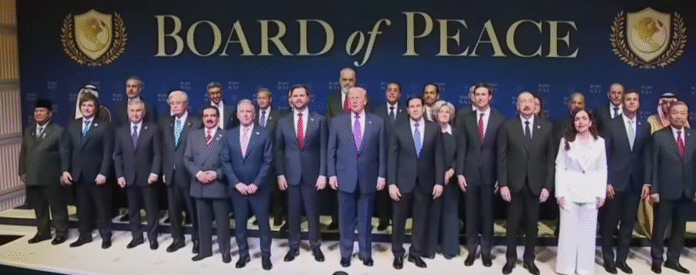
Former U.S. President Donald Trump’s ambitious new global initiative, the “Board of Peace,” held its first high-profile meeting this week in Washington, but the gathering was marked as much by notable absences as by its attendees.

While leaders from countries such as Hungary, Argentina, Turkey, Egypt, Pakistan, Armenia and the United Arab Emirates joined the summit, several of America’s closest allies chose to stay away, signaling deep skepticism about the project’s intent and structure.

Major Western Allies Decline to Join

Among the most prominent countries that skipped Trump’s peace initiative were:

  • United Kingdom
  • France
  • Norway
  • Sweden
  • Slovenia

These nations reportedly declined participation over concerns that the Board of Peace could undermine the role of the United Nations in global conflict resolution. Some also criticized the board’s charter for failing to clearly address the Gaza conflict, despite the summit’s stated focus on the fragile ceasefire in the region.

The Vatican also turned down Trump’s invitation. Pope Leo XIV’s office expressed concern that crisis management should primarily remain under the authority of the United Nations, rather than a new parallel structure led by the United States.

European Union Keeps Distance

The European Union chose not to formally join the Board of Peace, although it sent European Commissioner Dubravka Šuica to attend the meeting as an observer. Italy also participated in a limited observer role, signaling cautious engagement rather than full endorsement.

Canada Excluded from the Board

In a surprising twist, Canada was not merely absent but excluded altogether. Trump withdrew Canada’s invitation last month after Canadian Prime Minister Mark Carney warned of a potential “rupture” in the global order during a speech at the World Economic Forum. The move highlighted growing diplomatic tensions between Washington and Ottawa.

Russia Uncertain, Not Present

Russia also skipped the first summit. Although invited, Moscow said it was still evaluating its long-term position. Russian Deputy Foreign Minister Sergey Ryabkov confirmed that Russia would not participate in the inaugural meeting, adding uncertainty over whether the Kremlin would eventually join the initiative.

Criticism Over Legitimacy and Representation

Human rights experts and critics have questioned the legitimacy of the Board of Peace, calling it a potentially “colonial” framework that risks sidelining existing international institutions. Others have raised concerns about the lack of Palestinian representation in the Gaza-related decision-making process.

Despite the criticism, Trump expressed optimism, calling the initiative “one of the most important things” he would be involved in and insisting it could bring peace “all over the world.”

A Divisive Start

The absence of key U.S. allies underscores the diplomatic challenges Trump’s Board of Peace faces. While some countries see it as a bold attempt to reshape global peace efforts, others fear it could fragment international cooperation and weaken established multilateral institutions.

As the world watches, the success or failure of Trump’s ambitious peace body may hinge on whether skeptical allies eventually choose to engage—or continue to stay away.

Modi-Macron Milestone: ‘Special Global Strategic Partnership’ Announced – 114 Rafale Jets, Helicopter Factory, and Al Health Center Usher in New Era

0

PC: (France 24, Awaz the Voice)

Modi-Macron Milestone: 'Special Global Strategic Partnership' Announced – 114 Rafale Jets, Helicopter Factory, and Al Health Center Usher in New Era

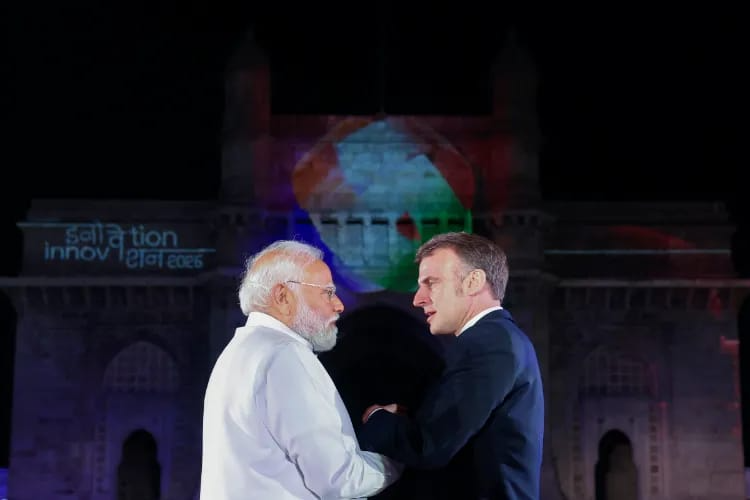
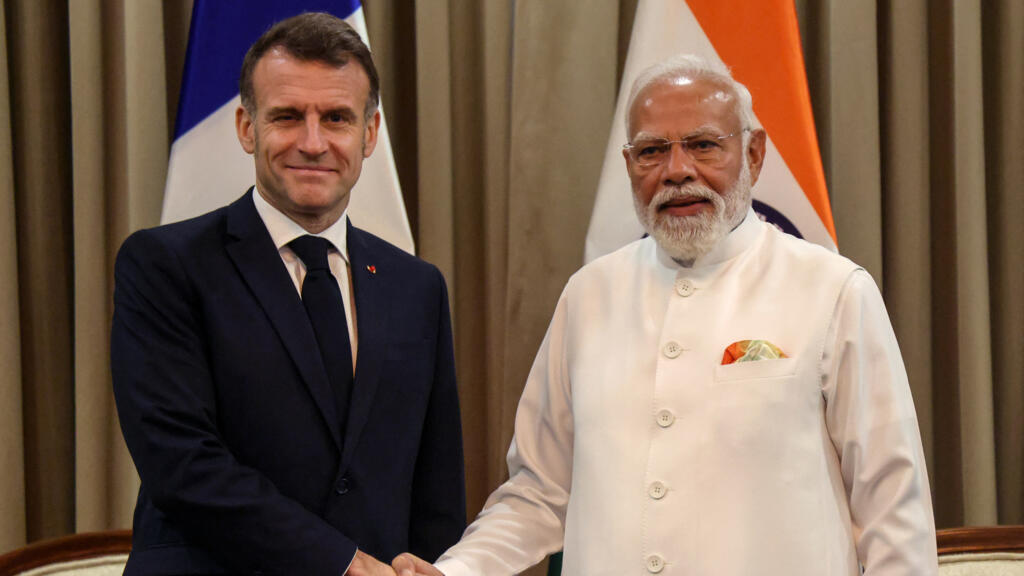
India and France have elevated their bilateral relationship to a Special Global Strategic Partnership, marking a significant milestone in their ties. This upgrade reflects deepening cooperation across defense, artificial intelligence (AI), technology, energy, and global issues amid a rapidly changing world order.

French President Emmanuel Macron’s three-day official visit to India from February 17-19, 2026, concluded with this historic announcement. The visit, his fourth to India since taking office, focused on shifting from traditional buyer-seller relations to joint production, innovation, and shared strategic visions -particularly in defense manufacturing under the “Make in India” initiative and “sovereign and inclusive” Al development.

Key Defense and Industrial Breakthroughs

A major highlight was the move toward co-production in defense. PM Narendra Modi and President Macron inaugurated India’s first private-sector helicopter manufacturing facility: a Final Assembly Line (FAL) for H125 helicopters in Vemagal, Karnataka. This facility is operated by Tata Advanced Systems in partnership with Airbus.

Other significant agreements included:

A joint venture between Bharat Electronics Limited (BEL) and Safran to manufacture HAMMER missiles in India. Advanced discussions on procuring 114 additional Rafale fighter jets for the Indian Air Force, emphasizing at least 50% indigenous content. Progress on acquiring 26 Rafale-Marine jets for the Navy and additional Scorpene-class submarines.
These deals signal a strategic pivot toward collaborative manufacturing and technology transfer, strengthening India’s defense self-reliance.

Al, Technology, and Innovation Focus

Al emerged as a central theme. President Macron was a key participant at the Al Impact Summit 2026 in New Delhi, where he lauded India’s “India Stack” as a global benchmark for digital identity and payments.

Modi-Macron Milestone: 'Special Global Strategic Partnership' Announced – 114 Rafale Jets, Helicopter Factory, and Al Health Center Usher in New Era

Key initiatives launched include:

The Indo-French Centre for Al in Health at AIIMS, New Delhi. The “India-France Year of Innovation 2026” in Mumbai to foster startup ecosystems, research, and collaboration. A joint commitment to developing secure, trustworthy Al that addresses the global digital divide and promotes sovereign capabilities. France’s adoption and expansion of India’s Unified Payments Interface (UPI) was also highlighted to simplify transactions for Indian tourists.

Economic, Diplomatic, and Resource Cooperation

The leaders signed an amendment to the Double Taxation Avoidance Agreement (DTAA) to boost bilateral investments. They also inked a Joint Declaration of Intent on critical minerals and rare earths exploration and processing.
Diplomatically, President Macron invited PM Modi to the G7 Summit hosted by France later in 2026. Space cooperation was reaffirmed through the TRISHNA satellite project.

Climate, Energy, and Global Alignment

Both nations recommitted to the Paris Agreement, renewable energy, and civil nuclear cooperation-including the Jaitapur Nuclear Power Plant and Small Modular Reactors (SMRs). They welcomed joint efforts under the International Solar Alliance and the Coalition for Disaster Resilient Infrastructure, both based in New Delhi.
On the Indo-Pacific, they emphasized a free, open, and rules-based order, with closer coordination via the India-Middle East-Europe Economic Corridor (IMEC) and trilaterals with Australia and the UAE.
The leaders expressed concern over the Ukraine war, calling for dialogue-based peace, supported a two-state solution in West Asia, and condemned terrorism with France extending solidarity after recent attacks in India.

Strengthening People-to-People Connections

Cultural and educational ties were prioritized. France aims to host 30,000 Indian students by 2030 (up from 10,000). New initiatives include academic partnerships, skill development, and a National Centre of Excellence in Aeronautics in Kanpur. Cultural exchanges will intensify through exhibitions, museum collaborations, and celebrations marking 30 years of strategic partnership in 2028.
This Special Global Strategic Partnership positions India and France as pivotal partners in addressing technological shifts, sustainable development, and global governance challenges in the coming decades. The visit underscores their shared commitment to strategic autonomy, innovation, and a multipolar world.

AI Impact Summit 2026: Flying Taxi Showcased in Delhi, Could Transform Urban Travel in India

0

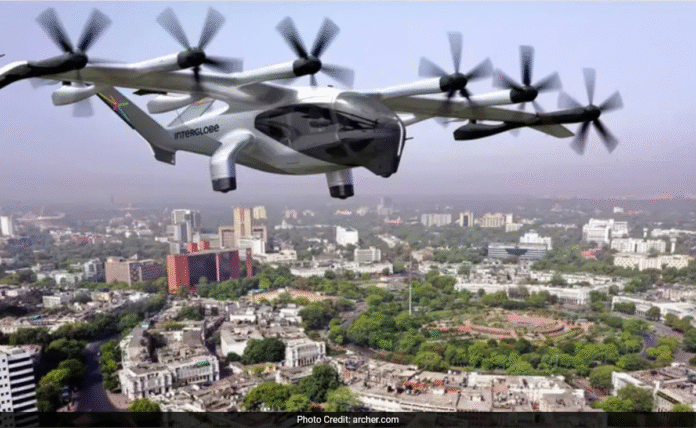
Flying taxis, once seen only in Hollywood sci-fi movies, could soon become a reality for Indians. At the India AI Impact Summit held at Bharat Mandapam in Delhi, a prototype of a fully electric air taxi was showcased, leaving visitors amazed and sparking discussions about the future of urban mobility.

A small, lightweight electric air taxi model was displayed in Hall 4 of the summit, attracting significant attention from tech enthusiasts, policymakers, and the public. The company claims the flying taxi could help commuters escape long traffic jams and drastically cut travel time in congested cities.

Designed for Urban Travel and Emergencies

Anushka Yadav, the company’s Brand and Design Associate, said the air taxi is being developed primarily for quick intra-city travel. She added that the technology could also be used for emergency services such as air ambulances, helping save lives by bypassing road congestion. In the future, the air taxi could also be used for cargo delivery and logistics operations, she said.

Key Advantages of the Flying Taxi

The electric air taxi offers several benefits for modern cities:

  • Zero emissions: Fully electric, producing no pollution or smoke
  • Traffic-free travel: Helps avoid road congestion and long delays
  • Compact landing area: Can take off and land in small urban spaces
  • High-speed mobility: Enables faster point-to-point travel within cities

Technical Features

According to the developers, the flying taxi has the following specifications:

  • Takeoff and landing space: Just 8 × 10 meters
  • Range: Up to 110 km on a single charge
  • Top speed: Around 160 km/h
  • Capacity: 1 pilot and 2 passengers, or up to 200 kg payload

Future of Air Mobility in India

Experts believe such air taxis could revolutionise urban transport in India, especially in megacities struggling with traffic congestion. While commercial deployment may still take time due to regulatory and infrastructure challenges, the showcase at the AI Impact Summit highlights India’s growing focus on advanced mobility, AI-driven transport, and smart city solutions.

Why Rajasthan Is a Shopper’s Paradise: Top 6 Must-Buy Items from the Desert State

0

With its rich heritage, royal history, and vibrant culture, Rajasthan is a treasure trove for shoppers. The bustling bazaars and colourful streets of the state offer exquisite handicrafts, traditional textiles, and artistic masterpieces that reflect centuries of craftsmanship. From royal jewellery to handcrafted pottery, Rajasthan offers far more than memories—every purchase tells a story of tradition and artistry.

Here are the top six must-buy items from Rajasthan:

1. Traditional Rajasthani Jewellery

Rajasthan is one of the world’s largest centres for gemstone cutting and traditional jewellery making. Each region has its own distinct jewellery style. Jaipur is globally famous for Kundan and Meenakari jewellery, while Pratapgarh is known for the unique Thewa jewellery, where intricate gold work is done on coloured glass. Whether you prefer silver tribal ornaments or royal gold jewellery, Rajasthan is truly a gem for jewellery lovers.

2. Rajasthani Miniature Paintings

Miniature paintings are among Rajasthan’s most celebrated art forms. Influenced by Mughal traditions, these paintings depict royal court scenes, romantic tales, and nature. Famous schools include Mewar, Bundi, Kota, Marwar, Jaipur, Bikaner, and Kishangarh. Painted on silk, paper, and cotton, these artworks are highly detailed and vibrant, making them perfect souvenirs or collectibles.

3. Phad and Pichwai Paintings

Phad paintings are traditional scroll artworks illustrating folk tales of heroes like Pabuji and Devnarayan, crafted by artists from Shahpura.
Pichwai paintings, originating from Nathdwara, depict Lord Krishna (Shrinathji) in elaborate scenes and are considered sacred offerings. Both art forms are rare, spiritual, and deeply rooted in Rajasthani culture.

4. Stone Handicrafts and Marble Art

Rajasthan is rich in natural stone, including marble, sandstone, Kota stone, and soapstone. Skilled artisans create statues, idols, carved panels, garden sculptures, and decorative items. Jaipur, Ajmer, Barmer, Kota, and Dungarpur are famous for stone craftsmanship, making stone souvenirs a timeless purchase.

5. Terracotta Pottery

Terracotta is an age-old village craft in Rajasthan. Potters make everyday utensils, piggy banks, hookahs, and decorative items. Unique styles include Alwar’s paper-thin kagzi pottery, Bikaner’s painted pottery, Molela wall plaques, and Pokaran clay bells. These earthy creations are affordable and culturally significant.

6. Textiles and Handwoven Fabrics

Rajasthan is a paradise for textile lovers. Popular fabrics include Bandhej tie-and-dye, Bagru and Sanganer block prints, Leheria sarees and turbans, and Jaipuri quilts. Each region showcases its own colours and techniques, making Rajasthani textiles globally admired.

Bonus: Wooden Handicrafts and Furniture

Though Rajasthan is largely arid, regions like Jaipur, Udaipur, and Kota provide quality wood for artisans. Intricately carved furniture, toys, chests, figurines, and antiques are popular among collectors and interior designers.

Conclusion

Rajasthan’s markets are living museums of tradition and craftsmanship. Whether you are a tourist, collector, or culture enthusiast, shopping in Rajasthan offers a unique opportunity to take home a piece of royal heritage.

World Day of Social Justice: Know Why It Is Celebrated And the Four Pillars Behind It…

0

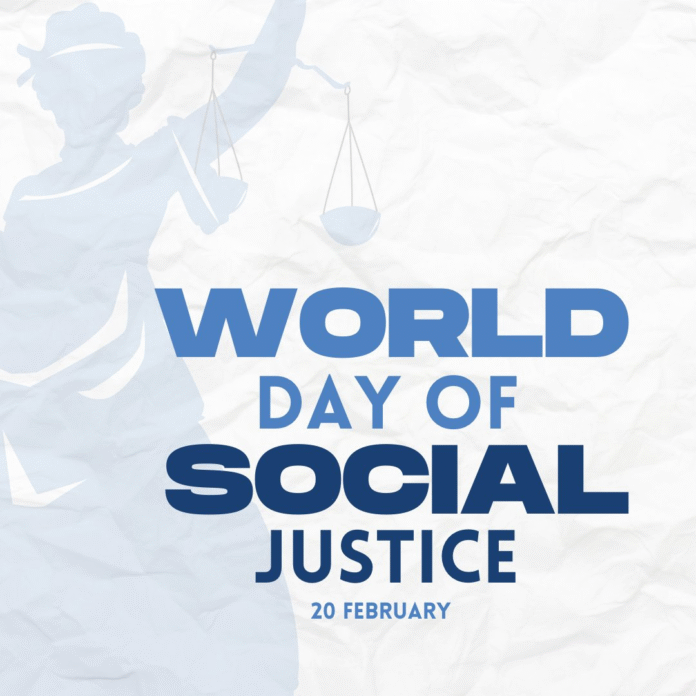
United Nations observes World Day of Social Justice every year on February 20 to emphasise the urgent need to promote social justice, equality, and inclusion across societies. The day was proclaimed by the UN General Assembly on November 26, 2007, with the objective of addressing deep-rooted global challenges such as poverty, unemployment, social exclusion, and inequality, while promoting human dignity and equal opportunities for all.

World Day of Social Justice serves as a global reminder that sustainable peace and development cannot be achieved without justice and fairness within and between societies.

2026 Theme

In 2026, the day is being commemorated following the Second World Summit for Social Development and the adoption of the Doha Political Declaration under the theme:
“Renewed Commitment to Social Development and Social Justice.”

The theme underscores the importance of inclusive public policies, targeted interventions, and global cooperation to reduce widening social and economic disparities.

The Four Pillars of Social Justice

A recent report by the International Labour Organization (ILO) highlights four essential pillars of social justice:

  1. Human and labour rights – Ensuring fundamental rights, safe working conditions, and protection against exploitation.
  2. Equal opportunities for all – Promoting non-discrimination and ensuring access to education, employment, and healthcare.
  3. Fair distribution of benefits – Reducing income inequality and ensuring that economic growth benefits all sections of society.
  4. Inclusive and fair societal transitions – Supporting workers and communities during economic, technological, and environmental transitions.

These pillars form the foundation for building equitable and inclusive societies worldwide.

World Day of Social Justice in India

India has been observing World Day of Social Justice since 2009, aligning its observance with constitutional values of equality, dignity, and social welfare. The government has implemented several initiatives aimed at promoting social justice, including:

  • Welfare schemes for marginalised communities
  • Educational and economic empowerment programmes
  • Skill development and employment initiatives
  • Social protection and rehabilitation schemes

Through these efforts, the country continues to work toward reducing inequality and ensuring inclusive development.

Key facts

  • Observed annually on February 20
  • Focuses on promoting equality, inclusion, and human dignity
  • 2026 theme highlights renewed commitment to social development
  • ILO outlines four key pillars of social justice

The 52nd Khajuraho Dance Festival 2026: Where Classical Dance Meets Timeless Temple Grandeur

0

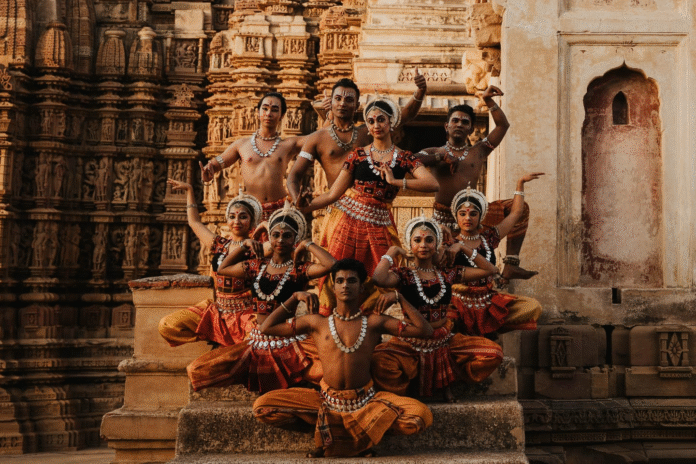
The 52nd Khajuraho Dance Festival is proudly continuing a glorious tradition of celebrating Indian classical dance against the stunning backdrop of the Khajuraho Group of Monuments, a UNESCO World Heritage Site. Over more than five decades, this iconic event has established itself as a premier platform for artistic excellence, cultural expression, and the preservation of India’s rich performing arts heritage.

Festival Highlights 2026

Beyond the spectacular main-stage performances by renowned and emerging artists, the 52nd edition introduces a vibrant array of curated experiences that celebrate dance, dialogue, craftsmanship, cuisine, and deep cultural immersion, transforming the festival into a comprehensive celebration of India’s living traditions.

Khajuraho Carnival

A national-level dance competition featuring craft exhibitions, food stalls, and diverse cultural performances. This lively carnival turns the festival venue into a colorful celebration of artistic diversity and regional traditions from across India.

Nataraja (New Addition):- An exquisite exhibition of sculptures depicting Lord Shiva’s cosmic dance forms, complemented by Shaiva-Shakta paintings. It offers a rare visual exploration of spiritual symbolism and classical iconography.

National Children’s Dance Festival:- A dedicated platform showcasing classical dance presentations by young emerging talents from all over India, nurturing the next generation of cultural torchbearers.

Laya Shala (23-25 February 2026)

Interactive sessions with eminent gurus representing various Indian classical dance traditions. A precious opportunity for meaningful discussions, knowledge sharing, and artistic exchange.

Kalavarta:- An interdisciplinary forum bringing together artists, scholars, critics, and cultural thinkers for thought-provoking discussions on aesthetics, heritage, and performance traditions.

Art Mart:- An exhibition-cum-sale featuring nature-themed watercolor paintings and traditional musical instruments used in Indian folk and classical music.

Hunar (20-26 February 2026)

A vibrant handicraft market displaying works by traditional artisans, celebrating India’s rich legacy of handcrafted artistry and creativity.

Shrijan:- Live demonstrations of clay sculptures inspired by Khajuraho’s architecture, along with showcases of traditional crafting techniques by skilled artisans.

Swaad :- A thoughtfully curated culinary experience presenting authentic regional cuisines from across India, honoring the incredible diversity of Indian flavors.

Madhya Pradesh Tourism Activities

Immersive experiential tours including visits to nomadic communities and villages, guided nature walks, camping adventures, Khajuraho village explorations, e-bike tours, water sports, thrilling activities, and family-friendly excursions.

All these carefully designed elements come together to elevate the 52nd Khajuraho Dance Festival into a multidimensional cultural extravaganza. Here, world-class performances, active participation, and ancient heritage converge in one unforgettable week.

If you’re passionate about Indian classical dance, temple architecture, or cultural diversity, mark your calendar for February 2026 in Khajuraho. This festival promises to delight the eyes, enrich the mind, and touch the soul!

Dates: 20-26 February 2026
Venue: Khajuraho Group of Temples
Organised by: Department of Culture, Government of Madhya Pradesh, through Ustad Allauddin Khan Academy of Music and Arts

From Thermocol Drone to Chinese Robodog: Galgotias University’s Epic Fail at India Al Impact Summit 2026

0

PC: (Aaj Tak, Social News XYZ)

From Thermocol Drone to Chinese Robodog: Galgotias University's Epic Fail at India Al Impact Summit 2026

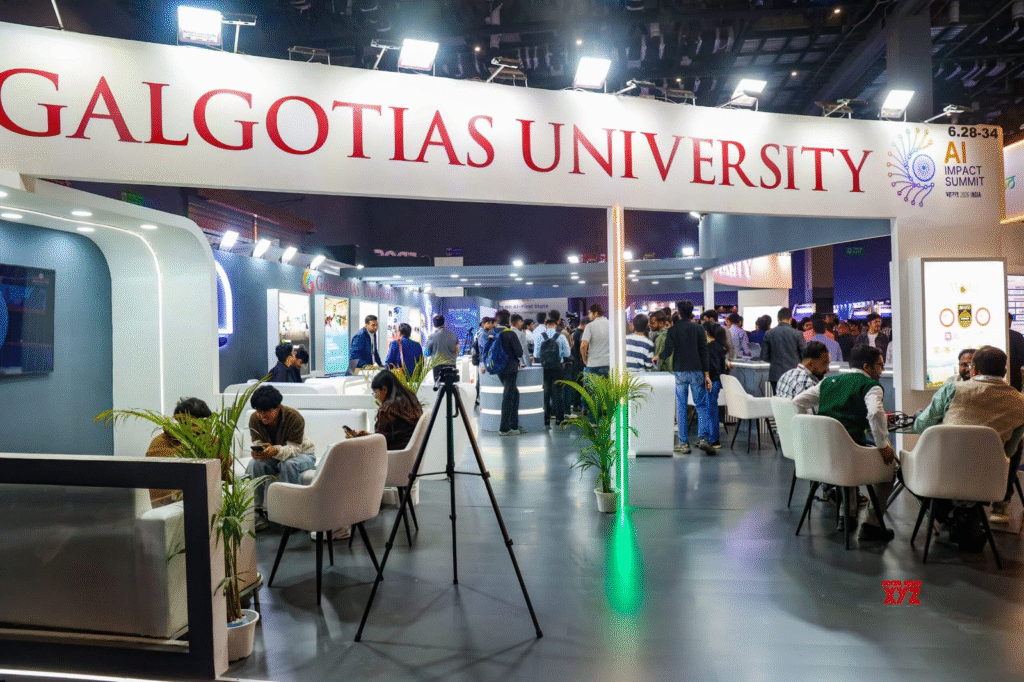
Galgotias University’s pavilion at the prestigious India Al Impact Summit 2026 turned into a viral embarrassment, sparking outrage, memes, and official intervention. What began as an attempt to showcase Al innovation ended with the university’s stall being vacated amid accusations of misrepresentation and substandard exhibits.

The high-profile event, focused on indigenous Al advancements under India’s Al Mission and attended by global leaders, saw Galgotias University’s displays draw sharp criticism for allegedly passing off imported or makeshift tech as homegrown breakthroughs. Social media erupted with mockery, calls for UGC accreditation review, and questions about standards in private higher education’s role in national tech showcases.

Primary Controversy: Passing Off a Chinese Robotic Dog as Indigenous Innovation

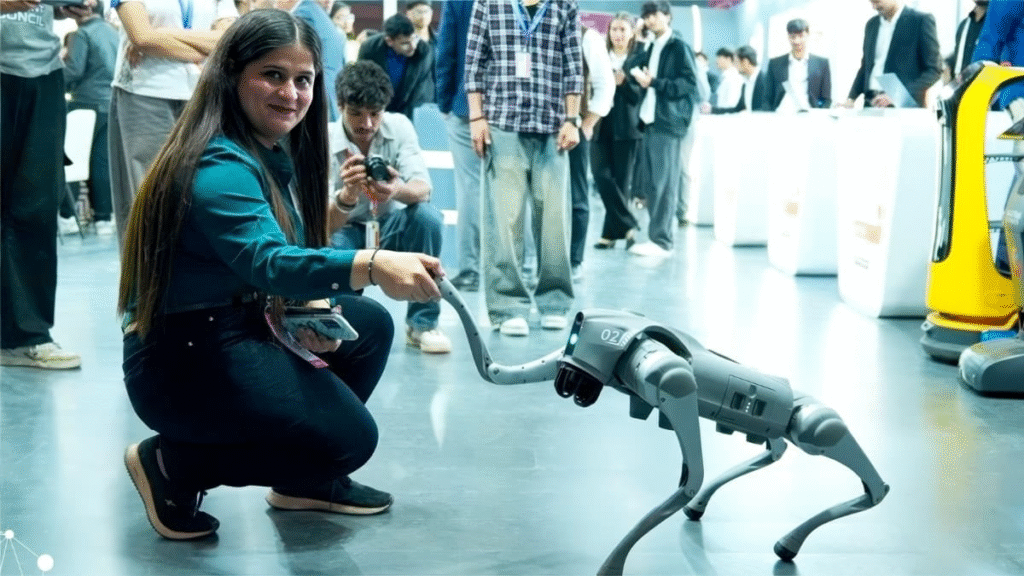
The biggest storm centered on a robotic dog displayed as “Orion” and presented as an in-house development by the university’s Centre of Excellence. Professor of Communications Neha Singh told state broadcaster DD News that the robot had been “developed” at the university, describing it as versatile for tasks like surveillance.

Social media users swiftly identified it as the Unitree Go2 – a commercially available quadruped robot from Chinese firm Unitree Robotics, priced at around 2-3 lakh and commonly used in global research and education.

The mismatch clashed directly with the summit’s push for self-reliant Al, leading to widespread accusations of misleading the public by rebranding imported tech as original Indian work.

Government sources confirmed that Galgotias was ordered to vacate its stall immediately. Power to the pavilion was cut, barricades erected, and staff/faculty seen packing up and leaving. A Meity official emphasized the move was to prevent “controversial agencies” from misleading attendees and to prioritize genuine indigenous exhibits.

In response, the university issued an apology, clarifying it “neither built nor claimed” to have built the robot. It stated the device was procured purely for student learning purposes and blamed the incident on an “ill-informed” representative’s miscommunication during media interactions.

From Thermocol Drone to Chinese Robodog: Galgotias University's Epic Fail at India Al Impact Summit 2026

Thermocol Drone’ Mockery

Adding fuel to the fire, a makeshift drone model at the pavilion – reportedly crafted from thermocol (styrofoam), wrapped in plastic/foil, and secured with rubber bands – became a target of ridicule. Many compared it to a rudimentary school science project rather than an advanced Al exhibit.

Netizens flooded social media with sarcastic
comments like: “Don’t fourth-grade kids make thesefor school projects?” and “Cancel this university’sUGC accreditation – they’re ruining students’ lives.”Viral videos and posts amplified the contrast between the summit’s cutting-edge focus and the low-tech display.

Additional Scrutiny: Drone Soccer Arena and Broader Claims

Reports also questioned a “drone soccer arena” promoted as fully in-house development, with allegations it closely resembled a commercially available product from South Korea. This fueled perceptions of exaggeration surrounding the university’s broader Al ecosystem claims, including investments exceeding ₹350 crore in labs and Centres of Excellence.
The back-to-back controversies triggered a meme frenzy, demands for accountability, and debates on ethical representation in tech education and national events. While Galgotias maintained the exhibits were meant to inspire learning, the episode highlighted the risks of over-enthusiastic claims in high-stakes forums promoting “Make in India” innovation.
As the dust settles, the incident serves as a cautionary tale for institutions navigating the spotlight of global Al showcases: authenticity matters more than optics.

India’s Hosting Dreams in Peril: ICC Eyes Australia as Backup for 2029 Champions Trophy and 2031 World Cup Amid Regional Chaos

0

PC: (iStock, Deccan Herald, Mint)

Geopolitical Tensions and Boycott Threats Put BCCI’s Mega Events at Risk – Neutral Venue Shift Looms as ICC Seeks Stability

India's Hosting Dreams in Peril: ICC Eyes Australia as Backup for 2029 Champions Trophy and 2031 World Cup Amid Regional Chaos

India’s Future Hosting Rights Under Threat

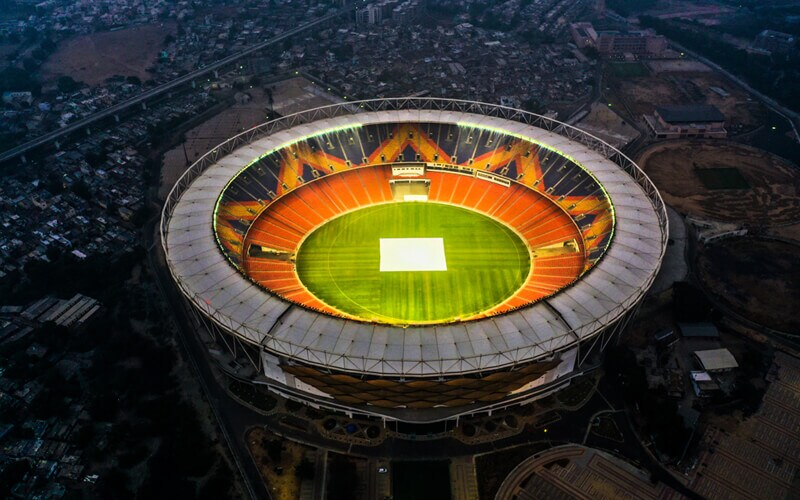
India’s plans to host two flagship ICC men’s tournaments—the 2029 Champions Trophy and the 2031 ODI World Cup-are suddenly under serious threat, according to a bombshell report in The Sydney Morning Herald. The International Cricket Council (ICC) is reportedly exploring contingency plans, including a potential switch to Australia as an alternative host, following major disruptions caused by political and diplomatic turbulence during the ongoing T20 World Cup.

Hybrid Model: Avoiding Direct India-Pakistan Clashes

Under the hybrid-model agreement finalized in December 2024 between the ICC, the Board of Control for Cricket in India (BCCI), and the Pakistan Cricket Board (PCB), India and Pakistan will avoid hosting each other’s matches in global tournaments (men’s or women’s) until 2031. Neutral venues have been used instead-such as Dubai for India’s games in the 2025 Champions Trophy (officially hosted by Pakistan) and Sri Lanka as a co-host for the current T20 World Cup.

How Regional Tensions Escalated into Cricket Chaos

However, escalating regional tensions have spilled over into cricket administration, creating uncertainty and financial risks for the ICC. The trouble reportedly escalated in early January when the BCCI removed Bangladesh’s star pacer Mustafizur Rahman from the IPL roster amid rising regional friction.

India's Hosting Dreams in Peril: ICC Eyes Australia as Backup for 2029 Champions Trophy and 2031 World Cup Amid Regional Chaos

Bangladesh’s Withdrawal and Pakistan’s Boycott Threat

Bangladesh responded by pressing the ICC to relocate their World Cup matches away from India over security fears-a demand the ICC rejected. With no compromise reached, Bangladesh ultimately withdrew from the tournament, infuriating Pakistan and sparking threats of a full boycott.

A Near-Miss That Jeopardized $250 Million in Revenue

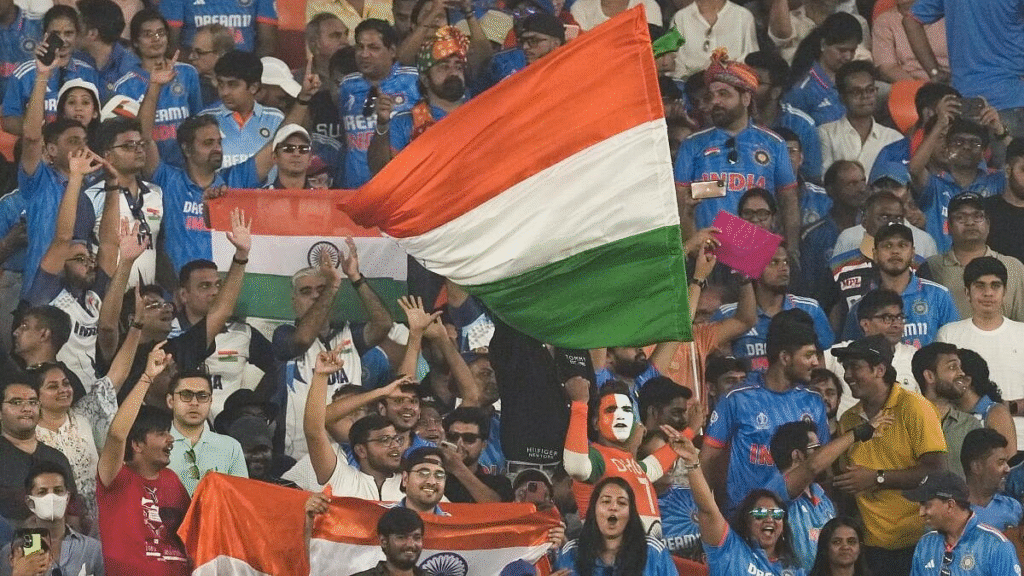
The potential Pakistan pullout jeopardized nearly USD 250 million in broadcast and commercial revenue. Intense behind-the-scenes negotiations eventually ensured the high-stakes India-Pakistan clash proceeded as planned last Sunday in Colombo, where India secured a commanding 61-run victory.

ICC Opens Contingency Talks for Future Stability

This near-miss has now sparked wider contingency talks among senior cricket officials. The ICC is evaluating backup host nations to safeguard future events from similar chaos.

Could the Hybrid Model Extend to Bangladesh?

While the current hybrid model applies specifically to India-Pakistan fixtures, the same principle could extend to Bangladesh if tensions persist though formal discussions between the BCCI and Bangladesh Cricket Board (BCB) are still pending following Bangladesh’s recent elections.

India's Hosting Dreams in Peril: ICC Eyes Australia as Backup for 2029 Champions Trophy and 2031 World Cup Amid Regional Chaos

Australia Emerges as the Leading Alternative Host

If scheduling uncertainty and broadcaster commitments continue to falter, the ICC could relocate the 2029 Champions Trophy (currently awarded to India) and the 2031 ODI World Cup (co-hosted by India and Bangladesh) to Australia. Australia is already lined up to co-host the 2028 T20 World Cup with New Zealand and has a proven track record of successfully staging high-profile India-Pakistan encounters.

Proven Success: Big Crowds and Perfect Time Zone

Notable examples include the 2015 ODI World Cup clash in Adelaide (41,587 fans) and the record-breaking 2022 T20 World Cup showdown at the Melbourne Cricket Ground (MCG), which drew a massive 90,293 spectators. Australia’s time zone also offers prime-time viewing advantages for the lucrative subcontinental television audience.

A Potential Major Blow to India’s Cricket Dominance

As geopolitical realities increasingly influence the sport, the ICC appears determined to prioritize tournament stability and revenue security-even if it means rethinking long-standing hosting arrangements in the subcontinent. This development marks a potential major blow to the BCCI’s global influence and India’s stature as cricket’s premier host nation. No official decision has been confirmed by the ICC yet, but the discussions highlight how fragile the balance remains in international cricket amid ongoing regional divides.

World Anthropology Day 2026 (19 February): Date, Theme, History, Careers, Research & Celebrations

0

World Anthropology Day is observed globally to celebrate the scientific study of humans, their cultures, societies, and evolution. Anthropology helps us understand how people live, adapt, interact, and shape civilizations across time. In a rapidly globalising world, this discipline plays a crucial role in promoting cultural understanding, social harmony, and sustainable development.

World Anthropology Day 2026 highlights the importance of studying human diversity, social behaviour, and cultural traditions while encouraging research that can solve modern social challenges.

World Anthropology Day 2026 Date

World Anthropology Day 2026 will be observed on Thursday, 19 February 2026.
The day is celebrated in universities, museums, research institutions, and academic communities worldwide to showcase anthropology’s contribution to understanding humanity.

World Anthropology Day 2026 Theme

Theme: “Celebrate. Engage. Inspire.”

The 2026 theme reflects anthropology as a living, evolving, and community-connected discipline. It encourages scholars and students to:

  • Celebrate cultural diversity and human knowledge
  • Engage with communities and share research with the public
  • Inspire curiosity, empathy, and global understanding

History of World Anthropology Day

World Anthropology Day originated as an academic initiative to recognise anthropology’s role in studying human life and societies. Over time, it evolved into a global observance featuring seminars, exhibitions, workshops, and interactive events.

The day draws attention to anthropology’s role in addressing issues like migration, cultural preservation, climate change, human rights, and social inequality.

Significance of World Anthropology Day

World Anthropology Day is important because it:

  • Celebrates the richness of human cultures and traditions
  • Promotes respect, empathy, and cultural awareness
  • Encourages interdisciplinary research influencing public policy
  • Inspires students to pursue careers in anthropology and social sciences
  • Enhances understanding of human evolution and shared heritage

Anthropology helps people appreciate both the diversity and unity of humanity.

Branches and Applications of Anthropology

Anthropology is a multidisciplinary field with wide applications:

  • Cultural Anthropology: Studies traditions, customs, and social practices
  • Biological Anthropology: Examines human evolution and adaptation
  • Archaeology: Explores ancient civilizations and artifacts
  • Linguistic Anthropology: Studies languages and communication
  • Applied Anthropology: Solves real-world problems in health, education, and development

These branches connect the past, present, and future of human societies.

Careers and Research Opportunities

Anthropology offers diverse career paths, including:

  • Academic research and teaching
  • Museum curation and heritage conservation
  • Forensic anthropology and law enforcement
  • Development and humanitarian organisations
  • Cultural policy and social research

World Anthropology Day inspires students to explore careers that promote social understanding and cultural preservation.

How to Celebrate World Anthropology Day 2026

  • Attend seminars, webinars, and lectures
  • Visit museums, archaeological sites, and cultural exhibitions
  • Participate in field studies or community research
  • Organise discussions on social and cultural issues
  • Share knowledge about human diversity on social media

These activities help people connect with anthropology beyond classrooms.

World Anthropology Day Speech (Short)

“On World Anthropology Day, we celebrate the science that helps us understand who we are as humans. Anthropology teaches empathy, respect, and curiosity about different cultures and histories. By engaging with communities and sharing knowledge, we can build a more inclusive and understanding world. Let us celebrate, engage, and inspire future generations through anthropology.”

Wishes & Messages for World Anthropology Day 2026

  • Happy World Anthropology Day! Celebrate humanity’s diversity and shared heritage.
  • May this day inspire curiosity, research, and cultural understanding.
  • Wishing students and scholars a meaningful journey into human studies.
  • Let anthropology guide us toward empathy and social justice.
  • Celebrate cultures, traditions, and human stories that shape our world.

Quotes on Humanity and Culture

  • “The purpose of anthropology is to make the world safe for human differences.” – Ruth Benedict
  • “Anthropology is the most humanistic of the sciences, and the most scientific of the humanities.” – Alfred L. Kroeber
  • “All cultures are unique, yet interconnected.” – Claude Lévi-Strauss
  • “Through studying humanity, we learn empathy and understanding.” – Unknown

Social Media Captions for World Anthropology Day 2026

  • Celebrating human diversity on #WorldAnthropologyDay
  • Discover how cultures shape our world
  • Anthropology teaches empathy, understanding, and unity
  • Explore human history, behavior, and traditions today
  • Celebrate the stories that make humanity unique