Home Blog Page 606

Jaipur Municipal Corporation Greater Mayor Dr. Soumya Gurjar Kicks Off Geeta Contest, Setting the Tone for Enthusiastic Participation

0

In a spirit of cultural and spiritual enrichment, Jaipur Municipal Corporation Greater Mayor, Dr. Soumya Gurjar, has ignited excitement for the upcoming Geeta Contest initiated by the Hare Krishna Movement Jaipur. The contest focuses on the first six chapters of the revered Shrimad Bhagwat Geeta, drawing immense interest from the people of Jaipur. Dr. Gurjar, as the first citizen of the Jaipur metropolis, not only expressed her enthusiasm for the competition but took a proactive step by filling out the first form. She also inaugurated the contest by unveiling its poster, marking the commencement of the registration process.

Details of the Geeta Contest:

Organized by Hare Krishna Movement Jagatpura Jaipur, the Geeta Contest encompasses Chapters 1 to 6 of Shrimad Bhagwat Geeta, with the registration period extending until February 28. The competition itself is scheduled for May 5. To encourage participants, the contest offers a first prize of ₹11,000, a second prize of ₹5,100, and a third prize of ₹2,100. As part of the preparation for the contest, participants can avail themselves of guidance every Monday and Wednesday from 8 to 9 pm on the School of Gita Live YouTube channel.

Community Enthusiasm:

The Geeta Contest has sparked a wave of enthusiasm among the residents of Jaipur, with people actively participating in this cultural and intellectual endeavor. The engagement reflects a collective interest in delving into the wisdom encapsulated in the Shrimad Bhagwat Geeta, fostering a sense of community spirit and intellectual growth.

Dr. Soumya Gurjar’s active involvement in the Geeta Contest serves as an inspiration for the people of Jaipur, emphasizing the cultural richness and spiritual exploration the competition offers. As registration gains momentum, the contest promises not only to be a platform for healthy competition but also a means of fostering a deeper connection with the teachings of the Shrimad Bhagwat Geeta within the vibrant community of Jaipur.

Now travel via train from Srinagar to Jammu watching pristine views

0

In a historic milestone, the Udhampur-Srinagar-Baramulla Railway Line (USBRL) is nearing completion, heralding a new era of connectivity for the picturesque Kashmir Valley. The project, strategically significant at Rs 37,012.26 crore, promises to not only provide all-weather connectivity but also drastically reduce travel time between Srinagar and Jammu, offering a seamless and hassle-free train travel experience to the people of India.

Reducing Travel Time and Enhancing Connectivity:

The USBRL project, executed by Konkan Railway Corporation Limited (KRCL) and Ircon International Ltd., is set to slash the travel time between Srinagar and Jammu from six hours to a mere 3 to 4 hours. This reduction not only brings relief to commuters but also opens up new possibilities for the region. The project, declared a “National Project” in 2002-03, has been commissioned in phases, with the last stretch between Katra and Banihal still underway due to topographical challenges.

Engineering Marvels and Technological Advancements:

The USBRL boasts several engineering marvels, including the world’s highest railway bridge, the Chenab Bridge, and India’s first cable-stayed rail bridge, the Anji Khad Bridge. The T-49 tunnel, the longest in the Indian Railways at 12.7 km, showcases the project’s commitment to overcoming challenging Himalayan terrain. The use of the New Austrian Tunnelling Method (NATM) since 2008 underscores the project’s reliance on advanced technology, making USBRL the most difficult new railway line project on the Indian subcontinent.

Impact on Connectivity and Accessibility:

Once operational, the USBRL is expected to significantly improve connectivity and accessibility between Jammu and Srinagar. Mehraj-Ud-Din Lone, a senior geologist who worked on the project, highlights its potential to serve as a crucial link between Baramulla district in the Kashmir Valley and the outside world, facilitating the rapid movement of people, goods, and security personnel.

Economic and Social Benefits:

The USBRL project holds promise for the economic and social development of the region. With completion of approach roads, more than 73 villages will be connected, benefiting approximately 1,47,000 people. The project is also set to bypass landslide and accident-prone areas along the Srinagar-Jammu National Highway (NH44), reducing the frequency of disruptions and accidents that have plagued the region for years.

Boost to Agriculture and Tourism:

One of the significant advantages of the USBRL is the improved access it provides to outside markets for Kashmir’s fruit growers. The reliance on NH44, prone to frequent disruptions, will be diminished, offering a more reliable and efficient means of transportation. Additionally, the USBRL is expected to boost the tourism industry in Jammu and Kashmir, opening up new opportunities for employment and economic growth. Local youth are anticipated to benefit from increased tourist footfall, creating a positive impact on the region’s economy.

As the Udhampur-Srinagar-Baramulla Railway Line approaches completion, it signifies a transformative development for Jammu and Kashmir, bringing with it economic growth, enhanced connectivity, and a brighter future for the region. The USBRL is not merely a railway line; it is a symbol of progress that holds the promise of connecting the picturesque Kashmir Valley with the rest of India, fostering development and prosperity for generations to come.

Ghaziabad Student, Mohit Pandey, to Serve as Priest at Ayodhya Ram Temple

0

A Ghaziabad student, Mohit Pandey, has been chosen to serve as a priest at the upcoming Ram Temple in Ayodhya. After spending seven years at Dudheshwar Ved Vidyapeeth, Pandey continued his education in Tirupati. His selection comes after a rigorous process that involved interviewing 3,000 applicants, with only 50 ultimately chosen for the prestigious position. Before officially assuming his duties, Pandey will undergo a comprehensive six-month training program.

The recruitment drive, overseen by the Shri Ram Janmabhoomi Teerth Kshetra Trust, saw an overwhelming response, with 3,000 candidates vying for the position. The Trust meticulously shortlisted 200 candidates based on merit for the interview process. The three-member interview panel, comprising Hindu preacher Jaykant Mishra and Mahants Mithilesh Nandini Sharan and Satyanarayan Das from Ayodhya, is tasked with selecting the final 20 candidates for the coveted priestly roles.

The interviews, held at Karsevakpuram in Ayodhya, involve rigorous questioning about various puja procedures, including ‘Sandhya Vandan,’ mantras, and specific rituals related to the worship of Lord Ram. Non-selected candidates who make it through the shortlisting process will be granted certificates and may be considered for future priest positions. Govind Dev Giri, the treasurer of the Ram Mandir Trust, confirmed this opportunity for the candidates.

The chosen 20 candidates will undergo six months of training at Karsevakpuram, where they will delve into a religious syllabus crafted by esteemed seers. The training includes free accommodation and meals, along with a monthly stipend of Rs 2,000 for each participant. As Ayodhya prepares for the construction of the Ram Temple, the selection and training of dedicated priests like Mohit Pandey reflect the careful and considered approach taken by the Shri Ram Janmabhoomi Teerth Kshetra Trust in shaping the religious landscape of this revered site.

Thailand is sending soil to the Ram Janambhoomi ahead of the inauguration of the Ram Temple in Ayodhya 

0

Priyanshi Pareek reports on the recent news of Thailand sending soil to Ayodhya..

The soil is being sent from the city of Ayutthaya which is 3,500 km away from Ayodhya. This act follows the earlier gesture of sending water from two rivers in Thailand to Ayodhya.

Thailand said it has a deep cultural connection with India. Kings belong to Lord Ram’s descendants. A famous city in Thailand was known as Ayutthaya, where its kings bore the title of ‘Ramatibodhi’.

It’s fascinating how Ayutthaya’s historical ties to the Kingdom of Siam and its significance as an economic hub connect with contemporary gestures like sending items to the Ram Mandir in Ayodhya. This recent act echoes a prior gesture of sending water from Thai rivers for the temple, highlighting the enduring cultural bonds between Thailand and India, which seem poised to strengthen even more in the future.

The collaborative efforts of Vishva Hindu Parishad (VHP) and Susheelkumar Saraff, President of VHP’s Thailand chapter, have paved the way for these meaningful exchanges. 

Swami Vigyanananand, the founder and global chairman of the World Hindu Foundation (WHF), emphasized the profound cultural and historical connections between India and Thailand. He highlighted the intriguing lineage of several Thai kings being descendants of Lord Ram and carrying the tradition of including “Ram” in their names—a practice that echoes the enduring ties between the two nations.

Swami Vigyanananand shared that Bangkok, the capital of Thailand, holds a rich Hindu cultural heritage and highlighted plans for 51 countries to witness Lord Ram’s consecration in Ayodhya.

As the chief organizer of the World Hindu Congress, he mentioned the live telecast of the ceremony in Bangkok, anticipating the global convergence of Hindus engaging in kirtans, bhajans, puja, and recitations. 

Additionally, preparations include ordering prasad from Ayodhya, constructing a replica of the Ayodhya temple, and bringing an image of Ram Lalla’s birthplace, which will be distributed among all the delegates.

Ayutthaya’s connection with Lord Rama

Ayutthaya, a renowned city in Thailand, held a significant historical link as its kings were titled ‘Ramatibodhi’ or “Lord Rama.” This city’s association with Ayodhya, mentioned as Lord Rama’s capital in the Ramayana, adds depth to its cultural narrative. Serving as the capital for Siamese rulers from 1351 AD, Ayutthaya faced near-total destruction due to Burmese forces in 1767.

In Thai religious literature, the Ramkeen stands as a significant text akin to the Thai Ramayana. Ramanujan, author of ‘300 Ramayana,’ has drawn comparisons between Ramkeen and Valmiki’s Ramayana. Believed to have been composed by King Rama I in the 18th century, the book’s primary antagonist, Thotsakan, resembles the Hindu text’s Lankan king, Ravana. It showcases the ideals of Ram through its protagonist, Phra Ram.

Deeper cultural similarities between India and Thailand

The cultural parallels between India and Thailand extend further. Just as India celebrates Kartik Purnima and Dev Diwali, Thailand observes the ‘Loy Krathong’ festival, akin to India’s Diwali, as a significant festival of lights. This vibrant celebration is enthusiastically embraced across Thailand. During Loy Krathong, idols of Lord Shiva, Parvati, Ganesha, and Indra are prominently installed for people to worship, adding a spiritual dimension to the festivity.

Golden Globes 2024 Nominations: Barbie & Oppenheimer Take Center Stage

0

The much-anticipated Golden Globes nominations for the 81st edition were unveiled on Monday, December 11, revealing a diverse and star-studded lineup across both film and television. Notably, two new categories, cinematic and box office achievement, and best stand-up comedian on television, have been introduced, adding an exciting twist to the prestigious awards.

Cinematic Highlights

In the realm of cinema, the nominations are led by “Oppenheimer” and “Barbie,” featuring prominently in several categories. The Best Picture — Drama category boasts an impressive lineup with films like “Anatomy of a Fall,” “Killers of the Flower Moon,” and “The Zone of Interest.”

The Best Picture — Musical or Comedy category sees “Barbie” competing alongside titles like “Air,” “American Fiction,” and “Poor Things.” The acting categories feature stellar performances, including Bradley Cooper in “Maestro,” Leonardo DiCaprio in “Killers of the Flower Moon,” and Emily Blunt in “Oppenheimer.”

Television Excellence

Turning to the small screen, television series such as “1923,” “Succession,” “The Last of Us,” and “The Crown” dominate the drama category. Meanwhile, in the musical or comedy category, shows like “Abbott Elementary,” “Barry,” and “Ted Lasso” showcase the diverse range of talent on television.

Noteworthy Categories

The introduction of the Best Stand-Up Comedy on Television category reflects the evolving landscape of entertainment, with nominees like Ricky Gervais, Trevor Noah, and Amy Schumer earning recognition for their comedic prowess.

Breakthrough Categories

The inclusion of cinematic and box office achievement recognizes the impact of films such as “Barbie,” “Guardians of the Galaxy Vol. 3,” and “Spider-Man: Across the Spider-Verse,” showcasing the influence of these productions beyond traditional awards categories.

The Golden Globes 2024 promise to be a celebration of talent, diversity, and innovation across the entertainment industry. With “Barbie” and “Oppenheimer” leading the nominations, the stage is set for a captivating event that will undoubtedly shape the narrative of cinematic and television excellence for the year. Stay tuned for the winners’ announcement and witness the unfolding of a new chapter in the legacy of the Golden Globes.

Free Education Offered by Maharashtra Government for Transgenders in Public Universities

0

Priyanshi Pareek reports on free education scheme for transgenders in Maharashtra..

Maharashtra’s Higher and Technical Education Minister, Chandrakant Patil, has announced that the government will cover the tuition fees for transgender students enrolled in public universities.

Following a directive from the Maharashtra government, public universities in the state have committed to offering tuition-free education to students within the transgender community. University authorities, in an official statement, emphasized that this progressive move aims to promote inclusivity and ensure equal educational opportunities. Under this decision, transgender students will be granted tuition-free education across these universities and their affiliated colleges.

During discussions with Higher and Technical Education Minister Chandrakant Patil, vice-chancellors of state universities unanimously supported the initiative for universities to cover the complete fees of transgender students using their respective funds. A released statement highlighted the unanimous acceptance of the minister’s appeal to provide free education for transgender students.

This decision was reached in a meeting centered on evaluating the progress of the New Education Policy (NEP), attended by senior officials from the Higher and Technical Education Department.

In a move to benefit the transgender community in Maharashtra, public universities in the state have agreed to provide free education to students from transgender community. The decision has been taken following the suggestion of the state government to fund the studies of students belonging to the transgender community.

In 2014, the Supreme Court’s landmark decision acknowledged transgender individuals as a third gender. Subsequently, the CBSE and several state boards included transgender as a distinct category alongside male and female. However, numerous other state boards are yet to receive formal requests from transgender individuals to establish a specific category for them.

As per the 2011 census, there are approximately 4.88 lakh transgender individuals in the country, with a recorded literacy rate of 56.1 percent among them.

The National Education Policy (NEP) 2020 recognizes transgender children as part of the Socio-Economically Disadvantaged Groups (SEDGs). The Union government has strongly encouraged all state and national education boards to ensure equitable and high-quality education for every transgender student.

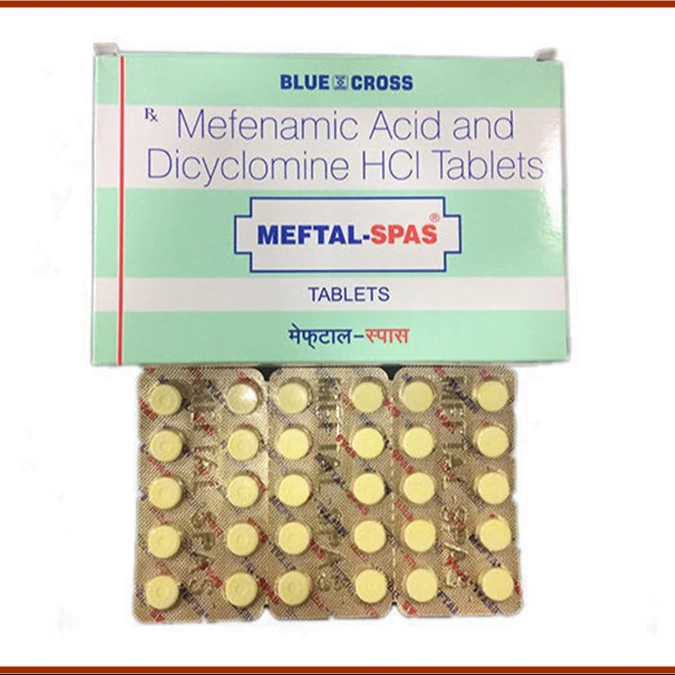
IPC Issues Alert for Meftal: What You Need to Know

0


The Indian Pharmacopoeia Commission (IPC), a regulatory body for pharmaceutical standards under the Ministry of Health and Family Welfare, has recently issued a drug safety alert concerning the widely used painkiller, mefenamic acid. Often recognized by its popular brand name Meftal, the alert serves as a cautionary measure for healthcare professionals and consumers

Adverse Reactions and Monitoring:
The IPC’s alert emphasizes the importance of close monitoring for potential adverse drug reactions associated with mefenamic acid. It specifically highlights a preliminary analysis revealing the occurrence of eosinophilia and symptoms indicative of the Drug Rash with Eosinophilia and Systemic Symptoms (DRESS) syndrome.

Understanding Mefenamic Acid:
Mefenamic acid belongs to the class of nonsteroidal anti-inflammatory drugs (NSAIDs) and is commonly prescribed for the treatment of mild to moderate pain. Additionally, it finds application in addressing menstrual cramps and other conditions, subject to a doctor’s prescription.

Known Adverse Reactions:
Healthcare professionals stress the significance of patient awareness regarding known adverse reactions, even though they are infrequently observed. Adverse effects such as eosinophilia and the DRESS syndrome, though rare, underscore the need for caution and careful consideration by both medical practitioners and patients.

The Role of IPC:
As an autonomous institution responsible for setting drug standards in India, the IPC regularly updates industry stakeholders on the standards and safety aspects of commonly used drugs. In this instance, their alert aims to prompt vigilance and proactive monitoring in the use of mefenamic acid.

Conclusion:
The IPC’s alert serves as a timely reminder for healthcare professionals and consumers alike to exercise diligence in the administration of mefenamic acid. By staying informed about potential adverse reactions and maintaining a cautious approach, both medical practitioners and patients can contribute to safer and more effective healthcare practices. Always consult with a healthcare professional for personalized advice and guidance concerning the use of mefenamic acid or any other prescription medication.

Sri Krishna’s Skyscraper: Unveiling Vrindavan’s Chandrodaya Mandir

0

Priyanshi Pareek reports on Vrindavan’s new temple in making Chandrodaya Temple..

The temple aims to establish a world-class and iconic monument dedicated to Sri Krishna in the sacred land of Vrindavan, aligning with Srila Prabhupada’s vision. The Vrindavan Chandrodaya Mandir seeks to elevate Krishna’s presence globally and put Vrindavan prominently on the world map. This endeavour is dedicated to contributing significantly to India’s future development.

Vrindavan Chandrodaya Mandir, currently in its initial construction phase in Vrindavan, Mathura, India, is envisioned to become the tallest religious monument globally. With an estimated cost of ₹700 crore (US$88 million), it is poised to be among the most financially significant temples worldwide. ISKCON Bangalore spearheads the temple’s planning. The ambitious design targets a towering height of approximately 700 feet (210 metres) or 70 floors, with a sprawling built-up area of 540,000 sq. ft. (~50,000 sq. m.). Spread across 62 acres of land, the project also allocates 12 acres for parking and includes provisions for a helipad.

History 

In 1972, Srila Prabhupada, the revered founder and Acharya of ISKCON, expounded on the principle of Yukta Vairāgya while standing in front of Sri Rupa Goswami’s Bhajan Kutir—a humble abode where ascetics engage in spiritual practices like chanting Krishna’s names, writing, and teaching. He shared this wisdom with a group of a dozen or more western disciples accompanying him during his visit to Vrindavan, India.

He said:

Just like we have a tendency to construct skyscraper buildings. As in your country, you do. So you should not be attached to skyscraper buildings, but you can utilise the tendency by constructing a big temple like a skyscraper for Krishna. In this way, you have to purify your material activities.

— Srila Prabhupada’s lecture in Vrindavan, 29 October 1972

Motivated by Srila Prabhupada’s vision and teachings, the devoted members of ISKCON Bangalore meticulously followed his instructions and conceived the ambitious project of the Vrindavan Chandrodaya Mandir—a towering temple dedicated to Lord Sri Krishna.

The auspicious foundation stone laying ceremony for the Chandrodaya temple took place on 16 March 2014, coinciding with the eve of the sacred festival of Holi, in the Mathura district.

Construction

Madhu Pandit Dasa held a meeting with President Pranab Mukherjee, presenting the temple’s concept. In March 2014, the Uttar Pradesh Chief Minister Akhilesh Yadav inaugurated the project. Subsequently, on 16 November 2014, President Pranab Mukherjee laid the temple’s foundation stone. Presently, the temple building is undergoing construction. Notably, the original architectural design has undergone two revisions, in 2019 and 2022

Historic Achievement: Vaishali Rameshbabu Becomes India’s Third Female Chess Grandmaster

0

In a groundbreaking accomplishment for Indian chess, Vaishali Rameshbabu, a 22-year-old prodigious talent, secured the prestigious title of Grandmaster at the IV El Llobregat Open in Spain. This remarkable feat places her in the esteemed company of chess luminaries Koneru Humpy and Harika Dronavalli, making Vaishali only the third woman from India to achieve Grandmaster status.

What sets Vaishali apart is not only her individual success but also the historic milestone she shares with her younger brother, Rameshbabu Praggnanandhaa. Together, they have etched their names in chess history as the first-ever brother-sister pair to both hold the coveted Grandmaster titles. Additionally, the dynamic duo has achieved another unprecedented milestone by becoming the first brother-sister combination to qualify for the prestigious Candidates tournament.

The title of Grandmaster is the highest accolade a chess player can attain, and it is bestowed by the International Chess Federation, FIDE (Fédération Internationale des Échecs), the governing body headquartered in Lausanne, Switzerland.

Vaishali’s achievement adds another layer of glory to the Rameshbabu family, as her younger brother, Praggnanandhaa, made headlines earlier this year by becoming the world’s youngest player to reach the Chess World Cup final. In a riveting semi-final clash, Praggnanandhaa secured a thrilling victory over USA’s Fabiano Caruana in tie-breaks. Notably, he is the second Indian, following in the footsteps of chess legend Viswanathan Anand, to reach the final in Chess World Cup history.

The remarkable journey of Vaishali and Praggnanandhaa continues to inspire chess enthusiasts globally, as the sibling duo sets new benchmarks and paves the way for the future of Indian chess on the international stage. Their dedication, skill, and historic achievements mark a golden era for Indian chess, leaving an indelible imprint on the sport’s landscape.

Epicenter of Devotion: Radha Rani Temple of Barsana

0

Priyanshi Pareek reports on Radha Rani Temple of Barsana

Rani Temple

The Shri Radha Rani Temple is a significant Hindu temple situated in Barsana, within the Mathura district of Uttar Pradesh, India. This temple venerates the goddess Radha, with the primary deities being Radha and Krishna, worshipped as Shri Laadli Lal, meaning the beloved daughter and son of the town, together in harmony.

History

The Radha Rani Temple, possibly established 5000 years ago by King Vajranabh, Krishna’s descendant, deteriorated before Narayan Bhatt rediscovered its icons. In 1675 AD, Raja Bir Singh Deo built a temple, later reconstructed with Raja Todarmal’s aid during Akbar’s time by Narayan Bhatt.

Legend has it that Nanda, Krishna’s father, and Vrishbhanu, Radha’s father, were close friends. Fleeing the oppression of Mathura’s king, Kamsa, they settled in Nandgaon and Barsana respectively. Nanda made Nandishvar hill his home, while Vrishbhanu settled at Bhanugarh hill, which eventually became Radha’s abode. Both Barsana and Nandgaon now boast historical temples dedicated to Radha and Krishna atop Nandishvar and Bhanugarh hills respectively. The Nandgaon temple is known as Nand Bhawan, while the Barsana temple is revered as the Radha Rani Temple or Shriji Temple.

Architecture

The Shreeji Temple in Barsana showcases Mughal-influenced Rajput architecture with red sandstone, detailed carvings, arches, domes, and stunning paintings. Constructed using red and white stones symbolizing Radha and Krishna’s love, the temple resembles a magnificent palace from the Mughal era.

The Shreeji Temple’s ascent involves over 200 stairs, leading to Vrishabhanu Maharaj’s palace at the base, housing idols of Vrishabhanu Maharaj, Kirtida, Shridama (Radha’s sibling), and Shri Radhika. Nearby, the Brahma temple stands, along with the Ashtasakhi temple venerating Radha and her principal friends. Situated atop the hill, the temple offers a panoramic view encompassing the entirety of Barsana.

Festivals

Radhashtami and Krishna Janmashtami, celebrating Radha and Krishna’s birthdays, stand as the main festivals at the Radha Rani temple. The temple is adorned with flowers, balloons, and lights on these occasions. The deities are dressed in new attire and jewelry before the ceremonial “Aarti.” During these festivities, a special offering of 56 dishes, known as “Chappan Bhog,” is presented to Radha Krishna, later shared among devotees as blessed “Prasada.”

Additionally, Lathmar Holi holds significance, drawing devotees and tourists to the temple. This vibrant celebration begins a week ahead of Holi and extends until Rang Panchami, attracting visitors to join the festive fervor in Barsana.

Timings 

The time zone observed through India by the priest.

Summer Timings – Morning 05:00 am to 02:00 pm and Evening 05:00 pm to 09:00 pm.

Winter Timings – Morning 05:30 am to 02:00 pm and Evening 05:00 pm to 08:30 pm.