Home Blog Page 605

Why Vrindavan and Braj Dham are becoming tourist’s first preference as compared to other hill stations to visit?

0

Written by: Apeksha Agarwal

India, with its rich tapestry of diversity, cultural nuances, and spiritual heritage, offers a plethora of choices for those seeking unique experiences. The country’s vast landscapes and varied climate zones have often played a pivotal role in shaping people’s preferences for settlement or travel.

The dynamic nature of India’s cultural fabric is reflected in the choices people make regarding where they live or visit. Migrations driven by factors like climate, employment opportunities, and cultural affinity are not uncommon. In recent times, there has been a noticeable shift in interest, with more people turning away from the popular destinations of Manali and Kashmir to embrace the serenity and spirituality of Vrindavan and Bhraj Dham.

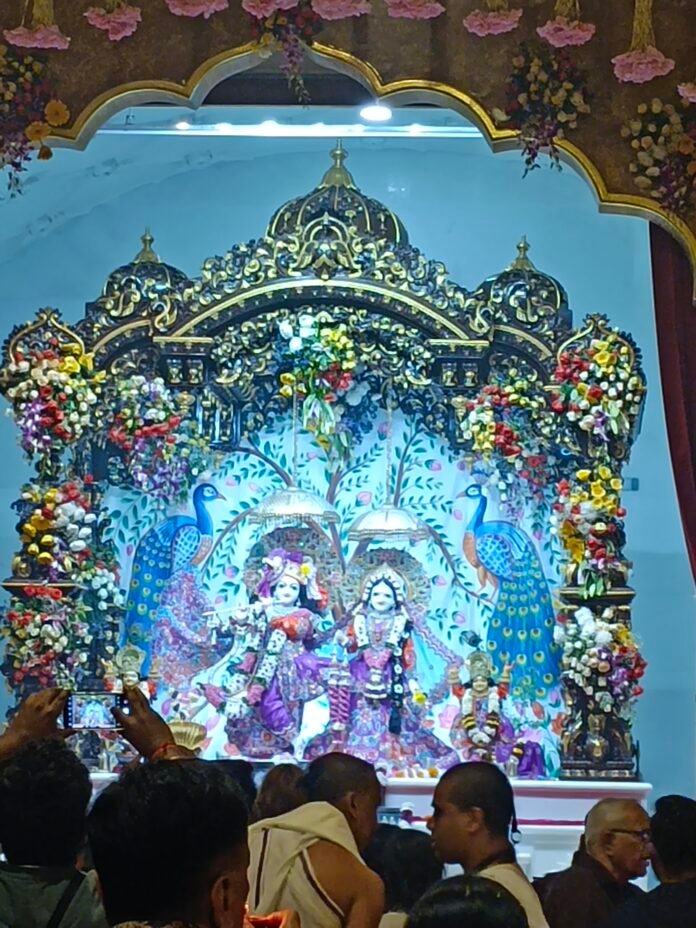
Vrindavan holds a special place in Hindu mythology, being associated with Lord Krishna and his spiritual exploits. Geographically situated in the north plateau region, Vrindavan boasts a pleasant climate, a stark contrast to the colder environs of Kashmir. The region’s plain topography and favorable weather conditions make it an attractive option for those seeking a change.

Moreover, Vrindavan and Bhraj Dham have gained prominence due to the vibrant celebrations of various cultural and religious events. The sheer magnitude of these festivities draws in crowds, adding to the allure of these spiritual hubs. In the realm of tourism, destinations like Kashmir and Manali have traditionally held sway, particularly among international travelers. However, the digital age, with its powerful influence of social media, is reshaping travel preferences.

Vrindavan has emerged as a social media darling, capturing the attention of the younger generation. The rich history of Indian culture, combined with the holy ambiance, has piqued the interest of those seeking more than just picturesque landscapes. While Kashmir and Manali remain popular tourist spots, the digital era has ushered in a new wave of fascination with the cultural heritage embedded in places like Vrindavan.

The reasons behind this shifting interest are diverse. Employment opportunities, cultural immersion, and climatic considerations are crucial factors influencing people’s decisions to migrate or shift their travel preferences. As India continues to evolve, so do the preferences of its people, creating a fascinating tapestry of diverse experiences and choices.

BCCI Retired Jersey No. 7 – THALA for a reason 

0

Priyanshi Pareek

The captain cool played his last match for the country in the 2019 World Cup Semi-Finals against New Zealand.

The BCCI made the decision to ‘retire’ M S Dhoni’s No.7 jersey as a tribute to his remarkable contributions to Indian cricket. Since his last match in 2019, no other player has donned the No.7 shirt. Similarly, Sachin Tendulkar’s No.10 remains unworn by any other player post his retirement in 2013, except for pacer Shardul Thakur, who briefly wore it on his ODI debut against Sri Lanka in 2017, facing significant social media backlash.

Since then, no one has played with a jersey with number 10 written on the back.

According to BCCI vice-president Rajeev Shukla, the Board took the decision on Thursday.

“He is a legendary player. His contribution to Indian as well as world cricket is immense. To honour his contribution, the decision to retire number seven has been taken by the BCCI,” Shukla told PTI.

Retiring jerseys of legends is a common practice in various sports. For instance, the Chicago Bulls retired Michael Jordan’s iconic No.23 jersey after his basketball career. In cricket, Dinesh Karthik, whose international tenure overlapped with Dhoni’s, was among the first to advocate for retiring the No.7 jersey following Dhoni’s retirement in 2020. Both Karthik and Dhoni were part of the unfortunate World Cup semifinal against New Zealand.

“Hope the BCCI retires the No.7 jersey in white ball cricket,” Karthik had posted back then. And, now it happened.

These days a meme ‘Thala for a reason’ is getting viral.

Eg.

  • 18 (Virat Kohli) = 1-8 = -7 Thala for           a reason
  • 10 (Sachin) – 3 (Raina) = 7 Thala  for a reason

These memes were started by the fans of MS Dhoni for supporting their idol.

Slowly the support turned into trolls for the trollers and they started comparing it with everything.

After the retirement of jersey fans are again saying THALA FOR A REASON.

Exploring India’s Rich Heritage at NABARD’s ‘Padharo Mhare Shilpgram’ National Exhibition

0

Jaipur is set to come alive with vibrant colors, traditional crafts, and the rich cultural tapestry of India as the National Bank for Agriculture and Rural Development (NABARD) presents the ‘Padharo Mhare Shilpgram’ national exhibition at Jawahar Kala Kendra from December 21 to 26. After a hiatus due to the pandemic, this event is a commendable initiative by NABARD, Rajasthan, to showcase and make available the diverse products of artisans and craftsmen from across the country.

Running from 11 am to 9 pm, this six-day extravaganza promises a unique shopping experience, offering visitors the chance to buy handicrafts, clothing, and other products directly from 150 artisans representing 19 states, including Rajasthan, Jammu-Kashmir, Assam, Gujarat, and Kerala.

Dr. Rajiv Siwach, Chief General Manager, NABARD, Rajasthan, highlights the exhibition’s significance in fostering direct connections between artisans and customers. This platform not only boosts artists’ incomes but also serves as a catalyst for the promotion of local arts.

The inauguration at Rangayan on December 21 at 11 am marks the beginning of a showcase that will include a diverse array of items such as Sitalpati products from Assam, Kathiawadi beadwork from Gujarat, handmade carpets from Haryana, handloom sarees from Karnataka, pure Tussar silk sarees from Maharashtra, and applique work products from Barmer.

A special attraction is the Geographical Indication (GI Tag) pavilion, featuring 19 products that have received the coveted GI tag from the Central Government. This pavilion not only allows visitors to purchase these unique products but also provides insights into their origin.

Adding a delightful touch of Rajasthan’s cultural vibrancy, the exhibition will feature folk art performances, including Chari dance, Bhavai, Ghoomar, Terhtali, Kalbeliya, and Gorband, accompanied by traditional folk songs. This event promises to be more than a shopping spree; it is a celebration of India’s rich heritage and a testament to the resilience and talent of its artisans.

Box Office Titans: Unveiling the Highest-Grossing Indian Films

0

Priyanshi Pareek reported on the highest-grossing Indian Films..

The ranking of the highest-grossing Indian films comprises movies from diverse languages, relying on conservative global box office estimates from credible sources. Notably, there’s no official domestic box office tracking in India, often resulting in pressured increases in reported figures by Indian sites.

Indian films have enjoyed a global presence since the early 20th century, being screened in markets across over 90 countries by 2003. The first decade of the 21st century witnessed significant growth in box office collections due to rising ticket prices, a threefold increase in theatres, and greater film print releases.

The majority of the highest-grossing Indian films belong to the Hindi cinema, representing 43% of India’s net box office revenue in 2014, followed closely by Telugu and Tamil cinema at 36%. Other regional industries constituted 21% during that period. By 2019, Hindi films maintained their lead with 44% of box office revenue, while Telugu and Tamil industries each held 13%. Malayalam and Kannada contributed 5% each, with Bengali, Marathi, Odia, Punjabi, Gujarati, and Bhojpuri also playing significant roles.

Notably, as of 2020, the combined revenue from other language film industries surpassed that of the Hindi film industry. Furthermore, by 2021, Telugu cinema emerged as the largest film industry in India in terms of box office performance.

For detailed domestic gross figures, refer to the ‘List of highest-grossing films in India,’ while overseas gross figures are available in the ‘List of highest-grossing Indian films in overseas markets.’

Highest Grossing Films

  1. Dangal

World-wide Gross – ₹2,023.81 Crore

Release Year – 2016

Language – Hindi

  1. Bahubali 2- The Conclusion 

World-wide Gross – ₹1,810.59 Crore

Release Year – 2017

Language – Telugu, Tamil

  1. RRR

World-wide Gross – ₹1,387.26 Crore

Release Year – 2022

Language – Telugu 

  1. KGF- Chapter 2

World-wide Gross – ₹1,200- ₹1,250 Crore

Release Year – 2022

Language – Kannada

  1. Jawan

World-wide Gross – ₹1,148.32 Crore

Release Year – 2023

Language – Hindi

  1. Pathan

World-wide Gross – ₹1.050.30 Crore

Release Year – 2023

Language – Hindi

  1. Bajrangi Bhaijan

World-wide Gross – ₹969.06 Crore

Release Year – 2015

Language – Hindi

  1. Secret Superstar 

World-wide Gross – ₹905.7 Crore

Release Year – 2017

Language – Hindi

  1. Animal

World-wide Gross – ₹784.44 Crore

Release Year – 2023

Language – Hindi

  1. PK

World-wide Gross – ₹750.59- ₹769.89 Crore

Release Year – 2014

Language – Hindi

  1. 2.O

World-wide Gross – ₹699.89 Crore

Release Year – 2018

Language – Tamil

  1. Gaddar 2

World-wide Gross – ₹691.08 Crore

Release Year – 2023

Language – Hindi

  1. Leo

World-wide Gross – ₹620.50 Crore

Release Year – 2023

Language – Tamil

  1. Sultan

World-wide Gross – ₹614.49- ₹615.7 Crore

Release Year – 2016

Language – Hindi 

  1. Jailer

World-wide Gross – ₹607- ₹610 Crore

Release Year – 2023

Language – Tamil 

Bhajan Lal Sharma Sworn in as Rajasthan Chief Minister in presence of PM Modi at the Grand Ceremony in Jaipur

0

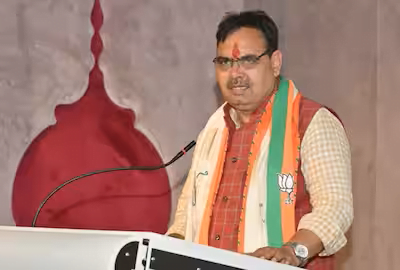
In a momentous ceremony held in the historic city of Jaipur, Bhajan Lal Sharma took the oath of office as the Chief Minister of Rajasthan on Friday. The event, marked by grandeur and political significance, witnessed the esteemed presence of Prime Minister Narendra Modi, adding an aura of national importance to the proceedings.

Accompanying Sharma in the oath-taking ceremony were the newly appointed Deputy Chief Ministers, Diya Kumari and Prem Chand Bairwa. The trio, representing diverse regions and communities, symbolizes a strategic move towards inclusivity and regional balance in the Rajasthan government.

Rajasthan Governor Kalraj Mishra officiated the oath of office, administering it to the Chief Minister and his deputies. The presence of Prime Minister Modi, BJP National President JP Nadda, and Union Home Minister Amit Shah underscored the significance of the event, signifying the support and endorsement from the central leadership.

The ceremony was not only attended by key national figures but also witnessed the participation of chief ministers from various states, showcasing the broad spectrum of political alliances and camaraderie. Leaders such as Manik Saha from Tripura, Eknath Shinde from Maharashtra, Pramod Sawant from Goa, Bhupendra Patel from Gujarat, and Pushkar Singh Dhami from Uttarakhand were among those present, reflecting the national reach and resonance of the occasion.

Vasundhara Raje, the former Chief Minister of Rajasthan and a prominent BJP leader, graced the event with her presence, emphasizing the unity and continuity within the party.

Bhajan Lal Sharma, hailing from Rajasthan’s eastern district of Bharatpur, clinched victory in the Sanganer assembly seat with an impressive margin. Securing 1,45,162 votes, he outshone his Indian National Congress opponent, Pushpendra Bhardwaj, who garnered 97,081 votes. Ahead of the inauguration, Sharma exhibited his reverence for tradition and spirituality by visiting the Govind Devji temple in the state capital, offering prayers alongside his family and supporters.

Noteworthy in the ceremony was the swearing-in of Deputy Chief Ministers Diya Kumari and Prem Chand Bairwa. Bairwa, the incumbent BJP MLA from the Dudu constituency, and Diya Kumari, who triumphed in the Vidyadhar Nagar constituency in Jaipur, bring diverse perspectives and experiences to the leadership team.

The electoral success of the Bharatiya Janata Party (BJP) in Rajasthan was evident in the ceremony, with the party securing victories on 115 seats. In contrast, the Indian National Congress (INC) trailed with 69 seats, highlighting the BJP’s widespread popularity and electoral dominance in the state.

As Bhajan Lal Sharma assumes the responsibilities of the Chief Minister’s office, the political landscape in Rajasthan undergoes a transformation, promising a new era of governance and development under his leadership. The oath-taking ceremony not only signifies a change in leadership but also sets the tone for collaborative governance and progress in the state.

Vishnu Deo Sai: Charting the Journey of Chhattisgarh’s New Chief Minister

0

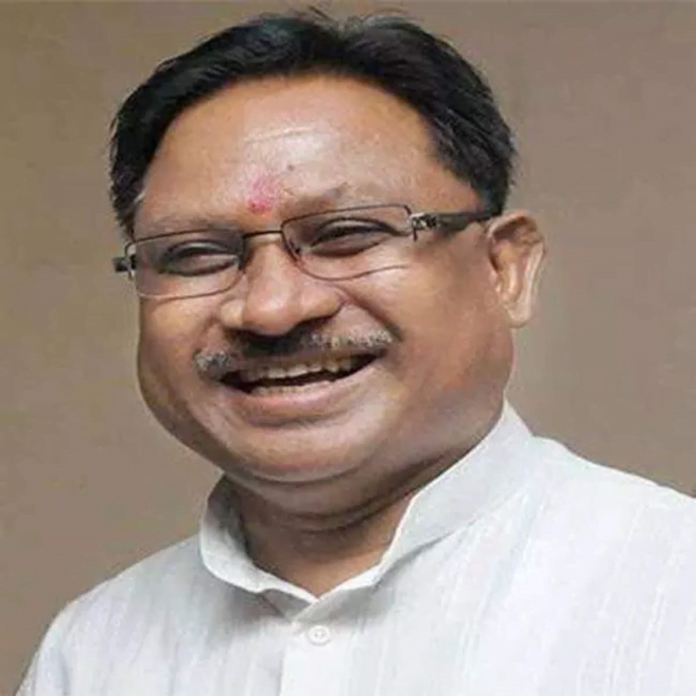
In a twist of political events, Vishnu Deo Sai, a seasoned BJP leader, emerges as the chosen leader to take the reins as Chhattisgarh’s new chief minister. Here’s a detailed exploration of the prominent political figure:

Historic Tribal Chief Minister:

   – Vishnu Deo Sai makes history by becoming the first tribal chief minister of Chhattisgarh, a significant milestone following the exclusion of Ajit Jogi’s ST status.

Political Roots and Family Legacy:

   – His political journey commenced at the grassroots level as a village sarpanch, representing Bagia village panchayat.

   – Coming from a family with a rich political legacy, Sai’s grandfather, Budhnath Sai, served as a nominated MLA, while his ‘bade pitaji’ Narhari Prasad Sai contributed significantly to the Jan Sangh (BJP’s predecessor) and held various political positions.

Union Minister of State:

   – Ascending through the political ranks, Sai transitioned from a village sarpanch to become the Union Minister of State for Steel in the first Cabinet under PM Modi.

Electoral Entry and Challenges:

   – Encouraged by the late BJP leader Dilip Singh Judev, Vishnu Deo Sai entered electoral politics in 1990, securing his first MLA seat from Tapkara.

   – Despite facing electoral challenges, including a defeat in the 1998 assembly polls, Sai persevered, showcasing resilience and commitment.

Lok Sabha Stint:

   – Sai’s political prowess manifested in his four consecutive wins in Lok Sabha elections, representing the Raigarh constituency from 1999 to 2014.

Educational Background and Origins:

   – Born in Jashpur, Sai, before venturing into politics, pursued agriculture and received his education in a government school in Kunkuri.

   – Hailing from the Kanwar tribe, Sai’s roots trace back to Jashpur, and he returned to his village in 1988.

2023 Assembly Elections Victory:

   – In the recently concluded assembly elections in Chhattisgarh in 2023, Vishnu Deo Sai secured victory from the north Chhattisgarh’s Kunkuri constituency, defeating the sitting Congress MLA.

Vision for Chhattisgarh:

   – Expressing his dedication, Sai emphasized fulfilling promises made under ‘Modi Ki Guarantee,’ particularly focusing on providing 18 lakh ‘Awas’ (houses) to the people of Chhattisgarh.

Party’s Leadership Amid Criticism:

   – The BJP faced criticism for delays in announcing chief minister names for Chhattisgarh, Madhya Pradesh, and Rajasthan. The appointment of Vishnu Deo Sai adds a new chapter to Chhattisgarh’s political landscape.

Bhupesh Baghel’s Wishes:

   – Outgoing Chief Minister Bhupesh Baghel congratulated Vishnu Deo Sai, extending best wishes for the progress of Chhattisgarh under Sai’s leadership.

As Vishnu Deo Sai steps into the role of Chhattisgarh’s chief minister, his extensive political experience and deep-rooted connections within the state lay the foundation for the next chapter in the state’s governance.

Inside the Rajput Karni Sena: A Tale of Struggles and Influence

0

Priyanshi Pareek reported on the full story of Karni Sena, continue reading to know about it in detail..

The Karni Sena, also known as Shri Rajput Karni Sena, is an organization rooted in Rajasthan, India. Established by Lokendra Singh Kalvi and led by figures like Mahipal Singh Makrana, Vishwabandhu Singh Rathore, and others, it draws its inspiration from Karni Mata, revered as an incarnation of Hinglaj by her followers.

History

The Karni Sena was established by Lokendra Singh Kalvi’s efforts in 2005, officially forming on September 23, 2006, in Jaipur’s Jhotwara area. Initially centered on caste-based reservations, the group expanded its scope to address Rajput representation in textbooks and politics. Internal disagreements led to factionalism, resulting in various splinter groups led by figures like Ajeet Singh Mamdoli and Sukhdev Singh Gogamedi. These factions clashed over reservations and political alliances.

Their pursuits extended beyond reservation demands, encompassing protests against alleged historical distortions in films like “Jodhaa Akbar” and involvement in political controversies, notably a 2012 issue involving a BJP legislator. The 2017 protests over the movie “Padmaavat” gained national attention, positioning Kalvi’s faction prominently within the Karni Sena.

Overall, the Karni Sena’s journey has been marked by internal divisions, leadership changes, and an expanding involvement in political and cultural matters, transcending their initial focus on reservations.

Founder

Lokendra Singh Kalvi, the founder of the Rajput Karni Sena, emerged as a key figure in mobilizing the Rajput community’s interests. He led the organization from its inception in 2006, championing causes such as caste-based reservations, representation in educational materials, and political participation for Rajputs. Kalvi’s leadership has often been associated with the Sena’s protests and movements, particularly gaining national attention during controversies surrounding historical depictions in movies like “Padmaavat.” His role has been instrumental in shaping the Sena’s agenda and actions over the years.

Activism 

Jodha Akbar 

The Shri Rajput Karni Sena (SRKS) protested against the 2008 film “Jodhaa Akbar,” primarily objecting to its portrayal of the union between Mughal emperor Akbar and a Hindu Rajput princess. Initially, concerns centered on minor historical inaccuracies, but analysis suggested the core issue was depicting a marriage between a Muslim emperor and a Hindu Rajput princess. 

Despite demanding an apology, their opposition led to resistance from Rajasthani cinemas, protests in various states, and objections to subsequent films allegedly portraying their community negatively.

They vandalised some cinemas that showed the film, the acts being described by commentator Chitra Padmanabhan as:

Thereupon the Sena wrote a new chapter in bravery by indulging in acts of vandalism in theatres screening the movie. Clearly, the ‘art’ lies in feeling aggrieved all the time.

In 2013, the Shri Rajput Karni Sena (SRKS) opposed the TV series “Jodhaa Akbar” due to a Hindu-Muslim marriage portrayal they deemed fictional and historically inaccurate. They threatened legal action and protests against Zee TV, citing distorted history. In 2014, SRKS protested against the series’ producer and allegedly staged an attack on Zee Media’s Jaipur offices, prompting calls for the SRKS leader’s arrest from journalists’ trade unions.

Padmavati

The Karni Sena opposed the film “Padmaavat,” alleging it distorted Rajput history, resulting in vandalism on film sets and accusations of extortion. They damaged mirrors at Chittor Fort while historians defended the film’s creative liberties based on a Sufi poet’s tale. Director Sanjay Leela Bhansali faced assault, triggering widespread condemnation from public figures and celebrities.

Initially, the Karni Sena threatened violence, demanding a pre-release screening and received backing from some politicians. However, historians criticized their claims as baseless and politically driven. Security measures increased due to threats against the film’s crew. Despite insisting on a screening for the royal family of Mewar, the Karni Sena engaged in violent protests, leading to arrests and allegations, including an incident involving a school bus. Eventually, they withdrew their protests, vowing support for the film’s release in Indian cinemas.

Other Type of Activism

In various incidents, the Shri Rajput Karni Sena (SRKS) involvement extended beyond their core agendas. They engaged in protests and clashes, notably at the University of Rajasthan in 2009, reflecting caste tensions between Rajput and Jat students. 

Additionally, the SRKS faced scrutiny in 2010 when Indian Police detained some activists allegedly planning to disrupt an event attended by Sonia Gandhi. Beyond their political activities, the SRKS also partook in social services. Moreover, in a disturbing event in 2021, their president, Suraj Pal Amu, seemingly justified the murder of a Muslim resident, Asif Khan, at a village gathering, sparking controversy and raising questions about the group’s stance on such matters.


The Anti- Corruption Crusader- Dinesh MN, The Real Life Singham Of Rajasthan

0

Priyanshi Pareek reported on the story of an IPS officer who is known as the Singham of Rajasthan.. 

Today we are going to tell you the story of an IPS officer who had to stay in jail for seven years. Seven years later, in 2017, he was acquitted due to lack of evidence. From mafia and dacoits to many IAS officers are afraid of this IPS officer. Even the collector has been sent to jail.

Who is Dinesh MN?

IPS Dinesh MN was born on September 6, 1971, in Munaganahalli, located in the Chintamani Taluka of Chikkaballapur district, Karnataka, India. His father served as a Tehsildar in Bangalore, while his mother was a homemaker. Dinesh MN completed his Bachelor of Engineering degree in Electronics and Communications from BDT College of Engineering, Davanagere, in 1993.

During his tenure as an Inspector General of Police at the Anti Corruption Bureau of Udaipur, Dinesh MN uncovered instances of officials within the mining department engaging in brazen acts of bribery, verging on extortion, particularly in Udaipur. 

He diligently pursued six such cases over a span of two months, culminating in the successful bust of one such operation that involved the seizure of a staggering Rs 2.5 crore in cash – marking one of the largest amounts confiscated in a bribery case. Notably uncommon, this instance saw both the bribe givers and recipients apprehended. Dinesh utilized phone tapping techniques to gather evidence, capturing incriminating conversations involving an IAS officer, Ashok Singhvi, the Principal Secretary of Mines, discussing the “monetization of the deal” with his intermediary, Sanjay Seth, which formed crucial recorded evidence.

The modus operandi was straightforward: Identify prominent mine owners, pinpoint faults in their operations, issue closure notices, and then reopen the mines after extorting bribes. A demand of Rs. 20 crore was made in this instance. This type of case warranted a direct investigation by an anti-corruption unit to dismantle those implicated in these practices.

How CM Raje approved the arrest of a senior IAS officer?

After the seizure of the bribe money and subsequent arrests in Udaipur, Navdeep Singh, Director General of Police and head of the ACB, briefed Chief Minister Vasundhara Raje on the first day of the monsoon session.

Raje had a singular inquiry: “How substantial is the evidence against Singhvi?” Upon learning about the gathered evidence by Dinesh, which included recorded phone conversations, Raje swiftly approved but requested the officers to hold off until she briefed Chief Secretary CS Rajan and Home Minister Gulab Chand Kataria.

Upon questioning the legality of tapping Singhvi’s conversations, Rajan also sanctioned the action, disregarding protests from some of Singhvi’s associates. Subsequently, the ACB team arrived at Singhvi’s residence and, following a search, escorted him to the Anti Corruption Bureau office after midnight for formal arrest.

How has the functioning of the ACB significantly improved?

Last year, the ACB encountered criticism when its team apprehended an executive engineer from the Jaipur Municipal Corporation for accepting a bribe but was initially barred from making the arrest. At that time, Manoj Bhatt was leading the ACB, and he currently serves as the DGP of Rajasthan Police. Under pressure from the media and inquiries by Raje, the ACB arrested Aswal two weeks later.

With leaders like Navdeep Singh and officers of Dinesh MN’s caliber, the ACB is anticipated to uncover major cases, potentially involving one or two IAS officers, in the near future.

Top 10 States with the Highest Vegetarian Population in 2023

0

India, known for its diverse culinary tapestry, sees a significant portion of its population adhering to a vegetarian lifestyle. In 2023, several states continue to uphold this tradition, with a notable percentage of residents choosing a plant-based diet. Let’s delve into the top 10 Indian states where vegetarianism is thriving.

  1. Rajasthan (74.9%):
    At the forefront is Rajasthan, where a staggering 74.9% of the population embraces vegetarianism. Influenced by cultural and historical factors, vegetarian cuisine holds a special place in the hearts of Rajasthani residents.
  2. Haryana (69.25%):
    Haryana follows closely, with 69.25% of its residents opting for a vegetarian lifestyle. This agricultural state showcases a strong connection between its agrarian roots and the choice of plant-based diets.
  3. Punjab (66.75%):
    Punjab, renowned for its vibrant culture and rich agricultural practices, boasts a vegetarian population of 66.75%. The state’s cuisine reflects the abundance of locally grown produce.
  4. Gujarat (60.95%):
    Gujarat, with a vegetarian population of 60.95%, is a stronghold of vegetarian traditions. Influenced by Jainism and a strong cultural emphasis on vegetarianism, the state offers a delightful array of meat-free culinary delights.
  5. Madhya Pradesh (50.6%):
    With half of its population embracing vegetarianism, Madhya Pradesh strikes a balance between tradition and modernity. The state’s culinary heritage includes a diverse range of vegetarian dishes.
  6. Uttar Pradesh (47.1%):
    Uttar Pradesh, a state with a rich historical and cultural backdrop, sees 47.1% of its populace opting for vegetarian fare. The state’s cuisine reflects a harmonious blend of flavors.
  7. Maharashtra (40.2%):
    In Maharashtra, 40.2% of the population follows a vegetarian lifestyle. Despite the popularity of seafood in coastal regions, the state has a substantial vegetarian community with a penchant for culinary innovation.
  8. Delhi (39.5%):
    The national capital, Delhi, maintains its cosmopolitan character with 39.5% of its residents choosing vegetarianism. The city’s diverse food scene caters to various dietary preferences, including a thriving vegetarian culinary landscape.
  9. Uttarakhand (27.35%):
    Nestled in the Himalayan foothills, Uttarakhand showcases a vegetarian population of 27.35%. The serene surroundings seem to influence the dietary choices of its residents.
  10. Karnataka (21.1%):
    In Karnataka, 21.1% of the population embraces a vegetarian lifestyle. The state’s diverse culinary offerings include a mix of vegetarian and non-vegetarian delights, reflecting its cultural diversity.

India’s rich cultural tapestry is reflected in its culinary choices, and the prevalence of vegetarianism in these states adds a unique flavor to the country’s gastronomic landscape. As dietary preferences continue to evolve, these states uphold and celebrate the tradition of vegetarianism in 2023.

Bhajan Lal Sharma Emerges as Chief Minister of Rajasthan in BJP Victory

0

Bharatiya Janata Party (BJP) MLA Bhajan Lal Sharma has been announced as the next Chief Minister of Rajasthan, concluding the suspense surrounding the leadership following the BJP’s triumph in the recent State Assembly election. The official announcement took place at the BJP Legislature Party meeting in Jaipur, where the former Chief Minister Vasundhara Raje proposed Sharma’s name, seconded by Kirodi Lal Meena and other senior leaders.

Two Deputy Chief Ministers:

Central observer and Defence Minister Rajnath Singh revealed that along with Bhajan Lal Sharma’s appointment, there would be two Deputy Chief Ministers — Diya Kumari and Prem Chand Bairwa. Diya Kumari, a BJP MP from Rajsamand and a member of the erstwhile royal family of Jaipur, and Prem Chand Bairwa, a Dalit face in the BJP and winner of the Dudu constituency, were introduced as the deputies.

Profile of Diya Kumari:

Diya Kumari, a 51-year-old BJP leader and former princess, emerged as a frontrunner for the Chief Minister’s post. Her electoral victories and association with various non-governmental organizations, including the Eye Bank Society of Rajasthan and Rays (an NGO working for HIV+ children), have marked her political and social contributions.

Profile of Prem Chand Bairwa:

Prem Chand Bairwa, a 54-year-old Ph.D. holder from the University of Rajasthan, won the Dudu constituency with a significant margin. His Dalit background adds diversity to the leadership team.

Additional Appointments:

Rajnath Singh also announced the appointment of Ajmer North MLA and former Minister Vasudev Devnani as the new Assembly Speaker.

Background of Bhajan Lal Sharma:

Bhajan Lal Sharma, hailing from Bharatpur district, served as the BJP State general secretary before securing victory in the Sanganer Assembly constituency in Jaipur district. As a first-time MLA, he defeated Congress candidate Pushpendra Bhardwaj in the recent elections.

With this leadership lineup, the BJP aims to steer Rajasthan towards progress and change. The dynamic team, comprising experienced leaders and fresh faces, is poised to address the challenges and aspirations of the state, marking a new chapter in Rajasthan’s political landscape.