Home Blog Page 582

About National Tiger Conservation Authority (NTCA)

0

In December 2005, India set up the National Tiger Conservation Authority (NTCA) based on a suggestion from the Tiger Task Force. The Prime Minister created it to improve how Project Tiger and various Tiger Reserves across India are managed.

Background

In 1973, the Indian government teamed up with WWF to start a protection program called “Tiger Protection Program,” also known as Project Tiger.

In June 2010, a thorough study by the Wildlife Institute of India (WII) used special cameras to count tigers instead of relying on footprints. The study found that previous estimates of tiger numbers in India might have been too optimistic. According to a report by the National Tiger Conservation Authority, it’s estimated that there are only about 1,411 adult tigers in India, excluding those in the Sundarbans that haven’t been counted.

For instance, in 16 reserves across Madhya Pradesh, Rajasthan, Maharashtra, and Chhattisgarh, there may be only around 490 tigers. This is a significant drop of 60% from the 1,233 tigers previously thought to be in these areas in 2002. The 2002 survey claimed India had 3,500 tigers in total, but the new survey suggests only about 1,400 remain.

Translocating villagers out of tiger reserves can benefit both humans and wildlife by providing access to education and healthcare for villagers, reducing the risk of tiger attacks, allowing prey populations to thrive, and making it harder for poachers to operate. However, in China, despite a domestic ban on tiger trade, thousands of tigers are kept in small cages for display. An investigation revealed that the illegal trade in tiger skins and bones is still active in Tibet and China, with captive tigers possibly being used to monopolize the trade once wild tigers are extinct. Farmers openly admit to killing tigers for Traditional Medicine. At a CITES conference, China’s proposal to trade in parts from captive-bred tigers was rejected, with a landmark decision stating that tigers should not be bred for trade.

The latest check on wild tigers by the Authority in 2018 found there are about 2,967 tigers, which is 33% more than in 2014.

Organization

The Wildlife Protection Act of 1972 was changed in 2006 to create the National Tiger Conservation Authority, tasked with implementing the Project Tiger plan to safeguard endangered tigers. The Authority, chaired by the Minister for Environment and Forests, includes eight wildlife conservation and welfare experts, along with three Members of Parliament. The Inspector General of Forests, overseeing Project Tiger, serves as the Member Secretary.

The Authority is responsible for establishing standards and guidelines for tiger conservation in Tiger Reserves, National Parks, and Sanctuaries. It provides information on protection measures, conservation plans, tiger estimation, disease surveillance, and patrolling. Additionally, it supports tiger reserve management in States through eco-development, people’s participation, and similar initiatives in surrounding areas in accordance with Central and state laws.

The Tiger Conservation Authority must prepare an Annual Report to be presented in Parliament along with the Audit Report. State-level Steering Committees, chaired by the respective Chief Ministers, are established in Tiger States to coordinate, monitor, and protect tigers. States are required to develop Tiger Conservation Plans, ensuring staff development and deployment for reserve protection and development, along with compatible forestry operations in surrounding areas. Safeguards are in place to protect the interests of people living within or near reserves, with clear delineation of core and buffer areas to prevent confusion.

States will be allowed to create a Tiger Conservation Foundation, inspired by successful practices in some tiger reserves. This Foundation will be set up as a Trust according to the State’s laws. It will have its own management independence granted by the State Government. Its main task will be to raise funds to support eco-tourism, eco-development, and other activities involving local communities.

Jaipur’s new destination for tourists-Fountain Square Park

0
Jaipur's new destination for tourists

Jaipur, the Pink City of India, has added yet another jewel to its crown of attractions with the inauguration of Fountain Square. Situated in the picturesque locality of Mansarovar, right in front of the City Park, Fountain Square promises an enchanting experience for locals and tourists alike.

A Symphony of Water and Light

The centerpiece of Fountain Square is its grand musical fountain, a spectacle that captivates audiences with its choreographed dances of water and light. As dusk descends, the square comes alive with vibrant colors and rhythmic water displays, creating a magical ambiance for visitors.

Main Attractions and Facilities

The allure of Fountain Square lies not only in its mesmerizing fountain but also in its array of offerings. Visitors can look forward to:

  • Musical Fountain Show: A captivating display of water synchronized with music and lights.
  • Video Projected Water Screen: An innovative feature showcasing Rajasthani art and folk culture.
  • Beautiful Heritage and Ambience: Adorned with stone-carved Chhatris and arches, the square exudes heritage charm.
  • Food Court: Indulge in delicious snacks and refreshments while enjoying the fountain show.
  • Amphitheater: A spacious seating area where up to 500 spectators can relish the performances.
  • Parking and Toilets: Ensuring convenience for visitors.

Best Time to Visit

The ideal time to experience Fountain Square’s charm is between 6 PM to 10 PM, when the light and sound show adds an extra layer of magic to the surroundings. Whether it’s a warm summer evening or a cool winter night, Fountain Square promises a delightful experience throughout the year.

How to Reach

Reaching Fountain Square is convenient regardless of your mode of transport:

  • By Air: Jaipur airport is a short 15-20 minutes’ drive away.
  • By Train: Jaipur Junction is approximately 30 minutes away, offering easy access for rail travelers.
  • By Road: Jaipur is well-connected by major highways and an expressway, making it accessible by bus, car, or motorbike.

Nearby Attractions

Fountain Square serves as a gateway to several other attractions in the vicinity, including City Park, Landscape Park, Mansarovar Chopati, and more. Visitors can explore these destinations within a short distance from the square, enriching their Jaipur experience.

In Conclusion

Fountain Square emerges as a vibrant addition to Jaipur’s tourism landscape, offering a blend of entertainment, heritage, and relaxation. Whether you’re seeking a serene evening retreat or an immersive cultural experience, Fountain Square promises to leave an indelible impression on all who visit. So plan your visit today and immerse yourself in the enchanting ambiance of Fountain Square, Jaipur’s newest gem.

Game On: How Tech is Throwing a Touchdown in 2024 Sports Marketing 

0

Alright, sports fans and marketing mavericks, listen up! Forget the old “throw a logo on a jersey” strategy. We’re in 2024, and sports marketing needs trick plays crazier than a squirrel with a jetpack. 

Here’s the deal: Winning isn’t just about the final score anymore. It’s about scoring major points with fans, the lifeblood of the game (and your brand’s bottom line). But with the digital world moving faster than Usain Bolt on rocket skates, gotta keep your marketing playbook fresh.

So, how do you throw a touchdown in 2024? Let’s break it down:

Become Sherlock Holmes with a Headset

Imagine knowing what makes your fans lose their minds. Not their fave team (duh!), but their deepest sporting desires. That’s where fancy new tech like AI comes in. Think of it as a super-powered analyst that scours through mountains of data. For example, it might help punters to place an informed bet after choosing one of the trusted betting apps in india from the hand-picked list posted at the Telecomasia website.

Here’s the money shot: A fan gets a personalized email with a video message from their hero athlete, promoting those sweet new kicks they’ve been eyeing online. Spooky? Maybe a bit. Effective? Absolutely! 

VR? More Like “Virtually Rule the Game”

Remember those dusty old baseball cards? Yawn.  Welcome to the age of VR, where fans can slip on a headset and BAM! They’re practically on the field, feeling the pre-game jitters and the roar of the crowd. 

AR (think fancy filters on steroids) is also in the game. Fans can scan a product with their phone and see a holographic image of a star athlete showing off how to use it.  

The bottom line: This tech isn’t just about flashy effects. It lets fans feel like they’re part of the action, building a deeper connection with the sport, the teams, and the brands that rock with them. 

Livestreaming with a Superstar Twist

Picture this: Your favorite streamer teams up with a legendary athlete for a live watch party. Think challenges, giveaways, and commentary that’ll have you glued to your screen. It’s the ultimate combo of influencer power and athlete cred. 

The kicker: This isn’t just your average “shout the brand name” situation. It’s about creating fun, engaging content that resonates with fans. They get a peek into the athlete’s world, while the brand seamlessly joins the party.

So, what’s the game plan?

The future of sports marketing is an exhilarating, turbo-charged thrill ride – electrifying, fueled by razor-sharp data, and utterly obsessed with setting fans’ passions ablaze. By wielding bleeding-edge tech sorcery, igniting social media with scorching, boundary-demolishing creativity, and diving headfirst into the primal desires that make your audience’s hearts pound, you can utterly conquer the hearts (and wallets) of fans in this ever-shifting digital battleground. Listen up, rookies – this ain’t just about the final whistle blowing anymore. It’s about forging an indestructible tribe, a raging bonfire of belonging. It’s about conjuring experiences so unique, so mind-blowing epic, they’ll be burned into fans’ memories forever. It’s about becoming the undisputed champion, the gods among mere sports mortals that fans worship with zealous fervor. So incinerate that dusty old playbook, embrace the tech revolution like a daredevil leaping into the abyss, and prepare to propel your sports marketing game into the stratospheric realms of immortal legend.

Experience the Braj Holi Festival in Bharatpur, Rajasthan

0
Braj Holi Festival 2024

Braj Holi, a beloved festival in Rajasthan, sets the stage for colourful celebrations that precede the main Holi festival. Rooted in the devotion to Hindu God Krishna and the timeless love story of Radha and Krishna, this festival captivates locals and visitors alike with its joyous fervor and cultural richness.

Celebration Highlights:

  • Rasleela Dance: Witness the mesmerizing Rasleela dance, a captivating portrayal of the divine love between Radha and Krishna, performed with grace and enthusiasm by both men and women.
  • Traditional Attires: Experience the vibrant spectacle of men and women adorned in colorful attire, adding to the lively ambiance of the festivities.
  • Cultural Activities: Immerse yourself in the cultural richness of Rajasthan through traditional Rajasthani folk dances, stage shows, and musical performances that showcase the region’s artistic heritage.
  • Spiritual Cleansing: Begin the festivities with a sacred dip in the Banganga River, believed to purify the soul and wash away sins, followed by visits to the Radha-Krishna temple for blessings.
  • Culinary Delights: Indulge in special festival sweets and traditional delicacies, alongside popular drinks like bhang and thandai, adding to the culinary delights of the celebration.
  • Entertainment: Enjoy lively dance songs, splash colors and colored water on each other, and partake in the exuberant spirit of the festival, accompanied by the melodies of famous Bollywood musicians and singers.

Dates and Venue:

Join there for an unforgettable celebration at the Braj Holi Festival in Bharatpur, Rajasthan, from March 19th to 21st, 2024. Experience the Phoolon ki Holi, Lathmaar Holi, Gulal Holi, and a myriad of cultural events, including the Shobha Yatra, Maha Aarti, Deep Daan, sports activities, and more.

Don’t miss out on this exciting three-day extravaganza in Deeg, Kaman, and Bharatpur, as we come together to revel in the spirit of unity, joy, and merriment that defines the Braj Holi Festival.

Be a part of this colorful spectacle and create cherished memories amidst the vibrant hues of Rajasthan’s cultural tapestry.

The Wildlife Institute of India!

0

The Wildlife Institute of India (WII) is a self-governing organization for natural resources formed in 1982 under the Ministry of Environment, Forest, and Climate Change in India. WII focuses on wildlife research, covering areas like Biodiversity, Endangered Species, Wildlife Policy, Wildlife Management, and more. They have a research facility with sections for Forensics, Remote Sensing, GIS, Laboratory, Herbarium, and an Electronic Library. Notable figures include founder director V. B. Saharia and first Director Hemendra Singh Panwar. WII, in collaboration with NTCA and state forest departments, conducts the national tiger census, known as the All India Tiger Estimation.

The institute is in Dehradun, India, specifically in Chandrabani near the southern forests of Dehradun. The campus spans 180 acres, with 100 acres dedicated to wilderness and 80 acres for operational facilities. It’s near Rajaji National Park. The training for direct recruits of India Forest Service Officers and State Forest Officers happens here.

Agenda of WII

The research plans are decided by a group called the Training, Research Advisory Committee (TRAC). This team includes experts in conservation, academics, and representatives from scientific and state wildlife organizations. They make sure the research aligns with national conservation priorities. The TRAC meets twice a year to check on ongoing research and plan for future projects.

Ongoing Projects

Wildlife Science is a growing field in India, focusing on practical, field-based work. It deals with the challenges of human settlements in forests, local needs, and the impact of the market on wildlife. The Wildlife Institute of India (WII) aims to support nationwide conservation by gathering scientific information and training experts like biologists, wildlife ecologists, socio-economists, and managers.

WII conducts extensive research on various aspects of wildlife conservation, including ecology, biology, management, and socio-economics. This helps the Institute stay updated on current situations, management requirements, and research trends, ensuring that their teaching methods and contributions are always relevant.

Directors of WII

Dhananjai Mohan is the current director of the Wildlife Institute of India since December 2019. Before this role, he served as the Principal Chief Conservator of Forests, Planning and Financial Management, and Chairman of the State Biodiversity Board in Uttarakhand.

Previous directors include:

– Vinod Bihari Mathur, from February 2014 to around June 2019.

– Radha Krishna Goel, in the year 2013 to February 2014.

– Priya Ranjan Sinha, from September 2004 to June 2013.

– The first director of the Wildlife Institute of India was Hemendra Singh Panwar, serving from 1985 to 1994.

Top 10 Food Destinations for Travel in 2024

0
Top 10 world's best food 2024

Traveling isn’t just about seeing sights; it’s about tasting experiences. Food is an integral part of culture, and exploring culinary traditions can be as enriching as visiting historical landmarks. If you’re a food lover seeking to immerse yourself in diverse gastronomic delights, here are the top ten food destinations to consider for your travels in 2024.

1. Italy – A Taste of La Dolce Vita

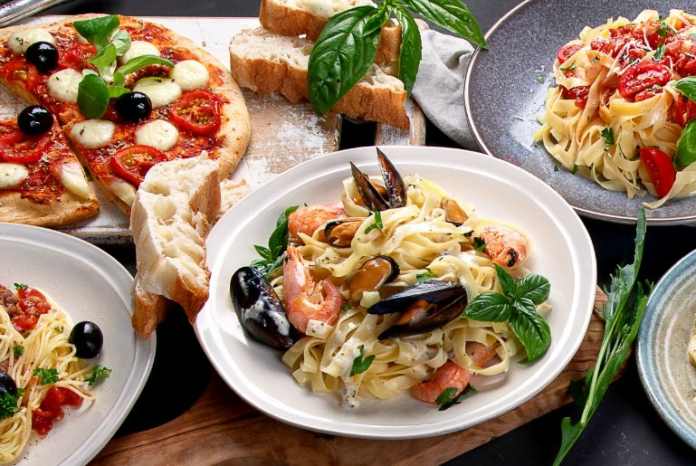
Italy’s cuisine is a celebration of fresh ingredients and regional flavors. From indulging in pasta varieties like spaghetti alle vongole to savoring authentic Neapolitan pizza, Italy offers a culinary journey that’s as rich as its history.

2. Japan – Land of the Rising Sushi

Japanese cuisine is an art form, with dishes like sushi, tempura, and ramen delighting palates worldwide. Explore the vibrant food markets of Tokyo or experience the tranquility of a traditional tea ceremony in Kyoto.

3. Thailand – The Spicy Spoon of Asia

Thai cuisine is a harmonious blend of sweet, sour, salty, and spicy flavors. From tangy Tom Yam soup to aromatic green curry, Thailand’s street food stalls and fine dining restaurants offer a sensory feast for adventurous eaters.

4. France – Gourmet’s Galore

France is synonymous with culinary excellence, boasting world-renowned dishes like Coq au Vin and Beef Bourguignon. Indulge in decadent pastries at a Parisian café or sample artisanal cheeses in the French countryside.

5. China – The Great Culinary Wall

China’s diverse culinary landscape spans regional cuisines like Sichuanese, Cantonese, and Shanghainese. From savoring Peking Duck in Beijing to sampling dim sum in Guangzhou, each city offers a unique gastronomic experience.

6. Argentina – Tango with Tastes

Argentine cuisine is a fusion of European influences, with dishes like empanadas and asado reflecting the country’s cultural diversity. Pair your meal with a glass of Malbec wine and immerse yourself in the rhythms of the tango.

7. Singapore – Melting Pot of Flavors

Singapore’s hawker centers are a melting pot of culinary influences, featuring dishes from Chinese, Malay, Indian, and Peranakan cuisines. Dive into a bowl of spicy laksa or indulge in chili crab by the waterfront.

8. Turkey – Ottoman Culinary Delights

Turkish cuisine is a sensory delight, with dishes like kebabs, mezes, and baklava tantalizing taste buds. Explore the spice markets of Istanbul or enjoy a traditional Turkish breakfast spread overlooking the Bosphorus.

9. Spain – Paella to Tapas Paradise

Spain’s culinary repertoire is as diverse as its landscapes, with paella, tapas, and sangria embodying the spirit of Spanish cuisine. Experience the vibrant food culture of Barcelona’s La Boqueria market or savor pintxos in San Sebastian.

10. Malaysia – The Laksa Land

Malaysia’s cuisine is a reflection of its multicultural heritage, with dishes like laksa, nasi lemak, and satay showcasing the country’s culinary diversity. Explore the bustling food stalls of Kuala Lumpur or unwind with a seafood feast in Penang.

Embark on a culinary adventure and discover the world through its flavors. Whether you’re indulging in gelato in Italy or feasting on street food in Thailand, let your taste buds be your guide as you explore these foodie destinations in 2024.

Exploring the Tribes of Rajasthan

0
Tribes Of Rajasthan

Rajasthan, the land of vibrant culture and majestic landscapes, is not only home to ancient forts and palaces but also harbors a diverse array of tribes, each with its unique traditions and customs. These tribes, representing around twelve percent of the state’s population, are the original inhabitants of what we now call Rajasthan.

Bhils

The Bhils, constituting approximately 39% of Rajasthan’s tribal population, have a rich heritage embedded in mythology. Known for their fine archery skills, some Bhil bowmen even found mention in the epic tales of Ramayana and Mahabharata. Today, they dominate the Banswara area. To maintain their cultural identity, the Bhils have intermingled with the Rajputs. Festivals like Baneshwar and Holi are celebrated with gusto, reflecting the vibrancy of their traditions.

Minas

The Minas, the second-largest tribe in Rajasthan, call the Shekhawati region and other eastern parts of the state their home. With tall and athletic builds, sharp features, and a historical connection to the Indus Valley civilization, the Minas add a unique flavor to Rajasthan’s cultural mosaic. Despite low literacy rates, they bring their own charm to the state’s cultural tapestry.

Gadiya Lohars

Once a martial tribe, the Gadiya Lohars evolved into nomadic blacksmiths. Their name is derived from the attractive bullock carts known as “gadis.” History traces their migration after Maharana Pratap’s defeat by Emperor Akbar. Today, they are known for their craftsmanship and continue to roam the landscapes of Rajasthan.

Garasias

Residing along the Abu Road area in southern Rajasthan, the Garasias are a small Rajput tribe known for their unique custom of marriage through elopement. This practice adds a touch of intrigue to their cultural identity. Their traditions reflect a fusion of Rajput ethos with distinctive local flavors.

Sahariyas

In the southern regions of Kota, Dungarpur, and Sawai Madhopur, the Sahariyas, jungle dwellers believed to have Bhil origins, lead a life deeply rooted in nature. Despite being considered the most backward tribe in Rajasthan, they contribute to their livelihood through hunting and fishing, showcasing their resilience and connection to the environment.

Damors and Other Tribes

The Damors, primarily cultivators and laborers, migrated from Gujarat to Rajasthan, settling in Udaipur and Dungarpur districts. Other tribes like Meo, Banjara, Rabari, Kathodi, Kanjar, and Sansi add further layers to Rajasthan’s cultural mosaic, each with its unique practices and contributions.

As we delve into the world of Rajasthan’s tribes, we discover a rich tapestry of traditions, myths, and a deep connection to the land. These communities, with their distinct identities, contribute to the diverse and colorful heritage that defines the essence of Rajasthan.

Oscars 2024: Celebrating Excellence and Triumphs Across the Film Industry

0
Oscars List 2024

In a dazzling night of glitz, glamour, and cinematic splendor, the 2024 Oscars unfolded, honoring outstanding achievements in the film industry. Hosted in the heart of Hollywood, the ceremony showcased the pinnacle of cinematic artistry, recognizing the hard work, talent, and creativity that defined the year’s cinematic landscape.

Best Picture: “Oppenheimer” Takes the Spotlight

The coveted Best Picture award went to “Oppenheimer,” a film that left an indelible mark on the audience with its compelling narrative and exceptional filmmaking. The night celebrated the art of storytelling, with “Oppenheimer” emerging as the triumphant winner among a distinguished list of nominees.

Leading the Pack: Cillian Murphy and Emma Stone Shine

The acting categories were fiercely contested, but it was Cillian Murphy who claimed the Best Actor award for his remarkable performance in “Oppenheimer.” Emma Stone captivated hearts and clinched the Best Actress trophy for her role in “Poor Things,” a testament to her unparalleled talent and on-screen presence.

Supporting Excellence: Robert Downey Jr. and Da’Vine Joy Randolph Triumph

In the supporting categories, Robert Downey Jr. shone brightly, winning the Best Supporting Actor Oscar for his role in “Oppenheimer.” Meanwhile, Da’Vine Joy Randolph stole the spotlight, securing the Best Supporting Actress award for her outstanding performance in “The Holdovers.”

Masterful Direction: Christopher Nolan Wins His First Oscar

The Best Directing category saw a historic moment as Christopher Nolan won his first-ever Oscar for his work on “Oppenheimer.” The visionary director’s contribution to the cinematic world was rightfully acknowledged on the grand stage of the Academy Awards.

Diverse Triumphs: Animated Features, Screenplays, and More

In a celebration of diversity and creativity, films across various genres were recognized for their excellence. “The Boy and the Heron” emerged victorious in the Best Animated Feature Film category, while “American Fiction” and “Anatomy of a Fall” won the Best Adapted and Best Original Screenplay Oscars, respectively.

Musical Notes and Emotional Beats: Scores and Songs Shine

The night resonated with melodies as “Oppenheimer” claimed the Best Original Score Oscar, enhancing the film’s emotional impact. Billie Eilish’s enchanting song “What Was I Made For?” from “Barbie” captured hearts and secured the Best Original Song award.

Artistic Mastery: Costume Design, Production, and More

In a nod to the behind-the-scenes brilliance, the Oscars honored the craftsmen and artisans who bring stories to life. “Poor Things” earned the Best Costume Design award, while the enchanting world of “Barbie” took home the Best Production Design Oscar.

Uplifting Stories and Global Impact: Documentaries Take Center Stage

The Oscars also recognized documentaries that captivated audiences with their powerful narratives. “20 Days in Mariupol,” a poignant portrayal of the Ukraine war, claimed the Best Documentary Feature award, showcasing the global impact of cinema.

Short Films and Technical Brilliance: Recognizing Every Facet of Filmmaking

The night celebrated the entire spectrum of filmmaking, from short films to technical achievements. “WAR IS OVER! Inspired by the Music of John & Yoko” won the Best Animated Short Film Oscar, while “The Wonderful Story of Henry Sugar” triumphed in the Best Live Action Short Film category.

Unveiling Cinematic Magic: Sound, Visual Effects, and More

Technical brilliance was on full display as “Oppenheimer” clinched the Best Sound and Best Visual Effects Oscars, showcasing the seamless integration of sound and visual elements in crafting an unforgettable cinematic experience.

A Night to Remember: Oscars 2024 Leaves an Indelible Mark

The 2024 Oscars were more than just an awards ceremony; they were a celebration of the magic that happens when storytelling, performance, and craftsmanship come together. As the curtain fell on this star-studded night, the films and artists celebrated will forever hold a place in the annals of cinematic history.

Nita Ambani Receives Prestigious ‘Beauty With a Purpose Humanitarian Award’ at Miss World 2024

0
Nita Ambani

The 71st Miss World Finale at the Jio World Convention Centre witnessed a momentous occasion as Nita Ambani, the Founder and Chairperson of Reliance Foundation, was honored with the esteemed ‘Beauty With a Purpose Humanitarian Award.’ The recognition, presented by the Miss World Foundation, acknowledges Ambani’s unwavering commitment to philanthropy and social work. In her acceptance speech, she passionately highlighted the pivotal role of empowering women in fostering a better world, underscoring her lifelong dedication to this noble cause.

Empowering Women

Nita Ambani’s acceptance of the ‘Beauty With a Purpose Humanitarian Award’ is a testament to her exemplary work in various domains dedicated to the welfare of women and girl children in India. Her commitment spans across crucial sectors such as education, healthcare, art and culture, sports, philanthropy, and beyond. This prestigious accolade, previously bestowed upon global icons like Nelson Mandela and Ina Perlman, reflects the profound impact of Ambani’s initiatives on the lives of countless individuals.

Recognition of Impactful Work

The Miss World Foundation’s “Humanitarian Award” is a recognition of individuals who have made significant contributions to society through their philanthropic endeavors. Past recipients include notable figures who have left an indelible mark on humanity, and Nita Ambani now joins this illustrious list. Her efforts have not only focused on providing access to education and healthcare but have also embraced the realms of art, culture, and sports as means to empower women and nurture their potential.

In her acceptance speech, Ambani expressed gratitude for the honor and reiterated her commitment to the cause of women’s empowerment. She emphasized the transformative power of education, the importance of healthcare accessibility, and the role of sports and culture in building confident and resilient women. Her holistic approach to social work underscores the idea that empowerment goes beyond just addressing basic needs but extends to nurturing individual talents and aspirations.

A Legacy of Social Impact

Nita Ambani’s legacy of social impact extends far beyond the confines of traditional philanthropy. Her initiatives have created a ripple effect, touching the lives of countless individuals and inspiring positive change. By receiving the ‘Beauty With a Purpose Humanitarian Award,’ Ambani stands as a beacon of hope and a symbol of empowerment for women around the world.

Summing Up

Nita Ambani’s recognition at the 71st Miss World Finale is a celebration of her tireless efforts in the realm of humanitarian work. The ‘Beauty With a Purpose Humanitarian Award’ not only acknowledges her past contributions but also serves as a catalyst for continued efforts towards building a more inclusive and empowered world. As she stands alongside other global luminaries who have received this prestigious honor, Nita Ambani’s journey exemplifies the transformative power of compassion and dedication in creating lasting positive change.

Cochin Shipyard: India’s Maritime Engineering Hub

0

Cochin Shipyard Ltd (CSL) is the biggest place in India where they make and fix ships. It’s in Kochi, Kerala, and does things like building special ships and oil tankers. They even made the first Indian Navy aircraft carrier called INS Vikrant. The company is important and has a special status called Miniratna.

History

Cochin Shipyard started in 1972 as a company owned by the Indian government. They began their first set of facilities in 1982.

In August 2012, the Indian government shared plans to sell part of Cochin Shipyard to raise money for growth. They aimed to collect ₹15 billion through an initial public offering (IPO) by the end of the fiscal year. The decision to sell was confirmed on November 18, 2015, with 33.9 million shares up for sale, including 113,000 government-held shares and new ones. However, it didn’t happen until August 2017, when Cochin Shipyard had its IPO and listed its shares on the BSE and NSE.

Activities

The shipyard can make ships weighing up to 1,10,000 tons and fix ships weighing up to 1,25,000 tons.

Shipbuilding

The first ship made by Cochin Shipyard was the MV Rani Padmini in 1981. They have also completed two big double-hull Aframax tankers, each weighing 95,000 tons.

Cochin Shipyard is busy with shipbuilding orders from famous companies in Europe and the Middle East. They are currently working on six bulk carriers for the Clipper Group in the Bahamas, each weighing 30,000 tons. Additionally, they are building eight platform supply vessels for the Norwegian Seatankers Management Company.

INS Vikrant

Cochin Shipyard created India’s first homegrown aircraft carrier called INS Vikrant. It’s the initial aircraft carrier of the Indian Navy made entirely in India. This carrier is the biggest warship built by CSL. In February 2020, they finished all the major building and outfitting work. Sea trials started on August 4, and after a successful five-day trial ending on August 8, 2021, the ship was officially commissioned on September 2, 2022.

Ship Repair

Since 1982, Cochin Shipyard has been fixing ships, providing services like upgrades and repairs. They’ve worked on various ship types, including those for oil exploration, and conducted maintenance and life extension for the Indian Navy, Coast Guard, Lakshadweep, Fisheries, Cochin Port Trust, SCI, and ONGC. Notably, they’ve done significant overhauls for the aircraft carriers INS Viraat and INS Vikramaditya in 2016 and 2018 respectively. Recently, CSL got important maintenance and upgrade orders from ONGC, involving the overhaul of three rigs – Sagar Vijay, Sagar Bhushan, and Sagar Kiran.