Home Blog Page 494

Vicky Vidya Ka Woh Wala Video: Rajkummar Rao and Triptii Dimri Turn Newsreaders in a Quirky 90s-Themed Promo

0

The much-anticipated romantic-comedy Vicky Vidya Ka Woh Wala Video, starring Rajkummar Rao and Triptii Dimri, has created a buzz with its unique and playful 90s-themed announcement. Set to release in October 2024, the film promises to be a nostalgic throwback to the golden era of Hindi cinema. In a cleverly crafted promo, the actors step into the shoes of vintage newsreaders to announce the trailer release, bringing in a wave of laughter and curiosity.

A Goofy 90s-Themed Promo

In the quirky promotional video, viewers are transported back to the 90s with an old television set flickering to life. Rajkummar Rao and Triptii Dimri appear as news anchors, complete with classic reading glasses, straight out of a typical 90s news broadcast. Triptii, clad in a traditional green saree, and Rajkummar, sporting a black shirt paired with a red tie, embody the iconic look of the era.

The promo opens with a retro-style headline that reads, “T-Series News… Bombay Samachar”. With deadpan expressions, the duo delivers their lines, mimicking the formal tone of yesteryear news anchors. Rajkummar and Triptii announce the upcoming film, hilariously highlighting the producers behind it. Rajkummar cheekily mentions T-Series’ famous music hits, saying, “Jaha jaane maane nirmata Bhushan Kumar, Ma muradein meri puri kar de halwa batungi se lekar Chaar botal vodka kaam mera roz ka banane waale T-series ke malik, anya kai nirmataon ke saath le kar aa rhe hain 100% 90 ka cinema.” (Renowned producer Bhushan Kumar, known for his hit songs like Chaar Botal Vodka and Ma Muradein Meri Puri Kar De, is bringing back 100% 90s cinema.)

A Hilarious Introduction to the Lead Actors

Continuing the playful banter, Triptii introduces Rajkummar Rao as “wo purush jo Stree mein hain” , while Rajkummar humorously describes Triptii as the actress who “looks like I have met her before.” The light-hearted exchange between the two actors adds to the excitement of the film’s announcement.

As they wrap up their segment, the actors reveal that the trailer for Vicky Vidya Ka Woh Wala Video will be released on September 12, encouraging viewers to watch it with their families. In a funny twist, they describe the film as “97% parivarik (family-friendly) and 3% mahaparivarik (super-family-friendly),” keeping the quirky tone intact.

About Vicky Vidya Ka Woh Wala Video

Directed by Raaj Shandilyaa, Vicky Vidya Ka Woh Wala Video is expected to be a laughter-packed journey filled with retro vibes and romantic comedy. The film is produced by an impressive lineup of names, including Bhushan Kumar, Krishan Kumar, Shobha Kapoor, and Ektaa R Kapoor, along with Vipul D Shah, Ashwin Varde, and Rajesh Bahl. With such a talented team backing the project, expectations are high for this quirky entertainer.

Set to hit theatres on October 11, 2024, Vicky Vidya Ka Woh Wala Video promises to bring audiences a hilarious, family-friendly experience with a nostalgic twist. The goofy 90s-themed promo has already set the tone for the film’s lighthearted and fun approach, leaving fans eagerly awaiting its release.

Check on youtube to catch the trailer which is released on September 12, and prepare for a cinematic trip down memory lane this October!
Happy Onam 2024: Thiruvonam Wishes, Messages, and Quotes to Celebrate Kerala’s Harvest Festival

0

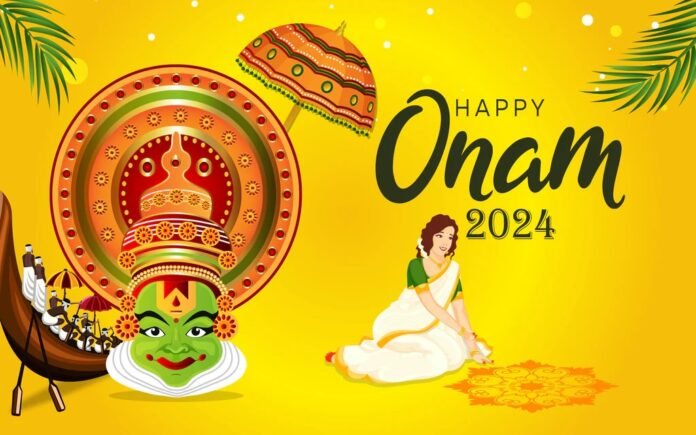
Onam, the vibrant harvest festival of Kerala, is a time of joy, cultural pride, and unity. Celebrated with great enthusiasm, this ten-day festival marks the homecoming of the mythical demon King Mahabali, whose reign is believed to have brought prosperity and happiness to the land. The festival transcends barriers of caste and creed, bringing together people from all walks of life to celebrate in unity.

Onam 2024 will culminate on Thiruvonam, the main day of festivities, which falls on Sunday, September 15. Thiruvonam is considered the day when King Mahabali visits Kerala, and in his honour, homes are decorated with intricate pookkalam (floral designs), and people prepare the traditional Onam Sadhya, a grand feast served on banana leaves. One of the unique customs is painting the house’s main door with a rice flour batter to symbolically welcome the king.

The festival starts with Atham and is followed by nine more days, including Chithira, Chodi, Vishakham, Anizham, Thrikketa, Moolam, Pooradam, Uthradom, and finally, Thiruvonam. Each day holds its significance, contributing to the grandeur of the celebrations with various rituals, dances like Thiruvathirakali, and boat races like Vallamkali.

As the people of Kerala prepare to celebrate this culturally and spiritually significant festival, here’s a collection of Thiruvonam wishes, messages, and quotes to share with your loved ones.

Onam 2024: Thiruvonam Wishes, Quotes, and Messages

  1. “May the spirit of King Mahabali guide you towards success, happiness, and prosperity. Happy Thiruvonam 2024!”
  2. “May you be blessed with the richness of tradition, the sweetness of memories, and the joy of togetherness on this auspicious day. Happy Thiruvonam!”
  3. “On this special festival, may your joy multiply as you savour the unique flavours of life, just like the diverse tastes of the Onam Sadhya.”
  4. “May the festival bring a fusion of colours and traditions that light up your life with positivity. Happy Thiruvonam!”
  5. “May your celebrations be a reflection of your vibrant spirit, just like the myriad hues of the festival. Happy Thiruvonam!”
  6. “May this vibrant festival bring joy to your heart and prosperity to your life. Happy Thiruvonam!”
  7. “Join the celebrations as we honour King Mahabali’s memory and indulge in the flavours of the traditional Onam Sadhya. Happy Thiruvonam!”
  8. “Experience the magnificence of Kerala’s traditions through the delightful Onam Sadhya and the Vallamkali boat races. Wishing you a colourful Thiruvonam.”
  9. “May your home be filled with joy, love, and peace. Happy Thiruvonam 2024!”
  10. “May you have a bountiful year ahead filled with good fortune and blessings. Sending you warm wishes on this auspicious day. Happy Thiruvonam!”

As we celebrate this grand festival, let us cherish the traditions, the rich heritage, and the spirit of togetherness that Onam represents. Whether through the preparation of the elaborate Onam Sadhya, the artistic pookkalam, or the spirited boat races, the festival of Onam reminds us of the importance of community and the beauty of life’s simple joys.

Wishing everyone a joyful and prosperous Onam 2024!

A long weekend waits for Rajasthan from 13th- 16th September 2024.. So, what is your plan?

0

September 2024 brings an exciting long weekend to Rajasthan, filled with vibrant festivals that reflect the state’s diverse cultural and religious traditions. From Ramdev Jayanti and Teja Dashmi to the harvest festival of Onam and the observance of Eid-e-Milad, this four-day span from September 13th to 16th is set to be a blend of devotion, celebrations, and joy.

September 13: Ramdev Jayanti – Honoring the Saint of Unity

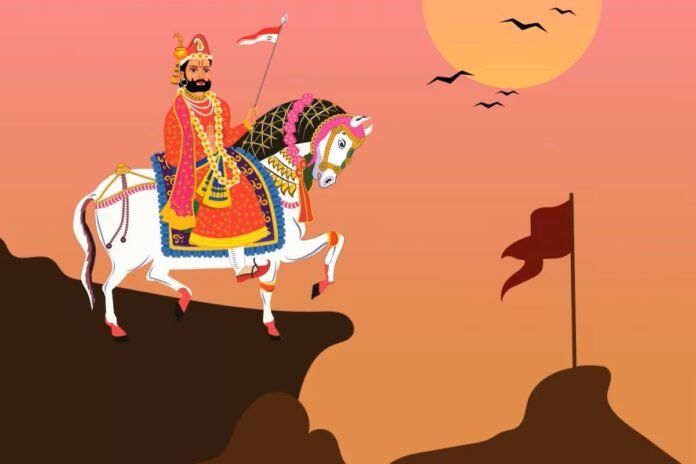
The long weekend kicks off on September 13th with Ramdev Jayanti, a celebration of Baba Ramdev, a revered saint known for his teachings of equality, devotion, and peace. Baba Ramdev, also known as Ramsha Pir, is venerated by both Hindus and Muslims. His Prakatya Diwas (birth anniversary) is celebrated with great devotion, especially in the town of Ramdevra, near Jaisalmer.

The day begins with prayers and bhajans (devotional songs) dedicated to Baba Ramdev. Thousands of pilgrims, many of whom travel on foot, visit the Ramdevra Temple, where Baba took samadhi (final rest). The streets of Rajasthan, particularly in Jaisalmer, become a vibrant display of religious harmony and cultural richness, with pilgrims waving colorful flags, singing hymns, and participating in rituals.

If you’re visiting Rajasthan during this time, experiencing the Ramdevra Mela and the spiritual ambiance of the Ramdevra Temple is a must. It’s a day of unity, devotion, and reflection, making for an inspiring start to the weekend.

September 14: Teja Dashmi – A Celebration of Valor and Justice

The next day, September 14th, marks Teja Dashmi, a festival dedicated to Veer Tejaji, a folk deity celebrated across Rajasthan for his valor, sacrifice, and commitment to justice. Known for his fearless efforts to protect his community from harm, Tejaji is revered as a symbol of courage and righteousness.

In villages and towns throughout Rajasthan, devotees gather to offer prayers at Tejaji temples, participate in traditional pujas, and recite folklore that praises his heroism. The festival also involves folk songs and Teja tales, passed down through generations, that keep his memory alive in the hearts of the people. The rural parts of Rajasthan, particularly in districts like Nagaur and Ajmer, witness colorful processions, fairs, and community gatherings.

Teja Dashmi is a celebration of Rajasthan’s folk heritage, and visitors can experience a deeper connection to the region’s historical traditions through the vibrant stories and performances during this festival.

September 15: Onam – A Harvest Festival from the South

On September 15th, the long weekend brings a cross-cultural celebration with Onam, the grand harvest festival of Kerala, celebrated with great enthusiasm even in Rajasthan due to its growing Malayali community. Though Onam is primarily a festival of southern India, cities like Jaipur, Udaipur, and Jodhpur embrace this occasion with community feasts, cultural performances, and traditional rituals.

Malayali communities in Rajasthan organize Onam Sadya, the elaborate vegetarian feast, often served on banana leaves, featuring dishes like avial, sambar, pachadi, and payasam. Cultural events like Kathakali dance performances, Pookalam (floral rangoli) competitions, and traditional games make Onam a colorful and joyous celebration of harvest and prosperity.

For those in Rajasthan, it’s an excellent chance to witness Kerala’s cultural richness and enjoy the warmth of the Malayali community’s hospitality, adding a touch of southern flavor to the weekend.

September 16: Eid-e-Milad – Commemorating the Birth of Prophet Muhammad

The long weekend concludes on September 16th with Eid-e-Milad, also known as Milad-un-Nabi, the celebration of the birth of Prophet Muhammad. Eid-e-Milad is a significant day for the Muslim community in Rajasthan and across India, marked by prayers, community gatherings, and charitable activities.

In cities like Jaipur, Jodhpur, and Ajmer, special prayers are held in mosques, and processions are organized where devotees recite naats (poems praising the Prophet) and distribute sweets. The community comes together to remember the teachings of the Prophet and engage in acts of kindness, charity, and communal harmony. Mosques are decorated, and the streets come alive with lights and festive spirit, creating an atmosphere of peace and devotion.

For visitors, it’s an opportunity to witness the Muslim community’s deep faith and unity during Eid-e-Milad, as they celebrate a day of spiritual significance and generosity.

A Perfect Weekend for Celebrations and Exploration

This long weekend from September 13th to 16th, 2024, offers an incredible chance to experience Rajasthan’s rich cultural diversity and heritage. Whether you’re participating in the devotional celebrations of Ramdev Jayanti and Teja Dashmi, indulging in the harvest festivities of Onam, or observing the spiritual essence of Eid-e-Milad, the weekend provides a unique window into the state’s blend of traditions.

Beyond the festivals, this break is also an excellent time to explore Rajasthan’s stunning landscapes, majestic forts, and vibrant markets. Whether it’s the Amber Fort in Jaipur, Mehrangarh Fort in Jodhpur, or the Lake Palace in Udaipur, the architectural marvels of Rajasthan await you.

This long weekend is also an excellent opportunity for a short vacation, allowing you to enjoy your family times by visiting nearby destinations. With four days of festivals and celebrations, it’s the perfect time to take a break from the routine and enjoy a mini-getaway. Whether it’s visiting Jaisalmer’s sand dunes, Mount Abu’s serene hill station, or the royal palaces of Jaipur, this extended weekend offers the chance to unwind and experience the rich landscapes and heritage of Rajasthan. With the festive spirit in the air, it’s an ideal time to blend leisure with cultural exploration.

Ramdev Jayanti 2024: Who is Baba Ramdev, revered by both Hindus and Muslims? Learn about his history and significance

0

Ramdev Jayanti is celebrated with great reverence in Rajasthan and Gujarat, honoring Baba Ramdev, a saint who is worshipped by both Hindus and Muslims. Known as Baba Ramdev to Hindus and revered as Ramsha Pir by Muslims, his legacy is one of harmony and spiritual devotion, making him a symbol of unity across religious boundaries.

The Life of Baba Ramdev

Baba Ramdev is regarded as an incarnation of Lord Krishna and is known for his devotion to uplifting the marginalized and underprivileged. His birth, or Prakatya Diwas, is celebrated each year during the Bhadra month on the second day of the waxing phase of the moon, which falls on September 5 in 2024. On this day, the famous Ramdevra Fair (Ramdevra Mela) commences in the village of Ramdevra, located near Jaisalmer, Rajasthan. This fair, which lasts over a month, attracts thousands of devotees from across the country, who come to seek his blessings.

Ramdevra Fair

Ramdevra becomes a hub of activity during the fair, as devotees, chanting traditional hymns like “Mharro Helo Suno Ji Rama Pir” and “Khama-Khama Baba Ramdev Ji,” make their way to his temple. The pilgrimage, often undertaken on foot, is a testament to the unwavering faith of his followers. Pilgrims can be seen carrying colorful flags, representing their devotion, as they journey toward Ramdevra. The fair also takes place twice a year—once in Bhadra and again in Magh—lasting from the second day to the tenth day of the lunar fortnight.

The Legend of Baba Ramdev

Baba Ramdev’s life is a testament to his spiritual prowess and dedication to serving humanity. It is believed that he performed numerous miracles during his lifetime, which earned him the status of a Lok Devta (folk deity) in Rajasthan. One of the most significant events of his life was his final resting place—his Samadhi—in the village of Runicha, where he is said to have voluntarily entered a deep meditative state and left his mortal body. This sacred site has become a place of pilgrimage, and a magnificent temple was built over his Samadhi by Maharaja Ganga Singh of Bikaner.

The temple complex not only houses Baba Ramdev’s Samadhi but also the memorials of his family members. Devotees visiting the temple also pay their respects to Dali Bai, Baba’s spiritual sister, whose memorial is located within the complex. The Ram Jhroka and Dali Bai’s Kangan (bracelet) are also significant landmarks in the temple.

A Festival of Harmony

One of the unique aspects of Baba Ramdev’s legacy is how he bridges the gap between communities. Hindus revere him as a saint, while Muslims honor him as Ramsha Pir. This cross-religious devotion is rare and reflects the message of universal brotherhood and love that Baba Ramdev preached during his lifetime. His teachings of equality and service to humanity have transcended religious boundaries, and his followers continue to honor him as a symbol of peace and unity.

As the Ramdev Jayanti 2024 approaches, preparations for the Ramdevra Fair are in full swing, with devotees eagerly awaiting the opportunity to seek blessings from the saint. Whether as Baba Ramdev or Ramsha Pir, his message remains timeless, inspiring people from all walks of life to embrace harmony, humility, and devotion.

INDeco Swamimalai: Three villages merged to create this experiential heritage property

0

Believe it or not, but it is true that three villages have been merged to create a beautiful heritage property in South India which is now gained credence as INDeco Swamimalai. 

The property allows you to experience village life in a luxury setting after combining three villages—a Tamil Brahmin village known as Agraharam, and two other villages—one artisan and one Muslim.

The USP of INDeco Hotels Swamimalai is that it is set amidst the three Grand Living Chola temples, and UNESCO World Heritage destinations, Darasuram, Gangaikondacholapuram and the Bragadeeswara Temple. The guests are welcomed here with saffron tilak, marigold garland and the welcome drink, which is endearing.

At first glance, it looks like a Shekhawati building adorned in a Tamil setup. Locals say that it is a miraculous translocation of the worthy heritage monument, The Mint Palace, from Chennai to INDeco Hotels Swamimalai. A Rajasthani businessman Bhansi Lal Rai Bahadur, once owned an interesting tall building in Madras which was called the Mint Palace. However, this beautiful building was razed to the ground in 2010 by the State Government to make way for another multi-storey complex. At that time, INDeco, under the leadership of Steve Borgia, acquired all  pieces of the heritage building with a  desire to erect it at a suitable location where it would remain forever.

From here, every pillar, jali frames and woodwork have been singularly edged in Rajasthan and transported to Chennai for this unique creation. Around 42 lorries, 120 conservation student volunteers, 40 craft masons, 30 labours and about 35 days of labour were consumed to do the job. 

You will feel the serene surroundings here as the ceaseless chants of ‘Om Namah Shivaay’ fills the atmosphere and send waves of transcendence. Every nook and corner of the property is decorated with antiques collected from across the country which aptly depict the rich heritage of India. The magnificence and the grandness of the premises, as well as the rooms, built under the mentorship of Steve Borgia, an Indologist, make you feel like a royalty.

You will be surprised to know that the actual foundation stone for the epic property was laid in mid-July 1896, in Thimmakudy, a small hamlet in Kumbakonam. It took nearly a decade for the work to get completed and in 1906, the work was completed by Sri Srinivasa Iyer. Since then, Iyer and his future generations have been living here until the 1990’s. In 1996, the familial household changed hands and it is currently owned by Steve Borgia. At this point of time, the INDeco Hotels Swamimalai was manifested in an epic villa, exactly a hundred years after the original house was built. The most important prerogative was to ensure that the hotel emerged from the existing village framework, its heritage, culture, traditions, lifestyle, and practices. It has transformed from a home into a hotel and is now an experience, providing local flavour for the global market, created by local craftsmen, serviced by the neighbourhood and entertained through local talent.

National Engineers Day 2024: Celebrating Innovation and Sustainability

0

On September 15th, 2024, India will once again celebrate National Engineers Day, a day dedicated to recognizing the invaluable contributions engineers make to society. This annual event honors one of the nation’s most distinguished engineers, Sir Mokshagundam Visvesvaraya, whose birth anniversary coincides with this special occasion. Engineers are the driving force behind technological advancements, infrastructure development, and innovative solutions to modern challenges. National Engineers Day serves as a reminder of their essential role in shaping a progressive and sustainable future for the country.

Theme for 2024: “Creating Solutions for a Sustainable World”

The theme for National Engineers Day 2024 is “Creating Solutions for a Sustainable World.” As the world grapples with environmental challenges and resource scarcity, the role of engineers in designing sustainable solutions has never been more critical. From renewable energy systems to eco-friendly infrastructure, engineers are at the forefront of creating a greener, more resilient future.

Honoring Sir Mokshagundam Visvesvaraya

National Engineers Day was first declared on September 15, 1968, in India to commemorate the birth anniversary of Sir Mokshagundam Visvesvaraya, born in 1861 in Karnataka. Widely regarded as one of India’s greatest engineers, Visvesvaraya made pioneering contributions to irrigation, water management, and infrastructure development.

He is best known for his work on the Krishna Raja Sagara Dam in Mysore and the Khadakvasla Dam in Pune—two landmark projects that revolutionized water management in India. His achievements also include the founding of the Bangalore Engineering College, which is now named Visvesvaraya Technological University in his honor.

In recognition of his extraordinary contributions to the nation, Visvesvaraya was awarded India’s highest civilian honor, the Bharat Ratna, in 1955, and was knighted by King George V in 1915. His life is a testament to innovation, dedication, and a vision for modern India.

Significance of National Engineers Day

National Engineers Day is not only a day to celebrate the contributions of engineers but also an opportunity to inspire the next generation to pursue careers in engineering. As we continue to face global challenges in technology, sustainability, and infrastructure, the role of engineers in problem-solving and nation-building becomes even more critical.

By fostering a culture of innovation and recognizing the importance of sustainability, National Engineers Day 2024 seeks to motivate young minds to enter the engineering field with a focus on creating a more sustainable and prosperous world.

The Visionary Legacy of Sir M. Visvesvaraya

Sir M. Visvesvaraya’s achievements extend far beyond engineering. He was a visionary leader who emphasized the importance of education, social reform, and industrialization. During his tenure as the 19th Diwan of Mysore (1912–1918), he oversaw a period of significant economic growth and modernization in the region. His contributions to the establishment of Mysore Iron and Steel Works—one of the first steel mills in India—and his role in modernizing transportation and infrastructure earned him the title of “Father of Modern Mysore.”

Notable Achievements of Sir M. Visvesvaraya

  • Designed and patented automatic water floodgates at the Khadakvasla Dam, Pune.
  • Built the Krishna Raja Sagara Dam, which was one of Asia’s largest at the time.
  • Played a pivotal role in founding Bangalore Engineering College, now a top engineering university in India.
  • Established Mysore Iron and Steel Works, among India’s first steel mills.
  • Received the Bharat Ratna in 1955 and was knighted by the British crown in 1915.

His lasting legacy continues to inspire engineers and students across India, reminding them of the power of innovation and service to the nation.

Celebrating Engineers on September 15, 2024

As we celebrate National Engineers Day 2024, let’s take a moment to applaud the ingenuity and dedication of engineers who, like Sir M. Visvesvaraya, work tirelessly to build a better, more sustainable world. From cutting-edge technology to infrastructure that supports everyday life, engineers are the backbone of progress and modernity.

Let this day be a reminder to all of us to thank the engineers in our lives and to inspire the next generation to dream big, innovate, and contribute to a brighter future.

Tamil Nadu Approves ₹500 Crore for Rejuvenation of 5,000 Irrigation Tanks in Rural Areas

0

In a significant move to improve water management and bolster agricultural infrastructure, the Tamil Nadu government has sanctioned ₹500 crore for the rejuvenation of 5,000 minor irrigation tanks across rural regions. This ambitious project aims to enhance water storage capacity, restore traditional water resources, and support agricultural activities in the state.

Funding Structure and Project Oversight

The project will receive ₹250 crore from the State Budget and an additional ₹250 crore as a grant from the State Finance Commission. The Rural Development and Panchayat Raj Department will oversee the allocation and execution of the funds, ensuring that the project meets its objectives of improving water resources at the grassroots level.

Current Situation of Water Bodies in Tamil Nadu

Tamil Nadu is home to 22,051 minor irrigation tanks and 69,777 ponds or ooranis (traditional water storage systems). These structures, managed by local panchayat unions and village panchayats, play a crucial role in sustaining agriculture and providing water to rural communities. However, many of these tanks and ponds have fallen into disrepair, leading to reduced water storage capacity and increased reliance on groundwater.

Project Scope and Execution

The rejuvenation project will focus on several key areas:

  • Desilting and Deepening: Removing silt and deepening the tanks to enhance water storage.
  • Bund Repair: Repairing or reconstructing bunds (raised banks) to prevent water seepage and increase tank durability.
  • Clearing Supply Channels: Ensuring that water channels leading to the tanks are clear and functional, allowing for uninterrupted water flow.

The project’s ultimate goal is to restore the irrigation tanks to their original condition, thus increasing water retention and improving the local water table (the underground water level).

To ensure effective implementation, a district-level committee, chaired by the District Collector, will review and approve the plans for each tank. This approach ensures that the rejuvenation efforts align with local needs and that the work reflects the community’s specific water requirements.

Aims and Community Involvement

The primary objective of the project is to improve water availability for households and farmers, especially during crucial agricultural seasons. By rejuvenating these tanks, the state aims to regulate local water resources, ensuring that there is sufficient water supply for both irrigation and household use.

To foster community involvement, 10% of the project costs will be contributed by local stakeholders, including public/user associations and ayacutdars (farmers who rely on the tank’s water for irrigation). This model encourages local ownership of the project and ensures that those who benefit from the tanks are actively involved in their maintenance.

The Need for Rejuvenation

In March 2023, Tamil Nadu identified 360 out of 1,166 firkas (small administrative units) as “over-exploited” in terms of groundwater usage. This means that groundwater demand far exceeds its natural replenishment, leading to a crisis of water scarcity. Rejuvenating irrigation tanks is a critical step in reducing pressure on groundwater resources, preventing further depletion, and ensuring sustainable water management in the state.

By reviving these traditional water bodies, Tamil Nadu is taking a proactive approach to water conservation, aiming to secure its agricultural future and provide long-term water security for rural communities.

Akshay Kumar’s ‘Housefull 5’ Finalizes Star-Studded Female Cast for Sajid Nadiadwala’s Upcoming Comic Extravaganza

0

The much-anticipated fifth installment of the Housefull franchise, Housefull 5, is all set to begin shooting on September 15, 2024, in London. Helmed by Sajid Nadiadwala and led by Akshay Kumar, the film promises to be a laugh riot with a unique twist—set on a cruise ship. Known for its larger-than-life comedy and chaotic misunderstandings, Housefull 5 is poised to become the biggest movie in the series, with a mega ensemble cast and a new adventure awaiting fans.

Mega Star Cast Unveiled

In an exclusive reveal, it is confirmed that Housefull 5 will feature Akshay Kumar, Riteish Deshmukh, Abhishek Bachchan, Sanjay Dutt, Fardeen Khan, Nana Patekar, Chunky Pandey, Jackie Shroff, and Dino Morea as part of its robust male lineup. However, the excitement doesn’t stop there. For the first time, the Housefull franchise will showcase five leading ladies on board, further raising the stakes.

The female cast includes Jacqueline Fernandez, Nargis Fakhri, Sonam Bajwa, Chitrangada Singh, and Soundarya Sharma. According to sources close to the production, “It’s a cruise full of characters, each playing a vital role in the story. Sajid Nadiadwala was particular about getting the casting right, and now the ensemble is set for this hilarious ride. This is by far one of the most star-studded setups ever pulled off by a producer in Bollywood.”

London Marathon Schedule and Cruise Chaos

The film’s first schedule kicks off with a 45-day marathon shoot in London, where key sequences will be shot before the cast moves to a cruise ship for the central portion of the film. “The entire house will come down with confusion and laughter once they board the cruise,” shared the source. With such a massive cast, both in lead and supporting roles, Housefull 5 is set to unleash madness on screen, pushing the boundaries of comedy and chaos.

Once the London and cruise sequences are completed, the crew will return to Mumbai for the next leg of shooting later in the year. As per reports, the film is on track for a June 6, 2025 release, aiming to hit theaters during the Bakri Eid weekend.

Akshay Kumar’s Comic Return

Fans of the franchise will be delighted to see Akshay Kumar back in his comic avatar, a role in which he has always excelled. Each Housefull film has introduced a unique and memorable trait to his character, and Housefull 5 will be no different. According to inside sources, “Wait for it—Akshay’s character trait in this film is as hilarious as his past ones, like Sandy and Sundi. It’s sure to have the audience in stitches.”

Directed by Tarun Mansukhani

Directed by Tarun Mansukhani, Housefull 5 marks the continuation of a beloved franchise that has delivered blockbuster comedy hits over the years. With Sajid Nadiadwala pulling out all the stops for this film, it promises to be the most ambitious Housefull yet, filled with mystery, mayhem, and plenty of laughs.

As the countdown begins for this epic comedy caper, excitement among fans and industry insiders is reaching new heights. Stay tuned for more exclusive updates on what’s sure to be one of Bollywood’s biggest releases in 2025!

MeitY Launches Phase Three of Capacity-Building Program to Enhance Digital Skills of Government Officials

0

The Ministry of Electronics and Information Technology (MeitY) has initiated the third phase of its capacity-building program, aimed at enhancing the digital skills of government officials from both Central and State governments. This effort is part of the broader goal to equip officials with the necessary knowledge and expertise in various digital domains to improve governance and public service delivery.

Key Focus Areas of the Programme

The program focuses on strengthening government officials’ understanding of several critical areas, including:

  • Digital Public Infrastructure (DPI): This refers to the systems and platforms used to deliver government services digitally, such as e-governance tools and identity management systems like Aadhaar.
  • Contract and Procurement Management: Training on how the government efficiently manages the procurement of goods and services, ensuring transparency and accountability.
  • Artificial Intelligence (AI) and Machine Learning (ML): The use of advanced technologies to enhance decision-making processes.
  • Large Digital Transformation Projects: Managing significant projects that integrate new technologies for digital transformation in government services.
  • Digital Governance: Improving how technology is used to streamline government operations and serve citizens effectively.
  • Data Management: Ensuring that officials can handle large volumes of data securely and efficiently, addressing the growing need for data-driven governance.

Nationwide Training Programmes

Specialised training programmes are being rolled out across the country. One such session, focused on Digital Public Infrastructure, began on September 10, 2024, at the India Habitat Centre in Delhi. This is part of a series of regional programmes, designed to elevate the digital skills of government officials.

The training is being led by the National e-Governance Division (NeGD), in collaboration with the National Institute for Smart Governance (NISG). These organisations play a crucial role in ensuring that the training is well-structured and guided by experts, blending theoretical knowledge with practical case studies for a comprehensive learning experience.

Emphasis on Digital Public Goods

One of the main goals of this capacity-building initiative is to promote Digital Public Goods (DPGs), which are systems that provide citizens with easy access to essential public services via digital platforms. The training sessions aim to equip officials with the skills needed to effectively manage DPG projects, ensuring more people benefit from seamless digital public services.

Through a combination of theoretical learning and real-world case studies, officials are gaining a deeper understanding of how to implement and manage these systems, ensuring that they can apply this knowledge to improve public service delivery in their respective departments.

Understanding Digital Public Infrastructure (DPI)

Digital Public Infrastructure (DPI) plays a vital role in facilitating access to government services. Key components of DPI include:

  • E-Governance Tools: Platforms that enable citizens to access government services online, reducing paperwork and bureaucratic delays.
  • Open Data Platforms: Systems that make public data accessible, promoting transparency and accountability in governance.
  • Identity Management Systems: Digital identification platforms, such as Aadhaar, that provide citizens with a unique digital identity, improving access to services.

DPI is seen as a critical driver for economic growth, as it enables broader citizen participation in governance, fosters transparency, and streamlines public service delivery. Additionally, emerging technologies like blockchain are being integrated into DPI to enhance security and efficiency.

MeitY’s Role in Digital Transformation

Formed in 2016, MeitY is responsible for driving India’s digital agenda, including the development of policies related to information technology, e-governance, and electronics manufacturing. The ministry is the backbone of initiatives like Digital India, which aims to build a digitally empowered society and knowledge economy.

MeitY also supports innovation through programs like Startup India, formulates policies such as the National Digital Communications Policy, and leads efforts in cybersecurity and data protection through initiatives like the Personal Data Protection Bill. Furthermore, MeitY plays a pivotal role in international technology partnerships and skill development in the electronics and IT sectors.

Summing Up

The third phase of MeitY’s capacity-building programme is a significant step towards enhancing digital skills in government, enabling officials to harness new technologies for better governance. By focusing on areas like Digital Public Infrastructure and data management, this initiative is set to drive India’s digital transformation, making government services more accessible, efficient, and transparent.

New Wetland Virus Discovered in China

0

In a concerning discovery, scientists in China have identified a new virus known as the Wetland Virus, transmitted by ticks. This virus has raised alarm among the scientific community due to its potential to cause severe neurological complications, posing a threat to human health.

The First Case

The Wetland Virus was first identified in June 2019 when a 61-year-old man became gravely ill after being bitten by ticks in a wetland park in northern China. The man experienced intense symptoms, including fever, headaches, and vomiting, prompting further investigation by health experts. The virus was soon classified as an Orthonairovirus, a type of virus typically spread through tick bites. This classification has helped scientists gain insight into the virus’s behavior and its potential to spread.

Symptoms and Effects

As research continued, 17 more individuals in China, all bitten by ticks, exhibited symptoms of the Wetland Virus. These symptoms included:

  • Fever
  • Dizziness
  • Headaches
  • Tiredness (malaise)
  • Joint pain (arthritis)
  • Back pain
  • Nausea

What makes this virus particularly worrisome is its ability to damage brain tissue, potentially leading to neurological complications. Additionally, it can interfere with the body’s blood clotting mechanisms, heightening the severity of the infection.

Animal Transmission and Broader Impact

Studies have also shown that the Wetland Virus can infect animals, including sheep, horses, pigs, and rodents, raising the possibility of the virus spreading across different species. This cross-species transmission is concerning as it suggests that the virus could have a broader ecological impact, potentially leading to a wider spread of the disease in wildlife.

Patient Recovery and Hope

Despite the severity of the virus, all known patients have recovered from their infections. Most individuals were able to leave the hospital within 4 to 15 days after receiving treatment. While this is promising, experts caution that more research is needed to understand the virus fully and develop effective treatments.

Raising Awareness and Preparing for Future Threats

The discovery of the Wetland Virus emphasizes the need for increased vigilance regarding tick-borne diseases, which are often overlooked. As scientists continue to study this new virus, they are urging for greater awareness of the health risks posed by tick bites, both for humans and animals.

The Wetland Virus serves as a stark reminder of the ongoing risks posed by emerging pathogens and the need for continued research and preparedness in the face of potential health threats.