Home Blog Page 491

What is Kayakalp Scheme?

0

The Rajasthan College Education Commissionerate has introduced a fresh initiative to boost the aesthetic appeal of government colleges, mandating that twenty campuses paint their entry halls and facades in a vibrant shade of orange. This decision aligns with the objectives of the Kayakalp Scheme, which seeks to create positive, welcoming atmospheres in educational institutions.

About the Kayakalp Scheme

The Kayakalp Scheme is a national initiative launched by the Ministry of Health and Family Welfare, initially focusing on public healthcare facilities to improve cleanliness, hygiene, and infection control. Beyond healthcare, the scheme encourages institutions to make aesthetic improvements, fostering a more positive and motivational environment.

The Commissionerate’s Directive

Joint Director of College Education (Planning), Vijendra Kumar Sharma, issued the directive to twenty government colleges, selecting two institutions from each division to participate in the first phase. The intent behind this initiative is to craft an inviting environment that enhances students’ learning experiences, with a belief that a lively, vibrant color scheme will promote a sense of pride and positivity on campus.

Political Reactions

The decision to adopt orange as the designated color has stirred debate, particularly among the Opposition Congress, who argue that it introduces unnecessary political undertones into educational settings. Critics claim that such changes may detract attention from critical academic issues, with some suggesting that the initiative’s resources could be better allocated to academic improvements. This controversy raises questions about balancing aesthetics with core educational goals.

Anticipated Outcomes

Despite the contention, the initiative is poised to deliver several benefits. A welcoming and visually appealing campus can contribute to enhanced student engagement, with research indicating that positive environments can uplift morale and improve student performance. Furthermore, a vibrant campus appearance might attract more enrollments, establishing colleges as appealing learning hubs for prospective students.

Implementation and Quality Assurance

The painting project is scheduled to commence soon, with colleges expected to select appropriate shades of orange that align with quality standards. Quality control measures will ensure durability, protecting the investment in aesthetic enhancement. This color choice is anticipated to maintain a positive ambiance year-round.

Broader Implications for Educational Infrastructure

This directive reflects a growing trend towards prioritizing infrastructure quality in education, highlighting the importance of environment in enhancing learning spaces. The emphasis on cleanliness, hygiene, and aesthetic appeal could set a precedent for similar initiatives nationwide, signaling a shift toward the holistic development of educational institutions.

Key Facts to Remember

  • Kayakalp Scheme: A national initiative launched by the Ministry of Health and Family Welfare, focusing on promoting cleanliness, hygiene, and infection control, initially within public healthcare but with broader applications.
  • Rajasthan College Education Commissionerate: Oversees government higher education in Rajasthan, implementing policies to improve the educational environment and experience for students.

As this initiative unfolds, its impact on student morale, institutional pride, and overall campus atmosphere will be closely observed, potentially shaping future educational policies focused on creating vibrant and engaging learning environments.

Wedding Boom in Jaipur: Rising Demand for Marriage Gardens and Themed Decor Transforms the Industry

0

As the wedding season kicks off, Jaipur is set to host around 3,500 weddings on Dev Uthani Ekadashi, marking one of the busiest days for the city’s wedding industry. The growing demand for venues and upscale decor has led to a remarkable expansion in the number of marriage gardens, which now total around 1,400 in the city. According to reports, Jaipur’s marriage garden count increases by 10-15% every year, with popular areas like Mansarovar, Kalwar Road, Sirsi Road, Jagatpura, and Agra Road housing the highest number of venues.

With an estimated business turnover of around ₹300 crores this wedding season, industry insiders attribute the growth to increased investment by entrepreneurs from diverse sectors. Ravi Jindal, National President of the All India Tent Decoration Welfare Association, mentions that many are viewing the marriage garden business as a safe and lucrative investment avenue, which has only gained traction post-COVID.

Shift in Wedding Budgets and Trends

In recent years, wedding budgets have surged by 20-30%, driven largely by the demand for customized, theme-based celebrations. Social media has fueled this trend, with clients now guiding wedding planners based on popular online ideas. Vishnu Sharma, a prominent wedding planner, notes that while guest counts have reduced post-COVID, the per-wedding expenditure has risen as families focus on making every detail unique. Most couples now seek fresh, original concepts for each aspect of their wedding, from decor to entertainment.

Florals and Themes

This year’s wedding decor trends highlight the role of floral arrangements and thematic setups. Traditional themes, such as the Vrindavan-inspired mandap, have seen a resurgence, where mandaps are adorned with fresh roses, daisies, crown flowers, tulips, and mogra for an ethereal look. For high-end weddings, exotic blooms like purple and white orchids from Thailand and specialized roses from Pune and Ajmer are being flown in. Additionally, palm leaves, white chrysanthemums, and green foliage like gladiolus and baby pearl flowers are used to craft grand entry passages and aisles.

Decorators are introducing creative concepts, such as royal Rajasthani themes, complete with ornate crowns, lanterns, and luxurious setups that echo the region’s royal heritage. With floral decor budgets ranging from ₹2 lakhs to ₹20 lakhs, couples are requesting unique arrangements, even going as far as dyeing real flowers to match the wedding theme.

Modern Technology and Entertainment Options

As a nod to convenience and innovation, couples are opting for QR code-based invitations and personalized wedding apps for easy information sharing. With tools that let users easily design using a QR creator, it’s simple to create unique and personalized codes for the big day. Additionally, live-streaming options are being integrated into weddings, allowing friends and family who can’t attend in person to witness the festivities virtually. Wedding planner Ayush Agarwal emphasizes that clients are keen on these tech-driven solutions for seamless experiences..

Entertainment has also become a key component, with bespoke entertainment zones replacing traditional dance floors. Bollywood-themed setups with black sequined decor give sangeet events a cinematic feel, making guests feel like they’re part of a movie set.

Evolving Color Palettes and Ceremonies

Gone are the days when mehendi and haldi ceremonies adhered strictly to green and yellow themes. Today’s pre-wedding functions showcase vibrant, colorful themes, moving beyond traditional palettes. Meanwhile, floral decorations for these events incorporate rare flowers, including tiger orchids, lilies, carnations, and hydrangeas, bringing a new level of luxury to Jaipur’s weddings.

As Jaipur’s wedding industry continues to grow and evolve, it reflects a blend of tradition and modernity, with high-budget, themed celebrations becoming the new standard. This season, Jaipur’s marriage gardens are set to host grand events that epitomize Rajasthan’s royal elegance and the evolving expectations of today’s young couples.

LignoSat: The World’s First Wooden Satellite Embarks on Space Mission to Test Timber’s Potential

0

On November 5, 2024, the world witnessed a groundbreaking milestone in space exploration with the launch of LignoSat, the first satellite built with wood panels. This innovative satellite, developed by Kyoto University in partnership with Sumitomo Forestry, was delivered to the International Space Station (ISS) aboard a SpaceX Dragon cargo capsule, marking a pivotal step toward sustainable materials in space technology.

What is LignoSat?

LignoSat is a compact satellite, measuring just 10 centimeters on each side and weighing 900 grams. The satellite’s wooden panels are made from magnolia wood, crafted using traditional Japanese woodworking techniques without screws or adhesives. The satellite’s name, “LignoSat,” comes from “lignum,” the Latin word for wood, signifying its unique and eco-friendly composition.

Purpose of the Mission

The LignoSat mission aims to assess the durability and resilience of wood in space’s harsh conditions, where temperatures fluctuate dramatically, from -100 to 100 degrees Celsius every 45 minutes. The satellite’s sensors will monitor wood’s ability to withstand extreme heat, cold, and radiation, and gauge how effectively wood can shield sensitive electronic components like semiconductors from space radiation.

Historical Context of Wood in Aerospace

Wood has a longstanding history in aviation, dating back to the early 20th century when it was the primary material for aircraft construction. Researchers have drawn inspiration from this history to explore wood’s potential in space. Past innovations in materials science, coupled with wood’s unique properties, make it an intriguing candidate for space missions. Even cork, another natural material, has been used as heat-resistant insulation on spacecraft during re-entry, suggesting that organic materials may have untapped potential in modern space applications.

Advantages of Wood in Space

Wood offers several advantages over conventional materials like metal for certain applications in space. Since there is no oxygen or water in space, wood does not face the risk of rotting, corroding, or igniting, which could enhance its longevity in the harsh space environment. Kyoto University researchers even envision planting trees on the Moon and constructing timber-based habitats on Mars within the next 50 years, creating a pathway for sustainable space colonization.

Environmental Benefits of Wooden Satellites

Traditional satellites, primarily made from aluminum, often burn up upon re-entering Earth’s atmosphere, releasing aluminum oxides that contribute to ozone depletion. In contrast, LignoSat, crafted from renewable wood, offers a more sustainable solution. Its wooden panels will likely decompose more cleanly upon re-entry, potentially mitigating the environmental impact of space debris.

Composition of LignoSat

While LignoSat features wooden panels, it is not entirely wood-based. Traditional materials like aluminum are still part of its structure to ensure stability and functionality, with wooden components providing additional shielding. Over a six-month orbital period, sensors will collect data on how magnolia wood endures the various challenges of space, providing insights into its suitability for future missions.

Future Implications

The success of LignoSat could reshape our approach to space exploration, allowing wood to replace some metals in satellite construction. This shift could lead to a new era of environmentally responsible space missions and promote the use of timber-based materials in extraterrestrial habitats. The insights gained from LignoSat may address critical challenges in long-term space colonization, fostering a sustainable future beyond Earth.

Important Facts for Students

  • LignoSat: The first wooden satellite, designed to test the potential of timber in space, weighs 900 grams and measures 10 centimeters per side.
  • Kyoto University: Renowned for research in space science and forestry, Kyoto University partnered with Sumitomo Forestry to develop LignoSat, showcasing their commitment to sustainable innovation.
  • Takao Doi: A Japanese astronaut and Kyoto University researcher, Doi has previously flown on the Space Shuttle and contributes to studies on human space activities.

As the world eagerly awaits the results of LignoSat’s journey, its success could usher in a new wave of renewable materials in space exploration, highlighting the power of tradition and innovation combined.

Japanese Man Celebrates 6th Wedding Anniversary with Virtual Wife Hatsune Miku

0

Akihiko Kondo, a 41-year-old Japanese man, recently marked an unusual yet heartfelt milestone—his sixth wedding anniversary with Hatsune Miku, a virtual pop icon known as a “vocaloid.” Kondo took to Instagram to share moments from their anniversary celebration, including a cake with the heartfelt message, “I like Miku very much. Happy six-year anniversary,” delighting fans and sparking renewed interest in their unique love story.

Kondo’s love for Miku traces back to 2007, shortly after Miku’s debut as a virtual singing sensation. Created as a vocal synthesizer software, or “vocaloid,” Hatsune Miku was designed with a synthesized voice to perform original songs. Her name, which means “the first sound of the future” in Japanese, was fitting for the technological marvel she represents. Over the years, Miku’s fame transcended the virtual realm, capturing the hearts of fans worldwide, including Kondo’s.

Kondo initially led a conventional life and even had romantic interests in real-life women before his encounter with Miku. But his life took a challenging turn when he began facing harassment at work, which led to severe stress and a diagnosis of adjustment disorder. During this difficult period, Miku’s voice and presence became a source of comfort and resilience. Through her music, Kondo found solace, a reprieve from isolation, and eventually, a way to reconnect with society.

In 2018, Kondo held a formal wedding ceremony in Tokyo to commemorate his bond with Miku. The event, attended by family and friends, marked the start of their life together, though non-legally binding. Around this time, Kondo discovered the term “fictosexual,” a term for those who are romantically or sexually attracted to fictional characters, describing his feelings with newfound clarity. Despite his relationship’s unconventional nature, Kondo has become a symbol for the growing community of individuals who form deep emotional bonds with fictional characters.

Reflecting on six years of marriage, Kondo’s story highlights the evolving definitions of love and connection in today’s digital age. For him, Miku’s presence has provided emotional support and meaning, showcasing the capacity of virtual relationships to bring fulfillment in unexpected ways. As he shared on Instagram, “It’s been 6 years”—a simple, yet profound testament to a relationship that, though unconventional, remains deeply meaningful to him.

World Pneumonia Day: Significance, History, and Precautions

0

Vaidehi Bhargava

World Pneumonia Day, observed on November 12, aims to raise awareness about pneumonia and its devastating impact worldwide. Pneumonia is a leading cause of death among children under five, as well as a significant health risk for older adults, particularly in low-resource settings. This day is dedicated to improving prevention, treatment, and research efforts, especially in regions with limited access to healthcare. By raising awareness, World Pneumonia Day encourages governments, NGOs, healthcare providers, and the public to work together to reduce pneumonia-related deaths.

The Story Behind World Pneumonia Day

World Pneumonia Day was first established in 2009 by the Global Coalition against Child Pneumonia, an alliance of global health organizations that recognized the urgent need to address this often-overlooked disease. Pneumonia was responsible for nearly one in five child deaths globally at the time, claiming an estimated 1.2 million young lives every year. The coalition’s mission was to shed light on pneumonia as a preventable and treatable illness and to mobilize efforts for more efficient interventions, vaccines, and treatments.

Since its inception, World Pneumonia Day has been marked by various campaigns to highlight the disease’s impact, especially in vulnerable communities. This day also emphasizes the importance of vaccinations, proper sanitation, nutrition, and timely treatment as effective strategies to combat pneumonia. It is a reminder of the global inequalities in healthcare, as children in poorer regions face a much higher risk of dying from pneumonia than those in wealthier countries.

The Importance of Pneumonia Awareness

Pneumonia remains a global health threat, especially for children and the elderly. In addition to children under five, older adults, particularly those with compromised immune systems, are also at high risk. The disease is responsible for significant healthcare costs, productivity loss, and, most importantly, lives lost unnecessarily due to a lack of preventive measures and timely medical care. Pneumonia is a bacterial, viral, or fungal infection that inflames the air sacs in the lungs, leading to difficulty breathing, fever, cough, and sometimes fluid in the lungs.

Precautions to Prevent Pneumonia

Preventing pneumonia involves a combination of vaccinations, healthy living, and hygiene practices. Here are some critical steps:

  1. Vaccinations: One of the most effective ways to prevent pneumonia is through vaccination. The pneumococcal vaccine protects against Streptococcus pneumoniae, a common cause of pneumonia. Annual flu vaccines are also recommended, as influenza can lead to pneumonia, especially in vulnerable groups.
  2. Hand Hygiene: Practicing good hand hygiene by washing hands regularly with soap and water or using alcohol-based hand sanitizers can reduce the risk of respiratory infections.
  3. Avoiding Smoking: Smoking damages the lungs and weakens the body’s defenses against respiratory infections, increasing the risk of pneumonia.
  4. Healthy Lifestyle: Maintaining a healthy diet, staying hydrated, getting regular exercise, and ensuring adequate rest all contribute to a strong immune system, which can better fight off infections.
  5. Environmental Precautions: In areas with high levels of air pollution, wearing a mask and avoiding outdoor activities during high-pollution periods can help reduce the risk of respiratory infections.
  6. Seek Early Medical Attention: Recognizing pneumonia symptoms early, such as persistent cough, fever, chest pain, and difficulty breathing, is crucial. Immediate medical attention can prevent complications.

Summing Up

World Pneumonia Day serves as a global reminder of the preventable nature of this disease. By spreading awareness and improving access to preventive and medical resources, we can reduce the heavy toll pneumonia takes each year. Through coordinated efforts on World Pneumonia Day, we honor the lives lost to pneumonia and take steps toward a healthier, pneumonia-free world.

Why Has the World Fallen Silent About Sunita Williams?

0

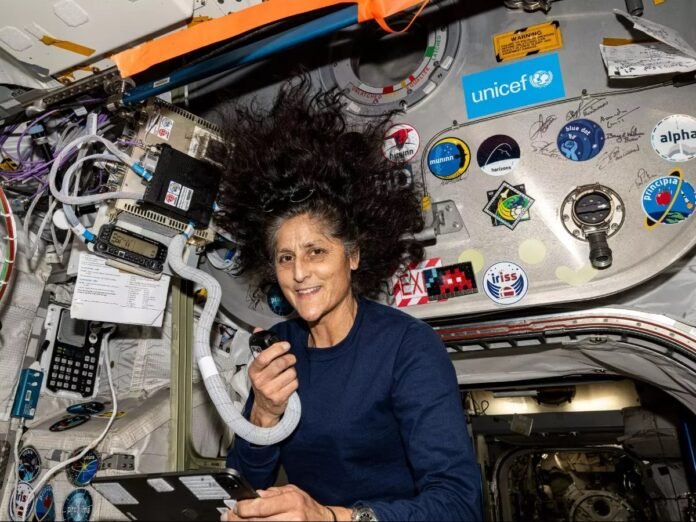
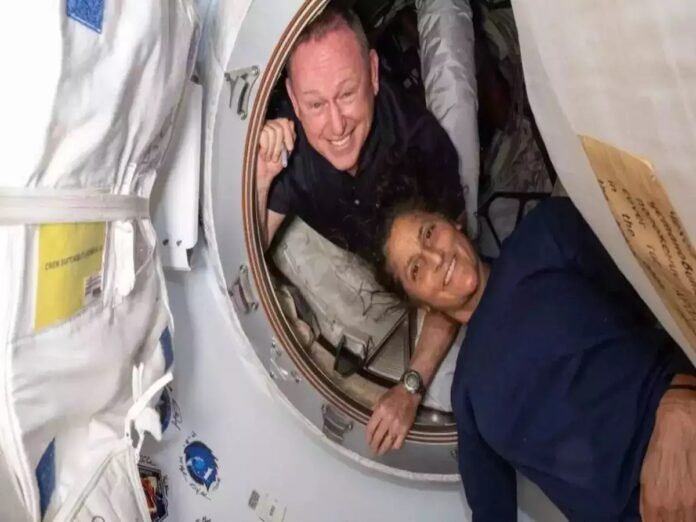
In a world dazzled by breaking news and fleeting trends, we sometimes forget the quiet, constant heroes who push boundaries, unrecognized. Sunita Williams is one of those heroes. A NASA astronaut, she’s spent nearly a decade defying gravity and redefining humanity’s reach into the cosmos. Since June 2023, she has been aboard the International Space Station (ISS), dedicating her life to exploration, discovery, and the shared dreams of humanity—yet there’s an eerie silence about her mission.

The Remarkable Journey We’re Overlooking

Sunita Williams’ life is a testament to resilience and ambition. She’s one of the few astronauts who’ve spent extended periods in space, witnessing things that most of us only dream of. Imagine seeing 16 sunrises and 16 sunsets every day, orbiting Earth at 28,000 km/h, experiencing night and day every 45 minutes. It’s a rhythm far from anything we know, a rare window into the beauty of our planet—and yet, her journey is somehow slipping through the cracks of our awareness.

In the vastness of space, she faces challenges we cannot fathom. There’s the physical strain of microgravity, the isolation from loved ones, and the mental resilience required to adapt to a life without Earth’s comforting cycles of day and night. Her routine, built around the ticking of precise atomic clocks, replaces sunlight with carefully timed work schedules and brief moments of rest. And still, she keeps going, following her mission with unshakeable determination. She went to space on a 8 day mission but now it is expected to be stuck in space for more than 150 days, and her return to Earth has been delayed until February 2025. 

The Silence Around Sunita

Why are we not talking about Sunita? Her mission—extended now due to delays in her return craft, Boeing’s Starliner—is vital not only for scientific discovery but for the future of human space exploration. For decades, she has inspired young minds, particularly those of girls around the world who see themselves in her ambition. Her achievements break barriers and pave the way for generations to come.

Yet, while her life in space remains largely unspoken, Earth’s newsfeeds are filled with the fleeting stories of the day. Her journey reminds us of the quiet sacrifice, the unseen commitment that pioneers in space endure. Williams isn’t just exploring space for herself or NASA; she’s carrying humanity’s hopes and aspirations into the stars.

Sunita’s Legacy and the Power of Remembering

As the days tick by, with each sunrise and sunset she witnesses, Sunita Williams draws closer to her planned return in February 2025, this time aboard SpaceX’s Crew Dragon. For now, her work remains largely unseen, and her voice, though distant, is a reminder that some of the most profound journeys don’t always make the headlines. These journeys take place in the silence of space, where heroes like Sunita are forging a path for humanity’s future.

In the quietude of her mission, Sunita Williams has been inspiring a generation without even knowing it. Isn’t it time we all remembered and celebrated her? For her courage, her sacrifices, and her undying commitment to exploring the unknown, she deserves our attention, our awe, and above all, our gratitude. And we all pray for her healthy comeback.

NASA Astronaut Sunita Williams Witnesses 16 Sunsets Daily While Orbiting Earth: Here’s How

0

NASA astronaut Sunita Williams is experiencing a rare phenomenon aboard the International Space Station (ISS): witnessing 16 sunrises and sunsets every single day. Since launching on her mission in June 2023, Williams has spent her days circling Earth at a blistering speed of 28,000 km/h, which allows her to see the sun rise and set every 45 minutes. This remarkable view is one of the unique perks of life on the ISS, where astronauts orbit Earth approximately once every 90 minutes.

Why Does the ISS Experience Multiple Sunrises and Sunsets?

The ISS travels so fast that it completes a full orbit around Earth every 90 minutes. In each orbit, astronauts pass through cycles of sunlight and darkness, creating a new sunrise or sunset every 45 minutes. This rapid transition from day to night happens 16 times in a 24-hour period, providing a breathtaking perspective that highlights Earth’s curvature and atmospheric layers as the sun dips below the horizon.

Williams, who first experienced these frequent sunrises and sunsets on her initial ISS mission in 2013, once described the awe of space in her own words: “After working so hard to get to space, I was lucky to see 16 sunrises and 16 sunsets daily aboard a fast-moving space shuttle.”

How Do Astronauts Adapt to the Unique Day-Night Cycle?

Without the regular day-night rhythm of Earth, astronauts follow a strict schedule based on Coordinated Universal Time (UTC) to regulate sleep and activity. The ISS environment, where time passes differently due to the absence of natural light cues, necessitates a structured day divided into intervals for work, exercise, meals, and rest. This routine helps maintain their mental and physical health, as the continual shift between light and dark could easily disrupt sleep patterns and productivity.

Since astronauts don’t have the luxury of a natural sunrise or sunset to signal rest periods, precise atomic clocks play a crucial role. These clocks ensure ISS crews stay synchronized with ground-based teams, which is vital for coordinated tasks, particularly during complex or deep-space missions.

The Challenge of Delayed Return to Earth

Williams was initially scheduled to return to Earth via Boeing’s Starliner spacecraft, but delays with the vehicle have postponed her trip back home. Now, she is expected to make her return in February 2025 aboard SpaceX’s Crew Dragon. Her prolonged stay highlights the challenges astronauts face in managing extended periods away from Earth, both physically and mentally.

The Future of Space Travel and Astronaut Life

With NASA and private companies like SpaceX pushing the boundaries of space exploration, more astronauts will soon experience life beyond our planet’s standard cycles of day and night. The insights gained from the ISS missions pave the way for future long-duration space travel, including journeys to Mars and beyond, where time and distance will make Earth’s 24-hour cycle even more of a memory than a reality.

ISRO Chief Envisions Moon Mission by 2040 and Sees Enormous Potential in Space Tourism

0

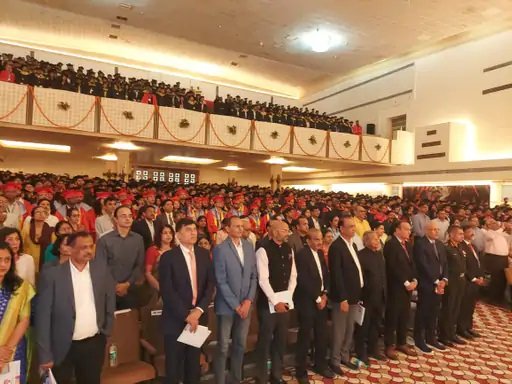
Dr. S. Somanath, Chairman of the Indian Space Research Organization (ISRO), announced that ISRO is ambitiously aiming to send an Indian astronaut to the moon by 2040. Speaking at the convocation ceremony at the Birla Institute of Technology and Science (BITS) Pilani in Jhunjhunu on Sunday, he emphasized the need for a dedicated space station to serve as an intermediate platform for this mission, adding that advancements in microgravity research and specialized space missions are essential steps toward achieving this goal.

“We are still in a continuous learning phase, and our journey of exploration and discovery in space science is ongoing,” Dr. Somanath remarked, highlighting ISRO’s commitment to advancing India’s space capabilities.

Enormous Potential in Space Tourism for India

The ISRO Chief pointed to the promising field of space tourism, noting the significant role India could play in this emerging industry. “There are vast opportunities for India in space tourism, given our reputation for cost-effective engineering,” he said. Referring to private initiatives, Dr. Somanath cited Elon Musk’s plans to establish human colonies on Mars, envisioning a future where people could travel there with a single ticket.

He added, “India’s lunar and Mars missions have been among the world’s most affordable, which has brought ISRO global recognition. This cost-efficiency positions India uniquely in the potential space tourism market.”

India’s Vision for Space over the Next 5 to 60 Years

Outlining ISRO’s roadmap, Dr. Somanath shared that the Indian government has allocated ₹30,000 crore to support future space endeavors over the next 5 to 60 years. This funding marks a significant step forward in India’s space history, opening doors to substantial progress in research, exploration, and potential collaborations.

The Shifting Landscape of Space Exploration

Addressing students, Dr. Somanath spoke about the transformation within space science and technology, explaining that while reaching space was once extraordinarily challenging and costly, technological advancements have made it far more accessible. He reflected on the days when American space missions to the moon required substantial national investment, with nearly 20-30 percent of their assets dedicated to developing scientific capacity.

“Today, reaching space is easier than ever,” Dr. Somanath noted, adding that even universities and research institutions can now launch satellites. The costs of satellite launches have reduced dramatically, with around 20,000 active satellites currently in orbit. Many of these provide telecommunications and internet services with minimal latency, demonstrating the extensive reach of modern space technology.

As ISRO prepares to expand India’s role in space exploration, Dr. Somanath’s vision not only paves the way for a historic moon mission but also opens avenues for India to play a leading role in space tourism and low-cost satellite solutions.

Udaipur Mourns as Former Maharana Mahendra Singh Mewar Passes Away

0

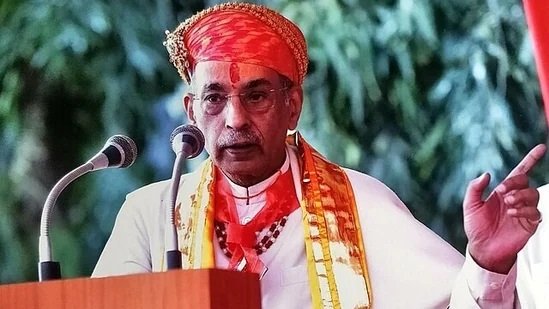
The passing of former Maharana Mahendra Singh Mewar has left Udaipur in a state of shock as people from across society and regions mourn the sad demise of their beloved Maharaj.

Mewar took his last breath on Sunday afternoon, leaving the royal family and the people of Udaipur in profound grief. Since his demise, condolences have been pouring in from all sections of society, with people gathering at his residence, Samore Bagh, to pay their respects.

Born on 24 February 1941, Mahendra Singh Mewar was the son of Maharana Bhagwat Singh and Sushila Kumari. Throughout his life, he dedicated himself to the service of Mewar and the preservation of its rich cultural heritage. He pursued his education at Mayo College, later serving as Vice President of its board. His legacy also includes valuable contributions as a patron of Vidya Pracharini Sabha and Bhopal Nobles University.

Dedication to Education and Development

An ardent advocate for education and cultural development, Mahendra Singh Mewar was deeply involved in promoting learning. Through Vidya Pracharini Sabha, he championed educational access and played a pivotal role in shaping Bhopal Nobles University. These institutions, now celebrated for their academic excellence, stand as testaments to his vision and unwavering commitment to the cause of education.

Engagement in Politics and Public Life

Mahendra Singh Mewar actively engaged in politics, contesting parliamentary elections thrice and serving as an MP from Chittorgarh. He won the 1989 election as a BJP candidate, and later, he joined the Congress but never compromised on his principles. For him, politics was an avenue for public service, and he contributed significantly to the development of tourism and culture in Udaipur.

Scholarship and Humility

A distinguished scholar, Mahendra Singh Mewar was fluent in English and Mewari, impressing everyone he met with his knowledge and humility. He upheld strict discipline and cultural values in the royal palace, and under his guidance, Udaipur’s hotel and tourism industry grew to international prominence, drawing visitors from across the globe.

Outpouring of Condolences

Leaders across the nation expressed their condolences on his passing. Deputy Chief Minister Diya Kumari stated, “The news has brought immense sorrow. May God grant his soul peace and strength to the family to bear this loss. His passing is an irreplaceable loss.”

Union Minister Gajendra Singh Shekhawat shared, “The news of Mahendra Singh Mewar’s passing is heartbreaking. I pray the Almighty grants his soul eternal peace and gives his family the strength to endure this profound sorrow.”

Rajasthan Congress President Govind Singh Dotasra also extended his condolences, noting, “This is an irreparable loss. May his soul rest in peace.”

Legacy of Social Service and Cultural Dedication

Mahendra Singh Mewar’s life is a testament to boundless service and devotion. He remained committed to Mewar’s culture and traditions and was actively involved in Udaipur’s progress. His significant contributions spanned across the Maharana Mewar Foundation, various museums, Garden Hotel, and Lake Palace Hotel.

His passing is an irreplaceable loss not only for his family but for all of Mewar. In his honor, Udaipur Sarafa Association kept its establishments closed, while leaders from both BJP and Congress paid tribute. His son, Vishvaraj Singh, and other family members are receiving condolences from all quarters in this time of loss.

Mahendra Singh Mewar’s memory will endure through his lifelong contributions, and he will continue to inspire the people of Mewar with his exemplary life and service.

National Education Day 2024: History, Significance, And Quotes By Maulana Abul Kalam Azad

0

Every year on November 11, India observes National Education Day in honor of Maulana Abul Kalam Azad, the nation’s first education minister and a towering advocate for inclusive and progressive education. Instituted by the Ministry of Education in 2008, this day commemorates his birth anniversary and his remarkable contributions to the Indian education system, which emphasized the critical role of education in national development, scientific advancement, and social empowerment.

The Vision Behind National Education Day

National Education Day is a reminder of Azad’s commitment to making quality education accessible to all. During his tenure, Azad laid the groundwork for primary and secondary education in post-independent India, championing compulsory education for children and establishing esteemed institutions to foster higher learning. Under his leadership, education became a national priority, not only for economic growth but also for social progress. Azad was particularly passionate about expanding opportunities for underprivileged communities and encouraging girls to pursue education. In recognition of his vision and enduring influence, he was posthumously awarded the Bharat Ratna in 1992, India’s highest civilian honor.

Significance of National Education Day

National Education Day serves as a platform to highlight the transformative power of education. It urges both the government and society to reflect on the current education system and identify areas for improvement. With an emphasis on innovation, creativity, and scientific knowledge, the day reinforces Azad’s vision that education is essential for fostering independent thought and preparing future generations to meet global challenges.

Celebrations across schools and universities include seminars, discussions, and essay competitions focused on the importance of accessible, inclusive education. This day also reminds educators and students alike that every effort made in advancing education is a step toward a brighter, more equitable future for the nation.

Inspiring Quotes by Maulana Abul Kalam Azad

Azad’s words continue to resonate, capturing his belief in the potential of education to shape individuals and society:

  • “Education imparted by heart can bring revolution in the society.”
  • “Educationists should build the capacities of the spirit of inquiry, creativity, entrepreneurial and moral leadership among students and become their role model.”
  • “Climbing to the top demands strength, whether it is to the top of Mount Everest or to the top of your career.”
  • “Be more dedicated to making solid achievements than in running after swift but synthetic happiness.”
  • “Slavery is worst even if it bears beautiful names.”
  • “As a child of God, I am greater than anything that can happen to me.”
  • “Teaching by tongue can be perspired but by good deed can stay stronger.”

National Education Day Wishes 2024

In celebrating this day, here are some heartfelt wishes to inspire and reflect on the role of education in shaping our world:

  • “May education empower us all to achieve our dreams and goals. Happy National Education Day!”
  • “Let’s celebrate the power of knowledge today and always. Wishing you a fulfilling journey of learning!”
  • “Here’s to a future where every child has access to quality education. Happy National Education Day!”
  • “To all educators, thank you for your dedication and impact. Happy National Education Day!”
  • “Wishing you joy in learning and the pursuit of knowledge on this National Education Day!”

Looking Forward

National Education Day stands as a call to action, urging continuous improvements in India’s educational landscape. In an era marked by rapid technological and scientific advancement, Azad’s timeless vision remains a guiding force, reminding us that education is not just a path to knowledge, but the cornerstone of a just, prosperous, and innovative society.