Home Blog Page 43

The evolution of BRI 2.0 in Southeast Asia: Navigating functional indispensability and economic autonomy

0

At its inception in 2013, the Belt and Road Initiative (BRI) was predominantly assessed through the lens of “tangible connectivity”—the heavy industrial deployment of high-speed rail networks, deep-sea maritime hubs, and expansive special economic zones. This initial phase, often retrospectively termed BRI 1.0, focused on the “hard” infrastructure gaps of developing nations. However, as we navigate through the early months of 2026, the strategic focus has undergone a fundamental transition toward what the China Institute of International Studies (CIIS) characterizes as the “High-Quality BRI” era. This evolution was definitively codified during the Third Belt and Road Forum in 2023, where President Xi Jinping reoriented the initiative toward “small yet impactful projects” that emphasize rigorous standards, ecological viability, and social welfare outcomes.

Why China has become systemic architect

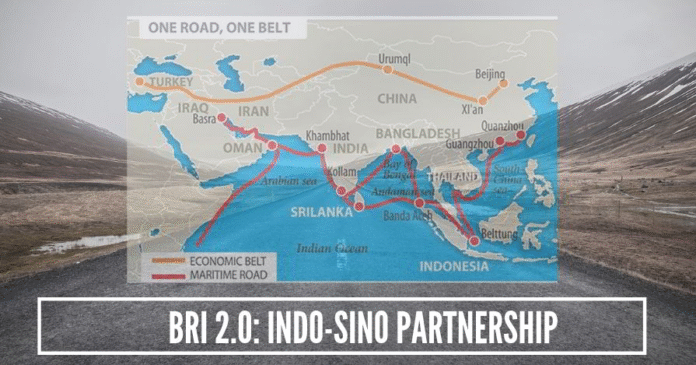
This shift represents a sophisticated tactical realignment rather than a retreat; it is a move toward a model of functional indispensability, wherein Chinese technological architectures and regulatory protocols become the intrinsic nervous system of ASEAN economies. Within Chinese academic circles, specifically among researchers at the Chinese Academy of Social Sciences (CASS), this current phase is interpreted as the practical implementation of the “Community of Shared Future for Mankind”. In this geopolitical framework, China has moved beyond the role of a traditional lender to become a “systemic architect”. By weaving Chinese technical benchmarks into the foundational layers of Southeast Asian infrastructure, Beijing ensures that regional development is tied to Chinese technological life cycles.

As the World Bank highlights, the enduring value of this transition is found in the streamlining of trade and the reform of institutional frameworks. This evolution is crucial for Beijing as it seeks to invalidate Western “de-risking” strategies by making its integration into Southeast Asia an essential, non-negotiable reality.

Furthermore, the Chinese Ministry of Commerce (MOFCOM) has underscored that the “High-Quality” mandate revolves around the “Three Highs”: elevated standards, long-term sustainability, and significant community impact. This signals a pivot toward environmental, social, and governance (ESG) metrics that were largely sidelined during the initial BRI 1.0 phase. By championing these standards, China aims to mitigate international anxieties regarding “debt-trap diplomacy” while effectively outmaneuvering Western initiatives such as the G7’s Partnership for Global Infrastructure and Investment (PGII). The Asian Development Bank (ADB) posits that this institutional deepening will serve as the primary engine for regional economic growth over the coming decade, as physical assets transition into fully operational and interconnected ecosystems.

Technical Standardization and the Digital Silk Road: Governance via Code

The most effective tool in the BRI 2.0 arsenal is the systematic integration of Chinese technical standards into the national regulatory frameworks of neighboring states. In Beijing’s strategic planning, there is a core belief that while “third-tier firms produce goods, first-tier firms establish standards”. This philosophy is being aggressively deployed through the Digital Silk Road (DSR).

This creates a scenario where local governance becomes inextricably linked to Chinese back-end support. This systemic saturation makes a strategic “de-coupling” virtually impossible in the digital realm, as core architectures become aligned with Chinese standards.

The Ideology of “Standardization Power” (Biaozhun Quan)

The most effective tool in the BRI 2.0 arsenal is the systematic integration of Chinese technical standards into the national regulatory frameworks of neighboring states, establishing a long-term path dependency. To understand the depth of this integration, one must look at the internal Chinese discourse surrounding the concept of “Standardization Power” (Biaozhun Quan). In Beijing’s strategic planning, there is a core belief that while “third-tier firms produce goods, second-tier firms produce technology, and first-tier firms establish standards.” This philosophy, articulated in the China Standards 2035 blueprint, represents a shift from being a “consumer” of global norms to a “creator” of them.

In the context of Southeast Asia, this is not merely a commercial endeavor but a form of “institutional statecraft.” By exporting standards for everything from 5G telecommunications to high-speed rail signaling and cloud computing architecture, China is ensuring that the foundational “operating system” of the region is compatible with its own. This creates what scholars define as a “technical ecosystem of reliance.” When a host country adopts a Chinese technical standard, they are not just buying a product; they are entering a multi-decade lifecycle of maintenance, upgrades, and secondary hardware requirements that only Chinese firms can provide.

The Digital Silk Road (DSR) as a Governance Template

The Digital Silk Road (DSR) serves as the primary vehicle for this standardization. While BRI 1.0 was about the “Hard Silk Road” (bridges and ports), BRI 2.0 is about the “Soft Silk Road”—the data centers, terrestrial fiber-optic cables, and satellite links that manage the flow of information. The DSR is effectively building a “Parallel Internet” governed by a state-centric model of cyber-sovereignty.

In Southeast Asia, this model is particularly attractive to governments seeking to modernize their economies while maintaining control over domestic information flows. China provides a complete ecosystem: hardware, software, and regulatory templates. This creates a symbiotic relationship where the host country achieves digital modernization, and China achieves functional indispensability.

Submarine Cables and Data Sovereignty

A critical component is the “Underwater Silk Road”—the network of submarine fiber-optic cables carrying global data. Chinese firms have become dominant players in this domain, connecting major ASEAN digital hubs directly to Chinese networks.

Control over these systems provides “informational structural power,” allowing influence over regional data flows. While cost advantages make Chinese systems attractive, they often come with embedded regulatory and technological dependencies.

The Fintech Frontier and the mBridge Revolution

BRI 2.0 has expanded into the financial digital space through initiatives like the mBridge project, enabling cross-border digital currency transactions.

This system allows trade settlement outside Western-dominated frameworks, strengthening China’s financial influence and promoting the Yuan in regional trade.

AI and the Standardization of Smart Governance

Chinese AI-driven “Smart City” systems are being adopted across Southeast Asia, shaping governance models in areas like surveillance, traffic management, and emergency response.

These systems embed Chinese technological and ideological frameworks into urban governance, creating long-term structural alignment.

The “China Plus N” Strategy and Supply Chains

China’s “China Plus N” strategy redistributes manufacturing across Southeast Asia while retaining high-value production and control domestically.

This ensures that even when production shifts geographically, dependence on Chinese components and systems remains intact.

Geopolitical Repercussions

BRI 2.0 creates a tension between economic integration and strategic autonomy. While ASEAN nations benefit from infrastructure and trade, increasing dependence on Chinese systems limits policy flexibility.

Conclusion: Navigating the Horizon of 2030

The future of BRI lies not in physical infrastructure alone, but in systemic integration—digital, financial, and regulatory.

For ASEAN nations, the challenge will be balancing the benefits of integration with the preservation of sovereignty, as regional systems become increasingly intertwined with Chinese technological and economic frameworks.

The evolution of BRI 2.0 in Southeast Asia: Navigating functional indispensability and economic autonomy

(The writer of this article is Vanshika Choudhary)
Triumph Over Terror as Naxal Chain Dismantled

0

Under the decisive leadership of PM Narendra Modi, India has achieved what once seemed impossible. The ‘Red Corridor’ has collapsed, once affecting 12 crore people across 12 states. The highly affected districts have been reduced from 126 (2014) to just 2 now and 4,839 cadres brought into the mainstream; top commanders were neutralised.

This is New India, resolute, relentless, and moving towards a terror-free future.

The Union Ministry of Home Affairs has officially declared India “Naxal-free” following the March 31, 2026, deadline, marking a major internal security victory. Left-Wing Extremism (LWE)-affected districts plummeted from 126 in 2014 to just 7 in 2026, with only 3 considered “most affected” (Bijapur, Sukma, Narayanpur). Violence declined by 88% since 2010. 

𝐓𝐡𝐞 𝐭𝐢𝐝𝐞 𝐡𝐚𝐬 𝐭𝐮𝐫𝐧𝐞𝐝 𝐢𝐧 𝐍𝐚𝐱𝐚𝐥-𝐚𝐟𝐟𝐞𝐜𝐭𝐞𝐝 𝐫𝐞𝐠𝐢𝐨𝐧𝐬.

India’s relentless fight against Naxalism has yielded results, making India Naxal-free. Through the “Zero Tolerance” policy and a focus on grassroots development, the government is reclaiming regions that were once inaccessible.  There has been a total of 90% reduction in Naxal-affected districts since 2014, a total of 70% decrease in civilian casualties, ensuring safer communities. A total of 12,000 km of roads has been constructed to bring essential services to the most remote areas. Around 586 fortified police stations now stand as bastions of security and governance.

𝐌𝐨𝐝𝐢 𝐠𝐨𝐯𝐞𝐫𝐧𝐦𝐞𝐧𝐭 𝐢𝐬 𝐛𝐮𝐢𝐥𝐝𝐢𝐧𝐠 𝐚 𝐬𝐭𝐫𝐨𝐧𝐠𝐞𝐫, 𝐦𝐨𝐫𝐞 𝐢𝐧𝐜𝐥𝐮𝐬𝐢𝐯𝐞 𝐈𝐧𝐝𝐢𝐚. 

The transition to a “Naxal-free” India by March 2026 was achieved through a multi-pronged approach that integrated aggressive security operations with large-scale development and a compassionate rehabilitation policy. 

This strategy, often referred to as the SAMADHAN doctrine, shifted the government’s stance from reactive containment to proactive elimination. 

  1. Operational & Security Processes

The government re-established territorial supremacy by filling “security vacuums” in previously inaccessible areas. 

SAMADHAN Doctrine (2017): 

 A comprehensive blueprint focusing on Smart leadership, Aggressive strategy, Motivation/training, Actionable intelligence, Dashboard-based tracking, Harnessing technology, Action plans for each theatre, and No access to financing.

Operation Kagar (2024–2025):

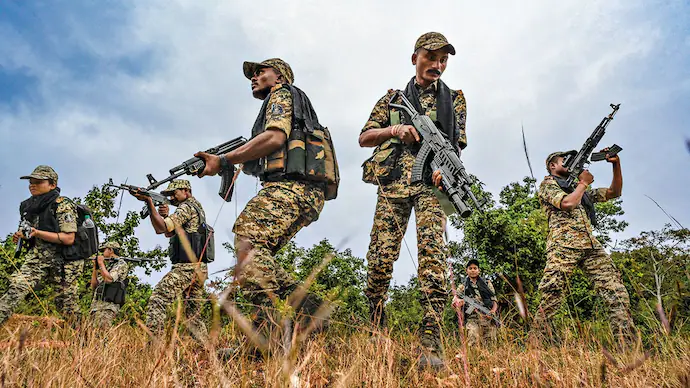
 Also known as the “Final Mission,” this major offensive deployed nearly 1 lakh personnel to dismantle core Maoist strongholds in the Abujhmad forest and the Chhattisgarh-Telangana border.

Forward Operating Bases (FOBs):

 Over 336 new camps were established deep in “Red Zones,” functioning as both security hubs and launch points for development.

Fortified Police Stations: 

 The number of these highly protected stations was increased from 66 in 2014 to over 612 by 2026 to ensure a permanent state presence.

  1. Developmental Processes

Infrastructure Push, digital & financial connectivity, socio- economic schemes like Dharti Aaba janjatiya gram Utkarsh and other policies like Surrender-cum-Rehabilitation Policy worked miracles as cadres were incentivised to defect with immediate cash grants (up to ₹5 lakh for high-ranking members), a monthly stipend for 36 months, and vocational training.

Challenging “Urban Naxal” Networks:

 Targeted legal action against urban support systems, legal aid networks, and media narratives that provided ideological cover for the insurgency. This is not just a policy shift — 𝐓𝐡𝐢𝐬 𝐢𝐬 𝐍𝐞𝐰 𝐈𝐧𝐝𝐢𝐚 𝐝𝐞𝐥𝐢𝐯𝐞𝐫𝐢𝐧𝐠 𝐨𝐧 𝐬𝐞𝐜𝐮𝐫𝐢𝐭𝐲, 𝐬𝐭𝐚𝐛𝐢𝐥𝐢𝐭𝐲, 𝐚𝐧𝐝 𝐣𝐮𝐬𝐭𝐢𝐜𝐞. 

By Vanshika Soni 

Triumph Over Terror as Naxal Chain Dismantled

The writer is student of Kanoria P G Mahila Mahavidyalaya

Know Who is Divya Singh Who Cycled to Everest Base Camp…

0

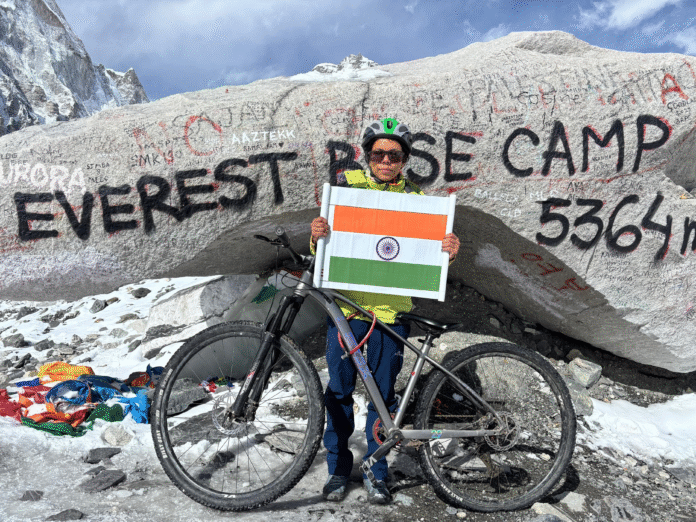
Divya Singh is a young Indian adventure cyclist from Uttar Pradesh who has recently gained national attention for completing a remarkable cycling expedition to Everest Base Camp (EBC).

What made her famous?

She cycled from Kathmandu (Nepal) to Everest Base Camp (5,364 meters) in just 14 days, a journey known for its extreme difficulty due to steep Himalayan terrain, freezing temperatures, low oxygen levels (high-altitude hypoxia) and unpredictable weather.

This is not a standard cycling route, in several stretches, she reportedly had to carry her bicycle on her shoulders, highlighting the toughness of the expedition.

Why her achievement stands out

  • Rode 10–12 hours daily across rugged mountain trails
  • Overcame altitude sickness risks and fatigue
  • Completed a feat rare even among experienced cyclists
  • Earned recognition as an emerging face of women in adventure sports in India

Why she’s trending

Her journey went viral on social media, with photos and videos capturing:

  • Harsh Himalayan conditions
  • Her determination and endurance
  • The emotional final stretch to Everest Base Camp

Bigger impact

Divya Singh’s achievement is being seen as:

  • A milestone for women in endurance sports
  • A boost to adventure tourism awareness
  • Inspiration for young Indians to pursue non-traditional, high-risk challenges

Beyond the Gym: Top Fitness and Wellness Trends Defining 2026

0

The global fitness and wellness industry in 2026 is undergoing a significant shift—from aesthetics and quick results to longevity, personalization, and holistic well-being. Across the world, people are no longer just chasing fitness goals; they are seeking sustainable health, better quality of life, and mental resilience. Here are the key trends shaping this transformation.

1. Longevity and Preventive Health Take Centre Stage

One of the biggest global trends is the focus on living longer and healthier. Wellness is now centred on improving “healthspan”—not just lifespan. People are investing in metabolic health, early diagnostics, and lifestyle changes that reduce long-term disease risk.

2. Rise of AI and Personalised Fitness

Fitness is becoming smarter and more personalised through data and technology. AI-driven platforms now create customised workout plans, nutrition advice, and recovery strategies based on individual biomarkers and habits. This shift marks the move away from one-size-fits-all fitness to tailored wellness journeys.

3. Wearables and Data-Driven Health

Wearable devices and health-tracking apps continue to dominate global fitness trends. From tracking heart rate and sleep to monitoring stress and recovery, individuals are increasingly relying on real-time data to optimise their health and performance.

4. Sleep and Recovery as Core Fitness Pillars

Sleep is no longer an afterthought—it is central to fitness. Advanced sleep tracking, circadian rhythm optimisation, and recovery-focused routines are gaining popularity as people recognise their impact on metabolism, mental health, and performance.

5. Mental Health and “Neurowellness”

A major shift in 2026 is the integration of mental health into fitness. Practices like meditation, breathwork, and nervous system regulation—often called “neurowellness”—are becoming mainstream. Fitness is now as much about reducing stress as it is about building strength.

6. Community-Based Fitness and Social Wellness

Globally, there is a move away from isolated workouts toward community-driven fitness. Run clubs, group classes, and wellness communities are growing rapidly, offering not just physical benefits but also social connection and motivation.

7. Functional and Sustainable Fitness

Instead of extreme workouts, people are choosing functional, sustainable routines like walking, strength training, and mobility exercises. The focus is on consistency, injury prevention, and long-term fitness rather than quick transformations.

8. Balance Between High-Tech and Human Wellness

Interestingly, while technology is booming, there is also a counter-trend—people are seeking simpler, more human experiences. Wellness retreats, outdoor activities, and low-tech mindfulness practices are gaining popularity as a balance to digital overload.

The Big Shift: From Fitness to Holistic Wellness

The defining trend of 2026 is clear—fitness is no longer just about physical appearance. It is about integrating body, mind, and lifestyle into a sustainable system of health. As technology advances and awareness grows, the future of wellness lies in balance: between data and intuition, performance and recovery, and individuality and community.
In this evolving landscape, the goal is not just to be fit—but to be truly well.

The Arctic Fox: A Master of Survival in the Frozen North

0

The Arctic fox is one of the most resilient animals on Earth, perfectly adapted to life in the extreme conditions of the Arctic. Found across the tundra regions of North America, Europe, and Asia, this small mammal thrives in an environment where temperatures can drop below –50°C and food is often scarce.

One of the Arctic fox’s most remarkable features is its ability to withstand intense cold. Its compact body, short ears, and thick fur minimise heat loss, while even the soles of its feet are covered in fur for insulation. The fox’s bushy tail serves as a blanket, wrapping around its body during freezing winds. Another fascinating adaptation is its seasonal coat change—white in winter for camouflage in snow, and brown or grey in summer to blend with the tundra landscape.

Despite harsh conditions, the Arctic fox is an opportunistic omnivore. Its diet mainly consists of small mammals such as lemmings, along with birds, eggs, fish, and carrion. During winter, it often follows larger predators like the polar bear, feeding on leftover scraps. Its keen hearing allows it to detect prey beneath thick snow, after which it pounces with precision.

Arctic foxes remain active throughout the year and do not hibernate. They live in complex burrow systems that provide shelter from the cold and predators, some of which are used for generations. These dens become especially important during the breeding season.

Reproduction takes place once a year, typically in spring. After a gestation period of about 50–52 days, the female gives birth to a large litter—sometimes up to 20 pups, one of the largest among mammals. The young grow quickly and are usually independent by autumn.

Currently, the Arctic fox is classified as a species of “Least Concern” globally. However, it faces growing challenges from climate change, which alters its habitat and allows competitors like the red fox to expand northward.

The Arctic fox stands as a powerful example of adaptation and endurance. In one of the planet’s most unforgiving environments, it not only survives but thrives—reminding us of nature’s extraordinary resilience.

Tech Meets Treatment: Reimagining Healthcare in 21st Century India

0

India’s healthcare system is undergoing a profound transformation, driven by rapid technological advancement, policy support, and a growing digital ecosystem. In a country long challenged by gaps in accessibility and infrastructure, technology is emerging as a powerful equaliser—bringing quality healthcare closer to millions. While this shift mirrors global trends, India’s scale, diversity, and innovation make its journey uniquely significant.

Building a Digital Health Ecosystem

A cornerstone of this transformation is the Ayushman Bharat Digital Mission (ABDM), launched to create an integrated digital health infrastructure. At its core is the ABHA (Ayushman Bharat Health Account) number, a unique digital identity that allows individuals to store and access their medical records securely across hospitals and platforms.

By reducing fragmentation in health data, ABDM aims to improve continuity of care, minimise duplication of tests, and make healthcare delivery more efficient and patient-centric.

Telemedicine: Expanding Access Across India

Telemedicine has revolutionised healthcare access, particularly in rural and underserved areas. Its adoption surged during the COVID 19 Pandemic and has since become a vital part of the healthcare system.

Government-backed platforms like eSanjeevani , along with private services such as Practo and Apollo 24/7, enable patients to consult doctors, access prescriptions, and seek follow-up care without the need for travel. This is particularly impactful in regions where specialist care is limited.

Artificial Intelligence: Enhancing Diagnosis and Efficiency

The integration of Artificial Intelligence(AI) is gradually reshaping diagnostics and clinical decision-making in India. AI tools are being used to assist in detecting diseases such as Tuberculosis, cancer, and diabetic eye conditions through analysis of medical images and data.

While adoption is still concentrated in urban hospitals, research institutions, and startups, AI holds significant promise in addressing the shortage of skilled medical professionals and improving diagnostic accuracy at scale.

Preventive Healthcare and Wearables

The growing use of wearable devices like Apple Watch and Fitbit reflects a shift toward preventive healthcare. These devices track vital parameters such as heart rate, sleep patterns, and physical activity, encouraging individuals to take a proactive approach to their health.

Although adoption is currently higher in urban and higher-income groups, such technologies are gradually shaping awareness around lifestyle-related diseases like diabetes and hypertension.

Digitisation of Hospitals and Health Records

Hospitals across India are increasingly adopting Electronic Health Records (EHRs), digital prescriptions, and integrated management systems. This digitisation improves efficiency, reduces medical errors, and enables better coordination among healthcare providers.

Access to real-time patient data allows for more informed decision-making, ultimately improving the quality and continuity of care.

Emerging Frontier: Precision Medicine

Advances in Geonomics are paving the way for personalised or precision medicine—where treatments are tailored to an individual’s genetic profile, lifestyle, and environment. In India, this approach is still at a developing stage and largely limited to specialised hospitals, particularly in oncology, but it represents a promising future direction.

India in the Global Context

Globally, healthcare systems are increasingly embracing digital tools, AI, and data-driven care. India stands out due to its strong IT capabilities, cost-effective innovation, and ability to implement solutions at scale. As digital infrastructure expands, the country is well-positioned to become a leader in affordable and scalable healthcare technology.

Challenges and the Way Forward

Despite significant progress, several challenges remain:
●Ensuring data privacy and cybersecurity
●Bridging the digital divide between urban and rural populations
●Improving digital literacy among patients and healthcare providers
●Strengthening regulatory frameworks for emerging technologies

Addressing these issues will be crucial to ensure equitable and safe adoption of digital healthcare solutions.

Toward a Healthier, Connected India

Technology is not replacing the human touch in medicine—it is enhancing it. In India, where disparities in healthcare access have long existed, digital innovation offers a pathway to more inclusive, efficient, and patient-centric care.

As technology continues to evolve, the convergence of healthcare and digital tools promises not only better treatment outcomes but also a future where quality healthcare is accessible to every citizen—regardless of geography.

Ancient Wisdom, Modern Living: 12 Ayurvedic Health Principles for a Balanced Life

0

Rooted in India’s rich knowledge traditions, Ayurveda is a holistic system of health that focuses on prevention, balance, and harmony between the body, mind, and environment. Developed over millennia, with foundations in classical texts such as the Charaka Samhita and Sushrut Samhita , Ayurveda remains deeply relevant in today’s fast-paced world.

At its core lies the concept of three governing energies or doshas— Vata (movement), Pitta (metabolism), and Kapha (structure). Health, according to Ayurveda, is achieved when these doshas are in balance and digestion, sleep, and mental well-being are stable.

Here are 12 timeless Ayurvedic health principles, refined for modern lifestyles and aligned with contemporary understanding:

1. Align Your Day with Natural Rhythms
Waking up early—ideally around Brahma Muhurta (about 90 minutes before sunrise)—is believed to enhance mental clarity and energy. Modern research on circadian rhythms also highlights the benefits of syncing daily routines with natural light cycles.

2. Begin the Day with Warm Water
Drinking warm water in the morning supports hydration and may aid digestion and bowel regularity. In Ayurveda, it is also believed to help clear ama (a traditional concept referring to metabolic waste).

3. Follow a Consistent Daily Routine (Dinacharya)
A structured routine that includes oral hygiene, tongue cleaning, light exercise, and mindfulness practices helps regulate metabolism and maintain overall balance.

4. Eat According to Your Body Constitution
Ayurveda recommends tailoring diet and lifestyle based on your dominant dosha. While this system is traditional and not scientifically standardized, it aligns with the growing emphasis on personalized nutrition.

5. Choose Fresh, Seasonal, and Local Foods
Freshly prepared, seasonal foods are easier to digest and often more nutrient-rich. This principle is strongly supported by modern nutritional science.

6. Support Your Digestive Health (Agni)
A strong digestive system is central to well-being. Eating at regular times, avoiding overeating, and including digestive spices like ginger or cumin can support gut health.

7. Practice Mindful Eating
Eating without distractions, chewing food thoroughly, and being aware of hunger cues improves digestion and prevents overeating—an approach widely supported today.

8. Use Herbs with Awareness
Ayurveda incorporates herbs such as Tulsi, Ashwagandha , and turmeric. Many of these have been studied for benefits like stress support and anti-inflammatory properties, though they should be used thoughtfully and, when needed, under guidance.

9. Prioritise Quality Sleep (Nidra)
Sleep is considered one of the three pillars of health in Ayurveda. Adequate, regular sleep is essential for immunity, mental clarity, and metabolic balance.

10. Practice Self-Massage (Abhyanga)
Daily oil massage is believed to improve circulation, nourish the skin, and calm the nervous system. Modern studies on massage therapy also suggest benefits for stress reduction and relaxation.

11. Approach Detox Mindfully
Ayurveda recommends cleansing therapies like to restore balance. However, such treatments should only be undertaken under trained supervision, as scientific evidence remains limited and evolving.

12. Integrate Yoga and Meditation
Yoga, breathing exercises (pranayama), and meditation form an integral part of Ayurvedic living. These practices are widely supported by research for reducing stress, improving focus, and enhancing overall well-being.

A Holistic Path Forwar
d

The enduring strength of Ayurveda lies in its preventive approach—encouraging a lifestyle that maintains health rather than merely treating disease. While not all its concepts are scientifically standardized, many of its core principles—such as routine, balanced diet, good sleep, and stress management—are increasingly validated by modern research.

By thoughtfully blending this ancient wisdom with contemporary knowledge, Ayurveda offers a practical and sustainable path to healthier, more mindful living in today’s world.

The Ghost-Built Temple of Morena: Kakanmath -Madhya Pradesh’s Mysterious 11th-Century Marvel

0

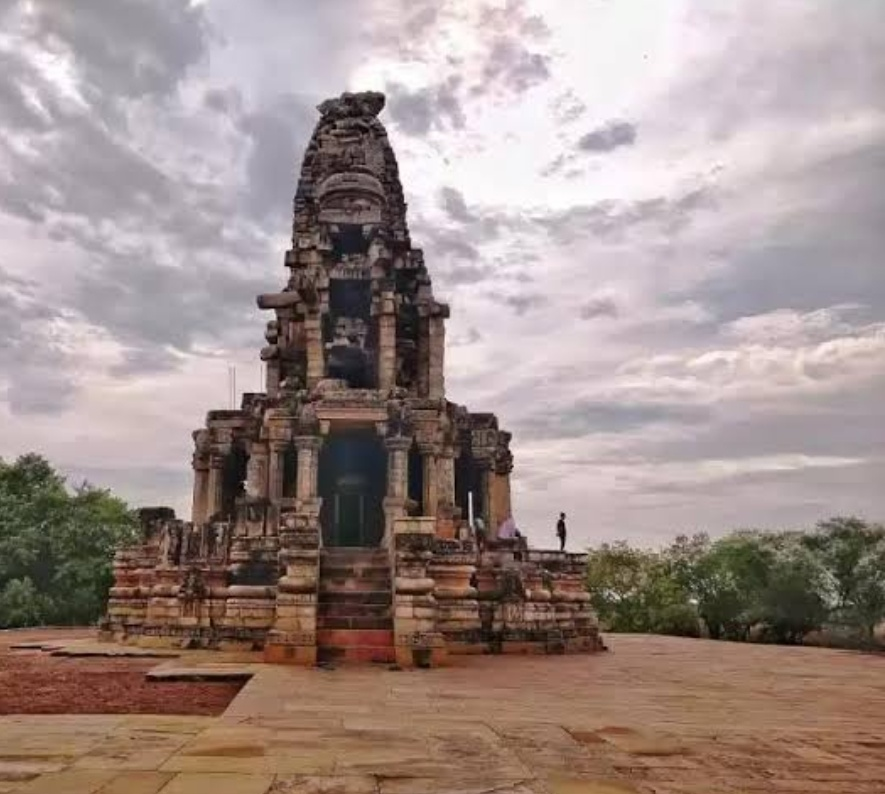
In the quiet village of Sihoniya in Morena district, Madhya Pradesh, stands an architectural wonder that has puzzled historians and sparked supernatural legends for nearly a thousand years the Kakanmath Temple. Built in the 11th century, this towering Shiva temple rises nearly 115 feet (about 30 meters) into the sky. What makes it truly extraordinary is not just its height or beauty, but the enduring local folklore that claims it was constructed overnight by ghosts and spirits, only to be left unfinished at sunrise.

The Legendary Tale of Supernatural Builders. According to popular folklore, Lord Shiva appeared in the dream of King Kirtiraja of the Kachchhapaghata dynasty and promised that his ganas (spirits) would build a magnificent temple in a single night – on one strict condition: no human should witness the construction. The king ordered all villagers to stay indoors after dark. However, curiosity got the better of a young boy (or in some versions, a woman who started grinding grain early). The moment the builders realized they had been seen, the spirits vanished with the first rays of the sun, leaving the grand temple incomplete.

The Ghost-Built Temple of Morena: Kakanmath -Madhya Pradesh's Mysterious 11th-Century Marvel

This legend beautifully explains the temple’s seemingly precarious look – massive stones stacked without any cement, lime, or mortar, appearing almost haphazardly placed, yet standing firm against earthquakes, storms, and the passage of nearly 1,000 years. The Real History Behind the Mystery Historians offer a more grounded explanation. The Kakanmath Temple was commissioned by King Kirtiraja (reigned 1015-1035 CE) of the Kachchhapaghata dynasty in honor of his queen, Kakanwati, a devout worshipper of Lord Shiva. The name “Kakanmath” is believed to be derived from the queen’s name.

The temple represents the Kachchhapaghata style of architecture, which later influenced the famous Chandela style seen in the Khajuraho temples. It was originally part of a larger Panchayatana complex (a group of five temples), but over time, the surrounding structures were destroyed by earthquakes and invasions, leaving the main shrine standing alone in its dramatic “skeletal” form.

An Engineering Marvel Without Mortar one of the most fascinating aspects of Kakanmath is its dry masonry construction. The huge sandstone blocks are interlocked with such precision that no binding material was needed. This gravity-defying technique has allowed the temple to survive seismic activity that has toppled many other structures.

At first glance, the exposed inner core gives the impression that the temple could collapse at any moment. Yet it has endured for centuries, adding fuel to the supernatural stories. Locals even believe that trying to move or lift any of the stones outside the temple causes the entire structure to shake, as if protected by an unseen force.

Despite its ruined appearance today, Kakanmath was once a richly decorated masterpiece of North Indian Nagara architecture. The walls and pillars feature intricate carvings of. Vedic deities including Shiva, Parvati, Ganesha, Kartikeya, Vishnu, and Brahma celestial apsaras (heavenly dancers) and mythical vyalas (leogryphs)

Amorous mithuna couples, reminiscent of Scenes from Hindu epics and everyday life. The towering shikhara (spire), ornate seven-jambed doorway, and pillared halls (gudha-mandapa and mukha-mandapa) showcase the skill of ancient artisans. The Seven Deaf Grooms Prophecy locals say the temple will collapse the day a marriage procession of seven deaf grooms passes by simultaneously. Floating Stones some stories claim the massive stones flew through the air to reach the site.

Queen’s Devotion the temple was built so. Queen Kakanwati could easily perform her daily Shiva prayers without delay. Whether you believe the ghost stories or the historical accounts, the Kakanmath Temple remains one of Madhya Pradesh’s most intriguing and visually Whether you believe the ghost stories or the historical accounts, the Kakanmath Temple remains one of Madhya Pradesh’s most intriguing and visually striking monuments. Its blend of architectural brilliance, enduring mystery, and timeless legends makes it a must-visit for anyone exploring the “Heart of India.”

Dracula Land: Romania’s €1 Billion Vampire Dream – Will Transylvania Get Its Own “Disneyland”?

0

Dracula Land

Romania is set to stake its claim in Europe’s theme park scene with Dracula Land, a massive €1 billion ($1.1 billion) mega-resort and theme park planned near Bucharest. Unveiled in December 2025 by Romanian entrepreneur Dragoş Dobrescu, the ambitious project aims to open around 2027 and rival giants like Disneyland Paris and Europa-Park. Spanning 160 hectares and located just 15 minutes from Henri Coandă International Airport, Dracula Land promises to transform the iconic Dracula legend into a world-class destination blending Romanian folklore, immersive storytelling, cutting-edge technology, and global Gothic vibes.

The heart of the complex is a sprawling theme park covering over 780,000 m², divided into six immersive zones with more than 40 major attractions, including high-speed roller coasters and interactive dark rides. Moonlit District the grand entrance boulevard, inspired by historic Bucharest architecture, setting a dramatic Gothic tone from the moment visitors arrive. Family Kingdom: A whimsical zone featuring supernatural creatures from global folklore, designed especially for younger guests. Transylvania an atmospheric area showcasing traditional Romanian villages and breathtaking Carpathian landscapes. Dracula’s Castle: The park’s iconic centerpiece, home to the thrilling Flight of the Bat wing coaster.

Port of New Orleans: A Gothic Mardi Gras-themed land with a dueling werewolf roller coaster, carnival games, bayou scenery, and theatrical performances. London Town: A Victorian-era zone where guests step into the role of vampire hunters amid gas lamps, cobblestone streets, and period detailing. Confirmed highlights include the high-speed Flight of the Bat wing coaster and the racing Dueling Werewolf Roller Coaster, along with dark rides, shows, and interactive experiences that expand beyond classic Transylvanian vampire lore to embrace worldwide Gothic mythology.

Beyond the Rides: A Full Entertainment Resort. Dracula Land is designed as a multi-day destination with far more than just thrill rides. Three Themed Hotels (totaling 1,200 rooms) the luxury Dracula Grand Hotel, family-oriented Dracula Family Hotel, and more affordable Dracula Inn. Expect Gothic-inspired design,

modern amenities, and possible perks like early park access. Aqua Park & Spa: A 50,000 m² water park featuring over 30 attractions and one of Europe’s largest wave pools, plus thermal spa facilities drawing on Romania’s natural hot springs for year-round wellness appeal. Multifunctional Arena: A 22,500-seat venue ready to host international concerts, festivals, esports events, theatrical productions, and corporate gatherings.

Retail & Leisure: A 9,000 m² luxury fashion outlet and a 4.5 km professional racing circuit for amateur experiences, driving schools, and motorsport events. Technology Hub: A 15,000 m² space with over 1,000 workstations focused on Al, gaming, and digital startups – creating synergies with the park’s tech innovations. Digital Metaverse: A “digital twin” of the park built in Unreal Engine 5. complete with a native
cryptocurrency for virtual and physical experiences.

Timeline, Impact, and Ambition Groundbreaking is scheduled for September 2026 (following zoning approvals), with a target opening in 2027. The fully privately funded project expects to create over 5,000 direct and indirect jobs and attract around 3 million visitors annually.

Dragoş Dobrescu, with support from an international team (including former Europa-Park creative director Chris Lange, architects from Piuarch Milano, and consultants from Deloitte), describes it as “more than a theme park a national symbol” showcasing Romania’s potential for world-class landmarks. While the vision is undeniably bold and exciting for fantasy travelers and vampire tourism fans, some industry observers have expressed skepticism. Much of the striking concept art appears to be Al-generated, raising questions about the realism of the ambitious 2027 timeline and final execution quality.

The Lakes of Udaipur: Ingenious Water System Behind the ‘City of Lakes’

0

Nestled within the rugged folds of the Aravalli hills, Udaipur’s famed lakes are far more than scenic marvels—they are the result of a visionary and highly sophisticated water management system developed over centuries. Built by the rulers of Mewar to combat the challenges of an arid landscape, this interconnected network of lakes continues to sustain the city while defining its identity as the “City of Lakes.”

A Masterfully Connected Lake System
Udaipur’s lake system is a cascading network of artificial and natural water bodies, designed to collect, store, and distribute rainwater efficiently. Upper catchment lakes like Badi and Madar feed into the city’s central lakes—Pichola, Fateh Sagar, Swaroop Sagar, and Rang Sagar—which are further connected to downstream reservoirs like Udai Sagar through channels and the Ahar River basin. This intelligent design ensured flood control, groundwater recharge, and year-round water availability, showcasing remarkable ecological foresight.

The Historic Lakes and Their Legacy

Lake Pichola (14th century)

The Lakes of Udaipur: Ingenious Water System Behind the ‘City of Lakes’

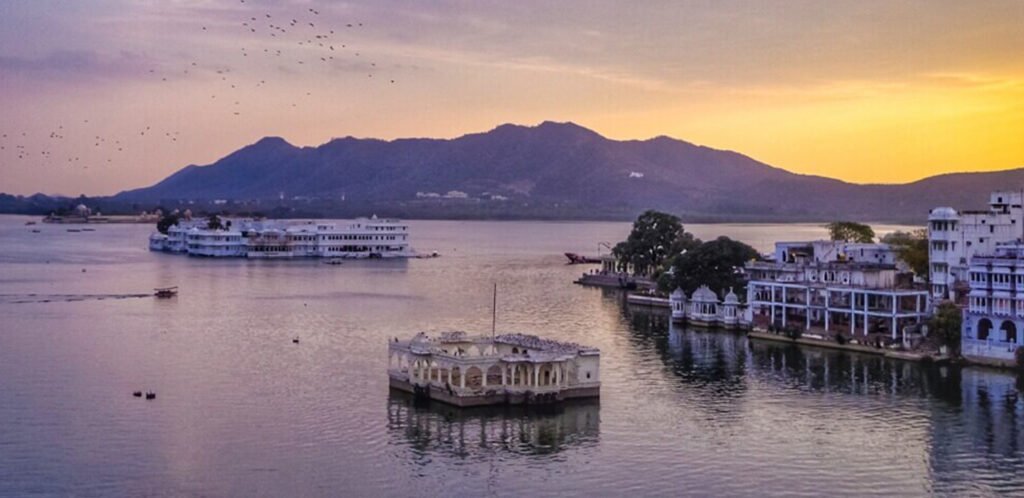
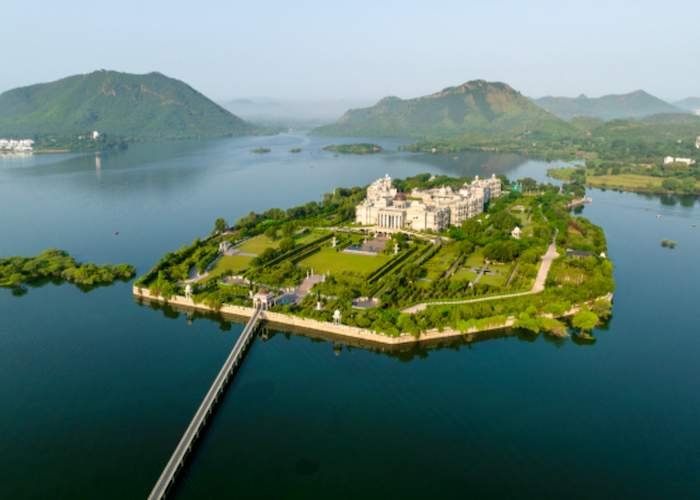
One of Udaipur’s oldest and most iconic lakes, Pichola was built in 1362 by a local banjara, Pichhu, during the reign of Maharana Lakha. It was later expanded by Maharana Udai Singh II, who established the city of Udaipur in 1559 along its banks. Adorned with islands like Jag Mandir and the Lake Palace, Pichola remains a symbol of royal elegance.

Fateh Sagar Lake (1678; rebuilt 1889)

The Lakes of Udaipur: Ingenious Water System Behind the ‘City of Lakes’

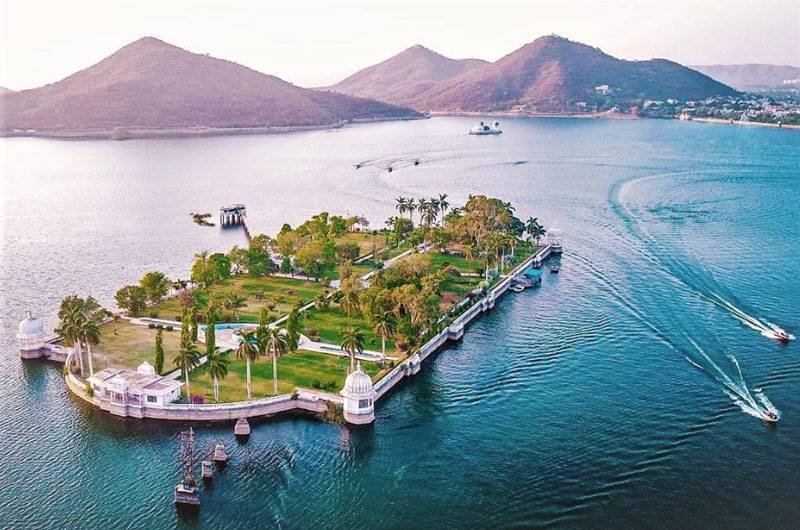
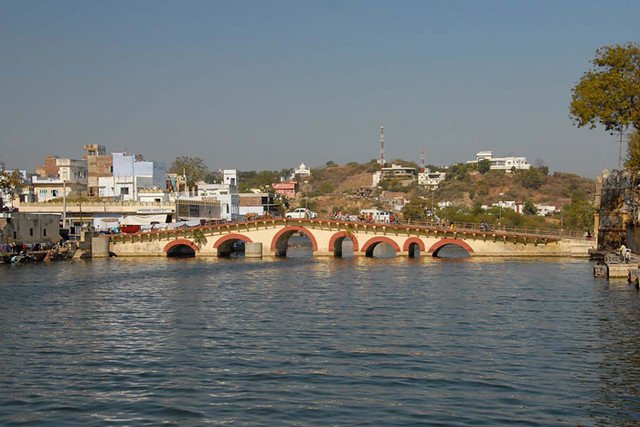
Constructed by Maharana Jai Singh in 1678, this lake was later reconstructed by Maharana Fateh Singh after severe flood damage in 1889. Surrounded by hills, Fateh Sagar today serves as both a vital water source and a popular recreational spot.

Jaisamand Lake (1685)

The Lakes of Udaipur: Ingenious Water System Behind the ‘City of Lakes’
Jaisamand Wildlife Sanctuary

Built by Maharana Jai Singh by damming the Gomti River, Jaisamand—also known as Dhebar Lake—is one of the largest artificial freshwater lakes in India. It stands as a testament to the scale and ambition of Mewar’s hydraulic engineering.

Udai Sagar (16th century)

The Lakes of Udaipur: Ingenious Water System Behind the ‘City of Lakes’

Constructed by Maharana Udai Singh II, this lake strengthened the city’s water supply and supported agriculture, further integrating the region’s water network.

Swaroop Sagar & Rang Sagar (19th century)

The Lakes of Udaipur: Ingenious Water System Behind the ‘City of Lakes’

These smaller yet crucial lakes function as regulatory links within the system. They help channel and control water flow between Pichola and Fateh Sagar, maintaining balance during periods of excess rainfall.

Badi Lake (Jiyan Sagar)

The Lakes of Udaipur: Ingenious Water System Behind the ‘City of Lakes’

Built by Maharana Raj Singh I to counter famine, Badi Lake forms part of the upper catchment system, reflecting the rulers’ responsiveness to environmental challenges.

Purpose and Vision

The lakes were primarily built to tackle water scarcity in a semi-arid region with unpredictable rainfall. By harvesting monsoon waters and storing them across interconnected reservoirs, the rulers ensured drinking water, irrigation, and urban sustainability. This system stands today as an early model of climate-responsive planning.

Environmental and Cultural Significance

Udaipur’s lakes continue to recharge groundwater, support aquatic ecosystems, and regulate the city’s microclimate. They also serve as habitats for birds and wildlife, contributing to the region’s biodiversity.

At the same time, these lakes form the cultural and visual soul of Udaipur. The reflection of palaces, ghats, and temples on their shimmering waters creates an enchanting landscape that draws visitors from around the world. Boat rides on Lake Pichola, serene evenings at Fateh Sagar, and the tranquil charm of Badi Lake make them central to Udaipur’s tourism and local life.

In essence, Udaipur’s lakes are not merely water bodies but a living legacy of ingenuity, resilience, and harmony with nature. Centuries after their creation, they continue to sustain the city—quietly narrating a story of vision that turned scarcity into enduring abundance.