Home Blog Page 392

India Leads the World in Tiger Conservation

0

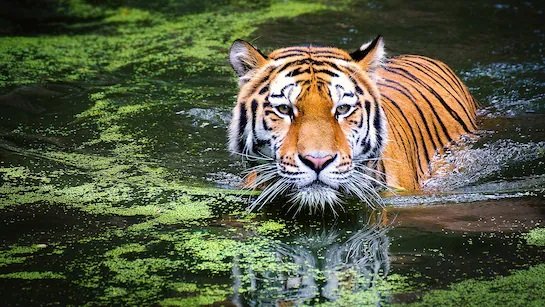
India has emerged as the global leader in tiger conservation, boasting the largest tiger population in the world despite having just 18% of the world’s tiger habitat and one of the highest human population densities.

A Remarkable Rise in Numbers

Over the past decade, India’s tiger population has surged past 3,600, accounting for 75% of the global tiger population. These magnificent big cats share a landscape of 138,200 sq km—roughly half the size of the United Kingdom—with an estimated 60 million people.

What Led to This Conservation Success?

According to a study published in Science, India’s tiger recovery has been driven by:

Stronger anti-poaching measures
Efforts to restore degraded habitats
Increased prey availability
Minimization of human-wildlife conflicts
Support for local communities in conservation efforts

“It’s not just about the number of people but their attitudes towards conservation that play a crucial role,” said Yadvendradev Vikramsinh Jhala, the study’s lead author, in an interview with the BBC.

A Tale of Contrasts: India vs. Malaysia

Jhala highlighted how, despite economic prosperity and lower population density, Malaysia has struggled to revive its tiger population, whereas India’s structured conservation efforts have yielded success.

The study, co-authored by Ninad Avinash Mungi, Rajesh Gopal, and Qamar Qureshi, examined tiger distribution in India between 2006 and 2018, during which tiger habitats expanded by 30%.

Human-Tiger Coexistence: A Complex Dynamic

While protected areas rich in prey have played a vital role, tigers have also adapted to regions inhabited by millions of people, mainly in agricultural and peri-reserve landscapes.

The level of human-tiger coexistence varies across states, influenced by economic, social, and cultural factors:

Madhya Pradesh & Maharashtra – Prosperous states with robust conservation programs have successfully sustained large tiger populations.

Odisha & Chhattisgarh – High levels of poaching and weaker conservation enforcement have led to population declines.

The Double-Edged Sword of Economic Growth

While economic prosperity aids tiger recovery by promoting sustainable ecosystem use, it also presents challenges. Unregulated development and habitat destruction pose a significant risk to long-term conservation.

“Economic growth can be a double-edged sword for tiger habitats,” Jhala cautioned.

Political Unrest: A Hidden Threat to Tigers

The study also pointed to armed conflict and political instability as major contributors to tiger population decline. Wildlife exploitation and habitat destruction tend to escalate in regions experiencing social or political turmoil.

The Road Ahead

India’s tiger conservation success is a testament to decades of dedicated efforts by forest officials, conservationists, and local communities. However, sustaining this success will require:

Continued habitat protection
Stronger anti-poaching laws
Sustainable economic policies
Engaging local communities in conservation

Burj Khalifa’s Hidden Penthouse Unveiled: A Billionaire’s Dream Residence

0

For 13 years, a luxurious penthouse on the 108th floor of Burj Khalifa remained hidden from the world. Now, this ultra-exclusive residence is up for sale at a staggering ₹422 crore.

A Sky-High Marvel

Located 1,509 feet above ground, this two-story penthouse spans 21,000 square feet, offering breathtaking views of Dubai’s skyline and the Arabian Gulf.

Exclusive Features:

  • 12 dedicated parking spaces
  • Direct access to the Armani Hotel
  • Gated garden for privacy
  • Three state-of-the-art gyms
  • A private tennis court

Designed for the Elite

For over a decade, this property was kept a closely guarded secret, reserved for high-profile celebrities and billionaires. The lucky buyer will gain access to a private lounge, an outdoor Jacuzzi, and a luxurious 25-meter swimming pool.

However, to truly experience its grandeur, an additional ₹42 crore must be spent on renovations.

Dubai’s Ultimate Luxury Real Estate

This sale reinforces Dubai’s position as a global hub for luxury living, with Burj Khalifa continuing to be a symbol of prestige and exclusivity.

Indian Navy Women Officers Cross Point Nemo: A Historic Maritime Feat

0

In a remarkable display of resilience and maritime skill, Lieutenant Commanders Dilna K. and Roopa A. of the Indian Navy have successfully navigated through Point Nemo, the most remote location on Earth. This historic milestone was achieved aboard INSV Tarini as part of the Navika Sagar Parikrama-II, an initiative that underscores women’s participation in global maritime exploration.

What is Point Nemo?

Point Nemo, officially known as the Oceanic Pole of Inaccessibility, is the farthest point from any landmass on Earth. It is located in the South Pacific Ocean, approximately 2,688 kilometers away from the nearest land.

🔹 Extreme Isolation – The closest humans to Point Nemo are often astronauts aboard the International Space Station (ISS), which orbits at an altitude of ~400 kilometers—closer than any human settlement on land.
🔹 Geographical Significance – The point was named after Captain Nemo, the fictional submariner from Jules Verne’s novel Twenty Thousand Leagues Under the Sea.
🔹 First Recorded Visit – In 1999, the Spanish research vessel Hespérides became the first documented ship to traverse this remote region.

Why is Point Nemo Important?

Despite its isolation, Point Nemo holds scientific, ecological, and technological significance.

1. Oceanic Research and Environmental Studies

Point Nemo is part of the South Pacific Gyre, an area known for its:

Crystal-clear waters – The region has some of the least biologically active waters in the world.
Minimal marine life – Due to its extreme remoteness and nutrient-poor waters, marine biodiversity is sparse.
Oceanographic Significance – It serves as a critical research site for studying ocean currents, pollution levels, and climate change impacts.

As part of their mission, the Indian Navy officers collected water samples, which will be analyzed by the National Institute of Oceanography. These samples provide vital data on chemical composition, microplastic pollution, and climate change indicators, contributing to global marine conservation efforts.

2. Spacecraft Cemetery: The Final Resting Place of Satellites

Another intriguing aspect of Point Nemo is its role as a decommissioned spacecraft graveyard.

🚀 Space agencies worldwide, including NASA, Roscosmos, and ESA, use this isolated region to safely dispose of defunct satellites and space stations.
🚀 The famous Mir Space Station and several old ISS modules were deorbited and sent crashing into the waters of Point Nemo.
🚀 This practice ensures that space debris doesn’t endanger human populations on land.

Navika Sagar Parikrama-II: India’s Women-Led Sailing Expedition

The crossing of Point Nemo is part of the larger Navika Sagar Parikrama-II, an ambitious 23,000-nautical-mile circumnavigation expedition undertaken by Indian Navy women officers.

Expedition Highlights

📍 Flagged off from Goa on October 2, 2024.
📍 Route spans four continents and three oceans.
📍 The journey is divided into five legs, with stopovers for replenishment and maintenance.
📍 The officers navigate through challenging weather conditions, demonstrating India’s growing naval capabilities and gender inclusivity in maritime missions.

A Defining Moment for India’s Naval Prowess

The successful crossing of Point Nemo by Indian Navy officers Lt. Cdr. Dilna K. and Lt. Cdr. Roopa A. is not just a testament to their sailing expertise but also a symbol of India’s progress in empowering women in defense forces.

As these trailblazing officers navigate uncharted waters, they inspire a new generation of women in the Indian Navy and reaffirm India’s commitment to maritime excellence and global exploration.

Saffron Reedtail Damselfly Discovered in Karnataka

0

A rare discovery has been made in the Western Ghats as researchers have recorded the presence of the Saffron Reedtail Damselfly (Indosticta deccanensis) in Madhugundi village, Chikkamagaluru district, Karnataka. This marks the northernmost record of the species, expanding its known range beyond Tamil Nadu and Kerala, where it was previously documented.

This significant finding highlights the rich biodiversity of the Western Ghats and underlines the importance of preserving its pristine forest streams, which serve as crucial habitats for rare and sensitive species like the saffron reedtail.

Characteristics of the Saffron Reedtail Damselfly

The Saffron Reedtail belongs to the Platystictidae family, commonly known as shadow damselflies due to their slender and elusive nature. These tiny damselflies possess distinct features that make them fascinating subjects of study:

🔸 Size – Measures less than two inches in length, making it one of the smaller damselfly species.
🔸 Coloration – Features a cinnamon-colored thorax, which sets it apart from other damselflies.
🔸 Wings – Delicate and transparent, allowing them to blend seamlessly into their forested surroundings.
🔸 Behavior – Due to their slender body and elusive nature, they are difficult to spot without trained observation.

Habitat and Distribution

Saffron Reedtails are typically found in slow-moving forest streams with pristine water quality and dense vegetation. These conditions are vital for their survival, as they rely on clean water and undisturbed ecosystems for breeding and sustenance.

🔹 Their discovery in Madhugundi, Karnataka, extends their range further northward, suggesting that they may be more widespread than previously believed.
🔹 As bioindicators, their presence signals a healthy ecosystem—free from major pollution and deforestation.
🔹 The species is highly sensitive to environmental changes, meaning any disturbances, such as deforestation, habitat destruction, or water pollution, can severely impact their population.

Ecological Importance of the Saffron Reedtail

The presence of this damselfly is an encouraging sign of a well-preserved and unpolluted environment. Being part of the odonate group (dragonflies and damselflies), they play a critical role in maintaining ecological balance by controlling insect populations and serving as food for other species.

🔸 Water Quality Indicator – Their lifecycle depends on clean, oxygen-rich water, making them natural monitors of ecosystem health.
🔸 Predator-Prey Dynamics – As both predators (of mosquitoes and small insects) and prey (for birds and amphibians), they contribute to biodiversity stability.
🔸 Threats to Survival – Habitat degradation, climate change, deforestation, and water pollution pose major risks to their long-term survival.

Research and Conservation Efforts

The discovery of the Saffron Reedtail Damselfly adds to the growing body of research on odonates in the Western Ghats, a region known for its rich diversity of dragonflies and damselflies.

🔹 The Western Ghats is home to 196 identified odonate species, with 175 reported in Kerala alone.
🔹 Studies have shown that odonates respond quickly to environmental changes—for instance, during the COVID-19 lockdown, their populations increased in urban areas due to reduced human activity and lower pollution levels.
🔹 The Society for Odonate Studies (SOS) continues to advocate for the conservation of odonates and their delicate habitats, emphasizing the need for sustainable ecosystem management.

Historical Context and Local Significance

The Saffron Reedtail Damselfly was first described by British biologist Frank Fortescue Laidlaw. Since then, it has been recognized as an endemic species of the Western Ghats, meaning it is not found anywhere else in the world.

🔹 The species thrives during the monsoon season, from June to November, when water levels are optimal for breeding.
🔹 In Malayalam, it is locally known as ‘Kumkuma Nizhal Thumbi’, reflecting its saffron hue and shadowy movements.
🔹 Unlike common urban damselflies, this species is rarely found in urban environments, reinforcing the importance of preserving natural forest habitats.

Future Research Directions

Despite recent discoveries, much remains unknown about the ecology and behavior of odonates, including the Saffron Reedtail Damselfly. Ongoing research and conservation efforts are essential to:

Study Their Role in Ecosystems – Understanding how they contribute to local food chains and biodiversity.
Assess Environmental Impact – Monitoring their populations to gauge the effects of climate change and habitat degradation.
Promote Conservation Awareness – Engaging communities, researchers, and policymakers in sustainable habitat preservation.

Summing Up

The discovery of the Saffron Reedtail Damselfly in Karnataka is a major milestone in documenting the biodiversity of the Western Ghats. As a bioindicator species, its presence highlights the need for conservation efforts to protect pristine forest streams and maintain ecological balance.

With continued scientific research, habitat protection, and community awareness, species like the Saffron Reedtail can thrive, ensuring that the Western Ghats remains a sanctuary for unique and rare wildlife for generations to come.

UNESCO Launches Ocean Coordination Mechanism to Protect Marine Environments

0

The Intergovernmental Oceanographic Commission of UNESCO has launched the Ocean Coordination Mechanism (OCM), an ambitious initiative designed to tackle pressing marine challenges in the Caribbean and the North Brazil Shelf. These regions are rich in biodiversity and serve as critical ecosystems supporting local economies, fisheries, and climate resilience. Through collaboration, sustainable resource management, and conservation efforts, the OCM aims to safeguard marine environments for future generations.

UNESCO Launches Ocean Coordination Mechanism to Protect Marine Environments

The Vital Role of Healthy Oceans

Oceans cover more than 70% of the Earth’s surface, playing an essential role in climate regulation, biodiversity preservation, and human sustenance. From stabilizing global temperatures to providing resources for coastal communities and industries, healthy oceans are fundamental to planetary and human well-being.

Key Benefits of Healthy Oceans:

Climate Regulation – Oceans absorb carbon dioxide and regulate global temperatures.
Biodiversity Hotspots – Marine ecosystems support millions of species, including vital fisheries.
Coastal Protection – Coral reefs and mangroves act as natural barriers against storms and erosion.
Economic Importance – Fisheries, tourism, and marine-based industries support billions of livelihoods worldwide.

Threats to Marine Ecosystems

Despite their significance, oceans face severe environmental threats, including:

🌊 Pollution – Plastic waste, oil spills, and chemical runoff degrade marine habitats.
🎣 Overfishing – Unsustainable fishing practices threaten fish populations and disrupt ecosystems.
🔥 Climate Change – Rising sea temperatures and ocean acidification endanger coral reefs and marine life.
🏝 Coastal Habitat Destruction – Urban expansion and deforestation damage critical ecosystems like mangroves and seagrass beds.

Addressing these challenges requires strong international coordination and policy frameworks, which is where the Ocean Coordination Mechanism comes into play.

Objectives of the Ocean Coordination Mechanism (OCM)

The OCM builds on lessons from previous ocean conservation programs, such as the Pacific Islands Regional Ocean Policy. Its primary objectives include:

🔹 Sustainable Marine Resource Management – Establishing policies to protect fish stocks, coral reefs, and coastal habitats.
🔹 Strengthening International Collaboration – Encouraging cooperation between governments, scientists, and local communities.
🔹 Inclusive and Science-Based Approaches – Integrating traditional knowledge with modern scientific research to develop effective conservation strategies.

Funding and Financial Sustainability

To ensure long-term success, the OCM has secured an initial investment of $15 million from the Global Environment Facility (GEF), with an additional $126.02 million in co-financing. However, this funding remains lower than other global conservation initiatives, raising concerns about whether the OCM will be able to fully meet its ambitious goals.

Community Involvement: A Key to Success

One of the defining strengths of the OCM is its commitment to engaging local communities in conservation efforts. By blending traditional ecological knowledge with scientific advancements, the initiative fosters a more inclusive and culturally relevant approach to ocean protection.

Empowering Coastal Communities – Involving fishermen, Indigenous groups, and local stakeholders in decision-making.
Education and Awareness Programs – Promoting marine conservation literacy at the grassroots level.
Supporting Sustainable Livelihoods – Encouraging eco-friendly alternatives like community-managed fisheries and marine ecotourism.

Blue Carbon Projects: A Win-Win for Climate and Conservation

The OCM actively promotes blue carbon projects, which focus on utilizing coastal ecosystems (mangroves, seagrasses, salt marshes) to absorb and store carbon dioxide. These initiatives benefit both the environment and local economies by:

🌿 Mitigating Climate Change – Enhancing carbon sequestration to reduce greenhouse gas levels.
🐠 Preserving Biodiversity – Protecting crucial marine habitats for fish, birds, and marine mammals.
💰 Boosting Economic Growth – Supporting sustainable activities like carbon credit markets and eco-tourism.

A Global Call to Action

With the launch of the Ocean Coordination Mechanism, UNESCO is taking a bold step toward safeguarding the world’s oceans. However, the success of this initiative depends on global cooperation, strong policy enforcement, and sustained financial support.

As the world grapples with climate change and environmental degradation, protecting marine ecosystems is no longer an option—it is a necessity. The OCM provides a structured, science-backed, and community-driven approach to ensuring that the oceans remain healthy, resilient, and productive for generations to come.

Mount Taranaki Granted Legal Personhood: A Historic Recognition of Māori Heritage

0

In a landmark decision, New Zealand has officially recognized Mount Taranaki, also known as Taranaki Maunga, as a legal person. This groundbreaking move grants the mountain the same rights and responsibilities as a human being, acknowledging its profound significance to the Indigenous Māori people. The decision is part of a broader effort to address historical injustices and restore the connection between Māori and their ancestral lands.

Historical and Cultural Significance

Mount Taranaki, a dormant volcano standing 2,518 meters tall, has been revered by the Māori for centuries. To them, it is more than just a natural landmark—it is an ancestor and a guardian. The mountain holds deep spiritual significance, and its name, Taranaki, reflects the cultural identity of the local iwi (tribes).

However, with British colonization in the 18th and 19th centuries, Māori communities faced widespread land confiscation, including around Taranaki. Despite the Treaty of Waitangi (1840)—which was meant to safeguard Māori rights—many of its provisions were violated. The recognition of Mount Taranaki’s personhood represents a significant step in addressing these historical grievances.

What Does Legal Personhood Mean?

Under the new legislation, Mount Taranaki is legally recognized as Te Kāhui Tupua, meaning it is regarded as a living entity with inherent rights. A governing body will be established to represent Taranaki’s interests, comprising local Māori iwi members and appointees from New Zealand’s Department of Conservation. This framework ensures that Māori voices play a central role in the mountain’s management and protection.

Implications for Conservation and Environmental Protection

The legal personhood of Taranaki Maunga is not just a symbolic gesture—it carries practical environmental benefits. With this status, the mountain is granted rights that prevent land sales, promote conservation efforts, and encourage the revival of traditional Māori environmental practices. The new governance structure will focus on preserving native wildlife, maintaining the mountain’s ecosystem, and ensuring its long-term protection from exploitation.

New Zealand’s Ongoing Movement for Environmental Personhood

New Zealand has been a global leader in recognizing natural entities as legal persons. This movement began in 2014 with the recognition of Te Urewera Forest, followed by the Whanganui River in 2017. These legal shifts reflect a growing international recognition of Indigenous rights and the intrinsic value of nature beyond economic terms.

A Unanimous Decision and a Future of Healing

The bill granting personhood to Mount Taranaki was unanimously passed in Parliament, highlighting a collective commitment to reconciliation and justice. The decision was met with celebrations, including traditional Māori songs and ceremonies, symbolizing a moment of unity.

While challenges remain in fully restoring Māori land rights, this recognition of Mount Taranaki is a powerful step towards healing. It not only safeguards the mountain’s ecological future but also reinforces the Māori philosophy of kaitiakitanga (guardianship)—a principle that respects the deep, reciprocal relationship between people and nature.

Who is Shubhanshu Shukla?

0

India is set to mark a historic milestone in human spaceflight as Group Captain Shubhanshu Shukla prepares to become the first Indian astronaut to travel to the International Space Station (ISS). Selected to pilot the Axiom Mission 4 (Ax-4), his participation underscores India’s expanding role in global space exploration. The mission, a collaborative effort between Axiom Space and NASA, aims to foster international cooperation and scientific advancement in space.

Shubhanshu Shukla

Shubhanshu Shukla is a distinguished officer of the Indian Air Force (IAF) and an alumnus of the National Defence Academy in Pune. Since joining the IAF in June 2006, he has risen to the rank of Group Captain as of March 2024. With over 2,000 flight hours across multiple aircraft, including the Su-30 MKI and MiG-29, Shukla has proven his aviation prowess. His journey into space began when the Indian Space Research Organisation (ISRO) selected him for astronaut training in 2019 at Russia’s prestigious Yuri Gagarin Cosmonaut Training Center.

Axiom Mission 4: A Collaborative Spaceflight

Axiom Mission 4 (Ax-4) represents a groundbreaking collaboration involving India, Poland, and Hungary, signifying the first government-sponsored human spaceflight for these nations in over 40 years. The mission aims to promote international partnerships and scientific discoveries in microgravity.

The Ax-4 crew consists of:

  • Shubhanshu Shukla (India)
  • Sławosz Uznański (Poland)
  • Tibor Kapu (Hungary)
  • Peggy Whitson (United States, Mission Commander)

Mission Details and Objectives

Ax-4 is scheduled for launch in Spring 2025 aboard the SpaceX Crew Dragon spacecraft. The astronauts will spend 14 days aboard the ISS, conducting cutting-edge scientific experiments and participating in outreach programs to inspire the next generation of space explorers.

The mission will utilize training and technical expertise from space agencies including the European Space Agency (ESA) and the Japan Aerospace Exploration Agency (JAXA), ensuring a robust operational framework for the astronauts.

Rigorous Astronaut Training

Shukla and his fellow crew members underwent rigorous training across multiple international space agencies:

  • At ESA’s European Astronaut Centre (Germany), they learned advanced communication systems and emergency protocols.
  • At JAXA’s Tsukuba Space Center (Japan), they focused on operating the Japanese Experiment Module, Kibo.

This extensive training is critical for ensuring the success of their mission in the dynamic environment of space.

Scientific Endeavors in Space

A key highlight of Ax-4 is its scientific research component, particularly in the field of space biology. The mission will carry out experiments developed by India’s space agency and the Department of Biotechnology, exploring the effects of microgravity on biological processes. These findings could have significant implications for future space missions and medical advancements on Earth.

A Defining Moment for India’s Space Ambitions

Group Captain Shubhanshu Shukla’s participation in Axiom Mission 4 is a defining achievement for India’s space program. It not only highlights India’s growing expertise in human spaceflight but also paves the way for future missions under ISRO’s Gaganyaan program. As India takes this giant leap into international space collaboration, Shukla’s journey serves as a beacon of inspiration for aspiring astronauts and space enthusiasts across the nation.

With India stepping into a new era of space exploration, Ax-4 is more than just a mission—it is a testament to the nation’s technological progress and its commitment to exploring the final frontier.

Differences Between the JeetWin App and the Website

0

Check out the key differences between the JeetWin app and the website. Read about accessibility, user interface, speed, updates, and overall performance of both JeetWin platforms.

JeetWin App vs Website: Key Differences for Indian Players

JeetWin can be accessed by users in India through both its official website and dedicated mobile application. This website has been very popular over the past few years, and due to this, developers have made its JeetWin app available to both Android and iOS devices. It offers a vast range of features just like the official website, but there are many ways in which these come out to be different from one another. In this blog, we will be taking a look at some of the key differences between the JeetWin app and the website.

Accessibility

One of the major differences between the JeetWin website and mobile application is accessibility. You will be able to access the mobile application on your Android or iOS devices with just one click and find your favourite casino games or sports events easily. On the other hand, the website is the best option for those who are willing to access it on multiple devices, such as desktops, laptops, tablets, and smartphones. However, you will manually have to enter the URL of the JeetWin site every time you are willing to use the same, and it also supports cross-platform compatibility.

User Interface

When it comes to the user interface, players will not be facing any issues while using the JeetWin website. The layout of the site has been made in such a way that it is compatible with larger screens, which means that you will also be able to find a more detailed view of the games, odds, and account information. On the other hand, JeetWin mobile app has been designed for smaller screens, offering the required information with ease and even allowing you to easily navigate with just a few clicks. You will also be able to receive features such as push notifications to elevate your betting experience.

Performance and Speed

The JeetWin app is far better than the official website when it comes to performance and speed. Since it has been made especially for handheld devices, the performance and optimization have also been done related to the same to provide faster loading times and smoother gameplay. However, such opportunities may not be available on the website, as it runs completely depending on your internet connection and browser. Along with that, it is also subject to frequent lags and glitches, which may hinder your betting experience.

Features and Functionality

On the official JeetWin website, you will be able to find a vast range of features such as casino games, sports events, promotions, deposits, withdrawals, and much more. It also comes with a detailed view of the available options, which will offer you more information about the gaming options to wager. However, you will also be able to come across all the basic features of the official website while using the mobile application. It also brings some exclusive features such as automatic login, in-app updates, push notifications, faster deposits, and much more to elevate your experience.

Updates and Maintenance

When it comes to updates and maintenance, the developers bring frequent updates for both app and website users, which allows them to access the latest features. However, if you are using the JeetWin application, you will need to manually download and install the updates as the website gets updated automatically. However, the updates of the mobile application generally offer more features as compared to the website, as they bring in bug fixes, new features, and compatibility improvements. Also, the security features being offered by the JeetWin app come out to be better than the official website for account protection.

Malwa Media Fest 2.0 Concludes with Engaging Sessions on Cinema, Society, Security, and Acting

0

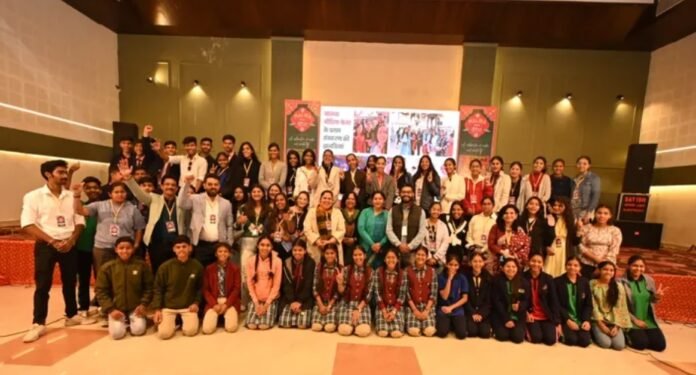
The second day of Malwa Media Fest 2.0 witnessed an inspiring exchange of ideas, featuring discussions on cinema, society, security, and the art of acting. The event brought together prominent personalities, including former RAW agent Lucky Bisht, “Panchayat” web series actor Durgesh Kumar, and Oxford University’s first Hindu President, Rashmi Samant, who shared their insights and experiences with the enthusiastic audience.

Rashmi Samant: Encouraging Indian Students to Aim for Global Education

Addressing the students, Rashmi Samant emphasized that Indian students, including those from Ratlam, have the potential to enroll in top universities worldwide. She shared her journey and highlighted how Western nations, unable to overpower India by force, sought to do so through intellectual means. She remarked, “India has always been a matriarchal society, and our youth must not fear taking risks and embracing struggles—this is the true essence of India.”

Lucky Bisht on National Security and Military Discipline

The session on security, cinema, and society featured former RAW agent Lucky Bisht, who provided a glimpse into the thrilling world of secret services. He revealed that while RAW agents operate in complete anonymity during their service, selfless dedication eventually earns them recognition and admiration. Sharing his rigorous training experiences in Israel, he urged Indian youth to consider serving in the military at least once in their lifetime, as it instills discipline and resilience.

Lucky Bisht also discussed his biography, RAW Hitman, which became a bestseller within just 21 days of publication. The book chronicles the life of a secret agent and has captivated readers worldwide.

Durgesh Kumar: The Journey from Theater to Web Series

In an engaging session on acting, Durgesh Kumar, renowned for his role in the web series Panchayat, shared valuable lessons from his journey in the theater world. Encouraging students to immerse themselves in books, he stated, “If you befriend books, your life will change.” He emphasized the importance of clarity in one’s aspirations and narrated anecdotes from his theater days in Ratlam.

Speaking about perseverance, Durgesh Kumar passionately remarked, “There is no substitute for hard work. I am where I am today because of my relentless effort.” To the delight of the audience, he also delivered his famous dialogue, “Dekh raha hai Vinod?”

Soumya Pandey on Women in Cinema

The final panel discussion featured Bollywood actress Soumya Pandey, who spoke on the role of women in cinema. Hailing from Jabalpur, she shared her experiences of making a mark in the Indian film industry and encouraged young aspirants to embrace their parents’ advice rather than considering it a burden. She stressed that while pursuing dreams, one should never lose sight of Indian values. Talking about her production house, she highlighted her mission to create meaningful and impactful content for the youth. Soumya Pandey also revealed her ongoing collaboration on a major project with acclaimed Bollywood directors Abbas-Mustan.

Grand Finale: Theatrical Tribute to Ahilyabai Holkar & Award Ceremony

The second day of the fest concluded with a spectacular theatrical performance on the life of Lokmata Ahilyabai Holkar, marking the first such production in Ratlam by a team of Mumbai-based artists. The mesmerizing performance captivated the audience, making for a fitting grand finale to the festival.

The closing ceremony also witnessed the felicitation of winners from various competitions held during the fest:

  • Essay Writing on Ahilyabai Holkar:
    • 1st Place: Radhika Solanki (CM Rise School)
    • 2nd Place: Chitransh (Utkarsh Vidyalaya)
    • 3rd Place: Keshavi Dashottar (CM Rise School)
  • Reel-Making Competition on Ratlam’s Heritage & Cuisine:
    • 1st Place: Parvati Titiksha
    • 2nd Place: Moksha Singh
    • 3rd Place: Bhupesh

Throughout the day, enthusiastic participation was observed from students of leading schools and colleges in Ratlam, including NCC cadets. Their involvement reflected the growing interest in media literacy, storytelling, and digital content creation.

Malwa Media Fest 2.0 successfully served as a dynamic platform for fostering creativity, democratic awareness, and cultural preservation. By bringing together young minds and experienced professionals, the festival cemented its reputation as a beacon of knowledge and inspiration in the region.

Grand Inauguration of Malwa Media Fest 2.0: Empowering Voices, Celebrating Democracy

1

With the resounding message, “Proper use of voting rights is essential for a strong republic,” the second edition of Malwa Media Fest 2.0 was inaugurated on National Girl Child Day by three young girls lighting the ceremonial lamp. The event focused on crucial themes such as media literacy, democracy, content creation, and cultural preservation.

Azhar Hashmi’s Message of Equality and Harmony

During the inaugural session, renowned poet and writer of Malwa, Prof. Azhar Hashmi, delivered an inspiring message on equality and harmony, drawing from the hymns of the Rigveda. He highlighted that Maharishi Ved Vyas could be considered the first editor of creation, while Narad Muni was the first journalist. Calling Malwa Media Fest a powerful platform for young and rural talents, he recited his special compositions, “Betiyaan Shubhkamnayein” and “Jag Ka Gaurav Mera Desh.”

Saksham Sanchar’s Initiative for Media Literacy

Archana Sharma, Director of Saksham Sanchar, outlined the festival’s vision, emphasizing the need to understand media in its entirety and harness digital power effectively. She explained how Saksham Sanchar has been actively training students in print, social media, and multimedia across urban, rural, and tribal areas to make them digitally empowered.

Creative Competitions for Students

To encourage young minds, the fest hosted engaging competitions such as:

  • Reels-making competition on “Ratlam’s Heritage and Special Cuisines.”
  • Essay writing competition on “Malwa’s Pride: Ahilyabai Holkar.”

Workshop on Content Creation & Instagram Promotion

Social media influencer Dilip Giri motivated the youth with his words: “If you want to create content, just keep making it—don’t worry about views initially.”

The workshop featured expert content creators and social media influencers, who shared valuable tips on maintaining impact and consistency. Their advice: “Focus on knowledge (Saraswati), and success (Lakshmi) will follow automatically.” The session witnessed enthusiastic participation and interactive Q&A rounds.

Awareness Program on Voting Rights: Discussion on ‘One Nation, One Election’

On the eve of National Voters’ Day, Madhya Pradesh Child Protection Commission member Nivedita Sharma shed light on the significance of voting rights in democracy. She discussed the historical background of ‘One Nation, One Election’, explaining that from 1952 onwards, elections in India initially followed this model. She emphasized that frequent elections often reduce public interest in voting.

Spectacular Display of Mallakhamb and Hanuman Chalisa Recitation

The audience was mesmerized as young boys and girls from Jawahar Vyayamshala performed a Mallakhamb routine synchronized with the recitation of Hanuman Chalisa.

Key Highlights of Day Two

On January 25, the festival will host an exclusive interactive session for youth, featuring:

  • Author Rashmi Samant
  • Former NSG Commando Lucky Bisht
  • Durgesh, renowned actor from the web series ‘Panchayat’

Additionally, for the first time in Ratlam, renowned artists from Mumbai will stage a theatrical performance on the life of Lokmata Ahilyabai Holkar, a major highlight of the festival.

Malwa Media Fest 2.0: A Beacon for Media Literacy and Cultural Preservation

With its commitment to enhancing media literacy, empowering youth, and preserving cultural heritage, Malwa Media Fest 2.0 has successfully provided a strong platform for young, female, and rural talents. The event has emerged as a symbol of creativity, democracy, and cultural enrichment, fostering a new generation of informed and responsible media consumers.