Home Blog Page 390

Life Insurance vs Term Insurance: What’s the Difference?

0

Choosing between life insurance and term insurance can feel overwhelming, but understanding their key differences makes it easier. Both provide financial protection, but they serve different needs. 

Whether you’re looking for lifelong coverage or affordable protection for a set period, this guide will help you decide which insurance plan suits your requirements.

What is Life Insurance?

Life insurance is an agreement between a person and an insurer, where the insurer promises to pay a sum to the beneficiary upon the insured person’s death or after a set period in exchange for premium payments. In this policy, the policyholder pays premiums for a specific term, and in return, the insurer offers life coverage. 

A lump sum death benefit is provided in case of the policyholder’s untimely demise. Some policies also offer a maturity benefit at the end of the term. Lack of awareness and varied products can confuse potential customers about life insurance.

6 Benefits of Life Insurance

  1. Financial Protection: Life insurance offers critical financial security, ensuring that your dependents are supported with a lump sum or regular payouts in case of an unforeseen event.
  2. Tax Benefits: Premiums paid for life insurance are entitled to tax deductions under Section 80C, and the maturity or death benefits are tax-exempt under Section 10(10D).
  3. Loan Collateral: Certain life insurance policies can serve as collateral for loans, offering access to funds in emergencies or when immediate liquidity is required.
  4. Additional Coverage Options: Riders like critical illness or accidental death benefits can be added to your policy, expanding coverage to better safeguard against unforeseen circumstances.
  5. Flexible Premium Payment: Life insurance policies allow flexibility in premium payments, letting policyholders choose between monthly, quarterly, or annual payment options for convenience and budgeting.
  6. Potential Discounts: Buying life insurance online or choosing specific payment methods may lead to significant discounts, making it an affordable option for more individuals.

Types of Life Insurance

Life insurance plans cater to different financial goals. Here’s a breakdown:

Type of PolicyCoverage Details
Term Life InsuranceProvides pure risk coverage for a specific term.
Whole Life InsuranceCovers the policyholders for life with a savings component.
Endowment PlansOffers insurance plus a savings benefit.
Money-back PlansProvide regular payouts during the policy term.
Unit Linked Insurance Plans (ULIPs)Combine insurance with market-linked investments.
Child Insurance PlansSecures funds for a child’s education and future.

What is Term Insurance?

Term insurance is a type of life insurance that covers the policyholder’s life for a fixed period. If the policyholder passes away during this time, the nominee receives a lump sum payout. However, unlike whole-life or endowment plans, term insurance does not include savings or investments.

How Does Term Insurance Work?

  1. Choose Coverage & Duration: Carefully determine the right coverage amount and duration to ensure financial security for your dependents and loved ones.
  2. Fixed Premium Payments: Commit to paying a fixed premium regularly throughout the term to maintain coverage without sudden cost changes.
  3. Nominee Benefit at Death: The nominee benefit pays the sum assured to the beneficiary in case of the policyholder’s death during the term.
  4. No Maturity Benefit: If the policyholder outlives the policy term, there are no benefits unless the policy includes a return-of-premium option.

Key Features of Term Insurance

  1. Affordably Priced: The premium on this plan is relatively lower than that of most life insurance plans available on the market.
  2. High Sum Assured: The plan provides a high sum assured, thus ensuring that your family will be well catered for with a huge payout in case of death.
  3. Customisable Payouts: It allows you to decide how you want the payout, whether in a lump sum, staggered payments, or monthly instalments for flexibility.
  4. Additional Benefits: As riders can be added to enhance your coverage further, they can include riders for accidental death, or critical illness benefits for greater protection of you and your family.

6 Differences Between Life Insurance and Term Insurance

FeatureLife InsuranceTerm Insurance
Coverage DurationLifelong or fixed-term optionsFixed-term only
PayoutDeath benefit + possible maturity/savings benefitDeath benefit only
Premium CostHigher due to the additional benefitsLower, as it offers pure protection
Investment ComponentAvailable in some plansNot available
Loan Against PolicyAvailable in some plansNot applicable
Tax BenefitsAvailable under Sections 80(C) & 10(10D)Available under Sections 80(C) & 10(10D)

Why You Should Consider Having Life Insurance

Life insurance is essential for financial planning. Whether you choose term insurance or a broader life insurance plan depends on your long-term goals.

Who Should Choose Life Insurance?

  • Individuals seeking lifelong financial security.
  • Those looking to combine insurance with savings or investment.
  • Policyholders who may need liquidity through loans against their policy.

Who Should Choose Term Insurance?

  • People looking for affordable, high-coverage protection.
  • Young professionals secure their family’s future at a lower cost.
  • Homeowners with long-term financial obligations like mortgages.

Both life insurance and term insurance offer essential financial protection. A life insurance plan is ideal if you want coverage that covers you for the rest of your life and also provides savings benefits. However, if you need cost-effective coverage for a specific period, term insurance is the right choice. Assess your financial needs, compare options, and choose the plan that provides peace of mind for you and your loved ones.


Bengaluru Family Startup Earns Rs 5.2 Cr Annually with 100% Biodegradable Food Packaging

0

In the bustling city of Bengaluru, a family-run startup is proving that sustainability and profitability can go hand in hand. Aecoz, founded by Dhanvita Sathyanand, Srinidhi Rajaram, and Bharath Sathyanand, has revolutionized the food packaging industry with its biodegradable and durable paper-based alternatives. Their innovation not only addresses the growing plastic waste crisis but has also led to an impressive annual revenue of Rs 5.2 crore.

The Plastic Problem in the Food Industry

Have you ever wondered what happens to the plastic bowl your favorite takeout comes in? The global food delivery industry, while convenient, generates an estimated 3,50,000 tonnes of single-use plastic waste every year. The durability and cost-effectiveness of plastic have made it the default choice for food packaging, but its environmental impact is devastating.

Aecoz offers a game-changing solution: paper-based packaging that is heat-resistant, spill-free, and 98% biodegradable within 180 days. Their product line includes cups, bowls, containers, lids, and boxes, all designed to withstand high temperatures while remaining eco-friendly.

Bengaluru Family Startup Earns Rs 5.2 Cr Annually with 100% Biodegradable Food Packaging

A Journey from Corporate Success to Sustainable Entrepreneurship

Before launching Aecoz, the three founders had successful corporate careers at firms like Infosys, Tesco, and JP Morgan. In 2015, they ventured into the hospitality industry with Cartier Hotels, a four-star establishment in Bengaluru. While managing the hotel, they encountered inefficiencies in food procurement and supply chain management, which led them to launch their second venture, Agrainz—a digital platform to streamline restaurant supply chains.

Although Agrainz initially flourished, the COVID-19 pandemic halted their operations, leading to significant losses. Determined to create something meaningful, the team pivoted to sustainable food packaging, launching Aecoz in 2020.

From Concept to Reality: Aecoz’s Paper-Based Packaging

The 2019 plastic ban in India may not have been entirely successful, but it catalyzed innovation in biodegradable packaging. Aecoz received its first breakthrough when health-focused food brand EatFit requested a sustainable alternative for their food packaging. Through rigorous research and development, Aecoz successfully created a durable paper-based product that met industry standards.

Bengaluru Family Startup Earns Rs 5.2 Cr Annually with 100% Biodegradable Food Packaging

Aecoz sources its raw materials from ITC, which supplies about 85-90% of the paper used in their products. These paper reels are coated with a water-based barrier, making them suitable for food storage. The manufacturing process involves cutting paper into blanks, shaping them into bowls, and treating them with high-temperature coils (up to 350°C) to create a heat-resistant, spill-proof structure. The Central Institute of Petrochemicals Engineering & Technology (CIPET) has certified Aecoz products as food-grade, pollution-free, and plastic-free.

With a production speed of 40-45 units per minute, Aecoz has sold over 4.5 crore products to date, significantly reducing plastic waste in the food industry.

Overcoming Challenges and Building a Rs 5 Crore Business

Despite their success, Aecoz faces challenges in making biodegradable packaging mainstream. Plastic remains a cheaper option, and many businesses hesitate to pay the 35% premium for sustainable alternatives. To address this, Aecoz targets high-end clients who prioritize sustainability and branding.

One of their biggest hurdles was convincing food brands that paper-based containers could withstand high temperatures. MTR, a well-known Indian food brand, was skeptical about using paper packaging for its 90°C hot rasam and sambar. To prove their product’s reliability, the Aecoz team conducted rigorous stress tests, even filling containers with hot liquid and having delivery executives carry them around for hours. Their persistence paid off—MTR became a loyal client.

Bengaluru Family Startup Earns Rs 5.2 Cr Annually with 100% Biodegradable Food Packaging

Expanding Reach and Global Presence

Aecoz has attracted major clients, including Lulu Hypermarkets, Magnolia Bakery, Ritz-Carlton, and Milano Ice Creams. The latter has been using Aecoz packaging for over three years, praising its durability and leak-proof design.

The company has also made inroads into international markets, particularly the UK, where 50% of food packaging is already paper-based. “We are working to showcase Indian products in the United Kingdom,” says Dhanvita.

A Sustainable Future

While Aecoz understands that small-scale food businesses may struggle with the higher costs of paper packaging, they have reduced their prices by 30% to make their products more accessible. In some cases, their 50ml paper containers are now cheaper than plastic alternatives.

Beyond business, the founders emphasize the long-term impact of their work. Exposure to microplastics from conventional packaging has been linked to severe health risks, including cancer. “We encourage everyone to consider the long-term health implications and make conscious choices towards sustainable alternatives whenever possible,” says Srinidhi.

Dhanvita calls for stricter enforcement of plastic bans, especially in urban centers like Bengaluru, where 20,000 tonnes of plastic waste are discarded every month. Meanwhile, Aecoz continues its mission to create a cleaner, greener future.

Their journey is proof that sustainability isn’t just a responsibility—it’s an opportunity to innovate and thrive in a changing world.

Indian Railways Launches SwaRail App: Everything You Need to Know

0

Indian Railways has taken a significant step towards enhancing passenger convenience with the launch of its new SwaRail app. This super app, developed by the Centre for Railway Information Systems (CRIS), integrates multiple train-related services under one unified platform. From booking tickets and checking PNR status to ordering food and filing complaints, the SwaRail app aims to provide a seamless experience for railway travelers.

What is the SwaRail App?

The SwaRail app is a new digital platform introduced by Indian Railways to streamline train-related services. Previously, passengers had to download multiple applications—such as IRCTC Rail Connect for reserved tickets, UTS Mobile for unreserved tickets, and Rail Madad for complaints. However, SwaRail integrates all these services into a single interface, making railway travel more convenient and efficient.

Key Features of the SwaRail App

The SwaRail app offers an extensive range of services, including:

  • Reserved Ticket Booking: Book reserved train tickets directly, similar to the IRCTC Rail Connect app.
  • Unreserved Ticket Booking: Easily check and book unreserved train tickets.
  • Platform Ticket Booking: Purchase platform tickets while seeing off or receiving passengers.
  • Parcel and Freight Enquiries: Track and inquire about parcel and freight services.
  • Train and PNR Status Enquiries: Get real-time updates on train running status and PNR information.
  • Food Orders on Trains: Order meals directly from your seat for a comfortable travel experience.
  • Rail Madad for Complaint Management: Register and track complaints via the Rail Madad grievance redressal system.

By consolidating these services, the SwaRail app eliminates the need for multiple railway applications, ensuring a user-friendly and hassle-free travel experience.

SwaRail App Currently in Beta Testing

As of now, the SwaRail app is in its beta testing phase and is available for limited users on both Android and iOS platforms. Currently, the beta testing limit for Android has been reached, but Indian Railways has assured that the app will soon be available for public download once the testing phase is completed.

How to Use the SwaRail App?

Once the SwaRail app is officially released, travelers can download it from the Google Play Store or Apple App Store. Here’s how to get started:

  1. Download and Install: Search for SwaRail in your respective app store and install it.
  2. Register/Login: New users can register on the app, while existing users of IRCTC Rail Connect or UTS Mobile can log in using their credentials.
  3. Sync Past Travel Details: Upon login, the app will automatically sync all past travel information.
  4. Set Up Security Options: Users may be required to set up an MPIN or enable other security features for secure access.
  5. Access Services from the Homepage: The app’s intuitive interface will allow users to navigate different services easily.

Why is SwaRail a Game-Changer?

The SwaRail app is designed to enhance the overall railway travel experience by:

  • Reducing the need for multiple apps – One app for all railway services.
  • Providing real-time train information – Get instant updates on train schedules and delays.
  • Ensuring smoother travel planning – From ticket bookings to food orders, everything is available at your fingertips.
  • Improving customer support – Easily file and track complaints via Rail Madad.

Final Thoughts

The launch of the SwaRail app marks a significant milestone for Indian Railways in its journey towards digitization and passenger convenience. By integrating multiple services into a single unified platform, it not only simplifies railway travel but also enhances the efficiency of railway operations.

With the beta testing phase nearing completion, passengers can soon expect a smoother and more streamlined experience with the SwaRail app. Stay tuned for its official release and get ready to enjoy the next level of railway convenience!

National Opera Day 2025: All you need to Know

0

Opera is more than just music; it is a captivating blend of storytelling, drama, and art that has enthralled audiences for centuries. To honor and promote this timeless art form, National Opera Day is celebrated every year on February 8. This special day serves as an opportunity to appreciate the beauty of opera, acknowledge the contributions of opera artists, and encourage more people to explore this artistic tradition.

From its rich history to its cultural significance, opera continues to hold a unique place in the world of performing arts. Let’s dive deeper into its origins, importance, and how you can celebrate National Opera Day 2025.

What is Opera?

Opera is a unique theatrical performance where stories are told primarily through singing rather than spoken dialogue. Accompanied by an orchestra, opera artists express emotions and narratives using a combination of music, acting, and elaborate stage design.

There are various styles of opera, including:

  • Opera Seria – A serious, dramatic form of opera.
  • Opera Buffa – A comedic version of opera, often lighthearted and humorous.
  • Operetta – A shorter and more playful form of opera.
  • Semi-Opera – A blend of spoken dialogue and musical performance.

Despite evolving over centuries, opera’s magical allure remains as strong as ever, captivating audiences across generations.

History of National Opera Day

The origins of opera date back to the 17th century, with its earliest performances taking place in Venice, Italy, during the 1630s. Over time, opera spread across Europe, becoming one of the most significant forms of entertainment by the 18th century.

Legendary composers like Wolfgang Amadeus Mozart and Giuseppe Verdi revolutionized opera with their innovative compositions, elevating its impact and global reach. Their masterpieces continue to inspire opera lovers and musicians today.

National Opera Day was established to honor this historic art form, bringing awareness to its evolution and celebrating its ongoing legacy in modern times.

Why is National Opera Day Important?

National Opera Day holds special significance for music enthusiasts, theater lovers, and art connoisseurs alike. Here’s why this day matters:

  • Preserving a Cultural Legacy – Opera has a rich and diverse history, with different cultures contributing to its evolution. This day helps keep the tradition alive.
  • Appreciating Opera Artists – It’s an opportunity to recognize the hard work and dedication of singers, composers, and musicians who bring opera to life.
  • Encouraging New Audiences – Many people have never experienced opera. This day serves as a perfect introduction to its beauty, drama, and emotional depth.
  • Celebrating Opera Houses – Iconic opera venues around the world, from La Scala in Milan to the Sydney Opera House, are celebrated for their architectural grandeur and role in promoting opera.
National Opera Day 2025: All you need to Know

How to Celebrate National Opera Day 2025

If you wish to make National Opera Day 2025 special, here are some ways to celebrate:

  • Watch a Live Opera Performance – Visit a local opera house or theater to witness a live performance.
  • Stream an Opera Online – Many famous operas are available for online streaming. Enjoy classics like The Magic Flute, La Traviata, or Carmen from the comfort of your home.
  • Listen to Opera Music – Explore the powerful compositions of Puccini, Wagner, and Bizet to experience opera’s mesmerizing melodies.
  • Learn About Opera’s History – Read about the evolution of opera and its influence on modern performing arts.
  • Share on Social Media – Spread awareness about National Opera Day by sharing interesting opera facts or your favorite performances online.

Summing Up

Opera is a timeless art form that continues to inspire and move audiences with its passion, music, and storytelling. National Opera Day 2025 is a wonderful occasion to immerse yourself in the magic of opera and appreciate the artists who keep this tradition alive.

So, mark your calendars for February 8, 2025, and celebrate opera’s grandeur with music, performances, and shared appreciation for this spectacular art form!

Eurasian Otters Resurface in Kashmir’s Gurez Valley After Decades

0

In a remarkable ecological resurgence, Eurasian otters (Lutra lutra) have been sighted again in Kashmir’s Gurez Valley after decades of presumed absence. Once believed to be on the brink of extinction in the region, these elusive creatures were recently filmed in January 2025, actively hunting fish in the Kishanganga River. This rare footage marks the first live documentation of Eurasian otters in Kashmir in over 25 years, offering renewed hope for their conservation.

Historical Context: A Vanishing Species

Eurasian otters were once a common sight in Kashmir’s rivers and streams during the 1990s, frequently observed by wildlife enthusiasts and local residents. However, their population saw a sharp decline after 1997, raising concerns about their survival.

Causes of Decline

  • Habitat Destruction: Increased human encroachment and deforestation led to the degradation of their natural habitat.
  • Pesticide Use: Toxic chemicals from agricultural runoff contaminated water bodies, affecting the food chain.
  • Poaching and Illegal Trade: Otters were hunted for their pelts, further contributing to their decline.

Scientific Classification: Understanding the Eurasian Otter

The Eurasian otter, scientifically known as Lutra lutra, belongs to the Mustelidae family, which includes weasels, badgers, and minks. It is a semi-aquatic carnivore that thrives in a wide range of freshwater ecosystems.

Key Facts

  • Also known as the European otter or common otter.
  • Found across Eurasia, with populations ranging from the Middle East to Eastern Russia and parts of Asia.
  • Notorious for being elusive and solitary, making sightings incredibly rare.

Habitat and Behaviour

Eurasian otters are highly adaptable and can be found in rivers, lakes, marshes, and coastal regions. In the Indian subcontinent, they prefer cold hills and fast-flowing mountain streams.

Unique Adaptations

  • Webbed feet for efficient swimming.
  • Streamlined bodies that reduce water resistance.
  • Ability to close ears and nostrils while diving, allowing them to stay submerged for extended periods.

Conservation Status: A Species at Risk

The International Union for Conservation of Nature (IUCN) classifies Eurasian otters as Near Threatened, indicating that they face significant risks due to habitat destruction and pollution.

Legal Protections in India

  • Listed under Schedule II of the Wildlife Protection Act of 1972, offering them some level of legal safeguarding.
  • Despite this protection, conservation efforts in Kashmir remain limited, making the recent sightings in Gurez Valley a critical opportunity to push for stronger conservation measures.

Gurez Valley: A Remote Ecological Haven

Nestled in the high Himalayas, Gurez Valley is one of Kashmir’s most pristine and biodiversity-rich regions. Located 86 km from Bandipore and 123 km from Srinagar, it is carved by the Kishanganga River, making it an ideal habitat for otters.

However, the valley’s remoteness presents challenges:

  • The Razdan Pass, which connects Gurez to the rest of Kashmir, remains closed for six months each year due to heavy snowfall.
  • The valley is near the Line of Control (LoC), adding geopolitical challenges to conservation efforts.

A Beacon of Hope for Conservation

The resurgence of Eurasian otters in Gurez Valley serves as a promising sign for Kashmir’s fragile ecosystem. Their presence indicates that the region still offers a suitable environment for their survival.

With increased awareness, habitat protection, and conservation initiatives, Gurez Valley could once again become a thriving sanctuary for these elusive aquatic mammals. The rediscovery of the Eurasian otter is a reminder that nature, when given a chance, has the power to heal itself.

Bharat Cancer Genome Atlas: A Breakthrough in Indian Cancer Research

0

The Indian Institute of Technology (IIT) Madras has taken a significant step in the fight against cancer by launching the Bharat Cancer Genome Atlas (BCGA). This pioneering initiative aims to revolutionize cancer research in India by addressing the under-representation of Indian genetic data in global cancer studies. The launch, which comes ahead of World Cancer Day, highlights the urgent need for advanced research as cancer incidence continues to rise across the country.

Understanding the Bharat Cancer Genome Atlas

The BCGA serves as a comprehensive database of genetic variants associated with breast cancer in India. By collecting data from breast cancer patients nationwide, the initiative seeks to identify specific biomarkers that can aid in early detection and targeted treatment strategies. This effort is expected to significantly improve cancer diagnosis and treatment tailored to the Indian population.

Significance of the Initiative

The genetic landscape of Indian cancers remains distinct from global patterns, necessitating region-specific research. The BCGA database will play a crucial role in identifying cancer-specific biomarkers, aiding in the development of more effective diagnostic tools and therapies. The initiative paves the way for precision oncology, ensuring that treatments align with the unique genetic profiles of Indian patients.

Research and Collaboration

IIT Madras has partnered with Karkinos Healthcare and Chennai Breast Clinic for this groundbreaking project. The research involves whole exome sequencing of 480 breast cancer patient samples, enabling a thorough analysis of genetic variants. This collaborative approach ensures the credibility and effectiveness of the findings, strengthening India’s position in global cancer research.

Data Accessibility and Future Implications

A key aspect of BCGA is its open-access database, which allows researchers and clinicians to study cancer genomics across different types. By fostering a collaborative research environment, BCGA is set to enhance the understanding of various cancer forms, leading to innovative treatment approaches.

Personalized Medicine: A New Era in Cancer Treatment

The initiative also supports the transition towards personalized medicine in India. By analyzing individual genetic profiles, healthcare providers can make more informed treatment decisions, improving patient outcomes. Precision medicine has the potential to transform cancer care, making treatments more effective and reducing unnecessary side effects.

Rising Cancer Incidence in India

According to the Indian Council of Medical Research (ICMR), cancer cases are on the rise, with one in nine Indians expected to develop cancer in their lifetime. The National Cancer Registry Programme reports a 12.8% annual increase in cancer cases since 2022. This alarming trend underscores the need for proactive measures such as early detection and targeted interventions.

Advancing Early Detection and Prevention

One of the primary objectives of BCGA is to facilitate the early detection of breast cancer. By identifying genetic mutations before the disease develops, preventive strategies can be implemented, ultimately reducing cancer-related morbidity and mortality. Early detection not only improves survival rates but also reduces the financial burden on patients and healthcare systems.

Cost-Effective Diagnostic Solutions

Another vital focus of the BCGA initiative is the development of affordable diagnostic kits. Drawing lessons from the COVID-19 pandemic, where mass testing was made cost-effective, researchers aim to create budget-friendly cancer screening solutions. These innovations could enable large-scale screening programs, making early cancer detection accessible to a broader segment of the population.

Summing Up

The Bharat Cancer Genome Atlas marks a significant milestone in India’s fight against cancer. By harnessing the power of genomics, BCGA is set to transform cancer research, enabling early detection, personalized treatment, and cost-effective diagnostics. As India strengthens its capabilities in precision medicine, initiatives like BCGA hold the promise of a healthier future, reducing cancer’s impact on millions of lives.

NASA’s SPHEREx Telescope: A New Era in Cosmic Exploration

0

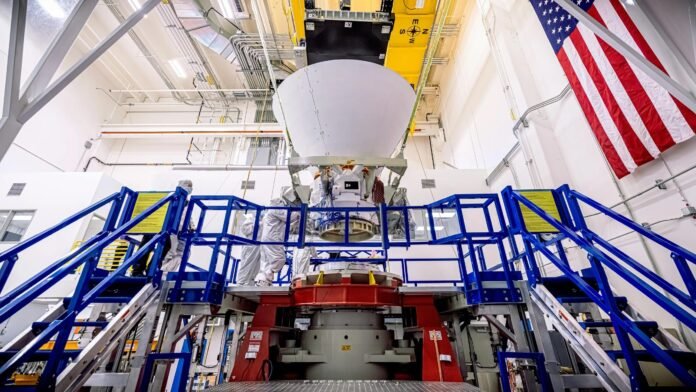
NASA is preparing to launch SPHEREx, a groundbreaking space telescope set to revolutionize our understanding of the universe. Scheduled for launch no earlier than February 27, 2025, SPHEREx aims to provide an unparalleled panoramic view of the cosmos. Despite its relatively modest budget of $488 million—compared to the James Webb Space Telescope’s (JWST) $10 billion—SPHEREx promises to offer extraordinary insights into the origins of the universe, particularly the events surrounding the Big Bang.

About SPHEREx

SPHEREx is designed to survey the entire sky, setting it apart from telescopes like JWST, which focus on specific celestial objects. The telescope will collect data across 102 different infrared wavelengths, capturing vast amounts of information on millions of astronomical bodies. With a height of 8.5 feet and a width of 10.5 feet, SPHEREx is slightly larger than JWST but optimized for all-sky observation. It will capture 600 images daily, generating a complete all-sky map every six months.

Cosmic Mapping and Data Collection

Over its 27-month mission, SPHEREx will conduct four comprehensive scans of the night sky. This extensive mapping will provide critical insights into the distribution of over 450 million galaxies, aiding scientists in studying cosmic evolution and the formation of galaxies across billions of years. The telescope’s data will also serve as a valuable resource for future missions, including JWST and the Nancy Grace Roman Space Telescope.

Investigating the Big Bang

One of SPHEREx’s core objectives is to explore the origins of the universe. Scientists theorize that shortly after the Big Bang, the universe underwent rapid expansion during a phase known as cosmic inflation. SPHEREx will map this early structure, potentially revealing how matter was distributed in the infant cosmos. Such findings could lead to groundbreaking advancements in our understanding of galaxy formation and the evolution of the universe.

Studying the Milky Way

In addition to its deep-space surveys, SPHEREx will focus on our own galaxy, the Milky Way. The telescope is set to map over 100 million stars while identifying organic molecules within interstellar clouds. These molecules could provide crucial clues about the origins of life, not only on Earth but also on exoplanets.

Impact on Future Space Exploration

NASA believes SPHEREx has the potential to revolutionize space exploration. The telescope’s comprehensive observations will guide astronomers toward regions that merit more detailed investigation. By capturing the collective light of the universe, SPHEREx will enhance our understanding of galactic structure and evolution over cosmic time. Its mission marks a significant step forward in humanity’s quest to unlock the secrets of the cosmos.

International Big Cat Alliance Officially Established: A New Era in Wildlife Conservation

0

The International Big Cat Alliance (IBCA) has officially been established as a treaty-based intergovernmental organization dedicated to enhancing global efforts in big cat conservation. Launched by Prime Minister Narendra Modi on April 9, 2023, the IBCA commemorates 50 years of Project Tiger and marks a significant milestone in international wildlife conservation. With its formation, countries worldwide are coming together to safeguard the future of these majestic predators.

Formation and Membership

The IBCA was formally established following approval from the Indian Union Cabinet on February 29, 2024. The alliance is headquartered in India, signifying the country’s leading role in big cat conservation. Initially, five founding nations—Nicaragua, Eswatini, Somalia, and Liberia—ratified the Framework Agreement, making them the first official members. Currently, 27 other countries have expressed their commitment to joining the alliance, underscoring global interest in big cat preservation.

Objectives of IBCA

The primary mission of IBCA is to conserve and protect the seven major big cat species: Tiger, Lion, Leopard, Snow Leopard, Cheetah, Jaguar, and Puma. The alliance fosters international collaboration to unify conservation efforts and share best practices. Key objectives include:

  • Preventing Illegal Wildlife Trade: Strengthening enforcement measures to curb poaching and trafficking of big cats and their body parts.
  • Financial and Technical Assistance: Providing support to member nations to enhance conservation programs and research initiatives.
  • Climate Change Mitigation: Addressing the impact of climate change on big cat habitats to ensure their survival for future generations.

Collaboration and Synergy

IBCA aims to serve as a global platform for stakeholders involved in big cat conservation, including national governments, international organizations, research institutions, and non-profits. The alliance promotes:

  • Knowledge Sharing: Facilitating the exchange of expertise and scientific research on big cat protection.
  • Technical Repository: Establishing a centralized database of conservation strategies and methodologies.
  • Strengthened Networks: Enhancing synergy among intergovernmental platforms focused on wildlife conservation.

Financial Support and Conservation Initiatives

One of IBCA’s core functions is to provide financial backing for conservation projects aimed at reversing the decline in big cat populations. The alliance will support:

  • Habitat Restoration Programs: Ensuring the expansion and preservation of natural habitats for big cats.
  • Community-Based Conservation Efforts: Engaging local communities in conservation initiatives to promote sustainable coexistence.
  • Policy Development: Assisting governments in formulating and implementing robust conservation policies.

Impact on Global Conservation Efforts

Under India’s leadership, IBCA is poised to play a transformative role in wildlife conservation. The alliance facilitates knowledge sharing and resource pooling among member nations, making it a crucial tool in tackling threats such as habitat destruction, human-wildlife conflict, and poaching. The establishment of IBCA underscores the urgent need for a unified, cross-border approach to protecting these vulnerable species.

Future Prospects

Looking ahead, the IBCA envisions a future where big cat populations not only survive but thrive. The alliance plans to develop sustainable conservation models, mitigate climate change impacts, and reinforce international cooperation. By securing ecological stability and fostering a global commitment to wildlife protection, IBCA aims to create a world where big cats continue to roam freely in their natural habitats.

The establishment of IBCA marks a significant step forward in the global movement to protect big cats. Through collaboration, financial support, and policy innovation, the alliance is set to revolutionize conservation efforts and ensure a brighter future for these iconic species.

Indian Railways’ Mission 3000: A Bold Plan to Revolutionize Freight Transport

0

Indian Railways is on an ambitious journey to enhance its freight loading capabilities under the ‘Mission 3000’ plan. This initiative aims to achieve a cargo volume of 3,000 million tonnes (MT) by 2030. Despite facing criticism for slow progress, Union Railways Minister Ashwini Vaishnaw remains optimistic about meeting the targets. The ministry anticipates increased freight volumes through extensive infrastructure projects, modernization, and policy reforms.

Current Freight Performance

Indian Railways is projected to surpass 1,600 MT of cargo for the first time this financial year. However, to meet the Mission 3000 target, it must nearly double its freight capacity within the next five years. The government has revised its freight loading estimates, setting a target of 1,635 MT for the current year and 1,700 MT for 2025-26. This reflects a modest 2.9% growth rate for the financial year, indicating the need for accelerated efforts.

Infrastructure Development: A Key Enabler

Several key infrastructure projects are set to play a crucial role in achieving the Mission 3000 target. The Sonnagar-Andal quadrupling project is expected to significantly enhance cargo capacity. Additionally, the government has allocated over ₹2,500 crore in the FY26 budget to boost Delhi’s railway infrastructure. Other modernization efforts include the introduction of hydrogen trains and Namo Bharat trains, which aim to improve efficiency and reduce environmental impact.

Market Share Challenges and the Shift in Freight Dynamics

Indian Railways once dominated the logistics sector, holding an 85% market share in 1950-51. However, with the rapid expansion of road transport, this share has dwindled to just 27% today. If the current growth trend continues, the railway’s freight market share could drop further to 22% by FY30. Addressing this decline is critical to the success of Mission 3000.

Recommendations for Growth: Insights from the Mission 3000 MT Report

The internal report on Mission 3000 MT outlines several strategies for boosting freight volume:

  • Expanding the railway network to accommodate higher freight traffic.
  • Increasing rolling stock to ensure efficient cargo movement.
  • Reducing cargo tariffs by up to 30% by 2026-27 to attract more businesses.
  • Enhancing the average cargo speed from 24 km/h to 50 km/h.
  • Increasing container movement share from 16% to 32%, encouraging multimodal transport.

Environmental Considerations and Sustainability Goals

Shifting freight transport from roads to railways aligns with India’s environmental objectives. Road freight is a significant contributor to carbon emissions. By increasing the railway’s freight share, logistics costs can be lowered, and CO2 emissions significantly reduced, making rail transport a more sustainable option for the future.

Strategic Interventions for Success

To achieve the ambitious Mission 3000 target, Indian Railways must implement several strategic interventions:

  • Improving customer service to attract more businesses.
  • Enhancing reliability by reducing transit time and delays.
  • Diversifying the freight commodity basket, which is currently dominated by coal, iron ore, and food grains.
  • Boosting intermodal logistics solutions to compete effectively with road transport.

Financial Resources and Policy Reforms

The scale of infrastructure improvements required for Mission 3000 is enormous, with a total estimated capital expenditure of ₹8.5 lakh crore. The internal report highlights five key policy interventions essential for enhancing competitiveness:

  1. Enhancing containerization to improve multimodal transport efficiency.
  2. Attracting automobile traffic to railways, reducing dependency on road transport.
  3. Developing dedicated freight corridors to ensure seamless cargo movement.
  4. Investing in digital transformation to optimize operations.
  5. Encouraging private sector participation for additional funding and innovation.

Future Growth Projections: A Challenging Yet Attainable Goal

To achieve the 3,000 MT target by 2030, Indian Railways must attain a compound annual growth rate (CAGR) of 16.2%. This marks a significant departure from the historical average growth rate of 4.1% over the last decade. While the target is ambitious, with strategic investments, policy reforms, and infrastructure enhancements, Indian Railways has the potential to transform itself into a global freight leader.

Summing Up

Mission 3000 represents a transformative vision for Indian Railways, aiming to reclaim its prominence in freight transport. With sustained efforts in infrastructure development, market competitiveness, environmental sustainability, and strategic policy interventions, the railway sector can redefine India’s logistics landscape and drive economic growth in the coming years.

Amarkantak: The Sacred Abode of Rivers, Temples, and Legends

0
In execution and style, it is very similar to the Shiv temple the only exception is its mandapa roof which is executed in a pyramidal shape, with each floor rising above is recessed and reduced in size.

Amarkantak, a revered Hindu pilgrimage site in the Anuppur district of Madhya Pradesh, stands majestically at an altitude of approximately 1,000 meters. Nestled among the Vindhya, Satpura, and Maikal mountain ranges, Amarkantak holds immense ecological, cultural, and spiritual significance. It forms a part of the Achanakmar-Amarkantak Biosphere Reserve, renowned for its rich biodiversity and pristine environment. Additionally, this sacred town serves as the origin of three important rivers—Narmada, Son, and Johila. However, while Son is often believed to originate from Amarkantak, its actual source is in Kodawahi village, Chhattisgarh.

Amarkantak: The Sacred Abode of Rivers, Temples, and Legends

Historical and Religious Significance

Amarkantak has been a spiritual and cultural hub for centuries. Archaeologist J.D. Beglar, who visited the region in 1873-74, documented it as a prominent stopover for pilgrims traveling to or from Puri. The Padma Purana extols Amarkantak’s religious virtues, asserting that those who visit the town will enjoy divine blessings for thousands of years. It states that taking a holy dip in Jvaleshvara leads to salvation, ensuring freedom from the cycle of rebirth. During eclipses, it is believed that all sacred energies converge in Amarkantak, further enhancing its spiritual aura.

Amarkantak: The Sacred Abode of Rivers, Temples, and Legends

Amarkantak in Classical Literature

Amarkantak has been associated with several historical and mythological references. Beglar linked it to the Amarkuta mentioned in Kalidasa’s Meghaduta, while scholar Kibe identified it with Ravana’s Lanka. The Matsya Purana describes Amarkantak as the western boundary of the ancient Kalinga region and details the origins of the Narmada River. The text also mentions two sacred sites, Jaleshvara and Amareshvara, which may correspond to modern Amarkantak landmarks. The Kapila and Vishalyakarni rivers mentioned in the scriptures are believed to be today’s Kapil-dhara waterfall and another small rivulet merging into the Narmada.

According to Matsya Purana, Amarkantak was the site where the second city of the demon Tripura fell after being incinerated by Lord Shiva. The town of Jvaleshvara, named after this event, became a center of divine power where Shiva is said to have stabilized cosmic balance.

Ancient Epigraphs and Inscriptions

Among the many historical records from Amarkantak, a significant statue inscription from 1170-71 CE (Kalachuri Era) is found on a pedestal depicting a seated male figure holding a lotus-bud. The inscription identifies him as Narayana, son of Madhavaksha, a superintendent of writing in Ratanpura. This epigraph provides insight into the administrative and artistic advancements of the Kalachuri dynasty.

Architectural Heritage – Group of Ancient Temples

Amarkantak is home to numerous temples and shrines of historical and religious significance. The Archaeological Survey of India (ASI) has recognized several of these monuments as protected heritage sites under the Group of Ancient Temples. These structures display exquisite craftsmanship and architectural brilliance, reflecting various historical periods.

Shiva Temple (Machchendranath Temple)

This east-facing temple, located north of the Vishnu Temple, features a square garbha-grha (sanctum), antarala (vestibule), and a rectangular mandapa (hall). The temple, built on a three-tiered platform, follows a pancha-ratha (five-projection) style. The vimana (tower) comprises multiple stories adorned with intricate moldings and sculptures. Inside, a Shivalinga is enshrined, with a dancing Ganesha figure on the lintel above the sanctum door.

Amarkantak: The Sacred Abode of Rivers, Temples, and Legends
View of the Panch Math complex.
Amarkantak: The Sacred Abode of Rivers, Temples, and Legends
Dugdha Dhara – A little far from Kapil Dhara is located another small waterfall known as Dugdha Dhara (the milky stream). The name is derived after the frothing waters of the river.
Amarkantak: The Sacred Abode of Rivers, Temples, and Legends
Sonmuda – Located about 1.5 km from the Narmada Udgam, Sonmuda is the source of the river Sone.
Amarkantak: The Sacred Abode of Rivers, Temples, and Legends

Karna Temple

One of the most significant temples in Amarkantak, this triple shrine complex is attributed to Kalachuri King Karnadeva (1041-1073 CE). Built on an elevated platform, the central temple faces west, while the two flanking shrines, now partially ruined, originally faced north and south. These temples were once connected by a common mandapa (hall), which has not survived. The sapta-ratha (seven-projection) vimana exhibits sophisticated ornamentation and intricate carvings. The shikhara (tower), divided into twenty stories, once housed elaborate sculptures, though many niches are now empty.

Vishnu Temple (Keshava-Narayana Temple)

This twin-temple complex comprises two garbha-grhas, one facing north and the other east, sharing a common square mandapa. The pancha-ratha vimana follows an elaborate architectural style, with the shikhara divided into twelve tiers. Although devoid of sculptures today, historical records mention two Vishnu idols, which were present during Beglar’s visit in the 19th century.

Pataleshvara Temple

This temple, similar in structure to others in the complex, derives its name from its sunken sanctum, accessed by seven descending steps. Facing west, it consists of a garbha-grha, antarala, and mandapa. The shikhara rises in a pyramidal shape with twelve receding tiers, while the sanctum is adorned with diamond motifs and floral engravings.

Johila Temple

Dedicated to Goddess Johila, this temple lies near the Johila River. Though partially in ruins, it holds immense religious value for devotees.

Summing Up

Amarkantak, often referred to as the Tirtharaj (King of Pilgrimage Sites), is a unique confluence of spirituality, history, and ecology. Whether through its ancient temples, mythological references, or ecological importance, Amarkantak continues to captivate devotees, historians, and nature enthusiasts alike. Its sacred rivers, magnificent temples, and mystical legends make it an unmissable destination, preserving India’s rich cultural and spiritual heritage for generations to come.