Home Blog Page 389

Rose Day 2025: Date, History, Significance, and the Meaning Behind Different Rose Colours

0

As Valentine’s Week 2025 approaches, the romantic season officially begins with Rose Day on February 7. This special day, dedicated to love and affection, sets the tone for a week filled with heartfelt gestures, leading up to the most-awaited day—Valentine’s Day on February 14.

On Rose Day, couples exchange roses, whether as single blooms or lavish bouquets, to express their emotions. But beyond its beauty, the rose holds deep symbolic meaning, representing love, passion, admiration, and more, depending on its colour.

History of Rose Day

While the exact origins of Rose Day remain unclear, the tradition of flowers as symbols of love and passion spans centuries across different cultures.

Roses have been immortalized in literature, art, and cinema as emblems of romance. One of the most iconic examples is Disney’s Beauty and the Beast, where a single enchanted rose plays a crucial role in the love story.

In ancient mythology:

  • Roman Mythology linked roses to Venus, the goddess of love, who was often depicted surrounded by the flowers.
  • Greek Mythology honored Aphrodite, the goddess of love, as the “Goddess of the Rose”, symbolizing beauty and passion.
  • Victorian Era (1837–1901) introduced floriography—the language of flowers—where each bloom carried a specific meaning. Red roses, in particular, were associated with deep, passionate love.

Historically, China is believed to be the birthplace of rose cultivation, but the flower’s significance extends across Asian, Middle Eastern, and European cultures. In many traditions, roses symbolize prosperity, good fortune, and eternal love.

The universal reverence for roses across time and cultures has solidified their place as the ultimate flower of love.

Significance of Rose Day

Rose Day is more than just an occasion to exchange flowers—it represents the first step in expressing love. A single rose or a grand bouquet can convey emotions that words often fail to express.

As Valentine’s Week unfolds—with Chocolate Day, Hug Day, Promise Day, and more—each day builds upon the romantic journey. The rose sets the foundation, symbolizing admiration, affection, and deep emotions.

Whether given to a partner, a friend, or a secret crush, the act of gifting a rose is a timeless expression of love and care.

The Meaning Behind Different Rose Colours

While red roses dominate romantic gestures, roses bloom in a variety of colours, each carrying a unique meaning:

Rose ColourMeaning
Red RoseDeep, passionate love; conveys “I love you”
Purple RoseFascination and “Love at first sight”
Pink RoseGrace, admiration, and appreciation
Orange RoseEnthusiasm, excitement, and energy
White RoseInnocence, purity, and new beginnings
Yellow RoseFriendship, joy, and warmth

Choose Your Rose Wisely!

  • Want to confess your love? A red rose is the perfect choice.
  • Expressing admiration or appreciation? Opt for pink.
  • Celebrating friendship? A yellow rose is ideal.
  • If you’re feeling bold and adventurous, surprise someone with an orange rose.

Celebrate Love with the Perfect Rose

As Rose Day 2025 approaches, let this beautiful flower help you express your emotions. Whether it’s a classic red rose for love, a pink rose for admiration, or a yellow rose for friendship, the gesture is a subtle yet powerful expression of feelings.

So, pick the perfect rose and let love bloom this Valentine’s Week!

Pune Students Bring Science to the Fields, Helping Farmers Improve Soil Health

0

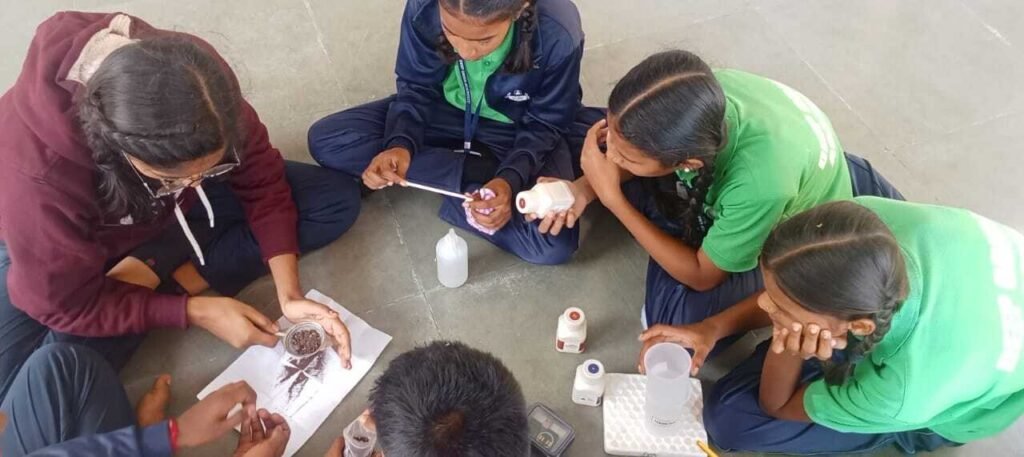
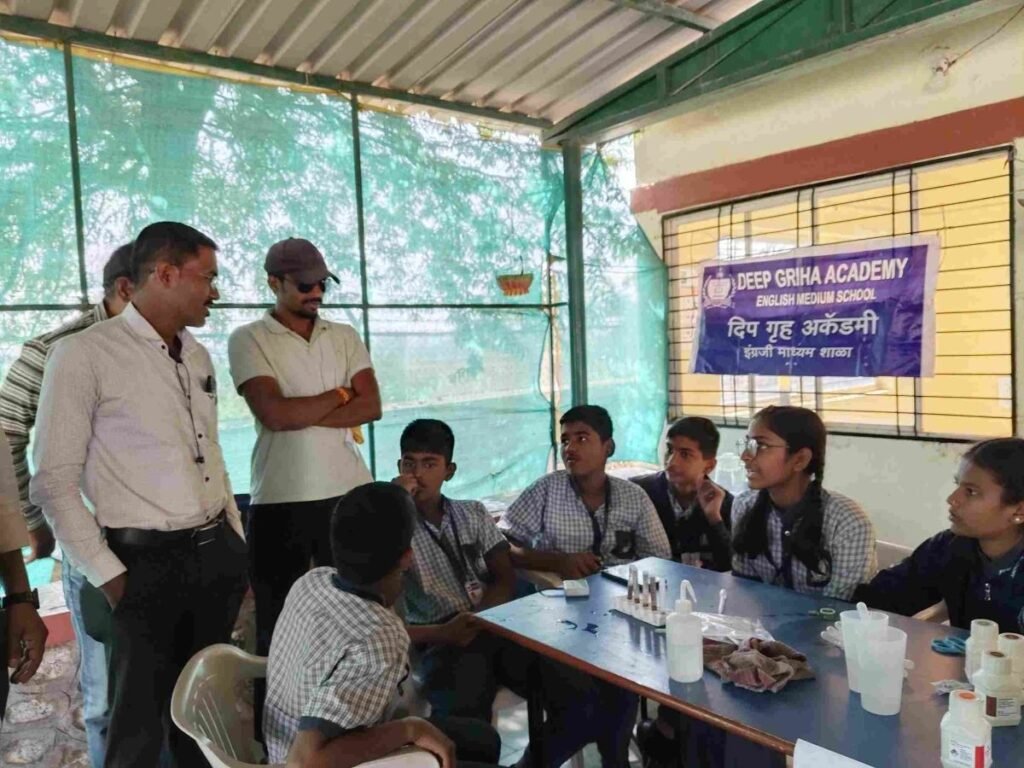
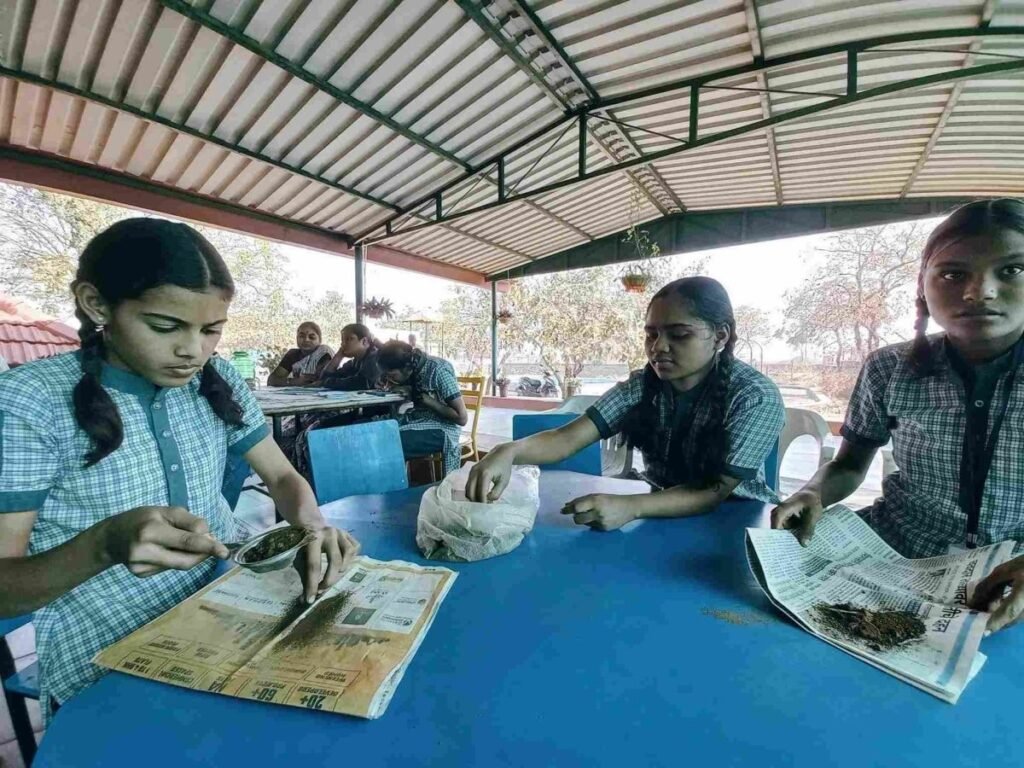
In a remarkable initiative, students of Deep Griha Academy in Pune are bridging the gap between education and agriculture by using soil testing kits to help local farmers assess and enhance soil health. This hands-on learning experience is not only enriching their scientific knowledge but also making a real-world impact on their community.

A Student-Led Initiative for Farmers

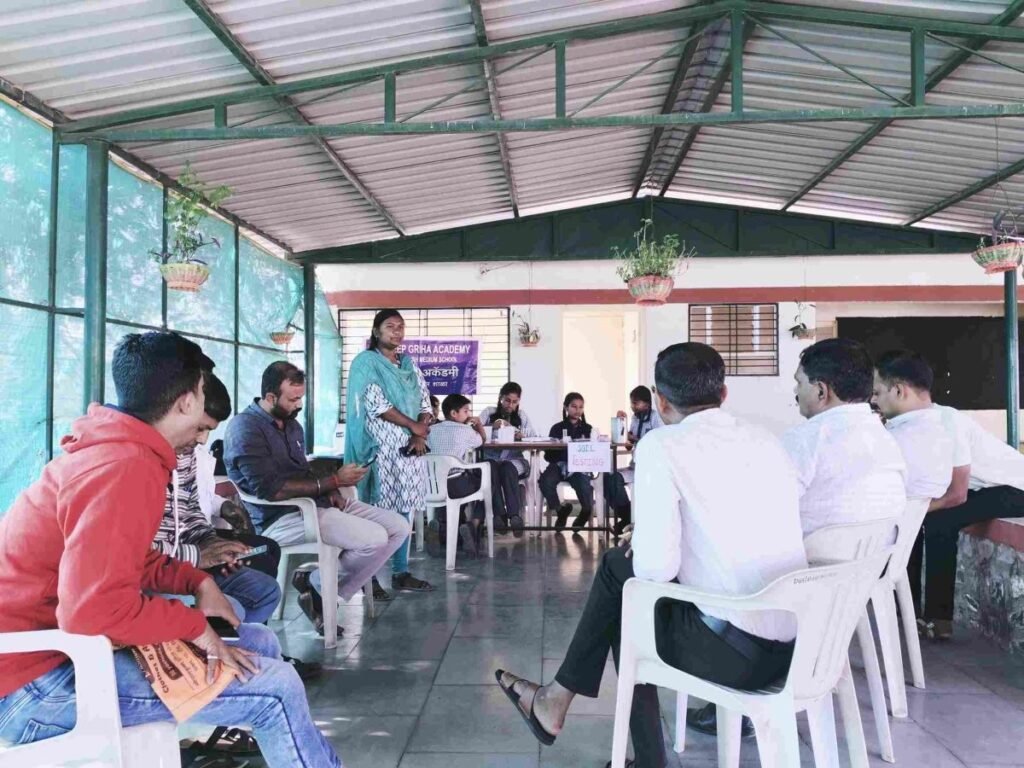
In December 2024, the Academy, located in Deulgaon Gada, Morgaon Road, Daund Taluka, hosted an event where farmers from neighboring villages brought soil samples for testing. However, the scientists conducting the tests were not seasoned experts—they were students from classes seven and eight.

“Soil health is the backbone of sustainable agriculture. By equipping students with the knowledge to improve it, we take the first step towards better farming practices,” says Ashlesha Onawale, Director of Deep Griha Society, which runs the Academy.

Pune Students Bring Science to the Fields, Helping Farmers Improve Soil Health

Integrating Agriculture into Education

In 2007, Deep Griha Academy introduced agriculture as a core subject in its curriculum. The goal was to ensure that students understood agriculture’s significance—not just as an economic driver, but as a means of sustaining their communities.

“At our academy, children learn the entire farming cycle—from sowing seeds to harvesting—while also being introduced to organic farming methods,” explains Swapna Sonkambale, the school’s organic agriculture teacher.

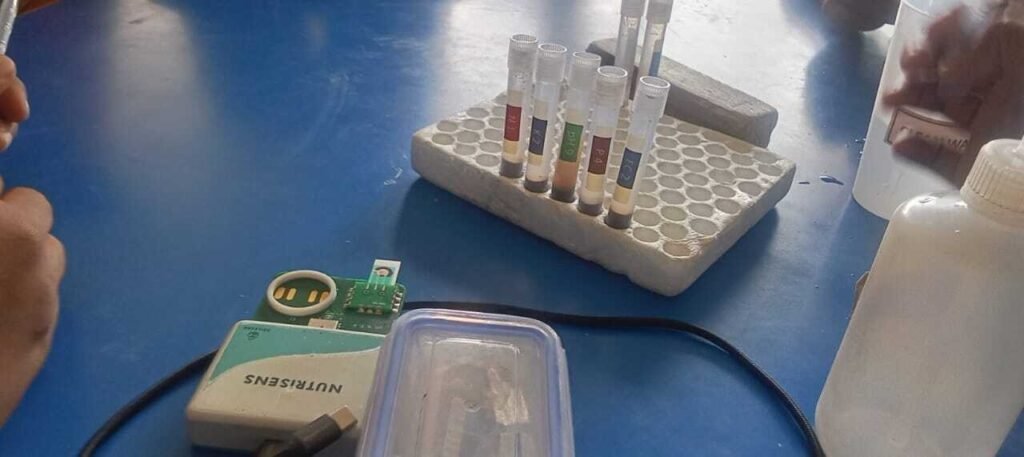
Recognizing the challenges farmers face in accessing soil health data, the school collaborated with Proximal Soilsens, a company specializing in soil testing kits. With support from Tushar Hande of the Business Department and Dr. Rajul Patkar, co-founder of the company, the academy acquired these kits, enabling students to conduct real-time soil analysis for farmers.

Empowering Students Through Practical Learning

The initiative started as a pilot project with 15 students from class 7, who were trained in soil science fundamentals—including key nutrients like nitrogen, phosphorus, potassium, organic carbon, and pH balance.

Once the students mastered the theoretical concepts, they moved on to practical application. “We taught them how to collect soil samples, analyze them using the Soilsens kit, and interpret the results,” Swapna shares.

The process is simple yet effective:

  1. Students mix soil with specific chemical reagents.
  2. The solution is tested using the Nutrisens device, which connects to a smartphone.
  3. Data is instantly retrieved and analyzed through an agricultural app.
  4. Within 30-35 minutes, a detailed soil health report is generated—a stark contrast to traditional methods, which can take weeks or even months.

Bringing Science to the Fields

On December 17, 2024, the students conducted a large-scale soil testing event for 15 farmers from villages like Yavat, Supa, Kedgaon, Kasurdi, Deulgaon Gada, and Boripardhi.

When the farmers arrived, students took the lead—testing soil samples, analyzing the results, and advising farmers on soil health improvements.

“The farmers were amazed by how quickly we could generate reports and give them actionable recommendations,” says Angela Aram, the school’s Programme & Corporate Engagement Coordinator.

For instance, if a soil sample had adequate nitrogen or potassium, students advised against unnecessary fertilizer use, helping farmers save money and reduce chemical dependency. If a deficiency in organic carbon was detected, they suggested using organic manure or planting leguminous crops to naturally restore soil fertility.

Students as Change-Makers

For the students, this experience was more than just a classroom exercise—it was a transformational journey.

“I used to think soil testing was something only farmers did,” says 14-year-old Santosh Sharma. “But now, I understand its importance and feel proud that I can help farmers make better decisions for their crops.”

Similarly, 13-year-old Divya Sharma is thrilled that her newfound knowledge allows her to assist local farmers. “Before, they had to travel long distances for soil testing, but now they can do it here, saving time and money.”

Expanding the Impact

Encouraged by the success of the pilot project, Deep Griha Academy is scaling up the initiative.

“We aim to include more students from class 7 and 8 and conduct between 35 to 40 soil tests in the coming months,” says Ashlesha.

By integrating science with real-world problem-solving, the school is empowering young minds while supporting the farming community.

“This is just the beginning,” concludes Swapna. “Through education, we’re not only cultivating knowledge but also nurturing a generation that values sustainability, innovation, and social responsibility.”

Under the Shade of Trees, A Teacher’s Open-Air School Transforms Tribal Education in West Bengal

0

When the COVID-19 pandemic forced schools to shut, thousands of children across India were left without access to education. In the remote Bagdabra forest of Murshidabad, West Bengal, this crisis was especially severe for tribal children like Biplab, a class 8 student whose education came to a standstill due to a lack of online access.

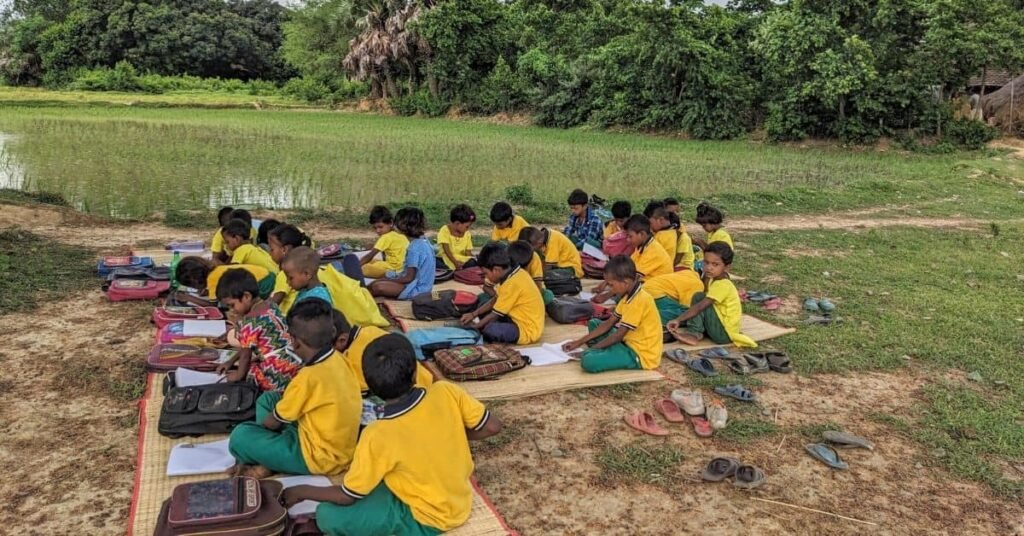
Amidst this uncertainty, Professor Angshuman Thakur, a Bengali literature professor at Prof Syed Nurul Hasan College, stepped in with an extraordinary solution. In 2021, he founded Anirvana Gacher Iskul—an open-air school nestled under the shade of neem and mango trees.

A Classroom Without Walls

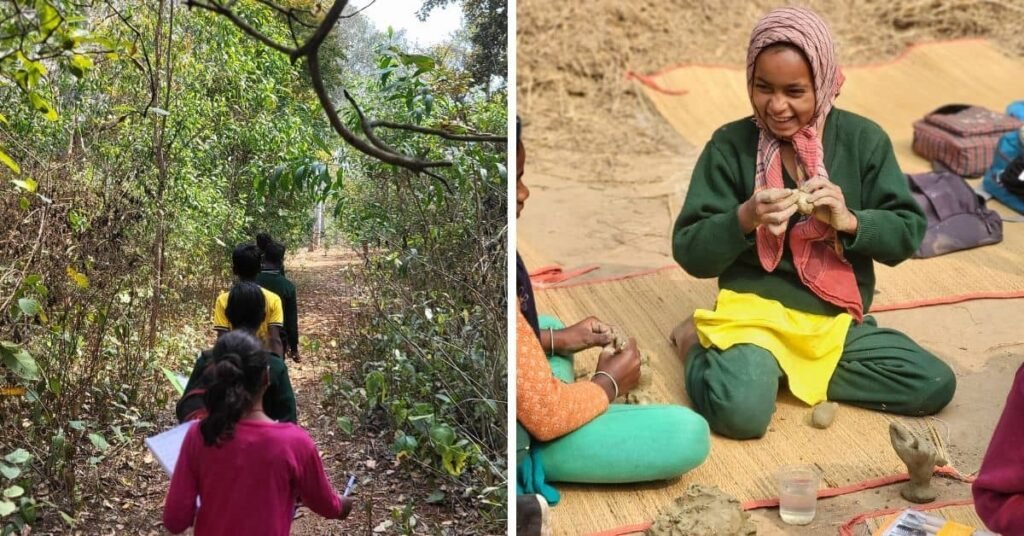
Inspired by Rabindranath Tagore’s philosophy of holistic education, Angshuman designed the school to blend traditional learning with creative pursuits. Children engage in academic subjects alongside activities like drawing, clay modelling, music, and environmental awareness, fostering both intellectual and artistic development. His innovative teaching methods link textbook lessons to nature, making learning more interactive and relevant.

What started with just five children has now grown into a thriving educational space for over 105 students from kindergarten to class 12.

A Self-Sustaining Model

Unlike conventional schools, Anirvana Gacher Iskul operates on community donations and Angshuman’s personal savings. With a nominal fee of Rs 300 per child per month, the school remains accessible to families who otherwise struggle to afford education.

“Through this initiative, we aim not just to educate children but to uplift the entire community. We are instilling an entrepreneurial spirit in these students, which will help transform their villages,” says Angshuman.

Under the Shade of Trees, A Teacher’s Open-Air School Transforms Tribal Education in West Bengal

Beyond Basic Education: A Vision for the Future

To ensure children don’t have to choose between formal schooling and his initiative, Angshuman runs the school before regular school hours, allowing students to benefit from both.

His long-term dream? An eco-friendly campus with a library and computer lab, providing students with the tools they need to compete in a rapidly evolving world.

Through one teacher’s dedication, a community once on the brink of educational neglect is now blossoming with hope and opportunity—all under the shade of trees.

Antarctic Research Expedition in the Ross Sea

0

The Ross Sea has become a focal point for international marine research. Recent expeditions have highlighted its ecological significance and the urgent need for conservation. Scientists from various countries, including India, are conducting extensive studies to understand the biodiversity of this unique marine environment. The current expedition, led by marine scientist Sherine Sonia Cubelio, is part of a 40-day collaborative effort aimed at assessing living resources in the region.

Geographic Overview of the Ross Sea

  • The Ross Sea is located in the Southern Ocean.
  • It covers an area of approximately 1.55 million square kilometers.
  • The sea is bordered by Cape Adare and Cape Colbeck.
  • It features a mix of shallow and deep marine regions.
  • The sea floor is primarily less than 900 meters deep.
  • Notably, it is one of the least-iced regions of Antarctica, allowing for easier access for research vessels.

Biodiversity and Marine Protected Areas

  • The Ross Sea is home to diverse marine life.
  • It supports the largest colony of emperor penguins globally.
  • The area has been designated as a marine protected zone.
  • This protection prohibits fishing to preserve its unique ecosystems.
  • Researchers are studying environmental DNA to understand the distribution of zooplankton and fish communities.
  • This research is crucial for assessing the health of marine ecosystems.

Climate Change and Its Impact

The Ross Sea serves as a natural laboratory for studying climate change. Its unique conditions provide vital information about global climate systems. The region plays a crucial role in sea ice production, influencing ocean currents and heat distribution worldwide. Understanding these dynamics is essential for predicting future climate scenarios.

Historical Context of Exploration

The Ross Sea has a rich history of exploration. It was first penetrated by the HMS Erebus and HMS Terror in 1841. Since then, various nations have conducted research in the area. The coastal regions have been geologically explored, leading to a better understanding of Antarctica’s geology and ecology.

Conservation Efforts and Regulatory Framework

The Commission for the Conservation of Antarctic Marine Living Resources (CCAMLR) oversees conservation efforts in the region. Established in 1980, CCAMLR aims to preserve marine life and environmental integrity. It monitors the effects of fishing and harvesting in the Southern Ocean. The Ecosystem Monitoring Program (CEMP) further supports these conservation efforts.

The ongoing research in the Ross Sea is vital for global marine conservation. The insights gained will help shape future policies to protect this pristine environment while enhancing our understanding of climate change and marine biodiversity.

What is Nematode Management?

0

Plant parasitic nematodes are emerging as a major threat to Indian agriculture, causing annual crop losses worth ₹25,000 crore. A recent symposium in Goa, attended by over 100 agricultural scientists, highlighted the urgent need for effective nematode management to protect soil health and sustain crop productivity.

Understanding Nematodes

  • Nematodes are microscopic worms belonging to the phylum Nematoda.
  • They are one of the most abundant animals on Earth, existing in diverse environments like soil, freshwater, and marine habitats.
  • While some nematodes are beneficial, parasitic species attack plant roots, leading to stunted growth and reduced yields.

Impact on Agriculture

Parasitic nematodes often go undetected until significant damage has occurred, making them a silent but devastating threat. Their impact on crop yields underscores the need for awareness and proactive management strategies.

Sustainable Management Strategies

Experts at the symposium recommended several strategies for sustainable nematode control, including:

  • Crop rotation to break nematode life cycles and reduce infestations.
  • Breeding resistant plant varieties to enhance crop resilience.
  • Biological control agents, such as beneficial microbes and fungi, to naturally suppress nematode populations.

Technology and Innovation in Nematode Control

Technological advancements play a crucial role in managing nematode infestations. Syngenta India is investing in research and development (R&D) to create innovative solutions. Collaborations between industry and academia are also seen as vital for developing sustainable agricultural practices.

Raising Awareness Among Farmers

Many farmers are unaware of the significant impact nematodes have on crop yields. The symposium emphasized the importance of education and outreach programs to equip farmers with the knowledge and tools to identify and manage nematode infestations effectively.

The Need for Research and Development

The symposium participants called for increased investment in scientific research to develop robust nematode management solutions. A strong R&D pipeline is essential for:

  • Developing effective biopesticides and nematicides.
  • Enhancing early detection techniques through advanced diagnostics.
  • Implementing integrated pest management (IPM) approaches for long-term sustainability.

Summing Up

Nematodes pose a significant but often overlooked challenge in Indian agriculture. Through scientific innovation, farmer education, and sustainable management practices, India can mitigate the effects of nematode infestations and ensure long-term agricultural productivity.

IAS Officer Turns Farmer: Pioneering Water-Efficient Paddy Cultivation

0

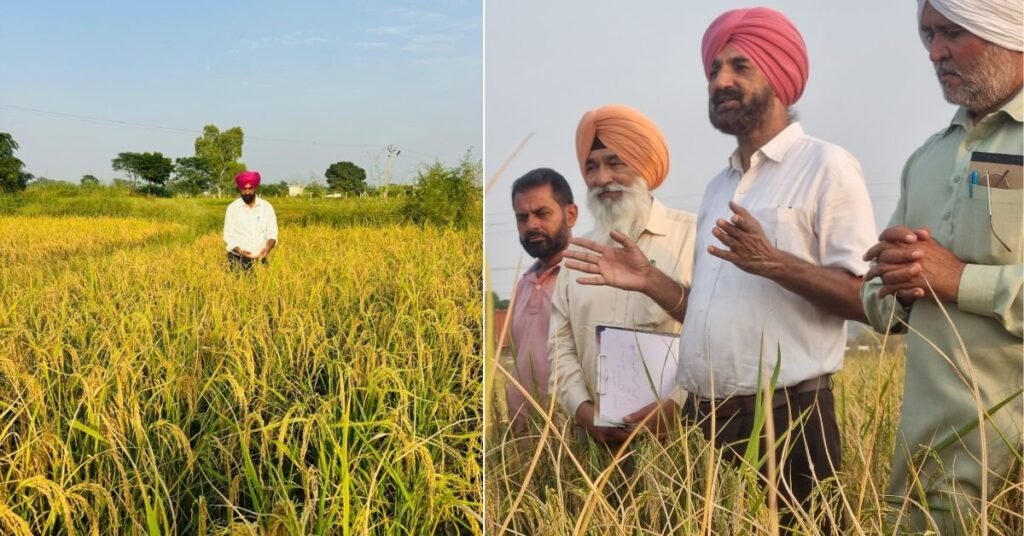
Retired IAS officer Kahan Singh Pannu from Punjab has introduced an innovative farming technique called Seeding of Rice on Beds (SRB) to combat groundwater depletion. His method not only conserves water but also reduces costs and promotes sustainable agriculture.

Punjab’s Groundwater Crisis

Punjab, often referred to as the breadbasket of India, faces a severe groundwater crisis. Data from the Central Groundwater Board warns that by 2039, the state’s groundwater could drop below 1,000 feet due to excessive extraction for paddy cultivation. Currently, 87% of Punjab’s farmland is used for rice farming, with 97% of groundwater dedicated to irrigation.

“This over-extraction has been happening for decades,” says Kahan Singh Pannu, who has seen firsthand the drastic decline in water levels in his village, Jai Nagar.

Introducing the SRB Technique

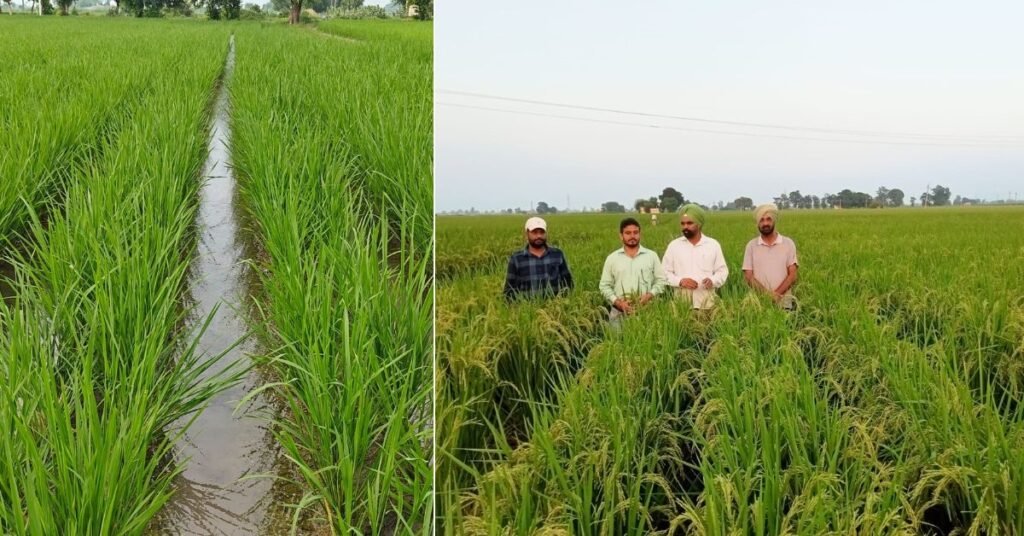
With a strong agricultural background and years of public service, Kahan Singh developed the SRB technique, which drastically reduces water usage by 75% compared to traditional paddy farming.

  • Traditional paddy farming requires 4,000 liters of water per kilogram of rice.
  • The SRB technique ensures water reaches the roots without flooding fields.
  • Water is applied only in furrows, preventing wastage and maintaining soil health.

Revolutionary Flying Robot Technology

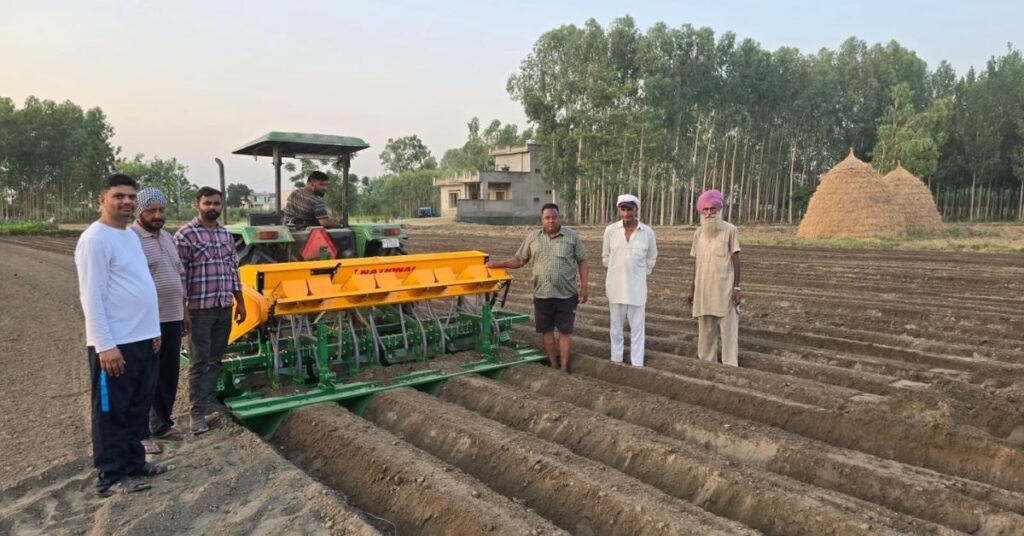
To implement this method efficiently, Kahan Singh collaborated with agricultural equipment manufacturers to develop the SRB device, a machine that:

  • Prepares beds and plants seeds simultaneously.
  • Saves labor costs and increases precision in farming.
  • Uses herbicide-tolerant seeds to address weed growth without flooding fields.
IAS Officer Turns Farmer: Pioneering Water-Efficient Paddy Cultivation

Farmers Adopt SRB with Great Success

During the latest growing season, 12 trial sites across Punjab implemented SRB with promising results. Farmers reported significant cost savings:

  • Jaswinder Singh, a farmer from Lambra village, used the technique on two acres and saved ₹8,000 per acre in irrigation and labor costs.
  • “Earlier, we had to irrigate the field 20 times, but with SRB, just four times was enough,” he shares.
  • Despite lower water usage, yields remained consistent at 24 quintals per acre.

A Sustainable Future for Punjab

With groundwater levels plummeting, SRB presents a revolutionary shift in paddy farming. Farmers are increasingly adopting the technique, reducing costs and preserving groundwater.

Reflecting on Punjab’s agricultural heritage, Kahan Singh states, “I have so many childhood memories tied to wells. Today, functioning wells are nowhere in sight. We need to shift towards regenerative and conservation-oriented agriculture.”

As the former IAS officer continues to inspire change, his pioneering efforts show that one innovative solution can transform an entire region, paving the way for a sustainable future in Indian agriculture.

China’s Chang’e-7 Mission: Pioneering Lunar Exploration

0

China’s ambitious Chang’e-7 mission, set to launch in 2025, aims to explore the Moon’s south pole in search of potential water resources. This groundbreaking mission employs an innovative flying robot designed to navigate the Moon’s rugged terrain. As part of China’s long-term strategy, the mission represents a crucial step towards the establishment of a permanent lunar research base.

Objectives of the Chang’e-7 Mission

The primary goal of the Chang’e-7 mission is to detect and analyze water ice deposits in the Moon’s south pole region. Scientists believe that these deposits could serve as critical resources for future lunar habitation, supporting essential needs such as:

  • Drinking water for astronauts.
  • Oxygen production to sustain human life.
  • Rocket fuel generation, reducing dependence on Earth-based resources.

By harnessing lunar water, future space missions could become more self-sufficient and cost-effective.

Innovative Flying Robot Technology

Unlike traditional rovers, the Chang’e-7 mission introduces a revolutionary flying robot equipped with cutting-edge mobility features:

  • Leaps, crawls, and soars using rocket propulsion.
  • Six-legged design for stable movement across rugged landscapes.
  • Advanced navigation systems powered by solar energy and fuel.
  • High-tech scientific instruments to collect precise environmental data.

This breakthrough technology allows the robot to access previously unreachable areas, vastly enhancing the scope of lunar exploration.

Significance of Water on the Moon

The presence of water on the Moon is a game-changer for future space exploration. Lunar water could:

  • Support long-term human missions and colonies.
  • Facilitate local fuel production, enabling deeper space travel.
  • Reduce logistical challenges and mission costs.

China’s exploration of lunar ice deposits marks a significant stride towards sustained space habitation and interplanetary travel.

The Unique Environment of the Moon’s South Pole

The south pole of the Moon is an area of great scientific interest due to its permanently shadowed craters, which may contain water ice that has remained frozen for billions of years. The Chang’e-7 mission aims to explore these regions, unlocking valuable insights into the Moon’s history and resource potential.

Future Implications of the Mission

The success of the Chang’e-7 mission could lay the foundation for future crewed missions and the establishment of a lunar research station by 2030. This development would:

  • Enable a sustained human presence on the Moon.
  • Support cutting-edge scientific research.
  • Solidify China’s position as a leader in space exploration.

Lunar Exploration in a Global Context

Lunar exploration is gaining traction worldwide, with multiple countries investing in Moon missions. The search for water and resources remains a common objective, and international collaboration may play a crucial role in shaping future lunar endeavors.

With the Chang’e-7 mission, China takes a bold step towards advancing space technology and paving the way for a new era of human presence beyond Earth.

Bharat Ranbhoomi Darshan: Honoring Military Sacrifices Through Battlefield Tourism

0

On the occasion of the 77th Army Day, the Defence Ministry launched the Bharat Ranbhoomi Darshan initiative, a groundbreaking program aimed at promoting battlefield tourism across India. This initiative highlights 77 historically significant sites that commemorate the sacrifices of the Indian Armed Forces. A collaborative effort between the Indian Army, state governments, and the Ministry of Tourism, the initiative seeks to enhance public awareness of India’s military history while ensuring a safe and enriching experience for visitors.

Bharat Ranbhoomi Darshan: A Gateway to India’s Military Heritage

At its core, Bharat Ranbhoomi Darshan serves as a digital platform designed to provide tourists with a comprehensive insight into the 77 Shaurya Gantavya sites. Through this platform, visitors can:

  • Access detailed historical narratives of various battlefield locations.
  • Experience virtual tours to explore these sites remotely.
  • Obtain information on travel arrangements, including necessary permits for restricted areas.
  • Plan their visits with guidance on safety measures and logistical support.

Ensuring Visitor Safety

Given the sensitivity of these sites, visitor safety remains a top priority. The Indian Army has implemented several risk mitigation strategies to ensure secure access:

  • Coordination with army units: Visitors must coordinate with the Indian Army for entry into high-risk zones.
  • Special permits: Access to high-altitude or sensitive areas is regulated through a permit system.
  • Emergency response protocols: Immediate medical assistance is ensured through dedicated emergency mechanisms in place at these locations.

Infrastructure and Amenities Development

To make these historically significant sites more accessible and informative, the initiative includes extensive infrastructure development:

  • War memorials and museums: Many sites are being equipped with museums and exhibits that showcase India’s military history.
  • Tourist-friendly amenities: State-led schemes are enhancing facilities such as visitor centers, guided tours, and rest areas.
  • Sustainable tourism initiatives: Measures are being taken to protect fragile ecosystems while promoting tourism.

Exploring the Shaurya Gantavya Sites

The 77 sites selected under this initiative are deeply intertwined with India’s military history. Some of the most notable locations include:

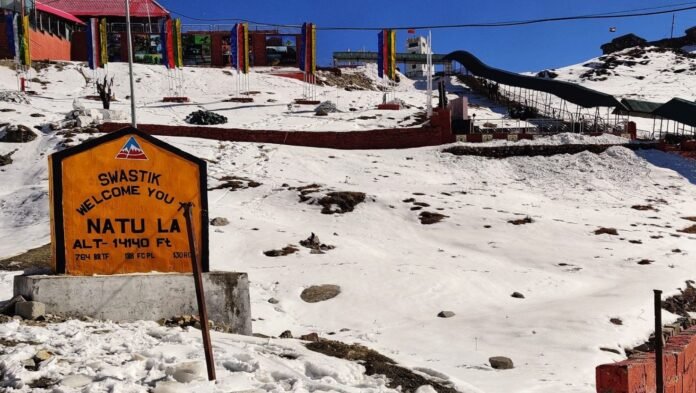
  • Galwan Valley: A symbol of India’s resilience, where recent military engagements have taken place.
  • Longewala: The site of the legendary 1971 battle where Indian soldiers triumphed against overwhelming odds.
  • Other crucial battlegrounds: Sites from conflicts such as the Kargil War and Indo-China skirmishes are also included.

Impact on Tourism and Socio-Economic Growth

By promoting battlefield tourism, Bharat Ranbhoomi Darshan aims to revitalize border regions and remote areas, leading to:

  • Increased connectivity: Development of roads and transportation networks to improve accessibility.
  • Boost in local economies: The influx of tourists is expected to create employment opportunities and promote local businesses.
  • Community participation: Local collaboration in maintaining these sites fosters a sense of national pride and military preparedness.

Weather and Environmental Considerations

Tourists are advised to stay informed about weather conditions, especially in high-altitude or extreme climate regions. The initiative promotes sustainable tourism practices to ensure responsible travel while preserving these historic sites for future generations.

Summing Up

The Bharat Ranbhoomi Darshan initiative is a visionary step towards honoring India’s military legacy while fostering tourism and regional development. By offering an immersive experience into the nation’s battlefield history, it serves as a tribute to the bravery and sacrifices of the Indian Armed Forces, ensuring that their valor continues to inspire generations to come.

KobSook: Handmade Vegan Sneakers Empowering Disabled Designers & Promoting Sustainability

0

In an era where sustainability and inclusivity are becoming more than just buzzwords, KobSook, a Made-in-India sneaker brand, is redefining both. By empowering differently-abled individuals as designers and crafting eco-friendly sneakers, KobSook stands as a movement rather than just a business.

“I strongly believe that once you reach a certain position in life, you must give back to society, but sustainably,” says Aziz Kapasi, the 50-year-old founder of KobSook. The brand manufactures handcrafted sneakers featuring unique prints designed by five talented artists with disabilities.

A Sustainable Footprint

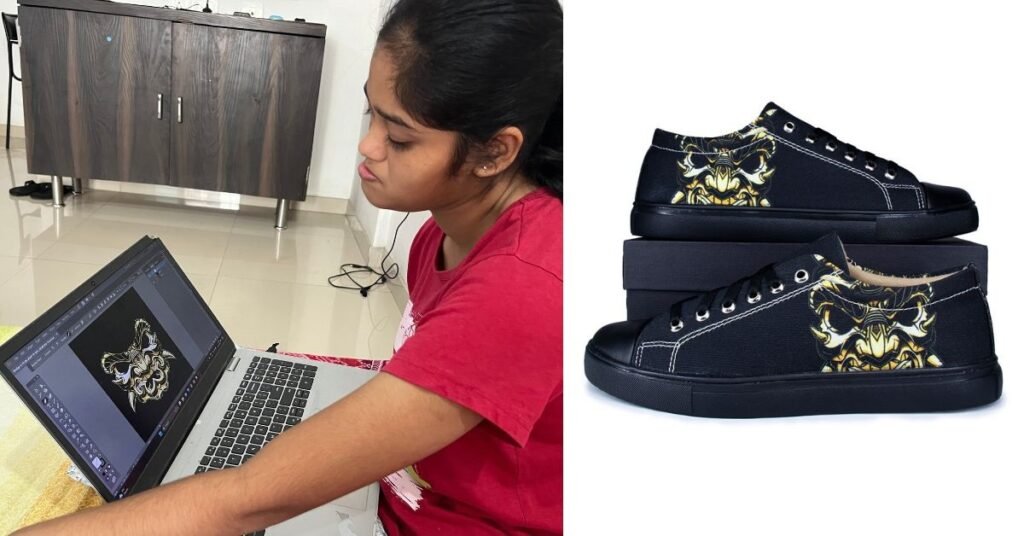
KobSook sneakers are crafted from fine vegan suede, recyclable canvas, and exclusive hand-painted or digitally designed artwork. Unlike mass-produced factory footwear, the handmade process ensures support for skilled labor while minimizing energy consumption. Aziz also emphasizes the need to create better employment opportunities for persons with disabilities, making their skills more marketable and financially sustainable.

A deep-seated personal experience shaped Aziz’s commitment to this cause. “I have seen the ill-treatment received by disabled people in the family I grew up in,” he shares, choosing not to dwell on the painful past but using it as a force for change.

From Corporate World to Social Entrepreneurship

Founded in 2021, KobSook emerged from Aziz’s passion to create a platform for disabled individuals while ensuring a successful business model. Having spent over 20 years in the corporate world with leading FMCGs like PepsiCo, Aziz stepped into uncharted waters—the footwear industry.

KobSook: Handmade Vegan Sneakers Empowering Disabled Designers & Promoting Sustainability

Through his wife, Dr. Maria Kapasi, he discovered AIMS Media, an organization focused on training disabled individuals in digital and other creative skills. KobSook then collaborated with AEMP (Ability Enhancement Multimedia Program), an initiative that tailors skill training for disabled individuals based on their strengths and interests. The result? A brand with a purpose.

The Art Behind the Sneakers

KobSook’s designs are inspired by the artistic creations of differently-abled individuals. The artwork is hand-painted or designed digitally in Photoshop and later converted into high-resolution prints for the sneakers. The process, while intricate, is a fulfilling one.

Artists work closely with the internal team, refining their ideas while ensuring that the final designs reflect their original vision. “Sometimes, we create shoes that may not be perfect in finish, but it’s worth it to see the joy on an artist’s face,” Aziz says passionately.

Empowerment Beyond Employment

For Aziz, employing disabled individuals isn’t about sympathy; it’s about recognition. “True motivation comes from acknowledgment, not pity,” he asserts. The training process is meticulous, requiring patience. “If a typical student needs six months to master Photoshop, a differently-abled individual might take eight months—or even three years,” he explains.

To streamline the training, the team conducts a CQ (Cognitive Quotient) test to gauge the individuals’ capacity for grasping design concepts. “We focus on their talent and train them accordingly,” says Arushi Sundriyal, a multimedia trainer at AEMP.

Sustainability at the Core

KobSook isn’t just about social impact; its commitment to sustainability is equally strong. The brand uses vegan suede and recyclable canvas for its sneakers. Their fabrics, sourced from HF International, an MSME in Agra, undergo a meticulous process of lamination and fusion before reaching the assembly stage.

KobSook: Handmade Vegan Sneakers Empowering Disabled Designers & Promoting Sustainability

“By outsourcing the initial production stages, we provide employment to semi-skilled laborers as well,” Aziz explains. Every component, from soles to laces, is sourced from within India, ensuring high-quality and sustainable production.

Creating an Impact: From India to Dubai

KobSook’s impact extends beyond employment. The hashtag #IAmDifferentButAble embodies the brand’s mission—to celebrate abilities rather than disabilities.

A testament to their impact is Anjana, one of the designers, whose artwork is now showcased at Dubai Airport. “She is extraordinary with art, and now her work is recognized internationally,” Aziz shares with pride.

Looking Ahead: Expanding Visibility

With over 3,000 pairs sold and Rs. 25 lakh in revenue last year, KobSook is steadily growing. The company is now working on increasing brand visibility through innovative avenues. “We plan to showcase our sneakers in cafes and gyms, allowing people to experience the design and comfort firsthand,” Aziz reveals.

Customers are also resonating with the brand beyond its backstory. “Initially, I bought the sneakers for their unique design, and only later did I discover the brand’s mission. I feel proud to support such a cause,” says Vijay Rana, a customer who now owns five pairs of KobSook sneakers.

Summing Up

KobSook is proving that business can be a force for good. By merging sustainability with inclusivity, the brand is not only redefining the sneaker industry but also setting an example for other businesses to follow.

As Aziz puts it, “Other companies must step up and create an environment where disabled individuals feel valued for their skills. Ultimately, it’s the organization that benefits, right?” Indeed, KobSook stands as a beacon of how the right blend of passion, innovation, and empathy can make a difference—one sneaker at a time.

Who Is Poonam Gupta? Meet the First CRPF Officer to Get Married at Rashtrapati Bhavan

0

In a historic first, Rashtrapati Bhavan, the official residence of the President of India, will host a wedding on February 12, 2025. CRPF officer Poonam Gupta, known for her dedication and exemplary service, will tie the knot with her fiancé, Avinash Kumar, a fellow CRPF Assistant Commandant, at the prestigious Mother Teresa Crown Complex within the Rashtrapati Bhavan premises.

A Presidential Honor for Exceptional Service

President Droupadi Murmu has granted special permission for the wedding, recognizing Poonam Gupta’s professionalism, discipline, and commitment to duty. Currently serving as a Personal Security Officer (PSO) at Rashtrapati Bhavan, Poonam has been at the forefront of several significant assignments, including leading the all-women CRPF contingent at the 74th Republic Day Parade.

Her selection for this rare honor is a testament to her remarkable journey in the force and an inspiration for aspiring officers.

Poonam Gupta: A Story of Grit and Determination

Hailing from Madhya Pradesh, Poonam Gupta’s academic credentials are as impressive as her service record. She holds a Mathematics degree, followed by a post-graduation in English Literature and a Bachelor of Education (B.Ed.). Her journey into the CRPF began when she cleared the 2018 UPSC CAPF examination, securing an All India Rank (AIR) of 81.

Currently serving as an Assistant Commandant in the CRPF, Poonam has worked in Naxal-affected regions of Bihar, gaining experience in one of the most challenging assignments for security personnel. Her journey reflects courage, resilience, and an unwavering commitment to national service.

A Union of Two Bravehearts

Poonam’s fiancé, Avinash Kumar, is also a CRPF Assistant Commandant, currently stationed in Jammu & Kashmir. Their wedding will be a private affair, attended by close family members and colleagues. The occasion is not just a personal milestone for the couple but also a historic moment for the Rashtrapati Bhavan, which has never before hosted a wedding.

The Grandeur of Rashtrapati Bhavan

A symbol of India’s governance and heritage, Rashtrapati Bhavan is an architectural marvel designed by Sir Edwin Lutyens. Spread over 300 acres, its main building covers 200,000 square feet, housing 340 rooms across four floors. It is the second-largest residence of a head of state in the world, after Italy’s Quirinal Palace.

For the first time in its illustrious history, Rashtrapati Bhavan will witness a wedding, making Poonam Gupta’s union with Avinash Kumar a moment of national significance.

An Inspiration for Future Generations

Poonam Gupta’s journey—from excelling in academics to leading elite CRPF operations and now earning the rare honor of a wedding at Rashtrapati Bhavan—is an inspiration for young women across India. Her story underscores the power of determination, hard work, and service to the nation.

As the nation looks forward to this historic event, Poonam and Avinash’s union marks a celebration of duty, love, and the spirit of service.